

OBD-II Code B1324: A Manufacturer-Specific Body Control Module Fault
What B1324 means, why it triggers, and how to fix it on your vehicle
- Code B1324 is manufacturer-specific: it indicates a broken rear right power window on Ford/Mazda, a faulty oil level sensor on GM, or a disabled passenger airbag on Hyundai/Kia.
- Do not drive Hyundai or Kia vehicles with this code; it disables the passenger airbag and requires a $1,200+ Weight Classification Sensor repair and dealer calibration.
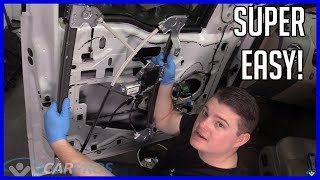
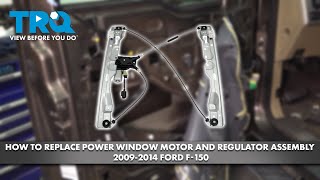
- Fix Ford and Mazda window issues by replacing the entire $150 rear right window motor assembly, as the failed 'one-shot' relay is sealed inside.
- Always test your 12V battery and check interior fuses before replacing expensive modules, as a voltage drop or a blown 7.5A fuse frequently triggers false B1324 communication errors.
What Does B1324 Mean?
B1324 is a Body Control Module (BCM) code with entirely different meanings depending on the manufacturer. On Ford and Mazda, it indicates a failure in the rear right power window's automatic up/down relay. On GM vehicles, it signals a low voltage reading from the engine oil level sensor. On Hyundai and Kia, it flags a communication error with the passenger seat Weight Classification System (WCS), which disables the passenger airbag. On Toyota and Lexus, it signifies a lost communication link between the radio and the instrument cluster.
Technical definition: The official definition for code B1324 varies by manufacturer. The most common definitions are: * **Ford/Mazda/Lincoln/Mercury:** Power Window RR (Rear Right) One Shot Relay Coil Circuit Failure. * **General Motors (Chevrolet/GMC/Cadillac):** Engine Oil Level Sensor Circuit Low. * **Hyundai/Kia:** Weight Classification System (WCS) Communication Error. * **Toyota/Lexus:** Lost Communication with Meter (instrument cluster). * **Volkswagen/Audi:** Control Module For All-Wheel Drive (J492): No Signal/Communication. * **BMW:** Circuit lamp half-open door opened. * **Suzuki:** ICC (Intelligent Cruise Control) Function.
Can I Drive With B1324?
Yes, But With Caution. For Ford, GM, and Toyota applications, the vehicle is safe to drive because the code affects non-essential features like an automatic window or a redundant oil level sensor. For Hyundai and Kia, the passenger airbag is disabled, creating a severe safety risk that requires immediate repair. For VW and Audi, the AWD system is disabled, reducing traction in adverse weather.
Common Causes
- Failed Power Window Motor/Regulator Assembly (Ford/Mazda) (Very Common) — The 'one-shot' relay is integrated directly into the window motor. When this internal relay fails, the entire motor assembly must be replaced to restore the automatic window function.
- Failed Engine Oil Level Sensor (GM) (Very Common) — The sensor located in the oil pan frequently fails internally, sending a false 'Low Engine Oil' warning to the dashboard even when the oil level is perfectly full.
- Faulty Weight Classification Sensor (Hyundai/Kia) (Common) — The sensor pad or control module located inside the passenger seat cushion fails, triggering a B1324 code and completely disabling the passenger airbag.
- Corroded or Damaged Wiring and Connectors (Common) — Wires running through door jambs (Ford), under seats (Hyundai), or exposed to the elements under the vehicle (VW Haldex controller) break or corrode over time, severing the electrical connection.
- Blown Interior Fuse (Less Common) — A blown fuse disables the affected circuit. On Kia models, a blown 'ROOM LP' or 'AUDIO' fuse causes WCS communication errors while simultaneously disabling the HVAC blower and dome lights.
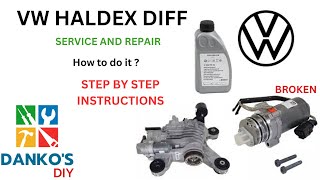
- Failed Haldex Control Module (VW/Audi) (Less Common) — If the connector is clean but communication is lost, the all-wheel-drive control module mounted on the rear differential has failed internally and requires replacement.
- Low Battery Voltage (Uncommon) — A weak battery causes a significant voltage drop during engine cranking, which interrupts module communication and triggers false B1324 codes, especially on Toyota and VW vehicles.
Symptoms
- Rear right 'auto-up/down' window feature fails — The window's one-touch automatic function stops working, but you can still raise and lower it by holding the button manually (Ford/Mazda).
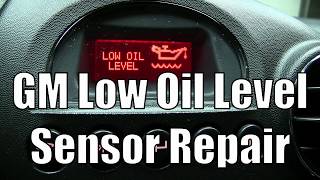
- 'Low Engine Oil' message on dash — The dashboard displays a low oil level warning, but manually checking the dipstick confirms the engine is full of oil 🎬 Watch: How to replace a faulty GM oil level sensor. (GM).
- Passenger airbag 'OFF' light is illuminated — The passenger airbag is disabled and will not deploy in a collision due to a Weight Classification System fault (Hyundai/Kia).
- AWD / Traction Control light is on — The all-wheel-drive system is disabled, leaving the vehicle in front-wheel-drive mode only (VW/Audi).
- Radio display and steering wheel controls malfunction — Steering wheel audio controls stop working, or the radio/navigation screen behaves erratically (Toyota/Lexus).
- Multiple seemingly unrelated electrical issues — The HVAC blower runs only on high and interior dome lights stop working simultaneously with the airbag warning light (Kia).
Diagnostic Flowchart
Tap your situation to follow the diagnostic path that matches what you're seeing on this code.
Common Fixes & Costs
- Replace Power Window Motor/Regulator Assembly — Parts: $75 - $150, Labor: $125 - $225, ~1.2 hr book time (Intermediate)
- Replace Engine Oil Level Sensor — Parts: $40 - $80, Labor: $100 - $200, ~1 hr book time (Intermediate)
- Replace Passenger Seat Weight Classification Sensor (WCS) — Parts: $800 - $1500, Labor: $300 - $500, ~2.5 hr book time (Professional)
- Clean or Repair Damaged Wiring/Connectors — Parts: $10 - $30, Labor: $150 - $350, ~2 hr book time (Professional)
- Replace Haldex AWD Control Module (VW/Audi) — Parts: $300 - $700, Labor: $150 - $250, ~1.5 hr book time (Intermediate)
- Replace Blown Fuse — Parts: $1 - $10, Labor: $0 - $150, ~0.2 hr book time (DIY)
DIY vs Professional
- Replace Power Window Motor/Regulator Assembly — Beginner: Yes, with patience.
Tools: Socket set, trim removal tools, drill (for some Ford models), tape. - Replace Engine Oil Level Sensor — Beginner: No, this is an intermediate task.
Tools: Socket set, large wrench (e.g., 30mm or 1 1/8"), oil drain pan, new oil, oil filter. - Replace Passenger Seat Weight Classification Sensor (WCS) — Beginner: No.
Tools: Socket set, trim tools, specialized SRS scan tool for calibration. - Clean or Repair Damaged Wiring — Beginner: No.
Tools: Wire strippers, crimpers, butt connectors, heat shrink tubing, electrical contact cleaner. - Replace Haldex AWD Control Module — Beginner: Yes, for a mechanically inclined beginner.
Tools: Socket set, torque wrench. - Replace Blown Fuse — Beginner: Yes.
Tools: Fuse puller or needle-nose pliers.
Used vs. New Parts: Buying Guide
When a used part is worth it: For non-safety components like window motors (Ford) or Haldex controllers (VW/Audi), a used part from a reputable donor vehicle offers significant savings. These parts have no inherent wear-out items that make a used part a high risk.
Donor-vehicle mileage cap: roughly under 100000 miles for the part to have meaningful remaining life.
Donor quality checklist:
- Verify the donor vehicle was not scrapped due to a flood or fire, which destroys electronics.
- For under-car parts like Haldex controllers, avoid donors from rust-belt regions.
- Match the OEM part number exactly to ensure correct module communication.
Decision logic:
- If The part is for a critical safety system (e.g., Hyundai/Kia WCS airbag sensor). → Always buy new OEM. The risk of a faulty or improperly handled used safety part is too high.
- If The part is a simple electronic sensor (e.g., GM oil level sensor) and the cost of a new part is low. → Buy new. The small savings on a used part are not worth the labor cost to install it a second time if it fails.
- If The part is an expensive electronic module (e.g., VW Haldex Controller) and the vehicle is older. → A tested, warranted used part is a reasonable choice to save 50-80% over a new part.
Warranty tradeoff: Used parts typically come with a 30-90 day warranty. New aftermarket parts offer 1-year to limited lifetime warranties. New OEM parts carry a 1-2 year warranty, often requiring dealer installation.
Worst-case if a used part fails: 600
What Happens If You Wait — Timeline
- Immediate: For Hyundai/Kia: Passenger airbag is disabled. For VW/Audi: AWD system is disabled. For GM: 'Low Oil Level' light appears. For Ford: 'Auto' window function fails. (MPG impact: 0%% · Added cost: 0)
- 1-6 months (Ignoring the warning): For Hyundai/Kia: Continued major safety risk. For VW/Audi: Reduced traction in rain/snow increases accident risk. For GM: Driver becomes complacent about oil warnings. (MPG impact: 0%% · Added cost: 0)
- 6+ months (The 'what if' scenario): For GM: A real oil leak occurs, but the driver ignores the familiar warning light. For VW/Audi: The driver attempts to navigate a snowy hill, gets stuck, and requires a tow. (MPG impact: 0%% · Added cost: 150 - 350)
- Catastrophic event: For Hyundai/Kia: A collision occurs and the passenger airbag does not deploy. For GM: The engine seizes from oil starvation, requiring a full engine replacement. (MPG impact: N/A% · Added cost: 4000 - 10000)
Cost of Not Fixing It
- Immediate: On Hyundai/Kia, the passenger airbag is disabled, creating a major safety risk. On VW/Audi, the AWD system is disabled, reducing traction in poor weather. (Added cost: 0)
- Ongoing: On GM vehicles, ignoring the faulty oil level sensor leads to complacency. If a real low oil situation occurs, the driver ignores the warning, leading to catastrophic engine damage. (Added cost: 4000)
- Long-Term: For Ford/Mazda, there is no escalating mechanical cost; it remains an inconvenience. For Toyota, persistent communication errors point to a degrading control module that eventually affects other systems. (Added cost: 1500)
Diagnosis Steps
- Identify Your Vehicle's B1324 Definition
Confirm what B1324 means for your specific make and model. A quick search for '[Your Car's Make] B1324' tells you if you are diagnosing a window problem (Ford), an oil level sensor (GM), an airbag sensor (Hyundai/Kia), or a communication issue (Toyota/VW).
Tools: Internet access (Beginner) - Perform a Full System Scan and Check Battery Voltage
Use an OBD-II scanner to check for codes in all modules. Note any 'U' (communication) codes. Check the battery voltage; it should read ~12.6V with the engine off and stay above 10.5V during cranking. A weak battery causes phantom communication codes.
Tools: OBD-II Scanner, Multimeter (Beginner) - Check Interior Fuses
Consult your owner's manual to locate fuses for the BCM, power windows, SRS (airbag), radio, and interior lamps. On Kia models, specifically check the 'ROOM LP' and 'AUDIO' fuses. Visually inspect and replace any blown fuses.
Tools: Owner's manual, fuse puller, Multimeter (Beginner) - Verify the Symptom and Manually Check Components
Test the rear right power window's auto function. For GM vehicles, confirm the engine oil level is full using the dipstick. For Hyundai/Kia, ensure nothing is lodged under the passenger seat interfering with the sensor wiring.
Tools: Rag, Dipstick (Beginner) - Inspect Relevant Wiring and Connectors
Inspect the most likely failure point. Pull back the rubber boot between the rear right door and body (Ford). Check connectors under the passenger seat (Hyundai). Inspect the Haldex control module connector on the rear differential for green corrosion (VW/Audi).
Tools: Flashlight, Trim removal tools (Intermediate) - Test Component Power and Ground
With the component disconnected, use a multimeter and wiring diagram to verify the connector receives proper battery voltage on the power pin and has good continuity to ground (less than 1 Ω) on the ground pin. This isolates the problem to the component itself.
Tools: Multimeter, vehicle-specific wiring diagram (Advanced) - [PRO TIP] Test Communication Bus Resistance (Toyota/VW)
For 'Lost Communication' faults, test the CAN bus integrity. Disconnect the battery. Measure resistance between the CAN High and CAN Low terminals at the module connector. A healthy CAN bus reads 108 to 132 Ω (Toyota) or ~2.45 kΩ internally (VW Haldex). Abnormal readings indicate a wiring short or failed module.
Tools: Multimeter, vehicle-specific wiring diagram (Advanced) - [PRO TIP] Analyze Live Data for Airbag Faults (Hyundai/Kia)
Using a bi-directional scan tool, check for live data from the Weight Classification System (WCS) module. If data is absent or erratic, it confirms a communication breakdown. If replacing the sensor, you must use this tool to perform a 're-zero' calibration procedure.
Tools: Advanced Bi-directional Scan Tool (Advanced)
When This Code Triggers (Freeze-Frame Conditions)
- Battery Voltage: 11.5V - 14.5V (The code often sets during engine start. A reading below 12V indicates a weak battery is the root cause of a communication failure.)
- Ignition Status: ON / RUN (The fault is detected when the Body Control Module performs its initial self-checks on all related subsystems.)
- Commanded State: Active/Inactive (For component-specific faults like a window motor, the code sets at the exact moment the window switch is pressed.)
- Communication Status: No Communication (For Toyota or VW vehicles, the freeze frame indicates a total loss of signal from the specific module at the time the code was stored.)
Related Codes
- B1332 / B1334 / B1336 — These codes represent the other power windows. If you see only B1324, the fault is isolated to the rear right door. Multiple codes indicate a shared component failure like the master switch or BCM.
- P0521 — On GM vehicles, this code for the Engine Oil Pressure Sensor appears alongside B1324. B1324 is a harmless level sensor fault, but P0521 indicates a critical loss of oil pressure requiring immediate engine shutdown.
- U0155 / U1002 — These are generic 'Lost Communication' codes. Seeing multiple U-codes alongside B1324 points to a systemic issue like a failing BCM, a bad ground, or low battery voltage.
- B1346 — On Hyundai/Kia vehicles, this code for 'Driver's Airbag Resistance Too High' is caused by a faulty clock spring. Seeing both B1324 and B1346 indicates multiple separate failures within the SRS system.
Climate & Environmental Factors
- Cold Weather: Cold temperatures cause window regulator grease to thicken and rubber seals to harden. This extra strain triggers a temporary B1324 circuit fault in Ford/Mazda window motors.
- Humidity and Road Salt: Moisture and road salt corrode components mounted under the vehicle. This is the primary cause of failure for the VW/Audi Haldex controller connector and the GM engine oil level sensor wiring.
How to Talk to a Mechanic About This Code
Say this: "My car has a B1324 code. For my [Make/Model], this relates to the [System, e.g., 'passenger airbag WCS', 'rear right window motor', 'AWD controller']. I need a diagnostic appointment to confirm the fault and get a written estimate. Please check [known simple cause, e.g., 'the interior fuses' or 'the module connector'] before quoting a module replacement."
This signals you have done your research, directs the technician to the correct system, and establishes a clear process. Mentioning a known simple cause prevents a shop from immediately quoting an expensive module replacement.
Avoid saying:
- 'My airbag light is on, can you fix it?' (Too vague, invites expensive exploration).
- 'Just do whatever it takes to fix the code.' (Gives the shop a blank check).
- 'A guy online said it's just a sensor.' (Undermines the technician's diagnostic process).
Questions to ask before authorizing the repair:
- Can you show me the faulty part or the diagnostic readings (e.g., corrosion on the connector, lack of communication data)?
- Does this repair require any special programming or calibration afterward, and is that included in the price?
- What is the warranty on both the part and the labor for this specific repair?
- Is the price you quoted based on an OEM part or an aftermarket part?
Where to Take It: Dealer vs Independent vs Chain
- Dealer:
Recommended for the Hyundai/Kia airbag fault due to its critical safety nature and calibration needs. Also a strong choice for complex VW/Toyota communication issues.
Best for: Vehicles under warranty., Complex airbag system repairs (Hyundai/Kia) requiring specific calibration., Advanced CAN bus diagnostics (Toyota/Lexus) or module programming (VW/Audi).
Downsides: Highest labor rates, typically 1.5-2x more than independent shops., Defaults to replacing expensive assemblies rather than diagnosing simpler root causes like wiring. (Typical cost: +75% vs. baseline) - Independent Shop:
The best fit for most B1324 variants (Ford, GM, VW). A good independent shop provides the best balance of cost and expertise.
Best for: Out-of-warranty vehicles with common, well-documented fixes., Ford/Mazda window motor replacement., GM oil level sensor replacement., VW/Audi Haldex connector cleaning or module replacement.
Downsides: Quality and expertise vary greatly; look for ASE certification., Lacks the latest diagnostic software for very new models or complex SRS systems. (Typical cost: +0% vs. baseline) - Chain Shop:
AVOID for B1324 diagnosis. The code's manufacturer-specific nature requires diagnostic depth that is beyond the scope of these shops.
Best for: Simple, unrelated maintenance like oil changes or tires.
Downsides: Technician skill is highly variable., High pressure to upsell unnecessary services., Not equipped for in-depth electrical or module-specific diagnostics required for B1324. (Typical cost: -10% vs. baseline)
When to Walk Away From the Repair
If the total estimated repair cost exceeds 50% of the vehicle's current private-party market value, pause and evaluate your options.
- Car worth $3000, fix is $2200: Walk away. A $2,200 repair for a Hyundai/Kia seat sensor on a vehicle worth only $3,000 is not a sound investment.
- Car worth $15000, fix is $450: Fix it. A $450 repair for a Ford window motor on a $15,000 truck is only 3% of the vehicle's value.
- Car worth $8000, fix is $900: Borderline, but likely fix. A $900 VW Haldex controller replacement on an $8,000 car is ~11% of the value. It restores a key feature (AWD) and is well below the 50% threshold.
What Scan Tool You Need for This Code
Minimum: A scanner that reads and clears codes from ALL vehicle systems, including the Body Control Module (BCM), SRS (Airbag), and ABS.
A standard $20 engine code reader will NOT see the B1324 code. It only communicates with the Engine Control Unit for powertrain ('P') codes. B1324 is a Body ('B') code, so a basic scanner falsely reports 'No Codes Found'.
Budget: Foxwell NT510 Elite (~$99) — Reads and clears codes from the BCM and SRS modules, allowing you to see the B1324 code and reset it after a repair.
Mid-range: Autel MaxiCOM MK808S (~$350) — Provides full 'All System' diagnostics with bi-directional control to activate components. Crucially, it performs the 're-zero' calibration procedure required after replacing a Hyundai/Kia WCS sensor.
Professional: Launch X431 V+ (~$800) — Offers full OE-level diagnostic functions, including advanced coding and programming needed for replacing control modules on European vehicles (VW/Audi).
Rent vs buy: Auto parts store loaner scanners are often basic engine code readers that cannot diagnose B1324. You must purchase your own scanner with ABS/SRS capabilities. For a one-time complex repair (Hyundai/Kia), paying a shop's diagnostic fee is more cost-effective than buying a high-end scanner.
How to Clear the Code After You Fix It
- Reconnect the battery if it was disconnected for the repair.
- Use a compatible OBD-II scan tool to clear the code from the Body Control Module (BCM) or SRS module.
- Turn the ignition off and then on again to verify the code does not immediately return.
- Operate the repaired component (e.g., use the auto-window function, check the airbag light) to confirm the fix.
Drive cycle (~15 minutes): A formal drive cycle is not required for body codes. The module self-tests upon startup. A short 15-minute drive with varied conditions is sufficient to confirm the repair. For communication issues, perform multiple key cycles (turning the car on and off).
Readiness monitors affected: Body codes like B1324 do not affect primary emissions-related readiness monitors., Clearing a B-code does not reset your emissions monitors.
Watch out for:
- Clearing the code without performing the repair causes the code to return immediately.
- Basic engine-only code readers cannot read or clear codes from the Body, Chassis, or SRS modules.
- Hyundai/Kia airbag repairs require a specific 're-zero' calibration procedure with an advanced scan tool before the light will turn off.
Will This Fail Emissions / State Inspection?
No — by itself this code doesn't fail OBD inspection (but it can keep readiness monitors from setting, which causes a separate fail).
- California: A B-code does not fail the OBD-II smog check. However, if the fault illuminates the airbag warning light, the technician refuses to test the vehicle for safety reasons.
- New York: An illuminated airbag warning light is grounds for a safety inspection failure. Many shops enforce this strictly.
- Texas: The airbag warning light is NOT a required inspection item and does not cause a vehicle to fail the state safety inspection.
Most Commonly Affected Vehicles
- Ford F-150 (2004-2008) — This generation is widely known for failures of the window motor's internal 'one-shot' relay and for broken wires in the door jambs.
- Chevrolet Silverado / Tahoe (1999-2007) — These GMT800 platform trucks commonly experience failures of the engine oil level sensor, triggering false low oil warnings.
- GMC Sierra / Yukon (1999-2007) — Sharing the same platform as Chevrolet, these vehicles suffer from the exact same frequent oil level sensor failures.
- Kia Sedona / Rondo (2007-2014) — B1324 points to a WCS communication error. Always check for blown 'ROOM LP' or 'AUDIO' fuses before replacing the expensive seat sensor.
- Hyundai Entourage / Santa Fe (2007-2012) — Suffers from WCS communication errors. The issue is often a bad connection or an object lodged under the passenger seat disrupting the wiring.
- Toyota C-HR / IS250 / IS350 (2015-2018) — B1324 indicates a loss of communication between the radio and instrument cluster. A 'hard reset' by disconnecting the battery for 30 minutes often resolves it.
- Volkswagen Tiguan / Golf R / Audi A3 (2012-2022) — On 4motion/Quattro models, code 01324 is triggered by a loss of communication with the Haldex controller. Cleaning corrosion from the connector is the most common fix.
- Ford Explorer (2002-2010) — The window regulator and motor assemblies are a common point of failure, leading to B1324 and loss of the automatic window function.
- Mazda 3 / 6 (2004-2009) — Mazda shared electronic components with Ford during this period, resulting in identical power window motor failure patterns.
Manufacturer-Specific Notes
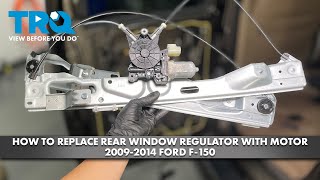
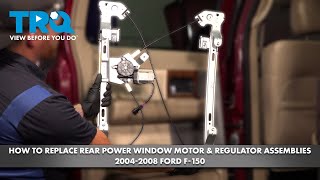
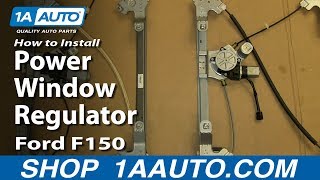
- Ford / Mazda: The code specifically targets the 'one-shot' relay. The window still works by holding the button, but the automatic function is disabled. You must replace the entire window motor because the relay is sealed inside it.
- General Motors: This code is for the oil level sensor, not the oil pressure sensor. It triggers a 'Low Engine Oil' message. The cause is almost always the sensor itself, not an actual low oil condition.
- Hyundai / Kia: B1324 indicates a 'Weight Classification System Communication Error'. This fault disables the passenger airbag as a safety precaution. The issue is often a bad connection under the seat or a blown 'ROOM LP' fuse.
- Toyota / Lexus: This code points to a CAN bus communication failure between the radio head unit and the instrument cluster. Diagnostics involve checking resistance on the communication lines or performing a battery hard reset.
- Volkswagen / Audi: The equivalent VAG code 01324 means 'No Communication with All-Wheel Drive Control Module'. This is usually caused by corrosion in the Haldex module's electrical connector on the rear differential.
Real Owner Stories
2009 Kia Sedona with 115K miles
Airbag light was on, HVAC blower only worked on full blast, and the interior dome light was dead. Code scanner showed B1324 'WCS Communication Error'.
Outcome: A technician checked the wiring diagram and found a 7.5-amp 'ROOM LP' fuse powered all three affected components. The fuse was blown. Replacing the $1 fuse fixed the airbag light, the HVAC blower speeds, and the dome light instantly.
Lesson: On a Kia/Hyundai with B1324 and other weird electrical issues, always check the 'ROOM LP' and 'AUDIO' fuses first. It saves you from an extremely expensive and unnecessary seat replacement.
2013 VW Tiguan 4motion at 80K miles
AWD and Traction Control lights came on the dash. VAG-COM scan showed code 01324 'No Communication with All-Wheel Drive Control Module'. AWD was not engaging.
Outcome: The electrical connector on the Haldex controller was green with corrosion. The owner cleaned both the plug and the module's pins with electrical contact cleaner. After applying dielectric grease and reconnecting, the code cleared and AWD function was restored.
Lesson: For VAG code 01324, always inspect and clean the Haldex controller connector before condemning the expensive module itself. Corrosion is the most common cause of this communication failure.
2006 Ford F-150 with 150K miles
The rear right power window's 'auto-down' feature stopped working, but the window still went up and down by holding the switch. The B1324 code was present.
Outcome: The owner learned the 'one-shot' relay is internal to the window motor. They replaced the entire rear right window motor and regulator assembly (Dorman 741-430). This fixed the auto-down feature and cleared the code.
Lesson: For Ford/Mazda B1324, do not waste money on switches. The fault is internal to the window motor, and the entire assembly must be replaced.
2018 Toyota C-HR with 45K miles
Steering wheel audio controls stopped working, and the radio display acted erratically. A scan revealed code B1324 'Lost Communication with Meter'.
Outcome: The owner performed a 'hard reset' by disconnecting the negative terminal of the 12V battery for 30 minutes. Upon startup, the radio and steering wheel controls functioned normally, and the B1324 code did not return.
Lesson: For Toyota/Lexus communication-related B1324 codes, a simple hard reset by disconnecting the battery is a free first step that resolves temporary module glitches.
How to Prevent This Code From Triggering
- Clean and lubricate power window tracks (Every 1-2 years) — Dirt in window tracks increases friction, straining the motor. Lubricating the tracks reduces this strain, prolonging the life of the motor's internal components that cause B1324 on Ford/Mazda vehicles.
- Apply dielectric grease to exposed connectors (When servicing nearby components) — Moisture and road salt destroy the VW/Audi Haldex controller and GM oil level sensor connectors. Applying dielectric grease creates a barrier against moisture and prevents corrosion.
- Service the Haldex AWD system fluid and filter (Every 20,000-30,000 miles) — Old fluid and a clogged filter cause the Haldex pump to overheat and strain the controller, leading to communication code 01324. Regular service ensures the pump operates under normal load.
- Perform regular battery health checks (Annually (especially before winter)) — A weak battery causes a significant voltage drop during engine start-up, triggering random communication fault codes like the Toyota and VW versions of B1324.
- Avoid slamming doors (Daily habit) — Repeatedly slamming doors sends shockwaves through the regulator and wiring. This weakens the wiring in the door jamb and accelerates wear on regulator components.
Frequently Asked Questions
Can I fix a B1324 code myself?
Yes, replacing a fuse, window switch, or GM oil level sensor is DIY-friendly. However, repairs involving airbag systems (Hyundai/Kia) or control module programming (VW/Audi) require professional scan tools and calibration. Take the vehicle to a shop if the repair involves the SRS system.
Is B1324 a serious code?
Severity depends entirely on the manufacturer. For Ford or GM, it is a low-severity annoyance affecting windows or redundant sensors. For Hyundai/Kia or VW, it is a high-severity issue that disables the passenger airbag or AWD system and requires immediate repair.
Why does my window still work if there's a fault code?
On Ford and Mazda vehicles, the code specifically targets the 'one-shot' relay circuit. The automatic up/down function breaks, but the main power circuit remains intact. You can still operate the window by holding the button manually.
My GM car says 'Low Engine Oil' but the dipstick is full. Is it safe to drive?
Yes. If you manually confirmed the oil level is correct on the dipstick, the B1324 code indicates a faulty sensor, not a dangerous lack of oil. You can safely drive the vehicle until you replace the sensor.
Can a weak battery cause a B1324 code?
Yes. A failing battery causes a voltage drop during startup, interrupting communication between modules. This frequently generates false B1324 communication codes in Toyota or VW vehicles. Always test the battery first when diagnosing multiple electrical codes.
What is a common misdiagnosis for B1324?
On GM vehicles, mechanics often confuse the B1324 oil level sensor fault with a critical oil pressure fault. On VWs, shops frequently replace the expensive Haldex module when the actual problem is just corrosion in its external connector. On Kias, a blown 7.5A fuse is often misdiagnosed as a failed $1,500 seat sensor.
I have a Honda and my scanner shows P1324, not B1324. Is that the same thing?
No, they are completely different codes. 'B' codes are Body codes, while 'P' codes are Powertrain codes. On a Honda, P1324 refers to a knock sensor voltage issue within the engine management system, which is unrelated to B1324.
Will clearing the code fix the problem?
No. Clearing the code turns off the warning light temporarily, but it returns immediately when the control module runs its next self-test. You must repair the underlying hardware or wiring problem to permanently clear the code.
On my Kia, the airbag light, dome light, and HVAC fan are all acting up. Could this be related to B1324?
Yes, this is a documented issue on Kia Sedona models. A single blown fuse, usually labeled 'ROOM LP' or 'AUDIO', powers the Weight Classification System, interior lighting, and HVAC blower controls. Replacing this 7.5A or 10A fuse fixes all three problems instantly.
Key Takeaways
- Code B1324 is manufacturer-specific: it indicates a broken rear right power window on Ford/Mazda, a faulty oil level sensor on GM, or a disabled passenger airbag on Hyundai/Kia.
- Do not drive Hyundai or Kia vehicles with this code; it disables the passenger airbag and requires a $1,200+ Weight Classification Sensor repair and dealer calibration.
- Fix Ford and Mazda window issues by replacing the entire $150 rear right window motor assembly, as the failed 'one-shot' relay is sealed inside.
- Always test your 12V battery and check interior fuses before replacing expensive modules, as a voltage drop or a blown 7.5A fuse frequently triggers false B1324 communication errors.
Helpful Videos

Shop the Parts Behind B1324
Below are the parts most often responsible for code B1324, ranked by how frequently each one is the actual culprit (per the diagnosis above). Tap any to see what we have for your vehicle.



The information in this article is provided for general reference and educational purposes only. Vehicle specifications, procedures, and part compatibility can vary by production date, trim level, and region. Always consult your vehicle's factory service manual and verify part numbers before purchasing or performing repairs. Safety-critical components such as airbags, seat belts, and braking systems should be installed by a qualified professional.
- 🧭 Diagnostic Flowchart
- 🎬 Helpful Videos
- 🛍️ Shop This Part
- What Does B1324 Mean?
- Can I Drive With B1324?
- Common Causes
- Symptoms
- Common Fixes & Costs
- DIY vs Professional
- Used vs. New Parts: Buying Guide
- What Happens If You Wait — Timeline
- Cost of Not Fixing It
- Diagnosis Steps
- When This Code Triggers (Freeze-Frame Conditions)
- Related Codes
- Climate & Environmental Factors
- How to Talk to a Mechanic About This Code
- Where to Take It: Dealer vs Independent vs Chain
- When to Walk Away From the Repair
- What Scan Tool You Need for This Code
- How to Clear the Code After You Fix It
- Will This Fail Emissions / State Inspection?
- Most Commonly Affected Vehicles
- Manufacturer-Specific Notes
- Real Owner Stories
- 2009 Kia Sedona with 115K miles
- 2013 VW Tiguan 4motion at 80K miles
- 2006 Ford F-150 with 150K miles
- 2018 Toyota C-HR with 45K miles
- How to Prevent This Code From Triggering
- Frequently Asked Questions
- Can I fix a B1324 code myself?
- Is B1324 a serious code?
- Why does my window still work if there's a fault code?
- My GM car says 'Low Engine Oil' but the dipstick is full. Is it safe to drive?
- Can a weak battery cause a B1324 code?
- What is a common misdiagnosis for B1324?
- I have a Honda and my scanner shows P1324, not B1324. Is that the same thing?
- Will clearing the code fix the problem?
- On my Kia, the airbag light, dome light, and HVAC fan are all acting up. Could this be related to B1324?
- Key Takeaways
- 🎟️ Get 5% Off