

B1325 on 2013-2016 Cadillac ATS: Diagnosing Low Voltage and Audio Loss
On a 2013-2016 Cadillac ATS, code B1325 with symptom byte 03 almost always points to a weak or failing battery causing the radio module to lose power. This results in a loss of all audio, chimes, and turn signal sounds. Before replacing any expensive modules, load test the battery.
- B1325-03 means a module detected low voltage, and on the ATS, that module is the radio.
- The primary symptom is a total loss of sound: no music, no chimes, no turn signal clicks.
- Always start diagnosis by load testing the battery. This is the most common and cheapest fix.
- Do not replace the expensive radio or infotainment unit until you have ruled out the battery, terminals, and alternator.
- This issue is well-documented by GM in TSBs, confirming it's a known pattern for this vehicle.
What's Unique About the 2013-2016 Cadillac ATS
What's unique to the Cadillac ATS and related GM Alpha platforms is how this generic voltage code manifests. Manufacturer Technical Service Bulletins (TSBs) directly link B1325-03 to a very specific and noticeable symptom: the complete loss of audio, warning chimes, and even the 'click-clack' sound from the turn signals. This tells us the component feeling the voltage drop is the radio/infotainment system's amplifier, which is responsible for generating all those sounds. The amplifier is located in the trunk on the right (passenger) side, behind the trunk liner.
Diagnostic Flowchart
Tap your situation to follow the diagnostic path that matches what you're seeing on this vehicle.
Symptoms You May Notice
- Complete loss of all audio from the radio/infotainment system.
- No warning chimes (e.g., seatbelt reminder, key-in-ignition).
- No audible 'click-clack' sound when turn signals are active.
- Infotainment screen may appear to function normally, but no sound is produced.
- Slow engine cranking, especially on a cold start.
- Other electrical issues may be present if system voltage is low, such as flickering lights.
- The check engine light may or may not be illuminated, but the code will be stored in the Body Control Module (BCM), Radio, or Amplifier module.
- Replacing the radio/infotainment unit before testing the battery. The symptoms point directly to the radio, but the root cause is almost always its power supply (the battery), not the radio itself.
- Replacing the amplifier without checking for water intrusion in the trunk. If the root cause is a water leak, the new amplifier will eventually fail as well.
Most Likely Causes
- Weak or Failing Battery 🔴 High Probability → Shop Vehicle Battery Modern vehicles like the ATS have a high constant power draw from various modules. An aging battery may have enough power to start the car but can dip below the 9-volt threshold required by sensitive electronics like the radio amplifier during cranking, triggering the code.
How to confirm: Measure the battery voltage with the engine off; it should be ~12.4-12.6V. A reading below this indicates a discharged or failing battery. The definitive test is a load test using a digital battery tester, which measures cold cranking amps (CCA) against the battery's rating. Most auto parts stores perform this for free.
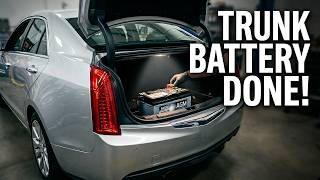
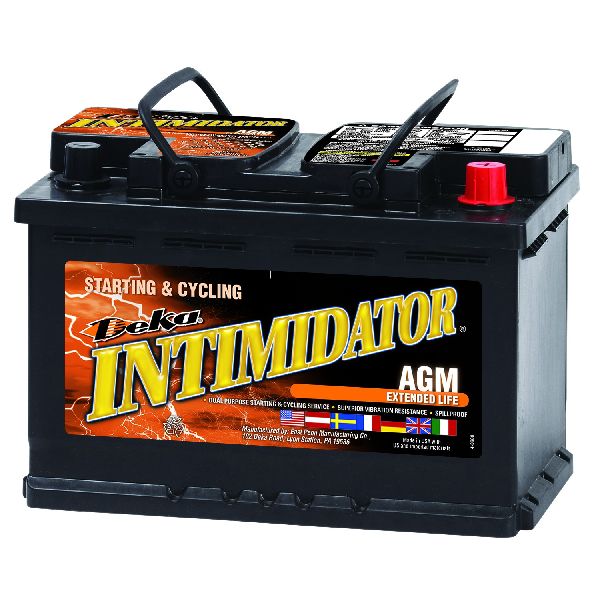
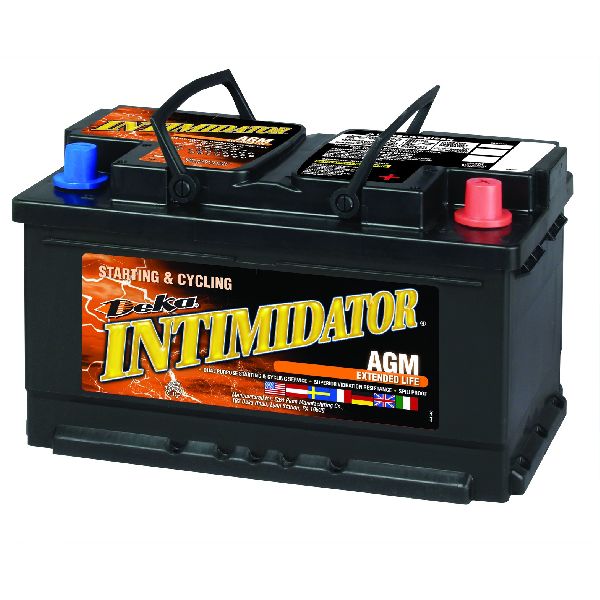
Typical fix: Replace the vehicle's battery. These vehicles require an AGM (Absorbent Glass Mat) battery, typically a Group Size H6 or H7. After replacement, the codes must be cleared. 🎬 See this step-by-step guide for replacing your ATS trunk battery.
Est. part cost: $180-$350 - Loose or Corroded Battery Terminals / Ground Connections 🟡 Medium Probability → Shop Vehicle Battery Corrosion or looseness at the battery posts or the main chassis ground strap creates resistance, causing a voltage drop under load even with a healthy battery. The negative battery cable on many GM vehicles also has a built-in current sensor that can fail or develop high resistance, triggering a B1325 code.
How to confirm: Visually inspect the battery terminals for white or greenish corrosion. Physically attempt to twist the terminals; they should not move. Follow the negative cable to where it bolts to the chassis and check for corrosion or looseness. On some GM trucks, a problematic ground point (G218) is located under the dash A-pillar, which can be a reference for similar issues. For the ATS, a key engine ground (G104) is at the front of the engine and was subject to inspection for poor connections on 2013 models.
Typical fix: Disconnect the battery (negative first). Clean the terminals and posts with a wire brush or terminal cleaning tool until they are shiny. Reconnect securely (positive first). If the ground cable's integrated sensor is suspected, replacing the entire negative battery cable may be necessary.
Est. part cost: $1-$10 for cleaning, $50-$150 for a new OEM ground cable - Failing Alternator ⚪ Low Probability → Shop Alternator If the alternator is not recharging the battery properly, the overall system voltage will be low, eventually causing the battery to drain and trigger low voltage codes.
How to confirm: With the engine running, measure the voltage at the battery terminals. A healthy alternator should produce between 13.5 and 14.5 volts. If the voltage is near battery voltage (e.g., <13V) while running, the alternator is likely faulty.
Typical fix: Replace the alternator.
Est. part cost: $250-$500
Rare But Worth Checking
- Faulty Radio/Amplifier Module: → Shop Audio Amplifier While less common than a power supply issue, TSB PIC6102A notes that water intrusion in the trunk area can damage the amplifier, causing it to fail and set a B1325 code. If the battery, connections, and charging system are perfect, inspect the trunk for moisture, especially around the deck lid seal, as water can travel down the wiring harness into the amplifier connector.
- Damaged Wiring to Radio Module: A chafed or damaged power or ground wire leading to the radio/amplifier can cause an intermittent voltage drop. This is uncommon without prior interior work, but TSB PIC6102A confirms that water wicking down the harness is a known failure mode that can corrode wiring.
Diagnosis Steps
- Connect an OBD-II scanner capable of reading Body (B) and Network (U) codes. Confirm B1325 is present and check for a symptom byte (e.g., '03'). Note any other codes, especially U0180 or U0186.
- With the engine off, use a multimeter to measure the battery's static voltage at the terminals. A reading below 12.4V suggests a discharged or failing battery.
- Perform a load test on the battery using a dedicated digital battery tester. This is the most critical step. A battery can show good voltage but fail under load, causing a voltage drop during cranking that sets the code.
- If the battery fails the load test, replace it. The Cadillac ATS requires an AGM battery, typically Group Size H6 or H7. Clear the codes and verify the fix.
- If the battery passes, inspect the battery terminals and the main chassis ground strap for any signs of corrosion or looseness. Clean and tighten as necessary. Pay special attention to the negative battery cable and its integrated current sensor, if equipped.
- Start the engine and measure the voltage at the battery terminals again. The reading should be between 13.5V and 14.5V. If it's lower or higher, the alternator or voltage regulator is suspect.
- If all power supply components are good, inspect the trunk area for signs of water leaks, particularly around the deck lid seal, as noted in TSB PIC6102A.
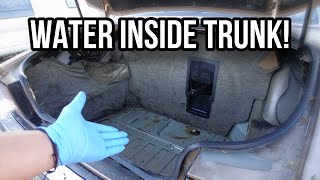
- If water intrusion is found, identify and repair the leak before inspecting 🎬 Watch: How to find and fix common trunk water leaks. or replacing the amplifier module, which is located in the trunk. Check the amplifier's connectors for corrosion.
Parts You'll Likely Need
- AGM Battery
(OEM #ACDelco 48AGM (Group H6/48) or 94RAGM (Group H7/94R))— This is the most frequent cause of the B1325-03 code on the ATS. The vehicle's electronics are sensitive to the precise voltage and power delivery that a healthy AGM battery provides.
Trusted brands: ACDelco, DieHard, Duralast, Optima
OEM price range: $250-$400
Aftermarket price range: $180-$300
Related Codes That Often Appear With This One
- U0180 — This code means 'Lost Communication With Radio'. It is often set alongside B1325 because if the radio module's voltage drops too low (setting B1325), it will shut down and stop communicating with other modules on the vehicle's network. This code is mentioned in the same TSBs.
- U0186 — This code means 'Lost Communication With Audio Amplifier'. It is mentioned in TSB PIC6102A along with B1325 as a key indicator that the amplifier itself has shut down, often due to water intrusion or low voltage.
- P0562 — This is a powertrain code for 'System Voltage Low'. If the battery/charging system issue is severe enough, the Engine Control Module (ECM) will log this code in addition to the Body Control Module (BCM) logging B1325.
- C0800 — This code means 'Device 1 Power Circuit Low Voltage'. It's another generic low voltage code that can appear in various modules, often pointing back to a single system-wide cause like a failing battery.
Technical Service Bulletins (TSBs) & Recalls
- PIE0348A: '...ending the need of information from the field on vehicles with the conditon of loss of audio, chimes or turn signal click/clack, with DTC U0180 or B1325 sym03'
- PIE0348: '...requesting information from dealers on a customer concern of loss of audio, chimes or turn signal click/clack with DTC U0180 or B1325 sym03 set.'
- PIC6102A: 'Intermittent Or No Audio With DTC U0186 or B1325 sym03... inspect the trunk area for water intrusion. Amplifiers that have been returned... have evidence of water damage.'
Platform-Specific Known Issues
- GM issued Technical Service Bulletin PIE0348A, a preliminary bulletin to gather field data on vehicles experiencing a 'loss of audio, chimes or turn signal click/clack, with DTC U0180 or B1325 sym03'. This bulletin confirms the manufacturer was actively investigating this exact failure pattern on the ATS and related CTS.
- GM also issued TSB PIC6102A, which identified a potential cause for these symptoms: water intrusion in the trunk failing the audio amplifier. It advises technicians to check for and repair water leaks before replacing the amplifier.
Mechanic-Grade Diagnostic Values
- System voltage at the control module (Radio/Amplifier) — expected: 12.6V - 15.0V. Failure: Voltage drops below 9.0V for 5 consecutive seconds.
- Cranking Voltage — expected: Should remain above 10.0V. Failure: Dipping below 9.0V during cranking can trigger the code, even if the car starts.
- Alternator Output Voltage (Engine Running) — expected: 13.5V - 14.5V. Failure: Voltage below 13.0V or above 15.0V indicates a charging system fault.
Hidden / Shadow Codes Worth Checking
- B1325-03: Device Power Circuit Voltage Below Threshold. This is the specific symptom byte that accompanies the B1325 code in this failure scenario, pointing directly to a low voltage condition rather than another circuit fault. (see via A professional scan tool capable of reading GM-specific Body (B) codes and their symptom bytes, such as a GM GDS2/MDI or equivalent high-end scanner.)
- B1325-07: Device Power Circuit Voltage Above Threshold. While not the common code for this symptom, it indicates the opposite problem (over-voltage, >18V) and helps differentiate the fault. (see via A professional scan tool capable of reading GM-specific Body (B) codes and their symptom bytes.)
Scan Tool Commands That Help
- GM GDS2 (Global Diagnostic System 2): Radio/HVAC Control Module Programming (SPS) — This is required if the radio (HMI) module or amplifier is replaced. The new module is VIN-locked and will not function until it is programmed to the specific vehicle using the Service Programming System (SPS) via GDS2.
- GM GDS2 (Global Diagnostic System 2): DTC Display — Used to query all modules for stored codes and, critically, their specific symptom bytes (like '03' for B1325), which is essential for accurate diagnosis.
- GM GDS2 (Global Diagnostic System 2): Clear All DTCs — After a repair, such as replacing the battery or cleaning a ground, this function must be used to clear the stored fault codes. Some modules require waiting a few minutes after programming before clearing codes.
Wiring & Ground Locations
- Audio Amplifier — In the trunk, on the right (passenger) side, behind the carpeted liner.. This is the module that loses power and sets the B1325-03 code, causing the loss of all audio. It is also susceptible to water damage from trunk leaks as noted in TSB PIC6102A.
- G304 — Right rear passenger foot well area.. This is a major ground point for several rear-body components, including the audio amplifier. A loose or corroded G304 can cause a voltage drop to the amplifier even with a good battery and alternator.
- G104 — At the front of the engine. For 2013 4-cylinder automatic models made after mid-December 2012, this ground was moved to the rear of the engine.. A GM Preliminary Information bulletin (PI1097A) for a different code on the ATS specifically calls out inspecting G104 on 2013 models for being loose or having excess glue/shrink wrap under the eyelet, causing a poor connection. Poor engine grounds can contribute to overall system voltage instability.
- Negative Battery Cable Current Sensor — Integrated into the negative battery cable assembly at the battery terminal.. On many modern GM vehicles, this sensor is part of the battery monitoring system. A faulty sensor or high resistance in the cable itself can cause incorrect voltage readings and trigger low voltage codes like B1325, even if the battery is healthy.
Real Owner Repair Stories
- Chevrolet HHR forum user 'donbrew' (Chevrolet HHR (demonstrates the same GM code logic)) — Intermittent no-start, B1325-03 code stored.
❌ Tried (didn't work) Initial battery voltage check showed 12.8V, which seemed okay.
✅ What actually fixed it The user identified that B1325-03 means 'voltage below threshold' and that the root cause is often a failing battery or a loose/corroded connection between the battery and the underhood fuse box, even if static voltage seems acceptable. A load test is the definitive confirmation.
Model Year Variations Within This Range
- 2013-2015 vs 2016: The CUE infotainment system hardware was updated for the 2016 model year to a version sometimes called 'HMI 2.5'. This new hardware was faster and enabled factory support for Apple CarPlay and Android Auto. Pre-2016 models use 'HMI 2.0' and cannot be software-updated to support these features; it requires a hardware swap of both the HMI module and the radio tuner module. While this doesn't directly change the B1325 diagnosis, it's critical information if replacing the HMI or radio modules.
- 2013: On 2013 models with 4-cylinder engines and automatic transmissions, the main engine ground (G104) location was moved from the front to the rear of the engine mid-production (around December 2012). A TSB also specifically highlights this ground on 2013 models as a potential source of poor connections.
Helpful Videos
We Have This Part in Stock



The information in this article is provided for general reference and educational purposes only. Vehicle specifications, procedures, and part compatibility can vary by production date, trim level, and region. Always consult your vehicle's factory service manual and verify part numbers before purchasing or performing repairs. Safety-critical components such as airbags, seat belts, and braking systems should be installed by a qualified professional.
- Cadillac ATS:
- 🧭 Diagnostic Flowchart
- 🎬 Helpful Videos
- 🛍️ Shop This Part
- What's Unique About the 2013-2016 Cadillac ATS
- Symptoms You May Notice
- Most Likely Causes
- Rare But Worth Checking
- Diagnosis Steps
- Parts You'll Likely Need
- Related Codes That Often Appear With This One
- Technical Service Bulletins (TSBs) & Recalls
- Platform-Specific Known Issues
- Mechanic-Grade Diagnostic Values
- Hidden / Shadow Codes Worth Checking
- Scan Tool Commands That Help
- Wiring & Ground Locations
- Real Owner Repair Stories
- Model Year Variations Within This Range
- 🎟️ Get 5% Off