

OBD-II Code B1330: Comprehensive Guide to Multiple Meanings - Inverter Failure, Airbag Fault, or Door Ajar
What B1330 means, why it triggers, and how to fix it. Note: This code has multiple, distinct meanings depending on your vehicle's manufacturer. Correct diagnosis is critical to avoid unnecessary, expensive repairs.
- B1330 definitions vary strictly by manufacturer: Ford indicates a disabled 120V power inverter, Hyundai/Kia flags a critical airbag sensor failure, and GM points to a cruise control fault.
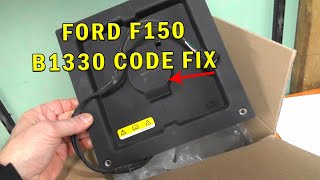
- On 2021+ Ford F-150s, 90% of B1330:9A codes stem from moisture corroding the bed-mounted power outlet or the C4628 wiring connector underneath the truck.
- Never authorize a $500+ inverter module replacement on a Ford without first testing the $50 bed outlet and cleaning the main wiring harness connector.
- Replacing a Ford power outlet requires a 'LIN New Module Initialization' using a bidirectional scan tool like FORScan; simply clearing the code or disconnecting the battery will not restore power.
What Does B1330 Mean?
B1330 is a Body Control Module (BCM) or Supplemental Restraint System (SRS) code with strict manufacturer-specific definitions. For Ford, it indicates a fault in the DC/AC power inverter system (typically the 400W system), prompting the BCM to shut down the inverter for safety. For Hyundai/Kia, it signifies a critical airbag system error, specifically a 'Wrong ID' from a Front Impact Sensor (FIS). For GM, it points to a cruise control module communication failure. On older vehicles, it represents a generic door ajar circuit short.
Technical definition: For Ford: 'DC/AC Inverter Module Failure' (typically B1330:9A), meaning the BCM detected a fault in the inverter circuit—usually the bed outlet's LED—and disabled the system. For Hyundai/Kia: 'DFIS With Wrong ID', meaning the airbag control module (SRSCM) detects an incorrect or unprogrammed front impact sensor. For Chevrolet: 'Invalid Data Received From Cruise Control Module'.
Can I Drive With B1330?
Safety depends entirely on the manufacturer and the system at fault.. For Ford/Lincoln, this code disables the 120V power outlets but is 100% safe to drive indefinitely with no risk of mechanical damage. For Hyundai/Kia, B1330 indicates a critical airbag system failure; driving is highly dangerous because airbags will not deploy in a crash. For GM, it disables cruise control but remains safe to drive. A generic 'door ajar' variant drains the battery if left parked.
Common Causes
- Faulty or Corroded AC Power Outlet (Bed or Interior) (Very Common) — On Ford trucks, the bed-mounted power outlet is exposed to weather. Moisture intrusion shorts the outlet's internal LED indicator circuit, triggering the B1330:9A code and disabling the entire inverter system.
- Corroded Wiring Connector (C4628 on F-150) (Common) — The main wiring harness connector for the Ford bed outlet, located on the frame rail under the truck bed, corrodes heavily from road salt and water. A poor connection interrupts the signal to the BCM.
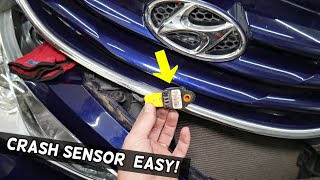
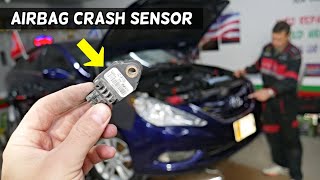
- Incorrect or Failed Airbag Impact Sensor (Hyundai/Kia) (Common) — Installing a Front Impact Sensor (FIS) with the wrong part number after a collision causes the SRSCM to reject it and set a 'Wrong ID' code. Internal failure of the correct sensor also triggers this fault.
- Overloading the Inverter (Common) — Drawing more power than the inverter is rated for (e.g., plugging a 1000W device into a 400W outlet) triggers a persistent B1330 fault that requires a BCM reset even after removing the load.
- Damaged Wiring Harness (Less Common) — Road debris, improper accessory installation, or chafing against the vehicle frame damages the wiring running to the power outlets or airbag sensors, creating a short or open circuit.
- BCM Software Glitch After Custom Programming (Less Common) — Using tools like FORScan to enable non-factory features alters BCM parameters and inadvertently triggers a B1330:9A code by creating software conflicts.
- Failed DC/AC Inverter Module (Rare) — The inverter module itself rarely fails. Replacing the expensive inverter is a frequent misdiagnosis when the actual problem is a $50 outlet or a corroded wire.
Symptoms
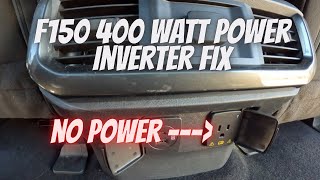
- Dead or Intermittent 120V AC Power Outlets (Ford) — None of the household-style power outlets provide power. They often fail sporadically after a car wash or heavy rain.
- Airbag Warning Light Illuminated (Hyundai/Kia) — A steady or flashing airbag warning light appears on the dashboard, indicating the supplemental restraint system is disabled.
- AC Outlet LED Indicator is Off (Ford) — The small LED light on the AC outlet, which normally shows the system is active, remains unlit.
- Interior Dome Light Stays On / Battery Drain (Generic) — For vehicles where B1330 means 'Door Ajar Circuit Short', the vehicle registers a door as open, keeping interior lights on and draining the battery overnight.
- No Check Engine Light Illuminated — Because this fault is stored in the Body Control Module (BCM) or SRS module, it does not illuminate the primary Check Engine Light.
Diagnostic Flowchart
Tap your situation to follow the diagnostic path that matches what you're seeing on this code.
Common Fixes & Costs
- Clean and Secure Wiring Connector (C4628) — Parts: $15, Labor: $150, ~1.0 hr book time (DIY)
- Replace AC Power Outlet (Bed or Interior)
— Parts: $40-$70, Labor: $75-$150, ~0.5 hr book time
(Intermediate)
: OEM - Replace Airbag Impact Sensor (Hyundai/Kia)
— Parts: $150-$250, Labor: $150-$225, ~1.5 hr book time
(Professional)
: OEM - Perform BCM LIN Module Initialization (Software Reset) — Parts: $0, Labor: $120-$180, ~1.0 hr book time (Professional)
- Diagnose and Repair Cruise Control Circuit (GM)
— Parts: $20-$50, Labor: $120-$200, ~0.8 hr book time
(Intermediate)
: OEM - Replace DC/AC Inverter Module
— Parts: $300-$500, Labor: $300-$450, ~2.0 hr book time
(Intermediate)
: OEM
DIY vs Professional
- Clean and Secure Wiring Connector (C4628) — Beginner:
- Replace AC Power Outlet (Bed or Interior) — Beginner:
- Replace Airbag Impact Sensor (Hyundai/Kia) — Beginner:
- Diagnose and Repair Cruise Control Circuit (GM) — Beginner:
Used vs. New Parts: Buying Guide
When a used part is worth it: Buy new OEM for airbag sensors (safety risk) and Ford outlets (cheap, prone to weather failure). Used parts are only viable for the expensive Ford inverter module, provided it is tested and certified.
Donor-vehicle mileage cap: roughly under 10000 miles for the part to have meaningful remaining life.
Donor quality checklist:
- Never buy used airbag components due to the high risk of counterfeit, damaged, or incorrect parts.
- If buying a used Ford outlet is unavoidable, inspect the connector pins for green or white corrosion.
Decision logic:
- If The part is an airbag system component → Always buy new OEM. The risk of failure is too high.
- If The part is the Ford power outlet → Buy new. The $50 cost is minimal compared to the risk of repeat failure.
- If The part is the Ford inverter module → A certified used part from a reputable auto recycler is cost-effective, but only after definitively proving the original module is faulty.
Warranty tradeoff: Used parts from junkyards offer a 30-day warranty and exclude labor. New OEM parts installed by a dealer carry a 12-month/12,000-mile warranty on parts and labor.
Worst-case if a used part fails: $300-$600 if a used airbag sensor fails to function or a used outlet requires a second diagnostic and replacement.
What Happens If You Wait — Timeline
- Immediate: Code B1330 sets in the BCM. The BCM disables the DC/AC inverter system for safety. All 120V outlets go dead. (MPG impact: 0%% · Added cost: $0)
- Ongoing: Outlets remain non-functional. There is no progressive damage to the inverter or vehicle. The only impact is the loss of the feature. (MPG impact: 0%% · Added cost: $0)
- Immediate: Code B1330 sets in the SRSCM. The airbag warning light illuminates, and the entire supplemental restraint system is disabled. (MPG impact: 0%% · Added cost: Infinite (Risk to life in a collision).)
- 0-2 days: A faulty door switch creates a parasitic draw. Interior lights stay on, draining the battery overnight. (MPG impact: 0%% · Added cost: $0)
- 1-4 weeks: Repeatedly deep-cycling the battery causes permanent sulfation. The battery fails to hold a charge and requires replacement. (MPG impact: 0%% · Added cost: $150-$300 for a new battery.)
Cost of Not Fixing It
- Immediate (Ford Inverter): Total loss of function for all 120V AC power outlets. No risk of further damage to the vehicle. (Added cost: $0)
- Immediate (Hyundai/Kia Airbag): The supplemental restraint system is disabled and will not deploy in a collision, drastically increasing the risk of serious injury or death. (Added cost: Infinite (Risk to life).)
- Ongoing (Door Ajar Switch): The vehicle fails to recognize a closed door, keeping interior lights on and creating a parasitic battery drain. (Added cost: $150-$300 for a ruined battery and roadside assistance.)
Diagnosis Steps
- Identify Vehicle and Read the Full Code
Confirm the vehicle manufacturer. Use a bidirectional OBD-II scanner to read the code from the BCM or SRSCM. Note suffixes like :9A or :01 for precise diagnostic direction.
Tools: Bidirectional OBD-II Scanner (Beginner) - Inspect the Main Inverter System Connector (Ford)
On Ford F-150s, locate connector C4628 on the frame rail under the rear of the truck. Disconnect it and inspect both sides for green/white corrosion, bent pins, or water intrusion.
Tools: Socket set, flashlight (Intermediate) - Visually Inspect Outlets or Airbag Sensors
For Ford, inspect all 120V outlets for physical damage or moisture. For Hyundai/Kia, inspect the front impact sensors near the radiator support for collision damage or disconnected wiring.
Tools: Flashlight (Beginner) - [PRO TIP] Test LIN Bus Voltage at Connector (Ford)
At connector C4628, probe Pin 2 (LIN Bus wire). With the key on, a healthy circuit shows a fluctuating voltage averaging 9V-11V. A steady 0V indicates a short to ground; a steady 12V indicates a short to power.
Tools: Multimeter or Oscilloscope, Wiring Diagram (Advanced) - [PRO TIP] Test Power and Ground at Connector (Ford)
At connector C4628 with the key on, check for 12.6V at Pin 1 (Power). With the key off, check resistance between Pin 3 (Ground) and the vehicle frame. Resistance must be under 1.0 ohm.
Tools: Multimeter, Wiring Diagram (Advanced) - [PRO TIP] Verify and ID Airbag Sensor (Hyundai/Kia)
Use a professional scan tool to access SRSCM data. Verify the installed Front Impact Sensor part number matches the VIN catalog exactly. Attempt to re-register the sensor ID to the module.
Tools: Professional Scan Tool, Manufacturer Parts Catalog (Advanced) - Perform a BCM/Module Reset (Verification)
After replacing a Ford component, you must execute the 'BCM - Local Interconnect Network (LIN) New Module Initialization' procedure using a scan tool. Simply clearing the code fails to restore power.
Tools: Bidirectional Scan Tool (e.g., FORScan) (Professional)
When This Code Triggers (Freeze-Frame Conditions)
- Module Voltage: 12.0-14.5V (The code sets during a key-on self-test when the BCM or SRSCM powers up and checks peripheral components.)
- Ignition Status: On/Run (The fault is detected when the ignition is on, either immediately at startup or when the affected system is activated.)
- Component Status (Ford): No Response/Fault (The BCM sends a status request on the LIN bus to the outlet. The code sets when the BCM receives a fault signal or no response.)
- Component ID (Hyundai/Kia): Mismatch/Invalid (The SRSCM polls its sensors at startup. The code sets if a sensor returns an identification number not listed for that specific VIN.)
Related Codes
- B1330:9A — Ford suffix for 'Component Operating Conditions'. Almost exclusively flags a fault in the bed outlet's internal LED circuit, causing the BCM to shut down the inverter.
- B1330:01 — Ford suffix for 'General Electrical Failure'. Indicates a short, open circuit, or unexpected voltage in the inverter wiring, requiring multimeter diagnosis.
- B1330:08 — Ford suffix for 'Bus Signal Failure'. Indicates a LIN bus communication breakdown between the BCM and the inverter module.
- B1330:55 — Ford suffix for 'Not Configured'. Appears when an outlet or module is replaced but the mandatory 'LIN New Module Initialization' procedure was skipped.
- P208A — An open circuit code for the DEF fluid pump. When appearing simultaneously with B1330 on Ford Super Duty trucks, it signals a shared ground failure rather than two broken parts.
Climate & Environmental Factors
- Moisture and Humidity: Rain, car washes, and high humidity force water into the Ford bed-mounted power outlet or the C4628 connector. This creates a short circuit, prompting the BCM to disable the inverter system.
- Road Salt and Corrosion: Winter road salt accelerates corrosion on the under-slung C4628 connector. The salt creates a conductive slurry that bridges connector pins, destroying LIN bus communication.
Where to Take It: Dealer vs Independent vs Chain
- Dealer:
Mandatory for Hyundai/Kia due to airbag safety risks. Good for Ford if under warranty, but advocate for checking TSBs first.
Best for: Vehicles under warranty., Hyundai/Kia airbag system faults (safety-critical)., Complex BCM programming issues on Ford vehicles.
Downsides: Highest labor rates., May suggest replacing the expensive Ford inverter module without checking the TSBs for the cheaper outlet/wiring first. (Typical cost: +50% vs. baseline) - Independent Shop:
Best fit for Ford inverter faults, provided they have bidirectional scan tools and know the TSBs. Avoid for Hyundai/Kia airbag issues.
Best for: Out-of-warranty Ford inverter system repairs., Diagnosing GM cruise control faults.
Downsides: May lack the specific scan tool required for the Ford 'LIN New Module Initialization' reset., May lack expertise in SRS/airbag systems. (Typical cost: +0% vs. baseline) - Chain Shop:
AVOID. This code's complexity and manufacturer-specific nature are far beyond the scope of a typical chain shop.
Best for: Simple tasks unrelated to this code, like oil changes.
Downsides: Not equipped for advanced diagnostics of B-codes, SRS systems, or module programming., Technician skill varies dramatically. (Typical cost: -10% vs. baseline)
When to Walk Away From the Repair
If the estimated repair cost exceeds 40-50% of the car's current private-party value, seriously consider selling the vehicle as-is.
- Car worth $25000, fix is $250: Fix it. The repair cost for a Ford outlet or Hyundai sensor is a tiny fraction of the vehicle's value.
- Car worth $8000, fix is $700: Fix it. A $700 quote for a misdiagnosed inverter replacement is high, but well below the 40% threshold. Get a second opinion first.
- Car worth $4000, fix is $2200: Walk away. If a shop quotes an inverter and harness replacement exceeding 50% of the car's value, the repair is not economical.
What Scan Tool You Need for This Code
Minimum: A scanner that reads Body Control Module (BCM) and Supplemental Restraint System (SRS) codes. Basic engine-only readers will NOT see the B1330 code.
Cheap $20 scanners only read 'P' (powertrain) codes. B1330 is a 'B' (body) code stored in a different computer.
Budget: BlueDriver Pro / FOXWELL NT301 (~$70) — Reads and clears B-codes and SRS codes. It confirms the fault's origin but CANNOT perform the mandatory Ford BCM reset procedure.
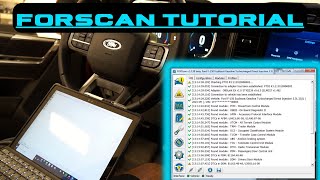
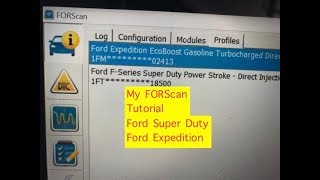
Mid-range: FORScan with compatible OBDLink adapter (~$130) — The ideal DIY solution for Ford owners. FORScan provides dealer-level diagnostics and performs the mandatory 'LIN New Module Initialization' required to fix the Ford inverter issue.
How to Clear the Code After You Fix It
- For Ford Inverter: Repair the physical fault, then use a bidirectional scan tool (like FORScan) to perform the 'LIN New Module Initialization' in the BCM service functions.
- For Hyundai/Kia Airbag: Install the exact VIN-matched sensor, then use a professional scan tool to clear the codes from the SRSCM.
- For Other Systems: Use a standard OBD-II scan tool to clear the code from the BCM after the repair is complete.
Drive cycle (~5 minutes): No specific drive cycle is required. The fault is detected during the key-on self-test. After the proper reset procedure, cycle the key off, then on. The warning light extinguishes or the feature functions immediately.
Readiness monitors affected: None. This is a Body (B) code and does not affect emissions readiness monitors.
Watch out for:
- For Ford, replacing the part and only clearing the DTC fails to restore power. The 'LIN New Module Initialization' is mandatory.
- For Hyundai/Kia, installing an incorrect or used sensor causes the SRSCM to reject it, preventing the code from clearing.
- Disconnecting the battery to clear these codes is entirely ineffective for BCM and SRS modules.
Will This Fail Emissions / State Inspection?
No — by itself this code doesn't fail OBD inspection (but it can keep readiness monitors from setting, which causes a separate fail).
- California: An airbag warning light does NOT cause a failure of the California smog check, which only tests emissions systems.
- New York: An illuminated airbag warning light is noted as an advisory on the inspection report but is NOT a cause for failure.
- Texas: The airbag system is not inspected for the Texas state safety inspection. A vehicle passes with the airbag light on.
- General Note: B-codes like B1330 do not fail emissions tests. Some strict safety inspection states may flag an illuminated airbag light, but most exempt it or list it as an advisory.
Most Commonly Affected Vehicles
- Ford F-150 (2021-2025) — Extremely common on models with the 400W inverter. Ford issued multiple TSBs (24-2443, 24-2039) for code B1330:9A, identifying the bed outlet and C4628 connector as primary failures.
- Ford F-150 (2015-2020) — Frequently displays the B1330:01 'General Electrical Failure' variant, indicating wiring shorts or opens rather than specific component failures.
- Ford Maverick (2022-2025) — Owners report B1330:9A caused by faulty interior outlets, disconnected factory harnesses, or software conflicts after using FORScan to alter BCM programming.
- Ford F-250/F-350 Super Duty (2018-2024) — B1330 appearing alongside unrelated codes like P208A (DEF pump) indicates a compromised shared ground point or main wiring harness damage.
- Hyundai Santa Fe, Elantra, Sonata (2010-2022) — B1330 indicates 'FIS-Driver Wrong ID', a critical airbag fault. Installing an incorrect sensor part number after a collision is the leading cause.
- Kia Optima, Sorento, Forte (2010-2022) — Shares the Hyundai definition: 'DFIS With Wrong ID', pointing to a fault in the Airbag Control Module (SRSCM) or the impact sensor.
- Chevrolet Silverado, Various (2014-2024) — B1330 means 'Invalid Data Received From Cruise Control Module'. This communication problem is frequently traced to a faulty brake pedal position switch.
- Lincoln Navigator (2018-2024) — Shares the power inverter architecture with the F-150 and exhibits identical faults related to outlets and wiring.
Manufacturer-Specific Notes
- Ford / Lincoln: B1330 flags a DC/AC Power Inverter system fault. Do not replace the expensive inverter module until ruling out the $50 bed outlet and C4628 connector per Ford TSBs. A BCM software reset ('LIN New Module Initialization') is mandatory after any physical repair.
- Hyundai / Kia: B1330 means 'DFIS With Wrong ID', a critical Supplemental Restraint System (Airbag) fault. It is completely unrelated to power outlets. It requires exact VIN-matched sensor replacement and professional calibration.
- Chevrolet / GM: B1330 means 'Invalid Data Received From Cruise Control Module'. This electrical communication issue is completely unrelated to inverters or airbags and is usually fixed by replacing the brake pedal switch.
- Generic / Older Models: On older vehicles, B1330 is a generic code for 'Passenger Door Ajar Circuit Short to Ground,' which keeps interior lights on and drains the battery.
Real Owner Stories
2021 Ford F-150 with 400W Inverter
All AC power outlets died permanently after an automatic car wash. A B1330:9A code was stored in the BCM.
What they tried:
- Checked all related fuses (intact).
- Visually inspected the under-bed connector (C4628) and found moisture.
Outcome: The owner cleaned the C4628 connector with contact cleaner and applied dielectric grease. They used FORScan to run the 'BCM LIN New Module Initialization' procedure, restoring full function for under $15.
Lesson: If Ford outlets fail after wet weather, moisture in the C4628 connector is the culprit. The physical fix is simple, but the FORScan BCM reset is mandatory.
2023 Ford Maverick XLT with new B1330:9A code
Power outlets stopped working immediately after the owner used FORScan to enable non-factory features.
What they tried:
- Cleared the B1330:9A code, but it immediately returned.
- Reverted the BCM programming changes back to the original 'As-Built' values.
Outcome: After restoring the original BCM values and performing the 'LIN New Module Initialization' reset, the power outlets worked perfectly.
Lesson: Altering BCM programming creates software conflicts. A B1330 code appearing after FORScan changes requires reverting to factory data, not replacing parts.
2018 Ford F-350 with B1330 and P208A codes
The truck simultaneously displayed B1330 (Inverter) and P208A (DEF fluid pump open circuit).
What they tried:
- Suspected a shared ground point issue (G400) rather than two simultaneous component failures.
- Inspected the main wiring harness for damage.
Outcome: The concurrent codes pointed to a compromised main wiring harness affected by corrosion, not individual module failures.
Lesson: When multiple unrelated electrical codes appear simultaneously, diagnose shared grounds or main wiring harnesses before replacing individual components.
How to Prevent This Code From Triggering
- Apply Dielectric Grease to At-Risk Connectors (Once, or whenever disconnected) — Applying dielectric grease to the seal of the Ford C4628 connector creates a waterproof barrier, preventing the moisture intrusion that causes 90% of B1330:9A faults.
- Regularly Wash Vehicle Underbody (Seasonally, especially after winter) — In salt-belt regions, road salt destroys electrical connectors. Washing the undercarriage removes corrosive agents before they damage connectors like C4628.
- Avoid Overloading the Inverter (Every use) — Plugging in devices that draw more than the rated wattage stresses the inverter's protective circuits, leading to persistent fault codes.
Frequently Asked Questions
Can I fix code B1330 myself?
For a Ford inverter issue, replacing a bad outlet or cleaning a connector is highly DIY-friendly. However, you need a bidirectional scan tool (like FORScan) to perform the mandatory BCM reset afterward. Hyundai/Kia airbag faults require professional service due to severe safety risks.
Why did my power outlets stop working after a car wash?
Water intrusion into the rear power outlet or its under-bed wiring connector (C4628) causes a short circuit. The Body Control Module detects this and instantly shuts down the inverter system to prevent fire or damage. Drying the connector and sealing it with dielectric grease prevents recurrence.
I replaced the outlet on my F-150 and cleared the code, but the outlets still don't work. What's wrong?
Clearing the code is not enough for Ford's inverter system. You must run a 'LIN New Module Initialization' procedure using an advanced scan tool like FORScan. Disconnecting the battery will not force this relearn.
My scanner shows B1330 on my Hyundai. Is it safe to drive?
No, driving is highly dangerous. On Hyundai and Kia vehicles, B1330 indicates a failed or incorrect front impact sensor. Your airbags will not deploy in an accident until this is professionally repaired.
The shop wants to replace the whole inverter module on my F-150. Is that right?
Likely no. The expensive inverter module rarely fails on Ford trucks. Insist the shop inspects connector C4628 and tests the $50 bed outlet per Ford's Technical Service Bulletins before authorizing a $500+ inverter replacement.
What's the difference between a B1330:9A and a B1330:01?
Both are Ford inverter codes. B1330:9A specifically flags a component operating fault, almost always pointing to the LED circuit in the bed outlet. B1330:01 is a generic electrical failure indicating a short or open circuit in the wiring.
How do I reset the B1330 code?
For airbag or door ajar definitions, clear the code with an OBD-II scanner after repairing the fault. For Ford inverter systems, you must use a tool like FORScan to run the 'BCM LIN New Module Initialization' function. Simply clearing the DTC will not restore power.
Can a weak battery cause a B1330 code?
A failing 12V battery causes unpredictable voltage drops that trigger false codes in the BCM and SRSCM. If you experience multiple unrelated electrical glitches simultaneously, test the battery and alternator before replacing specific sensors.
Key Takeaways
- B1330 definitions vary strictly by manufacturer: Ford indicates a disabled 120V power inverter, Hyundai/Kia flags a critical airbag sensor failure, and GM points to a cruise control fault.
- On 2021+ Ford F-150s, 90% of B1330:9A codes stem from moisture corroding the bed-mounted power outlet or the C4628 wiring connector underneath the truck.
- Never authorize a $500+ inverter module replacement on a Ford without first testing the $50 bed outlet and cleaning the main wiring harness connector.
- Replacing a Ford power outlet requires a 'LIN New Module Initialization' using a bidirectional scan tool like FORScan; simply clearing the code or disconnecting the battery will not restore power.
Helpful Videos
Shop the Parts Behind B1330
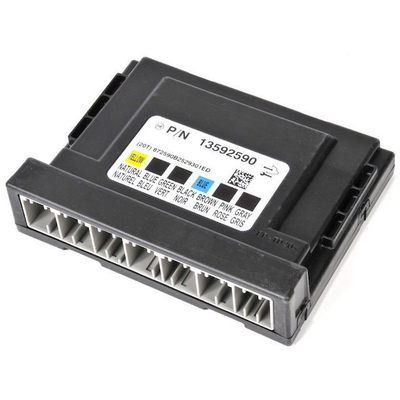
Below are the parts most often responsible for code B1330, ranked by how frequently each one is the actual culprit (per the diagnosis above). Tap any to see what we have for your vehicle.




The information in this article is provided for general reference and educational purposes only. Vehicle specifications, procedures, and part compatibility can vary by production date, trim level, and region. Always consult your vehicle's factory service manual and verify part numbers before purchasing or performing repairs. Safety-critical components such as airbags, seat belts, and braking systems should be installed by a qualified professional.
- 🧭 Diagnostic Flowchart
- 🎬 Helpful Videos
- 🛍️ Shop This Part
- What Does B1330 Mean?
- Can I Drive With B1330?
- Common Causes
- Symptoms
- Common Fixes & Costs
- DIY vs Professional
- Used vs. New Parts: Buying Guide
- What Happens If You Wait — Timeline
- Cost of Not Fixing It
- Diagnosis Steps
- When This Code Triggers (Freeze-Frame Conditions)
- Related Codes
- Climate & Environmental Factors
- Where to Take It: Dealer vs Independent vs Chain
- When to Walk Away From the Repair
- What Scan Tool You Need for This Code
- How to Clear the Code After You Fix It
- Will This Fail Emissions / State Inspection?
- Most Commonly Affected Vehicles
- Manufacturer-Specific Notes
- Real Owner Stories
- 2021 Ford F-150 with 400W Inverter
- 2023 Ford Maverick XLT with new B1330:9A code
- 2018 Ford F-350 with B1330 and P208A codes
- How to Prevent This Code From Triggering
- Frequently Asked Questions
- Can I fix code B1330 myself?
- Why did my power outlets stop working after a car wash?
- I replaced the outlet on my F-150 and cleared the code, but the outlets still don't work. What's wrong?
- My scanner shows B1330 on my Hyundai. Is it safe to drive?
- The shop wants to replace the whole inverter module on my F-150. Is that right?
- What's the difference between a B1330:9A and a B1330:01?
- How do I reset the B1330 code?
- Can a weak battery cause a B1330 code?
- Key Takeaways
- 🎟️ Get 5% Off