

B1370 on 2014-2019 Chevrolet Silverado 1500: Ignition Circuit Fault Causes and Fixes
Code B1370 on a 2014-2019 Silverado indicates a fault in the 'Ignition 1' circuit, controlled by the Body Control Module (BCM). This often causes widespread electrical issues. The most common cause is a poor terminal connection at a fuse block or a corroded/broken wire under the driver's side sill plate, as noted in GM TSB PIT5391A. The fix is usually a wiring repair, not module replacement.
- B1370 is a serious electrical fault on your Silverado, not a simple sensor issue. It indicates a problem with the power supply that wakes up many of the truck's computers.
- Symptoms are often widespread and chaotic, including a no-start condition, dead instrument cluster, and inoperative radio and climate controls.
- DO NOT immediately replace the Body Control Module (BCM). The problem is most likely a wiring or connection issue.
- The most critical places to inspect are the connectors at the underhood and interior fuse blocks and the wiring harness that runs under the driver's side door sill plate.
- Due to the complexity of the electrical system, professional diagnosis is strongly recommended if a visual inspection of common failure points doesn't reveal the problem.
What's Unique About the 2014-2019 Chevrolet SILVERADO 1500
The K2XX platform (2014-2019 Silverado/Sierra and 2015-2020 full-size SUVs) is known for complex electrical systems where a single wiring issue can cause a cascade of seemingly unrelated symptoms. GM issued Technical Service Bulletin PIT5391A specifically for these trucks, pointing to common failure points in the wiring harness. Key areas of concern are poor terminal connections at the fuse blocks (e.g., pin M7 on connector X2 of the underhood block) and corrosion of Circuit 5199 under the driver's door sill plate. This means that before condemning an expensive module like the BCM, a thorough wiring inspection is critical.
Diagnostic Flowchart
Tap your situation to follow the diagnostic path that matches what you're seeing on this vehicle.
Symptoms You May Notice
- No crank or starts and immediately stalls.
- Check Engine Light (Malfunction Indicator Lamp) does not turn on during the initial key-on bulb check.
- HVAC controls are inoperative. [Bulletin #PIT5586G]
- No audible click or chime for turn signals. [Bulletin #PIT5586G]
- Radio and other infotainment systems are dead.
- Service 4WD message may appear on 4x4 models.
- Audible relay clicking sound from the dash or fuse block area while driving.
- Engine stays running with ignition off until the driver's door is opened.
- Replacing the ignition switch. While possible, wiring and connection issues are far more common for this specific code on this platform.
- Replacing the battery. While a weak battery can cause many electrical issues, it won't typically set the B1370 code in isolation. Owners often replace the battery first with no change in symptoms.
Most Likely Causes
- Poor Terminal Connection at Fuse Block 🔴 High Probability TSB PIT5391A and its revisions specifically identify this as a primary cause. Terminals can back out or develop poor contact due to vibration and thermal cycling.
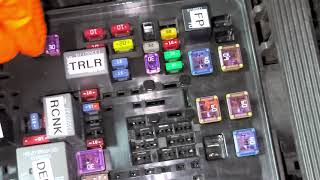
How to confirm: Inspect the connectors at the Underhood Fuse Block (X50A) and the Left I/P Fuse Block (X51L) for backed-out, corroded, or damaged terminals. TSB PIT5391A specifically calls out terminal M7 on connector X2 (carrying circuit 439) and terminal M5 on connector X4 (carrying circuit 5199) at the underhood block.
Typical fix: Reseat the loose terminal or replace the damaged terminal and connector. This is a delicate wiring repair requiring specialized tools.
Est. part cost: $10-$50 - Damaged or Corroded Wiring Under Driver's Sill Plate 🔴 High Probability The main wiring harness runs along the floor under the driver's side door sill plate. Water intrusion from wet boots, leaking door seals, or clogged sunroof drains can cause wires in this harness to corrode and break. TSB PIT5391A specifically points to 'Circuit 5199' in this location.
How to confirm: Remove the driver's side plastic sill plate and kick panel, then peel back the carpet to visually inspect the large wiring harness for signs of moisture, green/white corrosion, or obviously broken wires. The wire for Circuit 5199 is often pink.
Typical fix: Cut out the damaged section of wire and splice in a new piece of automotive-grade wire using weatherproof butt connectors or by soldering and sealing with heat-shrink tubing.
Est. part cost: $5-$25 - Faulty Body Control Module (BCM) ⚪ Low Probability → Shop Body Control Module While less common than wiring issues, the BCM is the 'brain' controlling this circuit and can fail internally, causing a wide range of electrical issues.
How to confirm: This should be the last step after all wiring, fuses, and relays have been thoroughly tested and confirmed to be good. Requires a professional scan tool to monitor BCM data and confirm it's commanding the circuit incorrectly.
Typical fix: Replace the Body Control Module. The new BCM will require programming by a dealer or a properly equipped independent shop.
Est. part cost: $200-$500 - Failed Ignition Main Relay ⚪ Low Probability → Shop Wiring Relay The KR73 Ignition Main Relays (one under the hood, one in the dash) supply the power that the BCM directs. Like any relay, they can fail over time.
How to confirm: Swap the suspected relay with an identical known-good relay from a non-critical circuit (like the horn) and see if the symptoms change. Listen for a click from the relay when the ignition is turned on.
Typical fix: Replace the faulty relay. The OEM part number is typically GM 13500114. 🎬 Watch: How to test the starter fuses and relays.
Est. part cost: $15-$40
Rare But Worth Checking
- Poor Body/Frame Ground Connection:
- Improperly Installed Aftermarket Equipment:
Diagnosis Steps
- Scan all vehicle modules for codes. Note all B, C, U, and P codes, as they provide clues to the extent of the electrical failure.
- Check all fuses related to ignition, BCM, and instrument panel functions in both the underhood and interior fuse boxes.
- Inspect the KR73 Ignition Main Relays in both fuse blocks. Swap with known-good relays to test. The part number is typically GM 13500114.
- Following TSB PIT5391A, carefully inspect the connectors at the Underhood Fuse Block (X50A) and Left I/P Fuse Block (X51L). Look for any terminals that have backed out, are loose, or show signs of corrosion. Pay special attention to connector X2, pin M7 and connector X4, pin M5 on the underhood block.
- Remove the driver's side door sill plate and kick panel. Peel back the carpet and inspect the large wiring harness for corrosion, damage, or previous poor repairs, specifically looking for issues with Circuit 5199.
- If wiring appears intact, use a digital multimeter to test for proper voltage on the Ignition 1 circuits (e.g., Circuit 439, Circuit 5199) between the fuse block and the BCM. Expect battery voltage (~12.6V) with Key ON.
- Inspect and clean main chassis ground points, especially G103 (cowl, above brake booster) and G110 (left front body mount). A poor ground can cause voltage drops and mimic other failures.
- If all wiring, fuses, and relays test good, the fault may be within the BCM itself, which requires professional diagnosis.
Parts You'll Likely Need
- Wiring Repair Supplies — The most common fix is repairing a broken or corroded wire or a loose terminal, as identified in TSB PIT5391A.
Trusted brands: 3M
OEM price range: $10-$30
Aftermarket price range: $5-$20 - Body Control Module (BCM)
(OEM #13587704 (Varies by year/options, verify by VIN))— If all wiring and connections are confirmed to be good, the BCM itself may have failed. This is a less common cause.
Trusted brands: ACDelco
OEM price range: $300-$500
Aftermarket price range: $175-$400 - Ignition Main Relay (KR73)
(OEM #13500114)— A potential, though less common, cause of the Ignition 1 circuit failure. Easy to swap for diagnosis.
Trusted brands: GM Genuine Parts, ACDelco
OEM price range: $15-$40
Aftermarket price range: $10-$25
Related Codes That Often Appear With This One
- U0140 — Loss of Communication With Body Control Module. This often appears with B1370 because the underlying wiring issue disrupts power or communication to the BCM itself.
- U0155 — Loss of Communication With Instrument Panel Cluster (IPC). The IPC is powered by the Ignition 1 circuit, so a fault here will cause it to lose communication.
- U0164 — Loss of Communication with HVAC Control Module. The HVAC system is directly affected by the loss of the Ignition 1 signal, as noted in TSB PIT5586G.
- B1325 — Device Power Circuit Voltage. This code is also mentioned in TSB PIT5391A and points to the same family of electrical power supply problems.
- P0650 — Malfunction Indicator Lamp (MIL) Control Circuit. TSB PIT5391A links this code because the fault can prevent the BCM or ECM from correctly illuminating the check engine light.
Technical Service Bulletins (TSBs) & Recalls
- PIT5391A (and successors like PIT5391B/F): This is the primary TSB for the B1370 code. It addresses no-crank/stall conditions, a dead MIL, and clicking relays. It directs technicians to inspect for a loss of Ignition 1 voltage by checking specific terminals at the Underhood (X50A) and Left I/P (X51L) fuse blocks, and to inspect Circuit 5199 for corrosion under the driver's sill plate.
- PIT5586G: This TSB addresses a wide range of communication codes (U-codes) that can appear with B1370. Symptoms include inoperative HVAC, no turn signal audio, and dead gauges. It points to potential issues with the Serial Data Gateway Module (SDGM) or its connectors, which are also part of the Ignition 1 power distribution network.
Platform-Specific Known Issues
- TSB PIT5391A directly addresses the symptoms of B1370, including no-crank, MIL not illuminating, and relay clicking, pointing technicians to inspect fuse block connectors and wiring under the driver's sill plate for faults. It specifically calls out connector X2, pin M7 and Circuit 5199 as known failure points.
- TSB PIT5586G lists B1370 among a large group of communication codes that can occur simultaneously, causing symptoms like inoperative HVAC controls and no turn signal audio. This highlights how a single power circuit fault can disrupt multiple vehicle networks.
Mechanic-Grade Diagnostic Values
- Voltage on 'Device Ignition 1' circuit (e.g., Circuit 5199 or 439) at the BCM connector. — expected: ~12.6V (Battery Voltage) with Key ON, Engine OFF. 0V with Key OFF.. Failure: 0V or significantly less than battery voltage with Key ON indicates an open circuit or short to ground. Voltage greater than 0V with Key OFF indicates a short to power.
- Resistance between the BCM harness connector and the ignition switch harness connector on the ignition signal circuit. — expected: Less than 1.0 ohm.. Failure: Resistance greater than 1.0 ohm indicates high resistance in the circuit, likely from a corroded wire or poor connection.
Hidden / Shadow Codes Worth Checking
- B1370 01: Device Ignition 1 (ON and START) Circuit Short to Battery. This indicates the BCM has detected excessive voltage on the circuit. (see via A professional scan tool like the GM GDS2 (Global Diagnostic System 2) that can read manufacturer-specific symptom bytes.)
- B1370 04: Device Ignition 1 (ON and START) Circuit Open. This indicates the BCM has detected a break in the circuit. (see via A professional scan tool like the GM GDS2 that can read manufacturer-specific symptom bytes.)
- B1370 06: Device Ignition 1 (ON and START) Circuit Short to Ground or Open. This is a common variant pointing to a loss of voltage. (see via A professional scan tool like the GM GDS2 that can read manufacturer-specific symptom bytes.)
Scan Tool Commands That Help
- GM GDS2 (Global Diagnostic System 2): Module Diagnostics > BCM > Control Functions > Command KR73 Ignition Main Relay — Use this to manually command the ignition relay on and off. This verifies if the BCM is capable of sending the command and if the relay itself is functional. It helps isolate a faulty BCM from a wiring or relay issue.
- GM GDS2 (Global Diagnostic System 2): Module Diagnostics > BCM > Data Display > Power Mode — Use this to view the status of all ignition switch inputs as seen by the BCM. Comparing the scan tool data to the actual key position can quickly determine if the ignition switch is sending correct signals or if the BCM is not interpreting them correctly.
Wiring & Ground Locations
- X50A — Underhood Fuse Block, located in the engine compartment on the driver's side.. This is a central power distribution point. TSB PIT5391A specifically calls out checking terminals M7 on connector X2 (Circuit 439) and M5 on connector X4 (Circuit 5199) for poor connections.
- X51L — Left I/P (Instrument Panel) Fuse Block, located inside the cab at the driver's side of the dashboard.. This is the interior power distribution point for many affected modules. TSB PIT5391A points to checking terminal 42 on connector X1 (Circuit 5199).
- Circuit 5199 — Runs in the main harness under the driver's side door sill plate and kick panel.. This is a notorious location for corrosion and wire breakage due to water intrusion. The wire is often pink. This is one of the most common root causes for B1370.
- G103 — Located at the left rear of the engine compartment on the cowl, above the brake booster.. This is a primary ground point for the BCM, Instrument Panel Cluster (IPC), and Data Link Connector (DLC). A poor connection here can cause a wide range of communication and module power issues.
- G110 — Located on the left front body mount on the frame.. This is a major chassis ground. While less directly tied to the BCM than G103, poor chassis grounds can introduce electrical noise and voltage drops that cause unpredictable module behavior.
Real Owner Repair Stories
- YouTube channel 'Global Commerce CA' (2008 Chevrolet Express Van (similar GM electrical architecture)) — No crank, security light on, codes B1370 and B1380 stored.
❌ Tried (didn't work) Replacing the key, Replacing fuse boxes
✅ What actually fixed it Found a broken and corroded red and white power wire in the harness that runs under the driver's side floor mat, near where the driver's foot rests. Splicing in a new section of wire resolved all symptoms. - Owner forums for K2XX platform trucks/SUVs (2016 GMC Yukon (same K2XX platform)) — Intermittent no-start, multiple warning lights on the dashboard, B1370 stored.
❌ Tried (didn't work) Replacing battery, Swapping relays
✅ What actually fixed it Following TSB advice, the owner pulled back the carpet under the driver's sill plate and found a corroded pink wire (Circuit 5199). They cut out the bad section, spliced in a new piece of wire with weatherproof connectors, and resolved all issues.
OEM Part Supersession History
12193606, 15328866, 19115083, and others→13500114— Part number consolidation and potential internal design updates over many years.
Heads up: While many relays physically fit, using the correct OEM part number (13500114) is crucial for the specific amperage and cycle rating required for ignition circuits.
Helpful Videos

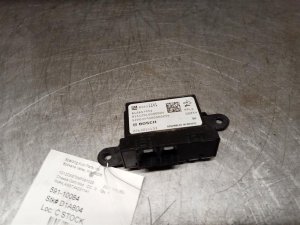
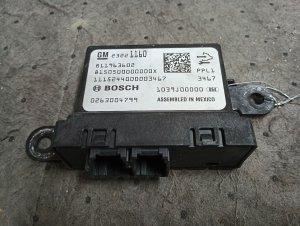
We Have This Part in Stock

The information in this article is provided for general reference and educational purposes only. Vehicle specifications, procedures, and part compatibility can vary by production date, trim level, and region. Always consult your vehicle's factory service manual and verify part numbers before purchasing or performing repairs. Safety-critical components such as airbags, seat belts, and braking systems should be installed by a qualified professional.
- Chevrolet SILVERADO 1500:
- 🧭 Diagnostic Flowchart
- 🎬 Helpful Videos
- 🛍️ Shop This Part
- What's Unique About the 2014-2019 Chevrolet SILVERADO 1500
- Symptoms You May Notice
- Most Likely Causes
- Rare But Worth Checking
- Diagnosis Steps
- Parts You'll Likely Need
- Related Codes That Often Appear With This One
- Technical Service Bulletins (TSBs) & Recalls
- Platform-Specific Known Issues
- Mechanic-Grade Diagnostic Values
- Hidden / Shadow Codes Worth Checking
- Scan Tool Commands That Help
- Wiring & Ground Locations
- Real Owner Repair Stories
- OEM Part Supersession History
- 🎟️ Get 5% Off