

OBD-II Code B1371: A Manufacturer-Specific Fault
What B1371 means, why it triggers, and how to fix it on Ford, Hyundai, Saab, Chevrolet, and more
- B1371 is a manufacturer-specific code that indicates a parasitic battery drain on Fords, a disabled ABS system on Saabs, or a disabled airbag on Hyundais.
- On 1997-2003 Ford trucks, a leaking windshield dripping onto the GEM module causes 80% of B1371 codes and requires resealing the glass before replacing the $300 module.
- Before buying expensive parts for a Ford or Jaguar, swap the interior light relay with the horn relay to see if the battery drain stops.
- For Saab owners, B1371 specifically identifies a failed left-front wheel speed sensor, requiring a $150-$300 replacement to restore anti-lock braking.
- Do not use a cheap $20 code reader to diagnose B1371; you need a mid-range scanner capable of reading Body (BCM), ABS, and SRS modules.
What Does B1371 Mean?
B1371 is a manufacturer-specific Body (B) code, meaning its definition changes entirely based on your vehicle's make. For Ford, Lincoln, Mercury, and Jaguar, it signals a failure in the interior courtesy lamp circuit, causing lights to stay on and drain the battery. For Hyundai, it indicates a faulty driver's seat position sensor. For Saab, it points to a failed left-front ABS wheel speed sensor. For Chevrolet, it flags an ignition circuit fault.
Technical definition: The official SAE/ISO definition for B1371 varies by automaker: * **Ford, Lincoln, Mercury, Jaguar:** "Illuminated Entry Relay Circuit Failure" or "Interior Courtesy Lamp Relay Circuit Failure". * **Hyundai:** "STPS (Seat Track Position Sensor)-Driver instability". * **Saab:** "LH front wheel sensor, no signal or signal faulty". * **Chevrolet:** "Ignition 1 System Circuit (ON/START) out of normal range". * **Lancia:** "Relay circuit failure for auxiliary interior lighting".
Can I Drive With B1371?
Yes, But With Caution. Driving is possible, but risks vary by manufacturer. Ford owners face a parasitic battery drain that will leave you stranded. Hyundai owners lose driver airbag deployment, posing a major safety risk. Saab owners lose ABS and traction control, increasing skid risk during emergency braking. Chevrolet owners face intermittent no-start conditions.
Common Causes
- Failed Interior Light / Battery Saver Relay (Ford/Jaguar) (Very Common) — This is the most frequent and cheapest cause on Ford vehicles. The relay's internal contacts fuse in the 'on' position, keeping the interior lights powered continuously and draining the battery.
- Water-Damaged Generic Electronic Module (GEM) (Ford) (Very Common) — On 1997-2003 Ford trucks and SUVs, a leaking windshield seal drips water directly onto the GEM and interior fuse box. This causes corrosion and short circuits that trigger B1371 alongside erratic electrical behavior.
- Faulty Door Ajar Switch (Ford) (Common) — A door ajar switch gets stuck in the 'open' position. The GEM interprets this as an open door and keeps the courtesy lights on, triggering B1371 and killing the battery. This often appears with code B1322.
- Faulty Left Front ABS Wheel Speed Sensor (Saab) (Common) — On Saabs, this code points directly to a failed front-left wheel speed sensor or damaged wiring, preventing it from sending a signal to the ABS module.
- Faulty Seat Track Position Sensor (Hyundai) (Less Common) — For Hyundais, a faulty driver's seat track position sensor sends bad data to the airbag computer, compromising the airbag deployment strategy.
- Faulty Ignition Switch (Chevrolet) (Less Common) — On affected Chevrolets, a fault in the 'Ignition 1' circuit within the ignition switch or its wiring causes this code and leads to starting issues.
- Shorted or Open Wiring (Less Common) — A wire in the courtesy light, ignition, or sensor circuit shorts to ground or breaks. This occurs in high-flex areas like door jambs, under carpets, or near the fuse box.
Symptoms
- Dead battery overnight (Ford/Jaguar) — A parasitic draw from the interior lights or a module that won't go to 'sleep' drains the battery completely after a few hours of being parked.
- Interior lights won't turn off (Ford/Jaguar) — The dome light, map lights, or door courtesy lights remain illuminated after the doors are closed and the vehicle is turned off.
- ABS and Traction Control warning lights (Saab) — The ABS and traction control warning lights illuminate on the instrument cluster, indicating these safety systems are disabled.
- Airbag warning light (Hyundai) — The SRS (Supplemental Restraint System) warning light illuminates, indicating a fault that disables the airbag system.
- Erratic electrical behavior (Ford) — If the GEM module fails due to water damage, power windows stop working, windshield wipers turn on by themselves, or the 4x4 system malfunctions.
- Vehicle fails to start (Chevrolet) — A B1371 code related to the ignition circuit results in an intermittent crank-no-start condition.
Diagnostic Flowchart
Tap your situation to follow the diagnostic path that matches what you're seeing on this code.
Common Fixes & Costs
- Replace Interior Light / Battery Saver Relay — Parts: $10-$30, Labor: $0, ~0.1 hr book time (DIY)
- Replace Generic Electronic Module (GEM) and Reseal Windshield — Parts: $250-$600, Labor: $250-$450, ~2.5 hr book time (Professional)
- Replace ABS Wheel Speed Sensor (Saab) — Parts: $50-$150, Labor: $100-$150, ~1 hr book time (Intermediate)
- Replace Seat Position Sensor / Seat Cushion (Hyundai) — Parts: $400-$1200, Labor: $100-$200, ~1.2 hr book time (Professional)
- Diagnose and Repair Parasitic Draw — Parts: $0-$50, Labor: $150-$450, ~2.5 hr book time (Professional)
- Repair or Replace Faulty Wiring — Parts: $10-$30, Labor: $150-$600, ~3 hr book time (Professional)
Used vs. New Parts: Buying Guide
When a used part is worth it: For the Ford GEM module, a used part makes sense when new or remanufactured units are unavailable. A used unit from a dry, non-corroded donor vehicle is reliable, provided the part number is an exact match.
Donor-vehicle mileage cap: roughly under 100000 miles for the part to have meaningful remaining life.
Donor quality checklist:
- Verify the part number on the used GEM is identical to your original module.
- Inspect the used module's connectors for any signs of green or white corrosion.
- Favor donors from dry climates to minimize the risk of pre-existing moisture damage.
Decision logic:
- If A new or quality remanufactured GEM is available for <$400 → Buy new/reman for the warranty and to avoid the risk of a faulty used part.
- If The part number must be matched exactly AND the vehicle has many specific options → A used part from an identical donor vehicle is plug-and-play, avoiding programming costs.
- If Budget is the primary concern → A used part offers significant savings but carries a limited 30-day warranty.
Warranty tradeoff: Used parts from a salvage yard typically have a 30-90 day warranty. Remanufactured modules come with a 1-year to limited lifetime warranty. New OEM parts carry a 1-2 year warranty.
Worst-case if a used part fails: $300-$600 if a used part fails after the warranty period, requiring repeat labor costs and another replacement part.
What Happens If You Wait — Timeline
- 0-4 weeks: Ford: Intermittent dead battery, especially after rain. Saab: ABS/TCS lights on constantly. Hyundai: Airbag light on constantly. (MPG impact: 0%% · Added cost: $50-$250 (Cost of a new battery, which will also be ruined if the root cause isn't fixed.))
- 1-6 months: Ford: Parasitic draw becomes constant. Battery requires jump-starting daily. Water leak begins corroding other pins in the fuse box/GEM. Saab: No ABS/TCS. Hyundai: Airbag system remains disabled. (MPG impact: 0-5% (due to alternator strain)% · Added cost: $250-$800 (New battery plus a new alternator. Initial cost of GEM/fuse box replacement.))
- 6-12 months: Ford: Severe corrosion on GEM and fuse box is visible. The module shorts internally, creating a fire risk. Saab/Hyundai: Continued driving without critical safety systems significantly increases accident risk. (MPG impact: 5-10%% · Added cost: $800-$2000 (Cost to replace GEM, fuse box, and potentially sections of the wiring harness.))
- 12+ months: Ford: Irreparable damage to the main cabin wiring harness. Corrosion wicks up the wires, requiring a complete harness replacement. Saab/Hyundai: An accident occurs that could have been mitigated by the disabled ABS or Airbag systems. (MPG impact: 10%+% · Added cost: $2000-$4000 (Full wiring harness replacement is highly labor-intensive.))
Cost of Not Fixing It
- Immediate (1-7 days): Ford/Jaguar: Stranded with a dead battery. Saab: No ABS or traction control, increasing skid risk. Hyundai: Compromised airbag deployment. Chevrolet: Potential no-start condition. (Added cost: $50-$250 (Towing service, cost of a new battery))
- 1-6 months: Ford/Jaguar: Permanent battery damage from repeated deep discharge cycles (sulfation) and increased strain on the alternator. If caused by a water leak, corrosion spreads to other electronics. Saab/Hyundai: Continued operation with disabled safety systems. (Added cost: $200-$1500 (New battery, alternator replacement, or initial cost of GEM/fuse box replacement))
- 6+ months: Ford/Jaguar: Severe corrosion to the main vehicle wiring harness. In rare short-circuit cases, risk of fire. Saab/Hyundai: Incalculable cost if an accident occurs that could have been prevented by the disabled ABS or airbag systems. (Added cost: $1500-$4000 (Extensive electrical diagnosis, module and wiring harness replacement))
Diagnosis Steps
- Scan for All Codes
Use an OBD-II scanner capable of reading Body (B), Chassis (C), and Network (U) codes. Note all codes present. On a Ford, B1371 is often accompanied by B1318 (Battery Voltage Low). On a Saab, you will find it in the ABS module. On a Hyundai, it lives in the SRS/Airbag module.
Tools: Advanced OBD-II Scanner (Beginner) - Swap the Interior Light Relay (Ford/Jaguar)
Locate the interior light or battery saver relay in your fuse box. Find an identical relay that controls a non-essential function (like the horn) and swap them. If the light problem goes away, you have found the bad relay.
Tools: Owner's manual, pliers (Beginner) - Visual Inspection for Water Leaks (Ford)
Look for signs of water leaks around the top of the windshield and under the driver's side dashboard near the fuse box. A damp carpet, headliner, or visible green corrosion on the fuse box confirms a leaking windshield destroying the GEM.
Tools: Flashlight (Beginner) - Perform a Parasitic Draw Test
Set a multimeter to measure Amps (10A setting). Disconnect the negative battery terminal and connect the multimeter in series. Latch all doors and wait 40 minutes for modules to 'sleep'. A normal draw is under 50-85 milliamps (0.05A-0.085A). If higher, pull fuses one by one until the reading drops to identify the faulty circuit.
Tools: Digital Multimeter, 10mm wrench (Intermediate) - Inspect the Generic Electronic Module (GEM) (Ford)
Disconnect the battery. Remove the interior fuse box to access the GEM mounted behind it. Unplug the connectors and look for green or white corrosion on the pins. If corrosion is present, the module requires replacement, and the windshield MUST be resealed first.
Tools: Socket set, trim removal tools (Advanced) - Pro Tip: Test the ABS Wheel Speed Sensor (Saab)
Disconnect the suspect left-front sensor. Set your multimeter to Ohms (Ω). A good Saab sensor has a resistance of approximately 1600 Ohms. Next, set the multimeter to AC Volts. Spin the wheel by hand at one revolution per second. You should see at least 100-200 millivolts (0.1V-0.2V). No reading indicates a bad sensor.
Tools: Digital Multimeter, jack and jack stands (Intermediate) - Live Data Scan (Ford/Chevrolet)
Using an advanced scanner, monitor live data. For Ford, watch 'Door Ajar Status'. A status that reads 'Ajar' when physically closed points to a faulty door switch. For Chevrolet, monitor 'Ignition 1 Voltage'. It should read ~12V in 'ON' and 'START'. A low reading indicates a faulty ignition switch.
Tools: Advanced OBD-II Scanner with Live Data (Advanced) - Pro Tip: Test the Interior Light Relay Circuit (Ford)
With the relay removed, test the socket. Pin 30 should have constant 12.6V. Pin 86 (command wire) should have ~12V only when the GEM wants the lights on. Pin 85 should have a constant ground. If you have constant voltage on Pin 86 when lights should be off, the fault lies within the GEM or a stuck door switch.
Tools: Digital Multimeter, vehicle wiring diagram (Advanced)
When This Code Triggers (Freeze-Frame Conditions)
- Vehicle State: Key-Off or Key-On-Engine-Off (The B1371 code on Fords is logged when the GEM commands the courtesy lights off but detects the circuit is still energized. Freeze frame data shows 0 MPH and 0 RPM.)
- Battery Voltage: 11.5V - 12.5V (Often accompanied by code B1318 (Battery Voltage Low) because the B1371 fault creates a parasitic drain that lowers battery voltage over time.)
- Vehicle Speed: 0 MPH (Ford/Chevy/Hyundai) or >5 MPH (Saab) (For Saab ABS faults, the code sets once the vehicle is moving and the ABS module detects a discrepancy between the wheel speed sensors.)
- Module State: Active or Awaiting Sleep (In a parasitic draw scenario, the GEM module fails to enter its low-power 'sleep' mode because it detects an active circuit.)
Related Codes
- B1318 — Means 'Battery Voltage Low' and frequently appears with B1371 on Ford vehicles. The B1371 fault causes a parasitic draw, which drains the battery and triggers B1318. Fix the B1371 root cause first.
- B1352 — Means 'Ignition Key-In Circuit Failure'. Shows up alongside B1371 when the GEM module fails. If it appears with B1371 and other 'B' codes, the GEM module is the primary suspect.
- B1322 — Means 'Driver Door Ajar Circuit Short to Ground'. On Fords, a faulty door ajar switch causes both B1322 and B1371 by tricking the GEM into thinking the door is always open.
- P18xx (e.g., P1867) — On 4x4 Ford trucks, 'P18xx' transfer case codes appearing with B1371 are a hallmark of GEM failure. The GEM controls both systems. Replace the GEM before diagnosing the 4x4 system.
Climate & Environmental Factors
- Heavy Rain/Snow: The primary trigger for B1371 on older Ford trucks. Water from a leaking windshield seal flows directly onto the GEM and fuse box, causing short circuits. Symptoms are most pronounced immediately after a rain event.
- High Humidity: Accelerates corrosion on electrical terminals and circuit boards when water intrusion has already occurred. Moisture combined with humidity corrodes the GEM's pins and internal traces.
- Cold Weather: Cold weather reduces a battery's effective capacity, making it more susceptible to being drained by a parasitic draw caused by B1371. A draw that goes unnoticed in the summer leaves you with a dead battery on the first cold morning.
How to Talk to a Mechanic About This Code
Say this: "Varies by make: * **For a Ford:** 'I have a B1371 code and a parasitic battery drain. I've already swapped the battery saver relay. I need a diagnosis focusing on a parasitic draw test, checking for water intrusion into the GEM, and checking the door ajar switch data.' * **For a Hyundai:** 'I have a B1371 code and the airbag light is on. I need a diagnostic of the SRS system, specifically for the driver's seat track position sensor and its circuit.' * **For a Saab:** 'I have a B1371 code and my ABS and traction control lights are on. I need a diagnosis of the ABS system, specifically testing the left front wheel speed sensor and its wiring.'"
This language shows you've done your research and directs the technician to the most likely cause for your specific vehicle. It prevents them from starting with generic diagnostics (like just testing the battery) and protects you from being sold unnecessary parts.
Avoid saying:
- 'My battery keeps dying, just replace it.'
- 'My check engine light is on, can you look at it?' (This is a Body code, not a Check Engine code)
- 'The ABS light is on, you should probably just replace the ABS module.'
Questions to ask before authorizing the repair:
- For Ford: Did you find evidence of a water leak? If the GEM module is bad, what is the cost to reseal the windshield first?
- For Ford: Can you show me the parasitic draw measurement on the multimeter? Which fuse makes the draw go away?
- For Hyundai: If the seat sensor needs replacement, does the new part require calibration with a scan tool?
- For Saab: Did you test the wheel speed sensor's resistance and voltage output, or is the recommendation based only on the code?
- Will you provide a written estimate with a clear breakdown of parts and labor costs?
Where to Take It: Dealer vs Independent vs Chain
- Dealer:
Best for: Vehicles under warranty., Hyundai airbag system repairs due to safety-critical nature and potential need for specific calibration., Complex Ford GEM module replacements that require programming.
Downsides: Highest labor rates, often 1.5-2x an independent shop., Defaults to replacing an entire assembly (e.g., whole fuse box with GEM) when a smaller repair is possible. (Typical cost: +50% vs. baseline) - Independent Shop:
Best fit for Ford and Chevrolet issues. For Saab, a specialist independent shop is required. For Hyundai, an independent shop is acceptable only if they have a strong background in SRS/airbag diagnostics.
Best for: Out-of-warranty Ford parasitic draw diagnosis., Saab repairs, provided the shop specializes in European vehicles., Chevrolet ignition circuit diagnosis.
Downsides: Quality and expertise vary widely; look for ASE certifications., May not have the specific tools (like Saab's Tech 2) for programming modules. (Typical cost: +0% vs. baseline) - Chain Shop:
AVOID for diagnosis. A chain shop is very likely to misdiagnose this code, leading you to replace a perfectly good battery or alternator without fixing the underlying fault.
Best for: Simple part swaps like a battery or a pre-identified bad relay.
Downsides: Technician skill is highly variable., Not equipped for in-depth electrical diagnosis or parasitic draws., High pressure to upsell common items like batteries and alternators, which are symptoms, not the cause, of B1371. (Typical cost: -10% vs. baseline)
When to Walk Away From the Repair
If the estimated repair cost exceeds 50% of the car's current private-party value, seriously consider selling the vehicle as-is or trading it in rather than repairing it.
- Car worth $3500, fix is $1800: Walk away. The repair cost is over 50% of the vehicle's value.
- Car worth $5000, fix is $1200: Borderline. The repair is significant but under the 50% threshold. Get a second opinion before authorizing.
- Car worth $8000, fix is $450: Fix it. The repair cost is well below the threshold and restores a critical safety system.
What Scan Tool You Need for This Code
Minimum: A scanner that reads manufacturer-specific Body (B), ABS, and SRS (Airbag) codes.
A cheap, sub-$50 code reader ONLY reads Powertrain (P) codes related to the engine. It shows 'No Codes Found' for B1371 because this fault is stored in the Body Control Module, ABS module, or SRS module. You cannot diagnose this issue without a tool that communicates with those specific modules.
Budget: Foxwell NT301 / Autel AL329 (with limitations) (~$50) — These are primarily engine code readers. They will NOT read the B1371 code itself. On a Ford, they are useful only for seeing the symptom code B1318 (Battery Voltage Low).
Mid-range: BlueDriver Pro / Foxwell NT510 Elite / Autel MaxiCOM MK808S (~$120-450) — This is the true starting point for DIY diagnosis. These tools scan all modules (Engine, ABS, Airbag, Body). They correctly identify B1371 and provide live data, allowing you to see the status of door switches (Ford), wheel speed sensor readings (Saab), or seat position sensor data (Hyundai).
Professional: Innova 5610 / Launch X431 Series / Autel MS906 Pro (~$400-1200) — These professional-grade tools offer bidirectional control. For a Ford, this allows you to command the interior light relay on and off directly from the scan tool. For a Hyundai or Saab, it runs system-specific self-tests on the SRS or ABS modules to pinpoint the problem definitively.
Rent vs buy: AutoZone's free 'Loan-A-Tool' service typically provides basic code readers that CANNOT read Body, ABS, or SRS codes, making them unsuitable for diagnosing B1371. You must buy at least a mid-range scanner capable of reading all vehicle modules.
How to Clear the Code After You Fix It
- Ensure the underlying fault (e.g., bad relay, water leak, faulty sensor) has been corrected.
- Reconnect the battery if it was disconnected for the repair.
- Use a compatible OBD-II scan tool to erase the code from the specific module (BCM, GEM, SRS, ABS).
- Cycle the ignition off and then on, and re-scan to confirm the code does not immediately return.
Drive cycle (~30 minutes): A universal drive cycle to reset readiness monitors involves: a cold start (sit for 8+ hours), idle for 2-3 minutes, 15-20 minutes of mixed city/highway driving (including steady speeds between 40-60 MPH), and at least four 30-second idle periods.
Readiness monitors affected: Evaporative System (EVAP), Catalyst (CAT), Oxygen (O2) Sensor, Oxygen Sensor Heater
Before emissions retest: drive at least 50 miles to fully set monitors.
Watch out for:
- Disconnecting the battery does not clear the code from non-volatile memory in SRS or ABS modules.
- The code returns immediately if the root cause of the fault has not been repaired.
- Failure to perform a complete drive cycle leaves readiness monitors 'Not Ready', resulting in an automatic emissions test failure.
Will This Fail Emissions / State Inspection?
No — by itself this code doesn't fail OBD inspection (but it can keep readiness monitors from setting, which causes a separate fail).
- California: A Body (B) code like B1371 will not fail the OBD-II smog check. However, if the battery was disconnected to fix it, the OBD readiness monitors reset. You must complete a full drive cycle before the test.
- New York: The NYS inspection checks for illuminated ABS and Airbag warning lights. If B1371 causes either light to be on (Saab and Hyundai), the vehicle fails the safety inspection.
- Texas: An illuminated airbag light is not an automatic failure for the state safety inspection. However, an illuminated ABS light is a reason for failure. A Saab with B1371 fails, but a Hyundai passes.
Most Commonly Affected Vehicles
- Ford F-150, F-250, F-350 (1997-2003) — Highly prone to leaking windshields causing water damage to the GEM/fuse box. Part numbers for the GEM must be matched exactly for replacement.
- Ford Explorer & Mercury Mountaineer (1998-2001) — Suffer from the same GEM failures due to water intrusion. A recall (00V-072) was issued for 1999-2000 models for a GEM lock-up concern.
- Ford Ranger & Mazda B-Series (1998-2003) — Shares a similar electrical design and GEM module with the F-150 and Explorer, making it susceptible to the same water damage.
- Ford Expedition & Lincoln Navigator (1997-2002) — Known for GEM module failures related to water leaks, causing a variety of electrical problems including B1371.
- Jaguar X-Type, S-Type (2001-2009) — Uses the same 'Interior Courtesy Lamp Relay Circuit Failure' definition as Ford and suffers from similar parasitic battery drains.
- Chevrolet Silverado, Sierra (2014-2018) — B1371 indicates an 'Ignition 1 System Circuit' fault. This impacts starting and requires diagnosis of the ignition switch and BCM wiring.
- Saab 9-3, 9-5 (2003-2011) — The code indicates a fault with the Left Front wheel speed sensor. The sensor itself is a common failure point.
Manufacturer-Specific Notes
- Ford: The overwhelming cause of B1371 on 1997-2003 models is a leaking windshield dripping water onto the GEM. Fixing the leak is mandatory before replacing parts. Ford issued SSM #15773 advising dealers to replace both the GEM and fuse box if corrosion is found, and reseal the windshield.
- Hyundai: This code indicates a problem with the driver's seat track position sensor, which tells the airbag control module how far the seat is from the steering wheel. A fault disables advanced airbag features and prevents proper deployment.
- Saab: This code points to a fault or loss of signal from the left-hand front wheel speed sensor, which disables the ABS and traction control systems.
- Chevrolet: B1371 points to a fault in the Ignition 1 (ON/START) circuit, affecting starting. This requires checking the ignition switch and wiring to the Body Control Module (BCM).
Real Owner Stories
2000 Ford F-150 with ~120k miles experiencing a dead battery after rain.
The truck was completely dead after sitting, especially after a rainstorm. Symptoms included the radio and interior lights acting erratically. A new battery did not solve the issue.
What they tried:
- Replaced the battery, but the new one died after sitting for a few weeks.
- Took it to a dealer who identified a water leak into the GEM module.
- Owner pulled the GEM fuse as a temporary measure to stop the drain.
Outcome: The underlying problem was a water leak from a bad windshield seal dripping onto the GEM. The owner had the windshield professionally resealed before replacing the corroded GEM module to achieve a permanent fix.
Lesson: On 97-03 Fords, a parasitic drain with weird electrical issues after rain is a water leak into the GEM. Do not replace the GEM until you fix the windshield leak, or the new parts will be ruined.
2006 Saab 9-3 with ABS, Traction Control, and Stability Control failure lights.
The dashboard lit up with 'ABS failure' and 'Traction control failure' messages. A scan confirmed a B1371 code.
What they tried:
- The owner identified the code pointed to the left front wheel speed sensor.
- They inspected the sensor and its wiring connector at the back of the wheel bearing assembly.
Outcome: The fix involved replacing the faulty wheel speed sensor. In some cases, the issue is a corroded connector at the sensor, which can be cleaned and re-seated.
Lesson: For Saab, B1371 is a specific code. Start by inspecting the wiring and connector for the specified wheel speed sensor before assuming the entire ABS module is bad.
2003 Hyundai Elantra with 140k miles and the airbag light on.
The airbag warning light came on. A generic OBD-II scanner could not read the SRS codes.
What they tried:
- Owner checked under the driver and passenger seats for loose connectors.
- Wiggled and re-seated the connectors under the seat.
Outcome: The B1371 code pointed specifically to the driver's seat track position sensor. This specific fault required replacing the sensor itself, which was part of the seat track assembly.
Lesson: For a Hyundai airbag light, check for loose items under the seats first. However, a specific code like B1371 points to a definite sensor fault and requires proper diagnosis and part replacement.
How to Prevent This Code From Triggering
- Inspect and Clean Windshield Cowl and Drains (Ford) (Annually, before rainy season) — The primary cause of GEM failure on Fords is a leaking windshield. Keeping the cowl area free of leaves allows water to channel away properly instead of pooling.
- Apply Flowable Silicone Sealant to Windshield Top Edge (Ford) (As needed, if seal looks suspect) — Applying a flowable silicone sealant (like Permatex 81730) along the top edge of the windshield molding seals small gaps in the original urethane before they become major leaks.
- Dielectric Grease on Connectors (When replacing any electrical part) — Applying dielectric grease to electrical connectors seals out moisture and prevents pin corrosion that leads to high resistance and fault codes.
- Check Under Seats (Hyundai) (Periodically, after vacuuming) — Ensure no water bottles or umbrellas are rolling under the front seats. These strike and dislodge the sensitive seat position sensor connectors, triggering a fault light.
Frequently Asked Questions
Can a bad battery cause code B1371?
No, it is the other way around. The fault indicated by B1371 causes a parasitic battery drain that kills the battery. A low battery on its own sets a B1318 or similar voltage code.
I replaced the relay and battery on my Ford, but the battery still dies. What now?
The next most likely causes are a faulty door ajar switch or a water-damaged GEM module. Perform a parasitic draw test to confirm the draw is still present. Do not replace the expensive GEM without verifying a water leak.
What is the most common misdiagnosis for B1371 on a Ford?
The most common mistake is immediately replacing the expensive GEM without performing basic checks. Always start by swapping the inexpensive interior light relay with a known-good one.
Can I just pull a fuse to stop my battery from draining?
Yes, pulling the interior lights fuse temporarily stops the battery from dying overnight. However, this disables the circuit and is not a permanent fix.
Does B1371 on my Hyundai mean the airbags won't work?
Yes, the Supplemental Restraint System (SRS) has detected a fault and disabled the system. The airbag will likely not deploy correctly in a crash. This requires immediate professional service.
Can I reset the GEM module by disconnecting the battery?
Disconnecting the battery for 30 minutes temporarily resets the GEM's logic. However, if the module has internal corrosion from a water leak, the erratic behavior will return quickly.
Is it safe to drive my Saab with the ABS light on from a B1371 code?
Your normal hydraulic brakes will still work, but you will not have anti-lock braking or traction control. Your wheels will lock up and skid during a hard stop. Drive cautiously until it is repaired.
Key Takeaways
- B1371 is a manufacturer-specific code that indicates a parasitic battery drain on Fords, a disabled ABS system on Saabs, or a disabled airbag on Hyundais.
- On 1997-2003 Ford trucks, a leaking windshield dripping onto the GEM module causes 80% of B1371 codes and requires resealing the glass before replacing the $300 module.
- Before buying expensive parts for a Ford or Jaguar, swap the interior light relay with the horn relay to see if the battery drain stops.
- For Saab owners, B1371 specifically identifies a failed left-front wheel speed sensor, requiring a $150-$300 replacement to restore anti-lock braking.
- Do not use a cheap $20 code reader to diagnose B1371; you need a mid-range scanner capable of reading Body (BCM), ABS, and SRS modules.
Shop the Parts Behind B1371
Below are the parts most often responsible for code B1371, ranked by how frequently each one is the actual culprit (per the diagnosis above). Tap any to see what we have for your vehicle.


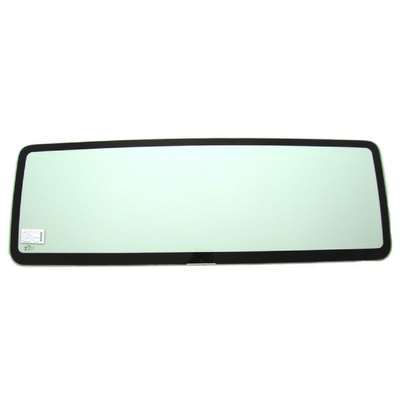

The information in this article is provided for general reference and educational purposes only. Vehicle specifications, procedures, and part compatibility can vary by production date, trim level, and region. Always consult your vehicle's factory service manual and verify part numbers before purchasing or performing repairs. Safety-critical components such as airbags, seat belts, and braking systems should be installed by a qualified professional.
- 🧭 Diagnostic Flowchart
- 🛍️ Shop This Part
- What Does B1371 Mean?
- Can I Drive With B1371?
- Common Causes
- Symptoms
- Common Fixes & Costs
- Used vs. New Parts: Buying Guide
- What Happens If You Wait — Timeline
- Cost of Not Fixing It
- Diagnosis Steps
- When This Code Triggers (Freeze-Frame Conditions)
- Related Codes
- Climate & Environmental Factors
- How to Talk to a Mechanic About This Code
- Where to Take It: Dealer vs Independent vs Chain
- When to Walk Away From the Repair
- What Scan Tool You Need for This Code
- How to Clear the Code After You Fix It
- Will This Fail Emissions / State Inspection?
- Most Commonly Affected Vehicles
- Manufacturer-Specific Notes
- Real Owner Stories
- 2000 Ford F-150 with ~120k miles experiencing a dead battery after rain.
- 2006 Saab 9-3 with ABS, Traction Control, and Stability Control failure lights.
- 2003 Hyundai Elantra with 140k miles and the airbag light on.
- How to Prevent This Code From Triggering
- Frequently Asked Questions
- Can a bad battery cause code B1371?
- I replaced the relay and battery on my Ford, but the battery still dies. What now?
- What is the most common misdiagnosis for B1371 on a Ford?
- Can I just pull a fuse to stop my battery from draining?
- Does B1371 on my Hyundai mean the airbags won't work?
- Can I reset the GEM module by disconnecting the battery?
- Is it safe to drive my Saab with the ABS light on from a B1371 code?
- Key Takeaways
- 🎟️ Get 5% Off