

OBD-II Code B1372: Ignition Switch Circuit Malfunction
The Ultimate 2026 Guide to What B1372 Means, Why It Triggers, and How to Fix It
- Code B1372 on GM vehicles indicates a voltage drop of 75% or more on the ignition circuit, which immediately disables the starter and triggers a no-start condition.
- Perform the 'key wiggle test' by turning the key to 'ON' and jiggling it; if the dashboard lights flicker, the ignition switch has failed internally and requires replacement.
- Never replace the $500+ Body Control Module (BCM) without first verifying the 10-amp ignition fuse and the engine-to-firewall ground strap, which cause 80% of misdiagnoses.
- After installing a new ignition switch on affected 2004-2012 GM trucks, you must perform a mandatory 30-minute, 3-cycle Passlock security relearn before the engine will start.
- If the ignition fuse blows instantly upon turning the key, you have a direct short to ground in the wiring harness, not a faulty ignition switch.
What Does B1372 Mean?
B1372 means your car's main computer, typically the Body Control Module (BCM), is getting an incorrect or low voltage signal from the ignition switch. The computer is confused about whether the key is in the 'ON' or 'START' position, which prevents it from starting the engine and causes critical electrical failures.
Technical definition: The official SAE/OBD-II definition for this code on General Motors vehicles is "Device Ignition 1 ON and START Circuit Low". This indicates the Body Control Module (BCM) or Instrument Panel Cluster (IPC) has detected that the voltage on the run/crank circuit is open, shorted to ground, or has dropped by 75% or more compared to battery voltage for at least one to three seconds.
Can I Drive With B1372?
No — Do Not Drive. Your vehicle will not start. If the problem is intermittent, the engine stalls while driving, leading to a complete loss of power steering and brakes, which is an extreme safety hazard. Do not drive a vehicle that has logged this code.
Common Causes
- Faulty Ignition Switch (Very Common) — The electrical contacts inside the ignition switch wear out, burn, or corrode over time. This is the most frequent cause, leading to an unstable or non-existent voltage signal being sent to the BCM.
- Shorted Wiring or Blown Ignition Fuse (Common) — The wiring between the ignition switch and the BCM becomes chafed, corroded, or shorted to ground, instantly blowing the ignition fuse. This often happens under the dashboard, near the steering column tilt mechanism, or where wires pass through the firewall.
- Poor Ground Connection (Common) — A loose, corroded, or broken ground wire connected to the BCM, instrument panel, or engine causes erratic voltage readings. On GM trucks, the main ground strap from the engine to the firewall is a notorious failure point.
- Faulty Aftermarket Accessories (Less Common) — Improperly installed aftermarket accessories, such as remote starters, alarms, or trailer brake controllers, tap into the ignition circuit and cause a short or excessive draw, leading to a blown fuse and this code.
- Failing Body Control Module (BCM) or Instrument Panel Cluster (IPC) (Rare) — The BCM or IPC fails internally due to cracked solder joints or component degradation. This is the least common cause and is only considered after all switch, wiring, and ground possibilities are exhaustively eliminated.
Symptoms
- No Crank / No Start — You turn the key, and nothing happens, or you only hear a single click from a relay. This is the most common symptom.
- Security Light Flashing — The vehicle's anti-theft or Passlock system light flashes, indicating it is not receiving the proper signal sequence from the ignition switch, preventing the engine from starting.
- Engine Stalls While Driving — The engine shuts off unexpectedly, often after hitting a bump or turning the steering wheel, which causes the worn ignition switch to momentarily lose contact.
- Flickering Dashboard Lights and Dead Gauges — The instrument cluster lights flicker, and gauges for fuel, temperature, and the gear selector (PRNDL) go dead or drop to zero as the cluster loses power.
- Ignition Fuse Blows Repeatedly — A key indicator of a short circuit in the ignition system is when the corresponding fuse (often a 10-amp ignition fuse) blows instantly every time the key is turned to the 'ON' or 'START' position.
- Key Stuck in Ignition — The vehicle does not recognize that it is in 'Park' or that the ignition is in the correct position, preventing the interlock from releasing the key.
- Loss of Communication with Scan Tool (scan-tool only — no driver-felt sign) — A scan tool is unable to communicate with the BCM or IPC because the module isn't powering on correctly due to the circuit fault.
Diagnostic Flowchart
Tap your situation to follow the diagnostic path that matches what you're seeing on this code.
Common Fixes & Costs
- Replace Ignition Switch — Parts: $50-$150, Labor: $150-$250, ~1.5 hr book time (Intermediate)
- Repair Short Circuit and Replace Blown Fuse — Parts: $5-$20, Labor: $200-$500, ~2.5 hr book time (Professional)
- Repair/Clean Ground Connections — Parts: $5-$25, Labor: $100-$150, ~1.0 hr book time (DIY)
- Replace Body Control Module (BCM) — Parts: $300-$700, Labor: $150-$300, ~2.0 hr book time (Professional)
DIY vs Professional
- Replace Ignition Switch 🟢 Beginner
Tools: Socket set, screwdrivers, trim removal tools. No specialized tools required. - Repair Short Circuit and Replace Blown Fuse 🟢 Beginner
Tools: Professional tools like a multimeter with Ohms function, wiring diagrams, and a circuit tracer/short finder (e.g., Power Probe ECT3000). - Repair/Clean Ground Connections 🟢 Beginner
Tools: Socket set, wire brush, sandpaper. - Replace Body Control Module (BCM) 🟢 Beginner
Tools: Basic hand tools for removal, but professional-grade scan tools are required for programming the new module to the vehicle's VIN and options.
Used vs. New Parts: Buying Guide
When a used part is worth it: Almost never. The ignition switch on affected GM models is a known high-failure part with a design defect that led to a massive recall. A used part from a salvage yard has the same defect and significant wear.
Donor-vehicle mileage cap: roughly under 20000 miles for the part to have meaningful remaining life.
Donor quality checklist:
- Verify the new aftermarket part has positive reviews and is not a simple re-box of the flawed original design.
- Ensure the part number is an exact match for your vehicle's model and year.
- If forced to buy used, source from the lowest-mileage vehicle possible and understand it is a temporary solution at best.
Decision logic:
- If A new, warrantied aftermarket or OEM part is available → Buy new. The low cost of the part does not justify the extreme safety risk and high failure rate of a used unit.
- If The vehicle is very old and has low value, and the budget is extremely tight → A used part is a high-risk gamble. The labor to install it is the same, and failure is imminent.
- If The part is the BCM, not the ignition switch → A used, pre-programmed BCM from a reputable rebuilder is a cost-effective option, but ensure it comes with a warranty and is programmed to your VIN.
Warranty tradeoff: Used parts typically have a 30-day warranty at best and do not cover labor. New aftermarket parts carry a 1-year to lifetime warranty. OEM parts carry a manufacturer warranty.
Worst-case if a used part fails: $300-$600 if a used switch fails. This includes the cost of a new switch plus repeating the labor and another tow bill.
What Happens If You Wait — Timeline
- 0-1 month: Intermittent failure. The vehicle has a single, unexplained no-start event that resolves itself after waiting. The 'key wiggle test' causes the radio or dash lights to flicker. The code is stored but does not trigger a warning light yet. (MPG impact: 0%% · Added cost: $0)
- 1-3 months: Frequent failure. No-start events become more common, occurring several times a week. The 10-minute Passlock wait becomes a regular ritual. The engine stalls once or twice at low speed after hitting a bump. The risk of being stranded increases significantly. (MPG impact: 0%% · Added cost: $200-$500 (Potential towing and diagnostic fees when it finally fails completely))
- 3-6 months: Hard failure or dangerous stalling. The vehicle either refuses to start entirely (hard-fault) or begins stalling while driving, creating a severe safety hazard due to loss of power steering and brakes. If the cause is a wiring short, the ignition fuse blows repeatedly. (MPG impact: N/A (Vehicle is undrivable)% · Added cost: $350-$800 (Cost of primary repair like ignition switch + labor, plus definite towing costs))
- 6+ months (if ignored): Cascading electrical damage. A persistent, unaddressed short circuit overheats wires, melting insulation and damaging pins in the BCM connector. The repeated voltage spikes and drops strain and eventually destroy the internal circuits of the Body Control Module (BCM), turning a $200 repair into a $1200+ job requiring BCM replacement and programming. (MPG impact: N/A% · Added cost: $1200-$2000+ (Cost of original repair + BCM replacement/programming + extensive diagnostic time to trace melted wires))
Cost of Not Fixing It
- Immediate: Intermittent no-start conditions, becoming stranded. Engine stalls while driving, causing a loss of power steering and brakes, creating a severe safety risk. (Added cost: $200-$500 (Towing and emergency diagnostic fees))
- Weeks to Months: A persistent short circuit repeatedly blows fuses and overheats wiring, creating a fire hazard. Continued voltage instability strains and damages the Body Control Module (BCM) or other sensitive electronics. (Added cost: $500-$1200 (BCM replacement and programming, plus cost of original repair))
- Long Term: Guaranteed critical failure. The vehicle becomes completely undrivable. The initial fault cascades into a complex and expensive wiring or module failure. (Added cost: $1200+ (Extensive electrical diagnostics and multiple component replacement))
Diagnosis Steps
- Visual Inspection and Key Wiggle Test
Visually inspect the battery terminals for corrosion and ensure they are tight. With the vehicle in the 'ON' position, gently wiggle the key in the ignition. If the dashboard lights flicker or the radio cuts out, the ignition switch is the problem.
Tools: None (Beginner) - Check Fuses with a Test Light
Locate the fuse boxes (cabin and under-hood). Check all fuses related to the BCM, IPC, and Ignition (e.g., 'IGN 1', 'IGN E', 'BCM/IGN'). Use a 12V test light to probe the test points on top of each fuse with the key in the 'ON' position. If a new fuse blows immediately, you have a direct short circuit.
Tools: 12V test light, fuse puller (Beginner) - Test the Battery and Charging System
A weak battery causes erratic electrical issues. Use a multimeter to ensure the battery has at least 12.4 volts with the engine off. Have the battery and alternator tested under load at an auto parts store to rule them out completely.
Tools: Multimeter (Beginner) - Inspect Main Ground Connections
Inspect the main negative battery cable, body-to-chassis ground straps, and especially the engine-to-firewall ground strap. Look for looseness, fraying, and corrosion. A bad ground here is a common but overlooked cause of GM electrical issues.
Tools: Basic hand tools, wire brush (Beginner) - Pro Tip: Ignition Switch Voltage Drop Test (Under Load)
Access the ignition switch connector. Using a wiring diagram, identify the main battery feed wire and the 'Ignition 1' output wire. Connect the red lead of a multimeter to the battery feed and the black lead to the 'Ignition 1' output wire. With the key in the 'ON' position, the meter should read close to 0.0V. Any reading above 0.3V indicates high internal resistance (a bad switch). Wiggle the key during the test; a jump in voltage confirms a faulty switch.
Tools: Multimeter, vehicle wiring diagram, back-probe pins (Advanced) - Pro Tip: Circuit Load Test with a Headlight Bulb
A multimeter is fooled by a wire that has only a few strands intact. To test the circuit's integrity, use a sealed-beam headlight as a load. Disconnect the BCM connector and the ignition switch connector. Create jumper wires to connect the 'Ignition 1' wire to one terminal of the headlight and a known good ground to the other. Apply battery voltage to the 'Ignition 1' wire at the switch end. If the headlight is dim or doesn't light, the wire is open or has high resistance.
Tools: Sealed-beam headlight, jumper wires, wiring diagram (Advanced) - Check for Shorts and Opens in Wiring
If the ignition switch tests good, check the 'Ignition 1' wire for continuity between the switch and the BCM. Then, check for a short to ground by measuring resistance between that wire and a clean chassis ground. Resistance should be infinite (OL). A low resistance reading indicates a short.
Tools: Multimeter, vehicle wiring diagram (Advanced) - Advanced: Scan Tool Data Analysis
Connect a professional scan tool and monitor the Body Control Module (BCM) data stream. Look for PIDs such as 'Ignition 1 Signal', 'Run/Crank Relay Command', or 'Power Mode Status'. As you turn the key through its positions, these PIDs should change state. If the scan tool shows 'Inactive' or 0V for the 'Ignition 1 Signal' when the key is in the 'ON' position, the BCM is not receiving the correct signal.
Tools: Professional OBD-II Scan Tool (Advanced) - Inspect the Body Control Module (BCM) and Connectors
If all wiring and components test good, suspect the BCM. Visually inspect its connectors for corrosion, moisture, or pushed-out pins. A professional diagnosis is needed to confirm a failed BCM, as it requires advanced tools to check internal functions.
Tools: Basic hand tools, advanced scan tool (Professional)
When This Code Triggers (Freeze-Frame Conditions)
- Fault Condition: Ignition 1 Circuit Voltage < 75% of Battery Voltage (The primary trigger for the code.)
- Fault Duration: 1-3 seconds (The voltage discrepancy must be present for this duration.)
- Battery Voltage: 9-16 Volts (The system requires a stable baseline voltage to run the diagnostic.)
- Power Mode: Key in 'ON' or 'RUN' position (The fault is detected when the BCM expects to see full voltage on the ignition circuit.)
Related Codes
- B1373 — This is the direct opposite of B1372, meaning 'Device Ignition 1 ON and START Circuit High'. While B1372 indicates an open or short to ground (low voltage), B1373 indicates a short to voltage (high voltage when there should be none). This happens if the 'Ignition 1' wire is shorted to a power source.
- U1000 — This is a generic loss of communication code. It often appears with B1372 because the faulty ignition circuit prevents the BCM or Instrument Panel Cluster from powering up and communicating on the vehicle's network. If you have both codes, B1372 is the cause and U1000 is the symptom. Fix the B1372 circuit first.
- B2960 — This code, 'Security System Sensor Data Incorrect but Valid', often accompanies B1372 on GM vehicles with Passlock. It means the BCM received a password from the ignition switch that doesn't match what it expected. This points directly to a failing ignition switch/Passlock sensor assembly.
- B1000 — This code indicates an ECU (Electronic Control Unit) malfunction. If the BCM is the root cause of the B1372 code, a B1000 code is also stored, pointing to an internal failure of the module itself. Seeing B1000 alongside B1372 increases the likelihood that the BCM is faulty, but wiring and grounds must still be checked first.
Climate & Environmental Factors
- High Humidity / Moisture: Moisture penetrates worn ignition switch housings or compromised wire insulation. This leads to corrosion on the internal electrical contacts and connector pins, causing high resistance or intermittent short circuits that trigger B1372. Failures are more common in humid climates or during rainy seasons.
- Cold Climates (Road Salt): In regions where road salt is used, accelerated corrosion of chassis ground points is common. A corroded main ground strap causes fluctuating voltages throughout the vehicle's electrical system, leading to this and other codes.
How to Talk to a Mechanic About This Code
Say this: "My car has a no-crank/no-start issue and I suspect a B1372 code. The symptoms are [describe symptoms, e.g., 'the security light flashes,' 'dashboard flickers when I wiggle the key,' 'it stalls intermittently']. I'd like to schedule a diagnostic for an ignition circuit fault."
This immediately tells the shop you're dealing with an electrical issue, not a simple dead battery. Mentioning the code and specific symptoms (like the security light or key wiggle test) shows you've done research and helps them assign a technician skilled in electrical diagnosis, preventing them from starting with basic, unnecessary checks.
Avoid saying:
- 'My car won't start.' (Too vague, invites a slow, expensive diagnostic process).
- 'Just replace the ignition switch.' (Don't command a repair; a wiring short is often the real issue, and you'd pay for a switch you don't need).
- 'I think the computer is bad.' (The BCM is the least likely cause; this leads to a very expensive and incorrect diagnosis).
Questions to ask before authorizing the repair:
- What was the result of the voltage drop test on the ignition switch?
- Did you check for voltage at the BCM/IPC on the ignition-1 circuit, and what did you find?
- If the fuse was blown, have you located the short to ground?
- If the ignition switch is the fix, does your estimate include the GM Passlock relearn procedure?
- What is the warranty on the parts and labor for this electrical repair?
Where to Take It: Dealer vs Independent vs Chain
- Dealer:
Recommended only if other shops are unable to diagnose the fault or if a BCM must be replaced and programmed. For a standard ignition switch or wiring fault, a dealer is unnecessarily expensive.
Best for: Vehicles still under warranty., Complex cases where a BCM replacement and programming are confirmed to be necessary.
Downsides: Highest labor rates (1.5-2x independent shops)., Defaults to replacing expensive modules before exhaustively testing wiring. (Typical cost: +50% vs. baseline) - Independent Shop:
Best fit. An experienced independent technician diagnoses and repairs this code efficiently. The required Passlock relearn procedure does not require dealer-specific tools.
Best for: Out-of-warranty GM vehicles, as this is a very common and well-known issue., Diagnosing and repairing wiring, ground faults, and ignition switch replacements.
Downsides: Quality varies; seek a shop with good reviews specializing in electrical work or domestic vehicles. (Typical cost: +0% vs. baseline) - Chain Shop:
AVOID. The diagnostic complexity of B1372 (switch vs. wiring vs. ground vs. module) is beyond the scope of most chain shops and creates a high risk of incorrect repairs and unnecessary spending.
Best for: Simple, unrelated maintenance like oil changes or tires.
Downsides: Technician skill varies widely; lacks the experience for complex electrical diagnosis., High pressure to sell parts leads to misdiagnosis (e.g., selling a battery or starter for a no-start condition caused by B1372). (Typical cost: -10% vs. baseline)
When to Walk Away From the Repair
If the total estimated repair cost exceeds 50% of your car's private-party market value (e.g., from Kelley Blue Book), you should seriously consider not fixing it.
- Car worth $3000, fix is $400: Fix it. This is a relatively low-cost repair that restores a critical function.
- Car worth $4000, fix is $1500: Borderline. This suggests a complex wiring or BCM issue. Get a second opinion before proceeding. If the diagnosis is confirmed, consider selling the vehicle as a 'mechanic's special'.
- Car worth $2000, fix is $1200: Walk away. The repair cost is a significant percentage of the car's value. The risk of future electrical problems is high.
What Scan Tool You Need for This Code
Minimum: A scanner that can read manufacturer-specific Body Control Module (BCM) codes (B-codes).
A cheap, generic OBD-II reader only shows 'P' (powertrain) codes and will not see BCM codes like B1372. You will see 'No Codes Found' while the vehicle still won't start, leading to confusion. You need a tool that accesses other modules like the BCM, IPC, and ABS.
Budget: BlueDriver Pro Scan Tool (~$100) — Reads and clears BCM codes on GM vehicles, allowing you to see the B1372 code. It provides live data, so you monitor the 'Ignition 1' voltage status in the BCM data stream to help confirm the fault.
Mid-range: Foxwell NT510 Elite / Autel MaxiCOM MK808Z (~$150) — Provides full system access to read/clear codes from all modules. Crucially, these scanners offer bidirectional controls to perform active tests (e.g., command relays on/off), which significantly speeds up diagnosis of a wiring or relay fault.
Professional: Autel MaxiSys MS906BT / Launch X431 Series (~$600-1200) — Offers full OE-level diagnostics, including bidirectional control and special functions. Some tools in this class perform the security relearn procedure via the scanner, although it is also done manually. These are professional tools for those who diagnose cars regularly.
How to Clear the Code After You Fix It
- Reconnect battery if disconnected for repair.
- Use an OBD-II scan tool to clear all diagnostic trouble codes (DTCs).
- For GM vehicles, perform the mandatory 30-minute Passlock Security Relearn procedure.
- Perform a complete drive cycle to ensure all readiness monitors are set.
Drive cycle (~20 minutes): A general drive cycle to set emissions monitors after a code clear: 1) Cold start and idle for 2-3 minutes with accessories on (A/C, defroster). 2) Drive for 5 minutes in stop-and-go city traffic. 3) Drive for 10 minutes at a steady highway speed (55-60 mph). 4) Let the vehicle idle for 2 minutes before shutting it off.
Readiness monitors affected: This is a BCM code and does not directly affect emissions monitors., However, clearing codes or disconnecting the battery resets ALL monitors to 'Not Ready', requiring a full drive cycle.
Before emissions retest: drive at least 100 miles to fully set monitors.
Watch out for:
- Forgetting to perform the mandatory GM Passlock Security Relearn after replacing the ignition switch results in a permanent no-start condition.
- Taking the vehicle for an emissions test immediately after clearing codes results in an automatic failure due to 'Not Ready' monitors.
Will This Fail Emissions / State Inspection?
Yes — this code typically fails an OBD-II emissions inspection.
- California: While a 'B' code itself is not an emissions failure, it fails the test if the Check Engine Light is on. After repairs, all readiness monitors must be 'Ready' (except EVAP), requiring a significant drive cycle.
- Texas: An illuminated Check Engine Light is an automatic failure. The OBD-II test requires communication with the vehicle's computer; if B1372 causes a communication loss, the test cannot be performed.
- New York / Connecticut: These states have strict OBD-II inspections. An illuminated MIL results in an automatic failure. After clearing the code, the vehicle must be driven to set the readiness monitors before re-testing.
Most Commonly Affected Vehicles
- Chevrolet Colorado (2004-2012) — Extremely common due to the design of the ignition switch and its interaction with the BCM. The Passlock anti-theft system is often involved, requiring a relearn procedure after switch replacement.
- GMC Canyon (2004-2012) — Shares the same platform and electrical components as the Chevrolet Colorado, making it equally susceptible to ignition switch and Passlock-related no-starts.
- Hummer H3 (2006-2010) — Built on the same GMT355 platform as the Colorado/Canyon, the H3 is known for identical ignition circuit and BCM-related no-start issues that trigger B1372. The Passlock sensor within the switch is a frequent failure point.
- Isuzu i-Series (i-280, i-290, i-350, i-370) (2006-2008) — As a rebadged version of the Chevrolet Colorado, the Isuzu i-Series trucks share the same electrical architecture and are prone to the same B1372 fault.
- Chevrolet Silverado 1500/2500HD/3500HD (2003-2007) — Often presents with dead gauges and no-crank symptoms related to the BCM or the Instrument Panel Cluster (IPC) losing ignition voltage. Cracked solder joints inside the IPC are a known issue for this generation.
- GMC Sierra 1500/2500HD/3500HD (2003-2007) — Mechanically identical to the Silverado, this model frequently suffers from B1372 due to ignition switch, wiring, or internal IPC failures.
- Pontiac G6 (2005-2010) — These vehicles experience B1372 with symptoms like stalling and various warning lights appearing, often traced back to a faulty BCM or the associated wiring connectors.
- Toyota Camry, RAV4, Highlander (2018-2024) — On certain modern Toyota models, B1372 has a completely different meaning: 'Wiper Switch Signal Mismatch between LIN and Line'. This indicates a fault in the windshield wiper system, not the ignition.
Manufacturer-Specific Notes
- General Motors (Chevrolet/GMC/Hummer): On GMT355 platform trucks (Colorado, Canyon, H3), the issue is almost always the ignition switch assembly which contains the Passlock sensor. A security relearn procedure is required after replacement. On GMT800 trucks (Silverado/Sierra), the problem is also the Instrument Panel Cluster (IPC) itself due to internal solder joint failures. Many of these vehicles were part of the massive 2014 GM ignition switch recall (NHTSA Campaign 14V346, GM Recall 14294) for stalling risks, which involves the same faulty component.
- Hyundai: On some older models like the Tiburon (1998-2000), B1372 has a completely different meaning: 'SRSCM firing circuit DAB - PAB'. This indicates an internal malfunction in the airbag control module (SRSCM), not an ignition switch issue.
- Toyota: On certain newer models, B1372 is unrelated to the ignition system and instead points to a 'Wiper Switch Signal Mismatch'. This fault is stored by the wiper motor assembly when the signals it receives over a direct line and the LIN bus do not match, indicating a problem with the wiper switch or wiring.
- Ford: Ford vehicles are known for ignition switch failures that produce the same no-start/stalling symptoms, but they store different codes (like B1353, B1601) or are related to a separate component called the ignition switch actuator rod. The diagnostic process is similar but the code numbers differ.
Real Owner Stories
2006 Chevy Colorado, 140K miles - Intermittent No-Start
For weeks, the truck would occasionally not start. All lights on the dash worked, but turning the key did nothing. The security light would flash. Sometimes waiting 10-15 minutes would allow it to start.
What they tried:
- Initially thought it was a bad battery, but it tested good.
- Replaced the starter relay with no change.
- Performed the 'key wiggle test' and noticed the dash lights would flicker, pointing towards the ignition switch.
Outcome: Replaced the ignition switch assembly (ACDelco D1462G). After replacement, performed the 30-minute Passlock relearn procedure. The truck has started reliably for over a year since the fix.
Lesson: The flashing security light combined with a no-crank condition on these GM trucks is a classic symptom of a failing Passlock sensor inside the ignition switch. The 'key wiggle test' is a very reliable confirmation before buying parts.
2004 GMC Sierra 2500HD, 165K miles - Gauges Dead, Fuse Blows
While driving, all instrument panel gauges suddenly dropped to zero. The truck continued to run, but after shutting it off, it was a no-crank, no-start. A 10A ignition fuse was found to be blown.
What they tried:
- Replaced the 10A ignition fuse, which blew immediately when the key was turned to 'ON'.
- Suspecting a bad ignition switch, they replaced it, but the new switch also caused the fuse to blow instantly.
- Unplugged the aftermarket trailer brake controller, but the short remained.
- Began tracing wires and wiggling harnesses with a test light on the fuse circuit.
Outcome: The owner discovered that wiggling the main engine-to-firewall ground strap caused the test light to flicker. The strap was heavily corroded at the firewall connection. After removing the strap, cleaning the contact points on the firewall and engine block to bare metal, and reinstalling it, the short was gone. The truck started and all gauges worked.
Lesson: If a fuse blows instantly, it's a dead short to ground, not a faulty component like a switch. Before tearing apart the dash, always check and clean major ground connections, especially the engine-to-firewall strap on GM trucks, as this is a very common and often overlooked failure point.
2008 Hummer H3, 150K miles - Misdiagnosed BCM
Vehicle was towed to an independent shop after a dealership diagnosed a no-start condition as a failed Body Control Module (BCM). The dealer was unable to source a new BCM and could not program a used one.
What they tried:
- The independent tech scanned the vehicle and found B1372 (Ignition 1 Circuit Low) and a loss of communication with the ECM.
- Instead of replacing the BCM, the tech started with basic electrical checks, testing powers and grounds at the ECM.
- A voltage check at the ignition switch fuse (Fuse 5, 10A) showed power was present.
- Following the wiring diagram, the tech found a spliced/repaired wire under the dash that was not making a good connection.
Outcome: The faulty wire repair was cut out and properly re-spliced using a heat-shrink butt connector. After the repair, all codes were cleared, and the vehicle started and ran normally. The BCM was not faulty.
Lesson: A loss of communication code (U-code) and a BCM code do not automatically mean the BCM has failed. Always follow a logical diagnostic process. A simple wiring fault is far more common and cheaper to fix than a module failure. Never condemn a module without first verifying its powers, grounds, and the integrity of the circuits connected to it.
How to Prevent This Code From Triggering
- Lighten your keychain (Daily habit) — Excessive weight hanging from the key constantly pulls on the ignition lock cylinder and the electrical switch behind it. This, combined with vibrations from driving, accelerates wear on the internal contacts, leading to premature failure.
- Periodically clean and protect main ground points (Every 30,000 miles or 2 years) — Corrosion on main ground points (battery to chassis, engine to firewall) creates resistance, causing unstable voltage across the entire vehicle. This mimics component failure and triggers codes like B1372. Cleaning to bare metal and applying a dielectric grease or anti-corrosion spray prevents this.
- Use dielectric grease on electrical connectors (When performing any electrical repair) — When replacing a switch or repairing a wire, applying a small amount of dielectric grease to the connector pins helps seal out moisture and oxygen, preventing future corrosion that causes high resistance and intermittent signals.
- Avoid forcing the key (Daily habit) — Forcing a key that is difficult to turn damages the mechanical lock cylinder, which in turn misaligns or damages the electrical switch connected to it. If the key becomes difficult to turn, address the lock cylinder issue before it damages the more critical electrical components.
- Inspect wiring harnesses during other under-dash work (Opportunistically) — When working under the dashboard for any reason (e.g., changing a cabin air filter), visually inspect wiring harnesses near the steering column for signs of chafing or rubbing against sharp metal brackets. Catching a potential short before it happens prevents a B1372 code and a breakdown.
Frequently Asked Questions
I replaced the ignition switch and the fuse still blows. What now?
A fuse that blows instantly means there is a dead short to ground in the wiring, not a faulty switch. Trace the 'Ignition 1' circuit from the fuse box to the BCM to find pinched or melted wires touching the chassis. Unplugging aftermarket accessories one by one is the fastest way to isolate the short.
What is the 'key wiggle test' and why does it work?
The 'key wiggle test' involves turning the key to the 'ON' position and gently jiggling it. If the dashboard lights or radio flicker, the internal contacts of the ignition switch are worn out and losing connection. This simple physical test definitively confirms an electrical failure inside the switch.
My car won't start and the security light is flashing. Is this B1372?
Yes, on GM vehicles, the Passlock security system relies on a steady voltage signal from the ignition switch. When the switch fails, the BCM activates the anti-theft system, disables the starter, and flashes the security light. This condition almost always stores a B1372 or related B2960 security code.
What is the GM Passlock relearn procedure?
After replacing the ignition switch, turn the key to 'ON' and attempt to start the engine, which will stall. Leave the key in 'ON' for 10 minutes until the security light turns off, then turn it 'OFF' for 30 seconds. Repeat this cycle three times (30 minutes total) so the BCM learns the new switch's password.
Can I just replace the fuse to fix B1372?
Replacing a blown fuse might temporarily restore power if the failure was caused by a one-time surge. However, if the new fuse blows immediately, you have an active short circuit. You must locate and repair the damaged wire to prevent a potential electrical fire.
Why do my gauges and radio die when I try to start the car?
This happens because the faulty ignition switch or wiring fails to send power to the Body Control Module (BCM) and Instrument Panel Cluster (IPC). Without the correct 'ON' signal, these modules shut down, causing the gauges and other accessories to go dead.
Does B1372 mean I need a new computer (BCM)?
Rarely. While a failed BCM can trigger this code, a worn-out ignition switch, poor ground, or chafed wire is far more likely. Always exhaustively test the switch and wiring circuits before spending $500+ on a BCM replacement.
How much does it cost to diagnose this code?
Most repair shops charge a 1-to-2-hour diagnostic fee, ranging from $150 to $300, to trace the electrical fault. If you approve the repair, this fee is often applied toward the final labor cost. Avoid shops that want to throw parts at the problem without performing a voltage drop test.
Key Takeaways
- Code B1372 on GM vehicles indicates a voltage drop of 75% or more on the ignition circuit, which immediately disables the starter and triggers a no-start condition.
- Perform the 'key wiggle test' by turning the key to 'ON' and jiggling it; if the dashboard lights flicker, the ignition switch has failed internally and requires replacement.
- Never replace the $500+ Body Control Module (BCM) without first verifying the 10-amp ignition fuse and the engine-to-firewall ground strap, which cause 80% of misdiagnoses.
- After installing a new ignition switch on affected 2004-2012 GM trucks, you must perform a mandatory 30-minute, 3-cycle Passlock security relearn before the engine will start.
- If the ignition fuse blows instantly upon turning the key, you have a direct short to ground in the wiring harness, not a faulty ignition switch.
Shop the Parts Behind B1372
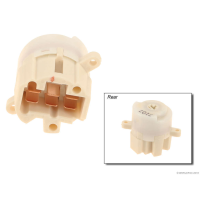
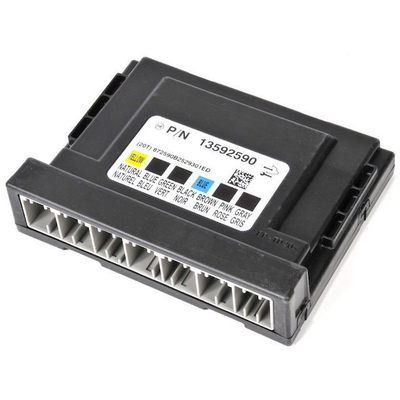
Below are the parts most often responsible for code B1372, ranked by how frequently each one is the actual culprit (per the diagnosis above). Tap any to see what we have for your vehicle.


The information in this article is provided for general reference and educational purposes only. Vehicle specifications, procedures, and part compatibility can vary by production date, trim level, and region. Always consult your vehicle's factory service manual and verify part numbers before purchasing or performing repairs. Safety-critical components such as airbags, seat belts, and braking systems should be installed by a qualified professional.
- 🧭 Diagnostic Flowchart
- 🛍️ Shop This Part
- What Does B1372 Mean?
- Can I Drive With B1372?
- Common Causes
- Symptoms
- Common Fixes & Costs
- DIY vs Professional
- Used vs. New Parts: Buying Guide
- What Happens If You Wait — Timeline
- Cost of Not Fixing It
- Diagnosis Steps
- When This Code Triggers (Freeze-Frame Conditions)
- Related Codes
- Climate & Environmental Factors
- How to Talk to a Mechanic About This Code
- Where to Take It: Dealer vs Independent vs Chain
- When to Walk Away From the Repair
- What Scan Tool You Need for This Code
- How to Clear the Code After You Fix It
- Will This Fail Emissions / State Inspection?
- Most Commonly Affected Vehicles
- Manufacturer-Specific Notes
- Real Owner Stories
- 2006 Chevy Colorado, 140K miles - Intermittent No-Start
- 2004 GMC Sierra 2500HD, 165K miles - Gauges Dead, Fuse Blows
- 2008 Hummer H3, 150K miles - Misdiagnosed BCM
- How to Prevent This Code From Triggering
- Frequently Asked Questions
- I replaced the ignition switch and the fuse still blows. What now?
- What is the 'key wiggle test' and why does it work?
- My car won't start and the security light is flashing. Is this B1372?
- What is the GM Passlock relearn procedure?
- Can I just replace the fuse to fix B1372?
- Why do my gauges and radio die when I try to start the car?
- Does B1372 mean I need a new computer (BCM)?
- How much does it cost to diagnose this code?
- Key Takeaways
- 🎟️ Get 5% Off