

B1441 on 2013-2017 Lexus GS 350: Air Mix Damper Servo Failure Causes and Fixes
Code B1441 on a 2013-2017 Lexus GS 350 indicates a fault with the passenger-side air mix servo motor. This is a very common issue, and the fix is almost always replacing the faulty servo. However, the repair is labor-intensive and expensive, often quoted at $1,900 to over $4,000 at a dealership, as it may require removing large portions of the dashboard. Lexus acknowledged the problem with a Customer Support Program (20LE01), but its coverage has since expired for most vehicles.
- B1441 is a very specific and common code on the 2013-2017 Lexus GS 350, pointing directly to the passenger-side air mix servo.
- Symptoms are primarily incorrect or no temperature control on the passenger side, sometimes with clicking noises.
- The cause is almost always a failed servo motor, a known weak point acknowledged by Lexus through a now-expired warranty extension program (20LE01).
- The repair is exceptionally labor-intensive and expensive ($1900+), as technicians must remove most of the dashboard to access the failed part.
- While a DIY fix is nearly impossible for most, a temporary fix can sometimes be achieved by re-initializing the servos using Toyota's Techstream software.
What's Unique About the 2013-2017 Lexus GS 350
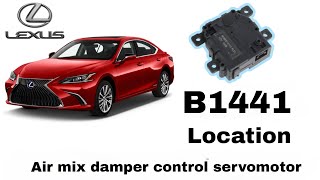
The 4th generation Lexus GS, along with its IS and RC platform mates, is notorious for premature HVAC servo motor failures. The issue became so prevalent that Lexus initiated Customer Support Program 20LE01, which covered approximately 328,700 vehicles across multiple models. This program offered repairs free of charge, with primary coverage ending on January 12, 2022, and secondary coverage lasting for 7 years or 125,000 miles from the vehicle's first use. While the program's existence confirms a widespread part defect, its expiration means most owners now face a very expensive out-of-pocket repair. The difficulty of accessing the B1441 servo, which is buried deep in the dash, 🎬 Watch: See exactly where the B1441 servo is located. makes the labor cost exceptionally high compared to similar components on other vehicles.
Diagnostic Flowchart
Tap your situation to follow the diagnostic path that matches what you're seeing on this vehicle.
Symptoms You May Notice
- Incorrect air temperature on the passenger side (e.g., stuck on hot or cold).
- Uneven temperature or air flow between driver and passenger vents.
- Little to no air flow from the passenger-side lower (footwell) vents.
- Clicking, ticking, or grinding noises from behind the passenger side of the dashboard.
- Improper 'MODE' control function, where air doesn't switch to the selected vents correctly.
- Center console area becomes unusually hot if the servo fails in the heat position.
- Replacing the HVAC control head on the dashboard.
- Recharging the A/C system with refrigerant (this is an electrical/mechanical issue, not a refrigerant level issue).
Most Likely Causes
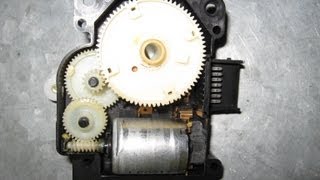
- Failed Passenger Air Mix Servo Motor 🔴 High Probability There is a known high failure rate for these Denso-made components, which prompted Lexus Customer Support Program 20LE01. The failure is typically an internal electrical malfunction, potentially related to worn internal contacts, bearing failure, or degraded windings from heat and vibration over time.
How to confirm: A technician can use a diagnostic tool like Toyota's Techstream to command the servo motor to move and observe if it responds. If the 'actual position' data does not change or is erratic while the 'target position' is changed, the motor is faulty. Sometimes, re-initializing the servos via Techstream can provide a temporary fix, confirming the servo is the problem.
Typical fix: The servo motor must be replaced. Due to its location deep within the dashboard, this is a labor-intensive repair requiring the removal of the glove box, dashboard panels, and potentially the entire HVAC unit.
Est. part cost: $150-$250 - Damaged Wiring or Connector ⚪ Low Probability
How to confirm: Visually inspect the wiring harness and the green connector leading to the servo motor for any signs of damage, corrosion, or loose pins. Test for power, ground, and communication signals at the connector with a multimeter.
Typical fix: Repair the damaged section of the wiring harness or replace the connector.
Est. part cost: $10-$50
Rare But Worth Checking
- Faulty HVAC Amplifier (A/C Control Module): → Shop Audio Amplifier This is highly unlikely and should only be considered after the servo motor and wiring have been definitively ruled out. A Reddit user with a failure of all 8 servos at once was advised to check the amplifier and wiring as a possible root cause. In some cases, an A/C software update may be available to address control issues, but this is distinct from a hardware failure.
- Jammed Damper Door Linkage: It's possible for the plastic linkage connected to the servo to bind or break, preventing movement. This is less common than the motor failing but should be checked during replacement. Mechanical binding is a potential cause of servo motor failure in general.
Diagnosis Steps
- Connect a professional OBD-II scanner capable of reading Body (B) codes to confirm B1441 is present.
- Access the HVAC system data stream using a tool like Toyota Techstream.
- Monitor the 'Passenger Air Mix' servo target position and actual position while changing the passenger temperature setting on the climate control panel.
- If the actual position does not change or is erratic, the servo or its circuit is faulty.
- Use the 'Active Test' function in the scan tool to command the servo to move. Listen for motor operation or clicking sounds from the passenger side dash.
- As a temporary measure or diagnostic step, attempt to run the 'Servo Motor Initialization' utility in Techstream. 🎬 See how to perform an easy HVAC reset for these codes. Some owners report this can temporarily restore function for weeks or months.
- If the motor does not operate, gain access to the servo connector (often green) to test for power, ground, and communication signals from the HVAC amplifier.
- If power and signals are present but the motor doesn't work, the servo motor has failed and must be replaced.
Parts You'll Likely Need
- Damper Servo Sub-assy, Air Conditioner Radiator, No. 4
(OEM #87106-30550)— This is the specific servo motor identified by Lexus for the B1441 fault code in the GS 350. It is the most common cause of the problem. This part is used across a wide range of Lexus models, including the GS, IS, and RC series from 2013 up to 2025.
Trusted brands: Genuine Lexus, Denso
OEM price range: $180-$295
Aftermarket price range: $120-$180
Related Codes That Often Appear With This One
- B1442 — Relates to the Air Inlet Damper Control Servo Motor Circuit. These servos are part of the same system and often fail around the same time.
- B1443 — Relates to the Air Outlet Damper Control Servo Motor Circuit. Like B1442, it's a related component in the HVAC system prone to similar failures.
- B1446 — This is the equivalent code for the driver's side air mix damper. It's common for multiple servos to fail over time.
- B1454 — Relates to the Passenger Side Air Outlet Damper COOL Control Servo Motor. A forum user reported this code along with their other servo issues.
Technical Service Bulletins (TSBs) & Recalls
- L-SB-0019-20: Mentions B1441 as a potential DTC for HVAC issues on 2017-2019 models and suggests a software update for the A/C amplifier as a potential first step.
- L-SB-0001-21 Rev: A detailed TSB covering multiple HVAC servo DTCs, including B1441, for 2013-2017 GS, IS, and RC models. It provides part numbers and outlines the extremely difficult replacement procedure.
- Customer Support Program 20LE01: Not a TSB, but a manufacturer campaign acknowledging the defect. It covered approximately 328,700 vehicles and directed dealers to TSB L-SB-0001-21 for the repair procedure.
Platform-Specific Known Issues
- Lexus issued Customer Support Program 20LE01 specifically for A/C servo motor malfunctions on 2013-2017 GS models, among others. The program's primary coverage expired Jan 12, 2022.
- The repair for the B1441 servo is particularly difficult. According to Lexus TSB L-SB-0001-21, this servo is in 'Replacement Procedure Group C', which requires removing the entire A/C unit from the vehicle for access.
- Owners on forums report dealer quotes ranging from $1,900 to over $4,100 for this specific repair due to the high labor time involved. One Reddit user was quoted $5,000 to replace all 8 servos at once.
- Even under the Customer Support Program, some owners reported that dealers required a diagnostic fee (e.g., $271) to confirm the issue, which would only be waived if the servo was indeed the covered problem.
Helpful Videos


Used OEM Parts in Stock
New Aftermarket Parts Available

The information in this article is provided for general reference and educational purposes only. Vehicle specifications, procedures, and part compatibility can vary by production date, trim level, and region. Always consult your vehicle's factory service manual and verify part numbers before purchasing or performing repairs. Safety-critical components such as airbags, seat belts, and braking systems should be installed by a qualified professional.
- Lexus GS 350:
- 🧭 Diagnostic Flowchart
- 🎬 Helpful Videos
- 🛍️ Shop This Part
- What's Unique About the 2013-2017 Lexus GS 350
- Symptoms You May Notice
- Most Likely Causes
- Rare But Worth Checking
- Diagnosis Steps
- Parts You'll Likely Need
- Related Codes That Often Appear With This One
- Technical Service Bulletins (TSBs) & Recalls
- Platform-Specific Known Issues
- 🎟️ Get 5% Off