

B1441 on 2015-2019 Lexus RC 350: Passenger Air Mix Servo Failure Causes and Fixes
Code B1441 on a 2015-2019 Lexus RC 350 means the passenger-side air mix servo motor has failed, causing the passenger vents to be stuck on hot or cold. The part is relatively inexpensive, but replacement is labor-intensive and can be costly at a shop due to its location deep within the dashboard. This is a widely known issue also affecting the Lexus IS and GS models.
- B1441 is a very specific code pointing to a failed passenger-side temperature blend door motor.
- The most common symptoms are passenger vents stuck blowing only hot or cold air, often with a clicking noise from the dash.
- The failure is almost always the servo motor itself, part number 87106-30550.
- While the part is not overly expensive, the repair is one of the most labor-intensive jobs on the vehicle, requiring professional service for most owners.
- Before paying for a repair, it is worth contacting a Lexus dealer with your VIN to see if any service campaigns or warranty extensions might still apply, though this is unlikely for older vehicles.
What's Unique About the 2015-2019 Lexus RC 350
This is a widely documented issue on the first-generation Lexus RC and related platforms like the IS and GS. Lexus has issued multiple Technical Service Bulletins (TSBs) acknowledging that these specific servo motors are a common failure point. The primary challenge with this repair on the RC 350 is the servo's location; it is buried deep within the HVAC unit. TSB L-SB-0001-21 Rev specifies that for the RC, this servo is in 'Replacement Procedure Group C', which requires removing the entire A/C unit from the vehicle for access, making the labor cost exceptionally high.
Diagnostic Flowchart
Tap your situation to follow the diagnostic path that matches what you're seeing on this vehicle.
Symptoms You May Notice
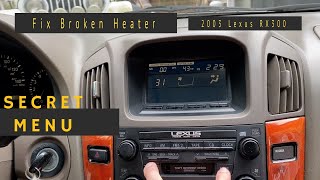
- Incorrect air temperature on the passenger side (e.g., stuck on full hot or full cold). 🎬 See this quick demonstration of a Lexus heat control fix.
- Inability to change the temperature for the passenger vents.
- A clicking, ticking, or buzzing sound from behind the passenger side of the dashboard, especially on startup or when changing temperature settings. Some owners describe it as sounding like a card in a bicycle's spokes.
- Uneven temperature between driver and passenger vents.
- Center console area becomes unusually hot to the touch if the servo fails in the heat position, sometimes making stored drinks warm.
- Recharging the A/C refrigerant. This code is unrelated to refrigerant levels and is purely an electrical or mechanical issue with the blend door control.
- Replacing the main HVAC control panel on the dashboard. The fault lies with the motor itself or its direct wiring, not typically the user interface.
Most Likely Causes
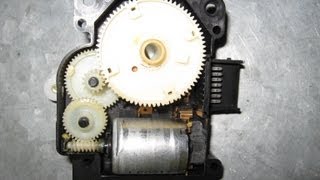
- Failed Passenger Air Mix Servo Motor 🔴 High Probability As documented in Lexus TSBs L-SB-0019-20 and L-SB-0001-21, these specific Denso-made servo motors are a known weak point across several Lexus models of this era due to internal electrical faults or wear on the internal contacts and plastic gears. 🎬 Watch: A teardown of the servo motor's internal components.
How to confirm: After confirming symptoms and the code, the definitive test is to access the servo and observe if it moves when temperature commands are changed. If it doesn't move but has power and ground at its connector, the motor is faulty. A diagnostic scan tool like Techstream can also monitor the 'Target Pulse' vs 'Actual Pulse' of the servo; a discrepancy indicates failure.
Typical fix: Replace the faulty servo motor. Due to the extreme difficulty of access, some shops and owners recommend replacing other nearby servos at the same time as a preventative measure, as they are of the same age and design and likely to fail soon.
Est. part cost: $180-$295
Rare But Worth Checking
- Damaged Wiring or Loose Connector: While less common than motor failure, wiring can be damaged or connectors can become loose, especially if prior dash work has been performed. A visual inspection and testing for power/ground at the servo connector is a necessary diagnostic step before replacing the motor.
- Faulty HVAC Control Module (A/C Amplifier): → Shop HVAC Control In rare cases, the control module that sends signals to the servo can fail. TSB L-SB-0001-21 mentions reprogramming the A/C amplifier as a potential step, suggesting software glitches can sometimes be a factor, though this is uncommon for a single servo failure.
Diagnosis Steps
- Confirm the symptoms: Verify that the passenger side temperature control is not working as commanded and listen for any clicking noises from behind the glove box.
- Scan for codes: Use an OBD-II scanner capable of reading Body (B) codes to confirm B1441 is present.
- Attempt Servo Initialization: Using a professional scan tool like Toyota's Techstream, a servo re-initialization can be performed. Some owners report this may temporarily restore function for days or weeks. If the initialization works temporarily, it strongly confirms a failing motor rather than a wiring or control unit issue.
- Access the Servo Motor: This is the most difficult step. Per Lexus TSB L-SB-0001-21, this requires removing the instrument panel and the entire HVAC unit. This is a job for a professional or a very experienced DIYer with 10+ hours to spare.
- Test the Circuit: Once accessed, disconnect the servo's electrical connector. Use a multimeter to check for power and ground signals when the temperature is changed. If signals are present but the motor does not actuate, the servo is confirmed bad.
- Inspect Linkage: Visually inspect the plastic arms and linkage connected to the servo to ensure they are not broken or disconnected, though this is less common than motor failure.
Parts You'll Likely Need
- Damper Servo Sub-Assembly, Air Conditioner Radiator, No. 4
(OEM #87106-30550)— This is the specific OEM servo motor, also called a blend door actuator, identified by Lexus in TSB L-SB-0001-21 for the B1441 fault code on the RC 350. It is the direct cause of the problem in the vast majority of cases.
Trusted brands: Lexus (Genuine OEM), Denso
OEM price range: $190-$265
Aftermarket price range: $120-$180
Related Codes That Often Appear With This One
- B1442 — This code is for the Air Inlet Damper Control Servo Motor. Since these servos are similar in age and design, and located in the same general area, it's not uncommon for them to fail around the same time.
- B1443 — This code is for the Air Outlet Damper Control Servo Motor. Like B1442, it's another HVAC servo that may fail due to shared design and age. Multiple servo failures often lead to very high repair quotes due to the labor involved.
Technical Service Bulletins (TSBs) & Recalls
- L-SB-0019-20: Notes that B1441 can be present with improper HVAC mode control function on 2017-2019 models.
- L-SB-0001-21 Rev: Provides the definitive, detailed diagnostic and replacement procedure for B1441 on 2015-2017 RC models, including the part number (87106-30550) and the difficult replacement process.
- Customer Support Program 20LE01: A warranty extension program specifically for these failing A/C servo motors. It covered approximately 328,700 vehicles but has since expired for most.
Platform-Specific Known Issues
- Lexus acknowledged this widespread issue by creating Customer Support Program (CSP) 20LE01. This program extended the warranty for failing A/C servo motors. However, the primary coverage expired on January 12, 2022. Secondary coverage was for 7 years or 125,000 miles from the vehicle's date of first use, meaning most 2015-2019 models are now also outside this coverage period.
- TSB L-SB-0001-21 Rev explicitly states that replacing the servo for B1441 on an RC model requires the complete removal of the A/C unit from the vehicle, which is why labor costs are exceptionally high compared to other vehicles.
- Due to the high cost of repair, some owners outside of warranty coverage choose to live with the issue if the servo is stuck in a tolerable position or attempt the temporary 'servo initialization' fix periodically.
Mechanic-Grade Diagnostic Values
- Techstream Data List: Air Mix Servo Targ Pulse(P) — expected: For LHD models, MAX COLD should be 255 pulses and MAX HOT should be 347 pulses.. Failure: If the 'Actual Pulse' value in Techstream does not match the 'Target Pulse' value when temperature is changed, or if the value does not change at all, it indicates a failure in the servo motor or its circuit.
Scan Tool Commands That Help
- Techstream: Servo Motor Initialization — This function should be performed after replacing a servo motor, disconnecting the battery, or replacing the A/C amplifier. It forces the HVAC system to relearn the end points of all servo motors. It can sometimes temporarily restore function to a sticking servo, confirming the servo is the fault.
- Techstream: Active Test: Air Mix Servo Targ Pulse(P) — This bidirectional control allows a technician to command the passenger air mix servo to specific pulse positions (e.g., full hot, full cold) and observe its reaction on the 'Actual Pulse' data parameter, confirming if the motor is physically responding to commands.
- Techstream: AC Damper Servo Operation Check Tool — Mentioned in TSB L-SB-0009-22, this is a special tool/software function that runs the servos through a cleaning cycle. It's designed to be used after a flash reprogram of the A/C amplifier to potentially restore servo function without replacement.
Wiring & Ground Locations
- Passenger Air Mix Servo Connector — On the RC 350, this servo (and its connector) is located on the passenger side of the HVAC unit, behind the glove box and A/C amplifier. It is part of 'Group C' in TSB L-SB-0001-21, meaning it is on the main HVAC box and requires unit removal for access.. This is the primary electrical connection point for the faulty component. Checking for power, ground, and signal at this connector is the definitive electrical test before condemning the servo motor.
- A/C Amplifier (HVAC Control Module) — Located behind the glove box assembly. It must be removed to gain better access to the area where the HVAC servos reside.. This module sends the control signals to the servo motor. A loose connection at the amplifier could mimic a servo failure.
Real Owner Repair Stories
- ClubLexus Forum (Lexus GS (platform-mate with shared parts)) — Clicking and rattling noises from the dash, incorrect air temperature that would randomly change.
❌ Tried (didn't work) Ignoring the issue, which eventually led to a complete failure (stuck on one temperature).
✅ What actually fixed it The user disassembled the faulty servo motor, cleaned the carbon tracks on the internal potentiometer disc and the copper contact fingers with a pencil eraser and contact cleaner, then re-lubricated the gears. This restored correct operation and eliminated the noise and fault code, saving the cost of a new part. - ClubLexus Forum User (2015 Lexus RC350) — Driver side blowing warm air while the passenger side was cold; multiple servo codes present.
❌ Tried (didn't work) Clearing codes without understanding the root cause.
✅ What actually fixed it The user identified the specific failing servos by using the car's built-in diagnostic mode (holding AUTO + Recirc buttons) to read two-digit fault codes, which correspond to the last two digits of the B-codes (e.g., '41' for B1441). They then accessed and repaired/cleaned the driver-side servos themselves, confirming it was a manageable DIY for that side. This confirms the on-board diagnostics can help pinpoint the specific failed servo.
OEM Part Supersession History
Not specified, but multiple revisions exist.→87106-30550— This is the current, widely available part number for the 'No. 4' passenger air mix servo.
Heads up: Part 87106-30550 is used across a very wide range of Lexus models and years, including GS, IS, and RC platforms from 2013 through 2024, indicating high compatibility. No major incompatibility issues are noted.
Helpful Videos

![[ENG] B1441 AC Blow Hot Air Stuck Servo Actuator Motor Toyota Lexus Prius CT200H Alphard Vellfire](https://img.youtube.com/vi/ITVUF-ufYQo/mqdefault.jpg)
Used OEM Parts in Stock
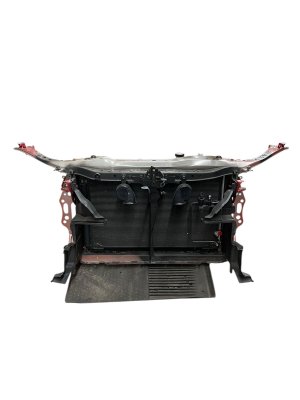
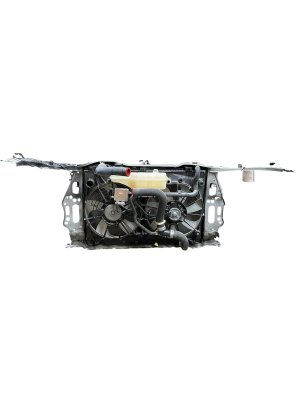
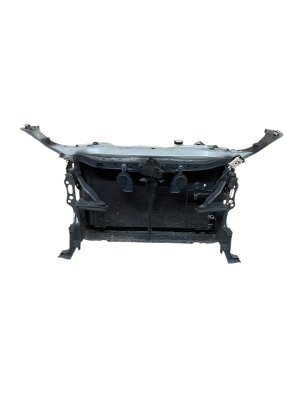
New Aftermarket Parts Available

The information in this article is provided for general reference and educational purposes only. Vehicle specifications, procedures, and part compatibility can vary by production date, trim level, and region. Always consult your vehicle's factory service manual and verify part numbers before purchasing or performing repairs. Safety-critical components such as airbags, seat belts, and braking systems should be installed by a qualified professional.
- Lexus RC 350:
- 🧭 Diagnostic Flowchart
- 🎬 Helpful Videos
- 🛍️ Shop This Part
- What's Unique About the 2015-2019 Lexus RC 350
- Symptoms You May Notice
- Most Likely Causes
- Rare But Worth Checking
- Diagnosis Steps
- Parts You'll Likely Need
- Related Codes That Often Appear With This One
- Technical Service Bulletins (TSBs) & Recalls
- Platform-Specific Known Issues
- Mechanic-Grade Diagnostic Values
- Scan Tool Commands That Help
- Wiring & Ground Locations
- Real Owner Repair Stories
- OEM Part Supersession History
- 🎟️ Get 5% Off