

B1453 on 2014-2018 Lexus IS 350: Driver Side Cool Air Servo Fixes
Code B1453 on a 2014-2018 Lexus IS 350 means the HVAC servo motor controlling cool air for the driver's side has an electrical fault. The most common fix is replacing the faulty servo motor, which is a labor-intensive job due to its location deep within the dashboard. In some cases, a system reset or software update may resolve the issue temporarily or permanently.
- B1453 points directly to a problem with the driver's side cool air blend door servo motor.
- The most common symptom is incorrect air temperature on the driver's side, often accompanied by clicking from the dash.
- The fix is almost always replacing the servo motor (Part No. 87106-30610).
- While the part itself is not extremely expensive, the repair is labor-intensive due to the need for significant dashboard disassembly, making it a costly job at a shop and a difficult DIY.
- Before replacing, confirm the diagnosis with a scan tool and check for the simpler possibility of a loose connector.
What's Unique About the 2014-2018 Lexus IS 350
The third-generation Lexus IS (chassis code XE30), which is built on the Toyota New N platform, shares its HVAC architecture with other models from this era like the Lexus GS and RC. This entire family of vehicles is known for widespread issues with HVAC servo motors. Lexus acknowledged this by issuing Technical Service Bulletins (TSBs) and a Customer Support Program (CSP) for these components, which can fail due to internal electrical faults or issues with the internal grease hardening. The problem is not a design flaw unique to the IS 350, but rather a broader component problem across the Lexus sedan and coupe lineup of the mid-2010s.
Diagnostic Flowchart
Tap your situation to follow the diagnostic path that matches what you're seeing on this vehicle.
Symptoms You May Notice
- Uneven air temperature, with the driver's side being different from the passenger's side (e.g., blowing warm while the passenger side is cold).
- Inability to get cold air from the driver's side vents.
- Air temperature does not match the setting on the climate control panel.
- Clicking, popping, or 'hunting' noises from behind the dashboard as the faulty servo tries to find its correct position.
- Incorrect airflow from vents.
- The issue may be intermittent, with the system working correctly for weeks or months after a reset before failing again.
- Recharging the A/C refrigerant. While low refrigerant can cause poor cooling, it would typically affect both sides of the vehicle, not just the driver's side.
- Assuming all servos need replacement. While multiple servos can fail, it's crucial to diagnose the specific code. B1453 points directly to the driver's side cool air servo. However, if the dash is disassembled, some owners proactively replace adjacent, failure-prone servos.
Most Likely Causes
- Failed Driver Side Cool Air Servo Motor 🔴 High Probability As documented in Lexus TSB L-SB-0001-21, these servo motors are a common failure point due to internal electrical malfunctions. Forum and video evidence from owners overwhelmingly confirms this is the primary cause.
How to confirm: Use a diagnostic scan tool like Toyota Techstream to monitor the servo's 'target pulse' vs. 'actual pulse'. A large discrepancy between the two values when changing temperature settings indicates a failure. Another common method is to listen for clicking from the driver's side of the dash when changing temperature settings. The servo for B1453 has a blue electrical connector.
Typical fix: Replace the faulty servo motor. This requires accessing it from within the dashboard, typically by removing the lower dash panels and driver's knee airbag. A small ratchet with a Phillips bit is considered essential for removing the hidden screws.
Est. part cost: $150-$250 - Wiring or Connector Issue ⚪ Low Probability While less common, damage from rodents has been reported in engine bay wiring harnesses on these platforms, which could potentially affect related interior circuits.
How to confirm: Visually inspect the wiring harness and the blue connector going to the servo motor for any signs of damage, corrosion, or a loose connection.
Typical fix: Repair the damaged wire or clean/re-seat the connector.
Est. part cost: $0-$25 - Faulty A/C Amplifier (ECU) ⚪ Low Probability While less common than servo failure, the A/C control module (amplifier) can malfunction. TSB L-SB-0001-21 mentions that in some cases, a software reflash (reprogramming) of the A/C amplifier is required to resolve the condition, even after part replacement.
How to confirm: This is typically a diagnosis of exclusion. If a known-good servo motor does not work and the wiring is confirmed to be intact, the A/C amplifier is the next suspect. A dealership can check if a software update is available and test the amplifier's outputs.
Typical fix: Reprogram or replace the A/C amplifier. Reprogramming must be done by a dealer or a shop with access to Toyota's technical information system.
Est. part cost: $500-$1000
Rare But Worth Checking
- Mechanical Obstruction: A damper link or the blend door itself could be physically stuck, preventing the servo motor from moving. The diagnostic procedure suggests confirming there is no mechanical lock before replacing electrical parts. A Reddit user noted that before installing the new servo, the shaft on the A/C control box must be manually aligned with a mark on the housing.
Diagnosis Steps
- Connect a professional scan tool (like Toyota Techstream) capable of reading Body (B) codes to confirm B1453 is present and active.
- Access the scan tool's live data for the HVAC system. Monitor the 'Air Mix Servo Motor Target Pulse (for Driver Side COOL)' and the 'Actual Pulse'.
- Command the driver's side temperature from full cold to full hot. Observe if the servo's actual position changes and if it tracks closely with the target value. A large, persistent discrepancy indicates a fault.
- Listen for clicking or grinding noises from the driver's side of the dashboard when changing temperature settings. This strongly indicates a failing servo motor.
- If the servo does not move, gain access to it under the driver's side dashboard. This involves removing lower trim panels and the driver's knee airbag.
- Visually inspect the connector (it should be blue for this servo) and wiring for damage.
- If wiring is intact, the servo motor is the most likely cause of failure.
- Before installing the new servo, ensure the damper linkage on the HVAC unit is not seized and is aligned with the reference mark on the housing.
- After replacement, perform a servo motor initialization procedure. This can be done with a scan tool like Techstream ('Body / Air Conditioner / Utility / Servomotor Initialization') or by disconnecting the negative battery terminal for at least 30 minutes to allow the system to relearn the new motor's positions.
Parts You'll Likely Need
- Damper Servo Sub-Assembly, Air Conditioner Radiator, No. 2
(OEM #87106-30610)— This is the specific OEM part number for the servo motor that controls the driver's side cool air mix and is the most common point of failure for code B1453.
Trusted brands: Lexus (OEM), Aisin
OEM price range: $180-$250
Aftermarket price range: $50-$150
Related Codes That Often Appear With This One
- B1454 — This is the code for the 'Passenger Side Air Outlet Damper COOL Control Servo Motor Circuit'. These servos are of the same design and often fail around the same time.
- B1441 — Code for the 'Air Mix Damper Control Servo Motor Circuit (Front Passenger Side Lower Air Mix)'. It is another common servo failure code covered under the same Lexus TSB.
- B1446 — Code for the 'Air Mix Damper Control Servo Motor Circuit (Driver Side Lower Air Mix)'. This is another servo on the driver's side that can fail and is listed in the same TSBs.
Technical Service Bulletins (TSBs) & Recalls
- L-SB-0001-21 Rev: Defines code B1453 as 'Driver Side Air Outlet Damper COOL Control Servo Motor Circuit' and outlines the issue of HVAC servo motor malfunction for 2014-2017 models. It provides diagnostic flowcharts and part numbers.
- L-SB-0019-20: Also addresses HVAC servo motor malfunctions for a slightly different year range (2017-2019), confirming B1453 as a known issue and listing it among many other servo codes.
Platform-Specific Known Issues
- Lexus issued a Customer Support Program (CSP) ZLZ, though this primarily addressed sticky/cracked dashboard and interior panels, not the servo motors directly. The high labor for servo replacement often coincides with dash removal under this CSP, leading to confusion.
- Technical Service Bulletin L-SB-0001-21 Rev provides detailed diagnostic information for a range of servo motor codes, including B1453, and lists the affected part numbers. It covers 2014-2017 IS350 models.
- The repair for this servo on a Right-Hand Drive (RHD) model requires removing the glovebox to access the servo on the left side of the HVAC unit, presenting a different set of challenges.
Mechanic-Grade Diagnostic Values
- Techstream Live Data: 'Target Pulse' vs. 'Actual Pulse' — expected: The 'Actual Pulse' value should closely track the 'Target Pulse' value as temperature settings are changed. The pulse range is typically 0 to 255.. Failure: A large and persistent discrepancy between the target and actual pulse values indicates a fault. For example, if the target is near 0 for max cold, but the actual value is 63 or higher, the servo is not responding correctly.
- Servo Motor Resistance — expected: N/A. Failure: According to the service manual, the servo motor cannot be inspected with a multimeter while removed from the vehicle. Diagnosis is performed via scan tool live data and function tests.
Hidden / Shadow Codes Worth Checking
- B1497 / B149A: These codes indicate a LIN bus communication error between the A/C amplifier and the servo motors. If one of these codes is present alongside B1453, it points to a communication circuit problem rather than an individual servo motor failure. (see via A professional scan tool like Toyota Techstream that can read manufacturer-specific Body (B) codes.)
Scan Tool Commands That Help
- Toyota Techstream: Utility: Servomotor Initialization — This function should be performed whenever an HVAC servo motor is replaced, the battery has been disconnected, or as a first diagnostic step. It forces the A/C amplifier to relearn the end points of all servo motors and can sometimes resolve issues caused by lost calibration without part replacement.
- Toyota Techstream: AC Damper Servo Operation Check Tool — This is a special utility, referenced in TSB L-SB-0010-22, that runs an 8-14 minute 'cleaning process' to cycle the servos. It is designed to free up servos where the internal grease may have hardened, potentially fixing the issue without replacement.
Wiring & Ground Locations
- Servo Connector — On the servo motor itself, located deep in the driver's side dashboard, to the left of the center stack.. The connector for the B1453 servo is blue, which helps differentiate it from other nearby servo motors that have different colored connectors.
- J1 — Left Kick Panel.. This is a primary ground point for the instrument panel wiring harness. A poor connection here could cause intermittent electrical issues for various components in the driver's side dash, including the A/C system.
- J2 — Left side of the shift lever assembly.. Another key ground point for console and dash components. Verifying this ground is secure is a valid step in advanced electrical diagnosis if direct part replacement fails.
Real Owner Repair Stories
- Reddit user on r/LexusIS (Lexus 3IS (Third Generation IS)) — DTC B1453 was present.
❌ Tried (didn't work) Initial diagnosis was difficult due to the tight space.
✅ What actually fixed it DIY replacement of the servo motor (part # 87106-30610). The user confirmed a small ratchet with a Phillips bit was essential. A critical step was manually aligning the flat part of the damper's protruding shaft with a white mark on the A/C control box housing *before* installing the new servo. The fix was completed by performing a servo re-initialization. - ClubLexus user (2016 GS350 (shares HVAC architecture)) — Passenger side AC blowing warmer than driver's side.
❌ Tried (didn't work) The user was considering immediate replacement of the servo.
✅ What actually fixed it Using Techstream to run the servo initialization procedure 2-3 times in a row. This unstuck the servo and resolved the issue without needing to replace any parts. The fix was reported to be holding for weeks or months at a time. - Lexus Owners Club user (UK Lexus (RHD)) — No heat on the passenger side for 2 years.
❌ Tried (didn't work) Bleeding the cooling system., Flushing the heater core., Suggestions to replace actuators and sensors.
✅ What actually fixed it The problem was solved by connecting Toyota Techstream and running the 'INITIALIZE SERVOMOTOR' utility. This single software-based recalibration fixed the long-standing issue.
Model Year Variations Within This Range
- 2014-2017 vs 2017-2019: Lexus issued separate Technical Service Bulletins for these year ranges (L-SB-0001-21 for '14-'17 and L-SB-0019-20 for '17-'19) regarding HVAC servo issues. This may involve different software calibration updates for the A/C amplifier depending on the vehicle's production date.
Helpful Videos

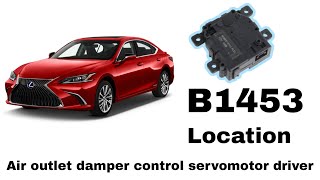
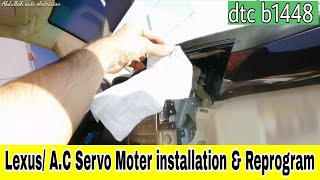
Used OEM Parts in Stock
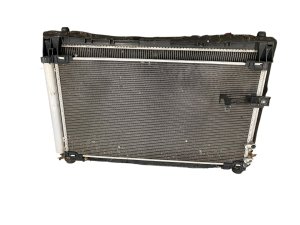
New Aftermarket Parts Available

The information in this article is provided for general reference and educational purposes only. Vehicle specifications, procedures, and part compatibility can vary by production date, trim level, and region. Always consult your vehicle's factory service manual and verify part numbers before purchasing or performing repairs. Safety-critical components such as airbags, seat belts, and braking systems should be installed by a qualified professional.
- Lexus IS 350:
- 🧭 Diagnostic Flowchart
- 🎬 Helpful Videos
- 🛍️ Shop This Part
- What's Unique About the 2014-2018 Lexus IS 350
- Symptoms You May Notice
- Most Likely Causes
- Rare But Worth Checking
- Diagnosis Steps
- Parts You'll Likely Need
- Related Codes That Often Appear With This One
- Technical Service Bulletins (TSBs) & Recalls
- Platform-Specific Known Issues
- Mechanic-Grade Diagnostic Values
- Hidden / Shadow Codes Worth Checking
- Scan Tool Commands That Help
- Wiring & Ground Locations
- Real Owner Repair Stories
- Model Year Variations Within This Range
- 🎟️ Get 5% Off