

OBD-II Code B1465: An Expanded ASE Master Technician's Guide
What B1465 means, why it triggers, and how to fix it across multiple manufacturers
- Code B1465 requires a manufacturer-specific scan tool to diagnose, as it indicates a blown speaker in a Dodge, a wiper failure in a Ford, or a critical engine timing fault in a Jeep.
- Never use a generic $20 code reader for B1465; you must use a scanner capable of reading Body Control Module (BCM) and SRS sub-codes to pinpoint the exact failure.
- For 2012-2014 Chrysler and Dodge vehicles, B1465 almost always points to a blown 3.5-inch right dashboard speaker, requiring a simple $40 DIY replacement.
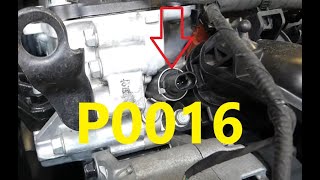
- If your Jeep displays code B1465-13 alongside P0016, stop driving immediately; this indicates a stretched timing chain that costs $5,000+ if it snaps and destroys the engine.
What Does B1465 Mean?
B1465 is a manufacturer-specific Body Control Module (BCM) code with entirely different meanings depending on the brand. It indicates a faulty windshield wiper relay (Ford/GM), a blown dashboard speaker (Chrysler/Dodge), a disabled airbag system (Mitsubishi), or a critical engine timing failure (Jeep). You must use a professional-grade scan tool to read the manufacturer-specific sub-code and identify the exact system affected.
Technical definition: The official SAE/ISO definition for B1465 is 'Wiper Brake/Run Relay Circuit Open'. However, manufacturers frequently reassign this code to completely different systems, including audio circuits, supplemental restraint systems (SRS), or air suspension. The specific definition depends entirely on the vehicle's make and model, requiring a professional-grade scan tool for accurate identification.
Can I Drive With B1465?
Yes, But With Caution. You can drive with minor variants (like a single speaker fault), but others risk catastrophic damage or compromise safety. A wiper fault makes driving unsafe in rain. An airbag (SRS) fault (common in Mitsubishi) disables safety systems. The Jeep-specific engine timing fault risks a slipped timing chain, causing piston-to-valve collision and a $5,000-$10,000 engine replacement.
Common Causes
- Failed Speaker (Chrysler/Dodge) (Very Common) — On many Chrysler and Dodge vehicles, this code points specifically to a failure in the front right dashboard 3.5-inch speaker, which develops an internal short or open circuit due to heat and sun exposure.
- Faulty Wiper Relay or Motor Park Switch (Ford/GM) (Common) — The relay controlling the wiper motor's park function has an internal open circuit, or the park switch inside the wiper motor assembly itself has failed, preventing the wipers from returning to the bottom of the windshield.
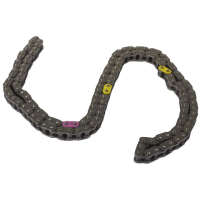
- Worn Timing Chain / VCT System Fault (Jeep) (Common) — On specific Jeep models, the B1465-13 variant indicates a critical engine timing misalignment caused by a stretched timing chain, a faulty Variable Camshaft Timing (VCT) solenoid, or a failed camshaft phaser. 🎬 Watch: Diagnosing Pentastar V6 ticking and cam phaser issues
- Damaged Wiring or Connectors (Common) — Wiring for the affected component (wiper, speaker, airbag) becomes frayed, broken, or corroded, causing an open circuit. Loose yellow SRS connectors under seats frequently trigger airbag variants.
- Faulty Audio Amplifier (Chrysler/Dodge) (Common) — If the speaker and wiring test good, or if multiple speaker channel codes (e.g., B1460 and B1465) are present, the audio amplifier has failed internally and can no longer drive the speaker circuit.
- Failed Seat Belt Pretensioner (Mitsubishi) (Less Common) — For some Mitsubishi models, this code indicates an open circuit in the right-side seat belt pretensioner squib, a safety-critical component that disables the SRS system when faulty.
- Faulty Air Suspension Relay (Dodge Ram) (Less Common) — On Ram trucks with air suspension, the compressor relay fails, prompting the module to flag the code after detecting the compressor running for over 120 seconds without adjusting ride height.
- Faulty Body Control Module (BCM) or TIPM (Rare) — When the component, fuses, and wiring all check out, the fault lies within the Body Control Module or Totally Integrated Power Module (TIPM). Internal drivers fail, causing a persistent circuit code alongside other strange electrical issues.
Symptoms
- No Sound from a Specific Speaker — On affected Chrysler and Dodge vehicles, you lose audio entirely from the front right dashboard speaker.
- Windshield Wipers Don't Work Correctly — The wipers fail to turn on, only work on one speed, or stop randomly in the middle of the windshield instead of 'parking' at the bottom.
- Poor Engine Performance or No-Start (Jeep) — On certain Jeep models, this code signals a serious timing issue, causing the engine to run rough, misfire, stall, or fail to start.
- Airbag (SRS) Warning Light is On — If the code relates to the seat belt pretensioner, the SRS warning light illuminates, disabling the entire airbag system.
- 'Service Air Suspension' Message — For Ram trucks, a warning message appears on the dash, and the truck gets stuck at one ride height or leans to one side.
- Multiple, Random Electrical Issues — If the BCM or TIPM is the root cause, you experience unrelated electrical problems, such as flickering lights, erratic door locks, or parasitic battery drains.
Diagnostic Flowchart
Tap your situation to follow the diagnostic path that matches what you're seeing on this code.
Common Fixes & Costs
- Replace Failed Speaker (Chrysler/Dodge) — Parts: $30-$70, Labor: $100-$150, ~1 hr book time (DIY)
- Replace Wiper Motor/Park Relay — Parts: $15-$35, Labor: $50-$100, ~0.2 hr book time (DIY)
- Replace Wiper Motor Assembly — Parts: $80-$250, Labor: $150-$250, ~1.5 hr book time (Intermediate)
- Replace Timing Chain and VCT Components (Jeep) — Parts: $400-$900, Labor: $1350-$2000, ~9.5 hr book time (Professional)
- Repair or Replace Seat Belt Pretensioner — Parts: $75-$150 (for repair service) or $300-$500 (for new part), Labor: $100-$200, ~1.2 hr book time (Professional)
- Replace Air Suspension Compressor Relay — Parts: $15-$35, Labor: $75-$125, ~0.3 hr book time (DIY)
Used vs. New Parts: Buying Guide
When a used part is worth it: Used parts make sense for simple, non-safety components like speakers or relays where cost savings are significant and risk is low. A used wiper motor or audio amplifier is a budget-friendly option if sourced from a low-mileage vehicle with a warranty.
Donor-vehicle mileage cap: roughly under 75000 miles for the part to have meaningful remaining life.
Donor quality checklist:
- For electronic modules (amplifier, wiper motor), verify the part number matches exactly.
- Avoid parts from flood-damaged or high-impact collision vehicles.
- Ask for a 30-90 day warranty from the salvage yard.
Decision logic:
- If The part is a safety component (Seat Belt Pretensioner, Airbag) → NEVER buy used. Buy new OEM or a professionally remanufactured unit from a certified specialist.
- If The part is a critical wear item (Timing Chain, Guides, Tensioners) → NEVER buy used. These parts stretch and wear with use; installing a used one guarantees catastrophic failure.
- If The part is a simple speaker or relay → Used is a low-risk, acceptable option to save money.
- If The part is an electronic module (Amplifier, Wiper Motor) → Buy a new aftermarket or remanufactured part with a 1-year+ warranty. The labor to replace it a second time outweighs the savings of a risky used part.
Warranty tradeoff: Used parts typically offer a 30-90 day warranty at best. New aftermarket parts come with a 1-year to limited lifetime warranty. New OEM parts carry a 1-2 year warranty.
Worst-case if a used part fails: $200-$500 if a used electronic module fails after the warranty period, requiring you to pay for the part and installation labor a second time.
What Happens If You Wait — Timeline
- 0-1 month: For Jeep B1465-13: Intermittent Check Engine Light. A faint 1-2 second rattle is heard on a cold engine start as the tensioner takes up slack. (MPG impact: 0-5%% · Added cost: $0)
- 1-3 months: For Jeep B1465-13: Check Engine Light is on constantly. The engine has a noticeably rough idle and the startup rattle is more pronounced and lasts longer. (MPG impact: 5-15%% · Added cost: $50-$200 in wasted fuel. Increased wear on VCT solenoids and phasers begins.)
- 3-6 months: For Jeep B1465-13: Engine hesitates or stalls at low speeds. The timing chain has stretched significantly, and plastic from the worn chain guides breaks off into the oil pan. (MPG impact: 15-25%% · Added cost: $500+. Risk of oil pump pickup tube blockage from plastic debris, leading to oil starvation.)
- Sudden event after 3+ months: For Jeep B1465-13: Catastrophic failure. The timing chain jumps teeth, causing pistons and valves to collide. The engine shuts off and will not restart. (MPG impact: 100% (engine destroyed)% · Added cost: $5,000-$10,000 for a replacement engine.)
Cost of Not Fixing It
- Immediate: SRS/Airbag faults disable the entire airbag system, creating a major safety risk. Wiper faults prevent clearing the windshield, making driving in rain unsafe. (Added cost: N/A (Safety Risk))
- 0-1 Month: Jeep timing faults risk the timing chain slipping, leading to catastrophic engine failure. Audio faults cause the annoyance of a dead speaker. (Added cost: $5,000-$10,000 (Engine replacement if the Jeep timing chain fails))
- 1-6+ Months: Ignoring a Jeep timing fault guarantees engine destruction. Ignoring an SRS light results in failed state safety inspections and a persistent lack of crash protection. (Added cost: Varies (Engine replacement, repeated failed inspection fees))
Diagnosis Steps
- Identify the Correct Definition for Your Vehicle
Use a high-quality scan tool capable of reading manufacturer-specific Body (B) codes and suffixes (e.g., B1465-13). The scanner's description dictates the entire diagnostic path, pointing to wipers, audio, airbags, or engine timing.
Tools: OBD-II Scanner (capable of reading manufacturer-specific B-codes) (Beginner) - Check Fuses and Relays
Check the fuse for the affected system (wiper, radio/amp, SRS). If the code is for a relay (wiper, suspension), swap the suspect relay with an identical one from a non-critical circuit (like the horn). If the problem moves, the relay is bad.
Tools: Fuse puller, Pliers or relay puller tool (Beginner) - Visual Inspection
Inspect the component and its wiring harness for broken wires, corroded connector pins, or loose plugs. For SRS codes, verify the connection of the yellow connectors under the front seats.
Tools: Flashlight (Beginner) - Advanced Component Testing (Multimeter)
Test the specific component. For a Chrysler/Dodge speaker, disconnect it and measure resistance. A good factory speaker reads 2-4 ohms; a failed one shows an open loop (OL). For a Mitsubishi pretensioner, measure the squib circuit resistance (typically 2.0-5.0 ohms), strictly following service manual precautions to prevent accidental deployment.
Tools: Multimeter (Intermediate) - Scan Tool Data & Actuation Tests
Use a professional scan tool's actuation test function to command the BCM to turn a component on or off (e.g., 'Wiper Relay On/Off'). If the component activates, the control module and wiring are good, pointing to the component itself.
Tools: Professional Bi-Directional Scan Tool (Advanced) - Isolate the Fault (Jeep Timing Specific)
For a B1465-13 on a Jeep, diagnose any other Camshaft Position (CMP) sensor DTCs first. Check engine oil level and condition; low or dirty oil causes VCT system faults. If oil is good, the issue is a worn timing chain, faulty VCT solenoid, or cam phaser.
Tools: Oil dipstick, basic hand tools (Advanced) - Advanced Diagnosis: Live Data Analysis (Jeep Timing)
For the Jeep B1465-13/P0016 fault, monitor 'Cam/Crank Sync' live data. A status of 'No' or 'Out of Sync' confirms the timing issue. Monitor 'Camshaft Actual vs. Desired Position'; a deviation exceeding +/- 6 degrees at idle indicates a stretched timing chain or failing VCT phaser.
Tools: Professional Bi-Directional Scan Tool (Advanced) - Isolate the Fault (Chrysler Audio Specific)
If a new speaker does not fix the B1465 code on a Chrysler/Dodge, and the wiring tests good, the audio amplifier has failed. This is confirmed if codes for other speaker channels (like B1460) are present. Check for TSBs, as a re-flash sometimes resolves the issue.
Tools: Multimeter, Scan Tool (Intermediate) - Advanced Diagnosis: Wiper Motor Park Switch Test
For Ford/GM wiper faults, test the park switch inside the wiper motor. With the motor unplugged, check continuity between the park switch ground and signal pins. Actuating the wiper linkage by hand should change the reading from continuity to open loop (OL). If the state does not change, the internal park switch is faulty, requiring motor replacement.
Tools: Multimeter, Vehicle-Specific Wiring Diagram (Advanced) - Circuit Integrity & Voltage Drop Testing
Confirm the component's connector receives correct voltage and has a solid ground. Perform a voltage drop test on the ground wire while the circuit is active; a reading above 0.2V indicates a poor ground connection requiring repair.
Tools: Multimeter, vehicle-specific wiring diagram (Advanced)
When This Code Triggers (Freeze-Frame Conditions)
- Fault Trigger: Component Activation or Key-On Self-Test (The BCM sets this code the moment it attempts to use the circuit (e.g., turning on wipers/radio) or during a startup self-check and detects an open circuit.)
- Battery Voltage: 11.5-14.5V (The fault logs under normal battery voltage; low voltage triggers unrelated communication codes.)
- Vehicle Speed: 0 MPH (for self-test) or Any (for active use) (Many BCM circuit checks occur at key-on before driving. The Jeep timing fault sets at idle or cruise when cam/crank correlation is monitored.)
- Engine RPM (Jeep Timing Variant): 600-3000 RPM (For the Jeep P0016/B1465-13 correlation fault, the ECU continuously monitors cam/crank sync, flagging deviations at idle or steady-state cruise.)
Related Codes
- B1460 — On Chrysler/Dodge vehicles, this is the code for a fault in the 'Channel 1' (left dash speaker) circuit. If you see B1460 and B1465 together, the root cause is the audio amplifier, not the individual speakers.
- P0016 — On Jeep vehicles, this Powertrain code for 'Crankshaft/Camshaft Position Correlation (Bank 1 Sensor A)' is functionally identical to the B1465-13 body code. Seeing either code points to the same critical engine timing issue.
- B1466 — This is a related wiper code for 'Wiper Hi/Low Speed Not Switching'. If seen with B1465, it indicates a broader failure in the wiper motor or its control module, as both park and speed functions are compromised.
- B1464 — On Mitsubishi vehicles, this is the code for a short circuit in the same seat belt pretensioner that B1465 reports as an open circuit. Seeing one code versus the other helps pinpoint the exact electrical fault.
Climate & Environmental Factors
- Heat: High ambient temperatures and direct sun exposure degrade the speaker cone materials and adhesives in Chrysler/Dodge 3.5-inch dashboard speakers, leading to an open circuit.
- Cold Weather: Extreme cold thickens internal wiper motor grease, increasing electrical resistance and exacerbating a failing motor. For Jeep timing chains, cold starts are a period of high wear, as oil pressure has not yet built up to properly tension the chain.
- Humidity / Moisture: High humidity accelerates corrosion on electrical connectors and relay pins. For SRS systems, moisture intrusion into under-seat connectors causes high-resistance faults.
How to Talk to a Mechanic About This Code
Say this: "I have a B1465 code and I know it means different things depending on the brand. I need a diagnostic with a scan tool that reads manufacturer-specific Body codes to identify the exact problem, whether it's related to the wipers, audio, airbags, or engine timing."
This signals you understand the code's complexity. It prevents a shop from using a generic scanner, getting a wrong definition, and replacing the wrong parts. It directs them to perform the correct initial diagnostic step.
Avoid saying:
- 'Just fix whatever's wrong'
- 'My warning light is on, can you look at it?' (This is too vague and invites upselling).
- 'I think it's the [wrong part], can you replace it?'
Questions to ask before authorizing the repair:
- Can you show me the specific definition of the B1465 code from your scan tool?
- For a Jeep timing issue: 'What was the cam/crank deviation in degrees shown on the scan tool?'
- For a Chrysler speaker issue: 'Did you test the speaker's resistance to confirm it's an open circuit?'
- For an SRS/airbag issue: 'Can you confirm the fault is isolated to the pretensioner circuit before replacing it?'
- Will you provide a written estimate with a full breakdown of parts and labor costs?
- What is the warranty on the parts and the labor for this specific repair?
Where to Take It: Dealer vs Independent vs Chain
- Dealer:
Best for: Vehicles under warranty or with a related recall/service campaign., Complex SRS/airbag system repairs due to liability and specialized tools., Critical Jeep engine timing faults, as they have extensive experience and access to specific software updates.
Downsides: Highest labor rates and part costs., Defaults to replacing an entire assembly when a smaller component repair is possible. (Typical cost: +40% vs. baseline) - Independent Shop:
The best choice depends on the fault. Use a trusted independent shop for audio and wiper issues. For critical airbag or engine timing faults, a dealership or a highly specialized independent shop is the safest choice.
Best for: Common, out-of-warranty faults like the Chrysler speaker or Ford/GM wiper motor., Diagnosing and repairing the Jeep timing chain issue, provided the shop specializes in engine work., Owners seeking a more personal relationship and lower costs.
Downsides: Quality and diagnostic equipment vary greatly; vet shops based on reviews and ASE certifications., Hesitant to work on SRS/airbag systems due to liability. (Typical cost: +0% vs. baseline) - Chain Shop:
AVOID for initial diagnosis. Their tools are too basic for body codes. Acceptable only if you are 100% certain the fix is a simple, accessible relay and you provide the part.
Best for: Simple part swaps like a wiper relay if the diagnosis is already certain.
Downsides: Technicians lack the advanced diagnostic tools to correctly identify the specific B1465 variant., High pressure to upsell and misdiagnose complex electrical issues. (Typical cost: -10% vs. baseline)
When to Walk Away From the Repair
If the estimated repair cost exceeds 40-50% of the car's private-party value (use KBB or Edmunds), seriously consider selling or trading in the vehicle.
- Car worth $7000, fix is $250: Fix it. The repair for a Chrysler speaker or wiper relay is a tiny fraction of the car's value.
- Car worth $11000, fix is $2500: Fix it. A timing chain replacement on a Jeep, while expensive, is well below the 40% threshold and restores the vehicle's core function.
- Car worth $9000, fix is $7500: Walk away. If the Jeep timing chain failed and destroyed the engine, the replacement cost is nearly 83% of the car's value. It is not a sound financial decision.
What Scan Tool You Need for This Code
Minimum: A scanner that reads manufacturer-specific Body (B), Chassis (C), and Airbag (SRS) codes. A basic engine-only code reader is insufficient for B1465.
A $20 generic code reader will not see this code or will provide an incorrect definition. To diagnose B1465, you MUST access the Body Control Module (BCM) and SRS module to see the manufacturer's specific description.
Budget: BlueDriver Pro / Topdon TopScan Lite (~$99) — Connects to your smartphone and reads/clears enhanced codes from modules like the BCM and SRS for most major brands, essential for identifying the specific B1465 fault.
Mid-range: Foxwell NT510 Elite / Autel MaxiCOM MK808 (~$150) — Offers full system diagnostics and bi-directional controls. This allows you to actively test components (like commanding the wiper relay on/off) to pinpoint the failure.
Professional: Autel MaxiCOM MK906BT / Launch X431 Series (~$500-1200) — Provides dealership-level diagnostics, including full bi-directional control, advanced live data graphing, and ECU coding functions needed if replacing a BCM or other smart module.
Rent vs buy: AutoZone's free loaner tool program offers basic code readers that are NOT sufficient for B1465. If you plan to do your own diagnostics, buying a budget or midrange scanner that reads manufacturer-specific codes is a worthwhile investment.
How to Clear the Code After You Fix It
- Fix the underlying mechanical or electrical issue.
- Use a compatible OBD-II scan tool to clear the specific Body Control Module (BCM) or SRS module code.
- Cycle the ignition off and on, then operate the repaired component to confirm the code remains clear.
Drive cycle (~30 minutes): Jeep timing faults affecting emissions require a full drive cycle: cold start (sit for 8+ hours), 5 minutes idling, 15 minutes mixed city driving, and 5-10 minutes steady highway speed (55-60 mph). For non-emissions faults (speaker, wiper), clearing the code and testing the component is sufficient.
Readiness monitors affected: Not applicable for most B1465 variants (audio, wiper, SRS)., For the Jeep timing fault (P0016 equivalent), this affects the 'Comprehensive Component Monitor' and potentially 'Misfire' monitors.
Before emissions retest: drive at least 100 miles to fully set monitors.
Watch out for:
- Disconnecting the battery fails to clear the code from the BCM or SRS module's non-volatile memory.
- The code returns immediately if the root cause (bad speaker, broken wire, worn timing chain) remains unaddressed.
- SRS lights stay illuminated until the specific fault is cleared with a capable scanner; they do not self-clear after repair.
Will This Fail Emissions / State Inspection?
No — by itself this code doesn't fail OBD inspection (but it can keep readiness monitors from setting, which causes a separate fail).
- California: A B1465 code for audio, wipers, or an SRS light will NOT cause a smog check failure. California tests emissions only.
- New York: An illuminated airbag (SRS) warning light causes an automatic failure of the annual safety inspection.
- Texas: In the 17 counties requiring emissions testing, an SRS light or a body code like B1465 will NOT cause an inspection failure.
- General Note: The Jeep-specific B1465-13 fault is the exception. Because it mirrors powertrain code P0016 and indicates a critical engine problem, it triggers the Check Engine Light and fails emissions tests.
Most Commonly Affected Vehicles
- Chrysler 300 (2012-2014) — Prone to the 'Channel 2 Audio Speaker Output' fault, caused by a failed 3.5-inch dash speaker. TSB #08-033-13 addresses this. In some cases, an amplifier software update is required.
- Dodge Charger (2012-2014) — Shares the same audio system as the Chrysler 300 and suffers from the same dash speaker failure causing code B1465. The part is inexpensive and a common DIY fix.
- Dodge Challenger (2012-2014) — On models with premium audio (especially SRT), this code points to a faulty audio amplifier, particularly if multiple speaker codes are present. TSB #08-056-14 details this.
- Ram 1500 (2013-2020) — On models with 4-corner air suspension, B1465-13 indicates a 'Suspension Height Adjusting Malfunction', due to a faulty compressor relay that the module flags after it runs for over two minutes.
- Mitsubishi Outlander, Lancer (2007-2015) — Uses B1465 to indicate an open circuit in the right-side seat belt pretensioner squib circuit. This is a safety-critical fault that disables the entire airbag system.
- Ford F-150 (2009-2020) — Triggers B1465 for a 'Wiper Brake/Run Relay Circuit Open' fault. The most frequent symptom is the wipers not parking in the correct position, pointing to a fault within the park switch inside the wiper motor assembly.
- Chevrolet / GMC Silverado, Sierra (2007-2018) — B1465 indicates a fault in the wiper run/park circuit. The cause is a simple wiper relay in the under-hood fuse box or a problem with the internal wiper motor switch.
- Jeep Grand Cherokee (2011-2019) — A critical variation exists where B1465-13 indicates 'Crankshaft Position - Camshaft Position Correlation.' This is a severe engine timing problem caused by a worn timing chain requiring immediate professional diagnosis.
Manufacturer-Specific Notes
- Chrysler / Dodge / Ram (Stellantis): For 2012-2014 cars like the 300, Charger, and Challenger, B1465 means 'Channel 2 Audio Speaker Output'. The cause is a failed 3.5-inch speaker in the dashboard. If multiple speaker codes are present, suspect the amplifier. On Ram 1500 trucks, B1465-13 refers to a 'Suspension Height Adjusting Malfunction', pointing to the air suspension compressor relay.
- Jeep: On Jeep models, B1465-13 is a severe code indicating 'Crankshaft Position - Camshaft Position Correlation.' This is an engine timing issue caused by a stretched timing chain, faulty VCT solenoid, or low oil pressure. This critical failure leads to engine damage and requires immediate repair.
- Mitsubishi: On the Outlander and Lancer, B1465 indicates 'Seat belt pre-tensioner (RH) (squib ignition drive circuit) Open circuit'. This critical safety system fault disables the entire airbag system, preventing deployment in a crash. The cause is a bad connection under the passenger seat or a failed pretensioner unit.
- Ford / Lincoln / Mercury: On Ford vehicles, B1465 aligns with the generic definition of 'Wiper Brake/Run Relay Circuit Open'. This means the wipers will not park correctly. The fault is the wiper motor itself (which contains the internal park switch) or the relay in the fuse box.
- General Motors (Chevrolet / GMC / Cadillac): GM vehicles use B1465 for wiper circuit faults, specifically related to the wiper run/brake relay control circuit. The symptoms and causes mirror Ford vehicles, pointing to a faulty relay or wiper motor.
Real Owner Stories
2012 Dodge Charger with 85,000 miles - The Easy Fix
Owner noticed the sound from the front right of the car had cut out. No other symptoms were present. A basic scan tool pulled code B1465.
What they tried:
- Initially suspected a complex wiring or amplifier issue.
- After searching forums, learned about the common dash speaker failure.
- Used the radio's balance and fader controls to confirm no sound was coming from the front right speaker.
Outcome: Replaced the 3.5-inch front right dashboard speaker. The part cost approximately $40. The repair was done at home in under an hour using basic trim removal tools. The code was cleared and did not return, restoring full audio function.
Lesson: For Chrysler/Dodge vehicles from this era, B1465 almost always points to the right dash speaker. Always use the radio's balance/fader to isolate the dead speaker before disassembling anything.
2015 Jeep Grand Cherokee at 110,000 miles - The Misdiagnosis Story
Check Engine Light came on with codes P0016 and B1465-13. The engine had a rough idle and a slight rattling noise on cold starts.
What they tried:
- Following generic advice for P0016, the owner first replaced the Bank 1 Camshaft Position Sensor.
- When the code returned, they replaced the corresponding VCT solenoid.
- Finally took the vehicle to a shop after spending money on unneeded sensors.
Outcome: A professional diagnosis confirmed the timing chain was stretched. The shop replaced the timing chain, guides, and tensioners for a total cost of around $2,200. The codes were cleared and engine performance returned to normal.
Lesson: On a Jeep 3.6L Pentastar engine, B1465-13 or P0016 is a critical timing code, not a sensor code. A rattling noise on startup is a classic symptom of a loose timing chain; do not waste money on sensors before having the chain's condition professionally assessed.
2016 Ford F-150 with 75,000 miles - The Unusual Root Cause
Wipers began acting erratically, sometimes not turning off or stopping in the middle of the windshield. Code B1465 'Wiper Brake/Run Relay Circuit Open' was present.
What they tried:
- The owner first swapped the wiper relay in the under-hood fuse box with the horn relay, but the problem persisted.
- Suspecting a bad wiper motor, they prepared to replace the entire assembly.
Outcome: While inspecting the wiper motor connector, the owner found a loose pin connection. After cleaning the connector and ensuring a tight fit, the wipers began parking correctly and the code was cleared successfully. This saved the cost of a new wiper motor assembly (~$120).
Lesson: For wiper park issues, the fault is often the internal park switch inside the motor or a bad connection at the motor itself, not the easily accessible relay. Always inspect wiring and connectors before replacing expensive components.
How to Prevent This Code From Triggering
- For Jeep 3.6L: Use full synthetic oil meeting the MS-6395 specification and change it every 5,000-7,500 miles. (Every oil change) — Clean, correct-viscosity oil is essential for the hydraulic timing chain tensioners and VCT phasers. Sludge from old oil clogs small passages, leading to timing correlation faults like B1465-13.
- For Chrysler/Dodge Speaker: Use a reflective sunshade when parked. (Daily habit) — Dramatically reduces dashboard surface temperatures, which degrade the adhesives and materials in the small dash speakers, causing the voice coils to fail and create an open circuit.
- For SRS/Pretensioner Faults: Avoid storing items under the front seats. (Ongoing habit) — Items stored under seats shift and snag or disconnect the yellow SRS connectors for the seat belt pretensioners, causing an open circuit fault and disabling the entire airbag system.
- For All Electrical Variants: Periodically inspect and clean battery terminals. (Twice a year) — Corrosion on battery terminals creates resistance, leading to unstable voltage throughout the vehicle's electrical system, causing unpredictable behavior in sensitive modules like the BCM, SRS, and amplifier.
Frequently Asked Questions
Can I fix code B1465 myself?
DIY repair depends entirely on the vehicle brand. Replacing a blown Dodge speaker or a Ford wiper relay takes under an hour with basic tools. However, Jeep engine timing faults or Mitsubishi airbag codes require professional diagnosis and specialized tools.
Is it safe to drive with code B1465?
Driving is safe only if the code indicates an audio speaker failure. Wiper faults make driving hazardous in rain, while Mitsubishi SRS codes disable your airbags entirely. Never drive a Jeep with the B1465-13 timing variant, as a slipped timing chain will destroy the engine.
If the SRS light is on, are all my airbags disabled?
Yes. When the SRS module detects a fault and illuminates the warning light, it disables the entire airbag system as a safety precaution. This includes all airbags and seat belt pretensioners, leaving you unprotected in a crash.
How much does it cost to diagnose code B1465?
Expect to pay a diagnostic fee between $120 and $195 at an independent shop or dealership. This covers the cost of using a professional-grade, bi-directional scan tool to read the manufacturer-specific sub-codes. Generic auto parts store scans cannot accurately diagnose B1465.
Why does my airbag light turn on with code B1465?
On Mitsubishi vehicles, B1465 specifically indicates an open circuit in the right-side seat belt pretensioner. The SRS module flags this as a critical safety failure. Consequently, it illuminates the airbag light and disables the entire system.
My scanner says 'Wiper Relay Circuit Open,' but my wipers work. What's wrong?
The 'Brake/Run' or 'Park' circuit stops the wipers at the bottom of the windshield when turned off. If this circuit fails, the wipers still wipe but stop randomly in the middle of the glass. This usually indicates a failed internal park switch inside the wiper motor assembly.
My cheap scanner says B1465 is an O2 sensor fault. Is that right?
This is a false reading caused by a cheap, generic OBD-II scanner. O2 sensors trigger Powertrain (P) codes, whereas B1465 is strictly a Body (B) code. You must rescan the vehicle with a tool capable of reading manufacturer-specific BCM data.
I replaced the part (speaker/relay) but the code B1465 came back. What now?
If replacing the component fails, the circuit has a wiring issue or a failed control module. Inspect the wiring harness and connectors for breaks or corrosion. If the wiring tests perfectly, the controlling module—like the audio amplifier or Body Control Module—has likely failed internally.
Key Takeaways
- Code B1465 requires a manufacturer-specific scan tool to diagnose, as it indicates a blown speaker in a Dodge, a wiper failure in a Ford, or a critical engine timing fault in a Jeep.
- Never use a generic $20 code reader for B1465; you must use a scanner capable of reading Body Control Module (BCM) and SRS sub-codes to pinpoint the exact failure.
- For 2012-2014 Chrysler and Dodge vehicles, B1465 almost always points to a blown 3.5-inch right dashboard speaker, requiring a simple $40 DIY replacement.
- If your Jeep displays code B1465-13 alongside P0016, stop driving immediately; this indicates a stretched timing chain that costs $5,000+ if it snaps and destroys the engine.
Helpful Videos
![How to Fix P0016 Engine Code in 7 Minutes [Just Under $7.99]](https://img.youtube.com/vi/IcKucvUU-10/mqdefault.jpg)
Shop the Parts Behind B1465
Below are the parts most often responsible for code B1465, ranked by how frequently each one is the actual culprit (per the diagnosis above). Tap any to see what we have for your vehicle.




The information in this article is provided for general reference and educational purposes only. Vehicle specifications, procedures, and part compatibility can vary by production date, trim level, and region. Always consult your vehicle's factory service manual and verify part numbers before purchasing or performing repairs. Safety-critical components such as airbags, seat belts, and braking systems should be installed by a qualified professional.
- 🧭 Diagnostic Flowchart
- 🎬 Helpful Videos
- 🛍️ Shop This Part
- What Does B1465 Mean?
- Can I Drive With B1465?
- Common Causes
- Symptoms
- Common Fixes & Costs
- Used vs. New Parts: Buying Guide
- What Happens If You Wait — Timeline
- Cost of Not Fixing It
- Diagnosis Steps
- When This Code Triggers (Freeze-Frame Conditions)
- Related Codes
- Climate & Environmental Factors
- How to Talk to a Mechanic About This Code
- Where to Take It: Dealer vs Independent vs Chain
- When to Walk Away From the Repair
- What Scan Tool You Need for This Code
- How to Clear the Code After You Fix It
- Will This Fail Emissions / State Inspection?
- Most Commonly Affected Vehicles
- Manufacturer-Specific Notes
- Real Owner Stories
- 2012 Dodge Charger with 85,000 miles - The Easy Fix
- 2015 Jeep Grand Cherokee at 110,000 miles - The Misdiagnosis Story
- 2016 Ford F-150 with 75,000 miles - The Unusual Root Cause
- How to Prevent This Code From Triggering
- Frequently Asked Questions
- Can I fix code B1465 myself?
- Is it safe to drive with code B1465?
- If the SRS light is on, are all my airbags disabled?
- How much does it cost to diagnose code B1465?
- Why does my airbag light turn on with code B1465?
- My scanner says 'Wiper Relay Circuit Open,' but my wipers work. What's wrong?
- My cheap scanner says B1465 is an O2 sensor fault. Is that right?
- I replaced the part (speaker/relay) but the code B1465 came back. What now?
- Key Takeaways
- 🎟️ Get 5% Off