

OBD-II Code B1470: Headlight Input Circuit Failure & Manufacturer Variations
The Ultimate Guide to What B1470 Means, Why It Triggers, and How to Fix It
- Verify your vehicle's specific B1470 definition before replacing parts, as it means 'Headlight Circuit Failure' on Fords, but indicates a critical airbag fault on Mitsubishis.
- Replace the Lighting Control Module (LCM) to fix 90% of B1470 codes on 2003-2011 Ford Crown Victoria, Mercury Grand Marquis, and Lincoln Town Car models.
- Test the headlight switch and check for ground resistance under 5 ohms before spending $200+ on a replacement control module.
- Perform a parasitic draw test if your battery dies overnight; a faulty LCM failing to enter sleep mode often draws over 100 milliamps.
What Does B1470 Mean?
B1470 is a Body Control Module (BCM) or Lighting Control Module (LCM) code. On Ford, Lincoln, and Mercury vehicles, it means the main computer detects an electrical fault in the headlight control circuit—usually a failed LCM. However, this code's meaning varies wildly by manufacturer. On Chrysler, it indicates an audio circuit fault; on Mitsubishi, it signals a critical airbag failure.
Technical definition: The SAE/OBD-II definition for B1470 depends on the manufacturer. For Ford/Lincoln/Mercury, it is 'Headlight Input Circuit Failure.' For Land Rover, it is 'Lamp Light Entry - Circuit Failure'. For Chrysler/Dodge/Jeep, it translates to 'Channel 4 Audio Speaker Output Circuit Low.' For Mitsubishi, it indicates a 'Seat Belt Pre-Tensioner Squib Circuit Fault.' This guide focuses on the common Ford lighting circuit definition while detailing critical variations.
Can I Drive With B1470?
Yes, But With Caution. You can drive during daylight, but driving at night is illegal and highly dangerous. The primary risk is a sudden, total loss of headlights leading to a crash. Because the fault is often intermittent, lights that work at startup can fail without warning. You also risk a traffic citation for inoperative lighting.
Common Causes
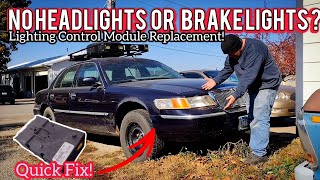
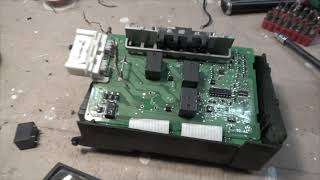
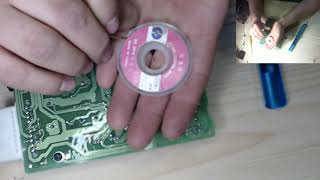
- Failed Lighting Control Module (LCM) / Internal Relays (Very Common) — This is the definitive cause on Ford Panther Platform vehicles (Crown Victoria, Grand Marquis, Town Car). The LCM's internal relays and solder joints crack from thermal stress, 🎬 See how to repair and resolder a faulty LCM board. causing intermittent or total loss of lighting.
- Faulty Headlight Switch (Common) — The multifunction switch on the steering column or dashboard wears out. Internal electrical contacts corrode or break, preventing the switch from sending a clear signal to the LCM or BCM.
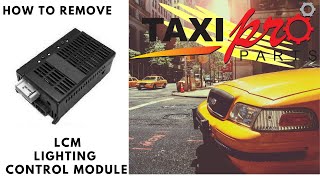
- Damaged Wiring or Connectors (Common) — Wires chafe, short, or corrode behind the dashboard or at the LCM harness connectors. 🎬 Watch: Fast and easy way to remove the control module. Corroded pins on the LCM harness create high resistance, mimicking a failed module.
- Faulty Body Control Module (BCM) (Less Common) — In vehicles that integrate lighting controls into the main BCM instead of a dedicated LCM, an internal BCM hardware failure triggers B1470.
- Blown Fuses (Rare) — A blown fuse is a symptom of a short circuit, not the root cause. If a replacement fuse blows immediately, a short is present in the wiring harness.
- Improperly Installed Aftermarket Accessories (Rare) — Tapping high-power accessories like light bars directly into the factory headlight wiring overloads the circuit, damaging the control module and setting a B1470 code.
- Faulty Intelligent Battery Sensor (IBS) (Rare) — On modern vehicles (especially BMWs), a failing IBS causes erratic voltage across the network, triggering secondary lighting codes as modules struggle with unstable power.
Symptoms
- Headlights, tail lights, or brake lights do not work — A complete failure of one or more exterior lighting systems, rendering the vehicle unsafe for night driving.
- Exterior lights flicker or get stuck on — Lights flash on and off while driving or remain on after the car is turned off. This is the classic sign of failing internal LCM relays.
- Automatic headlights fail — The 'auto' setting on the headlight switch fails to turn the lights on in the dark or turns them on at random times.
- Parasitic battery drain — The battery dies overnight. A faulty LCM fails to enter 'sleep mode' when the car is off, causing a continuous power draw.
- High beams or DRLs do not work — Low-beam headlights function, but the driver cannot activate high beams or Daytime Running Lights.
Diagnostic Flowchart
Tap your situation to follow the diagnostic path that matches what you're seeing on this code.
Common Fixes & Costs
- Replace Lighting Control Module (LCM) — Parts: $150-$300 (Remanufactured), Labor: $100-$150, ~1 hr book time (Intermediate)
- Replace Headlight Switch — Parts: $30-$100, Labor: $80-$120, ~0.8 hr book time (DIY)
- Repair/Re-solder LCM Relays — Parts: $10-$30, Labor: $150-$200, ~2 hr book time (Advanced)
- Repair Damaged Wiring or Ground Connection — Parts: $10-$30, Labor: $150-$300, ~2 hr book time (Professional)
DIY vs Professional
- Replace Lighting Control Module (LCM) 🟢 Beginner
Tools: Socket set (7mm, 8mm), flashlight, trim tools. - Replace Headlight Switch 🟢 Beginner
Tools: Screwdriver set, trim removal tools. - Repair/Re-solder LCM Relays 🟢 Beginner
Tools: Soldering iron, solder, desoldering pump, replacement relays. - Repair Damaged Wiring or Ground Connection 🟢 Beginner
Tools: Multimeter, wiring diagrams, wire strippers, crimpers, heat shrink tubing.
Used vs. New Parts: Buying Guide
When a used part is worth it: For the Ford LCM, a remanufactured unit is superior to both used and new OEM parts. Remanufacturers upgrade the failure-prone internal relays, solving the design flaw permanently.
Donor-vehicle mileage cap: roughly under 100000 miles for the part to have meaningful remaining life.
Donor quality checklist:
- Match the part number exactly to avoid unpredictable electrical issues.
- Visually inspect the connector pins for green corrosion indicating water damage.
- Favor remanufactured units from specialists who offer a lifetime warranty on the upgraded relays.
Decision logic:
- If Part is for a Ford Panther Platform vehicle (Crown Vic, Grand Marquis) → Buy a remanufactured unit with upgraded relays; it is more durable than a used OEM part and cheaper than new.
- If Vehicle is over 10 years old and budget is the primary concern → A tested, used part from a low-mileage donor with a 90-day warranty is an acceptable risk.
- If The part requires complex programming to the vehicle's VIN → Favor a new part or a 'plug-and-play' remanufactured service to avoid dealership programming fees.
Warranty tradeoff: Used parts typically have a 30-90 day warranty. Remanufactured parts often come with a 1-year to lifetime warranty. New OEM parts carry a 1-2 year warranty.
Worst-case if a used part fails: $200-$400 if a used part fails shortly after installation, requiring repeat labor and another replacement.
What Happens If You Wait — Timeline
- 0-1 month: Code B1470 is logged. Headlights flicker off and on intermittently during nighttime drives. The issue seems random. (MPG impact: 0%% · Added cost: $0)
- 1-3 months: Flickering becomes predictable as the LCM heats up. The module fails to enter 'sleep mode', causing the first instance of a dead battery. (MPG impact: 0%% · Added cost: $50-$100)
- 3-6 months: Headlights are mostly inoperative. The constant parasitic drain repeatedly deep-cycles the battery, causing irreversible sulfation. (MPG impact: 0%% · Added cost: $200-$350)
- 6+ months: The battery is completely destroyed. Constant low voltage and repeated jump starts strain and destroy the alternator. The vehicle fails safety inspections. (MPG impact: 0%% · Added cost: $600-$1000)
Cost of Not Fixing It
- Immediate: Sudden, total loss of headlights while driving, creating an extreme crash hazard. Risk of a traffic citation for inoperative lighting. (Added cost: $200-$500)
- 1-6 months: A faulty LCM causes a parasitic draw that repeatedly drains the battery. Constant deep cycling permanently destroys the battery and strains the alternator. (Added cost: $200-$600)
- 6+ months: The vehicle automatically fails state safety inspections. Severe electrical shorts pose a fire hazard. (Added cost: $500-$2000)
Diagnosis Steps
- Scan for All Codes
Use a professional-grade OBD-II scanner to read Body (B), Chassis (C), and Network (U) codes. Record all codes. If B1342 ('ECU Is Faulted') is present alongside B1470 on a Ford, the LCM is definitively dead.
Tools: Professional OBD-II Scan Tool (Beginner) - Test the Headlight Switch
Cycle the headlight switch through all positions while wiggling it. If the lights flicker or only work when you jiggle the switch, the switch's internal contacts are failing.
Tools: None (Beginner) - Check All Related Fuses
Inspect all fuses for the LCM, BCM, and headlights. Replace any blown fuses with the exact same amperage. If it blows again instantly, you have a short circuit.
Tools: Fuse puller, Multimeter (Beginner) - Inspect Wiring and Connectors
Visually inspect the wiring harnesses for the headlight switch and LCM. Look for chafed wires, melted plastic, and green corrosion on the connector pins.
Tools: Flashlight, inspection mirror (Intermediate) - Test Voltage at the LCM/BCM Connector
Identify the input pin from the headlight switch and the output pin to the headlights at the LCM connector. With the switch on, the input pin must show battery voltage (>10V). If the input has voltage but the output is 0V, the module is faulty.
Tools: Multimeter, vehicle-specific wiring diagram (Advanced) - Check Ground Circuit Resistance
Check the resistance between the ground pin on the headlight connector and a clean chassis ground. The reading must be less than 5 ohms. A higher reading indicates a corroded ground causing the fault.
Tools: Multimeter (Advanced) - Perform a Parasitic Draw Test
If the battery drains overnight, connect a multimeter in series with the negative battery terminal. Wait 30 minutes for sleep mode. If the draw exceeds 85 milliamps, pull the LCM fuse. If the draw drops, the LCM is the culprit.
Tools: Multimeter with 10A capability (Advanced) - Swap the Lighting Control Module (LCM)
If wiring, grounds, and switches test good, the LCM is the failure point. On Ford Panther platform vehicles, replace it with a remanufactured unit featuring upgraded relays.
Tools: Socket set (7mm, 8mm), trim removal tools (Intermediate)
When This Code Triggers (Freeze-Frame Conditions)
- System Voltage: 11-14V (The fault logs when the BCM expects a specific voltage signal from the switch but receives an out-of-range or dead signal.)
- Headlight Switch Position: On/Auto (The code sets the moment the driver activates the headlights and the module detects a circuit error.)
- Component State: Commanded ON (The BCM commands the headlight relay ON, but diagnostic feedback indicates an open or short circuit.)
- Time Since Event: < 1 second (The module detects the discrepancy between the input command and the output state within milliseconds.)
Related Codes
- B1342 — A Ford-specific code for 'ECU Is Faulted.' If B1342 appears alongside B1470, the Lighting Control Module has suffered a fatal internal failure and must be replaced.
- B1676 — Means 'Battery Voltage Out of Range.' If it appears with B1470, a failing LCM is causing a parasitic voltage drain, or a faulty Intelligent Battery Sensor (IBS) is misreporting voltage.
- U1262 / U1131 — Network communication codes indicating a loss of communication with the BCM or LCM. Suggests the module is failing and dropping off the network, or a wiring issue is severing communication.
- B1471 — On modern Fords, this indicates a 'Seat Switch Input Circuit Open' and is unrelated to headlights. Always diagnose based on the specific symptoms present.
Climate & Environmental Factors
- Thermal Cycling (Heat and Cold): The primary cause of Ford LCM failure is thermal stress. Repeated heating and cooling cycles cause solder joints on the internal circuit board to expand, contract, and eventually crack. This interrupts the electrical connection for the headlight relays.
- Humidity and Moisture: Water leaking from a bad windshield seal drips onto the LCM/BCM connectors. This causes green corrosion on the pins, creating high resistance that mimics an internal module failure.
- Snow and Ice (Indirect): Aftermarket LED headlight conversions produce very little forward-projecting heat. In snowy conditions, ice builds up on the lenses, dangerously reducing visibility. While this doesn't trigger B1470, it is a critical lighting system hazard.
How to Talk to a Mechanic About This Code
Say this: "My [Vehicle Make/Model] has intermittent headlights and is showing a B1470 code. I'd like to schedule a diagnostic appointment. Based on my research, the Lighting Control Module is a very common failure point for this issue, so I'd like you to start there after checking the basics like the switch and wiring."
This signals you are an informed customer. It specifies the make, symptom, and code, directing the technician to the correct diagnostic path (lighting vs. airbag/audio). Mentioning the LCM prevents wasted time on unrelated tests.
Avoid saying:
- 'My car has an electrical problem, can you fix it?' (Too vague, invites a costly, open-ended diagnostic process).
- 'I think I need a new battery or headlight switch.' (Don't diagnose; describe the symptoms and let the technician confirm).
- 'Just fix whatever you find.' (This is a blank check for unnecessary repairs and upsells).
Questions to ask before authorizing the repair:
- What was the result of the diagnostic tests on the headlight switch, wiring, and grounds?
- If the LCM needs replacement, what is the cost difference between a new OEM part versus a remanufactured unit?
- What is the warranty on the proposed replacement part and the labor?
- Can you provide a written estimate that breaks down the cost of parts and labor before you begin?
Where to Take It: Dealer vs Independent vs Chain
- Dealer:
Best for: Vehicles where the Ford recall (14S21/15S39) for the LCM might still be open., Diagnosing the Mitsubishi SRS/airbag or Chrysler audio definitions of the code.
Downsides: Significantly higher labor rates, often 1.5-2x more than independent shops., May default to expensive new module replacement without offering remanufactured options. (Typical cost: +50% vs. baseline) - Independent Shop:
Best fit for the common Ford lighting issue. A reputable independent shop has likely seen this exact problem and can offer cost-effective remanufactured modules.
Best for: Out-of-warranty Ford, Lincoln, or Mercury vehicles with the common LCM failure., Owners who want a direct line of communication with the technician.
Downsides: Shop quality and expertise in electrical diagnostics vary widely. Look for ASE certification. (Typical cost: +0% vs. baseline) - Chain Shop:
AVOID for diagnosing a B1470 code. The risk of misdiagnosis or being sold unnecessary parts is high.
Best for: Simple, unambiguous repairs like a battery or bulb replacement.
Downsides: Technicians often lack specialized electrical diagnostic experience for module-level problems., High pressure to upsell common items like batteries or alternators, which are only symptoms of the B1470 fault. (Typical cost: -10% vs. baseline)
When to Walk Away From the Repair
If the estimated repair cost exceeds 40-50% of the car's current private-party value, seriously consider selling or trading in the vehicle instead of repairing it.
- Car worth $4500, fix is $400: Fix it. The repair cost is under 10% of the car's value, well below the walk-away threshold.
- Car worth $3000, fix is $1500: Borderline. This repair is 50% of the car's value. Get a second opinion and consider upcoming maintenance needs before proceeding.
- Car worth $2000, fix is $1500: Walk away. The repair cost is 75% of the car's value. It is not a sound financial decision to proceed.
What Scan Tool You Need for This Code
Minimum: A scanner that reads manufacturer-specific Body Control Module (BCM) codes. A basic, engine-only code reader will NOT see or clear a 'B' code like B1470.
A cheap $20 scanner only checks for 'P' (powertrain) codes. You will be completely unaware that the B1470 code is stored in the Body Control Module.
Budget: BlueDriver Pro or Autel AL329/AL519 (~$70-120) — Reads and clears engine, ABS, airbag, and BCM codes. This is the minimum required to properly see and clear the B1470 code.
Mid-range: Foxwell NT510 Elite or Autel MD806 Pro (~$150-350) — Provides full-system access and bidirectional controls, allowing you to command the headlights on and off directly from the tool to test the LCM.
Professional: Autel MaxiCOM MK808 / MK906 Pro (~$500-1200) — Offers OEM-level diagnostics, bidirectional control, advanced coding functions, and detailed live data graphing.
Rent vs buy: For a one-time fix, auto parts stores offer free loaner tools. Verify their rental scanner reads Body (B) codes. If you do your own maintenance, buying a budget pick like the BlueDriver is a worthwhile investment.
How to Clear the Code After You Fix It
- Ensure the repair is complete and all connectors are seated.
- Reconnect the battery if disconnected.
- Use a professional-grade OBD-II scanner capable of reading 'B' (Body) codes to clear the fault from the BCM/LCM memory.
- Cycle the ignition off, then on, and operate the headlights through all modes to verify the fix.
Drive cycle (~10 minutes): A drive cycle is not required. Operating the repaired function (turning the headlights on and off) forces the module to re-evaluate the circuit immediately.
Readiness monitors affected: None
Watch out for:
- Using a basic engine-only code reader that cannot access or clear Body Control Module codes.
- Assuming disconnecting the battery clears the code; it often remains in the module's non-volatile memory.
- Clearing the code without fixing the cracked solder joints in the LCM; the code will return instantly.
Will This Fail Emissions / State Inspection?
No — by itself this code doesn't fail OBD inspection (but it can keep readiness monitors from setting, which causes a separate fail).
- California: A 'B' code does not cause an OBD-II emissions failure, but inoperative headlights cause an automatic failure of the visual safety inspection. Driving with broken headlights results in fines exceeding $238.
- New York: New York requires an annual safety inspection that explicitly checks for proper low and high beam headlight function. A B1470 fault guarantees an inspection failure.
- Texas: While non-commercial vehicle safety inspections end in 2025, state law requires functional lighting equipment. A traffic stop and citation will result from driving with inoperative headlights.
Most Commonly Affected Vehicles
- Ford Crown Victoria (2003-2011) — Extremely common failure of the LCM. The internal headlight relay fails, causing intermittent or no headlights. Addressed by Ford recall 14S21.
- Mercury Grand Marquis (2003-2011) — Shares the faulty LCM design with the Crown Victoria. Remanufactured modules are the preferred fix.
- Lincoln Town Car (2003-2011) — Suffers from the same high rate of LCM failures as the rest of the Ford Panther platform.
- Ford Windstar (1999-2003) — Known to set code B1470 for faults in the headlight switch circuit.
- Hyundai Genesis (2013-2016) — The multifunction headlight switch assembly is a known cause. The OEM part number is 93400-B1470.
- BMW 3-Series (E90, E91, E92, E93) (2004-2013) — A failing Intelligent Battery Sensor (IBS) causes widespread electrical faults, including flickering lights and power management codes.
- Land Rover Range Rover, Defender (1999-2005) — B1470 indicates 'Lamp light entry - circuit failure,' pointing to issues with interior dome or puddle lights caused by water ingress.
- Volvo VNL Series Trucks (2010-2019) — Indicates an open or short circuit in the headlight wiring harness or a faulty lighting control module.
Manufacturer-Specific Notes
- Ford / Lincoln / Mercury: The LCM is a guaranteed failure point on Panther Platform cars due to cracked solder joints. Ford's recall 14S21 addressed this by installing an external bypass harness, not by replacing the LCM itself.
- Chrysler / Dodge / Jeep: B1470 is NOT a lighting code. It means 'Channel 4 Audio Speaker Output Circuit Low,' pointing to a problem with the radio, amplifier, or a speaker.
- Mitsubishi: B1470 is a critical SRS (airbag) code for 'Seat Belt Pre-Tensioner (LH) (Squib) System Fault.' This requires immediate professional diagnosis as it compromises a primary safety system.
- Chevrolet / GM: GM uses different codes for lighting faults. A visually similar code, B2470, points to a 'Cellular Phone Antenna Circuit Malfunction,' usually caused by a roof water leak.
- Land Rover: B1470 is defined as 'Lamp light entry - circuit failure', relating to interior dome or puddle lights, not the main headlights. The cause is often a faulty door switch.
Real Owner Stories
2004 Mercury Grand Marquis with 150K miles
Owner experienced intermittent headlights that turned off and on by themselves while driving at night. High beams and turn signals continued to work normally.
What they tried:
- Initially suspected the headlight relay, but discovered the car uses an integrated LCM.
- Discovered a temporary fix: physically hitting the dash area above the LCM made the lights come back on for a short time.
Outcome: The owner replaced the faulty LCM with a refurbished unit purchased online. The replacement resolved the intermittent headlight issue completely.
Lesson: For Ford Panther Platform cars, intermittent headlights are the classic symptom of a failing LCM due to bad internal solder joints. A remanufactured module is a permanent fix.
2005 Mercury Grand Marquis with unknown mileage
Headlights would not turn on at all with the switch, but the 'Flash to Pass' feature (pulling the multifunction lever) worked perfectly.
What they tried:
- Checked all fuses, which were intact.
- Reseated the electrical connectors on the LCM, which caused the lights to work for 5 minutes before failing again.
Outcome: The owner correctly concluded the LCM itself was faulty and replaced it. The failure was also causing a parasitic battery drain.
Lesson: If 'Flash to Pass' works but regular headlights do not, the bulbs are fine. The fault is isolated to the primary headlight circuit (switch or LCM).
2009 Chrysler Sebring with B1470 code
A B1470 code was present, but the headlights worked perfectly. Instead, one of the audio system speakers was dead.
What they tried:
- Used a Chrysler-specific service manual to correctly identify the code as 'Channel 4 Audio Speaker Output Circuit Low'.
Outcome: The diagnosis shifted to the audio system. The fix involved checking the speaker wiring for a short to ground and replacing the blown speaker.
Lesson: ALWAYS verify the definition of a 'B' code for your exact make and model. Assuming B1470 is a lighting code on a Chrysler leads to wasted diagnostic time.
Ford Crown Victoria with B1470 and B1342
Headlights were inoperative. A professional scan tool revealed two codes: B1470 (Headlight Input Circuit Failure) and B1342 (ECU is Faulted).
What they tried:
- Recognized that B1342 points to an internal, non-recoverable failure within the control module itself.
Outcome: The combination of codes provided a definitive diagnosis. The LCM had failed internally and required replacement. No further electrical tracing was necessary.
Lesson: If B1342 appears alongside B1470 on a Ford, it is a definitive confirmation that the LCM is dead. Skip wiring diagnostics and replace the module.
How to Prevent This Code From Triggering
- Keep Cabin Dry and Check for Leaks (Annually) — Water leaking from a bad windshield seal drips onto the LCM/BCM connectors, causing corrosion and shorts. Intact seals prevent this electrical failure.
- Use a Windshield Sunshade in Hot Climates (Daily habit) — The primary killer of the Ford LCM is thermal stress. A sunshade lowers interior dash temperatures, reducing stress on internal solder joints.
- Maintain a Healthy Battery and Clean Terminals (Every 6 months) — A weak battery causes unstable voltage. Clean, tight terminals provide stable power, which is critical for the longevity of all electronic modules.
- Use Relays for High-Power Aftermarket Accessories (During accessory installation) — Never tap high-power light bars directly into factory headlight wiring. Use the factory circuit to trigger an independent, fused relay connected to the battery.
Frequently Asked Questions
Can a bad Lighting Control Module (LCM) drain my battery?
Yes. A failing LCM often fails to enter 'sleep mode' when the car is off, creating a parasitic draw. This continuous power drain easily kills a healthy battery overnight.
Why do my headlights flicker and then turn off?
This is the classic symptom of a failing Lighting Control Module (LCM) in Ford vehicles. The internal relay overheats due to cracked solder joints, breaking the electrical connection. Once it cools down, the lights temporarily work again until the cycle repeats.
My scanner says B1470 is a speaker code, but my headlights are broken. Why?
Code B1470 does not have a universal OBD-II definition. Your scanner is likely displaying the Chrysler/Dodge definition (audio circuit fault) instead of the Ford definition (headlight fault). Always diagnose based on your specific vehicle's symptoms and manufacturer definitions.
How do I reset the B1470 code?
You must use a professional-grade OBD-II scanner capable of reading Body Control Module (BCM) codes. Disconnecting the battery or using a cheap engine-only scanner will not clear it. The code returns immediately if the underlying electrical fault remains unfixed.
What is the biggest mistake when diagnosing B1470?
The biggest mistake is assuming the code means the same thing across all car brands. The second is replacing an expensive control module without testing the basics first. Always verify you have over 10 volts at the module and less than 5 ohms of ground resistance.
Is there a recall for code B1470?
Yes, Ford issued recall 14S21 (and extended coverage 15S39) for the Lighting Control Module on 2003-2011 Crown Victoria, Grand Marquis, and Town Car models. The fix involves installing an external headlight relay bypass harness. Contact a local dealership with your VIN to check your eligibility.
My automatic headlights stopped working, is this related to B1470?
Yes, this is a primary symptom of a B1470 code. The automatic headlight function relies on the LCM or BCM to process light sensor data. When the module fails internally, the 'auto' setting is usually the first feature to stop working.
Key Takeaways
- Verify your vehicle's specific B1470 definition before replacing parts, as it means 'Headlight Circuit Failure' on Fords, but indicates a critical airbag fault on Mitsubishis.
- Replace the Lighting Control Module (LCM) to fix 90% of B1470 codes on 2003-2011 Ford Crown Victoria, Mercury Grand Marquis, and Lincoln Town Car models.
- Test the headlight switch and check for ground resistance under 5 ohms before spending $200+ on a replacement control module.
- Perform a parasitic draw test if your battery dies overnight; a faulty LCM failing to enter sleep mode often draws over 100 milliamps.
Helpful Videos


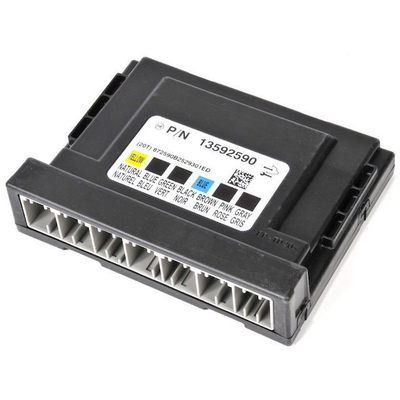
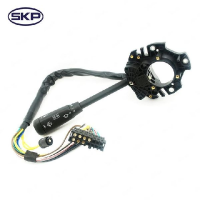
Shop the Parts Behind B1470
Below are the parts most often responsible for code B1470, ranked by how frequently each one is the actual culprit (per the diagnosis above). Tap any to see what we have for your vehicle.


The information in this article is provided for general reference and educational purposes only. Vehicle specifications, procedures, and part compatibility can vary by production date, trim level, and region. Always consult your vehicle's factory service manual and verify part numbers before purchasing or performing repairs. Safety-critical components such as airbags, seat belts, and braking systems should be installed by a qualified professional.
- 🧭 Diagnostic Flowchart
- 🎬 Helpful Videos
- 🛍️ Shop This Part
- What Does B1470 Mean?
- Can I Drive With B1470?
- Common Causes
- Symptoms
- Common Fixes & Costs
- DIY vs Professional
- Used vs. New Parts: Buying Guide
- What Happens If You Wait — Timeline
- Cost of Not Fixing It
- Diagnosis Steps
- When This Code Triggers (Freeze-Frame Conditions)
- Related Codes
- Climate & Environmental Factors
- How to Talk to a Mechanic About This Code
- Where to Take It: Dealer vs Independent vs Chain
- When to Walk Away From the Repair
- What Scan Tool You Need for This Code
- How to Clear the Code After You Fix It
- Will This Fail Emissions / State Inspection?
- Most Commonly Affected Vehicles
- Manufacturer-Specific Notes
- Real Owner Stories
- 2004 Mercury Grand Marquis with 150K miles
- 2005 Mercury Grand Marquis with unknown mileage
- 2009 Chrysler Sebring with B1470 code
- Ford Crown Victoria with B1470 and B1342
- How to Prevent This Code From Triggering
- Frequently Asked Questions
- Can a bad Lighting Control Module (LCM) drain my battery?
- Why do my headlights flicker and then turn off?
- My scanner says B1470 is a speaker code, but my headlights are broken. Why?
- How do I reset the B1470 code?
- What is the biggest mistake when diagnosing B1470?
- Is there a recall for code B1470?
- My automatic headlights stopped working, is this related to B1470?
- Key Takeaways
- 🎟️ Get 5% Off