

OBD-II Code B1475: Definitive Guide to a Multi-Definition Fault (A/C, RAP, Airbag, Keyless Entry)
The most comprehensive guide to diagnosing and fixing code B1475. This code has critically different meanings depending on your vehicle's manufacturer (Toyota, GM, Ford, Hyundai, Kia, Mitsubishi).
- Code B1475 has four distinct meanings depending on your manufacturer: A/C inverter overheating (Toyota), Retained Accessory Power fault (GM/Ford), airbag circuit short (Hyundai/Kia), or keyless entry failure (Mitsubishi).
- On 2004-2009 Toyota Prius models, B1475 almost always indicates a failed inverter coolant pump, requiring a $300-$500 replacement to prevent a catastrophic $2,000+ main inverter failure.
- For GM and Ford vehicles, a B1475 code often presents as a radio that refuses to turn off, draining the battery and typically requiring a $550-$950 Body Control Module (BCM) replacement.
- If B1475 appears on a Hyundai or Kia alongside an illuminated airbag light, the vehicle is unsafe to drive; immediately check for warranty extensions like Kia's 15-year TSB WTY027 for a free Airbag Control Unit replacement.
What Does B1475 Mean?
Code B1475 has critically different meanings based on the manufacturer. For Toyota/Lexus hybrids, it means the air conditioning inverter is overheating. For General Motors and Ford, it indicates a fault in the 'Retained Accessory Power' (RAP) circuit, which keeps accessories powered after the engine is off. For Hyundai/Kia, it points to a short in a curtain airbag circuit. For Mitsubishi, it indicates a communication failure with the keyless entry receiver.
Technical definition: For Toyota: 'A/C Inverter Cooling / Heating System Malfunction' (inverter temperature exceeds specified range). For GM/Ford: 'Retained Accessory Power Circuit' (short to ground or battery detected by the Body Control Module). For Hyundai/Kia: 'Inflatable Curtain Airbag - Driver Resistance Circuit Short to Ground'. For Mitsubishi: 'Remote Control Receiver No Communication'.
Can I Drive With B1475?
Yes, But With Caution. Driving with this code is dangerous for Hyundai/Kia owners and financially risky for Toyota owners. For Hyundai/Kia, the code indicates a disabled airbag system requiring immediate professional inspection. For Toyota hybrids, driving with an overheating inverter causes sudden shutdowns and catastrophic $2,000+ inverter failures. For GM/Ford, the primary risk is a dead battery from accessories failing to turn off.
Common Causes
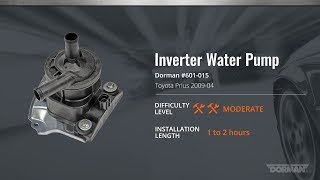
- Failed Inverter Coolant Pump (2004-2009 Toyota Hybrids) (Very Common) — The electric water pump for the liquid-cooled A/C inverter fails frequently. The inverter overheats and triggers B1475.
- Low Refrigerant Level (2010+ Toyota Hybrids) (Very Common) — Modern hybrids use A/C refrigerant to cool the electric compressor's integrated inverter. A refrigerant leak causes immediate overheating.
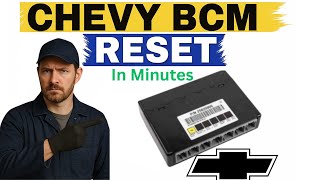
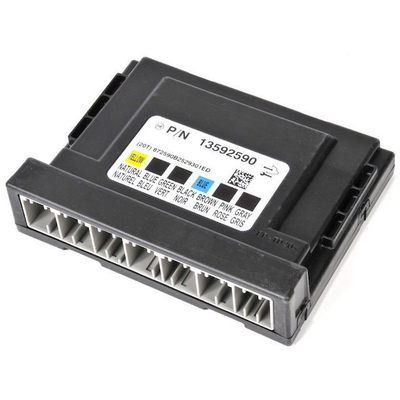
- Faulty Body Control Module (BCM) (GM/Ford) (Common) — The RAP relay is soldered directly onto the BCM circuit board. Internal relay failure requires complete BCM replacement.
- Faulty Airbag Control Unit (ACU/SRSCM) (Hyundai/Kia) (Common) — Internal failure of the Airbag Control Unit triggers this code. Kia issued TSB WTY027 requiring ACU replacement for specific models.
- Failed A/C Condenser Fan (Hybrids) (Common) — If the condenser fan fails, high-pressure refrigerant gets too hot, causing the refrigerant-cooled A/C inverter to overheat.
- Wiring Harness Short to Ground (Less Common) — A short to ground in the RAP circuit wiring (GM/Ford) or the driver-side curtain airbag harness (Hyundai/Kia) triggers the code.
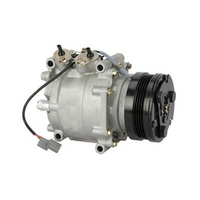
- Failed A/C Compressor (Modern Hybrids) (Uncommon) — Internal electronic failure or excessive current draw from a mechanically failing compressor causes the integrated inverter to overheat.
Symptoms
- A/C blows warm or hot air — The A/C compressor shuts down to protect its inverter from heat damage (Toyota hybrids).
- Radio or power windows stay on after key-off — The RAP system fails to cut power to accessories, draining the vehicle's battery (GM/Ford).
- Airbag warning light is permanently illuminated — Indicates a critical fault in the Supplemental Restraint System (SRS), disabling the airbags (Hyundai/Kia).
- A/C works intermittently when moving, stops at idle — Airflow while driving provides minimal cooling, but stopping causes the inverter to overheat instantly and shut off.
- Keyless entry system fails — The key fob fails to lock, unlock, or start the vehicle due to a communication failure (Mitsubishi).
Diagnostic Flowchart
Tap your situation to follow the diagnostic path that matches what you're seeing on this code.
Common Fixes & Costs
- Replace Inverter Coolant Pump (Older Hybrids) — Parts: $130-$170, Labor: $200-$300, ~1.5 hr book time (Intermediate)
- Replace Body Control Module (BCM) — Parts: $250-$450, Labor: $300-$500 (plus programming), ~2.5 hr book time (Professional)
- Replace Airbag Control Unit (ACU/SRSCM) — Parts: $450-$650, Labor: $200-$300 (plus programming), ~1.5 hr book time (Professional)
- A/C System Recharge (after fixing leak) — Parts: $50-$120, Labor: $150-$250, ~1.2 hr book time (Professional)
- Repair Wiring Harness Short — Parts: $10-$50, Labor: $200-$600, ~3.5 hr book time (Advanced)
- Replace A/C Compressor (Modern Hybrids) — Parts: $1,500-$1,700, Labor: $400-$600, ~3.0 hr book time (Professional)
DIY vs Professional
- Replace Inverter Coolant Pump (Older Hybrids) — Beginner: Yes
Tools: Socket set, pliers, funnel, 1 gallon of Toyota Super Long Life Coolant. - Replace Body Control Module (BCM) — Beginner: No
Tools: Socket set, trim removal tools, professional scan tool with programming subscription, stable power supply. - Replace Airbag Control Unit (ACU/SRSCM) — Beginner: No
Tools: Socket set, trim removal tools, professional scan tool, torque wrench. - A/C System Recharge — Beginner: No
Tools: A/C manifold gauge set, vacuum pump, refrigerant recovery machine, refrigerant.
Used vs. New Parts: Buying Guide
When a used part is worth it: A used GM/Ford BCM is cost-effective if the seller offers a warranty and the part number matches exactly. Budget for professional programming.
Donor-vehicle mileage cap: roughly under 75000 miles for the part to have meaningful remaining life.
Donor quality checklist:
- Verify the part number is an exact match.
- For BCMs, confirm if the part requires professional programming to your vehicle's VIN.
- Avoid parts from vehicles with flood or fire damage.
Decision logic:
- If The part is an Airbag Control Unit (ACU/SRSCM) → Always buy new OEM. Never use a used module for this critical safety system.
- If The part is a BCM and your budget is tight → A used BCM is acceptable, but professional programming is mandatory.
- If The part is a Prius inverter pump → Buy a new OEM or high-quality aftermarket part (e.g., Aisin) to ensure longevity.
Warranty tradeoff: Used parts have a 30-90 day warranty. Remanufactured modules offer 1-year warranties. New OEM parts carry a 1-year warranty.
Worst-case if a used part fails: $300-$800 if a used electronic module fails, requiring repeat labor and programming.
What Happens If You Wait — Timeline
- Immediate: Hyundai/Kia: Airbags are disabled (critical safety failure). Toyota: A/C stops working at idle. GM/Ford: Radio fails to turn off. (MPG impact: 0%% · Added cost: $0)
- 1 week - 1 month: Toyota: Vehicle enters 'limp mode' or shuts down during long drives. GM/Ford: Repeated battery drain destroys the vehicle's battery. (MPG impact: 0-5%% · Added cost: $150-$300 (Cost of a new battery for GM/Ford))
- 1-6 months: Toyota: Chronic overheating destroys the Intelligent Power Modules (IPMs) inside the main hybrid inverter. (MPG impact: 5-10%% · Added cost: $2,000-$4,000 (Catastrophic main inverter failure))
- 6+ months: GM/Ford: Unaddressed water damage in the BCM spreads, causing widespread electrical failures (lighting, anti-theft, starting issues). (MPG impact: 0%% · Added cost: $800-$1500 (BCM replacement plus complex electrical diagnostics))
Cost of Not Fixing It
- Immediate: Hyundai/Kia airbags will not deploy in a collision. GM/Ford vehicles will not start due to a drained battery. Toyota loses A/C function. (Added cost: N/A (Severe Safety Risk))
- 1-3 months: Toyota hybrids risk sudden vehicle shutdown. GM/Ford repeated battery drain cycles destroy the battery. (Added cost: $150-$300 (New Battery))
- 3+ months: Ignoring a failed inverter coolant pump on a Toyota hybrid leads to catastrophic failure of the main inverter assembly. (Added cost: $2,000-$4,000 (Inverter Replacement))
Diagnosis Steps
- Identify Your Vehicle's Definition
Determine what B1475 means for your specific car: Toyota (A/C), GM/Ford (Accessory Power), Hyundai/Kia (Airbag), or Mitsubishi (Keyless Entry).
Tools: OBD-II Scanner, Owner's Manual (Beginner) - Inspect Inverter Coolant Pump (Gen 2 Prius)
Locate the clear inverter coolant reservoir. With the car in 'Ready' mode, remove the cap and look for coolant turbulence. Zero movement confirms a failed pump.
Tools: Flashlight (Beginner) - Check A/C Condenser Fan Operation (Modern Hybrids)
Start the car and turn the A/C to max cold. Both radiator/condenser fans must spin at high speed. If they do not, the fan motor or relay is faulty.
Tools: Visual Inspection (Beginner) - Check A/C System Pressures (Modern Hybrids)
Connect an A/C manifold gauge set. With the car on and A/C at max, low pressures (under 25 psi low side) confirm a refrigerant leak causing the inverter to overheat.
Tools: A/C Manifold Gauge Set (Intermediate) - Test RAP Relay Control Circuit (GM/Ford with External Relay)
Disconnect the RAP relay. Connect a test light between the control circuit terminal (usually 85) and ground. Turn ignition ON. If the light fails to illuminate, test for a short to ground. If the circuit is good, the BCM is faulty.
Tools: 12V Test Light, Multimeter (Intermediate) - Diagnose Body Control Module (BCM) (GM/Ford)
Use a professional scan tool to command BCM outputs. Check wiring from the BCM to the RAP circuit for a short to ground. If wiring is intact, the internal BCM relay has failed, requiring BCM replacement.
Tools: Advanced Scan Tool, Digital Multimeter (Advanced) - Inspect Airbag Circuit (Hyundai/Kia)
Check the driver-side curtain airbag wiring harness for shorts to ground. A scan tool showing squib line voltage under 1.3V or resistance outside 1.8-3.0 ohms indicates a short. Per TSB WTY027, this often warrants immediate ACU replacement.
Tools: Advanced Scan Tool, Digital Multimeter (Professional) - Scan Tool Live Data Analysis (Toyota Hybrid)
Monitor the 'Inverter Coolant Temperature' PID. On a Gen 2 Prius, temperatures rapidly climbing above 150°F (65°C) at idle point directly to a failing inverter coolant pump.
Tools: Professional Scan Tool (e.g., Techstream) (Advanced)
When This Code Triggers (Freeze-Frame Conditions)
- A/C Inverter Temperature (Toyota): >180°F (82°C) (The code is set when the A/C inverter temperature exceeds the maximum limit, often during low-speed driving in warm weather.)
- System Voltage (GM/Ford): 9-16 Volts (The BCM sets this code when it detects a short to ground on the RAP circuit while the circuit is commanded ON.)
- Airbag Squib Resistance (Hyundai/Kia): < 1.8 Ohms (The code is set instantly at key-on if the Airbag Control Unit detects resistance below the minimum threshold, indicating a short.)
Related Codes
- P0A93 — Appears with B1475 on older Toyota hybrids. P0A93 specifically flags an electrical fault in the 'Inverter Water Pump Circuit'. Seeing both guarantees the pump is bad.
- B1325 — On GM vehicles, indicates 'Device Power Circuit Voltage Below Threshold'. Seen with B1475, it strongly points to a failing Body Control Module (BCM).
- U-Codes (e.g., U0140) — Multiple U-codes appearing alongside B1475 indicate a failing module (BCM or ACU) disrupting the entire CAN bus network, ruling out a simple wiring short.
Climate & Environmental Factors
- High Ambient Temperature: Worsens the Toyota hybrid A/C inverter overheating issue. Hot climates reduce the cooling system's capacity to dissipate heat, causing thermal shutdown in stop-and-go traffic.
- High Humidity / Water Intrusion: Causes GM/Ford BCM failures. Moisture from leaking sunroof drains or windshield seals corrodes the BCM circuit board, creating short circuits in the RAP system.
- Dust and Debris: Clogs the fins of the inverter radiator or A/C condenser, reducing cooling efficiency and triggering inverter overheating.
How to Talk to a Mechanic About This Code
Say this: "I have a B1475 code on my [Year/Make/Model]. Based on my research, this code means [mention specific issue: 'a fault in the airbag system,' 'an issue with the hybrid A/C inverter,' or 'a problem with the retained accessory power circuit']. Please confirm this interpretation before starting diagnosis."
Directs the technician to the correct system (A/C, BCM, or Airbag) and prevents them from wasting time diagnosing the wrong problem on a multi-definition code.
Avoid saying:
- 'My check engine light is on, can you look at it?'
- 'I have a B1475 code, just fix it.'
- 'My A/C is blowing warm.' (Irrelevant and misleading if you have a GM truck).
Questions to ask before authorizing the repair:
- For Toyota Hybrid: Did you confirm the inverter coolant pump is working and check the inverter temperature reading?
- For GM/Ford: Did you test the RAP circuit and check the BCM for water intrusion before recommending replacement?
- For Hyundai/Kia: Have you checked for Technical Service Bulletins or warranty extensions related to the airbag control unit?
Where to Take It: Dealer vs Independent vs Chain
- Dealer:
Recommended for Hyundai/Kia airbag issues and owners needing guaranteed correct programming for BCM/ACU replacement.
Best for: Hyundai/Kia airbag faults (due to safety liability and warranty extensions)., Complex BCM replacements and programming on newer GM/Ford vehicles.
Downsides: Highest labor rates., Defaults to expensive module replacement instead of targeted wiring repair. (Typical cost: +50% vs. baseline) - Independent Shop:
Best choice for Toyota hybrid faults and out-of-warranty GM/Ford issues at a reputable shop.
Best for: Toyota hybrid A/C issues, especially Gen 2 Prius inverter pump failures., Out-of-warranty GM/Ford RAP circuit diagnosis., Repairing wiring harness shorts.
Downsides: Quality varies; ensure the shop has specific hybrid or complex electrical experience. (Typical cost: +0% vs. baseline) - Chain Shop:
AVOID for diagnosis and repair of B1475. The complexity is beyond the scope of most chain shops.
Best for: Simple A/C refrigerant recharges (only after a leak is fixed).
Downsides: Technicians lack specialized training for hybrid A/C systems, BCM programming, or airbag diagnostics. (Typical cost: -10% vs. baseline)
When to Walk Away From the Repair
If the repair cost exceeds 40% of your car's private-party value, consider selling or trading in the vehicle.
- Car worth $4000, fix is $2500: Walk away. A BCM or ACU replacement on an older, low-value car is rarely economical.
- Car worth $12000, fix is $500: Fix it. A repair like a Prius inverter pump restores full functionality to a valuable vehicle.
- Car worth $3000, fix is $1000: Borderline. At 33% of the car's value, get a second opinion before proceeding.
What Scan Tool You Need for This Code
Minimum: A scanner that reads Body (B-codes) and Safety (SRS) codes. A basic $20 engine code reader will NOT see this code.
Standard OBD-II scanners only read engine and emissions codes (P-codes). B1475 requires communication with the Body Control Module (BCM) or Supplemental Restraint System (SRS).
Budget: Ancel BD310 (~$60) — Reads and clears B-codes and SRS codes on many models, allowing you to confirm the code's presence and definition.
Mid-range: Autel ML629 or Foxwell NT630 Plus (~$125) — Provides live data for affected systems, crucial for watching inverter temperature on a Toyota or checking airbag circuit resistance on a Hyundai.
Professional: Autel MK808BT or XTOOL D7 (~$400-500) — Offers full bidirectional control to command components directly (e.g., 'turn on the RAP relay'), isolating the problem between the component, wiring, or control module.
Rent vs buy: Auto parts stores do NOT rent scanners capable of reading B-codes or SRS codes. Buy a midrange scanner or pay for a professional diagnosis.
How to Clear the Code After You Fix It
- Use an OBD-II scan tool to clear the code from the specific module (A/C, BCM, or SRS).
- For Toyota A/C fault, run the vehicle with the A/C on MAX for 10-15 minutes to confirm the compressor stays on.
- For GM/Ford RAP fault, cycle the ignition off, remove the key, and open the driver's door to confirm accessories turn off.
- For Hyundai/Kia airbag fault, the SRS light extinguishes immediately after clearing if the repair was successful.
Drive cycle (~30 minutes): A generic drive cycle involves a cold start, 3 minutes of idling, 10 minutes of highway driving (55 mph), and 15 minutes of stop-and-go city driving.
Readiness monitors affected: Clearing any DTC resets all emissions-related readiness monitors (Catalyst, O2 Sensor, EVAP), requiring a full drive cycle before an emissions test.
Before emissions retest: drive at least 100 miles to fully set monitors.
Watch out for:
- Disconnecting the battery does not clear the code from non-volatile memory in the SRS module.
- The code returns immediately if the root cause is not fixed.
Will This Fail Emissions / State Inspection?
Yes — this code typically fails an OBD-II emissions inspection.
- California: Clearing a B-code resets all readiness monitors, causing an automatic smog check failure until monitors are 'Ready'.
- New York: An illuminated airbag warning light is an automatic failure of the annual safety inspection.
- Texas: An illuminated airbag warning light is cause for failure of the state safety inspection.
Most Commonly Affected Vehicles
- Toyota Prius (2004-2009) — Extremely common code for a failed electric inverter coolant pump. Often appears with code P0A93.
- Toyota Prius (2010-2015) — Indicates the A/C inverter is overheating, usually due to low refrigerant from a leak or a failed condenser fan.
- Chevrolet Silverado 1500 (2007-2013) — Points to a 'Retained Accessory Power Circuit' fault. The RAP relay is internal to the BCM, making a faulty BCM the most common cause.
- Ford F-150 (2004-2014) — Indicates a 'Retained Accessory Power' circuit fault. Diagnosis leads to a faulty BCM or a wiring short. Replacement requires PATS security relearn.
- Kia Sportage (2016-2018) — Airbag system code for 'Inflatable Curtain Airbag - Driver Resistance Circuit Short to Ground'. TSB WTY027 advises ACU replacement.
- Hyundai Tucson (2016-2018) — Airbag system fault requiring inspection and potential replacement of the ACU or related wiring.
- Mitsubishi Outlander (2008-2015) — Means 'Remote Control Receiver No Communication', indicating a problem with the keyless entry system module.
Manufacturer-Specific Notes
- General Motors (Chevrolet, GMC, Buick): B1475 means 'Retained Accessory Power Circuit Fault' and has nothing to do with the A/C. The fix is usually replacing the Body Control Module (BCM) due to an internal relay failure caused by water intrusion.
- Ford: Indicates a 'Retained Accessory Power' circuit fault. A replacement BCM requires mandatory programming (PATS security relearn) with two existing keys, or the vehicle will not start.
- Toyota: On Gen 2 hybrids (2004-2009), the code is almost always a failed electric water pump. On Gen 3+ hybrids (2010+), the inverter is cooled by A/C refrigerant, so the cause is low refrigerant or a failed condenser fan.
- Hyundai / Kia: B1475 is an airbag code: 'Inflatable Curtain Airbag - Driver Resistance Circuit Short to Ground'. Kia issued Warranty Extension TSB WTY027 for 2017 models, providing free Airbag Control Unit (ACU) replacement.
Real Owner Stories
2008 Toyota Prius at ~250k miles with intermittent A/C
The A/C suddenly blew hot air during a drive. After cooling down, the A/C worked again. An internal diagnostic sequence revealed code 75 (B1475). No main 'Check Engine' lights were on.
Outcome: The owner correctly identified a failed inverter coolant pump. The overheating inverter shut down the A/C compressor to protect itself. Replacing the $150 pump resolved the issue.
Lesson: On a Gen 2 Prius (2004-2009), B1475 with warm A/C almost always means a failed inverter coolant pump. Check for coolant flow in the reservoir before assuming a catastrophic inverter failure.
2014 Chevy Silverado with a constantly draining battery
The truck's battery repeatedly died overnight. The radio and Body Control Module (BCM) failed to power down after removing the key and opening the door.
Outcome: This is a classic internal BCM failure. The RAP relay is soldered to the BCM board and cannot be serviced. The owner replaced and programmed a new BCM to fix the drain.
Lesson: If your GM truck's radio stays on and drains the battery with code B1475, the BCM itself is the culprit. Stop chasing external wires and focus on BCM replacement.
2017 Kia Sportage with Airbag Light On
The airbag warning light illuminated permanently. A scan revealed DTC B1475: 'Inflatable Curtain Airbag - Driver Resistance Circuit Short to Ground.'
Outcome: The dealership confirmed a faulty Airbag Control Unit (ACU). The repair was fully covered under Kia's extended warranty (TSB WTY027), which covers the ACU for 15 years/unlimited miles.
Lesson: Never attempt a DIY repair on a Hyundai/Kia with B1475 and an airbag light. Immediately check with a dealer for warranty extensions (like Kia TSB WTY027) for a free ACU replacement.
How to Prevent This Code From Triggering
- Change the hybrid inverter coolant (older liquid-cooled hybrids) (Every 100,000 miles.) — Anti-corrosion additives deplete over time, causing internal corrosion that destroys the inverter or electric water pump.
- Keep sunroof drains and cowl vents clear of debris (GM/Ford) (Annually.) — Clogged drains force water into the cabin and directly onto the Body Control Module (BCM), causing corrosion and RAP circuit shorts.
- Clean the A/C condenser (Every 2 years.) — On modern hybrids where refrigerant cools the inverter, a clogged condenser raises system temperatures, overheating the inverter and triggering B1475.
- Address A/C refrigerant leaks promptly (modern hybrids) (As needed.) — Low refrigerant directly causes the A/C inverter to overheat and shut down on systems that rely on refrigerant for cooling.
Frequently Asked Questions
Why does my Prius A/C only blow hot air when I'm stopped in traffic?
This points to an overheating A/C inverter. Moving airflow provides enough cooling to let it work, but stopping causes the temperature to spike. The system shuts down to protect itself, logging code B1475.
My radio won't turn off and it killed my battery. Could B1475 be the cause?
Yes. On GM and Ford vehicles, B1475 indicates a fault in the Retained Accessory Power (RAP) system. A short in the circuit or a bad BCM causes accessories to stay on indefinitely and drain the battery.
Is it safe to drive with the B1475 code?
It depends on the car. Hyundai/Kia vehicles are unsafe because airbags will not deploy. Toyota hybrids risk destroying the main inverter (a $2,000+ repair), while GM/Ford drivers risk being stranded with a dead battery.
How much does it cost to fix B1475?
Costs range from $50 for a GM relay to $2,000+ for a hybrid A/C compressor. Replacing a Gen 2 Prius inverter pump costs $300-$500, while a GM truck BCM replacement runs $550-$950. A Kia Airbag Control Unit replacement typically costs $650-$950.
Can I fix code B1475 myself?
Replacing the inverter coolant pump on a Gen 2 Prius is a common DIY repair. However, any work involving A/C refrigerant, replacing and programming a BCM, or diagnosing an airbag circuit must be left to a professional.
What's the biggest mistake when diagnosing B1475?
The biggest mistake is not knowing the code's specific meaning for your vehicle. Always confirm the definition for your make, model, and year before starting any diagnosis to avoid wasting money on the wrong system.
My car is a Hyundai with an airbag light and code B1475. What should I do?
Do not attempt to diagnose or repair this yourself. Take your vehicle to a dealership immediately to have the airbag control unit inspected. It may be covered under a free warranty extension.
My mechanic says the BCM is bad on my Ford truck. Does it need to be programmed?
Yes. On Ford vehicles, the BCM is part of the Passive Anti-Theft System (PATS). A new BCM must be programmed to the vehicle with two existing keys, otherwise the truck will not start.
Key Takeaways
- Code B1475 has four distinct meanings depending on your manufacturer: A/C inverter overheating (Toyota), Retained Accessory Power fault (GM/Ford), airbag circuit short (Hyundai/Kia), or keyless entry failure (Mitsubishi).
- On 2004-2009 Toyota Prius models, B1475 almost always indicates a failed inverter coolant pump, requiring a $300-$500 replacement to prevent a catastrophic $2,000+ main inverter failure.
- For GM and Ford vehicles, a B1475 code often presents as a radio that refuses to turn off, draining the battery and typically requiring a $550-$950 Body Control Module (BCM) replacement.
- If B1475 appears on a Hyundai or Kia alongside an illuminated airbag light, the vehicle is unsafe to drive; immediately check for warranty extensions like Kia's 15-year TSB WTY027 for a free Airbag Control Unit replacement.
Helpful Videos
Shop the Parts Behind B1475
Below are the parts most often responsible for code B1475, ranked by how frequently each one is the actual culprit (per the diagnosis above). Tap any to see what we have for your vehicle.

The information in this article is provided for general reference and educational purposes only. Vehicle specifications, procedures, and part compatibility can vary by production date, trim level, and region. Always consult your vehicle's factory service manual and verify part numbers before purchasing or performing repairs. Safety-critical components such as airbags, seat belts, and braking systems should be installed by a qualified professional.
- 🧭 Diagnostic Flowchart
- 🎬 Helpful Videos
- 🛍️ Shop This Part
- What Does B1475 Mean?
- Can I Drive With B1475?
- Common Causes
- Symptoms
- Common Fixes & Costs
- DIY vs Professional
- Used vs. New Parts: Buying Guide
- What Happens If You Wait — Timeline
- Cost of Not Fixing It
- Diagnosis Steps
- When This Code Triggers (Freeze-Frame Conditions)
- Related Codes
- Climate & Environmental Factors
- How to Talk to a Mechanic About This Code
- Where to Take It: Dealer vs Independent vs Chain
- When to Walk Away From the Repair
- What Scan Tool You Need for This Code
- How to Clear the Code After You Fix It
- Will This Fail Emissions / State Inspection?
- Most Commonly Affected Vehicles
- Manufacturer-Specific Notes
- Real Owner Stories
- 2008 Toyota Prius at ~250k miles with intermittent A/C
- 2014 Chevy Silverado with a constantly draining battery
- 2017 Kia Sportage with Airbag Light On
- How to Prevent This Code From Triggering
- Frequently Asked Questions
- Why does my Prius A/C only blow hot air when I'm stopped in traffic?
- My radio won't turn off and it killed my battery. Could B1475 be the cause?
- Is it safe to drive with the B1475 code?
- How much does it cost to fix B1475?
- Can I fix code B1475 myself?
- What's the biggest mistake when diagnosing B1475?
- My car is a Hyundai with an airbag light and code B1475. What should I do?
- My mechanic says the BCM is bad on my Ford truck. Does it need to be programmed?
- Key Takeaways
- 🎟️ Get 5% Off