

Ultimate Guide to OBD-II Code B1498: Beyond the Basics
A Comprehensive Analysis of Lighting Switch, A/C Inverter, and Other Circuit Failures
- Verify the exact B1498 definition for your vehicle make, as it means a lighting failure on Fords but a high-voltage A/C compressor fault on Toyota hybrids.
- Replace the multifunction switch to resolve 80% of B1498 lighting faults on non-hybrid vehicles like the Ford F-150.
- Inspect the Toyota hybrid A/C compressor connector for green corrosion or spilled coolant before authorizing a $1,500+ compressor replacement.
- Stop driving at night immediately if B1498 triggers lighting issues, as sudden headlight failure creates an extreme collision risk.
- Send a failed Ford Crown Victoria Lighting Control Module (LCM) to an online repair service for $150 instead of buying a $650 new OEM part.
What Does B1498 Mean?

Code B1498 indicates the Body Control Module (BCM) or another control unit detected a critical fault in an electrical circuit. While commonly associated with the multifunction switch (the stalk controlling headlights and turn signals), its meaning varies dramatically between manufacturers. It signifies anything from a lighting failure to an A/C compressor communication error or a wheel speed sensor fault. Diagnosing this code requires verifying the manufacturer-specific definition.
Technical definition: The generic SAE definition is "Lamp Headlamp Switch Circuit Failure." However, manufacturer-specific definitions frequently supersede this. For Toyota and Lexus hybrids, it means "Communication Malfunction (A/C Inverter Local)". For GM vehicles, it is "Exterior Lamp Power Voltage Above Normal." For Dodge models, it is "Left Front Wheel Speed Sensor Circuit." This guide covers all major variations to prevent misdiagnosis.
Can I Drive With B1498?
Yes, But With Caution. Driving is possible but carries a significant safety risk. If the code relates to lighting, headlights fail suddenly at night, or turn signals stop working, violating traffic laws. This causes collisions or traffic citations. Repair this issue before driving in poor visibility.
Common Causes

- Defective Multifunction Switch (Very Common) — The switch itself is the most frequent culprit in lighting-related faults. Internal copper contacts wear out from years of use, causing intermittent connections or complete failure.
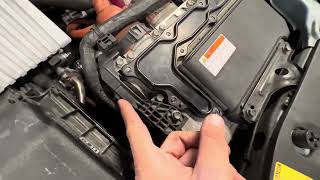
- Liquid Contamination of Connectors (Common) — On hybrid vehicles where B1498 relates to the A/C system, spilled engine coolant or water intrusion into the A/C compressor's electrical connector 🎬 See how to diagnose and fix Prius A/C communication faults. shorts the communication lines.
- Damaged Wiring, Connectors, or Grounds (Common) — Wires connected to the multifunction switch or A/C compressor fray, break, or corrode. Connectors melt from high resistance, and loose ground connections cause erratic voltage readings.
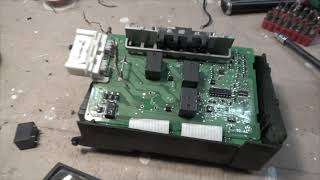
- Faulty Lighting Control Module (LCM) (Less Common) — Specific to Ford, Lincoln, and Mercury models (especially the Panther platform), the separate computer module controlling the lights fails. This is a notorious, heavily recalled issue.
- Blown Fuse (Less Common) — A fuse in the circuit powering the multifunction switch blows. On Toyota hybrids, a specific high-voltage fuse for the A/C system inside the inverter assembly blows due to a short.
- Internal Short in Wiring Harness (Rare) — Wires within a harness short to each other. This is a key diagnostic point for Toyota hybrids, where the A/C command and response wires shorting together is a known issue.
- Faulty Alternator or BCM (GM Specific) (Rare) — On GM vehicles defining B1498 as 'Voltage Above Normal', a failing alternator overcharging the system or a faulty Body Control Module (BCM) triggers the code.
Symptoms
- Headlights, turn signals, or high beams fail — One or all functions controlled by the multifunction switch fail to operate entirely.
- Lights work intermittently — Lights flicker or work sporadically. Jiggling the switch temporarily restores function, indicating worn internal contacts.
- Incorrect lighting function — Pushing the lever for a right turn activates the left signal, or high beams stick on constantly (common on 2004-2008 Ford F-150s).
- A/C not blowing cold (Hybrid models) — For Toyota/Lexus hybrids, the primary symptom is a non-functional air conditioning system due to a communication failure with the electric A/C compressor.
- Fast-blinking turn signal — On 2022 Ford Broncos, a fast-blinking turn signal is a specific symptom associated with this code due to a faulty LED control module.
Diagnostic Flowchart
Tap your situation to follow the diagnostic path that matches what you're seeing on this code.
Common Fixes & Costs
- Replace Multifunction Switch — Parts: $75 - $350, Labor: $100 - $200, ~1.5 hr book time (Intermediate)
- Replace Blown Fuse — Parts: $1 - $40, Labor: $0, ~0.1 hr book time (DIY)
- Repair Damaged Wiring or Connector — Parts: $10 - $100, Labor: $150 - $1400, ~2.5 hr book time (Intermediate)
- Repair or Replace Lighting Control Module (LCM) — Parts: $150 - $650, Labor: $100 - $250, ~1 hr book time (Intermediate)
- Replace A/C Compressor (Hybrids) — Parts: $100 - $1300, Labor: $400 - $600, ~4 hr book time (Professional)
- Replace Body Control Module (BCM) — Parts: $300 - $700, Labor: $150 - $300, ~2 hr book time (Professional)
Used vs. New Parts: Buying Guide
When a used part is worth it: Buy used for expensive, non-wear items like a Ford LCM or a Toyota Hybrid A/C compressor on a high-mileage vehicle. Buy new aftermarket parts for cheap, common items like multifunction switches.
Donor-vehicle mileage cap: roughly under 100000 miles for the part to have meaningful remaining life.
Donor quality checklist:
- Match part numbers exactly, including suffix letters.
- Choose electronic modules from vehicles with lower mileage.
- Inspect used connectors for corrosion, melting, or bent pins.
- Require a 30-90 day warranty from the seller.
Decision logic:
- If Part is a multifunction switch and a new aftermarket version is under $150 → Buy new for the warranty and guaranteed fit.
- If Part is a Ford LCM and the vehicle is over 150K miles → Send the original module out for a $150 repair service instead of buying new.
- If Part is a hybrid A/C compressor and the budget is tight → Buy a used compressor from a low-mileage, accident-damaged vehicle, not one scrapped for hybrid failure.
Warranty tradeoff: Used parts carry 30-90 day part-only warranties. New aftermarket parts offer 1-year to lifetime warranties. New OEM parts offer the best warranty at the highest premium.
Worst-case if a used part fails: $400 - $800 in repeat labor if a used hybrid A/C compressor fails after installation.
What Happens If You Wait — Timeline
- 0-1 month (Lighting Fault): Intermittent issues begin. Turn signals fail to cancel, or headlights flicker. Jiggling the switch restores function. (MPG impact: 0%% · Added cost: $0)
- 1-3 months (Lighting Fault): Failures become frequent. High beams stick on or headlights fail completely. Extreme risk of nighttime accidents. (MPG impact: 0%% · Added cost: $100-$250 in traffic citations.)
- 0-2 weeks (Hybrid A/C Fault - Coolant Leak): A coolant leak shorts the A/C compressor connector. B1498 and P0AA6 appear. A/C stops working instantly. (MPG impact: 0%% · Added cost: $50-$200 if cleaned immediately. If ignored, corrosion requires a $1000+ harness replacement.)
- 1-6+ months (Hybrid A/C Fault - Internal Short): The A/C compressor develops an internal high-voltage short. Continued operation stresses the main hybrid inverter. (MPG impact: 0%% · Added cost: $3000 - $5000 if the inverter is destroyed.)
Cost of Not Fixing It
- Immediate: Sudden loss of headlights or turn signals creates a severe accident risk and guarantees traffic citations. (Added cost: $100 - $250 in fines, plus insurance hikes after an accident.)
- 1-6 Months: For hybrid A/C faults caused by moisture, ongoing corrosion destroys the expensive A/C compressor or wiring harness beyond simple repair. (Added cost: $400 - $2000 for full compressor or harness replacement.)
- 6+ Months: An ignored high-voltage short in a hybrid A/C compressor stresses other components, potentially destroying the main hybrid inverter. (Added cost: $3000 - $5000 for inverter replacement.)
Diagnosis Steps
- Verify Code Definition & Scan for Other Codes
Use a high-quality OBD-II scanner providing manufacturer-specific definitions to confirm what B1498 means for your exact vehicle. Note any communication ('U') codes or hybrid system codes like P0AA6.
Tools: Professional OBD-II Scanner (Beginner) - Test All Related Functions
Systematically test every function on the multifunction switch (low/high beams, turn signals) or the A/C system. Document exactly what works and under what conditions.
Tools: None (Beginner) - Inspect Fuses
Locate and visually inspect all related fuses. For lighting, check 'headlamps' and 'BCM' fuses. For hybrid A/C issues, check the standard cabin 'A/C' fuse and the main high-voltage A/C fuse in the inverter.
Tools: Fuse puller, Owner's manual (Beginner) - Visually Inspect Wiring and Connectors
For lighting, remove steering column shrouds and inspect the multifunction switch connector for melting or broken wires. For hybrid A/C, inspect the low-voltage control connector on the compressor for green coolant corrosion.
Tools: Screwdriver set, Trim removal tools, Flashlight (Intermediate) - Test the Switch Itself (Lighting Faults)
With the switch disconnected, use a multimeter in resistance (Ohms) mode. Follow a diagnostic chart to test continuity between specific pins while operating the switch. An infinite reading (O.L.) indicates a failed switch.
Tools: Digital Multimeter, Vehicle-specific diagnostic chart (Advanced) - Test the Connector for Power and Ground
Using a multimeter and wiring diagram, test the pins on the component's connector. Verify the multifunction switch receives battery voltage and solid ground. For hybrid A/C, verify 12V ignition power and ground.
Tools: Digital Multimeter, Vehicle-specific wiring diagram (Advanced) - Advanced Test: Check Toyota A/C Communication Line Resistance
With ignition OFF and components disconnected, measure resistance on the communication lines (CLK, DIN, DOUT). Resistance between the ECU and compressor pins must be below 1 Ω. Resistance to body ground must be 10 kΩ or higher.
Tools: Digital Multimeter, Vehicle-specific wiring diagram (Advanced) - Pro Tip: Scope Communication Lines (Toyota Hybrids)
Connect an oscilloscope to the A/C compressor's communication lines. When commanded on, you must see square wave signals. If command and response signals are perfect mirror images, the two wires are shorted together in the harness.
Tools: Automotive Oscilloscope, Wiring Diagram (Professional) - Pro Tip: Test A/C Compressor HV Fuse (Toyota Hybrids)
After safely depowering the high-voltage system, access the main A/C fuse in the inverter. Test both screw terminals. If both show continuity to ground, the compressor is internally shorted. If one side shows ground and the other is open, the fuse is blown.
Tools: Power Probe or Multimeter, Insulated Gloves, Safety Plug (Professional)
When This Code Triggers (Freeze-Frame Conditions)
- Battery Voltage: 11.5V - 15.5V (Triggers if voltage is too low (weak battery) or too high (overcharging alternator), especially on GM vehicles.)
- Ignition Status: ON / RUN (Detected when the ignition is on and the BCM actively monitors the circuit.)
- Component Status: Active / Commanded ON (Sets at the precise moment the faulty component is used, such as activating the turn signal or commanding the A/C on.)
- Time Since Start: 0 - 15 minutes (Appears immediately at startup or after a short driving period as components heat up and electrical resistance changes.)
Related Codes
- P0AA6 — Hybrid Battery Voltage System Isolation Fault. A frequent companion to B1498 on Toyota hybrids. Coolant contamination in the A/C compressor triggers both codes simultaneously. Fixing the B1498 fault resolves P0AA6.
- B1352 — Ignition Key-In Circuit Failure. Appearing with a lighting B1498, it suggests a shared wiring harness or clock spring problem in the steering column.
- B1681 — PATS Transceiver Signal Not Received. Points toward a clock spring or wiring harness problem affecting multiple steering column systems.
- U-codes (e.g., U1900) — CAN Communication Bus Fault. Network failures cause modules to post false codes. Always diagnose and resolve 'U' codes before addressing B1498.
Climate & Environmental Factors
- Humidity and Water Intrusion: High humidity or spilled coolant causes rapid corrosion in connectors, particularly the A/C compressor connector on Toyota hybrids, leading to shorts.
- Road Salt: Moisture mixed with winter road salt accelerates wiring degradation if it breaches modules or harnesses.
- Thermal Cycling: Repeated heating and cooling cracks solder joints on circuit boards, such as those inside the Ford LCM, causing intermittent failures.
How to Talk to a Mechanic About This Code
Say this: "For a Toyota Hybrid: 'I have a B1498 code and my A/C isn't working. Please inspect the low-voltage connector for corrosion and test the harness before quoting a compressor.' For a Ford Crown Victoria: 'I have a B1498 and lighting issues. Please diagnose the LCM and check if recall 15S39 applies.' For a GM Truck: 'I have a B1498 code indicating Exterior Lamp Power Voltage Above Normal. Please test the charging system voltage before inspecting switches.'"
Specifying the likely system based on your vehicle's make prevents the shop from wasting diagnostic time on the wrong components. It directs them to the most probable cause.
Avoid saying:
- 'Just fix whatever's wrong.'
- 'My check engine light is on, can you look at it?'
- 'Whatever you recommend, just do it.'
Questions to ask before authorizing the repair:
- For a Toyota Hybrid: 'Did you find moisture in the A/C compressor connector? Did you test the communication wires for a short?'
- For a Ford LCM: 'Did you test for power, ground, and switch input at the LCM before condemning it?'
- For any large repair: 'Can you provide a written, itemized estimate and the warranty terms for this specific repair?'
Where to Take It: Dealer vs Independent vs Chain
- Dealer:
Recommended for hybrid A/C issues and BCM programming. For other variants, an independent shop is more cost-effective.
Best for: Toyota/Lexus hybrid A/C system diagnosis due to high-voltage safety protocols., Vehicles under warranty or subject to a related recall (Ford LCM)., BCM replacement and programming on GM vehicles.
Downsides: Highest labor rates., Defaults to replacing entire assemblies (like a $1400 wiring harness) instead of repairing a single wire. (Typical cost: +50% vs. baseline) - Independent Shop:
Best overall fit for lighting-related B1498 faults. For hybrid A/C issues, choose a shop specializing in hybrids.
Best for: Common fixes like a Ford F-150 multifunction switch or Crown Victoria LCM., Out-of-warranty vehicles where cost is a primary concern., Targeted wiring repairs instead of full harness replacements.
Downsides: Quality varies; ensure the shop has experience with your specific problem., Lacks access to the latest manufacturer software updates. (Typical cost: +0% vs. baseline) - Chain Shop:
AVOID for diagnosing B1498. The risk of paying for incorrect repairs is extremely high.
Best for: Simple jobs like changing a fuse or battery.
Downsides: High risk of misdiagnosis due to code complexity., Lacks specialized knowledge for hybrid A/C or module programming., High pressure to upsell unnecessary parts. (Typical cost: -10% vs. baseline)
When to Walk Away From the Repair
If the estimated repair cost exceeds 40-50% of the car's private-party value, seriously consider selling or trading in the vehicle.
- Car worth $4000, fix is $1800: Borderline. This is 45% of the car's value. Get a second opinion, especially for a hybrid A/C compressor.
- Car worth $10000, fix is $800: Fix it. The repair cost is well below the threshold and restores critical safety functions.
- Car worth $3000, fix is $2000: Walk away. The repair cost is 67% of the car's value. It is not a sound financial decision.
What Scan Tool You Need for This Code
Minimum: A scanner that reads manufacturer-specific Body ('B') codes. A basic $20 reader showing only generic powertrain ('P') codes is insufficient.
A basic scanner shows the generic 'Lamp Headlamp Switch Circuit Failure' for all cars. This is wrong for a Toyota hybrid (A/C fault) or a GM truck (voltage fault). You will waste money replacing the wrong parts.
Budget: BlueDriver Pro or Autel AP200 (~$60-120) — These Bluetooth dongles read manufacturer-specific codes from all modules, providing the correct definition for B1498.
Mid-range: Foxwell NT510 Elite or Autel MK808 (~$180-380) — Offers full-system diagnostics and bidirectional controls to actively test components (e.g., command a specific light on/off).
Professional: Autel MaxiCOM MK906BT or Launch X431 Series (~$500-1200) — Provides advanced ECU coding for module replacements and professional-level diagnostic depth.
Rent vs buy: You can use a loan-a-tool program, but you must request a tool capable of reading manufacturer-specific body codes. Buying a capable scanner like a BlueDriver is a wise investment.
How to Clear the Code After You Fix It
- Use an OBD-II scan tool to clear all Diagnostic Trouble Codes (DTCs) from all modules.
- Perform a complete drive cycle to allow the vehicle's readiness monitors to run self-tests.
- Rescan the vehicle to confirm B1498 has not returned.
Drive cycle (~30 minutes): A generic drive cycle includes a cold start (sitting 8+ hours), 3 minutes of idling, 10 minutes of steady highway driving at 55 mph, followed by 15 minutes of mixed city stop-and-go driving.
Readiness monitors affected: Clearing this Body code often resets powertrain readiness monitors., Catalyst, EVAP, and O2 Sensor monitors require a full drive cycle before passing emissions.
Before emissions retest: drive at least 100 miles to fully set monitors.
Watch out for:
- Clearing the code without fixing the hardware guarantees it will return immediately.
- Disconnecting the battery clears codes but resets all readiness monitors, causing an automatic emissions failure.
- EVAP monitors require specific conditions, such as fuel levels between 1/4 and 3/4 full.
Will This Fail Emissions / State Inspection?
Yes — this code typically fails an OBD-II emissions inspection.
- California: An illuminated Check Engine Light is an automatic failure. A full drive cycle is required after repair to set readiness monitors.
- New York: Automatically fails if the Malfunction Indicator Lamp is on. Clearing codes requires a drive cycle to avoid failing for 'Not Ready' monitors.
- Texas: In the 17 emissions-testing counties, an illuminated MIL is an automatic fail. Readiness monitors must be 'Ready' to pass.
Most Commonly Affected Vehicles
- Ford Crown Victoria (1998-2011) — Extremely common. Almost always caused by a failed Lighting Control Module (LCM). Repair services for the original LCM are highly recommended.
- Mercury Grand Marquis (1998-2011) — Shares the Panther platform electronics with the Crown Victoria; equally prone to LCM failure.
- Lincoln Town Car (1998-2011) — Suffers from frequent LCM and multifunction switch failures.
- Ford F-150 (2004-2008) — The multifunction switch fails frequently, often sticking the high beams on. The switch is easily replaced without removing the steering wheel.
- Ford Bronco (2022) — TSB SSM 50965 indicates B1498 is caused by a faulty LED control module, resulting in a fast-blinking turn signal.
- Chevrolet / GMC Silverado, Sierra, Tahoe (1999-2013) — B1498 means 'Exterior Lamp Power Voltage Above Normal'. Points to an overcharging alternator or BCM fault. Check charging voltage first.
- Dodge Charger, Magnum, 300 (2006-2014) — B1498 relates to a 'Left Front Wheel Speed Sensor Circuit' or 'Implausible Ignition Switch Status'. Verifying the definition with a scanner is mandatory.
- Toyota Prius, Camry Hybrid, RAV4 Hybrid (2010-2021) — B1498 means 'Communication Malfunction (A/C Inverter Local)'. Never related to lights. Diagnosis must focus entirely on the A/C compressor and wiring.
Manufacturer-Specific Notes
- Ford / Lincoln / Mercury: On Panther platform vehicles, this code is frequently caused by a failed Lighting Control Module (LCM). Ford issued recall 15S39 for this exact issue.
- Toyota / Lexus: B1498 is defined as 'Communication Malfunction A/C Inverter Local' and has absolutely nothing to do with lighting. It points exclusively to the A/C compressor, wiring, or inverter fuse.
- GMC / Chevrolet: B1498 indicates 'Exterior Lamp Power Voltage Above Normal'. The BCM sees voltage higher than 15.5 volts due to a faulty alternator. Check charging system voltage before replacing switches.
- Dodge / Chrysler / Jeep: The code has multiple, unrelated meanings, including 'Left Front Wheel Speed Sensor Circuit'. Using a scanner with manufacturer-specific definitions is non-negotiable.
Real Owner Stories
2013 Toyota Prius V at 374,000 km
After a DIY engine replacement, the owner spilled coolant on the A/C compressor's communication connector. Codes B1498 and P0AA6 appeared immediately, and the A/C failed.
What they tried:
- Declined a dealer quote of $5,500 CAD for a new A/C compressor.
- Bought and installed a used A/C compressor for $100.
- The P0AA6 code disappeared, but B1498 and the A/C malfunction remained.
Outcome: Replacing the compressor fixed the P0AA6 isolation fault, but B1498 persisted, indicating the communication harness itself was also damaged by the coolant spill.
Lesson: Spilling coolant is a classic trigger for Toyota hybrid A/C faults. Thoroughly clean and dry the connector first. If that fails, test the wiring harness for shorts before condemning the expensive compressor.
2013 Ford F-150 Lariat
Turn signals would not cancel automatically, and intermittent wipers would not shut off.
What they tried:
- Replaced the multifunction switch with a new aftermarket unit.
- The new switch fixed the wipers but caused the turn signals to blink only 3 times and stop.
- Ordered a second switch, assuming the first was defective, but it behaved identically.
Outcome: The owner discovered that 2013-2014 F-150 turn signal switches do not physically latch; the BCM handles canceling. The 3-blink behavior is the normal 'lane change' feature.
Lesson: Always confirm the intended operational logic in the owner's manual before assuming a replacement part is faulty.
2018 Kia Optima
Immediately after a DIY installation of a push-to-start button, the left turn signal stayed on constantly and the right one failed.
What they tried:
- A mechanic checked the wiring, reinstalled the factory ignition, but the problem persisted.
- The mechanic suggested the multifunction switch was faulty.
Outcome: The problem started directly after working in the steering column, proving the switch was accidentally damaged during the push-to-start installation.
Lesson: When a new problem appears immediately after a repair, the cause is almost always related to the work just performed. Components are easily damaged during reassembly.
How to Prevent This Code From Triggering
- Apply dielectric grease to electrical connectors (During any repair exposing a connector) — Creates a non-conductive seal preventing moisture, road salt, and coolant from causing corrosion or short circuits.
- Run the A/C system periodically in winter (10 minutes every few weeks) — Circulates lubricating oil within the A/C system, keeping compressor seals from drying out and failing prematurely.
- Clean debris from the A/C condenser and engine bay (Every 6 months) — Prevents moisture from trapping against electrical connectors and helps the A/C system dissipate heat efficiently.
- Address coolant leaks immediately (As needed) — Prevents coolant from dripping onto the hybrid A/C compressor's electrical connector and causing an immediate short.
Frequently Asked Questions
My mechanic says I need a new A/C compressor for B1498 on my Prius. Is that right?
It is possible, but it is a frequent and expensive misdiagnosis. B1498 is often caused by spilled coolant shorting the compressor's external connector. Insist the shop inspects the wiring harness and cleans the connector before authorizing a $1,500 replacement.
I spilled coolant in my engine bay and now my hybrid's A/C doesn't work. Are these related?
Yes, this is a classic cause-and-effect scenario. Coolant easily shorts the communication lines on the A/C compressor connector, triggering B1498. Have a technician safely clean and dry the affected connectors.
Can I just replace the fuse to fix code B1498?
You should check the fuse first, but fuses blow for a reason. If a new fuse blows immediately, it confirms a deeper short circuit in the wiring or a failed component.
Is the multifunction switch the same as the turn signal switch?
Yes. It is called a multifunction switch because the single stalk controls turn signals, headlights, high beams, and wipers.
Why do my headlights sometimes work and sometimes not?
Intermittent failure is a classic symptom of worn internal electrical contacts inside the multifunction switch or cracked solder joints in the Lighting Control Module.
Can I replace the multifunction switch myself?
On vehicles like the 2004-2008 F-150, it is a simple DIY repair. If the repair requires removing the steering wheel and airbag, leave it to a professional.
Will clearing the B1498 code make the problem go away?
No. Clearing the code only turns the warning light off temporarily. The code returns immediately once the computer detects the physical hardware fault again.
What is a Lighting Control Module (LCM)?
It is a separate computer used on older Fords that directly controls the headlights based on input from the switch. They are a notorious failure point.
Can a bad battery cause a B1498 code?
Yes, particularly on GM vehicles where the code means 'Voltage Above Normal.' A faulty alternator or weak battery causes voltage spikes that the BCM interprets as a fault.
Key Takeaways
- Verify the exact B1498 definition for your vehicle make, as it means a lighting failure on Fords but a high-voltage A/C compressor fault on Toyota hybrids.
- Replace the multifunction switch to resolve 80% of B1498 lighting faults on non-hybrid vehicles like the Ford F-150.
- Inspect the Toyota hybrid A/C compressor connector for green corrosion or spilled coolant before authorizing a $1,500+ compressor replacement.
- Stop driving at night immediately if B1498 triggers lighting issues, as sudden headlight failure creates an extreme collision risk.
- Send a failed Ford Crown Victoria Lighting Control Module (LCM) to an online repair service for $150 instead of buying a $650 new OEM part.
Helpful Videos
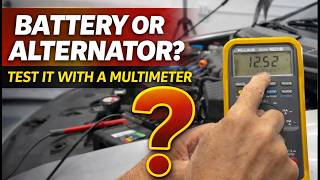
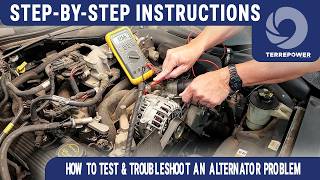
Shop the Parts Behind B1498
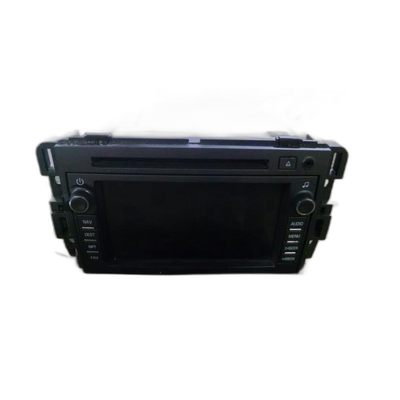
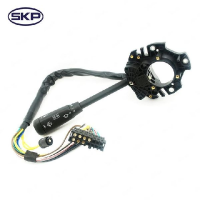
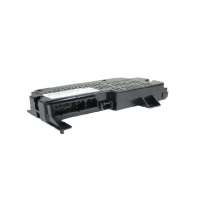
Below are the parts most often responsible for code B1498, ranked by how frequently each one is the actual culprit (per the diagnosis above). Tap any to see what we have for your vehicle.
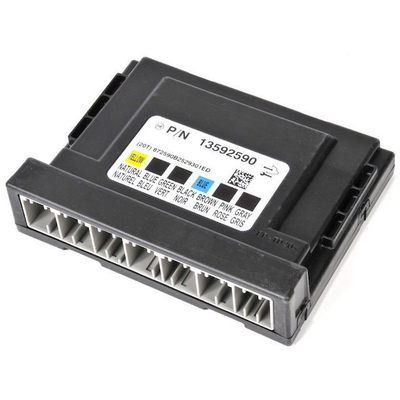
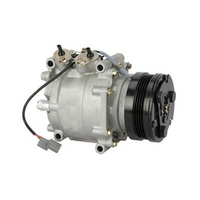



The information in this article is provided for general reference and educational purposes only. Vehicle specifications, procedures, and part compatibility can vary by production date, trim level, and region. Always consult your vehicle's factory service manual and verify part numbers before purchasing or performing repairs. Safety-critical components such as airbags, seat belts, and braking systems should be installed by a qualified professional.
- 🧭 Diagnostic Flowchart
- 🎬 Helpful Videos
- 🛍️ Shop This Part
- What Does B1498 Mean?
- Can I Drive With B1498?
- Common Causes
- Symptoms
- Common Fixes & Costs
- Used vs. New Parts: Buying Guide
- What Happens If You Wait — Timeline
- Cost of Not Fixing It
- Diagnosis Steps
- When This Code Triggers (Freeze-Frame Conditions)
- Related Codes
- Climate & Environmental Factors
- How to Talk to a Mechanic About This Code
- Where to Take It: Dealer vs Independent vs Chain
- When to Walk Away From the Repair
- What Scan Tool You Need for This Code
- How to Clear the Code After You Fix It
- Will This Fail Emissions / State Inspection?
- Most Commonly Affected Vehicles
- Manufacturer-Specific Notes
- Real Owner Stories
- 2013 Toyota Prius V at 374,000 km
- 2013 Ford F-150 Lariat
- 2018 Kia Optima
- How to Prevent This Code From Triggering
- Frequently Asked Questions
- My mechanic says I need a new A/C compressor for B1498 on my Prius. Is that right?
- I spilled coolant in my engine bay and now my hybrid's A/C doesn't work. Are these related?
- Can I just replace the fuse to fix code B1498?
- Is the multifunction switch the same as the turn signal switch?
- Why do my headlights sometimes work and sometimes not?
- Can I replace the multifunction switch myself?
- Will clearing the B1498 code make the problem go away?
- What is a Lighting Control Module (LCM)?
- Can a bad battery cause a B1498 code?
- Key Takeaways
- 🎟️ Get 5% Off