

B1517 on 2007-2011 Chevrolet Silverado: 'Battery Voltage Low' Causes and Fixes
On 2007-2011 Silverados, code B1517 often appears on cold starts with a 'Service Charging System' message and is considered normal operation by GM, especially on diesel models; no repair may be needed. If it persists when warm, suspect a weak battery, failing alternator, or a sensitive BCM software calibration.
- Before any repairs, check if the B1517 code and 'Service Charging System' message only appear for a few minutes after a cold start. If so, it is likely normal and requires no action.
- If the problem persists when the engine is warm, the most likely culprits are a weak battery or a failing alternator.
- Always test the battery and charging system before replacing parts.
- Do not replace the BCM; if hardware is good, the module may simply need a software update from a GM dealer.
What's Unique About the 2007-2011 Chevrolet SILVERADO
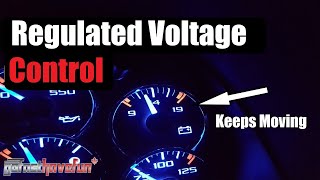
The GMT900 platform (2007-2011) Silverado is unique regarding this code because General Motors has issued specific Technical Service Bulletins (TSBs) stating that B1517 is often a normal characteristic and not a fault. On diesel models, the massive power draw from the glow plugs (up to 110 amps) and intake air heater (up to 130 amps) during a cold start can temporarily exceed the alternator's output at idle, causing a voltage dip that the BCM correctly reports. In other cases, the BCM's software on both gas and diesel models is simply too sensitive, and a dealer-installed calibration update is the prescribed fix per TSB #PIT5289A. These trucks also use a Regulated Voltage Control (RVC) system, managed by the BCM, which adjusts alternator output to improve fuel economy, meaning the voltage gauge will normally fluctuate between ~12.5V and 14.5V during operation and is not a sign of failure.
🎬 See how the Regulated Voltage Control system works in actionDiagnostic Flowchart
Tap your situation to follow the diagnostic path that matches what you're seeing on this vehicle.
Symptoms You May Notice
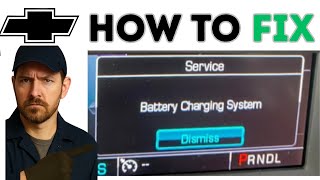
- "Service Charging System" message on the Driver Information Center (DIC) 🎬 Watch: Understanding the Service Charging System message on Chevy trucks
- Low reading on the dashboard voltage gauge, especially right after starting
- Charging system light (battery icon) may be illuminated on the instrument panel
- If caused by a failing component, may also experience slow engine cranking or dim lights
- In some cases of high voltage from a failed alternator, random electrical issues like flickering lights or erratic window/lock operation can occur.
- Replacing the alternator when the issue is only a cold-start anomaly on a diesel, which is considered normal operation per TSB PIT4813C.
- Replacing the battery when the root cause is a sensitive BCM software calibration that needs an update.
- Replacing the Body Control Module (BCM) when it only requires reprogramming.
- Replacing the alternator when the voltage is fluctuating between 12.5V and 14.5V, as this is normal behavior for the Regulated Voltage Control (RVC) system.
Most Likely Causes
- Normal Cold Start Operation (Especially Diesel) 🔴 High Probability Per GM TSB #PIT4813C, the combined current draw of the intake air heater (up to 130 amps) and glow plugs (up to 110 amps) on diesel engines can exceed the alternator's output at idle (often 125 amps), causing a temporary voltage drop. GM considers this normal.
How to confirm: The code and 'Service Charging System' message only appear within the first several minutes of a cold start (coolant temp below 100°F/40°C) and disappear once the engine warms up. The voltage gauge returns to a normal reading (~14V).
Typical fix: No repairs should be made. Inform the vehicle owner that this is a normal operating characteristic. A copy of the TSB can be shared with the customer for reassurance.
Est. part cost: $0 - Aging or Weak Battery 🔴 High Probability → Shop Vehicle Battery A battery nearing the end of its 4-5 year service life will have reduced capacity and higher internal resistance, causing its voltage to drop significantly under load, especially during cranking and in cold weather, which can trigger the sensitive BCM.
How to confirm: Test the battery with a digital multimeter (should be ~12.4-12.6V with engine off). A more definitive test is with an electronic battery conductance tester or carbon pile load tester to check its cold-cranking amps and overall health. Many auto parts stores perform this for free.
Typical fix: Replace the vehicle's battery.
Est. part cost: $150-$350 - Failing Alternator 🟡 Medium Probability → Shop Alternator The alternator's internal voltage regulator or diodes can fail, causing it to undercharge (voltage below 13.5V while running) or overcharge (voltage above 15.5V). The BCM's Regulated Voltage Control (RVC) system relies on the alternator functioning correctly.
How to confirm: With the engine running, test the voltage at the battery terminals. It should be between 13.7 and 14.7 volts (though it can dip to ~12.5V under normal RVC operation). If the voltage is consistently low (e.g., in the 12s) and does not increase with RPM, or is too high (over 15.5V), the alternator is likely faulty. 🎬 Watch: Step-by-step guide to replacing a faulty Silverado alternator
Typical fix: Replace the alternator.
Est. part cost: $200-$500 - Sensitive BCM Software Calibration 🟡 Medium Probability GM identified that the BCM software on some vehicles is too sensitive to the normal voltage dip on startup. TSB #PIT5289A specifically addresses this issue for some models, recommending a software update.
How to confirm: Rule out all hardware issues first (battery, alternator, wiring). If the code still sets primarily on cold starts and all components test good, the issue is likely the software calibration. This is a diagnosis of exclusion.
Typical fix: A GM dealer or qualified shop with a subscription to GM's Service Programming System (SPS) must reprogram the Body Control Module (BCM) with an updated calibration.
Est. part cost: $0 (labor cost for programming will apply, typically 1-1.5 hours) - Loose or Corroded Battery Terminals/Grounds ⚪ Low Probability → Shop Vehicle Battery
How to confirm: Visually inspect the battery terminals for white or green corrosion. Physically check that the terminal clamps are tight. Inspect the main body and engine ground straps for corrosion, tightness, and integrity. A poor ground at the underhood fuse block has been noted by owners.
Typical fix: Clean the battery terminals and cable ends with a wire brush and a baking soda/water solution. Tighten or replace loose or damaged cable ends and ground straps.
Est. part cost: $5-$50
Rare But Worth Checking
- Damaged Battery Current Sensor or Wire: → Shop Vehicle Battery A small sensor and wire on the negative battery terminal monitors current flow for the BCM's Regulated Voltage Control system. This wire can be damaged or left loose after a battery replacement, causing a B1517 code (often with symptom 5A). This is mentioned in TSB PIC6439 for other models but is a known issue across GM platforms.
- Corrosion in Underhood Fuse Block: Water intrusion can lead to corrosion on the pins and relays within the underhood fuse block. One owner on ChevroletForum.com reported chasing intermittent electrical issues, including starting problems and random warnings, which were ultimately traced to green corrosion on the relay prongs inside the fuse box.
Diagnosis Steps
- Note the conditions when the code appears. Does it only happen for a few minutes after a cold start on a diesel? If so, per TSB PIT4813C, no repair is needed as this is normal.
- If the code persists when the engine is warm, turn the ignition off. Inspect the battery terminals for tightness and corrosion. Clean and tighten as necessary. Also check the small wire for the battery current sensor on the negative terminal.
- With the engine off, measure battery voltage using a multimeter. A healthy battery should read approximately 12.6 volts.
- Have the battery professionally load-tested at an auto parts store to confirm its health and cranking ability. This is a crucial step.
- Start the engine and measure the voltage at the battery terminals. A healthy charging system should produce between 13.7 and 14.7 volts (though it may dip lower with the RVC system). If voltage is consistently below 13.5V or above 15.5V, the alternator is the primary suspect.
- Inspect major ground connections, including the engine-to-chassis strap and the main ground point for the underhood fuse block.
- If the battery and alternator test good, but the problem persists (especially on cold starts with gas engines), the issue may be the BCM software calibration. This requires a trip to a GM dealer for a potential software update per TSB PIT5289A.
Parts You'll Likely Need
- Battery
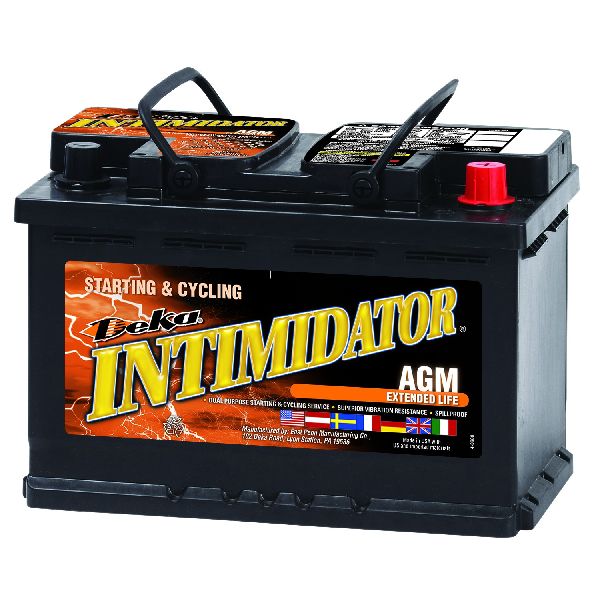
(OEM #88865934 (ACDelco Gold 94R Group Size, check application))— An aging battery is a frequent cause of low voltage conditions, especially in cold weather.
Trusted brands: ACDelco, Interstate, DieHard
OEM price range: $200-$350
Aftermarket price range: $150-$250 - Alternator
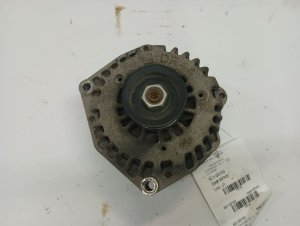
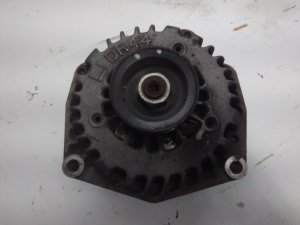
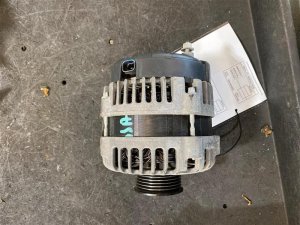
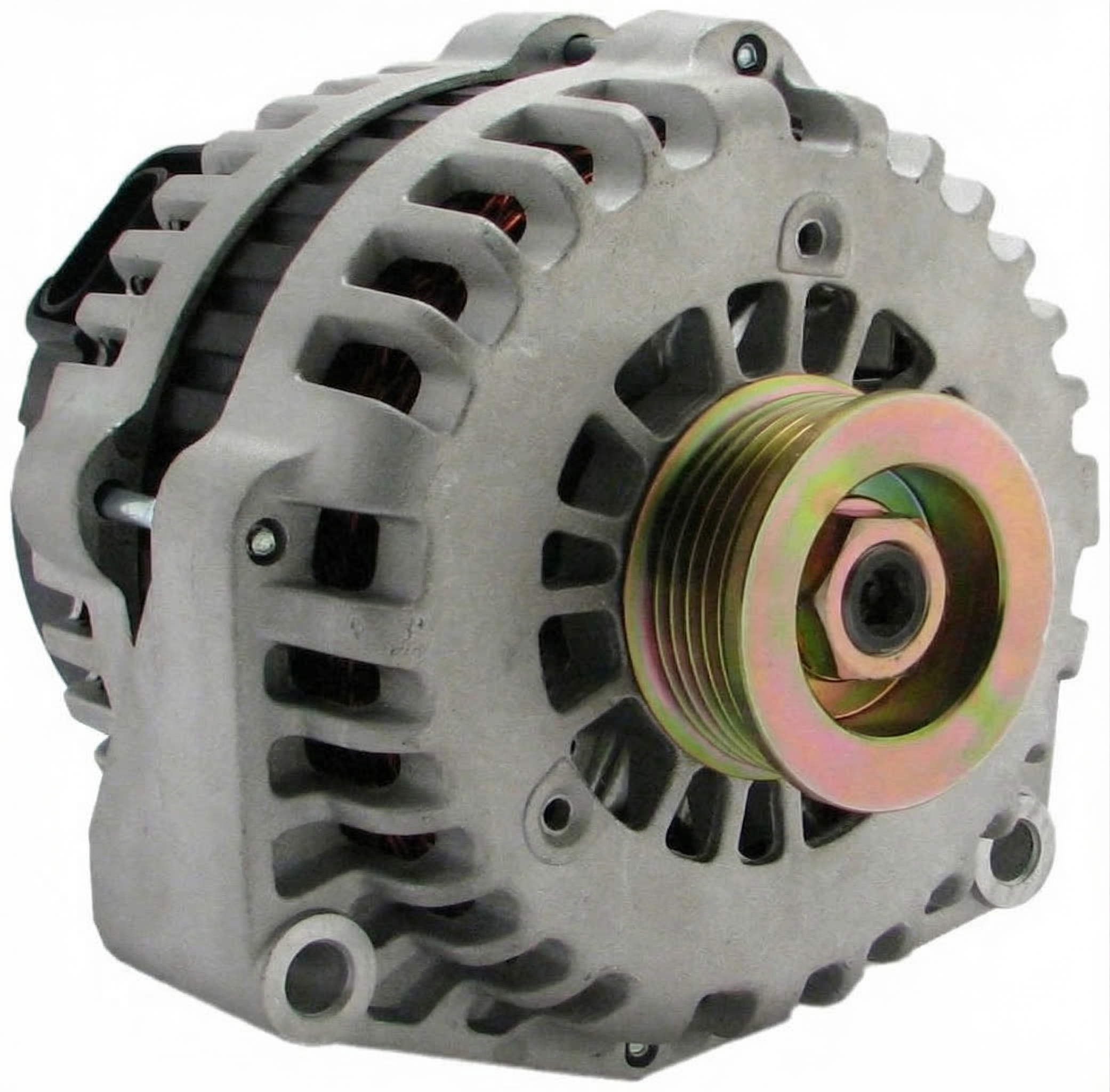
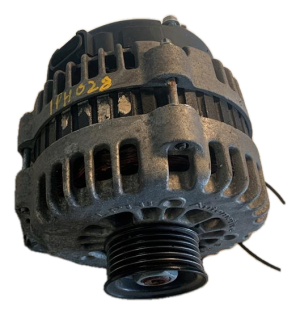
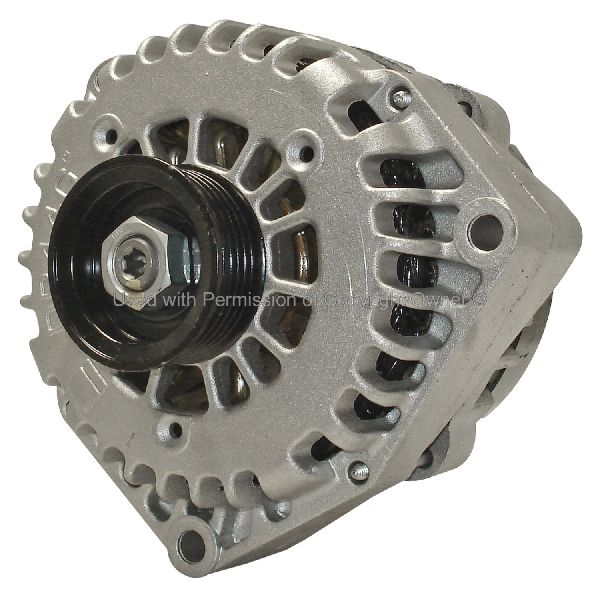
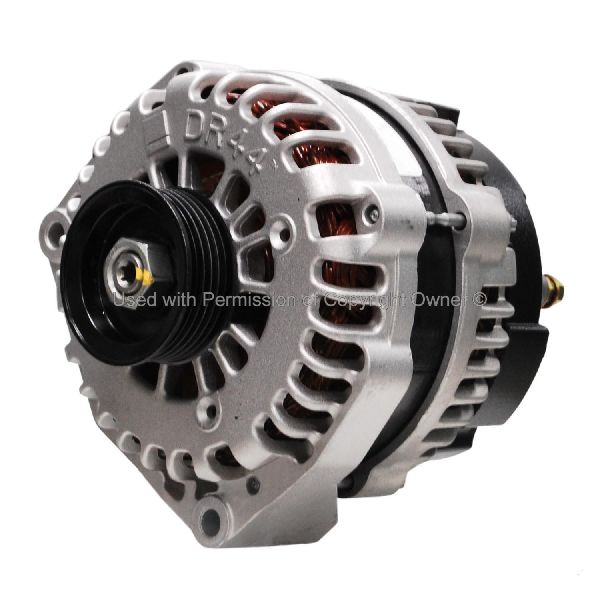
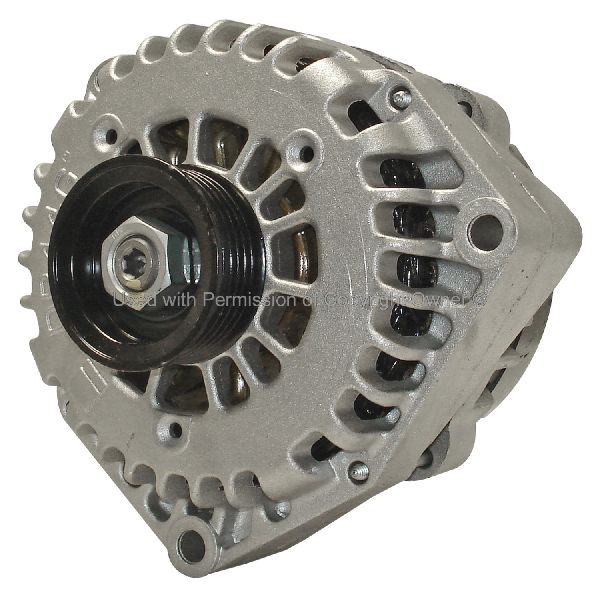
(OEM #22817848 (ACDelco 120/125 Amp), 25877026 (ACDelco 150 Amp), 335-1196 (ACDelco Gold). Part number varies by engine and options, always verify with VIN.)— If the code sets while driving and system voltage is low, the alternator's internal regulator or diodes may have failed.
Trusted brands: ACDelco, Denso, Bosch
OEM price range: $250-$500
Aftermarket price range: $200-$400
Related Codes That Often Appear With This One
- B1517 03: Battery Voltage Below Threshold - The most common variant, linked to cold starts and weak batteries.
- B1517 07: Battery Voltage Above Threshold - Indicates an overcharging condition, usually a failed alternator voltage regulator.
- B1517 5A: Battery Voltage Plausibility Failure - Points to a wiring issue, like a damaged battery current sensor wire or a difference of >2V between the BCM's two voltage sense circuits.
Technical Service Bulletins (TSBs) & Recalls
- PIT4813C: States that a low voltage reading and B1517 code after a cold start is normal on 6.6L diesel models due to high current draw from the intake air heater and glow plugs, and no repairs should be made.
- PIT5289A: Recommends a BCM calibration update for vehicles (specifically 2012-2014 Express/Savana in the bulletin, but the principle applies to Silverados with the same issue) that exhibit a 'Service Charging System' message or low voltage reading after a cold start due to sensitive software.
- PIC6439 (Referenced for other models): Notes that a damaged or loose small wire on the negative battery terminal (for the battery current sensor) can cause a B1517 5A code, especially after battery replacement.
Platform-Specific Known Issues
- A 'Service Charging System' message and B1517 code on cold starts is considered normal operation for diesel models and requires no repair, as documented in TSB PIT4813C.
- A known BCM software sensitivity issue can falsely trigger this code; the fix is a dealer-installed software update per TSB PIT5289A.
- The Regulated Voltage Control (RVC) system will intentionally lower system voltage to the 12.5-13.0V range during certain driving conditions to save fuel. This is normal and should not be misdiagnosed as a failing alternator.
Mechanic-Grade Diagnostic Values
- Regulated Voltage Control (RVC) PWM Signal — expected: 5-volt, 128 Hz signal with a duty cycle between 5-95%.. Failure: A duty cycle of 0-5% or 95-100% indicates a diagnostic fault.
- RVC Commanded Voltage vs. Duty Cycle — expected: Approx. 11.0V at 10%, 13.25V at 50%, 14.94V at 80%, 15.5V at 90%.. Failure: Actual alternator output does not match the commanded voltage.
- RVC 'Start Up Mode' Voltage — expected: System targets 14.5 volts for the first 30 seconds after engine start.. Failure: Voltage does not rise to ~14.5V shortly after starting.
- RVC 'Fuel Economy Mode' Voltage — expected: Can drop to ~13.0V when battery state of charge is >80% and electrical load is low.. Failure: This is normal operation and not a failure.
- Loaded Voltage Drop Test (Positive Battery Cable) — expected: Less than 100 mV.. Failure: A reading above 100 mV indicates high resistance in the positive cable or connections.
- Loaded Voltage Drop Test (Negative Battery Cable) — expected: Less than 200 mV.. Failure: A reading above 200 mV indicates high resistance in the negative cable or ground connections.
Scan Tool Commands That Help
- GDS2/Tech2: Monitor BCM Data Display PIDs — Use this to compare 'Battery Voltage' and 'Ignition 1 Voltage' PIDs within the BCM. A significant difference can point to an internal BCM fault or wiring issue. Also, compare the BCM's voltage reading to the ECM's voltage reading; a discrepancy indicates a problem in the wiring to one of the modules.
- Test Light and Multimeter: Manual Alternator Default Test — If the alternator is not charging and you suspect a control-side issue, disconnect the Generator Battery Control Module (GBCM), probe terminal D of the harness connector with a test light connected to B+, and start the engine. The alternator should default to a charge rate of 13.8V. If it does, the alternator is likely good and the problem is with the BCM or wiring.
Wiring & Ground Locations
- BCM (Body Control Module) — Under the driver's side of the dashboard, to the left of the steering column.. The BCM is the module that sets code B1517. It monitors multiple voltage circuits to determine system health.
- G103 — On the left rear of the engine compartment, on the cowl, above the brake booster.. This is a primary ground location for the BCM, Instrument Panel Cluster (IPC), and Data Link Connector (DLC). A poor connection here can cause erratic BCM behavior and false voltage readings.
- Battery Current Sensor Wire — A small black wire integrated into the negative battery terminal connector.. This wire sends battery current flow data to the BCM for the Regulated Voltage Control system. It is frequently damaged or left loose during battery replacement and is a primary cause of B1517 with symptom byte 5A.
- BCM Connector X2, Pins 2, 29, 30, 31 — At the BCM under the driver's dash.. These are the main battery positive voltage (RED/WHT wires) inputs to the BCM. A poor connection or corrosion at these specific pins can cause the BCM to read low voltage and set code B1517.
Real Owner Repair Stories
- LS1Tech Forum User (GM Truck with RVC system) — 'Service Charging System' message on DIC.
❌ Tried (didn't work) Replaced alternator with a new Delco Remy unit., Replaced battery., Replaced battery current sensor on the negative cable.
✅ What actually fixed it The issue was unresolved in the thread, but the critical next diagnostic step recommended was to use a scan tool to view the live voltage PIDs from the BCM, ECM, and other modules simultaneously. If the voltage readings do not match across modules, it points to a wiring or specific module fault, rather than a charging component failure. - Chevrolet Forum User (2007-2013 (GMT900) Truck) — Various electrical issues, concern over future problems.
❌ Tried (didn't work) N/A
✅ What actually fixed it The user performed preventative maintenance by locating, removing, cleaning all major ground connections (battery to engine, body to engine, frame ground), and reinstalling them with dielectric grease to prevent future corrosion, believing poor grounds to be the root cause of many unexplained electrical problems on these trucks.
OEM Part Supersession History
Varies by VIN→25835965 (Example)— BCMs are frequently updated by the manufacturer to correct hardware or software issues.
Heads up: A replacement BCM must be programmed with the vehicle's specific VIN and RPO codes. An unprogrammed or incorrectly programmed module will cause multiple vehicle systems (lights, windows, starting) to fail. Some companies sell pre-programmed modules.
Model Year Variations Within This Range
- 2007-2011: The Regulated Voltage Control (RVC) system may be controlled directly by the BCM or by a separate Generator Battery Control Module (GBCM), also known as a Battery Monitor Module, located on the negative battery cable. Diagnosis can differ slightly depending on which component is the primary controller for the alternator.
Helpful Videos

Used OEM Parts in Stock
New Aftermarket Parts Available


The information in this article is provided for general reference and educational purposes only. Vehicle specifications, procedures, and part compatibility can vary by production date, trim level, and region. Always consult your vehicle's factory service manual and verify part numbers before purchasing or performing repairs. Safety-critical components such as airbags, seat belts, and braking systems should be installed by a qualified professional.
- Chevrolet SILVERADO:
- 🧭 Diagnostic Flowchart
- 🎬 Helpful Videos
- 🛍️ Shop This Part
- What's Unique About the 2007-2011 Chevrolet SILVERADO
- Symptoms You May Notice
- Most Likely Causes
- Rare But Worth Checking
- Diagnosis Steps
- Parts You'll Likely Need
- Related Codes That Often Appear With This One
- Technical Service Bulletins (TSBs) & Recalls
- Platform-Specific Known Issues
- Mechanic-Grade Diagnostic Values
- Scan Tool Commands That Help
- Wiring & Ground Locations
- Real Owner Repair Stories
- OEM Part Supersession History
- Model Year Variations Within This Range
- 🎟️ Get 5% Off