

OBD-II Code B1533: Headlamp Switch Failure or Memory Switch Short
The Ultimate Guide to What B1533 Means, Why It Triggers, and How to Fix It
- On 2018+ Ford and Lincoln vehicles, code B1533 guarantees a failed headlamp switch requiring a $45-$90 OEM replacement.
- The most common symptom is 'ghost lights'—headlights turning on automatically while parked—which will destroy your 12V battery within weeks.
- For GM and Hyundai vehicles, B1533 indicates a shorted 'Memory 1' seat switch, often fixable with a 10-second fuse reset or a $50 part.
- Replacing the Ford headlamp switch is a beginner-friendly DIY repair taking under 15 minutes using only a plastic trim removal tool.
- While mechanically safe to drive, ignoring B1533 costs an average of $250 in premature battery replacement and towing fees.
What Does B1533 Mean?
Code B1533 indicates the Body Control Module (BCM) detects an electrical fault in a specific switch circuit. On 2018+ Ford and Lincoln vehicles, it means the Headlamp Switch Module has stopped communicating on the LIN bus, forcing the BCM to turn the headlights on as a fail-safe. On General Motors and Hyundai vehicles, B1533 means 'Memory 1 Switch Circuit Short To Battery,' indicating the driver's seat memory button is electrically stuck 'on'. On Audi models, it signifies an open circuit in the GSM emergency antenna.
Technical definition: The SAE standard definition for B1533 is 'Memory 1 Switch Circuit Short To Battery.' However, Ford redefines this code for 2018+ models as a Headlamp Switch Circuit Fault. Ford often appends a failure type byte, such as B1533:13 (Open Circuit) or B1533:08 (Signal Message Failure), confirming total communication loss with the switch module.
Can I Drive With B1533?
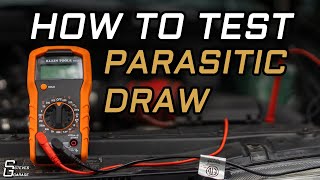
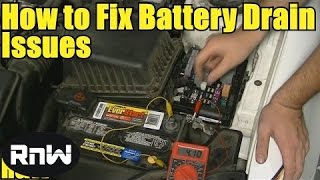
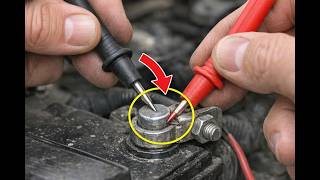
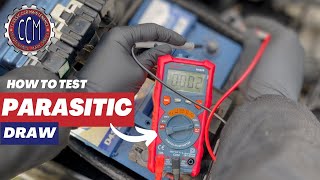
Yes, But With Caution. Yes, the vehicle is mechanically safe to drive. However, the malfunctioning switch creates a severe parasitic drain. 🎬 Watch: The easiest way to test for parasitic battery drain. This will kill your 12V battery while parked, leaving you stranded and causing $150-$400 in premature battery replacement costs.
Common Causes
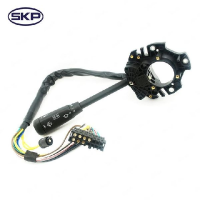
- Faulty Headlamp Switch Assembly (Ford/Lincoln) (Very Common) — The internal electronics of the headlamp switch fail, causing a communication loss on the LIN bus. Ford has issued dozens of Technical Service Bulletins (TSBs) acknowledging this widespread component defect on 2018+ models.
- Stuck or Shorted Memory 1 Switch (GM/Hyundai) (Common) — The driver's door button for recalling seat and mirror positions is physically stuck or has an internal short circuit, sending a constant 12V signal to the module.
- Low or Failing 12V Battery (Uncommon) — A weak battery causes system-wide low voltage, triggering erratic communication and spurious codes from various modules. A failing battery is often the result of the parasitic drain from a bad switch, but it can also be the root cause.
- Damaged Wiring Harness or Connector (Rare) — The signal wire from the switch has rubbed through its insulation, shorting to power or ground, or the connector pins are corroded from moisture intrusion.
- Module Software Glitch (GM) (Rare) — In some GM vehicles, a logic flaw in the Memory Seat Module causes it to freeze and log a B1533 code. This requires a software re-flash per a TSB, not a physical part replacement.
- Faulty GSM Antenna Circuit (Audi) (Very Rare) — On specific Audi models (like the A4/A5), B1533:13 signifies an open circuit in the 'GSM antenna 2' used for emergency call services, completely unrelated to lighting or seats.
Symptoms
- Headlights Turn On While Parked ('Ghost Lights') — The most obvious symptom on Fords is finding your headlights or parking lights on minutes or hours after the vehicle is locked and asleep.
- Dead 12V Battery — The parasitic drain from the lights turning on randomly depletes the battery, resulting in a no-start condition.
- Unresponsive Headlight Switch — The headlight control dial feels 'asleep' and does not respond when turned. Cycling the switch back and forth several times is required to get a response.
- Memory Seat/Mirror Function Inoperative — On GM/Hyundai vehicles, you cannot save or recall preferred seat and mirror positions using the door panel buttons. 🎬 See how to reset and program your memory seat functions.
- Dashboard Warning Message (also visible on scanner) — A 'Headlamp System Fault' or 'SOS Emergency Call Malfunction' (Audi) message appears on the instrument cluster.
Diagnostic Flowchart
Tap your situation to follow the diagnostic path that matches what you're seeing on this code.
Common Fixes & Costs
- Replace Headlamp Switch — Parts: $45-$90, Labor: $50-$75, ~0.5 hr book time (DIY)
- Replace Memory Seat/Mirror Switch — Parts: $40-$60, Labor: $120-$180, ~1.0 hr book time (Intermediate)
- Replace 12V Battery (Consequential Fix) — Parts: $150-$250, Labor: $50-$100, ~0.5 hr book time (DIY)
- Reprogram Memory Seat Module (GM) — Parts: $0, Labor: $100-$150, ~1.0 hr book time (Professional)
- Repair Damaged Wiring — Parts: $5-$20, Labor: $150-$400, ~2.0 hr book time (Professional)
DIY vs Professional
- Replace Headlamp Switch (Ford) 🟢 Beginner
Tools: Plastic trim removal tool. - Replace Memory Seat Switch (GM/Hyundai) 🟢 Beginner
Tools: Trim removal tools, socket set. - Reprogram Module 🟢 Beginner
Tools: Advanced diagnostic scan tool with J2534 pass-through programming. - Repair Damaged Wiring 🟢 Beginner
Tools: Wire strippers, soldering iron, heat shrink, multimeter.
Used vs. New Parts: Buying Guide
When a used part is worth it: Never buy a used Ford headlamp switch. The issue is a widespread component defect; a used part from a donor vehicle has the exact same flaw and will fail again.
Donor-vehicle mileage cap: roughly under 10000 miles for the part to have meaningful remaining life.
Donor quality checklist:
- Only consider a used part for GM memory switches, ensuring the part number matches exactly.
Decision logic:
- If The fault is the common Ford headlamp switch issue → Buy a new OEM (Motorcraft) part with the latest superseded part number.
- If The fault is a GM memory switch on an older vehicle → A used switch assembly from a reputable recycler is a reasonable choice.
Warranty tradeoff: Used parts have 30-90 day warranties, which is too short for intermittent electrical faults. New OEM parts offer 1-year to limited lifetime warranties.
Worst-case if a used part fails: $150 if a used part fails after install, requiring you to repeat the labor and buy a new part.
What Happens If You Wait — Timeline
- 0-2 Weeks: First 'ghost lights' event occurs. The B1533 code is stored. The battery struggles slightly on cold mornings but starts the car. (MPG impact: 0%% · Added cost: $0)
- 2 Weeks - 2 Months: Parasitic drain happens frequently. The owner experiences the first no-start condition. Repeated discharge causes irreversible sulfation inside the battery. (MPG impact: 0%% · Added cost: $75-$150)
- 2-4 Months: The battery is permanently damaged and dies overnight. The alternator is under constant, heavy strain trying to recharge the dead battery. (MPG impact: 0-1%% · Added cost: $150-$250)
- 4+ Months: Cascading failures begin. Chronic low voltage and high load destroy the alternator. Other modules malfunction due to unstable system voltage. (MPG impact: 0-2%% · Added cost: $500-$800)
Cost of Not Fixing It
- Immediate (1-7 Days): Stranded with a dead battery due to parasitic drain. (Added cost: $75-$150)
- Short-Term (1-3 Months): Permanent battery damage. Repeated deep-discharge cycles cause sulfation, ruining the battery's ability to hold a charge. (Added cost: $150-$250)
- Long-Term (3+ Months): Alternator strain. Constantly recharging a severely depleted battery destroys the alternator. (Added cost: $500-$800)
Diagnosis Steps
- Verify the Code and Check for TSBs
Use a BCM-capable OBD-II scanner to confirm B1533. Search online for your vehicle's year, model, and 'B1533 TSB'. A matching TSB (e.g., Ford TSB 23-2266) provides a definitive diagnosis.
Tools: OBD-II Scanner (BCM capable), Internet access (Beginner) - Observe for 'Ghost Lights'
Park and lock the car, then watch it for 15-20 minutes. If the headlights turn on automatically and you own a Ford, the headlamp switch is the guaranteed cause. Skip to replacement.
Tools: None (Beginner) - Functional Test of the Suspect Switch
Cycle the headlamp switch through all positions to check for lag. For GM/Hyundai, press all memory buttons ('1', '2', 'Set') to ensure they click and are not physically jammed.
Tools: None (Beginner) - Inspect Switch Connector and Wiring
Remove the trim panel around the suspect switch. Unplug the connector and inspect the pins for corrosion, melting, or bent terminals. Check nearby wiring for chafed insulation.
Tools: Plastic trim removal tools, Flashlight (Intermediate) - Test Memory Switch Circuit (Non-Ford)
Use a multimeter to test the signal wire at the memory switch connector. With the button unpressed, voltage should be 0V or 5V. If it shows constant 12V battery voltage, the switch is internally shorted.
Tools: Multimeter, Vehicle-specific wiring diagram (Intermediate) - Test LIN Bus Voltage (Ford)
Set a multimeter to DC Volts. Back-probe the LIN bus wire at the headlamp switch connector. With the vehicle on, voltage must rapidly toggle between ~1V and ~12V. A steady 0V or 12V confirms the switch is dead.
Tools: Multimeter with back-probe pins (Advanced) - Analyze Live Data PIDs
Using a bi-directional scan tool, monitor the 'Headlamp Switch Position' PID. Cycle the physical switch. If the scan tool value is stuck or erratic, the switch or circuit has failed.
Tools: Bi-directional Scan Tool (Advanced) - Perform LIN New Module Initialization
After replacing a Ford headlamp switch, use a high-end scan tool to run the 'LIN New Module Initialization' procedure. This forces the BCM to recognize the new part.
Tools: Bi-directional Scan Tool (e.g., FORScan, Autel) (Professional)
When This Code Triggers (Freeze-Frame Conditions)
- Battery Voltage: 10.5V - 12.0V (During parasitic drain event while parked)
- Ignition Status: Off (Fault occurs when the vehicle is parked and locked)
- Module State: Asleep or Offline (The BCM logs the fault when the switch module fails to respond on the LIN bus)
Related Codes
- B1533:13-0A — Ford-specific suffix for 'Open Circuit.' Confirms the BCM has completely lost connection to the headlamp switch module.
- B1533:08-08 — Ford-specific suffix for 'Signal Message Failure.' Indicates invalid data from the headlamp switch. The fix remains replacing the switch.
- B1534 — 'Memory 1 Switch Circuit Short To Ground.' The direct opposite of B1533. Indicates the signal wire is shorted to the chassis, not to battery voltage.
- U024B — 'Lost Communication With Seat Control Module G'. Suggests a broader network or power failure with the entire seat module, rather than just the memory switch.
Climate & Environmental Factors
- Thermal Cycling: Repeated expansion and contraction of electronic components accelerates failure in parts with manufacturing defects, like the Ford headlamp switch.
- High Humidity: Moisture causes corrosion on connector pins or in damaged wiring harnesses, leading to open or shorted circuits.
- Cold Weather: Cold temperatures cause materials to contract, exposing intermittent connections in already-failing wiring or switches.
How to Talk to a Mechanic About This Code
Say this: "For a Ford: 'I have a B1533 code and my headlights turn on by themselves. Please quote replacing the headlamp switch with the updated OEM part and performing the LIN initialization.' For GM: 'I have a B1533 code and the memory seat isn't working. Can you check for TSB 21-NA-131 for a software update before replacing parts?'"
This directs the technician to the most likely fix, prevents costly open-ended diagnostics, and protects you from buying an unnecessary battery or BCM.
Avoid saying:
- 'My lights are acting weird.'
- 'My battery keeps dying, I need a new one.'
- 'Just fix the B1533 code.'
Questions to ask before authorizing the repair:
- Are you using the most recently superseded OEM part number for the switch?
- Does your estimate include the 'LIN New Module Initialization' procedure?
- If you believe it's not the switch, can you show me the parasitic draw test proving it?
Where to Take It: Dealer vs Independent vs Chain
- Dealer:
Best for warranty work or niche GM/Audi software issues. Too expensive for an out-of-warranty Ford switch replacement.
Best for: Vehicles under bumper-to-bumper warranty., Complex, brand-specific issues like the GM software flash or Audi antenna circuit fault.
Downsides: Significantly higher labor rates and parts costs for out-of-warranty repairs. (Typical cost: +40% vs. baseline) - Independent Shop:
The best fit for the Ford headlamp switch issue. They perform this TSB-guided repair for significantly less than a dealer.
Best for: Out-of-warranty Ford/Lincoln vehicles with the common headlamp switch failure.
Downsides: May lack the dealer-level scan tool required for the 'LIN New Module Initialization'. (Typical cost: +0% vs. baseline) - Chain Shop:
Avoid for diagnosing B1533. The brand-specific nature of this code requires more expertise.
Best for: Battery replacement (only AFTER the root cause is fixed).
Downsides: High pressure to upsell batteries while failing to fix the underlying parasitic drain. (Typical cost: -10% vs. baseline)
When to Walk Away From the Repair
If the estimated repair cost exceeds 40-50% of the car's current private-party value, consider selling the car as-is.
- Car worth $17000, fix is $150: Fix it. The repair cost for the Ford headlamp switch is trivial compared to the vehicle's value.
- Car worth $4000, fix is $1800: Walk away. If an older GM vehicle is misdiagnosed as needing a full wiring harness or BCM, the cost approaches the vehicle's value.
What Scan Tool You Need for This Code
Minimum: A scanner that reads Body Control Module (BCM) codes. Basic engine-only readers will NOT see B1533.
A $20 OBD-II reader only communicates with the Engine Control Unit. B1533 is stored in the BCM.
Budget: FORScan with OBDLink EX adapter (~$60) — The most powerful DIY option for Ford owners. Reads BCM codes and performs the required 'LIN New Module Initialization'.
Mid-range: BlueDriver Pro (~$100) — Reads BCM codes on major brands to confirm B1533. It cannot perform the 'LIN New Module Initialization'.
Professional: Autel MaxiCOM MK808S (~$400) — Full-system, bi-directional tool. Reads BCM codes, graphs live data, and performs the 'LIN New Module Initialization'.
Rent vs buy: Buying a FORScan adapter is mandatory for Ford owners doing this DIY fix. Auto parts stores scan BCM codes for free but cannot perform the initialization.
How to Clear the Code After You Fix It
- Replace the faulty component (e.g., headlamp switch).
- Use a BCM-capable OBD-II scan tool to clear the B1533 code.
- For Ford/Lincoln, perform a 'LIN New Module Initialization' using a bi-directional scan tool.
- Cycle the ignition and test all functions of the new part.
Drive cycle (~15 minutes): A specific drive cycle is not required to clear a B-code. If you disconnected the battery, a 15-minute drive helps the battery management system relearn.
Readiness monitors affected: None directly by code B1533., All monitors reset if the battery is disconnected.
Watch out for:
- Clearing the code without replacing the faulty part causes the code to return immediately.
- Skipping the 'LIN New Module Initialization' on Fords causes the new switch to remain unresponsive.
- Disconnecting the battery to clear the code resets readiness monitors, causing an automatic emissions test failure.
Will This Fail Emissions / State Inspection?
No — by itself this code doesn't fail OBD inspection (but it can keep readiness monitors from setting, which causes a separate fail).
- California: A 'B' (Body) code does not illuminate the Check Engine Light and will not cause a smog failure. However, disconnecting the battery to manage the drain resets OBD readiness monitors, resulting in an automatic test failure.
- New York: NYS inspection scans for codes that turn on the MIL. B1533 will not cause a failure. A disconnected battery will reset readiness monitors and fail the test.
- Texas: A B-code will not cause a failure. A 'Not Ready' status due to a recent battery disconnect prevents the test from passing.
Most Commonly Affected Vehicles
- Ford Explorer (2020-2023) — Extremely common. Addressed by TSB 23-2266. Fix is replacing the headlamp switch.
- Lincoln Aviator (2020-2023) — Platform-mate to the Explorer, suffers the exact same headlamp switch failure.
- Ford F-150 (2021-2023) — Addressed in TSB SSM 51356. Requires updated headlamp switch.
- Ford Bronco & Bronco Sport (2021-2023) — TSB SSM 50842 instructs technicians to replace the switch with an updated part.
- Ford Maverick (2022-2023) — Affected by the defective headlamp switch causing parasitic drain.
- Ford Mustang Mach-E (2021-2023) — TSBs SSM 50869 and SSM 51696 confirm the switch defect.
- Chevrolet / GMC Silverado / Sierra / Tahoe (2014-2021) — B1533 points to the 'Memory 1 Switch'. Diagnosis must rule out a known software glitch (TSB PI1103C) before replacing parts.
- Audi A4 / A5 (2018-2019) — B1533:13 indicates 'GSM antenna 2 Open circuit,' related to the emergency call system. Requires diagnosing FAKRA coaxial connectors.
Manufacturer-Specific Notes
- Ford / Lincoln: On any 2018+ model, if you have code B1533 and your headlights turn on by themselves, stop diagnosing and replace the headlamp switch. It is the cause in over 95% of cases.
- General Motors: A software glitch in the memory seat module causes it to become unresponsive, mimicking a switch failure. TSB 21-NA-131 advises dealers to reprogram the module before replacing parts.
- Audi: Audi uses B1533 for the eCall/SOS system. Code B1533:13 refers to an 'Open Circuit' fault with the 'GSM antenna 2', requiring diagnosis of coaxial cables under the rear seat.
Real Owner Stories
2022 Ford Maverick with 15K miles
Headlights stayed on after parking, auto high-beams stopped working, and the battery died.
What they tried:
- Ignored the issue until the battery died.
- Took the vehicle to the dealership.
Outcome: The dealer identified B1533 and found Ford SSM 51299. They replaced the faulty headlamp switch under warranty, resolving all symptoms.
Lesson: Don't wait for the battery to die. 'Ghost lights' guarantee a faulty headlamp switch covered by TSBs.
2014 Chevrolet Silverado with 100K miles
Driver's power seat and memory functions suddenly stopped working.
What they tried:
- Checked fuses.
- Scanned for codes and found B1533.
- Found GM TSB PI1103C suggesting a software update.
Outcome: The owner disconnected the module fuse for 10 seconds to reset it, then had a shop reprogram the module. This restored all functions without replacing parts.
Lesson: On GM vehicles, B1533 is often a software glitch. Always check TSBs before replacing parts.
2018 Audi A4
A yellow 'SOS Emergency Call Malfunction' warning appeared on the dash.
What they tried:
- Scanned with OBDeleven and found B1533:13 in the Multimedia module.
Outcome: Audi TSB 91 19 54 confirmed the code is caused by a poor FAKRA connector on the eCall antenna. The repair required replacing the coaxial wire.
Lesson: Code definitions vary wildly by brand. On Audi, B1533 points to telematics wiring, not lights or seats.
How to Prevent This Code From Triggering
- Keep Battery Terminals Clean (Every 6 months) — Corrosion increases electrical resistance, leading to unstable voltage supply to sensitive modules and triggering communication faults.
- Address Water Leaks Promptly (As needed) — Moisture from windshield or sunroof leaks reaches connectors, causing corrosion and short circuits that manifest as B1533.
- Use a Battery Tender for Storage (When parking for 2+ weeks) — Prevents the battery from deep-discharging, which permanently damages it and causes low-voltage conditions that trigger spurious error codes.
Frequently Asked Questions
Can I fix code B1533 myself?
Yes. Replacing the Ford headlamp switch is a 15-minute DIY job requiring only a plastic trim tool. GM memory switch replacements require basic door panel removal skills.
Will my battery die if I don't fix this?
Yes. The parasitic drain from the headlights turning on will repeatedly discharge your battery. This leaves you stranded and permanently destroys the battery's charge capacity.
What does the ':13' or ':08' mean after the Ford code?
These are Failure Type Bytes. ':13' means 'Open Circuit,' and ':08' means 'Signal Message Failure.' Both confirm the BCM lost the signal from the headlamp switch, requiring replacement.
I replaced the headlamp switch, but the problem came back. What now?
You likely skipped the software initialization. Many modern Fords require a 'LIN New Module Initialization' using a bi-directional scan tool to force the BCM to recognize the new switch.
Is this problem covered under warranty?
Yes, if your vehicle is within its original bumper-to-bumper warranty. Dealerships are highly familiar with the Ford TSBs for this issue, though no active safety recall exists.
Is there a temporary fix to stop my battery from dying?
Manually turning the switch to the full 'Off' position instead of 'Auto' sometimes prevents the drain. Disconnecting the negative battery terminal when parked guarantees the battery survives until you replace the switch.
Key Takeaways
- On 2018+ Ford and Lincoln vehicles, code B1533 guarantees a failed headlamp switch requiring a $45-$90 OEM replacement.
- The most common symptom is 'ghost lights'—headlights turning on automatically while parked—which will destroy your 12V battery within weeks.
- For GM and Hyundai vehicles, B1533 indicates a shorted 'Memory 1' seat switch, often fixable with a 10-second fuse reset or a $50 part.
- Replacing the Ford headlamp switch is a beginner-friendly DIY repair taking under 15 minutes using only a plastic trim removal tool.
- While mechanically safe to drive, ignoring B1533 costs an average of $250 in premature battery replacement and towing fees.
Helpful Videos

Shop the Parts Behind B1533
Below are the parts most often responsible for code B1533, ranked by how frequently each one is the actual culprit (per the diagnosis above). Tap any to see what we have for your vehicle.


The information in this article is provided for general reference and educational purposes only. Vehicle specifications, procedures, and part compatibility can vary by production date, trim level, and region. Always consult your vehicle's factory service manual and verify part numbers before purchasing or performing repairs. Safety-critical components such as airbags, seat belts, and braking systems should be installed by a qualified professional.
- 🧭 Diagnostic Flowchart
- 🎬 Helpful Videos
- 🛍️ Shop This Part
- What Does B1533 Mean?
- Can I Drive With B1533?
- Common Causes
- Symptoms
- Common Fixes & Costs
- DIY vs Professional
- Used vs. New Parts: Buying Guide
- What Happens If You Wait — Timeline
- Cost of Not Fixing It
- Diagnosis Steps
- When This Code Triggers (Freeze-Frame Conditions)
- Related Codes
- Climate & Environmental Factors
- How to Talk to a Mechanic About This Code
- Where to Take It: Dealer vs Independent vs Chain
- When to Walk Away From the Repair
- What Scan Tool You Need for This Code
- How to Clear the Code After You Fix It
- Will This Fail Emissions / State Inspection?
- Most Commonly Affected Vehicles
- Manufacturer-Specific Notes
- Real Owner Stories
- 2022 Ford Maverick with 15K miles
- 2014 Chevrolet Silverado with 100K miles
- 2018 Audi A4
- How to Prevent This Code From Triggering
- Frequently Asked Questions
- Can I fix code B1533 myself?
- Will my battery die if I don't fix this?
- What does the ':13' or ':08' mean after the Ford code?
- I replaced the headlamp switch, but the problem came back. What now?
- Is this problem covered under warranty?
- Is there a temporary fix to stop my battery from dying?
- Key Takeaways
- 🎟️ Get 5% Off