

OBD-II Code B1572: Immobilizer System Communication Failure
What B1572 means, why it triggers, and how to fix it
- Code B1572 indicates a critical anti-theft system failure that disables your engine, leaving you stranded with a no-start or start-and-stall condition.
- Before replacing expensive computers, inspect the vehicle for the 3 most common culprits: corroded ground wires, damaged connectors, or interference from aftermarket remote starters.
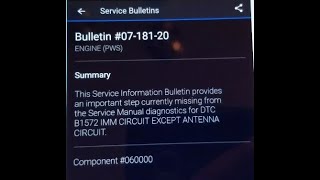
- Subaru Legacy and Outback owners (2017-2019) must reference TSB 07-181-20, which identifies faulty engine-to-chassis ground wires as the primary cause of this code.
- Never replace a $500+ Body Control Module (BCM) or Engine Control Module (ECM) without first performing a voltage drop test on the main ground straps to rule out a $20 wiring fix.
What Does B1572 Mean?
B1572 indicates a communication breakdown between your car's main computer (Engine Control Module or ECM) and the immobilizer system. The immobilizer is a crucial anti-theft feature ensuring only a correctly programmed key starts the vehicle. When this communication link fails, the immobilizer instructs the ECM to disable the engine by cutting fuel or spark to prevent unauthorized use.
Technical definition: The official SAE/ISO definition for code B1572 varies by manufacturer but primarily indicates a communication malfunction within the vehicle's immobilizer system. On Toyota vehicles, it defines a communication problem between the ECM and the ID code box or certification ECU. On Subaru vehicles, it is defined as "IMM Circuit Except Antenna Circuit," indicating a failure in the communication line between the immobilizer control unit and the ECM, excluding the key's transponder pickup antenna.
🎬 Watch: A detailed breakdown of the Subaru B1572 circuit fault.Can I Drive With B1572?
No — Do Not Drive. This code signifies a critical failure in your car's anti-theft system. The immobilizer cannot authenticate your key, resulting in a no-start condition or an engine that starts and immediately stalls. Attempting to drive is impossible as the vehicle disables itself, leaving you stranded.
Common Causes
- Poor or Corroded Ground Wires (Very Common) — Immobilizer modules require a stable ground connection. Over time, engine and chassis ground wires corrode or loosen, interrupting communication. This is a heavily documented issue on Subaru models, often involving grounds on a fuel rail shield or under the intake manifold.
- Low Battery Voltage (Common) — A weak vehicle battery causes unpredictable behavior in electronic modules. Low voltage leads to communication dropouts between the immobilizer and ECM during the critical startup sequence, triggering B1572.
- Aftermarket Accessories or Modifications (Common) — Improperly installed aftermarket remote starters, alarms, or head units interfere with the factory immobilizer system. If an audio system shares a ground bus with the immobilizer, a poorly wired harness introduces electrical noise and triggers this code.
- Damaged Wiring or Connectors (Less Common) — Data wires connecting the immobilizer ECU, key detection antenna, and the main engine computer fray, short, or disconnect due to engine vibrations, previous repairs, or rodent activity.
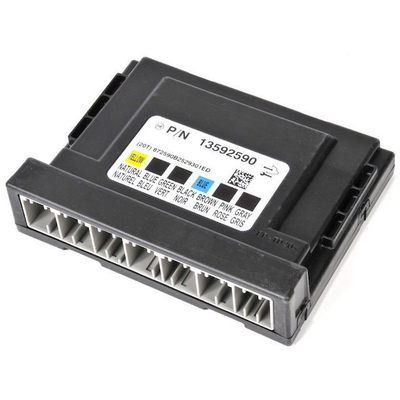
- Faulty Immobilizer ECU or Body Control Module (BCM) (Less Common) — The dedicated computer module managing the key's security handshake (or the BCM, if integrated) fails internally, disrupting the entire anti-theft system.
- Radio Frequency Interference (RFI) (Rare) — Strong external radio signals or metallic objects near the ignition key disrupt the low-frequency signal between the key's transponder and the car's antenna. Other transponder keys on the same keychain cause interference.
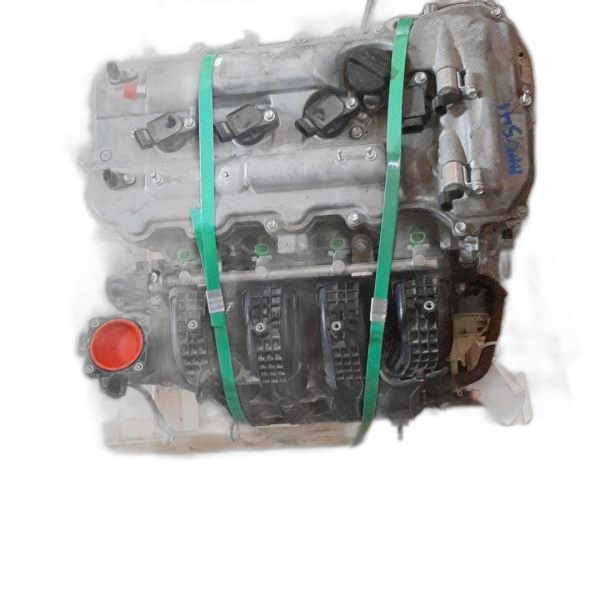
- Defective Engine Control Module (ECM) (Rare) — The main engine computer develops an internal fault preventing it from communicating with the immobilizer network.
Symptoms
- Flashing security or key light — The anti-theft or security light on the dashboard blinks rapidly to indicate a fault within the immobilizer system.
- Remote start disabled — Factory or aftermarket remote start systems disable themselves as a fail-safe when an immobilizer fault is present.
- Engine cranks but will not start (also visible on scanner) — The starter motor turns the engine over, but it never fires up because the ECM disables fuel and spark.
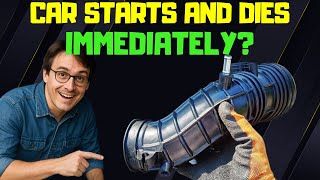
- Engine starts and immediately stalls (also visible on scanner) — The engine runs for 1-2 seconds before the immobilizer cuts it off. This is the classic symptom of anti-theft system activation. 🎬 See why your car starts then dies and how to fix it.
Diagnostic Flowchart
Tap your situation to follow the diagnostic path that matches what you're seeing on this code.
Common Fixes & Costs
- Clean or Replace Ground Wires — Parts: $5-$30, Labor: $100-$250, ~1.5 hr book time (Intermediate)
- Remove Aftermarket Accessories — Parts: $0, Labor: $150-$400, ~2 hr book time (Professional)
- Replace and Program a New Key — Parts: $150-$300, Labor: $100-$200, ~1 hr book time (Professional)
- Repair Damaged Wiring or Connectors — Parts: $10-$50, Labor: $200-$700, ~3 hr book time (Professional)
- Replace the Body Control Module (BCM) / Immobilizer ECU — Parts: $200-$700, Labor: $200-$500, ~2.5 hr book time (Professional)
DIY vs Professional
- Clean or Replace Ground Wires 🟢 Beginner
Tools: Socket set, wire brush, sandpaper, dielectric grease, multimeter. - Repair Damaged Wiring or Connectors 🟢 Beginner
Tools: Soldering iron, heat shrink tubing, wire strippers, multimeter, vehicle-specific wiring diagrams. - Replace the Body Control Module (BCM) / Immobilizer ECU 🟢 Beginner
Tools: Socket set, trim removal tools, manufacturer-specific scan tool for programming. - Replace and Program a New Key 🟢 Beginner
Tools: Specialized key cutting and programming tools used by automotive locksmiths or dealerships.
Used vs. New Parts: Buying Guide
When a used part is worth it: For a Body Control Module (BCM) or Immobilizer ECU, a used part makes sense if the vehicle is older (over 7 years or 100k miles), the budget is tight, and you source one from a reputable seller offering a warranty. You must match part numbers exactly.
Donor-vehicle mileage cap: roughly under 100000 miles for the part to have meaningful remaining life.
Donor quality checklist:
- Purchase from a reputable auto recycler with a 90-day minimum warranty.
- Verify the donor vehicle was not scrapped due to flood, fire, or major electrical issues.
- Ensure the part number is an exact match. Incompatible modules will not work.
- Physically inspect the used module for corrosion, water damage, or physical tampering before installation.
Decision logic:
- If The fix is a simple ground wire or connector. → Always use new, inexpensive materials for the repair.
- If The vehicle is less than 5 years old or under warranty. → Use a new OEM module to ensure compatibility and preserve any remaining warranty.
- If The vehicle is over 10 years old and the new OEM part is over $700. → A used or remanufactured module is a reasonable choice, provided professional installation and programming are available.
Warranty tradeoff: Used parts typically come with a 30-90 day warranty. Remanufactured modules offer a 1-year to lifetime warranty. New OEM parts carry the manufacturer's standard 1-year warranty.
Worst-case if a used part fails: $300-800 if a used module is dead on arrival, requiring repeat labor for removal, re-installation, and reprogramming.
What Happens If You Wait — Timeline
- First Occurrence (Intermittent): The car fails to start once unexpectedly, then works fine for days or weeks. A flashing security light is noticed. A stored B1572 code is found with an advanced scanner. (MPG impact: 0%% · Added cost: $0)
- 1-8 Weeks (Increasing Frequency): The no-start or start-and-stall issue becomes frequent. The driver is stranded for short periods. Repeatedly trying to start the car puts strain on the starter motor and battery. (MPG impact: 0%% · Added cost: $75-$250 for a potential tow, plus the risk of premature starter wear.)
- 2-4 Months (High Unreliability & Misdiagnosis): The car is highly unreliable, failing to start more often than it works. This leads to misdiagnosis, where owners or shops replace the battery or starter motor unnecessarily. (MPG impact: 0%% · Added cost: $300-$800 in wasted diagnostic time and unnecessary parts.)
- 4+ Months (Hard Failure & Compounded Damage): The intermittent connection fails completely, resulting in a permanent no-start condition. If the root cause was a bad ground, the high-resistance connection generates heat, melting nearby connectors or wiring insulation. (MPG impact: 0%% · Added cost: $500-$1500+. The cost includes the original fix plus additional labor and parts to repair wiring damaged by the initial fault.)
Cost of Not Fixing It
- Immediate: Vehicle will not start or starts and immediately stalls, leaving the driver stranded. This is the primary consequence. (Added cost: $75-$250 for a tow to a repair shop.)
- 1-30 Days (Intermittent Fault): Repeatedly trying to start the vehicle during an intermittent failure puts excessive strain on the starter motor, causing it to overheat and fail prematurely. (Added cost: $300-$600 for starter motor replacement.)
- Ongoing: Continued intermittent starting problems cause extreme unreliability and lead to misdiagnosis where parts like the battery or starter are replaced unnecessarily. (Added cost: $200-$800 in unnecessary parts and diagnostic labor.)
Diagnosis Steps
- Inspect Battery and Ground Connections
Ensure the battery has a full charge (12.4V+ with engine off) and terminals are clean. Visually inspect and physically check the main engine-to-chassis ground straps. On Subarus, a corroded or loose ground wire is the most common culprit.
Tools: Digital Multimeter, Socket set, wire brush (Beginner) - Try a Different Key and Check for Interference
Attempt to start the vehicle with a known-good spare key to rule out a faulty transponder chip. Remove the primary key from large keychains and separate it from other transponder keys to eliminate Radio Frequency Interference (RFI).
Tools: Spare car key (Beginner) - Check for Other Trouble Codes
Scan all vehicle modules (Engine, Body, Immobilizer). Subaru issued a service bulletin (07-181-20) advising technicians to diagnose other immobilizer DTCs first to prevent unnecessary parts replacement.
Tools: OBD-II Scanner (Advanced) (Beginner) - Check for Technical Service Bulletins (TSBs)
Search for TSBs related to B1572 for your specific vehicle. Subaru's TSB 07-181-20 points directly to faulty ground wires on 2017-2019 Legacy and Outback models, providing a direct path to the solution.
Tools: Internet access (Intermediate) - Visually Inspect the Wiring Harness
Inspect wiring connected to the ECM, BCM, and steering column. Look for chafing, melting, rodent damage, or poor connections from aftermarket installations.
Tools: Flashlight, inspection mirror (Intermediate) - Perform a Voltage Drop Test on Ground Wires
Connect the black lead of a multimeter to the negative battery post. Probe the suspect ground point on the engine block or chassis with the red lead while an assistant cranks the engine. A reading over 0.2-0.3 volts confirms a poor ground connection.
Tools: Digital Multimeter (Advanced) - [PRO TIP] Check Immobilizer Status via Scan Tool Data
Using an advanced scan tool, navigate to the Immobilizer data list. Monitor the 'Immobiliser' PID. When you turn the ignition on, this status must change from 'Set' to 'Unset'. If it remains 'Set', the handshake is failing.
Tools: Manufacturer-Specific Scan Tool (e.g., Techstream, Subaru Select Monitor) (Advanced) - [PRO TIP] Test Communication Circuit Integrity
Using a wiring diagram, disconnect the immobilizer module and ECM connectors. Use a multimeter to check the communication line for continuity (should be below 1.0 Ω) and test for a short to ground (should read 10 kΩ or higher). A failure indicates a harness problem.
Tools: Digital Multimeter, vehicle-specific wiring diagram (Advanced) - [PRO TIP] Test Module Power and Ground
Check the Immobilizer Control Module power and ground. Measure resistance between the ground terminals and the chassis (should be less than 10 Ω). Check the power supply pin; voltage must be 10V or more with the ignition on. Readings outside these specs point to a wiring fault.
Tools: Digital Multimeter, vehicle-specific wiring diagram (Advanced)
When This Code Triggers (Freeze-Frame Conditions)
- Vehicle State: Key On / Cranking (This code sets during the initial key-on or engine cranking sequence. The immobilizer performs its handshake with the ECM before allowing the engine to start and run.)
- System Voltage: 9V - 11.5V (The fault occurs when system voltage drops during engine cranking, especially if the battery is weak or ground connections are poor.)
- Engine RPM: 0 or < 200 RPM (The fault logs before the engine achieves a stable idle, either at 0 RPM (key on, engine off) or during the first few rotations of cranking.)
- Immobilizer Status (Scan Tool PID): Set / Fail (An advanced scan tool shows the immobilizer system status failing to change from 'Set' to 'Unset', confirming the security handshake failed.)
Related Codes
- B1578 — Often appears with B1572 on Subaru vehicles. Seeing them together strongly suggests a shared root cause like a grounding issue or wiring harness problem.
- P1572 — Highly manufacturer-specific. On older Subarus, it indicates a similar immobilizer fault. On Nissans, it refers to an airbag circuit. Always verify the definition for your specific vehicle.
- U0100 — Lost Communication With ECM/PCM. Appears alongside B1572 in Toyota/Scion/Subaru platforms, indicating a broader communication bus issue preventing multiple modules from talking to the engine computer.
- P1604 — Startability Malfunction. Indicates the engine failed to start successfully. It is a secondary code triggered because the primary B1572 immobilizer fault prevented the engine from running.
Climate & Environmental Factors
- High Humidity / Rain: Moisture accelerates the corrosion of electrical connections, especially exposed ground points. This increases resistance and causes communication failures.
- Road Salt (Winter Climates): Regions using road salt see a significantly higher rate of ground wire failure. Salt is highly corrosive to copper and steel, quickly degrading engine-to-chassis grounds.
- Extreme Cold: Very cold temperatures reduce a battery's effective voltage. During engine cranking, system voltage drops below the minimum threshold required by control modules, leading to communication dropouts.
How to Talk to a Mechanic About This Code
Say this: "My car is intermittently failing to start, or starts and then stalls, and I have a B1572 code. I'd like to schedule a diagnostic appointment. Please start by inspecting the battery, main ground connections, and checking for any relevant TSBs before diagnosing control modules."
This signals you've done research and directs the technician to check the most common and least expensive fixes first, like bad grounds. It prevents them from immediately quoting a costly module replacement.
Avoid saying:
- 'My car won't start, just fix it.'
- 'The security light is flashing, can you look at it?' (too vague)
- 'I think I need a new computer.'
Questions to ask before authorizing the repair:
- Did you perform a voltage drop test on the engine and chassis grounds?
- What were the results of the wiring continuity tests between the immobilizer module and the ECM?
- If you are recommending a module replacement, what specific tests led you to condemn the original part?
- Does the repair estimate include any necessary key or module programming fees?
- What is the warranty on this specific repair, including both parts and labor?
Where to Take It: Dealer vs Independent vs Chain
- Dealer:
Recommended. The dealer has guaranteed access to the specific TSBs, wiring diagrams, and programming software needed for a definitive repair, which is critical for immobilizer systems.
Best for: Vehicles under warranty., Complex, brand-specific electrical issues where proprietary tools (like Toyota's Techstream) are required., When a Body Control Module or ECU replacement and programming is confirmed necessary.
Downsides: Highest labor rates., May be quicker to replace a module than to spend extended time diagnosing a tricky wiring fault. (Typical cost: +50% vs. baseline) - Independent Shop:
Recommended with caution. A good independent shop specializing in electrical work saves you money. However, a general repair shop struggles, leading to misdiagnosis. Ask if they have experience with immobilizer systems and programming equipment.
Best for: Out-of-warranty vehicles where the cause is a known issue (like Subaru ground straps)., Shops specializing in your vehicle's make or in automotive electrical diagnostics.
Downsides: A general mechanic lacks the specific software or experience for immobilizer programming., Quality and diagnostic skill vary greatly; vetting is crucial. (Typical cost: +0% vs. baseline) - Chain Shop:
AVOID. This code requires specialized diagnostic procedures beyond the scope of most chain repair shops. Taking your vehicle here results in wasted time and money on incorrect repairs.
Best for: Simple tasks like battery replacement.
Downsides: Technicians are not equipped or trained for complex electrical or security system diagnostics., Business model incentivizes quick parts replacement over in-depth diagnosis, which is ineffective for this code. (Typical cost: -10% vs. baseline)
When to Walk Away From the Repair
If the estimated repair cost exceeds 40-50% of the car's private-party value, seriously consider selling or trading in the vehicle.
- Car worth $4000, fix is $2200: Walk away. The repair cost is over 50% of the car's value. It's not a sound investment.
- Car worth $12000, fix is $1800: Fix it. The cost is well below the threshold and represents a small fraction of the car's value.
- Car worth $3000, fix is $1600: Walk away. The repair cost is more than half the car's value, and other age-related issues are likely to appear soon.
What Scan Tool You Need for This Code
Minimum: A scanner that reads manufacturer-specific Body ('B') codes and views live data from the Body Control Module (BCM) and/or Immobilizer module.
A basic $20 reader only checks for generic powertrain (P-codes) and cannot see the B1572 code. To diagnose this issue, you must communicate with the non-engine modules where the fault originates.
Budget: BlueDriver Pro (~$90) — Reads and clears enhanced codes, including Body ('B') codes from the BCM, for most major manufacturers. This is the minimum requirement to confirm the code and is a great starting point for a DIYer.
Mid-range: Foxwell NT510 Elite (~$180) — Provides OE-level diagnostics for a specific car brand. It reads live data from the immobilizer module (e.g., key status), which is crucial for diagnosis. It offers basic immobilizer functions but typically not full key programming.
Professional: Autel MaxiCOM MK808S / Launch X431 series (~$400-600) — These are full bidirectional scan tools. They perform deep diagnostics across all modules and are capable of the 'IMMO' or 'Key Programming' functions required to add new keys or program a replacement module after installation.
Rent vs buy: Buy. The free rental scanners available at most auto parts stores are basic code readers that cannot access the Body Control Module or immobilizer system. They cannot see or diagnose a B1572 code.
How to Clear the Code After You Fix It
- Reconnect the battery if disconnected for the repair.
- Use an OBD-II scan tool to clear the B1572 code from the Engine Control Module and Body Control Module.
- For some Toyota/Lexus models, perform the required 'handshake' procedure after module replacement by shorting two pins in the OBD-II port and leaving the key on for 30 minutes.
- Cycle the ignition off, then start the car to verify the repair.
Drive cycle (~10 minutes): B-codes like B1572 do not require a complex drive cycle. After clearing the code, a successful engine start and run for a few minutes confirms the fix. The critical test is the key-on and start-up sequence.
Readiness monitors affected: None directly, but disconnecting the battery resets all emissions readiness monitors.
Before emissions retest: drive at least 50 miles to fully set monitors.
Watch out for:
- Clearing the code without fixing the root cause results in the code returning immediately on the next start attempt.
- Disconnecting the battery clears the code from memory but resets all emissions readiness monitors, causing an automatic smog check failure until a full drive cycle is completed.
Will This Fail Emissions / State Inspection?
No — by itself this code doesn't fail OBD inspection (but it can keep readiness monitors from setting, which causes a separate fail).
- California: A B-code like B1572 does not cause an emissions test failure. However, if the repair involved disconnecting the battery, the vehicle's readiness monitors reset to 'Not Ready', causing an automatic failure. A complete drive cycle must be performed before re-testing.
- New York: The NYS inspection checks for the Malfunction Indicator Lamp (Check Engine Light). Since B1572 illuminates a security light, not the MIL, it passes. Resetting the battery clears readiness monitors and leads to a failure until they are set again.
- Texas: The Texas OBDII inspection fails a vehicle if the MIL is commanded on by a powertrain DTC (P-code). A B-code does not trigger a failure. Disconnecting the battery fails the vehicle due to 'Not Ready' monitors.
Most Commonly Affected Vehicles
- Subaru Legacy (2017-2019) — Technical Service Bulletin 07-181-20 was issued for these models due to faulty engine-to-chassis ground wires causing this code. The TSB applies to the standard key immobilizer.
- Subaru Outback (2017-2019) — Shares the same platform and TSB (07-181-20) as the Legacy. The repair involves cleaning or replacing ground straps on both sides of the engine bay.
- Subaru WRX (2015-2021) — Owners frequently report intermittent start-and-stall issues with codes B1572 and B1578. The cause is traced to loose or corroded grounds, particularly on the fuel rail shield.
- Subaru BRZ (2013-2023) — Owners trace issues to faulty grounds, aftermarket key fobs, and water intrusion affecting control modules.
- Scion FR-S (2013-2016) — Uses a Subaru-based immobilizer system and exhibits code B1572 for the same reasons as the Subaru BRZ, often appearing with other communication codes.
- Toyota 86 (2017-2020) — Continues to use the Subaru-based immobilizer and is susceptible to the same B1572 faults.
- Toyota Various with Smart Key (2005-2015) — This code points directly to a communication failure between the 'certification ECU' and the ECM. Diagnosis involves using Techstream software and checking specific wire harness integrity.
- Subaru Impreza (2017-2022) — Suffers from the same poor grounding issues that lead to intermittent B1572 codes and no-start problems.
Manufacturer-Specific Notes
- Subaru: Subaru has a known weakness with engine-to-chassis ground wires causing B1572. TSB 07-181-20 for 2017-19 Legacy/Outback advises technicians to diagnose any other immobilizer DTCs first before addressing B1572 to prevent misdiagnosis.
- Toyota: Toyota defines this as a communication breakdown between the ECM and the 'ID code box' or 'certification ECU'. Their diagnostic procedure relies on the Techstream scan tool to check immobilizer status and provides specific pin-to-pin resistance checks.
- Ford / Chevrolet (GM): On most Ford and GM vehicles, code B1572 is NOT related to the immobilizer. Ford uses it for a 'Door Ajar' circuit fault, while Chevrolet uses it for a 'Mirror Up Control Switch' fault.
- Hyundai / Kia: Hyundai and Kia do not use the B1572 code for immobilizer communication failures. They use powertrain codes in the P16xx range, such as P1690 or P1696, to indicate faults between the ECM and the SMARTRA unit.
Real Owner Stories
2017 Subaru Outback - The Classic Ground Wire Fix
Owner used a BlueDriver scanner and found a stored B1572 code after noticing a rough idle and poor remote start performance. No check engine light was on.
What they tried:
- The owner found Subaru TSB 07-181-20 online.
- Took the car to the dealer and specifically referenced the TSB.
Outcome: The dealer followed the TSB, performed diagnostics, and confirmed two corroded engine-to-chassis ground wires were the cause. After cleaning the connections, the code resolved, the idle smoothed out, and the remote start worked properly.
Lesson: For 2017-2019 Subaru Legacy/Outback, TSB 07-181-20 is the key. A simple, inexpensive ground wire cleaning is the most likely solution and must be checked before any expensive modules are considered.
Subaru WRX - A Misdiagnosis Nightmare
Car experienced intermittent no-start issues where it ran for 2 seconds and died, with the security light flashing. The problem stranded the driver for 30+ minutes at a time.
What they tried:
- The owner cleaned several ground connections, which fixed it for two weeks before the problem returned.
- The dealership kept the car for six months, replaced parts, but failed to resolve the issue.
Outcome: The owner traded in the vehicle because the dealership could not permanently fix the problem. Another owner with the same symptoms later found the fix was tightening loose bolts on the fuel rail shield, a grounding point for the engine harness.
Lesson: Intermittent electrical issues are incredibly difficult to diagnose. This highlights the importance of checking ALL ground points, not just the obvious ones. For the WRX, the ground on the fuel rail shield is a known culprit.
2019 Subaru Forester - The Hidden Ground Point
Vehicle randomly stalled immediately after starting, accompanied by a flickering traction control light and a stored B1572 code. The issue was intermittent.
What they tried:
- The technician scanned for codes, finding B1572 along with a history of stalling (P1603).
- Checked all visible ground straps on the engine block, chassis, and transmission.
Outcome: The technician found a loose bolt for a plastic connector bracket hidden behind the intake manifold. This bracket contained a major grounding point. The loose connection caused the plastic to melt. Tightening the bolt and cleaning the terminals fixed the issue.
Lesson: The cause of a communication code is often a single, hard-to-find grounding point serving multiple systems. A loose ground generates heat, melting nearby plastic, which is a key diagnostic clue.
2013 Subaru BRZ - Aftermarket Parts Confusion
Car intermittently failed to start or started and died quickly. The owner replaced the starter, battery, and MAF sensor without success.
What they tried:
- Replaced starter motor, battery, and MAF sensor.
- Disconnecting the battery sometimes allowed the car to start.
Outcome: The owner suspected the issue was related to the immobilizer, a bad ground, or a non-OEM replacement key fob they were using. The combination of an aftermarket key and an underlying ground issue created a complex diagnostic challenge.
Lesson: Don't replace expensive parts randomly. The symptoms (start and die) point directly to an immobilizer fault, not a starter or MAF sensor. Using non-OEM keys introduces variables that complicate diagnosis; always test with a known-good OEM key first.
How to Prevent This Code From Triggering
- Periodically clean and protect battery terminals and chassis ground points. (Every 12 months or during oil changes, especially in winter climates.) — Removes corrosion caused by moisture and road salt, which creates electrical resistance. Applying dielectric grease after cleaning creates a barrier against future corrosion, ensuring stable voltage for all modules.
- Ensure your battery is replaced every 3-5 years. (Once per 3-5 years.) — As batteries age, their ability to hold a charge diminishes. A weak battery causes system voltage to drop below the threshold required for stable module communication during startup, triggering B1572.
- Install a rodent deterrent in the engine bay. (As needed, check monthly.) — Modern cars use soy-based wire insulation that attracts rodents. Products like peppermint oil or ultrasonic devices deter rodents from chewing through critical immobilizer communication wires.
- Avoid frequent short trips; take a longer drive weekly. (Weekly.) — Short trips don't allow the alternator enough time to fully recharge the battery. A weekly drive of at least 20-30 minutes maintains battery health and voltage stability.
- Consider installing an additional grounding kit. (Once, for older or modified vehicles.) — For vehicles over 10 years old, adding a kit with large-gauge wires connecting the battery, engine block, and chassis improves the overall quality of the ground circuit, reducing voltage drops.
Frequently Asked Questions
Can I drive my car with a B1572 code?
No. The code indicates a failure in the anti-theft system that prevents the engine from starting or causes it to stall immediately, leaving you stranded.
Will clearing the code fix the problem?
No. Clearing the code is a temporary measure that does not fix the underlying electrical or hardware fault. The code returns as soon as the immobilizer system fails its next handshake attempt during startup.
What are common misdiagnosis mistakes with code B1572?
A major pitfall is immediately replacing expensive components like the BCM or ECM. Technicians must rule out simpler causes first: bad grounds, damaged wiring, and Radio Frequency Interference. On Subarus, failing to check for other immobilizer codes before diagnosing B1572 is a common mistake outlined in TSB 07-181-20.
Can an aftermarket remote starter or stereo cause a B1572 code?
Yes. Improperly installed aftermarket systems are a frequent cause. These devices tap into the vehicle's sensitive electronics, and a poor connection or shared ground circuit disrupts communication, triggering a B1572 fault.
Why don't I have a check engine light with this code?
B1572 is a 'B' (Body) code relating to body control systems, which do not illuminate the main check engine light. Instead, they trigger a dedicated security or key-shaped warning light on the dashboard.
Can a bad key fob battery cause a B1572 code?
Generally, no. A dead key fob battery prevents keyless entry, but the vehicle has a backup method to read the key's passive transponder chip directly. A B1572 code indicates a communication failure between modules, not a dead fob battery.
Is B1572 an expensive repair?
The cost ranges from $150 to over $1,000. If the problem is a simple corroded ground wire, expect to pay $150-$250. However, replacing and programming a failed control module (BCM, Immobilizer ECU) easily exceeds $1,000.
My car starts sometimes and not others. Could it still be B1572?
Yes. An intermittent connection in a wire or a failing ground is a classic cause of this code. Changes in temperature, humidity, or vibration cause the connection to fail randomly, leading to frustrating no-start symptoms.
Key Takeaways
- Code B1572 indicates a critical anti-theft system failure that disables your engine, leaving you stranded with a no-start or start-and-stall condition.
- Before replacing expensive computers, inspect the vehicle for the 3 most common culprits: corroded ground wires, damaged connectors, or interference from aftermarket remote starters.
- Subaru Legacy and Outback owners (2017-2019) must reference TSB 07-181-20, which identifies faulty engine-to-chassis ground wires as the primary cause of this code.
- Never replace a $500+ Body Control Module (BCM) or Engine Control Module (ECM) without first performing a voltage drop test on the main ground straps to rule out a $20 wiring fix.
Helpful Videos



Shop the Parts Behind B1572
Below are the parts most often responsible for code B1572, ranked by how frequently each one is the actual culprit (per the diagnosis above). Tap any to see what we have for your vehicle.


The information in this article is provided for general reference and educational purposes only. Vehicle specifications, procedures, and part compatibility can vary by production date, trim level, and region. Always consult your vehicle's factory service manual and verify part numbers before purchasing or performing repairs. Safety-critical components such as airbags, seat belts, and braking systems should be installed by a qualified professional.
- 🧭 Diagnostic Flowchart
- 🎬 Helpful Videos
- 🛍️ Shop This Part
- What Does B1572 Mean?
- Can I Drive With B1572?
- Common Causes
- Symptoms
- Common Fixes & Costs
- DIY vs Professional
- Used vs. New Parts: Buying Guide
- What Happens If You Wait — Timeline
- Cost of Not Fixing It
- Diagnosis Steps
- When This Code Triggers (Freeze-Frame Conditions)
- Related Codes
- Climate & Environmental Factors
- How to Talk to a Mechanic About This Code
- Where to Take It: Dealer vs Independent vs Chain
- When to Walk Away From the Repair
- What Scan Tool You Need for This Code
- How to Clear the Code After You Fix It
- Will This Fail Emissions / State Inspection?
- Most Commonly Affected Vehicles
- Manufacturer-Specific Notes
- Real Owner Stories
- 2017 Subaru Outback - The Classic Ground Wire Fix
- Subaru WRX - A Misdiagnosis Nightmare
- 2019 Subaru Forester - The Hidden Ground Point
- 2013 Subaru BRZ - Aftermarket Parts Confusion
- How to Prevent This Code From Triggering
- Frequently Asked Questions
- Can I drive my car with a B1572 code?
- Will clearing the code fix the problem?
- What are common misdiagnosis mistakes with code B1572?
- Can an aftermarket remote starter or stereo cause a B1572 code?
- Why don't I have a check engine light with this code?
- Can a bad key fob battery cause a B1572 code?
- Is B1572 an expensive repair?
- My car starts sometimes and not others. Could it still be B1572?
- Key Takeaways
- 🎟️ Get 5% Off