

OBD-II Code B1595: Varies by Manufacturer (Ignition, Safety System, or Body Fault)
What B1595 means, why it triggers, and how to fix it
- Identify your vehicle's specific B1595 definition immediately, as it indicates an ignition failure on Fords and Jaguars, but a disabled airbag system on Mitsubishis.
- Use your primary symptom—either a no-start condition or an illuminated airbag light—to dictate your diagnostic path and avoid replacing the wrong parts.
- Do not drive if the airbag light is on; the IIHS reports frontal airbags reduce driver fatalities by 29%, and a B1595 code completely disables this system.
- Test your battery voltage first, ensuring it reads above 12.4V, because low voltage during cranking is the number one cause of false B1595 immobilizer codes.
- Expect repair costs to range from $170 for a reprogrammed key transponder to over $600 for a replacement ignition switch or front impact sensor.
What Does B1595 Mean?
B1595 is a manufacturer-specific body control module (BCM) code. For brands like Ford, Jaguar, Nissan, and Fiat, it indicates a fault within the anti-theft system (immobilizer) or the ignition switch circuit. For Mitsubishi, it points to a critical failure in the airbag system, specifically a short circuit in the front right impact sensor. On some GM vehicles, it relates to the passenger presence system, and on specific Saab models, it refers to a fault in the power mirror memory circuit. You must use the vehicle's primary symptom—a no-start condition or an airbag warning light—to determine the correct diagnostic path.
Technical definition: The SAE/ISO definition for code B1595 is not standardized. On Ford, Jaguar, and Land Rover vehicles, it is defined as 'Ignition Switch - Illegal Input Code', meaning the signal received from the ignition switch does not match the expected BCM or immobilizer parameters. On Mitsubishi vehicles, it is defined as 'Front Impact Sensor RH System (Short Circuit in Sensor)'. On some Saab 9-3 models, it means 'Mirror Up/Down Potentiometer Circuit, Short to Ground or Open'. On specific GM vehicles, it relates to the Occupant Presence System or 'Video Processing Module Input 29' (Cadillac Lyriq).
Can I Drive With B1595?
Yes, But With Caution. Do not drive the vehicle if the airbag light is on. An illuminated airbag light completely disables the Supplemental Restraint System (SRS). According to the IIHS, frontal airbags reduce driver fatalities in frontal crashes by 29%; this protection is lost when the system is inactive. If the vehicle exhibits an intermittent no-start condition, you will eventually be stranded. Diagnose and repair this code immediately to restore vehicle safety and reliability.
Common Causes
- Faulty Ignition Switch (Very Common) — The electronic contacts inside the ignition switch wear out, sending an intermittent or incorrect voltage signal to the body control module. This triggers the 'illegal input' code and results in a no-start condition, especially on Ford, Jaguar, and Fiat models.
- Damaged Key Transponder (Common) — The RFID chip inside the car key sustains damage from drops or loses its programming. The vehicle's anti-theft system fails to recognize the key, preventing the engine from starting.
- Faulty Front Impact Sensor (Common) — On Mitsubishi vehicles, this code directly points to a failed crash sensor on the front right side. The sensor fails from internal corrosion due to moisture intrusion, illuminating the airbag light and disabling the SRS system.
- Weak or Failing Battery (Common) — A battery with low voltage causes widespread electronic failures. Modules like the BCM, SRS, and immobilizer are highly sensitive to voltage drops and set communication or fault codes like B1595 during cranking.
- Wiring and Connector Issues (Less Common) — Wires leading to the ignition switch, immobilizer antenna, or an airbag sensor corrode, loosen, or short out. This is highly prevalent for front impact sensors exposed to weather and road debris.
- Faulty Instrument Cluster (Rare) — On specific Ford models (like the Focus), the instrument cluster acts as the PATS anti-theft system gateway. Cracked solder joints on the cluster's circuit board interrupt communication between the key transceiver and the PCM, causing a no-start condition.
- Faulty Body Control Module (BCM) or Immobilizer Module (Rare) — The main computer controlling body electronics or the specific anti-theft module fails internally. This requires advanced diagnostics and expensive module replacement and programming.
- Aftermarket Remote Starter or Alarm Interference (Rare) — Improperly installed aftermarket remote start or alarm systems interfere with the factory immobilizer's communication signals. The BCM interprets this interference as an illegal start attempt.
Symptoms
- Car Won't Start or Cranks But Won't Start — The primary symptom for an ignition or anti-theft fault. You turn the key, and either nothing happens, or the engine turns over but never fires because the immobilizer disabled the fuel or ignition system.
- Airbag Warning Light is On — The main symptom for a safety system fault, particularly on Mitsubishi and GM models. A steady airbag light indicates the entire Supplemental Restraint System (SRS) is offline and will not deploy in a crash.
- Flashing Security or Anti-Theft Light — If the code relates to the immobilizer, a red or yellow light shaped like a key or a lock flashes rapidly on the dashboard during a start attempt.
- Car Starts and Immediately Stalls — The engine fires and runs for 1-2 seconds before shutting off. The engine control module (ECM) allows the start but cuts fuel or spark when it fails to receive the correct security handshake from the BCM.
- Key Not Recognized Message — The instrument cluster information screen displays messages such as 'Key Not Detected,' 'Immobilizer Active,' or 'Anti-Theft System Fault.'
Diagnostic Flowchart
Tap your situation to follow the diagnostic path that matches what you're seeing on this code.
Common Fixes & Costs
- Replace Ignition Switch
— Parts: $50-$250, Labor: $150-$350, ~1.5 hr book time
(Intermediate)
: OEM
: OEM - Replace and Reprogram Key Transponder — Parts: $70-$200, Labor: $100-$250, ~1 hr book time (Professional)
- Replace Front Impact Sensor
— Parts: $90-$350, Labor: $100-$250, ~1 hr book time
(Intermediate)
: OEM - Repair Wiring or Connectors — Parts: $10-$50, Labor: $150-$400, ~2 hr book time (Intermediate)
- Replace Body Control Module (BCM) — Parts: $300-$800, Labor: $150-$400, ~2.5 hr book time (Professional)
DIY vs Professional
- Replace Ignition Switch — Beginner:
- Replace Front Impact Sensor — Beginner:
- Replace PATS Transceiver Ring — Beginner:
- Program a New Key — Beginner:
- Repair Wiring — Beginner:
Used vs. New Parts: Buying Guide
When a used part is worth it: A tested used ignition switch from a reputable salvage yard is a cost-effective solution for older, high-mileage vehicles. Used OEM electronic modules (BCM) offer significant savings if the part number matches exactly.
Donor-vehicle mileage cap: roughly under 100000 miles for the part to have meaningful remaining life.
Donor quality checklist:
- NEVER buy used airbag components unless from a certified recycler guaranteeing the part is not from a deployed vehicle.
- Verify the donor vehicle was not scrapped due to flood or fire damage for electronic modules.
- Match part numbers exactly. Superseded numbers or different trim levels are incompatible.
Decision logic:
- If The part is a safety component like an airbag or impact sensor → Buy new OEM. The cost savings do not justify the immense safety risk.
- If The part is an ignition switch for a vehicle over 10 years old and budget is critical → A tested, warranted used part is a reasonable choice.
- If The part is an electronic module (BCM) and requires programming → Used is a great value, but ensure your mechanic has the tools to program it, as some are only programmable once.
Warranty tradeoff: Used parts typically have a 30-90 day warranty on the part only. New aftermarket parts carry a 1-year to limited lifetime warranty. New OEM parts have a 1-year warranty, often including labor if installed by a dealer.
Worst-case if a used part fails: $300-$600 if a used part fails after installation, requiring repeat labor costs plus a new part.
What Happens If You Wait — Timeline
- 0-2 weeks: A single, random no-start event occurs that resolves on the next try, or the SRS light comes on but turns off on the next drive cycle. (MPG impact: 0%% · Added cost: $0)
- 2 weeks - 3 months: Intermittent failures become frequent. The no-start happens weekly. The airbag light remains on permanently, disabling the SRS system and causing a failed state safety inspection. (MPG impact: 0%% · Added cost: $75-$200 (Potential tow if stranded); Failed inspection fees.)
- 3-6 months: A failing ignition switch causes voltage spikes that stress other modules. A corroding airbag sensor's short circuit strains the SRS control module. The no-start condition becomes permanent. (MPG impact: 0%% · Added cost: $250-$600 (The initial required repair is now unavoidable).)
- 6+ months: A severely degraded ignition switch causes a short that damages the BCM. An ignored no-start causes significant strain on the battery and starter from repeated attempts. (MPG impact: 0%% · Added cost: $600-$1500+ (Cost of primary repair plus secondary damage to control modules or starting components).)
Cost of Not Fixing It
- Immediate: An airbag system fault disables all airbags, drastically increasing the risk of serious injury or death in a crash. An anti-theft system fault leaves you stranded. (Added cost: $75-$200+ for a tow if stranded.)
- Short Term (Weeks): Continued intermittent starting puts extra strain on the starter and battery. An unresolved airbag fault causes an automatic failure of safety inspections in many states. (Added cost: Cost of failed inspection and re-test fees.)
- Long Term (Months): The primary risks of being stranded or having no airbags in an accident remain. The issue will not resolve itself. (Added cost: The cost of the initial repair plus any towing or re-inspection fees incurred.)
Diagnosis Steps
- Identify Your Primary Symptom
Determine if your main problem is a 'no-start' issue or an 'airbag light' issue. This dictates your entire diagnostic path. Note any other warning lights or messages on the dash.
Tools: OBD-II Scanner (Beginner) - Check the Car Battery and Fuses
Use a multimeter to ensure the battery voltage is above 12.4V with the engine off. Check the fuse box for any blown fuses related to the Body Control Module (BCM), SRS (Airbag), or ignition system.
Tools: Multimeter, Fuse Puller (Beginner) - Test Your Spare Key (No-Start Issue)
If you have a 'no-start' problem, try starting the car with your spare key. If the car starts normally, the transponder chip in your primary key is faulty. If neither key works, the problem is within the vehicle's hardware.
Tools: Spare Car Key (Beginner) - Inspect Under-Seat and Ignition Wiring
For airbag issues (especially GM), check the wiring connectors under the passenger seat for the Occupant Classification System. For ignition issues, visually inspect the wiring around the ignition cylinder for damage, chafing, or loose connections.
Tools: Flashlight (Intermediate) - Inspect the Front Impact Sensor (Airbag Fault)
For Mitsubishi airbag faults, locate the front right impact sensor near the radiator support. Look for physical damage, cracked plastic housings, or heavy corrosion on the connector pins.
Tools: Flashlight, Basic Hand Tools (Intermediate) - Test PATS Transceiver Antenna (Ford No-Start)
Disconnect the transceiver ring connector around the ignition lock cylinder. Use a multimeter set to Ohms to measure resistance between the transmit (TX) and receive (RX) pins. A good antenna coil reads between 5 and 20 Ohms. Infinity (OL) indicates a faulty transceiver.
Tools: Multimeter, Vehicle-Specific Wiring Diagram (Advanced) - Perform Ignition Switch Voltage Drop Test (No-Start)
Connect the positive multimeter lead to the battery's positive terminal and the negative lead to the ignition switch's main output wire. Have a helper crank the engine. A reading higher than 0.5V indicates excessive resistance, confirming the switch is faulty.
Tools: Multimeter with long leads, Alligator clips, Wiring Diagram (Advanced) - Test Front Impact Sensor Resistance (Mitsubishi Airbag Fault)
Disconnect the battery and the sensor. Check the resistance between the two pins of the sensor. A reading of 2 ohms or less indicates an internal short circuit, confirming the sensor is bad and requires replacement.
Tools: Multimeter, Basic Hand Tools (Advanced) - Check Ford PATS Wiring Integrity
Disconnect the PATS transceiver and the PCM/Instrument Cluster. Measure resistance between each signal wire (TX/RX) and a known good chassis ground. Resistance must be greater than 10,000 Ohms. A low reading indicates a short circuit in the harness.
Tools: Multimeter, Vehicle-Specific Wiring Diagram (Advanced) - Analyze Live Scan Tool Data (PATS No-Start)
Access the BCM or Instrument Cluster live data. Look for anti-theft PIDs. On Ford systems, 'PATS_KEY_STATUS' must read 'VALID' with a good key. Erratic data or an invalid status with a known good key points to a module or communication issue.
Tools: Professional Bi-Directional Scan Tool (Advanced) - Confirm Immobilizer Fuel Cut-Off
Connect a fuel pressure gauge to the fuel rail's service port. With the key on and during cranking, pressure should be 0 PSI if the immobilizer is active. If you have normal fuel pressure (e.g., 35-55 PSI) but no start, the issue is unrelated to the B1595 immobilizer fault.
Tools: Fuel Pressure Gauge (Advanced)
When This Code Triggers (Freeze-Frame Conditions)
- Vehicle Speed: 0 mph (For anti-theft/no-start issues, the code sets during the attempted start event before the vehicle moves.)
- RPM: 0 (For immobilizer faults, the code logs when the key is turned, before the engine successfully starts and maintains RPM.)
- Battery Voltage: 9V - 11.5V (The code sets when battery voltage drops significantly during cranking, causing communication errors between modules.)
- Ignition Status: ON/START (The fault records during the Key-On or Cranking phase, when the BCM, SRS, and immobilizer modules perform self-tests.)
Related Codes
- B1600/B1601 — Appears with ignition-related B1595 on Fords. Indicates the anti-theft system did not receive a readable key code, pointing to a bad key or antenna ring. B1595 means an illegal code was received, pointing to a corrupted signal from a bad ignition switch.
- B1596/B1597 — Sister codes to B1595 on Mitsubishi, relating to front impact sensors. B1595 indicates an internal short circuit. B1596 points to an open circuit (broken wire), while B1597 indicates a short to ground in the wiring.
- U-codes (e.g., U1041/U2012) — Network communication error codes. Multiple U-codes alongside B1595 on a Jaguar strongly suggest a failing battery or ignition switch is disrupting the entire CAN bus network, rather than multiple individual module failures.
- P1260 — Powertrain code for 'Theft Detected, Vehicle Immobilized'. Stored in the ECM because the immobilizer system told the ECM not to start the engine. Confirms the no-start is an intended anti-theft response.
Climate & Environmental Factors
- Cold Weather: Temperatures below 40°F (4°C) expose hairline cracks in solder joints on instrument clusters or shrink poor electrical connections at the transceiver ring, preventing the key from being read correctly on Ford PATS systems.
- High Humidity / Road Salt: Moisture seeps past seals and corrodes the internal circuit board of front impact sensors, causing a short circuit that triggers the airbag light. This is highly prevalent in coastal areas or regions using winter road salt.
How to Talk to a Mechanic About This Code
Say this: "I have a B1595 code and my primary symptom is a [no-start with flashing security light / airbag light on]. Based on my vehicle [e.g., Ford, Mitsubishi], I suspect the issue is with the [anti-theft system / front impact sensor]. I'd like to schedule a diagnostic to confirm the specific fault."
This tells the shop you've done research, directs them to the correct system, and frames the visit as a specific diagnostic. It prevents them from starting from scratch and protects you from unrelated repairs.
Avoid saying:
- 'My car won't start, can you fix it?'
- 'My airbag light is on.' (Too vague, invites expensive guesses)
- 'Just replace the [ignition switch/airbag sensor].' (Don't order a specific repair without a professional diagnosis first.)
Questions to ask before authorizing the repair:
- What was the specific fault you found during the diagnostic?
- If it's an anti-theft issue: Did you confirm if the problem is the key, the transceiver, the ignition switch, or a module?
- If it's an airbag issue: Did you test the sensor and wiring, or just read the code?
- Is this part covered by any warranty or recall that you know of?
- Will the new part require programming, and is that included in the labor cost?
Where to Take It: Dealer vs Independent vs Chain
- Dealer:
Recommended for airbag faults and complex, module-related anti-theft issues. Always check for recalls first.
Best for: Vehicles under warranty or with a known Special Coverage program., Complex anti-theft system faults requiring module programming., Airbag system repairs where using OEM parts is critical for safety.
Downsides: Highest labor rates., Defaults to replacing expensive modules when a simpler wiring fix is possible. (Typical cost: +50% vs. baseline) - Independent Shop:
Best fit for most out-of-warranty ignition switch, sensor, or wiring-related B1595 faults.
Best for: Out-of-warranty vehicles with common B1595 causes (e.g., Ford/Jaguar ignition switch)., Diagnosing and repairing wiring issues., General electrical troubleshooting.
Downsides: Lacks specialized tools to program new keys or modules for all brands., Quality varies greatly; look for ASE-certified technicians. (Typical cost: +0% vs. baseline) - Chain Shop:
AVOID for B1595 diagnosis and repair. Use only for a preliminary battery check.
Best for: Battery testing and replacement.
Downsides: Not equipped for diagnosing complex body control, SRS, or anti-theft system codes., High pressure to upsell. (Typical cost: -10% vs. baseline)
When to Walk Away From the Repair
If the estimated repair cost exceeds 40-50% of the car's private-party value, seriously consider selling or trading it in. For older, high-mileage cars, lower this threshold to 30-40%.
- Car worth $5000, fix is $800: Fix it. This repair is well within a reasonable cost for the vehicle's value.
- Car worth $3000, fix is $1500: Walk away. The repair costs 50% of the car's value. Other age-related repairs are likely looming.
- Car worth $10000, fix is $1200: Fix it. The cost is only 12% of the vehicle's value.
What Scan Tool You Need for This Code
Minimum: A scanner that reads and clears Body (B-codes) and SRS (airbag) codes. A basic engine-only code reader will NOT see B1595.
B1595 is a Body Control Module (BCM) or SRS module code. A cheap scanner that only reads engine codes shows 'No Codes Found,' leaving you blind to the actual problem.
Budget: BlueDriver Pro (~$100) — Reads and clears engine, ABS, SRS, and BCM codes for most major brands. Displays live data from these modules, helping you see if a sensor is responding.
Mid-range: Foxwell NT510 Elite (~$180) — Offers deep, dealer-level diagnostics for a single car brand. Performs bi-directional controls and accesses advanced functions critical for complex B1595 diagnosis.
Professional: Autel MaxiCOM MK808 / IM508S (~$450-950) — Professional-level tools. The MK808 offers full-system diagnostics and bi-directional control. The IM508S adds advanced immobilizer and key programming functions, capable of diagnosing and fixing anti-theft B1595 issues.
Rent vs buy: Renting is not a great option. Most auto parts store loaner tools are basic engine code readers that cannot see this code. You must buy a scanner with BCM/SRS capabilities.
How to Clear the Code After You Fix It
- Reconnect the battery (if disconnected for repair).
- Use a compatible OBD-II scan tool to clear the code from the BCM or SRS module.
- Cycle the ignition off and on, and verify the warning light (airbag or security) goes out and the code does not return.
Drive cycle (~10 minutes): A formal drive cycle is not required for B-codes. Perform 2-3 key cycles, starting the car and letting it run for a minute each time. For airbag faults, the SRS light turns off after the initial self-test if the repair was successful.
Readiness monitors affected: None
Watch out for:
- Using a basic code reader that only clears Powertrain (P-codes) and cannot access Body (B-codes) or SRS modules.
- Failing to fix the root cause; the code returns immediately upon the next key cycle.
- Failing to disconnect the battery for at least 10 minutes before working on airbag systems, creating a severe safety risk.
Will This Fail Emissions / State Inspection?
No — by itself this code doesn't fail OBD inspection (but it can keep readiness monitors from setting, which causes a separate fail).
- California: A B-code like B1595 will not fail the emissions (smog) check. An illuminated airbag light is a safety hazard but is not part of the smog inspection criteria.
- New York: An illuminated airbag warning light causes an automatic failure of the annual safety inspection.
- Texas: An illuminated airbag light is a reason for safety inspection failure. Full safety inspections check for and fail the vehicle for an active airbag light.
Most Commonly Affected Vehicles
- Jaguar XKR, XJ8 (1998-2006) — Notorious for B1595 caused by failing electronic ignition switches. The failure is intermittent and accompanied by a cascade of other communication (U-prefix) codes.
- Ford Focus, Mustang, F-150 (2000-2011) — Tied to the PATS (Passive Anti-Theft System). Common causes are a bad key transponder, a faulty transceiver antenna ring, or a failing instrument cluster acting as a PATS gateway.
- Mitsubishi Mirage, i-MiEV (2012-2014) — Sets B1595 for a faulty front right impact sensor. Safety recall TSB-14-42A-003 addresses increased internal resistance that delays or prevents airbag deployment. Replacement part is 8651A245.
- Chevrolet Cruze, Malibu, Impala (2010-2017) — Triggered by a fault in the Occupant Presence System (passenger seat sensor mat), illuminating the airbag light. Often covered by GM special warranty extensions.
- Nissan Altima, Maxima, Sentra (2002-2012) — The Nissan Anti-Theft System (NATS) sets B1595 for issues with the key, ignition switch, or immobilizer control unit, resulting in a no-start or start-and-stall condition.
- Cadillac Lyriq (2024-2024) — A software glitch in the Video Processing Module (VPM) causes this code without actual hardware failure. TSB PIC6508 dictates a dealer software update as the fix.
- Saab 9-3 (2003-2011) — Code B1595 uniquely defines a 'Mirror Up/Down Potentiometer Circuit, Short to Ground or Open'. This affects the driver's door module and power mirror memory, not ignition or airbags.
- Fiat Punto, Stilo, Ducato (2001-2010) — Defined as 'Ignition Switch Illegal Input Code'. Points to a faulty ignition switch or wiring preventing the BCM from seeing the correct key position.
Manufacturer-Specific Notes
- Jaguar: On older XJ and XK models, B1595 rarely appears alone. It triggers a 'Christmas tree' effect on the dash with numerous 'B' and 'U' codes. This points to a central electrical failure like the ignition switch or a bad ground connection.
- Mitsubishi: Subject to safety recall TSB-14-42A-003 for Mirage and i-MiEV models. Front impact sensors fail due to manufacturing defects allowing water intrusion, increasing internal resistance and preventing airbag deployment.
- General Motors (Chevrolet/Buick): GM issued Special Coverage Adjustments for Passenger Presence System (PPS) faults causing airbag lights. Program N192216430 covers PPS mat wiring on 2014-2017 Impalas for 8 years/80,000 miles. Always check dealer coverage before paying.
- Ford: The instrument cluster is a critical node in the PATS anti-theft system. Failed solder joints within the cluster interrupt communication between the key and the PCM, requiring cluster repair or replacement to fix the B1595 no-start.
- General Motors (Cadillac): On the 2024 Lyriq, B1595 is a known software bug related to the camera system (TSB PIC6508). The official fix is a software update from the dealership, not hardware replacement.
Real Owner Stories
2005 Jaguar XKR (55k miles) with intermittent no-start
The car intermittently failed to start, showing no fuel pump prime and multiple unrelated warning messages (DSC, Failsafe, Gearbox Fault). Turning the key multiple times eventually allowed a start.
Outcome: The owner replaced the ignition switch. The problem was completely resolved.
Lesson: On older Jaguars, a B1595 with a cascade of network fault codes points to a failing ignition switch. The switch fails to power all circuits, causing widespread communication errors.
2015 Mitsubishi Mirage with airbag light on
The owner discovered an open safety recall (SR-17-006) for the SRS-ECU. The recall addresses a software bug where the airbag control unit misinterprets road vibrations as a sensor error.
Outcome: The dealer performed the free software reflash recall. The separate moisture-related light was due to a corroded connector, requiring a different repair.
Lesson: Check for open recalls before paying for B1595 diagnosis. A free software update may be the required fix, but water intrusion causing corrosion triggers similar symptoms.
Ford F-150 with intermittent no-start in cold/damp weather
The truck cranked but would not start, with the anti-theft light flashing rapidly on cold or rainy days.
Outcome: The owner suspected the short was within the Powertrain Control Module (PCM). Moisture worsened the short enough to prevent the PATS from reading the key signal.
Lesson: For Ford PATS issues, a flashing theft light confirms an anti-theft problem. Checking the transceiver signal wires for a short to ground is a key diagnostic step.
2017 Chevrolet Impala with 'Service Airbag' message
The 'Service Airbag' message appeared, the airbag warning light was on, and the passenger airbag status showed 'OFF' with a passenger seated.
Outcome: The issue was a disconnected wire in the passenger presence sensing mat, covered by GM's Special Coverage N192216430. The dealer replaced the sensor at no charge.
Lesson: If you have a GM vehicle with an airbag light and a B1595 code related to the passenger seat, check for Special Coverage programs before paying for repairs.
How to Prevent This Code From Triggering
- Protect the Transponder Key (Daily habit) — Avoid dropping the key, exposing it to moisture, or placing it near strong magnetic fields. These actions damage the internal chip, requiring a costly replacement.
- Reduce Keychain Weight (Always) — A heavy keychain puts constant strain on the ignition lock cylinder and the electrical switch behind it, accelerating wear and leading to intermittent connections.
- Keep External Sensors Clean (Monthly or after driving in mud/snow) — Regularly cleaning front impact sensors of road salt and debris prevents corrosion of the sensor housing and electrical connector.
- Apply Dielectric Grease (During any related repair) — Applying dielectric grease to exposed electrical connector seals keeps moisture out, preventing corrosion that leads to short circuits.
- Lubricate Ignition Lock Cylinder Sparingly (Annually or if stiffness is felt) — Use a dry lubricant like powdered graphite to prevent stiffness. Avoid oil-based lubricants like WD-40, which attract dust and gum up the electrical contacts.
Frequently Asked Questions
Can I just clear the B1595 code?
You can clear the code with a scanner, but it returns immediately if the underlying problem remains. It indicates a persistent hardware, wiring, or software fault detected on every startup cycle.
Why does my car sometimes start and sometimes not with this code?
This is a classic symptom of a failing ignition switch or a loose wire. The internal electrical contacts wear out and only make a proper connection intermittently. Temperature changes also affect the connection, leading to random no-start conditions.
If the B1595 code is for an airbag sensor, will my airbags still work?
No. When the airbag warning light is on for any fault, the entire Supplemental Restraint System (SRS) is disabled as a fail-safe measure. None of your airbags will deploy in a crash until the fault is repaired.
What is an 'Ignition Switch Illegal Input Code'?
The Body Control Module (BCM) received a voltage signal from the ignition switch that doesn't match a valid position (OFF, ACC, RUN, START). It might see voltage on both the RUN and START circuits simultaneously. The BCM interprets this illegal signal as a fault or theft attempt.
How do I know if the problem is my key or my car?
Try starting the vehicle with your spare key. If the car starts and runs fine, the problem is your primary key's internal transponder chip. If neither key works, the fault lies with a component in the car, such as the ignition switch or transceiver.
Can a bad battery cause a B1595 code?
Yes. A weak battery is a common cause of seemingly unrelated electronic fault codes. The immobilizer and SRS modules require stable voltage, and drops during startup trigger B1595 communication errors.
Why can't I find code B1595 for my Toyota, Honda, or VW?
Japanese and German manufacturers rarely use the B1595 code for these specific faults. They utilize different, manufacturer-specific code ranges for similar immobilizer or SRS issues. A Toyota with a key recognition problem typically shows a B2795 code.
Key Takeaways
- Identify your vehicle's specific B1595 definition immediately, as it indicates an ignition failure on Fords and Jaguars, but a disabled airbag system on Mitsubishis.
- Use your primary symptom—either a no-start condition or an illuminated airbag light—to dictate your diagnostic path and avoid replacing the wrong parts.
- Do not drive if the airbag light is on; the IIHS reports frontal airbags reduce driver fatalities by 29%, and a B1595 code completely disables this system.
- Test your battery voltage first, ensuring it reads above 12.4V, because low voltage during cranking is the number one cause of false B1595 immobilizer codes.
- Expect repair costs to range from $170 for a reprogrammed key transponder to over $600 for a replacement ignition switch or front impact sensor.
Shop the Parts Behind B1595
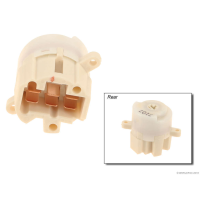
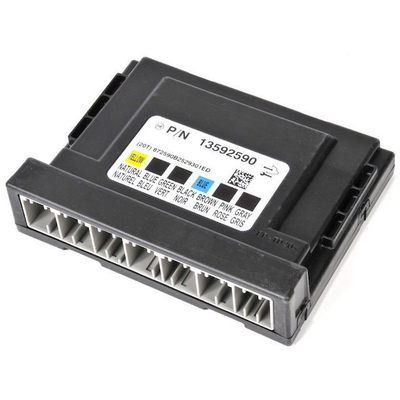
Below are the parts most often responsible for code B1595, ranked by how frequently each one is the actual culprit (per the diagnosis above). Tap any to see what we have for your vehicle.



The information in this article is provided for general reference and educational purposes only. Vehicle specifications, procedures, and part compatibility can vary by production date, trim level, and region. Always consult your vehicle's factory service manual and verify part numbers before purchasing or performing repairs. Safety-critical components such as airbags, seat belts, and braking systems should be installed by a qualified professional.
- 🧭 Diagnostic Flowchart
- 🛍️ Shop This Part
- What Does B1595 Mean?
- Can I Drive With B1595?
- Common Causes
- Symptoms
- Common Fixes & Costs
- DIY vs Professional
- Used vs. New Parts: Buying Guide
- What Happens If You Wait — Timeline
- Cost of Not Fixing It
- Diagnosis Steps
- When This Code Triggers (Freeze-Frame Conditions)
- Related Codes
- Climate & Environmental Factors
- How to Talk to a Mechanic About This Code
- Where to Take It: Dealer vs Independent vs Chain
- When to Walk Away From the Repair
- What Scan Tool You Need for This Code
- How to Clear the Code After You Fix It
- Will This Fail Emissions / State Inspection?
- Most Commonly Affected Vehicles
- Manufacturer-Specific Notes
- Real Owner Stories
- 2005 Jaguar XKR (55k miles) with intermittent no-start
- 2015 Mitsubishi Mirage with airbag light on
- Ford F-150 with intermittent no-start in cold/damp weather
- 2017 Chevrolet Impala with 'Service Airbag' message
- How to Prevent This Code From Triggering
- Frequently Asked Questions
- Can I just clear the B1595 code?
- Why does my car sometimes start and sometimes not with this code?
- If the B1595 code is for an airbag sensor, will my airbags still work?
- What is an 'Ignition Switch Illegal Input Code'?
- How do I know if the problem is my key or my car?
- Can a bad battery cause a B1595 code?
- Why can't I find code B1595 for my Toyota, Honda, or VW?
- Key Takeaways
- 🎟️ Get 5% Off