

B1636 on 2011-2018 Chrysler 300: Right High Beam Circuit Fault Causes and Fixes
On a 2011-2018 Chrysler 300, code B1636, especially with a '-11' suffix, is most often caused by a software issue in the Body Control Module (BCM) that makes the high beams flicker or fail in cold weather. The primary fix is a software update from a Chrysler dealer as specified in Technical Service Bulletins (TSBs). In some cases, a wiring overlay harness may need to be installed per TSB 08-054-21.
- Code B1636 on a 2011-2018 Chrysler 300 almost always points to a problem with the right high beam.
- If the high beams flicker or fail in cold weather, the most likely cause is a software glitch in the Body Control Module (BCM).
- Before buying any parts, have a Chrysler dealer check if your vehicle needs the software update mentioned in TSBs 08-054-21 or S1908000212.
- If a software update doesn't fix it, the next steps are to check the wiring harness for a short circuit and then inspect the headlight assembly itself.
- Do not simply replace the headlight bulb; it is not the cause of this circuit code.
What's Unique About the 2011-2018 Chrysler 300
The Chrysler 300 of this generation, along with its platform-mate the Dodge Charger, is known for a specific issue where the high beam control logic in the Body Control Module (BCM) is overly sensitive, particularly in cold ambient temperatures. Manufacturer TSBs confirm that this can cause the high beam shutters in the headlamp assemblies to flicker or become inoperative, triggering code B1636-11, even when there is no physical wiring problem. This makes a software update or a specific wiring harness overlay (per TSB 08-054-21) a more likely fix than a physical part replacement, which is unique compared to general circuit faults on other vehicles.
Diagnostic Flowchart
Tap your situation to follow the diagnostic path that matches what you're seeing on this vehicle.
Symptoms You May Notice
- High beams do not turn on, or only one works.
- High beam headlights flicker, especially in cold weather.
- The high beam indicator on the dashboard may or may not illuminate.
- In models with bi-xenon HID headlights, the high beam shutter may be heard opening and closing rapidly (cycling).
- A 'thumping' or 'clicking' noise from the front of the car when trying to activate high beams.
- Replacing the headlight bulb. The bulb itself does not cause a circuit short code. In bi-xenon systems, a single bulb is used for both low and high beams, with a shutter controlling the beam pattern.
- Replacing the headlight assembly before checking for TSBs. Many owners may replace expensive hardware when a simple and cheaper software update or wiring overlay from the dealer would have solved the problem.
Most Likely Causes
- Body Control Module (BCM) Software/Hardware Calibration 🔴 High Probability → Shop Body Control Module Two separate manufacturer TSBs (#08-054-21 and #S1908000212) identify a software/calibration issue as the root cause for this code, particularly when symptoms appear in cold weather. The BCM's diagnostic thresholds are too sensitive for cold temperature operation.
How to confirm: A Chrysler dealership or a qualified shop with access to OEM software (wiTECH) can check the current BCM software version against the versions recommended in the TSBs. The presence of the code along with cold-weather flickering is a strong indicator.
Typical fix: For TSB S1908000212, the fix is reprogramming/flashing the BCM with updated software. For TSB 08-054-21, the fix involves installing a jumper wire kit (Part No. 68540265AA) from the Power Distribution Center (PDC) to the headlamp connectors.
Est. part cost: $0 - $50 (for wiring kit) - Wiring Harness Short to Ground 🟡 Medium Probability Wiring can chafe against the chassis, engine components, or brackets over time, wearing through the insulation and causing a short. Common chafe points can be near the headlight assembly, where the harness passes through the core support, or along the fender well.
How to confirm: Perform a visual inspection of the harness. If no damage is visible, use a digital multimeter to test for continuity to ground on the right high beam control wire with the BCM and headlight disconnected.
Typical fix: Isolating the location of the short and repairing the damaged section of wire with heat-shrink tubing or by splicing in a new section of wire. Anti-abrasion tape should be used to protect the repair.
Est. part cost: $5-$25 - Faulty Headlight Assembly ⚪ Low Probability → Shop Headlight Assembly For models with HID headlights, the internal solenoid that operates the high-beam shutter can fail or short out. For halogen models, internal wiring can degrade. This is less common than the TSB-related issues.
How to confirm: After confirming the wiring and BCM software are good, the headlight assembly is the remaining component. Swapping the right headlight with the left (if compatible) or a known-good unit would confirm the fault.
Typical fix: Replacement of the entire headlight assembly. These are typically sold as sealed units. 🎬 Watch: Step-by-step guide to replacing the entire headlight assembly.
Est. part cost: $250-$1000+
Rare But Worth Checking
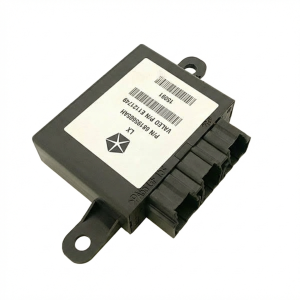
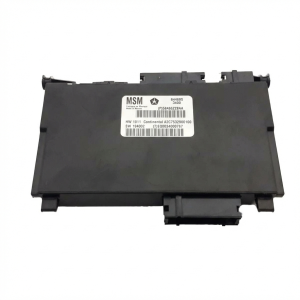
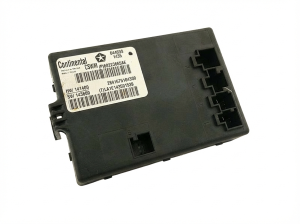
- Faulty Body Control Module (BCM): → Shop Body Control Module While rare, it's possible for the internal driver circuit within the BCM to fail. This should only be considered after all other possibilities, including the software update and TSB wiring overlay, have been exhausted. A replacement BCM requires programming by a dealer or a specialized shop.
Diagnosis Steps
- Verify the symptom. Note if the high beam failure occurs primarily in cold weather, as this strongly points to the TSB-related software/wiring issue.
- Scan the Body Control Module (BCM) for codes. Confirm B1636 is present, and note the suffix (-11 for short to ground, -15 for short to power/open).
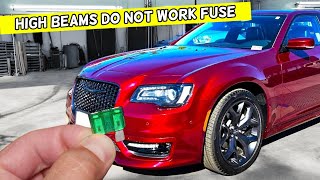
- Check for Technical Service Bulletins (TSBs). Search for TSBs 08-054-21 and S1908000212. This is the most critical step. 🎬 Watch: How to check your high beam fuses first.
- If TSB S1908000212 applies, the primary recommendation is a BCM software update at a dealership.
- If TSB 08-054-21 applies, the fix is to install the specified jumper wire kit (Part No. 68540265AA).
- If software is up-to-date or the TSBs do not resolve the issue, begin electrical diagnosis. Disconnect the battery.
- Visually inspect the wiring harness running from the BCM to the right headlight assembly. Look for any signs of chafing, melting, or physical damage, especially near brackets and the shock tower.
- Disconnect the harness connectors at both the BCM and the right headlight assembly.
- Using a digital multimeter set to resistance (Ohms), place one probe on the pin for the right high beam control wire at the headlight connector and the other probe on a clean chassis ground. A reading of low resistance (continuity) indicates a short to ground in the harness.
- If a short is confirmed, locate and repair the damaged wire.
- If the wiring harness tests good, the fault is likely within the 🎬 Watch: Professional tips for diagnosing complex HID shutter issues. headlight assembly itself or, rarely, the BCM.
- After any repair, clear the DTCs from the BCM and test the high beam functionality in the conditions (i.e., cold weather) where it previously failed.
Parts You'll Likely Need
- Headlight Assembly (Right, Passenger Side)
(OEM #Halogen: 68143002AC; HID/Xenon: 68402943AB (replaces 68214385AB, 68214385AF, etc.))— This is needed if the internal high beam shutter solenoid or wiring has failed, and only after a software update and wiring check have been performed. It's critical to match the new assembly to the old type (Halogen vs. HID/Xenon).
Trusted brands: Mopar, TYC, Depo, Eagle Eyes
OEM price range: $800-$1500
Aftermarket price range: $250-$500 - BCM Software Flash
(OEM #N/A)— To correct the over-sensitive diagnostic logic as per TSB S1908000212. This is a service performed at the dealer.
Trusted brands: Chrysler/Mopar Dealer Service
OEM price range: $150-$250
Aftermarket price range: N/A - Headlamp Jumper Wiring Kit
(OEM #68540265AA)— Required to perform the repair outlined in TSB 08-054-21 to resolve flickering high beams.
Trusted brands: Mopar
OEM price range: $40-$60
Aftermarket price range: N/A
Related Codes That Often Appear With This One
- B1632 — This is the corresponding code for the 'Left High Beam Control Circuit'. The TSBs from Chrysler often list both B1632 and B1636 together, as the software/calibration issue can affect both high beam circuits simultaneously.
Technical Service Bulletins (TSBs) & Recalls
- 08-054-21: Addresses flickering high beams in cold weather and lists DTCs B1632-15 and B1636-11. The prescribed fix is the installation of a wiring overlay harness.
- S1908000212: Addresses inoperative high beams where the shutter door cycles in cold temperatures, setting DTCs B1632-11 and B1636-11. The prescribed fix is a BCM software update.
Platform-Specific Known Issues
- A well-documented issue covered by TSB #08-054-21 involves high beam headlamps flickering in cold weather, which sets this code. The fix is not a software flash, but the installation of a specific jumper harness.
- TSB #S1908000212 also addresses this code when high beams are inoperative and the internal shutter door cycles in cold temperatures. This TSB's solution is a BCM software update.
Mechanic-Grade Diagnostic Values
- Voltage at BCM connector for Right High Beam Driver circuit (L34) — expected: ~12V (Battery Voltage) when high beams are commanded ON.. Failure: 0V when commanded ON, or continuity to ground with the circuit disconnected, indicates a short to ground (B1636-11).
Hidden / Shadow Codes Worth Checking
- B1636-11: Right High Beam Control-Circuit Short To Ground. This is a manufacturer-specific suffix code. (see via A professional scan tool with Chrysler-specific software, such as the dealer's wiTECH tool.)
- B1636-15: Right High Beam Control-Circuit Short To Battery Or Open. This suffix indicates a different fault type on the same circuit. (see via A professional scan tool with Chrysler-specific software, such as the dealer's wiTECH tool.)
Scan Tool Commands That Help
- wiTECH: BCM > Actuator Tests > Right High Beam Driver - On/Off — This bidirectional control is used to isolate the fault. If the high beam activates with this command, the BCM, wiring, and headlamp assembly are likely good, pointing to a problem with the input side (e.g., multifunction switch). If it does not activate, the fault lies within the output circuit itself.
- wiTECH: BCM > Flash — Used to perform the software update as prescribed by TSB S1908000212 for applicable vehicles. The tool must be connected to a stable battery charger and have an active internet connection.
Wiring & Ground Locations
- Body Control Module (BCM) — Located behind the passenger side kick panel or lower dashboard area.. The BCM contains the driver circuit that controls the right high beam. The wiring harness connects directly to it.
- BCM Connector C4, Circuit L34 — On the BCM itself. The C4 connector typically handles exterior lighting. Circuit L34 is the specific wire for the right high beam feed on 2012+ models.. This is the specific pin and wire that must be tested for voltage and shorts when diagnosing B1636.
- Ground Point G102 — Located on the right side of the engine compartment, near the inner fender or shock tower area.. This is a primary chassis ground point for components in the front right of the vehicle. A poor connection here can cause various electrical faults, including lighting issues.
- Power Distribution Center (PDC) / TIPM — The main fuse and relay box located in the right side of the engine compartment.. This module supplies power to the lighting circuits. TSB 08-054-21 requires installing an overlay harness that originates from the PDC, indicating a potential fault path within this unit.
Real Owner Repair Stories
- YouTube channel 'AUDIO CAT' (Dodge Charger (platform-mate)) — One headlight would not turn on, or would work intermittently.
❌ Tried (didn't work) Considering replacing the expensive ballast or headlight assembly.
✅ What actually fixed it The 20A mini fuse for the affected headlight (F15 or F16 in the front fuse box) was not blown, but its plastic housing had melted and deformed. This caused a poor, intermittent connection at the terminals. Replacing the physically melted fuse with a new one resolved the problem completely.
OEM Part Supersession History
N/A→68540265AA— This is the part number for the Headlamp Jumper Wiring Kit required to perform the fix outlined in TSB 08-054-21.
Heads up: This kit is specifically for the TSB repair and is not a standard replacement part.
Model Year Variations Within This Range
- 2016: TSB S1908000212, which applies specifically to 2016 models, calls for a BCM software update (flash) as the primary fix for inoperative high beams in cold weather.
- 2011-2019 (per TSB): TSB 08-054-21, which applies to a wide range of years including the 2015 refresh, calls for the installation of a physical wiring overlay harness (Part No. 68540265AA) to fix flickering high beams in cold weather.
- 2011-2014 vs 2015-2018: The 2015 model year introduced a significant facelift with different headlight assemblies and updated electronics. The root cause and specific TSB repair procedure may differ between pre-facelift and post-facelift models, making it critical to match the TSB to the vehicle's year.
Helpful Videos

We Have This Part in Stock

The information in this article is provided for general reference and educational purposes only. Vehicle specifications, procedures, and part compatibility can vary by production date, trim level, and region. Always consult your vehicle's factory service manual and verify part numbers before purchasing or performing repairs. Safety-critical components such as airbags, seat belts, and braking systems should be installed by a qualified professional.
- Chrysler 300:
- 🧭 Diagnostic Flowchart
- 🎬 Helpful Videos
- 🛍️ Shop This Part
- What's Unique About the 2011-2018 Chrysler 300
- Symptoms You May Notice
- Most Likely Causes
- Rare But Worth Checking
- Diagnosis Steps
- Parts You'll Likely Need
- Related Codes That Often Appear With This One
- Technical Service Bulletins (TSBs) & Recalls
- Platform-Specific Known Issues
- Mechanic-Grade Diagnostic Values
- Hidden / Shadow Codes Worth Checking
- Scan Tool Commands That Help
- Wiring & Ground Locations
- Real Owner Repair Stories
- OEM Part Supersession History
- Model Year Variations Within This Range
- 🎟️ Get 5% Off