

OBD-II Code B1638: Manufacturer-Specific Body Circuit Fault
The Ultimate Guide to B1638: What It Means, Why It Triggers, and How to Fix It
- Identify your vehicle's specific B1638 definition first; it means a headlight fault on Jeeps, an airbag failure on Toyotas, and a power mirror issue on GM vehicles.
- Check for Technical Service Bulletins (TSBs) before replacing parts; 2019-2021 Jeep and Fiat models often require a 1-hour BCM software update rather than new hardware.
- Never attempt DIY repairs on Toyota or Lexus vehicles displaying B1638, as this indicates a disabled Curtain Shield Airbag Sensor that requires professional calibration.
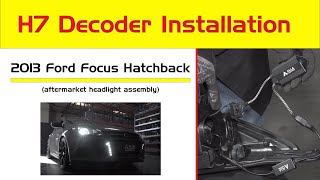
- Remove aftermarket LED headlight bulbs and install CANbus-error-free versions if the code appeared immediately after a lighting upgrade.
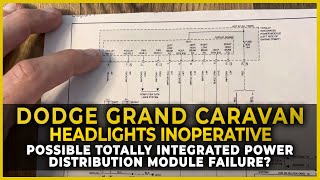
- Test the Totally Integrated Power Module (TIPM) on 2007-2014 Chrysler and Dodge vehicles if a new bulb and intact wiring fail to fix a right high beam fault.
What Does B1638 Mean?
B1638 is a manufacturer-specific Body Diagnostic Trouble Code (DTC) indicating an electrical fault in a body control circuit. Its meaning varies by brand. It most commonly points to a failed power mirror or headlight. On Toyota and Lexus, it indicates a critical airbag system failure. You must identify the affected system on your specific vehicle before attempting diagnosis.
Technical definition: SAE/ISO does not universally define B1638. Automakers assign its meaning. Common definitions include: Right High Beam Control Circuit High (Chrysler/Dodge/Jeep), Right Low Beam Control Circuit Plausibility Failure (Fiat/Jeep), Right Front Mirror Horizontal Motor Circuit High (GM), Curtain Shield Airbag Sensor Circuit Malfunction (Toyota/Lexus), and Lost Communication With ABS Module (Dodge).
Can I Drive With B1638?
Yes, But With Caution. Driving is possible, but risks depend entirely on the vehicle. A headlight fault makes night driving illegal and unsafe. An airbag warning light (common on Toyota/Lexus) means the supplemental restraint system is disabled and will not deploy in a crash. Drive only to a repair facility if the airbag system is compromised.
Common Causes
- Failed Component (Bulb, Motor, or Sensor) (Very Common) — The component itself—such as a headlight bulb, power mirror motor, or airbag impact sensor—fails internally. This changes the electrical characteristics of the circuit, which the control module detects as a fault.
- Damaged Wiring or Corroded Connectors (Very Common) — Wires break, chafe, or short-circuit in high-movement areas like door jambs. Connectors for headlights and sensors corrode from moisture, causing high resistance or a short to ground.
- Control Module Software Glitch (Common) — On modern platforms like the 2019-2021 Jeep Renegade and Fiat 500X, overly sensitive Body Control Module (BCM) software misinterprets normal electrical signals as a 'plausibility failure.' A dealer software update resolves this.
- Incorrect Aftermarket Parts (Common) — Installing aftermarket LED headlight bulbs that lack built-in CANbus resistors causes the BCM to detect an implausible electrical load, immediately triggering the code. 🎬 Watch: How to install LED decoders to fix headlight codes.
- Failed TIPM or BCM (Common) — On 2007-2014 Chrysler, Dodge, and Jeep vehicles, the Totally Integrated Power Module (TIPM) contains non-serviceable internal relays that fail frequently, causing persistent headlight circuit codes.
- Faulty Switch (Less Common) — The physical switch controlling the component (e.g., the door mirror switch or headlight stalk) wears out internally and sends an incorrect or shorted signal.
- Weak Battery (Rare) — A failing battery causes low voltage and electrical spikes during engine cranking. Sensitive modules interpret these erratic signals as circuit faults.
Symptoms
- Headlight Not Working — The right-side high beam or low beam headlight is inoperative or works intermittently.
- Airbag Warning Light On — The SRS light illuminates, indicating a disabled safety system. This is the primary symptom for Toyota and Lexus vehicles.
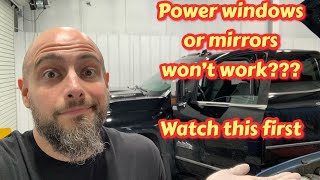
- Power Mirror Inoperative — The passenger-side power mirror fails to adjust in one or more directions. 🎬 See how to diagnose power mirror and window motor faults.
- Warning Message on Dash — The instrument cluster displays a specific text warning, such as 'Check Right Low Beam Headlamp.'
- ABS or Traction Control Light On — On specific Dodge models, this code indicates a communication loss with the ABS module, illuminating the ABS warning lights.
Diagnostic Flowchart
Tap your situation to follow the diagnostic path that matches what you're seeing on this code.
Common Fixes & Costs
- Replace Headlight Bulb — Parts: $15-$120, Labor: $50-$150, ~0.5 hr book time (DIY)
- BCM Software Update — Parts: $0, Labor: $150-$250, ~1.0 hr book time (Professional)
- Replace Totally Integrated Power Module (TIPM) — Parts: $400-$1000, Labor: $150-$300, ~1.5 hr book time (Professional)
- Repair Wiring or Replace Connector — Parts: $10-$50, Labor: $100-$400, ~2.0 hr book time (Professional)
- Replace Airbag Impact Sensor — Parts: $80-$250, Labor: $150-$300, ~1.5 hr book time (Professional)
Used vs. New Parts: Buying Guide
When a used part is worth it: Used parts offer significant savings for expensive, non-wear items like complete headlight assemblies or simple power mirror switches.
Donor-vehicle mileage cap: roughly under 100000 miles for the part to have meaningful remaining life.
Donor quality checklist:
- Verify the part number matches exactly.
- Inspect headlight assemblies for broken mounting tabs and moisture intrusion.
- Ensure sellers of electronic modules offer a warranty and confirm the donor vehicle lacked electrical issues.
Decision logic:
- If The part is an airbag sensor or control module. → Always buy new. The unknown history of a used safety component makes it a dangerous gamble.
- If The part is a complex electronic module like a TIPM. → Favor new or professionally remanufactured units. Used modules often harbor identical internal flaws and complicate dealer programming.
- If The part is a complete headlight assembly costing over $500 new. → A thoroughly inspected used assembly is a reasonable choice to save money.
Warranty tradeoff: Used parts carry 30-90 day warranties. Remanufactured aftermarket parts often feature lifetime warranties. New OEM parts carry a 1-year warranty.
Worst-case if a used part fails: $300-$800 if a used electronic module is faulty, costing you the part price plus non-refundable programming fees.
What Happens If You Wait — Timeline
- Immediate: The affected system disables. Toyotas lose airbag functionality; Jeeps lose a headlight; GMs lose power mirror adjustment. (MPG impact: 0%% · Added cost: $0 (Significant safety risk))
- 1-3 Months: If caused by a faulty TIPM or BCM, the internal relay fails intermittently, creating a parasitic battery drain. (MPG impact: 0%% · Added cost: $150-$250 (Cost of a replacement battery))
- 3-6+ Months: The internal module failure worsens, causing intermittent starting problems, stalling, or random electrical glitches. (MPG impact: 0-5%% · Added cost: $500-$1500 (Tow and module replacement))
- Collision Event: Ignored airbag faults result in non-deployment during an accident, drastically increasing the risk of fatal injury. (MPG impact: 0%% · Added cost: Incalculable (Total failure of passive safety system))
Cost of Not Fixing It
- Immediate (Airbag Fault): The supplemental restraint system is disabled and will not deploy in a collision, drastically increasing the risk of severe injury or death. (Added cost: Incalculable (Risk to life))
- Immediate (Headlight Fault): Reduced visibility at night creates a safety hazard and risks a traffic ticket for inoperative equipment. (Added cost: $50 - $250 (Traffic fine))
- 1-6+ Months (Module Fault): A persistent circuit fault in a TIPM or BCM causes parasitic battery drain, leaving you stranded and destroying the battery. (Added cost: $150 - $250 (Cost of a new battery))
Diagnosis Steps
- Identify the Faulty System
Confirm the symptoms in your vehicle. Note whether a headlight is out, a mirror is stuck, or the airbag light is on. This determines which manufacturer-specific version of B1638 applies and dictates the diagnostic path.
Tools: None (Beginner) - Check for Technical Service Bulletins (TSBs)
Search for TSBs related to your vehicle's VIN and the B1638 code. For Jeep and Fiat models, TSB S2008000125RevA dictates a BCM software update for headlight faults, saving hours of unnecessary hardware testing.
Tools: Internet access, VIN (Beginner) - Inspect the Component and Connector
Visually inspect the affected component (headlight bulb, mirror, sensor) and its electrical connector. Look for melted plastic, water intrusion, or green corrosion on the pins. Ensure the local chassis ground is tight and rust-free.
Tools: Flashlight, trim removal tools (Beginner) - Swap Components (Side-to-Side Test)
Swap the suspected bad component with the working one from the opposite side (e.g., swap headlight bulbs). Clear the codes. If the fault moves to the other side, the component is bad. WARNING: Never perform this test on airbag system components.
Tools: Basic hand tools (Intermediate) - Test Circuit Voltage
Disconnect the component and test the connector with a multimeter. With the component activated (e.g., high beams switched on), verify battery voltage (approx. 12V) on the power wire and less than 0.1V on the ground wire. No voltage indicates an open wire or faulty module.
Tools: Multimeter (Advanced) - Test Circuit Resistance
Disconnect the battery and control module. Use a multimeter set to Ohms to measure the resistance of the specific control circuit between the module connector and the component connector. A reading above 5.0 ohms indicates an open circuit or high resistance in the wire, requiring harness repair.
Tools: Multimeter, vehicle-specific wiring diagram (Advanced) - Test CAN Bus Communication
If B1638 indicates an ABS communication failure (Dodge), disconnect the battery and measure resistance between Pin 6 and Pin 14 at the OBD-II port. A healthy network reads 60 ohms. A 120-ohm reading indicates a broken network wire.
Tools: Multimeter (Advanced) - Test the Control Module
If the component, wiring, and grounds test perfectly, the control module (TIPM, BCM, or SRS module) has failed internally. Use a bi-directional scan tool to command the circuit on; if the module fails to activate the circuit, it requires replacement.
Tools: Bi-directional scan tool (Professional)
When This Code Triggers (Freeze-Frame Conditions)
- System Self-Test: Key-On, Engine-Off (KOEO) (The control module runs a self-check of all circuits immediately upon turning the ignition on, detecting most airbag and lighting faults instantly.)
- Component Activation: Switch Activated (The code sets the instant the driver attempts to use the faulty component and the module detects an out-of-spec voltage reading.)
- Battery Voltage: 9V - 16V (A very low battery condition during startup triggers spurious communication or circuit codes.)
Related Codes
- B1630, B162C, B162F — These represent the left-side equivalent of B1638 for headlight faults. Seeing both left and right codes simultaneously indicates a systemic issue, such as incorrect aftermarket bulbs or a failing BCM.
- B1634, B163C — Direct counterparts for 'Left High Beam Control Circuit High' on Chrysler/Dodge vehicles. Diagnosed identically to B1638.
- B1633 — The right-side equivalent of B1638 (Left Curtain Shield Airbag Sensor) on Toyota and Lexus models.
- U0121 — Indicates 'Lost Communication with ABS Control Module.' If a Dodge vehicle defines B1638 as an ABS communication loss, U0121 will appear alongside it, requiring CAN bus network diagnosis.
Climate & Environmental Factors
- High Humidity and Road Salt: Saltwater spray acts as an electrolyte, rapidly accelerating corrosion on exposed connectors and grounds. This corrosion increases resistance, triggering 'circuit high' fault codes.
- Extreme Cold: Cold temperatures increase battery resistance, lowering cranking voltage. Sensitive modules receive erratic signals during startup, generating false circuit errors.
- Vibration and Thermal Cycling: Constant vibration chafes wires against sharp metal edges and causes fretting corrosion inside connector pins, creating intermittent open circuits.
How to Talk to a Mechanic About This Code
Say this: "I have a B1638 code. On my Jeep, I know this often requires a BCM software update per a TSB; can you check that? / On my Toyota, this is an airbag sensor code; I need a diagnosis of the curtain shield circuit. / On my Dodge, I'd like you to test the right high beam circuit and TIPM before replacing the headlight."
This language proves you understand the specific meaning of B1638 for your vehicle. It directs the technician toward the most efficient diagnostic path and prevents unnecessary parts swapping.
Avoid saying:
- 'My headlight is acting up, can you fix it?'
- 'Just replace whatever is broken.'
- 'I read online that I need a new BCM.'
Questions to ask before authorizing the repair:
- What specific tests confirmed that the component is the point of failure?
- Can you show me the damaged wiring or corroded connector?
- Does the replacement module require programming, and is that included in the quote?
- What is the warranty on this specific repair?
Where to Take It: Dealer vs Independent vs Chain
- Dealer:
Necessary for software fixes. Strongly recommended for Toyota airbag faults.
Best for: Vehicles under warranty., Known software updates (Jeep/Fiat BCM flash)., Critical safety system repairs (Toyota/Lexus airbags).
Downsides: Highest labor rates., Tendency to replace entire assemblies instead of repairing wires. (Typical cost: +50% vs. baseline) - Independent Shop:
Excellent choice for headlight or mirror variants on out-of-warranty vehicles, provided the shop possesses strong electrical diagnostic skills.
Best for: Out-of-warranty vehicles., Diagnosing electrical faults like bad grounds or wiring., Installing remanufactured TIPMs to save money.
Downsides: Expertise varies widely., May lack access to the latest manufacturer software. (Typical cost: +0% vs. baseline) - Chain Shop:
Avoid for diagnosing B1638. They lack the specialized tools for BCM, airbag, or TIPM issues.
Best for: Simple parts replacement like a headlight bulb.
Downsides: Unequipped for complex electrical or module-level diagnosis., High pressure to upsell. (Typical cost: -10% vs. baseline)
When to Walk Away From the Repair
If the estimated repair cost exceeds 50% of the car's private-party value, seriously consider selling or trading in the vehicle.
- Car worth $5000, fix is $2800: Walk away. The repair cost exceeds 50% of the car's value. Put this money toward a replacement vehicle.
- Car worth $15000, fix is $1200: Fix it. The repair is well below the threshold and keeps a valuable car on the road.
- Car worth $3000, fix is $800: Borderline. An $800 repair is often cheaper than the transaction costs of buying another used car.
What Scan Tool You Need for This Code
Minimum: A scanner capable of reading and clearing codes from ALL vehicle systems, including the BCM, SRS, and TIPM. A basic engine code reader will not work.
A $20 code reader only sees 'P' (Powertrain) codes. B1638 is a 'B' (Body) code stored in a different computer. Without a full-system scanner, the code remains invisible.
Budget: BlueDriver Pro (~$100) — Connects via Bluetooth and reads BCM and SRS codes for most major brands, allowing you to identify your specific B1638 variant.
Mid-range: Foxwell NT510 Elite / Autel MaxiCOM MK808 (~$150) — Offers full system diagnostics and bi-directional controls to command components on and off, which is crucial for circuit testing.
Professional: Autel MaxiSys MS906BT / Launch X431 Series (~$600-1200) — Provides module programming and coding capabilities required to configure a new TIPM or BCM to the vehicle's VIN.
Rent vs buy: Free loaner tools from parts stores are basic engine readers and cannot diagnose B1638. Pay a diagnostic fee at a shop unless you plan to do regular advanced diagnostics.
How to Clear the Code After You Fix It
- Reconnect all components and battery terminals.
- Use a compatible OBD-II scan tool to clear the DTC from the specific module (BCM, SRS, etc.).
- Cycle the ignition off and then on.
- Operate the repaired component to verify the fix and ensure the code does not return.
Drive cycle (~10 minutes): A complex drive cycle is not needed. A simple key cycle and activation of the repaired component confirms the repair. For airbag faults, the SRS light turns off after its initial 7-second self-test.
Readiness monitors affected: None
Watch out for:
- Disconnecting the battery fails to clear codes from the SRS module's memory.
- The code reappears immediately if the root electrical fault remains unfixed.
- Basic powertrain scanners cannot communicate with or clear codes from Body Control or SRS modules.
Will This Fail Emissions / State Inspection?
No — by itself this code doesn't fail OBD inspection (but it can keep readiness monitors from setting, which causes a separate fail).
- California: A B-code does not fail the smog check. An illuminated SRS light triggers an advisory during safety inspections.
- New York: An inoperative headlight causes immediate failure of the state safety inspection.
- Texas: An inoperative headlight fails the state safety inspection. An illuminated airbag light does not.
Most Commonly Affected Vehicles
- Jeep Renegade (2019-2021) — Prone to a right headlamp fault caused by a BCM software glitch. TSB S2008000125RevA dictates a dealer software update rather than hardware replacement.
- Fiat 500X (2019-2020) — Shares the Renegade platform and suffers the identical 'Right Low Beam Circuit Plausibility Failure,' resolved via the same BCM software update.
- Dodge / Chrysler / Jeep Grand Caravan, Ram 1500, Wrangler (2007-2014) — Defines the code as 'Right High Beam Control Circuit High.' Frequently points to a failed internal relay within the Totally Integrated Power Module (TIPM).
- Toyota / Lexus Camry, RAV4, ES (2005-2020) — Defines the code as a critical 'Curtain Shield Airbag Sensor Initialization Error.' Requires immediate professional inspection of the sensor and wiring harness.
- Chevrolet / GM Cruze, Suburban (2008-2015) — Defines the code as 'Right Front Mirror Horizontal Motor Circuit High.' The fault lies in the mirror motor or the flexible wiring boot in the door jamb.
Manufacturer-Specific Notes
- Chrysler / Dodge / Jeep: The code almost exclusively points to the 'Right High Beam Control Circuit High.' The TIPM is a notorious failure point for these lighting circuits and is the primary suspect if the bulb and wiring test good.
- Fiat / Jeep (Stellantis): Triggered by a software glitch in the Body Control Module on newer models. TSB S2008000125RevA specifies a software update as the primary fix.
- Toyota / Lexus: Indicates a critical fault in the curtain shield airbag sensor circuit. This disables the airbag system and often results from damaged wiring following a side-impact collision.
Real Owner Stories
2019 Jeep Renegade Headlight Failure
The right low-beam headlight failed, displaying a dash warning. Replacing the bulb did not fix the issue.
What they tried:
- Replaced the halogen bulb.
- Swapped the new bulb to the left side to confirm functionality.
Outcome: The dealership performed a BCM software update per TSB S2008000125RevA. The headlight functioned immediately after the 1-hour update.
Lesson: Always check for TSBs before replacing parts on newer Jeep and Fiat models. A software update is the official fix.
2012 Toyota Camry Airbag Light After Collision
Following a minor side-impact collision and body repair, the airbag warning light remained on with code B1638.
What they tried:
- The body shop cleared the codes, but the light returned instantly.
Outcome: A technician found severed wiring to the curtain shield airbag sensor in the impact area. Soldering and heat-shrinking the wires resolved the fault.
Lesson: On Toyotas, B1638 points to an airbag sensor circuit. Inspect wiring near the doors and pillars immediately if the code appears after an accident.
2011 Dodge Grand Caravan High Beam Issue
The right high beam failed with code B1638. The owner suspected a bad bulb.
What they tried:
- Replaced the bulb.
- Inspected the headlight connector for damage.
Outcome: A shop diagnosed a failed internal relay within the TIPM. Replacing and programming a new TIPM fixed the problem.
Lesson: A 'Circuit High' code for a headlight on 2007-2014 Chrysler/Dodge vehicles frequently indicates a failed TIPM.
Jeep LED Headlight Upgrade Triggers Code
Installing aftermarket LED headlights immediately triggered code B1638.
What they tried:
- Cleared the codes, which returned instantly.
- Tried a different brand of standard LED bulbs.
Outcome: The BCM detected the lower resistance of the LEDs as a fault. Installing 'CANbus Error Free' LED bulbs with built-in resistors resolved the issue.
Lesson: Always use CANbus-compatible LED bulbs on modern vehicles to prevent the BCM from triggering circuit fault codes.
How to Prevent This Code From Triggering
- Apply Dielectric Grease to Connectors (Whenever a connector is disconnected) — Dielectric grease seals electrical connectors from moisture and salt, preventing the corrosion that causes 'circuit high' faults.
- Clean Battery Terminals (Annually) — Corrosion increases electrical resistance, causing low voltage situations that trigger sensitive modules to store false codes.
- Inspect Chassis Grounds (Every 24 months) — Modules rely on clean ground points to measure circuits accurately. Tightening and cleaning grounds prevents bizarre electrical issues.
- Avoid Low-Quality Aftermarket Electronics (During vehicle modification) — Cheap LED bulbs lack correct resistance values, causing the BCM to interpret the load as a circuit fault.
Frequently Asked Questions
Why does B1638 mean different things on different cars?
The SAE does not strictly standardize 'B' (Body) codes like it does powertrain codes. Automakers reuse the same code number for their proprietary electrical circuits. You must look up the definition specific to your vehicle's make and model.
What are the most common misdiagnosis mistakes for B1638?
Technicians often ignore TSBs and replace expensive hardware when a software update is the actual fix. Another error is using non-compliant aftermarket LED bulbs that trigger the code. Always test wiring and grounds before condemning a control module.
Can a weak battery cause code B1638?
Yes. A failing battery causes low voltage during engine cranking. Sensitive modules interpret these erratic signals as circuit faults and set codes like B1638.
Is code B1638 serious?
It depends on the vehicle. A power mirror fault is a minor inconvenience, while a headlight failure is a moderate safety hazard. An airbag fault on a Toyota or Lexus is a critical safety issue requiring immediate professional repair.
Can I fix B1638 myself?
Replacing a bulb or fuse is a simple DIY task. Diagnosing wiring, updating software, or replacing control modules requires advanced tools. Never attempt DIY repairs on airbag systems due to severe safety risks.
How much does it cost to fix B1638?
Costs range from $20 for a halogen bulb to over $1,000 for a Chrysler TIPM replacement. A dealer software update typically costs $150-$250. Toyota airbag sensor replacement averages $250-$550.
Will clearing the code fix the problem?
No. Clearing the code only erases the stored fault temporarily. The warning light returns immediately once the control module runs its self-test and detects the active electrical fault.
Key Takeaways
- Identify your vehicle's specific B1638 definition first; it means a headlight fault on Jeeps, an airbag failure on Toyotas, and a power mirror issue on GM vehicles.
- Check for Technical Service Bulletins (TSBs) before replacing parts; 2019-2021 Jeep and Fiat models often require a 1-hour BCM software update rather than new hardware.
- Never attempt DIY repairs on Toyota or Lexus vehicles displaying B1638, as this indicates a disabled Curtain Shield Airbag Sensor that requires professional calibration.
- Remove aftermarket LED headlight bulbs and install CANbus-error-free versions if the code appeared immediately after a lighting upgrade.
- Test the Totally Integrated Power Module (TIPM) on 2007-2014 Chrysler and Dodge vehicles if a new bulb and intact wiring fail to fix a right high beam fault.
Helpful Videos
Shop the Parts Behind B1638
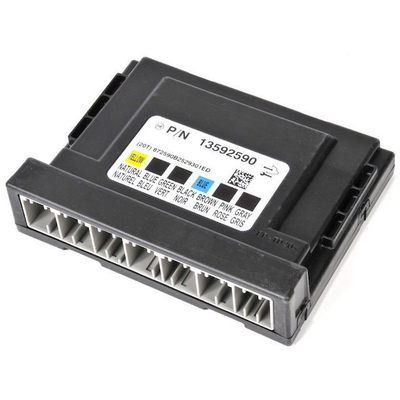
Below are the parts most often responsible for code B1638, ranked by how frequently each one is the actual culprit (per the diagnosis above). Tap any to see what we have for your vehicle.





The information in this article is provided for general reference and educational purposes only. Vehicle specifications, procedures, and part compatibility can vary by production date, trim level, and region. Always consult your vehicle's factory service manual and verify part numbers before purchasing or performing repairs. Safety-critical components such as airbags, seat belts, and braking systems should be installed by a qualified professional.
- 🧭 Diagnostic Flowchart
- 🎬 Helpful Videos
- 🛍️ Shop This Part
- What Does B1638 Mean?
- Can I Drive With B1638?
- Common Causes
- Symptoms
- Common Fixes & Costs
- Used vs. New Parts: Buying Guide
- What Happens If You Wait — Timeline
- Cost of Not Fixing It
- Diagnosis Steps
- When This Code Triggers (Freeze-Frame Conditions)
- Related Codes
- Climate & Environmental Factors
- How to Talk to a Mechanic About This Code
- Where to Take It: Dealer vs Independent vs Chain
- When to Walk Away From the Repair
- What Scan Tool You Need for This Code
- How to Clear the Code After You Fix It
- Will This Fail Emissions / State Inspection?
- Most Commonly Affected Vehicles
- Manufacturer-Specific Notes
- Real Owner Stories
- 2019 Jeep Renegade Headlight Failure
- 2012 Toyota Camry Airbag Light After Collision
- 2011 Dodge Grand Caravan High Beam Issue
- Jeep LED Headlight Upgrade Triggers Code
- How to Prevent This Code From Triggering
- Frequently Asked Questions
- Why does B1638 mean different things on different cars?
- What are the most common misdiagnosis mistakes for B1638?
- Can a weak battery cause code B1638?
- Is code B1638 serious?
- Can I fix B1638 myself?
- How much does it cost to fix B1638?
- Will clearing the code fix the problem?
- Key Takeaways
- 🎟️ Get 5% Off