

B1708 on 2009-2013 Infiniti G37 Convertible: Retractable Roof Position Fault Causes and Fixes
Code B1708 on a G37 Convertible means the retractable hardtop's operation was interrupted. The most common fix, outlined in Infiniti TSB ITB14030, is to manually close the roof, clear the codes, and re-initialize the system. This often resolves the issue without replacing parts. If the code returns, a faulty roof position sensor, weak battery, or an issue with the parcel shelf sensor are the next likely causes.
- B1708 is specific to the G37 Convertible and means the roof operation was interrupted.
- Before attempting any repairs, try the official fix from TSB ITB14030: manually close the roof, clear codes, and perform a system initialization.
- A weak or recently replaced battery is a very common trigger for this code; ensure the battery is healthy and fully charged before diagnosing other components.
- Check for simple physical interruptions first, such as items in the trunk or a dislodged emergency trunk release handle.
What's Unique About the 2009-2013 Infiniti G37

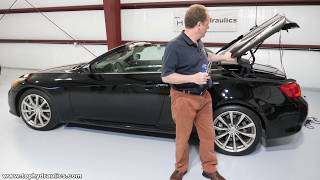
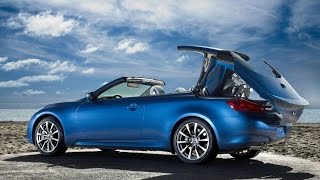
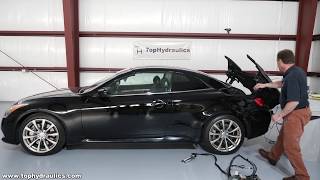
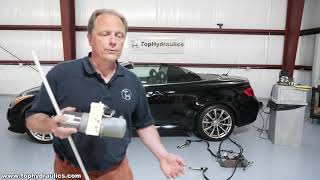
This code is unique to the G37 Convertible and its complex, multi-panel retractable hardtop which uses a combination of hydraulic cylinders and electric motors. The system's control logic is highly sensitive to any interruption, whether from a weak battery, physical obstruction, or user error. Infiniti acknowledged this sensitivity by issuing a specific Technical Service Bulletin (ITB14030) that details a reset and initialization procedure, which often resolves the code without replacing any parts. This suggests the issue is frequently procedural rather than a hardware failure. The complexity involves multiple sensors, a hydraulic pump, six hydraulic cylinders, and electric motors 🎬 Watch: An introduction to the G37 hydraulic top system for the front latch and parcel shelf, all of which must work in perfect sequence.
Diagnostic Flowchart

Tap your situation to follow the diagnostic path that matches what you're seeing on this vehicle.
Symptoms You May Notice

- Convertible top is inoperable or stuck mid-operation.
- Warning message on the instrument cluster (e.g., "Roof in Operation").
- Audible chime or beep when driving, typically above 5 mph.
- Trunk may not open or close properly.
- One of the side flipper doors may not move correctly.
- Replacing the Retractable Hard Top Control Unit when the issue is a simple procedural error fixed by the TSB reset.
- Replacing the hydraulic pump when the fault lies with an inexpensive position sensor or a weak battery.
Most Likely Causes

- Roof Operation Interrupted 🔴 High Probability The system's control logic is sensitive and will set a fault if the sequence is not completed perfectly. This can be caused by turning the car off mid-cycle, a physical obstruction (like luggage in the trunk), or an unseated trunk partition or emergency release handle.
How to confirm: The code appears after the roof failed to complete its open or close cycle. Check for any items in the trunk that may have interfered with the mechanism.
Typical fix: Follow the procedure in TSB ITB14030: manually close the roof, clear the diagnostic trouble codes with a scan tool, and perform the system initialization.
Est. part cost: $0 - Weak or Discharged Battery 🟡 Medium Probability → Shop Vehicle Battery The hardtop mechanism draws significant current. Low battery voltage during operation can cause the control module to halt the process and set a fault code. Owners report that even a slightly weak battery, while still able to start the car, can cause this issue.
How to confirm: Test the battery's voltage and load capacity. The issue may occur intermittently. A hard reset (disconnecting the battery for 15+ minutes) may temporarily resolve the issue, pointing to a power supply problem.
Typical fix: Recharge or replace the vehicle's battery. Ensure the replacement battery meets or exceeds the OEM specification (e.g., 700 CCA). A hard reset and roof initialization procedure will be required after replacement.
Est. part cost: $150-$350 - Faulty Roof or Trunk Position Sensor/Limit Switch ⚪ Low Probability The complex system uses numerous Hall effect sensors to track the position of each panel and latch. Failure of any one of these sensors, particularly the parcel shelf sensors, will provide conflicting information to the control module, stopping the operation.
How to confirm: Use an advanced scan tool (like Infiniti CONSULT) that can read live data from the 'CONVERTIBLE ROOF' module. Monitor the status of each sensor while attempting to operate the roof to see which one is not reporting correctly.
Typical fix: Replace the specific sensor that has failed. These are often called 'travel sensors' and may require splicing into the existing harness. Accessing the sensors can be labor-intensive.
Est. part cost: $70-$300
Rare But Worth Checking
- Hydraulic Pump or Cylinder Failure: While less common than sensor issues, the hydraulic system can fail, leading to leaks or an inability to generate pressure. This is often an expensive repair, with dealer quotes sometimes reaching thousands, though sourcing a used pump can lower costs significantly.
- Damaged Wiring Harness: The wiring that runs to the various sensors and motors in the trunk and roof assembly can chafe or break over time, especially in areas where the harness flexes. This can cause intermittent or total loss of function.
- Retractable Hard Top Control Unit Failure: It is rare for the control module itself to fail, but it is possible. This should only be considered after all sensors, wiring, and mechanical components have been thoroughly checked. One owner on MyG37.com replaced the module along with the motor.
- Parasitic Battery Drain: → Shop Vehicle Battery In some cases, a fault in the convertible top module can cause it to stay 'awake' when the car is off, leading to a dead battery. One owner traced a 375mA draw to the convertible top fuse; a dealer reprogrammed a setting to prevent the module from constantly checking the roof status, which resolved the drain.
Diagnosis Steps
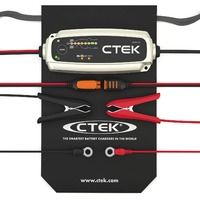
- Confirm the battery is fully charged and in good health. Connect a battery charger if needed, as low voltage is a primary cause of interruption.
- Scan the 'CONVERTIBLE ROOF' control module for all DTCs. Note B1708 and its common companion, B1707.
- Carefully follow the procedure to manually close the roof. This is a complex process involving multiple steps, tools (like a 6mm Allen wrench), and removal of the rear seat and trim. 🎬 See this step-by-step guide to manually closing the top A detailed video guide from Top Hydraulics is a valuable resource.
- Once the roof is fully secured and closed, use a capable scan tool to connect to the 'CONVERTIBLE ROOF' module.
- Erase the DTCs (B1708, B1707, etc.).
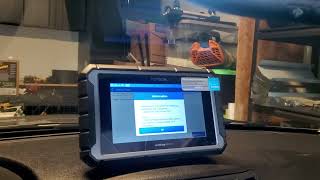
- Perform the 'Hard Top Control Unit Initialization' procedure as described in TSB ITB14030. This may be labeled 'ROOF STATE RESET' or 'ROOF STATE LEARNING' in the scan tool and requires cycling the top open and closed. 🎬 Watch: How to perform the convertible top relearn procedure
- Attempt to operate the roof normally. If it functions correctly, the issue was an interruption and is now resolved.
- If the code returns immediately, use the scan tool's live data function to monitor all roof position sensors and switches (e.g., parcel shelf sensor, flipper door sensors, latch sensors). Operate the mechanism manually (if possible with the scan tool) to identify which sensor is not changing state correctly.
- Inspect the suspect sensor and its wiring for physical damage, corrosion, or loose connections. Pay close attention to wiring harnesses that flex during roof operation.
- If all sensors and wiring appear to be functioning, further diagnosis of the hydraulic system (pump pressure, fluid level) or the control unit itself may be necessary.
Parts You'll Likely Need
- Vehicle Battery — A weak or failing battery is a common cause of electrical interruptions that trigger this code during the high-current draw of roof operation.
Trusted brands: Interstate, DieHard, Bosch
OEM price range: $250-$400
Aftermarket price range: $150-$350 - Convertible Top Position Sensor / Travel Sensor
(OEM #e.g., 28437-JJ55A (Note: This is a distance sensor, verify specific position sensor part number))— If the code persists after a reset, a failed sensor is the most likely hardware culprit, preventing the control module from knowing the roof's true position. These are often Hall effect sensors clipped to hydraulic cylinders.
Trusted brands: Infiniti OE, Top Hydraulics
OEM price range: $100-$300
Aftermarket price range: $70+
Related Codes That Often Appear With This One
- B1707 — This code is also related to the retractable hardtop position ('roof open state') and is explicitly mentioned in TSB ITB14030 as being stored alongside B1708 ('roof close state').
- B1731 — This code for 'hydraulic state' can appear alongside B1707/B1708, indicating a problem was detected within the hydraulic sequence, as seen in a forum post where a user's top would stop mid-operation.
Technical Service Bulletins (TSBs) & Recalls
- ITB14030 / BT14-020: The primary TSB for this issue. Details the official service information for when DTCs B1707 and B1708 are stored due to an interrupted roof operation, providing the manual closing and initialization procedure.
Platform-Specific Known Issues
- The control logic is highly sensitive to interruptions, making the reset procedure detailed in TSB ITB14030 a very common fix.
- The manual closing procedure is complex and requires specific tools and care to avoid damaging the mechanism or paint. It involves removing the rear seat bottom and back.
Mechanic-Grade Diagnostic Values
- System Operating Voltage — expected: > 11.2V. Failure: Voltage dropping below 11.2V during operation can halt the process and set a fault.
- Retractable Hard Top Control Unit Power Supply — expected: Continuity to a 30A fusible link, labeled 'O', in the main fusible link block.. Failure: A blown fusible link will result in a complete loss of power to the control unit.
Scan Tool Commands That Help
- Infiniti CONSULT-III plus: Work Support / Active Test — To individually operate each component of the roof system (e.g., parcel shelf motor, specific hydraulic solenoids, latches). This is critical for diagnostics when the automatic sequence fails, and for manually sequencing the top into a closed position if a physical reset is not possible. A user on MyG37.com confirmed this is necessary but requires knowing the correct operational sequence to avoid damage.
- Infiniti CONSULT-III plus or compatible advanced scanner: Hard Top Control Unit Initialization / Roof State Reset — This is the final step after manually closing the roof and clearing DTCs, as per TSB ITB14-030. It forces the control unit to relearn the fully open and closed positions. A video shows this process being initiated, which then requires a full open/close cycle to complete.
Wiring & Ground Locations
- Retractable Hard Top Control Unit — Behind the rear driver's side (LH) interior trim finisher, near the seat.. This is the main computer for the roof system. All sensor inputs and motor/hydraulic outputs are processed here. Access is required for connector inspection or unit replacement.
- Fusible Link 'O' — In the main fuse and fusible link block, located in the engine compartment near the battery.. This 30A link provides primary power to the roof control unit. If it blows, the entire system will be dead.
- Trunk Hinge Wiring Harness — The harness that flexes with the trunk lid, particularly on the driver's side.. A forum member discovered that the factory electrical tape in this area can become brittle and fail, allowing wires to chafe and short. This caused an intermittent failure that was resolved by re-securing the harness, not by replacing any major components.
- Body Control Module (BCM) — Behind the passenger's side (right) kick panel.. The BCM communicates with the roof control unit over the CAN bus. While not the primary controller, a fault here or in its wiring/grounding could potentially cause communication-related roof issues.
Real Owner Repair Stories
- MyG37.com user 'My09G37vert' (2009 G37 Convertible) — Roof was stuck mid-cycle after the vehicle's battery died during operation.
❌ Tried (didn't work) Initial attempts to simply reset the system were unsuccessful.
✅ What actually fixed it The owner purchased an Infiniti CONSULT III Plus tool ($575). Using the 'Work Support' active test functions, they spent several hours manually commanding each part of the roof mechanism (motors, latches, hydraulics) in the correct sequence to get the top fully closed. After closing it and clearing codes, they performed the 'relearn' procedure, which restored normal operation. - MyG37.com user 'Skhan' (2010 G37 Convertible) — Intermittent roof operation; would almost always stop during the closing sequence after the trunk lid opened.
❌ Tried (didn't work) A dealer quoted $3500 to replace the hydraulics but could not guarantee it would fix the problem.
✅ What actually fixed it Using a CONSULT 3 tool for diagnosis, the owner discovered that old, brittle electrical tape on the wiring harness near the driver's side trunk hinge had failed. After re-taping and securing the wires and performing a system relearn with the scan tool, the problem was resolved. Another user in the same thread confirmed frayed wires in the same location caused their issue. - Reddit user 'mameranian' (2013 G37 Convertible) — An object was caught in the parcel shelf gears, causing a horrible grinding sound and preventing operation. The dealer quoted $4,199 to replace the entire parcel shelf assembly.
❌ Tried (didn't work) Dealer diagnosis pointed to a full component replacement.
✅ What actually fixed it The owner found an independent mechanic specializing in convertibles who was able to repair the existing mechanism for $1,200. While the repair was successful, the owner noted the top remained 'finicky' afterward, indicating the system's high sensitivity.
"I Checked Everything" — The Actual Cause
- In the context of this electronic/mechanical code, the equivalent of a 'smoke test clean' scenario is when all sensors and modules appear functional via scan tool data, yet the problem persists. A confirmed instance of this was caused by a frayed wiring harness where the protective electrical tape had degraded in the trunk hinge area. The sensors and modules were not faulty, but the intermittent connection from the damaged wires caused the system to halt, mimicking a component failure.
When the Usual Fixes Don't Work
- While the standard TSB procedure involving a manual close and reset often works, it can fail if the system is too far out of sequence, for example, after a battery died mid-operation. In one documented case, the owner could not resolve the code with a simple reset. The fix required purchasing an Infiniti CONSULT III scan tool to manually actuate each roof component (motors, latches, hydraulics) one-by-one, in the correct order, to force the top into a fully closed state. Only after the system was physically sequenced correctly could the 'relearn' procedure be successfully completed.
OEM Part Supersession History
97096-JJ50A, 97096-JJ50B→97096-JJ50C— Represents a revision to the 'Lock Assy-Folding Roof' component. The existence of multiple revisions suggests potential improvements or changes to address issues in earlier designs.
Model Year Variations Within This Range
- 2009-2010: The part number for the 'Lock Assy-Folding Roof' changed around February 2010 (from 97096-JJ50A to 97096-JJ50B), indicating a mid-cycle update to the roof locking mechanism.
- 2009-2010: The front door wiring harness has different part numbers for vehicles produced before and after November 2009, suggesting a change in wiring or connectors early in the model's life.
Helpful Videos
We Have This Part in Stock


The information in this article is provided for general reference and educational purposes only. Vehicle specifications, procedures, and part compatibility can vary by production date, trim level, and region. Always consult your vehicle's factory service manual and verify part numbers before purchasing or performing repairs. Safety-critical components such as airbags, seat belts, and braking systems should be installed by a qualified professional.
- Infiniti G37:
- 🧭 Diagnostic Flowchart
- 🎬 Helpful Videos
- 🛍️ Shop This Part
- What's Unique About the 2009-2013 Infiniti G37
- Symptoms You May Notice
- Most Likely Causes
- Rare But Worth Checking
- Diagnosis Steps
- Parts You'll Likely Need
- Related Codes That Often Appear With This One
- Technical Service Bulletins (TSBs) & Recalls
- Platform-Specific Known Issues
- Mechanic-Grade Diagnostic Values
- Scan Tool Commands That Help
- Wiring & Ground Locations
- Real Owner Repair Stories
- "I Checked Everything" — The Actual Cause
- When the Usual Fixes Don't Work
- OEM Part Supersession History
- Model Year Variations Within This Range
- 🎟️ Get 5% Off