

OBD-II Code B1751: Varies by Manufacturer (Commonly Interior Lighting Fault)
What B1751 means, why it triggers, and how to fix it
- Confirm your vehicle's specific B1751 definition using an advanced OBD-II scanner, as this code means 'Courtesy Light Short' on a Ram but 'Neutral Safety Switch Failure' on a Ford.
- On 2013-2018 Ram trucks, immediately inspect the passenger-side lower B-pillar wiring harness for chafing, which is the root cause in over 80% of lighting-related B1751 cases.
- If the code appears immediately after installing aftermarket LED interior lights, replace them with 'CAN-bus compatible' bulbs to resolve the BCM resistance conflict.
- Never replace the Body Control Module (a $600-$1,000 repair) without first testing the circuit with a multimeter to rule out a simple $5 shorted wire or blown bulb.
What Does B1751 Mean?
B1751 is a manufacturer-specific Body Control Module (BCM) code. Its definition changes entirely depending on your car's brand. For many Dodge, Chrysler, and Ram vehicles, it signals a short circuit in the interior courtesy lighting system. For Ford, it points to a neutral safety switch failure. Some Chrysler and Dodge models log this code for a transmission control module (TCM) communication failure or a theft alarm system fault.
Technical definition: Because B1751 is not universal, it has several official definitions. Stellantis (Dodge/Ram): "Courtesy Lamp Control - Circuit Short to Ground." Ford: "Park/Neutral Switch Short to Battery" or "Circuit Failure." Jeep: "Front-Rear Adjustment, Motor 1. Potentiometer Signal Too Low." Chrysler (Hybrid): "Motor Control Module (MCM) Lost Communication with PCM." GM (Chevrolet/GMC): "Stop Lamp Control Circuit."
Can I Drive With B1751?
Yes, But With Caution. In most cases, this code relates to non-essential systems like interior lights, making the vehicle safe to drive. The primary risk is a drained battery if the lights stay on. However, on 1996-2011 Ford models, it indicates a neutral safety switch failure and causes a no-start condition. On specific Dodge/Chrysler models where it signals a TCM communication loss, do not drive the vehicle; doing so causes unpredictable shifting and potential transmission damage, adding $2,000-$4,000 to repair costs.
Common Causes
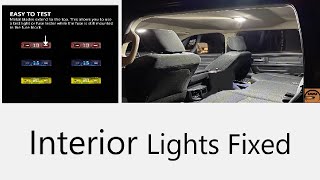
- Damaged Wiring Harness (Very Common) — Wires for interior lights or body components pinch, chafe, or break under trim panels. Stellantis TSB S2408000107 identifies a damaged harness under the passenger-side lower B-pillar trim 🎬 Watch: How to fix interior lights that won't turn on. as the primary culprit for Ram trucks.
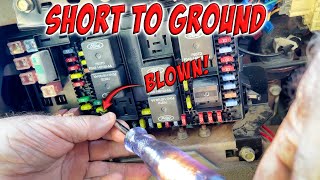
- Faulty or Incorrect Interior Light Bulb (Common) — A shorted incandescent bulb or an incompatible aftermarket LED bulb creates a short circuit. The BCM's diagnostic circuit misinterprets the low resistance of cheap LEDs 🎬 Watch: How to fix LED bulb CANbus error codes. as a hard fault.
- Loose or Corroded Connectors (Common) — Moisture corrodes electrical connectors for the BCM, light fixtures, or inline harnesses (like the XY315 connector on Ram trucks), causing high resistance or direct shorts to ground.
- Aftermarket Accessory Interference (Common) — Improperly installed GPS trackers, remote starters, or alarms wired into the OBD-II port or BCM circuits introduce electrical noise or direct shorts, triggering soft codes that reappear after clearing.
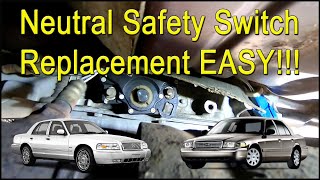
- Faulty Park/Neutral Safety Switch (Less Common) — On 1996-2011 Ford Crown Victoria and Grand Marquis models, the switch fails or its wiring shorts, causing a complete no-start condition. 🎬 See this Ford neutral safety switch replacement walkthrough.
- Water Intrusion (Less Common) — Leaking windshield seals, clogged sunroof drains, or damaged door seals saturate wiring harnesses and the BCM, causing immediate short circuits.
- Body Control Module (BCM) Software Glitch (Less Common) — A known software bug incorrectly triggers the code. Stellantis TSB 08-023-17 addresses a software issue causing delayed interior lights associated with B1751.
- Faulty Body Control Module (BCM) (Rare) — If all wiring and bulbs test perfectly, the BCM's internal drivers have failed. This requires a $600+ replacement and dealer programming.
Symptoms
- Interior lights do not turn on — The dome light, map lights, or other courtesy lights fail to illuminate when you open the door or use the switch.
- Interior lights stay on — The courtesy lights remain on after the doors close, draining the battery within hours.
- Vehicle does not start — On affected Ford models, a faulty Park/Neutral switch circuit prevents the engine from cranking.
- Erratic transmission shifting — If the code indicates a TCM communication error (Dodge/Chrysler), the vehicle shifts harshly, gets stuck in gear, or enters limp mode.
- Delayed interior lighting — When a door opens, there is a noticeable multi-second delay before the interior lights turn on (common Ram software glitch).
- Check Engine Light or warning message — The vehicle's main warning light or a specific instrument cluster message prompts you to scan for codes.
- B1751 code present in BCM memory (scan-tool only — no driver-felt sign) — The fault code is stored in the Body Control Module and requires a capable OBD-II scanner to read.
Diagnostic Flowchart
Tap your situation to follow the diagnostic path that matches what you're seeing on this code.
Common Fixes & Costs
- Replacing Faulty Interior Light Bulb(s)
— Parts: $5-$20, Labor: $0-$50, ~0.2 hr book time
(DIY)
Common Ram/Dodge/Ford: OEM L0000194 (194 Bulb), L0000921 (921 Bulb) (Alt: Sylvania, Philips. Ensure 'CAN-bus compatible' if choosing LED.) - Repairing Damaged Wiring Harness — Parts: $5-$20, Labor: $200-$500, ~1.5 hr book time (Intermediate)
- Replacing Park/Neutral Safety Switch
— Parts: $50-$150, Labor: $100-$200, ~1.0 hr book time
(Intermediate)
Ford Crown Victoria (1998-2011): OEM Motorcraft F8AZ-7F293-AA (Alt: Standard Motor Products NS201, Duralast) - Updating Body Control Module (BCM) Software — Parts: $0, Labor: $125-$250, ~1.0 hr book time (Professional)
- Replacing the Body Control Module (BCM)
— Parts: $450-$700, Labor: $150-$300, ~1.5 hr book time
(Professional)
Ram 1500 (2018-2020): OEM Mopar 68357472AD (Alt: Cardone, Dorman (Remanufactured))
DIY vs Professional
- Replacing Faulty Interior Light Bulb(s) — Beginner: Yes
Tools: Trim removal tool or small flathead screwdriver. - Repairing Damaged Wiring Harness — Beginner: No
Tools: Digital multimeter, wire strippers, crimpers, heat gun, butt connectors, heat shrink tubing, trim tools. - Replacing Park/Neutral Safety Switch — Beginner: No
Tools: Socket set, wrenches, jack and jack stands, vehicle-specific socket, torque wrench. - Replacing the Body Control Module (BCM) — Beginner: No
Tools: Socket set, trim removal tools, dealer-level programming software. - Updating Body Control Module (BCM) Software — Beginner: No
Tools: Professional-grade scan tool, J2534 pass-thru device, paid manufacturer subscription.
Used vs. New Parts: Buying Guide
When a used part is worth it: For a Neutral Safety Switch, a used part from a low-mileage donor vehicle is cost-effective. For a BCM, a used part only makes sense if you have a guaranteed cloning service, as dealers cannot program a used BCM to a new vehicle.
Donor-vehicle mileage cap: roughly under 80000 miles for the part to have meaningful remaining life.
Donor quality checklist:
- For a BCM, you MUST match the part number exactly.
- Avoid parts from flood-damaged or heavy rust-belt vehicles.
- Verify the donor vehicle was not scrapped for an electrical issue.
Decision logic:
- If The part is a Neutral Safety Switch and the vehicle is high-mileage → A used part is acceptable; a new aftermarket part offers a better warranty for a modest price increase.
- If The part is a Body Control Module (BCM) → Favor a new OEM part or a professionally remanufactured unit with programming support. A used BCM is high-risk.
- If The vehicle is critical for daily use → Buy a new part to minimize the risk of premature failure and repeat labor costs.
Warranty tradeoff: Salvage yard parts have a 30-90 day warranty. New aftermarket parts carry a 1-year to lifetime warranty. New OEM parts installed by a dealer include a 12-month/12,000-mile warranty.
Worst-case if a used part fails: $300-$600 if a used BCM or switch fails after installation, requiring a new part and repeat labor.
What Happens If You Wait — Timeline
- Immediate: Lights fail to work or stay on. For a Ford, the engine will not crank. For a TCM fault, shifting becomes erratic. (MPG impact: 0% (for lighting/no-start), 5-10% (for TCM fault)% · Added cost: $0)
- Hours to Days: If lights stay on, the battery drains completely, requiring a jump or tow. Deep discharge permanently damages the battery. (MPG impact: 0%% · Added cost: $150-$300 (New battery and/or tow service).)
- Days to Weeks: Ignoring a TCM communication fault puts extreme stress on transmission clutches and gears. (MPG impact: 10-25%% · Added cost: $2,000-$5,000 (Catastrophic internal transmission failure).)
- Weeks to Months: An ignored short circuit generates enough heat to melt adjacent wires or destroy the BCM's internal driver circuits. (MPG impact: 0%% · Added cost: $700-$1,200 (Cost to replace and program a destroyed BCM).)
Cost of Not Fixing It
- Immediate (Lighting Fault): If lights stay on, the battery drains within hours, leading to a no-start situation. (Added cost: $50-$250 (Jump start service or a new battery if damaged from deep discharge).)
- Immediate (Neutral Safety Switch Fault): The vehicle will not start, leaving you stranded. (Added cost: $100-$300 (Tow to a repair shop).)
- Immediate (TCM Communication Fault): Erratic shifting or complete loss of transmission control. Continued driving causes severe internal transmission damage. (Added cost: $2,000-$5,000+ (Transmission overhaul or replacement).)
- Ongoing (Airbag/OCS Fault): The Occupant Classification System fails, potentially disabling the passenger airbag in an accident. This is a critical safety failure. (Added cost: N/A (Critical safety risk).)
Diagnosis Steps
- Confirm the Code's Meaning
Use a high-quality OBD-II scanner to read manufacturer-specific Body (B) codes. Note the exact definition provided (e.g., 'Courtesy Lamp Circuit' vs. 'Park/Neutral Switch'). A generic reader provides no definition, making diagnosis impossible.
Tools: Advanced OBD-II Scanner (Beginner) - Check for Technical Service Bulletins (TSBs)
Search online for TSBs related to code B1751 for your specific vehicle. For Ram/Dodge, TSB S2408000107 points directly to a passenger B-pillar wiring problem.
Tools: Internet access (Beginner) - Inspect All Courtesy Light Bulbs
Remove the plastic covers from your dome and map lights. Look for burned-out bulbs. If you recently installed LED bulbs, reinstall the original factory incandescent bulbs to see if the code clears. Incompatible LEDs are a primary cause.
Tools: Trim removal tool (Beginner) - Isolate the Circuit by Disconnecting Components
Monitor the code status with your scan tool. Disconnect each interior light fixture one by one. Clear the codes after each disconnection. If B1751 does not return after unplugging a specific lamp, that fixture or bulb is the source of the short.
Tools: Advanced OBD-II Scanner, Trim removal tools (Intermediate) - Inspect Common Wiring Problem Areas
Remove the plastic trim panel on the passenger-side lower B-pillar (behind the front door) on Ram/Dodge trucks. Inspect the wiring harness for insulation rubbed through by a misplaced plastic fastener.
Tools: Trim removal tool, Flashlight (Intermediate) - Test the Circuit for a Short to Ground
Disconnect the BCM harness connector. Set a digital multimeter to Ohms. Measure between the Courtesy Lamp Driver circuit wire and a known good chassis ground. A reading near 0 Ohms confirms a short circuit. A reading of OL (Open Line) suggests the wiring is intact.
Tools: Digital Multimeter, Wiring diagram (Advanced) - Perform a Voltage Drop Test
Set your multimeter to DC Volts. Connect the positive lead to the BCM-side of the circuit and the negative lead to the component-side connector pin. Activate the circuit. A reading over 0.5V indicates excessive resistance from corrosion.
Tools: Digital Multimeter (Advanced) - Test the Park/Neutral Switch Circuit (Ford)
For Ford models with a no-start, set a multimeter to continuity. Disconnect the neutral safety switch. Probe the terminals with the shifter in Park and Neutral; the meter must show continuity. In Reverse or Drive, it must show OL. Replace the switch if it fails.
Tools: Digital Multimeter, Wiring diagram (Advanced) - Monitor Live Data with a Scan Tool
Monitor the PID for 'Courtesy Lamp Status' or 'Park/Neutral Switch'. Command the lights on/off or move the shifter. If the PID value is stuck or incorrect despite good wiring, the fault lies in the switch or the BCM.
Tools: Advanced bi-directional scan tool (Advanced) - Diagnose the Body Control Module (BCM)
If the wiring circuit tests perfectly and all components function, the BCM has failed. Verify all power and ground connections to the BCM show proper voltage before authorizing a module replacement.
Tools: Advanced scan tool, Digital Multimeter (Advanced)
When This Code Triggers (Freeze-Frame Conditions)
- DTC that caused freeze frame: B1751 (Confirms which code triggered the data snapshot.)
- Battery Voltage: 11.5-14.5V (The code sets with the engine off or running. Low voltage itself sometimes triggers BCM errors.)
- Ignition Status: RUN or ACC (Indicates the key position when the BCM detected the fault.)
- Courtesy Lamp Command: ON (Shows the BCM was attempting to activate the lights when it detected the short circuit.)
- Fault Status: Active/Current (Indicates the fault is present at the time of scanning, rather than a historical code.)
Related Codes
- B1751-11 — The '-11' suffix explicitly means 'Circuit Short to Ground'. Diagnosis must focus entirely on finding a wire touching the vehicle's metal body.
- B1751-15 — The '-15' suffix means 'Circuit Short To Battery or Open'. Diagnosis involves checking for a broken wire or a wire rubbed against a power source.
- U1006 — On Dodge vehicles, this theft-alarm siren code appears alongside B1751 if there is a wiring issue on the shared LIN bus data line.
- B-prefix codes (e.g., B16B7, B18B5) — Other 'B' codes indicate faults within the BCM system. If B1751 appears with a window switch code, the fault is likely in the shared driver's door wiring harness.
Climate & Environmental Factors
- High Humidity / Heavy Rain: Water intrusion exploits failing seals (windshield, sunroof drains), allowing moisture to reach interior wiring harnesses and the BCM, leading to corrosion and short circuits.
- Cold Climates / Road Salt: Road salt accelerates corrosion on exposed connectors or grounds, including the neutral safety switch on the transmission, leading to high resistance or open circuits.
- Vibration and Heat: Engine and road vibrations cause wire insulation to become brittle and crack, exposing copper wire and leading to shorts against the chassis.
How to Talk to a Mechanic About This Code
Say this: "I have a B1751 code on my [Year, Make, Model]. I know this is a manufacturer-specific code, so I need you to pull the full definition from the Body Control Module. Can you provide a quote for an initial scan to confirm the exact fault, whether it's for the lighting circuit, a communication issue, or something else?"
This signals you understand the code's complexity. It prevents a shop from making assumptions and focuses the initial diagnostic on identifying the specific system at fault.
Avoid saying:
- 'My interior lights are acting up.' (The problem could be your transmission or airbags, depending on the car.)
- 'I have a B1751 code, please replace the BCM.' (This is the most expensive and often incorrect first step.)
- 'Just fix whatever is wrong with it.' (This invites unnecessary diagnostics and expense.)
Questions to ask before authorizing the repair:
- Now that we know the code's specific definition, what is your diagnostic plan to find the cause?
- For a lighting short: Did you check for TSBs related to wiring chafe before spending time on diagnostics?
- For a module replacement: Is the new module OEM or remanufactured? Does the price include programming?
- What is your warranty on this specific repair, covering both parts and labor?
Where to Take It: Dealer vs Independent vs Chain
- Dealer:
Best for: Module replacement and programming (BCM, TCM, OCS)., Safety system repairs (Mazda airbag/OCS fault)., Complex communication errors (Dodge 'Lost Communication with TCM')., BCM software updates.
Downsides: Highest labor rate, typically 1.5-2x an independent shop., Defaults to module replacement before exhausting wiring diagnostics. (Typical cost: +50% vs. baseline) - Independent Shop:
Best choice for common wiring and component-level electrical issues. The dealer is required for module programming and safety system work.
Best for: Common lighting-related faults on Ram/Dodge vehicles., Diagnosing and repairing chafed wiring harnesses., Replacing the Park/Neutral safety switch on older Fords.
Downsides: Lacks specific software to program a new BCM or calibrate a safety system., Quality varies; ensure they have experience with modern electrical diagnostics. (Typical cost: +0% vs. baseline) - Chain Shop:
AVOID for diagnosing B1751. Their tools and training are inadequate for a manufacturer-specific body code.
Best for: Only if the confirmed problem is a simple, accessible light bulb replacement.
Downsides: Technicians lack advanced electrical diagnostic skills., Unlikely to have scan tools capable of reading manufacturer-specific body codes., High pressure to upsell leads to incorrect recommendations. (Typical cost: -10% vs. baseline)
When to Walk Away From the Repair
If the estimated repair cost exceeds 40-50% of the car's private-party value, seriously consider selling the car as-is or trading it in.
- Car worth $3000, fix is $1500: Walk away. A BCM or OCS repair costing 50% of the car's value is not a sound investment.
- Car worth $15000, fix is $1200: Fix it. A BCM replacement or OCS repair is well below the threshold and necessary for safety or function.
- Car worth $8000, fix is $4000: Walk away. If a TCM communication fault requires a transmission replacement, the cost is too high relative to the vehicle's value.
- Car worth $5000, fix is $400: Fix it. A wiring harness repair or neutral safety switch replacement is a reasonable cost to keep the vehicle operational.
What Scan Tool You Need for This Code
Minimum: A scanner that reads manufacturer-specific Body Control Module (BCM) codes. This is NOT a standard feature on basic $20 OBD-II readers.
A generic code reader shows the code with no definition. Without the manufacturer's specific definition, you cannot begin to diagnose the problem.
Budget: BlueDriver Pro (~$90) — Reads enhanced manufacturer codes (including BCM codes) for major brands, providing the essential definition needed to start.
Mid-range: Foxwell NT510 Elite / Launch Creader Elite 2.0 (~$150) — Provides full system diagnostics and bidirectional control. Allows you to command the courtesy lights on/off directly from the scanner.
Professional: Autel MaxiCOM MK808S / MK900 (~$400-600) — Offers full bidirectional control across a wider range of vehicles, including FCA Security Gateway access, live data, and service functions.
Rent vs buy: AutoZone's free scanning service is unlikely to help, as their basic readers do not pull manufacturer-specific body codes. You must buy a capable scanner.
How to Clear the Code After You Fix It
- Use an OBD-II scan tool capable of accessing the BCM to clear the code.
- Cycle the ignition and test the repaired function (e.g., open and close doors to check courtesy lights).
- If the code returns immediately, the short circuit or incompatible bulb is still present.
Drive cycle (~5 minutes): No complex drive cycle is needed. The BCM re-runs its self-test on the affected circuit immediately upon the next key cycle or when the circuit is commanded on.
Readiness monitors affected: None. Body codes do not affect emissions readiness monitors.
Watch out for:
- Using a basic code reader that cannot access or clear BCM codes.
- Clearing the code without fixing the underlying electrical short; the code returns instantly.
- Disconnecting the battery to clear the code, which resets radio presets and idle values unnecessarily.
Will This Fail Emissions / State Inspection?
No — by itself this code doesn't fail OBD inspection (but it can keep readiness monitors from setting, which causes a separate fail).
- California: A B1751 code does not fail the OBD-II emissions test. However, if the fault definition is for the brake light circuit (GM models), it fails the safety inspection.
- New York: New York includes safety and emissions components. A B1751 for interior lights passes, but non-functional brake lights (GM) or backup lights (Ford) cause an immediate safety failure.
- Texas: A B-code does not cause an emissions failure unless it triggers the Check Engine Light. However, Texas requires a safety check of exterior lighting, resulting in a failure if brake lights are affected.
Most Commonly Affected Vehicles
- Ram 1500/2500/3500 (2013-2023) — Extremely prone to the 'Courtesy Lamp Control - Circuit Short to Ground' definition. 2013-2018 models suffer from the B-pillar wiring harness issue (TSB S2408000107).
- Dodge Charger, Journey, Durango (2010-2023) — Presents the courtesy light fault, or 'Lost Communication with TCM' / 'Theft-alarm Siren LIN timeout' on specific trims.
- Chrysler 300, Pacifica (2010-2023) — Presents the courtesy light code, but hybrid models define B1751 as a system communication error ('MCM Lost Communication with PCM').
- Ford Crown Victoria, Grand Marquis (1996-2011) — B1751 specifically points to a failure or short in the Park/Neutral safety switch circuit, causing a no-start condition.
- Jeep Grand Cherokee (2010-2022) — Related to the power seat adjustment motor's position sensor signal being too low, indicating a faulty seat motor.
- Chevrolet / GMC Silverado, Sierra (2007-2024) — Defined as 'Stop Lamp Control Circuit', pointing to an issue with the brake light switch or its wiring.
- Mazda CX-5, Mazda3 (2013-2018) — Indicates a fault in the Occupant Classification System (OCS), a safety-critical airbag issue requiring immediate attention.
Manufacturer-Specific Notes
- Stellantis (Ram, Dodge, Chrysler, Jeep): TSB S2408000107 identifies a wiring harness under the passenger lower B-Pillar trim prone to damage from an incorrectly positioned fastener. TSB 08-023-17 addresses a software issue causing delayed interior lights.
- Ford: On Panther Platform models, B1751 is unrelated to lighting and points directly to a problem with the Park/Neutral safety switch circuit, affecting the vehicle's ability to start.
- General Motors (Chevrolet/GMC): B1751 means 'Stop Lamp Control Circuit.' It does not always trigger a warning for the brake lights themselves but is detected by the BCM due to a failing brake pedal position sensor.
- General: Aftermarket accessories, GPS trackers, or low-quality LED bulbs cause this code to appear as a 'soft code' that returns after clearing. The BCM interprets their different electrical characteristics as a fault.
Real Owner Stories
2016 Ram 1500 at 75K miles - The Classic B-Pillar Wiring Fix
All interior courtesy lights suddenly stopped working. Scanning revealed an active B1751-11 'Courtesy Lamp Control - Circuit Short to Ground' code.
What they tried:
- Checked all bulbs, which were fine.
- Cleared the code, but it returned immediately on the next door open cycle.
Outcome: Following TSB S2408000107, the owner removed the passenger-side lower B-pillar trim. They found a wiring harness with insulation rubbed through by a plastic trim fastener. The owner repaired the damaged wire with solder and heat shrink. The code cleared and did not return.
Lesson: On a 2013-2018 Ram with a B1751-11 code, the B-pillar wiring is the most likely cause. Inspect this specific location before attempting complex diagnostics.
2016 Dodge Charger - The LED Upgrade Mistake
After replacing interior incandescent bulbs with aftermarket LEDs, the lights worked intermittently and a B1751 code appeared.
What they tried:
- Tried different brands of standard LED bulbs with no change.
- Considered replacing the BCM, fearing the LEDs had damaged it.
Outcome: The owner reinstalled the original incandescent bulbs. The B1751 code cleared permanently. The new LED bulbs were not 'CAN-bus compatible', causing the BCM to interpret their low resistance as a short circuit.
Lesson: If B1751 appears right after an LED bulb upgrade, the bulbs are the problem. You must use 'CAN-bus compatible' LEDs with built-in resistors.
1998 Ford Crown Victoria at 150K miles - The No-Start Misdiagnosis
The vehicle would not crank. A basic scan tool pulled code B1751, which the generic reader defined as a lighting fault.
What they tried:
- Checked all lights, which worked fine.
- Replaced the starter, assuming it had failed, but the no-crank persisted.
- Checked battery and grounds.
Outcome: The owner discovered that on this Ford platform, B1751 means 'Park/Neutral Switch Circuit Failure'. They tested the switch on the transmission and found it faulty. Replacing the switch for $60 resolved the no-start issue.
Lesson: Never trust a generic code definition. Assuming B1751 is a lighting issue on an older Ford leads to expensive, incorrect repairs like replacing the starter.
2017 Mazda CX-5 - The Unexpected Safety Fault
The airbag warning light illuminated. A shop scan revealed code B1751, pointing to a fault in the Occupant Classification System (OCS).
What they tried:
- Tried clearing the code, but it returned instantly.
- Checked for recalls related to the OCS system.
Outcome: Diagnosis determined the OCS sensor mat within the passenger seat cushion had failed. The repair required replacing the entire seat bottom cushion assembly at the dealer.
Lesson: B1751 can point to critical safety systems. If paired with an airbag light, do not ignore it. The definition for your specific vehicle is paramount.
How to Prevent This Code From Triggering
- Apply dielectric grease to electrical connectors (When replacing bulbs or servicing components) — Dielectric grease seals out moisture and oxygen, preventing corrosion on connector pins and bulb sockets, a common cause of high resistance.
- Inspect and secure wiring harnesses (During any interior work (e.g., stereo installation)) — Physical damage is a leading cause of B1751. Ensure harnesses are properly clipped away from sharp metal edges or screw points.
- Regularly clean sunroof drains and cowl vents (Every 6-12 months) — Clogged drains cause water to overflow into the cabin, soaking fuse boxes and the BCM, leading to electrical shorts.
- Use only 'CAN-bus compatible' LED bulbs (When upgrading from incandescent bulbs) — These bulbs have built-in resistors that mimic the electrical load of a standard bulb, preventing the BCM from triggering code B1751.
- Avoid overloading accessory power outlets (Daily habit) — Plugging high-draw devices into circuits not designed for them creates excess heat and electrical stress on the BCM.
Frequently Asked Questions
Can I fix code B1751 myself?
Yes, if the cause is a burnt-out bulb, it is an easy DIY fix. Wiring issues require intermediate skills with a multimeter and trim tools. Leave BCM replacement and software updates to a professional.
I replaced the courtesy light bulbs with LEDs and now have code B1751. What happened?
The BCM is incompatible with the lower resistance of standard LED bulbs, interpreting the low power draw as a short circuit. Resolve this by installing 'CAN-bus compatible' LEDs with built-in resistors. Alternatively, switch back to the original incandescent bulbs.
What is the most common misdiagnosis for B1751?
The most common mistake is replacing the Body Control Module (BCM) without testing the circuit first. The fault is almost always a simple wire chafe or a bad bulb. Always test the circuit for shorts with a multimeter before condemning a $600 module.
Is B1751 a serious problem?
For the common interior light definition, it is not serious, though it drains your battery. If your Ford shows this code, it prevents the car from starting. If it indicates a TCM communication error on a Dodge/Chrysler, it causes severe shifting problems and is unsafe to drive.
Will clearing the code fix the problem?
No. Clearing the code only turns the light off temporarily. The BCM's self-test detects the underlying electrical fault immediately upon the next key cycle. You must repair the root cause for the code to stay clear.
Why does the definition of B1751 change so much?
Codes starting with 'B1' are manufacturer-specific body codes. This allows automakers to create unique diagnostics for systems beyond standard engine and emissions controls. Therefore, the same code number means entirely different things across brands.
My scan tool just says B1751 with no other text. What should I do?
This means you are using a basic code reader incapable of reading manufacturer-specific data. You must use an advanced scan tool to pull the exact definition for your vehicle. Without the specific definition, accurate diagnosis is impossible.
Where is the BCM located?
The BCM location varies by vehicle. In Ram and Dodge trucks, it is often integrated into the Power Distribution Center in the engine bay. In other vehicles, it sits under the dashboard near the steering column or behind a kick panel.
Key Takeaways
- Confirm your vehicle's specific B1751 definition using an advanced OBD-II scanner, as this code means 'Courtesy Light Short' on a Ram but 'Neutral Safety Switch Failure' on a Ford.
- On 2013-2018 Ram trucks, immediately inspect the passenger-side lower B-pillar wiring harness for chafing, which is the root cause in over 80% of lighting-related B1751 cases.
- If the code appears immediately after installing aftermarket LED interior lights, replace them with 'CAN-bus compatible' bulbs to resolve the BCM resistance conflict.
- Never replace the Body Control Module (a $600-$1,000 repair) without first testing the circuit with a multimeter to rule out a simple $5 shorted wire or blown bulb.
Helpful Videos


Shop the Parts Behind B1751
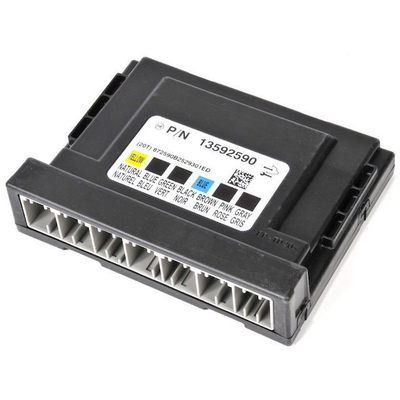
Below are the parts most often responsible for code B1751, ranked by how frequently each one is the actual culprit (per the diagnosis above). Tap any to see what we have for your vehicle.

The information in this article is provided for general reference and educational purposes only. Vehicle specifications, procedures, and part compatibility can vary by production date, trim level, and region. Always consult your vehicle's factory service manual and verify part numbers before purchasing or performing repairs. Safety-critical components such as airbags, seat belts, and braking systems should be installed by a qualified professional.
- 🧭 Diagnostic Flowchart
- 🎬 Helpful Videos
- 🛍️ Shop This Part
- What Does B1751 Mean?
- Can I Drive With B1751?
- Common Causes
- Symptoms
- Common Fixes & Costs
- DIY vs Professional
- Used vs. New Parts: Buying Guide
- What Happens If You Wait — Timeline
- Cost of Not Fixing It
- Diagnosis Steps
- When This Code Triggers (Freeze-Frame Conditions)
- Related Codes
- Climate & Environmental Factors
- How to Talk to a Mechanic About This Code
- Where to Take It: Dealer vs Independent vs Chain
- When to Walk Away From the Repair
- What Scan Tool You Need for This Code
- How to Clear the Code After You Fix It
- Will This Fail Emissions / State Inspection?
- Most Commonly Affected Vehicles
- Manufacturer-Specific Notes
- Real Owner Stories
- 2016 Ram 1500 at 75K miles - The Classic B-Pillar Wiring Fix
- 2016 Dodge Charger - The LED Upgrade Mistake
- 1998 Ford Crown Victoria at 150K miles - The No-Start Misdiagnosis
- 2017 Mazda CX-5 - The Unexpected Safety Fault
- How to Prevent This Code From Triggering
- Frequently Asked Questions
- Can I fix code B1751 myself?
- I replaced the courtesy light bulbs with LEDs and now have code B1751. What happened?
- What is the most common misdiagnosis for B1751?
- Is B1751 a serious problem?
- Will clearing the code fix the problem?
- Why does the definition of B1751 change so much?
- My scan tool just says B1751 with no other text. What should I do?
- Where is the BCM located?
- Key Takeaways
- 🎟️ Get 5% Off