

OBD-II Code B1792: Manufacturer-Specific Body Control Fault
What B1792 means, why it triggers, and how to fix it on Ford, Dodge, Acura, and other vehicles
- Code B1792 has completely different meanings across brands: Ford (autolamp), Dodge/Ram (tail light/airbag), Acura/Honda (Bluetooth module), and Subaru (occupant sensor).
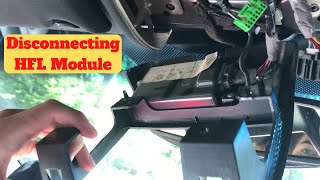
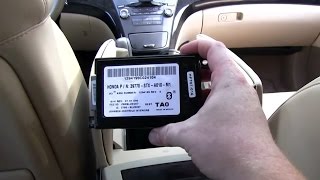
- On 2004-2013 Acura and Honda models, unplugging the HandsFreeLink module in the overhead console is a $0 fix that stops the 200-600mA parasitic battery drain.
- For 2013-2021 Ram trucks showing a 'Left Rear Lamp' warning, swap the left and right tail light assemblies to confirm if the $500+ sealed LED unit has failed internally.
- If you own a 2020-2022 Subaru Legacy or Outback with an active airbag light, stop diagnosing and check NHTSA recall 24V-227 for a free Occupant Detection Sensor replacement.
- Never replace a $500-$1200 Body Control Module (BCM) without first testing the specific circuit for shorts to ground or battery using a multimeter.
What Does B1792 Mean?
B1792 is a body control module (BCM) code, meaning it relates to your car's comfort, convenience, and safety features. Unlike most engine codes, its definition changes completely depending on your vehicle's manufacturer. It is crucial to know the specific meaning for your car before attempting any diagnosis, as a B1792 on a Ford is completely different from one on an Acura.
Technical definition: The official SAE/ISO definition for B1792 is manufacturer-specific. The most common definitions are: * **Ford:** Autolamp Sensor Input Circuit Short To Battery. * **Dodge/Ram:** Left Rear Lamp Diagnostic Line - Circuit Short To Ground OR No Communication With SDM (Restraint Module). * **Acura/Honda:** HandsFreeLink Control Unit Internal Error. * **Subaru:** Front Right Occupant Detection Sensor Failure. * **GM (General Motors):** LF/Driver seat motor #6 (lumbar; single motor or horizontal) circuit low.
Can I Drive With B1792?
Yes, But With Caution. Driving is possible, but strongly discouraged long-term. Depending on the vehicle, this code disables critical safety systems. If it relates to an airbag fault (Dodge/Subaru), the airbags will not deploy in a crash. In many jurisdictions, an active airbag light is an automatic vehicle inspection failure. If it causes a parasitic drain (Acura/Honda), you risk being stranded by a dead battery, leading to a $200-$400 tow and replacement bill. If it affects lighting (Ford/Ram), you lose headlights unexpectedly at night, creating a severe safety hazard.
Common Causes
- Damaged or Corroded Wiring/Connectors (Very Common) — This is the most frequent cause across all brands. Wires fray, pinch, or short against a power source or ground. Connectors exposed to the elements corrode and cause faulty signals. Loose or corroded main ground connections also trigger this code.
- Faulty Component (Sensor, Module, or Assembly) (Common) — The specific component the code points to failed internally. This includes the autolamp sensor on a Ford, the HandsFreeLink module on an Acura, or an entire LED tail light assembly on a Ram.
- Water Intrusion in Modules or Fuse Boxes (Less Common) — Clogged sunroof drains or bad seals allow water to drip onto sensitive electronics like the BCM, fuse panels, or airbag modules, causing shorts and corrosion.
- Failing Body Control Module (BCM) (Less Common) — The BCM receives signals from body sensors. If the BCM fails, it misinterprets a good signal and sets a false code. Consider this only after ruling out wiring and component faults.
- Improperly Installed Aftermarket Accessories (Less Common) — Tapping into the wrong wires when installing remote starters, alarms, or lighting interferes with sensitive circuits.
- Software Glitch / Module Needs Reflash (Rare) — The control module's software contains a programming error that sets false codes. Manufacturers issue Technical Service Bulletins (TSBs) with software updates to correct this.
Symptoms
- Dead Battery & Bluetooth Failure (Acura/Honda) — The HandsFreeLink system gets stuck booting up or refuses to pair. This creates a parasitic drain (0.2A to 0.6A) that kills the battery when the car sits for a day or two.
- Airbag Light On (Dodge/Subaru) — A loss of communication with the SDM (Dodge) or an Occupant Detection Sensor failure (Subaru) illuminates the airbag warning light, indicating the system is disabled.
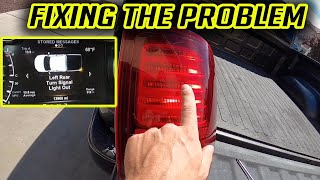
- Tail Light or Turn Signal Out Warning (Dodge/Ram) — The dashboard indicates a bulb is out, but the light still works intermittently or appears normal. This stems from a fault on the diagnostic circuit, not the lighting circuit.
- Automatic Headlights Malfunctioning (Ford) — The automatic headlights stay on permanently, fail to turn on in the dark, or flicker erratically.
Diagnostic Flowchart
Tap your situation to follow the diagnostic path that matches what you're seeing on this code.
Common Fixes & Costs
- Unplugging or Replacing the HandsFreeLink (HFL) Module (Acura/Honda) — Parts: $0 (unplug) - $400, Labor: $50-$150, ~0.7 hr book time (DIY)
- Replacing a Rear LED Tail Light Assembly (Dodge/Ram) — Parts: $250-$1200, Labor: $50-$100, ~0.5 hr book time (DIY)
- Replacing the Autolamp / Sun Load Sensor (Ford) — Parts: $30-$60, Labor: $50-$100, ~0.5 hr book time (DIY)
- Replacing Occupant Detection Sensor (Subaru) — Parts: $150-$300, Labor: $300-$600, ~2.5 hr book time (Professional)
- Repairing Damaged Wiring or Connectors — Parts: $5-$25, Labor: $125-$350, ~1.5 hr book time (Intermediate)
- Replacing the Body Control Module (BCM) — Parts: $250-$800, Labor: $250-$400, ~2.5 hr book time (Professional)
DIY vs Professional
- Unplugging the HandsFreeLink (HFL) Module (Acura/Honda) — Beginner: yes
Tools: Trim removal tools, Phillips screwdriver, 8mm socket. - Replacing a Rear LED Tail Light Assembly (Dodge/Ram) — Beginner: yes
Tools: T25 Torx driver or socket. - Replacing the Autolamp / Sun Load Sensor (Ford) — Beginner: yes
Tools: Trim removal tool or small flathead screwdriver. - Replacing Occupant Detection Sensor (Subaru) — Beginner: no
Tools: Advanced scan tool for calibration, socket set, trim tools. - Repairing Damaged Wiring or Connectors — Beginner: no
Tools: Multimeter, wire strippers, crimpers, heat gun, wiring diagrams. - Replacing the Body Control Module (BCM) — Beginner: no
Tools: Advanced scan tool, socket set, wiring diagrams.
Used vs. New Parts: Buying Guide
When a used part is worth it: For expensive, easily swappable components like a Ram LED tail light assembly or an Acura HandsFreeLink module, a used part from a reputable salvage yard offers significant savings.
Donor-vehicle mileage cap: roughly under 100000 miles for the part to have meaningful remaining life.
Donor quality checklist:
- Verify the exact part number matches your original component.
- Buy from a seller that offers a short-term warranty (30-90 days) and a clear return policy.
- Visually inspect photos for any signs of corrosion, water damage, or physical cracks.
- For electronic modules, confirm the donor vehicle's VIN is not required for programming.
Decision logic:
- If The part is a simple sensor (e.g., Ford autolamp sensor) and is inexpensive new → buy new for peace of mind and a longer warranty.
- If The part is an expensive electronic module or sealed assembly (>$500 new) → a tested, warrantied used part is a reasonable choice to save money.
- If The part is a critical safety component related to the airbag system (e.g., ODS sensor) → always buy new OEM parts or have the repair performed by a dealer.
Warranty tradeoff: Used parts typically have a 30-90 day functional warranty. New aftermarket parts offer 1 year to limited lifetime warranties. New OEM parts carry a 12-month/12,000-mile warranty.
Worst-case if a used part fails: $200-$500 if a used part fails after the warranty period, requiring you to pay for labor a second time plus the cost of another replacement part.
What Happens If You Wait — Timeline
- 0-2 weeks: For Acura/Honda drain: Car is occasionally slow to crank in the morning. For Subaru airbag: Airbag light is on, passenger airbag is disabled. For Ram tail light: 'Light Out' message appears on the dash. (MPG impact: 0%% · Added cost: $0)
- 2 weeks - 3 months: For Acura/Honda drain: Battery dies overnight, requiring a jump-start. Repeated discharging causes irreversible sulfation, permanently damaging the battery. For Subaru airbag: Continued driving with a disabled airbag poses a constant safety risk. For Ram tail light: The warning message is a constant annoyance; no further damage occurs. (MPG impact: 0%% · Added cost: $150-$300 (New battery needed soon due to sulfation damage))
- 3-6 months: For Acura/Honda drain: The constant charge/discharge cycle puts a heavy load on the alternator, accelerating its wear. The battery is unable to hold a charge for more than a day. For Subaru airbag: The vehicle fails safety inspections in many states, leading to fines. For Ram tail light: No change. (MPG impact: 0%% · Added cost: $500-$1200 (Potential premature alternator failure, plus the cost of a new battery and inspection re-test fees))
- 6+ months: For Acura/Honda drain: The alternator is at high risk of complete failure. The owner is stranded multiple times. For Subaru airbag: The primary risk remains the disabled airbag. For Ram tail light: The internal short in the lamp theoretically worsens and affects the BCM, but this is rare. (MPG impact: 0%% · Added cost: >$1500 (Cost of new battery, new alternator, and potential tow bills))
Cost of Not Fixing It
- Immediate: If related to an airbag fault (Subaru/Dodge), the airbag system is disabled. This is a critical safety failure, increasing the risk of severe injury or death in a crash. (Added cost: N/A)
- 1-4 Weeks: If related to a parasitic drain (Acura/Honda), you experience repeated dead batteries, requiring frequent jump-starts. This permanently damages the battery through sulfation. (Added cost: $150-$300 for a new battery, plus towing costs.)
- 1-6 Months: A persistent parasitic drain strains the vehicle's alternator, leading to premature failure. Failing to fix an airbag light leads to a failed state safety inspection. (Added cost: $500-$1200 for alternator replacement; cost of re-inspection and potential fines.)
Diagnosis Steps
- Verify the Code Definition for Your Vehicle
Confirm what B1792 means for your specific make, model, and year. A quick online search for '2015 Ford F-150 B1792' or '2008 Acura TL B1792' is critical before touching any tools.
Tools: OBD-II Scanner (manufacturer-specific capable), Internet Access (Beginner) - [Pro Tip] Perform a Parasitic Draw Test (Acura/Honda)
If a dead battery is the symptom, disconnect the negative battery terminal and connect a multimeter set to measure Amps (10A scale) in series. Wait 15-45 minutes for modules to sleep. A reading of 0.2A (200mA) or higher confirms a draw. Unplug the HandsFreeLink module; if the draw drops below 0.085A, the module is faulty.
Tools: Multimeter with 10A capability, 10mm Wrench (Advanced) - [Pro Tip] Swap Components Side-to-Side (Dodge/Ram)
For the Ram 'Left Rear Lamp' code, swap the left and right tail light assemblies (held by two T25 Torx screws). Clear the codes. If the fault moves to the right side, the sealed assembly is bad. If the B1792 code returns for the left side, the problem is in the vehicle's wiring.
Tools: T25 Torx Driver, Socket Set, OBD-II Scanner (Intermediate) - [Pro Tip] Test the Circuit with a Multimeter (Ford)
For a Ford 'short to battery' code, back-probe the signal wire at the autolamp sensor connector with a multimeter set to DC Volts. With the key on, voltage should be under 1V when covered and rise to ~5V in bright light. If stuck at 12V+, unplug the sensor. If harness voltage remains high, you have a wiring short. If it drops to 0V, the sensor failed.
Tools: Multimeter, Vehicle-Specific Wiring Diagram, T-Pins (Advanced) - Perform a Detailed Visual Inspection
Visually inspect the wiring harness and connectors associated with the component mentioned in your vehicle's code definition. Look for obvious signs of frayed wires, green corrosion on pins, or loose connections.
Tools: Flashlight, Trim Removal Tools (Beginner) - Check for Related Fuses
Consult your owner's manual to locate and check any fuses related to the Body Control Module, lighting, radio/infotainment, or airbag systems. A blown fuse is sometimes the root cause.
Tools: Fuse Puller or Needle-Nose Pliers (Beginner) - Isolate the Component
Unplug the component in question (e.g., autolamp sensor, tail light assembly). Clear the codes and see if the code returns. If it does not return with the component unplugged, the component itself is faulty. If it returns immediately, the problem is in the wiring or BCM.
Tools: OBD-II Scanner, Basic Hand Tools (Intermediate) - [Pro Tip] Check Live Data (Subaru ODS)
For a Subaru B1792, navigate to the Airbag System on a manufacturer-capable scan tool and view the Occupant Detection System data. An erratic reading from the right-side sensor points to a sensor issue, while a total lack of communication indicates a faulty ODS control module.
Tools: Manufacturer-Specific Scan Tool (Advanced) - [Pro Tip] Test for Short to Ground (GM Seat Motor)
Disconnect the connector at the lumbar seat motor. Set a multimeter to Ohms. Place one probe on the signal wire pin and the other on a known good chassis ground. A reading under 5 Ohms indicates a short to ground in the wiring. Infinite resistance (OL) means the wiring is okay.
Tools: Multimeter, Wiring Diagram, Depinning Tools (Advanced) - Test for BCM Failure
If wiring and the component are definitively ruled out, the Body Control Module is the issue. Verify all power and ground connections to the BCM are perfect before condemning the module.
Tools: Advanced Scan Tool, Multimeter, Wiring Diagram (Professional)
When This Code Triggers (Freeze-Frame Conditions)
- DTC Status: Active / Stored (The code is currently present or was detected on a previous drive cycle.)
- Battery Voltage: 11.5V - 14.5V (The fault was detected with the ignition on, either before starting or while running.)
- Ignition Status: ON / RUN (The vehicle's ignition was on when the fault was registered by the BCM.)
- Odometer: 123,456 miles (Records the vehicle mileage at the time the fault first occurred.)
- Component-Specific Status: On / Active (For a lighting code, this shows 'Park Lamps: ON', indicating the BCM was testing the circuit when the fault was found.)
Related Codes
- B1793 — The direct counterpart to B1792. For Ford, it means 'Autolamp Sensor Input Circuit Short To Ground'. Diagnosing a short to ground involves checking for continuity to ground, while a short to battery (B1792) involves checking for unexpected voltage.
- U-codes (e.g., U0155, U0140) — When B1792 relates to a module communication failure, it is accompanied by U-series codes. U0155 points to a loss of communication with the Restraint Module. U-codes strongly suggest the problem is in the communication network wiring, not a simple sensor.
- B1317 / B1318 — Indicate Battery Voltage High (B1317) or Low (B1318). B1318 appears alongside B1792 if a parasitic drain (like from a faulty Acura HFL module) has significantly discharged the battery. Perform a parasitic draw test immediately.
- B2204 — A general Body Control Module (BCM) internal fault code. If stored along with B1792, it significantly increases the likelihood that the BCM itself is the root cause, justifying a thorough BCM diagnosis.
Climate & Environmental Factors
- High Humidity and Salt Air: Coastal regions or areas using winter road salt significantly accelerate the corrosion of electrical wiring and connector pins. This corrosion increases electrical resistance or creates unintended shorts, triggering B1792.
- Water Leaks: Clogged sunroof drains or damaged weatherstripping allow water to drip onto sensitive electronics like the BCM, fuse panels, or under-seat modules. Direct moisture exposure causes short circuits.
How to Talk to a Mechanic About This Code
Say this: "Be specific to your vehicle. For Acura/Honda: 'I have a B1792 code and a parasitic battery drain. Please perform a draw test focused on the HandsFreeLink module.' For Ram: 'My truck has a B1792 tail light code. Please perform a side-to-side lamp swap to confirm the assembly is the fault before ordering parts.' For Subaru: 'My car has a B1792 code and the airbag light is on. Please check my VIN for the ODS recall WRA-24 before beginning paid diagnostics.'"
This signals that you are an informed consumer. It directs the technician to the most likely cause and the most efficient diagnostic test, saving time and money and preventing them from replacing unnecessary parts.
Avoid saying:
- 'My battery keeps dying, can you fix it?'
- 'My airbag light is on.' (too vague)
- 'Just do whatever it takes to fix it.'
Questions to ask before authorizing the repair:
- Can you confirm you have checked for recalls and TSBs related to this code?
- What specific diagnostic test did you perform to isolate the cause?
- For a parasitic drain, what was the measured draw in milliamps, and what did it drop to when you isolated the component?
- For a recommended BCM replacement, can you show me the evidence that proves the wiring and component are good?
- What is the warranty on the recommended parts and labor?
Where to Take It: Dealer vs Independent vs Chain
- Dealer:
Best for: Vehicles under warranty., Subaru vehicles with this code (due to the high likelihood of a free recall repair)., Confirmed Body Control Module (BCM) replacement that requires manufacturer-specific programming.
Downsides: Highest labor rates, often 1.5-2x more than an independent shop., May default to replacing an entire expensive assembly (like a Ram tail light) without performing simple diagnostic swaps first. (Typical cost: +75% vs. baseline) - Independent Shop:
Best fit for most out-of-warranty B1792 issues, provided the shop is reputable and specializes in diagnostics. Their flexibility is an advantage for these types of electrical problems.
Best for: Out-of-warranty vehicles, especially common Acura/Honda, Ford, and Ram issues., Performing targeted diagnostics like a parasitic draw test or circuit voltage test., Owners who want to discuss repair options and potentially use high-quality aftermarket parts.
Downsides: Shop quality and diagnostic equipment vary widely; choose a shop with good reviews and ASE certifications., May not have access to the very latest manufacturer software updates. (Typical cost: +0% vs. baseline) - Chain Shop:
AVOID. The specific, multi-faceted nature of code B1792 is a poor match for the business model of a typical chain shop.
Best for: Simple maintenance like oil changes and tires.
Downsides: Technicians are often not equipped or trained for complex electrical diagnostics., High risk of misdiagnosis (e.g., selling you a new battery for the Acura parasitic drain without fixing the root cause)., Unlikely to own scanners that can properly read manufacturer-specific 'B' codes. (Typical cost: -10% vs. baseline)
When to Walk Away From the Repair
If the estimated repair cost exceeds 50% of the car's private-party value, sell or trade it in. For cars over 10 years old or with 150,000+ miles, lower this threshold to 40%.
- Car worth $4000, fix is $550: Fix it. A $550 repair for a faulty Acura HFL module is well below the 50% threshold and restores full vehicle function.
- Car worth $18000, fix is $1600: Fix it. Replacing a Ram LED tail light assembly for $1600, while expensive, is necessary for safety and is a relatively small percentage of the truck's value.
- Car worth $3000, fix is $1500: Walk away. Authorizing a $1500 BCM replacement on a $3000 vehicle is a poor investment. Get a second opinion to ensure all cheaper possibilities have been exhausted.
What Scan Tool You Need for This Code
Minimum: A scanner that can read and clear manufacturer-specific Body Control Module ('B') codes. Basic code readers that only handle Powertrain ('P') codes will not work for B1792 and show 'No Codes Found'.
A $20 code reader from a department store cannot communicate with the Body Control Module. Without the correct tool, you cannot even begin to diagnose the problem.
Budget: BlueDriver Pro Scan Tool (~$99) — Connects to your smartphone via Bluetooth and reads manufacturer-specific codes from all modules, including the BCM. It provides live data, essential for diagnosing issues like the Ford autolamp sensor.
Mid-range: Foxwell NT510 Elite / Autel MaxiPRO MP808 (~$150) — These handheld scanners offer deeper diagnostic capabilities. The Foxwell NT510 Elite provides near-dealer level diagnostics for specific brands. An Autel MP808 offers broad vehicle coverage and bidirectional controls.
Professional: Autel MaxiCOM MK808BT / Launch X431 Series (~$500-1200) — These professional-grade tablets offer full bidirectional control, allowing you to command modules to perform self-tests or activate outputs. This is extremely useful for confirming if a module or the wiring is at fault.
Rent vs buy: AutoZone's Fix Finder service reads codes for free, but their tools are for reading only, not advanced diagnostics. If you plan to do the diagnosis yourself, buying a budget scanner like BlueDriver is a good investment.
How to Clear the Code After You Fix It
- Fix the underlying mechanical or electrical fault.
- Use a compatible OBD-II scan tool to erase the B-code from the Body Control Module.
- Cycle the ignition off and on, and operate the related system (e.g., turn on headlights, attempt to pair a phone) to confirm the code does not return.
Drive cycle (~5 minutes): A specific drive cycle is not required for this body code. After clearing the code, operate the vehicle and the affected system normally. If the fault was properly repaired, the code will not reappear.
Watch out for:
- Disconnecting the battery does not clear the code from the BCM's memory and resets other important vehicle settings.
- Using a basic scanner that only reads 'P' (powertrain) codes cannot clear a 'B' (body) code.
- The code returns immediately if the root cause (e.g., shorted wire, faulty module) has not been fixed.
Will This Fail Emissions / State Inspection?
No — by itself this code doesn't fail OBD inspection (but it can keep readiness monitors from setting, which causes a separate fail).
- California: A 'B' code will not fail the emissions (smog) check, but if it causes the airbag warning light to be on, it fails the separate safety inspection required for certain vehicle transactions.
- New York: An active airbag warning light is grounds for a safety inspection failure. Check with your local inspection station for the current rule.
- Texas: An active airbag warning light is NOT an item on the Texas vehicle safety inspection checklist and will not cause a failure.
Most Commonly Affected Vehicles
- Acura TL, MDX, RDX (2004-2012) — Prone to internal failure of the HandsFreeLink (HFL) module in the overhead console, causing a parasitic battery drain.
- Honda CR-V, Pilot, Odyssey, Accord (2007-2013) — Suffer from internal HandsFreeLink (HFL) module failures that cause severe parasitic battery drain.
- Ford F-150, Explorer, Mustang (2002-2010) — Experience issues with the autolamp sensor circuit, leading to headlight malfunctions.
- Ram 1500, 2500, 3500 (2013-2021) — Commonly sets B1792-11 for a 'Left Rear Lamp Diagnostic Line - Circuit Short to Ground', caused by a failing internal circuit board in the sealed LED tail light.
- Dodge Grand Caravan, Journey (2010-2020) — Indicates a loss of communication with the Sensing and Diagnostic Module (SDM) for the airbag system.
- Chrysler Town & Country (2010-2016) — Shares a platform with the Dodge Grand Caravan and exhibits the same B1792 code related to the airbag SDM.
- Subaru Legacy, Outback (2020-2022) — Sets B1792 for 'Front Right Occupant Detection Sensor Failure'. Subject to a major safety recall (NHTSA ID 24V-227) for free dealer replacement.
- Kia Optima, Sorento (2011-2016) — B1792 relates to electronic power steering (MDPS) issues. Diagnosis requires checking related TSBs for specific flowcharts.
Manufacturer-Specific Notes
- Acura/Honda: The HandsFreeLink (HFL) module fails to shut down with the car, causing a parasitic battery drain that kills a new battery in days. The simplest fix is to unplug the module located in the overhead console.
- Ford: The B1792 code almost always points to the small, round autolamp/sunload sensor on the dashboard near the windshield. It is a cheap part to replace, but wiring must be checked first to rule out a short.
- Dodge/Ram: On trucks with factory LED tail lights, the B1792 code is frequently caused by an internal failure of the sealed LED tail light unit itself, not the wiring. Swap the tail lights from side to side to confirm.
- Subaru: Subaru issued recall WRA-24 (NHTSA 24V-227) for 2020-2022 Legacy and Outback models due to a faulty Occupant Detection System (ODS) sensor. Owners are entitled to a free replacement at a dealership.
Real Owner Stories
2008 Acura TL with 115K miles and a dead battery
The car wouldn't start after sitting for two days. After getting a jump start, it died again if not driven daily. The battery was only a year old and tested fine.
Outcome: The owner disconnected the HFL module's electrical connector. The parasitic drain immediately stopped, and the car started normally after sitting for days. The total cost was $0, but they lost Bluetooth functionality.
Lesson: On an older Acura/Honda with a mysterious battery drain, the HFL module is the prime suspect. Before spending money on batteries or diagnostics, unplug the module to see if the drain disappears.
2020 Ram 1500 with a 'Left Rear Lamp' warning
The driver information center showed a 'Left Rear Lamp... Short circuit to ground' message and code B1792. Visually, all the LEDs in the tail light appeared to be working correctly.
Outcome: After swapping the left and right tail light assemblies, the fault moved to the right side. This confirmed the problem was internal to the sealed LED lamp unit itself. The owner replaced the faulty tail light assembly to resolve the code.
Lesson: For a Ram B1792 tail light code, don't assume the wiring is bad just because the code says 'short to ground'. Swapping the assemblies is a definitive, no-cost diagnostic step to prove the sealed lamp unit has failed.
2021 Subaru Outback with an airbag light
The SRS airbag warning light came on, and the passenger airbag 'OFF' indicator was illuminated, even with an adult in the seat. A scan revealed code B1792 for the Occupant Detection System (ODS).
Outcome: The owner contacted their local Subaru dealer and provided their VIN. The vehicle was covered under recall WRA-24 (NHTSA 24V-227). The dealer replaced the four ODS sensors in the passenger seat free of charge.
Lesson: If you have a B1792 code and an airbag light on a 2020-2022 Subaru Legacy or Outback, stop all diagnostics and check for the recall first. The repair is free at a dealership.
How to Prevent This Code From Triggering
- Apply Dielectric Grease to Connectors (Whenever a connector is disconnected) — Dielectric grease is non-conductive and seals out moisture and oxygen, which are the primary causes of pin corrosion. Applying a thin layer to the connector's weather seal prevents corrosion that leads to high resistance or shorts.
- Clean Sunroof Drains Annually (Once per year, especially before rainy season) — Clogged sunroof drains cause water to overflow and leak inside the cabin, dripping directly onto fuse boxes, BCMs, or under-seat modules. Keeping drains clear with compressed air prevents catastrophic water intrusions.
- Regularly Inspect and Clean Battery Terminals (Every oil change) — Corroded or loose battery terminals create unstable voltage and cause random electronic codes to appear. Cleaning terminals ensures a solid connection and stable power for all modules.
- Use Corrosion-Inhibitor Sprays (Once per year, especially in winter/coastal areas) — Products like fluid film sprayed on exposed connectors and ground points displace moisture and prevent road salt and humidity from starting the corrosion process.
Frequently Asked Questions
Can I fix a B1792 code myself?
It depends on the cause. Replacing a Ford autolamp sensor or unplugging an Acura HFL module is a beginner DIY job. Diagnosing a wiring short or replacing a Body Control Module requires advanced skills and a multimeter.
Why does my OBD-II scanner give a generic definition for B1792?
Generic scanners lack manufacturer-specific definitions for Body ('B') codes, often showing 'Manufacturer Specific'. Use a higher-end scanner or search online for your exact vehicle's definition to avoid misdiagnosis.
My mechanic wants to replace the Body Control Module (BCM) for $1200. Is this necessary?
The BCM is rarely the root cause and should be the last part replaced. Ensure your mechanic tested the specific circuit, isolated the component, and checked for TSBs before authorizing this expensive repair.
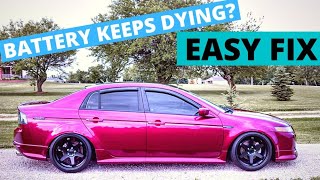
My battery keeps dying. Could a B1792 code be the reason?
Yes. On Acura and Honda vehicles, a faulty HandsFreeLink module with a B1792 code causes a severe parasitic battery drain that leaves you stranded.
The code is for a tail light, but the light works. What's wrong?
The Body Control Module runs a separate diagnostic check on the light circuit. A fault in the diagnostic wire, often inside the sealed Dodge/Ram light assembly itself, triggers the code and dashboard warning.
I replaced the part my code pointed to, but the code came back. What now?
If a new part doesn't fix the issue, the fault lies in the wiring circuit or a different module. Meticulously inspect the wiring harness for breaks, chafing, or corrosion. Check for TSBs or recalls that point to a different root cause.
Can a weak or old battery cause a B1792 code?
Yes. A failing battery causes low voltage conditions that trigger random electronic fault codes. Always ensure your battery is healthy and connections are clean before starting complex diagnostics.
Why are my automatic headlights so sensitive, coming on under bridges?
The autolamp sensor reacts quickly to ambient light changes. However, if this behavior is new or erratic, it indicates the sensor is failing and will soon trigger a B1792 code on Ford vehicles.
Key Takeaways
- Code B1792 has completely different meanings across brands: Ford (autolamp), Dodge/Ram (tail light/airbag), Acura/Honda (Bluetooth module), and Subaru (occupant sensor).
- On 2004-2013 Acura and Honda models, unplugging the HandsFreeLink module in the overhead console is a $0 fix that stops the 200-600mA parasitic battery drain.
- For 2013-2021 Ram trucks showing a 'Left Rear Lamp' warning, swap the left and right tail light assemblies to confirm if the $500+ sealed LED unit has failed internally.
- If you own a 2020-2022 Subaru Legacy or Outback with an active airbag light, stop diagnosing and check NHTSA recall 24V-227 for a free Occupant Detection Sensor replacement.
- Never replace a $500-$1200 Body Control Module (BCM) without first testing the specific circuit for shorts to ground or battery using a multimeter.
Helpful Videos
Shop the Parts Behind B1792
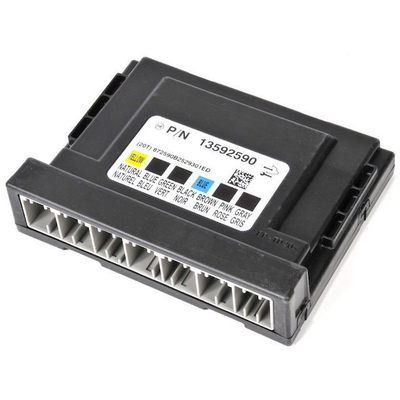
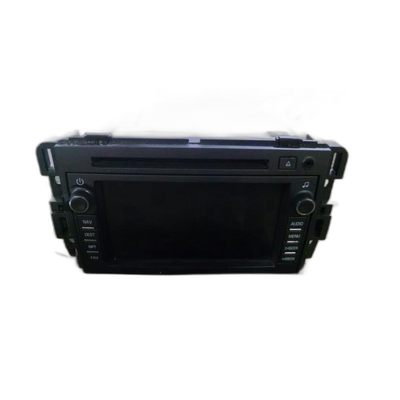
Below are the parts most often responsible for code B1792, ranked by how frequently each one is the actual culprit (per the diagnosis above). Tap any to see what we have for your vehicle.


The information in this article is provided for general reference and educational purposes only. Vehicle specifications, procedures, and part compatibility can vary by production date, trim level, and region. Always consult your vehicle's factory service manual and verify part numbers before purchasing or performing repairs. Safety-critical components such as airbags, seat belts, and braking systems should be installed by a qualified professional.
- 🧭 Diagnostic Flowchart
- 🎬 Helpful Videos
- 🛍️ Shop This Part
- What Does B1792 Mean?
- Can I Drive With B1792?
- Common Causes
- Symptoms
- Common Fixes & Costs
- DIY vs Professional
- Used vs. New Parts: Buying Guide
- What Happens If You Wait — Timeline
- Cost of Not Fixing It
- Diagnosis Steps
- When This Code Triggers (Freeze-Frame Conditions)
- Related Codes
- Climate & Environmental Factors
- How to Talk to a Mechanic About This Code
- Where to Take It: Dealer vs Independent vs Chain
- When to Walk Away From the Repair
- What Scan Tool You Need for This Code
- How to Clear the Code After You Fix It
- Will This Fail Emissions / State Inspection?
- Most Commonly Affected Vehicles
- Manufacturer-Specific Notes
- Real Owner Stories
- 2008 Acura TL with 115K miles and a dead battery
- 2020 Ram 1500 with a 'Left Rear Lamp' warning
- 2021 Subaru Outback with an airbag light
- How to Prevent This Code From Triggering
- Frequently Asked Questions
- Can I fix a B1792 code myself?
- Why does my OBD-II scanner give a generic definition for B1792?
- My mechanic wants to replace the Body Control Module (BCM) for $1200. Is this necessary?
- My battery keeps dying. Could a B1792 code be the reason?
- The code is for a tail light, but the light works. What's wrong?
- I replaced the part my code pointed to, but the code came back. What now?
- Can a weak or old battery cause a B1792 code?
- Why are my automatic headlights so sensitive, coming on under bridges?
- Key Takeaways
- 🎟️ Get 5% Off