

OBD-II Code B2180: Comprehensive Guide to Multiple Faults (Heated Seat, Door Lock, Wiper, Harness)
The definitive guide to diagnosing and fixing code B2180. Note: This code's meaning is entirely dependent on your vehicle's manufacturer.
- Code B2180 is manufacturer-specific, meaning its definition changes entirely based on your vehicle's make, ranging from a $40 heated seat fix to a $3,000 engine harness replacement.
- On 2007-2014 GM trucks and SUVs, B2180 indicates a passenger heated seat failure, most commonly caused by a broken seat back heating element or a melted module connector.
- For Acura models, B2180 isolates a signal error directly to the driver's side master power door lock switch, requiring a $150-$350 replacement of the switch assembly.
- On 2014-2016 Kia Soul 2.0L models, B2180 warns of a critical main engine wiring harness failure that causes sudden stalling and requires a $2,500+ repair.
What Does B2180 Mean?
B2180 is a manufacturer-specific Body Diagnostic Trouble Code (DTC). Its definition changes completely depending on your vehicle's make. For most General Motors vehicles, it signals a fault in the passenger-side heated seat circuit. For Acura, it points to a signal error in the driver's door lock switch. For Ford, it indicates a short circuit in the front wiper selector switch. For 2014-2016 Kia Soul models, it warns of a serious fault within the main engine wiring harness.
Technical definition: The official SAE/ISO definition for B2180 is manufacturer-specific. Common definitions include: 'Right Seat Back Heater Circuit Malfunction' (GM), 'Driver's Door Lock Switch LOCK/UNLOCK Signal Error' (Acura), 'Front Wiper Select Switch B Short to Ground' (Ford), and 'Engine Harness Fault' (Kia).
Can I Drive With B2180?
Yes, But With Caution. For GM and Acura vehicles, driving is perfectly safe as the code relates to a comfort feature (heated seat, door lock). For Ford models, the fault causes erratic wiper function, creating a safety hazard in rain. For Kia models, the vehicle is drivable but requires immediate inspection; the code indicates a main engine harness fault that causes sudden stalling without warning.
Common Causes
- Broken Heating Element in Seat (GM) (Very Common) — Fine resistive wires inside the seat's heating pad break from the repeated stress of sitting and shifting. This creates an open circuit, triggering the code on GM vehicles.
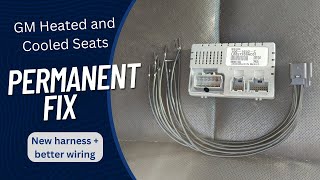
- Burnt Connector at Heated Seat Module (GM) (Common) — The main electrical connector on the heated seat module (under the passenger seat) develops high resistance, causing it to overheat, melt, and lose connection.
- Faulty Driver's Door Lock Switch (Acura) (Common) — The driver's door lock/unlock switch assembly fails mechanically or develops a poor internal electrical contact, interrupting the signal.
- Semiconductor Shortage / Inactive Module (GM) (Less Common) — On specific 2022-2023 GM models (RPO code 00G or 04O), heated seats were knowingly disabled at the factory due to a chip shortage. This is covered by customer satisfaction program N212354522 for a free retrofit.
- Damaged Wiring or Corroded Terminals (Less Common) — Wiring frays, pinches, or corrodes over time. This occurs under the seat from movement (GM), inside the door's flexible boot (Acura), or within the main engine harness due to heat and vibration (Kia).
- Faulty Heated Seat Module or HVAC Interface (GM) (Rare) — The control module managing the heated seats fails internally. Alternatively, on 2023-2024 GM trucks (TSB PIT6073A), the HVAC control module fails to illuminate the switch lights even when the seat heats correctly.
Symptoms
- Burning Smell from Under Seat (GM) — A distinct plastic or electrical burning smell originates from under the passenger seat. This is a critical indicator of a melting connector at the heated seat module.
- Heated Seat Light Turns On Briefly, Then Off (GM) — When pressed, the heated seat indicator light illuminates for a few seconds before turning off. The control module detected a fault and shut down the circuit as a safety precaution.
- Heated Seat Not Working (GM) — The passenger heated seat fails to turn on or produce any heat.
- Power Door Locks Behave Erratically (Acura) — The driver's door lock switch fails to lock or unlock the doors, or works only intermittently.
- Wipers Behaving Erratically (Ford) — The front wiper system operates erratically or fails to respond to switch inputs due to a short circuit.
- Check Engine or Service Light is On (also visible on scanner) — The vehicle's computer stores the B2180 fault code and illuminates a general service or check engine light.
Diagnostic Flowchart
Tap your situation to follow the diagnostic path that matches what you're seeing on this code.
Common Fixes & Costs
- Replace Heated Seat Element (GM) — Parts: $70-$150, Labor: $250-$450, ~2.5 hr book time (Intermediate)
- Repair Heated Seat Module Connector Pigtail (GM) — Parts: $25-$60, Labor: $150-$200, ~1.0 hr book time (DIY)
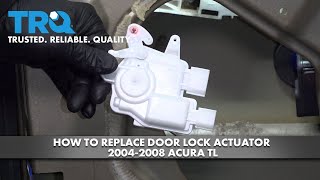
- Replace Driver's Door Lock Switch (Acura) — Parts: $50-$150, Labor: $150-$250, ~1.2 hr book time (DIY)
- Replace Engine Harness (Kia) — Parts: $2100-$3300, Labor: $600-$1200, ~10.0 hr book time (Expert)
Used vs. New Parts: Buying Guide
When a used part is worth it: For the expensive Kia engine harness, a used part from a low-mileage donor vehicle saves thousands. For the Acura door lock switch, a used OEM part is often higher quality than aftermarket. A used heated seat element is never recommended due to high labor costs.
Donor-vehicle mileage cap: roughly under 60000 miles for the part to have meaningful remaining life.
Donor quality checklist:
- For harnesses, verify the donor vehicle was not a flood or fire victim.
- Inspect all connectors for corrosion, broken tabs, or frayed wiring.
- Match part numbers exactly, as variations exist within the same model year.
Decision logic:
- If The part is a wear item with high installation labor (e.g., heated seat element) → Always buy new. The risk of premature failure outweighs the savings.
- If The part is extremely expensive new (e.g., Kia engine harness) → A used OEM part from a reputable salvage yard with a warranty is a reasonable choice.
- If The part is electronic and easy to access (e.g., Acura door switch) → A tested, used OEM part is a reliable and cost-effective option.
Warranty tradeoff: Used parts typically have a 30-90 day warranty. New aftermarket parts offer 1 year to limited lifetime warranties. New OEM parts carry a 1-2 year warranty.
Worst-case if a used part fails: $800-$1500 if a used engine harness or heated seat element fails, requiring repeated labor.
What Happens If You Wait — Timeline
- Immediate (GM/Acura/Ford): The specific feature (passenger heated seat, driver door lock, or wipers) stops working. The module disables the circuit upon detecting the fault. (MPG impact: 0%% · Added cost: $0)
- 1-6 months (GM - Burnt Connector): A high-resistance connection at the heated seat module generates heat, scorching the plastic housing and producing a burning smell. This poses a low-grade fire risk. (MPG impact: 0%% · Added cost: $0 (unless a fire occurs))
- 0-3 months (Kia - Harness Fault): The engine harness fault causes intermittent hesitation, stumbling, or stalling at idle. (MPG impact: 0-5%% · Added cost: $0-$150 (for incorrect initial diagnosis))
- 3-9+ months (Kia - Harness Fault): Harness degradation worsens, leading to frequent stalling, a no-start condition, or damage to the ECU due to voltage spikes. The vehicle becomes unsafe to drive. (MPG impact: 5-15%% · Added cost: $2500-$4500 (full harness replacement plus ECU damage))
Cost of Not Fixing It
- Immediate (GM/Acura/Ford): Loss of comfort (heated seat) or safety feature (door lock, wipers). No direct mechanical damage. (Added cost: Negligible)
- 1-6 months (GM): A poor connection at the heated seat module continues to overheat, melt, and produce a burning plastic smell, posing a low fire risk. (Added cost: $0 (unless fire occurs))
- 1-6+ months (Kia): Ignoring the engine harness fault leads to intermittent stalling, a no-start condition, or damage to the ECU due to short circuits. (Added cost: $1500-$4000+)
Diagnosis Steps
- Identify Your Vehicle's Specific Code Definition
Use a search engine to confirm the exact meaning of B2180 for your year, make, and model. Do not proceed until you know which system (seats, doors, wipers, harness) is affected.
Tools: OBD-II Scanner, Internet Access (Beginner) - Inspect the Heated Seat Module Connector (GM)
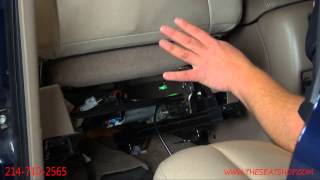
Locate the heated seat control module under the front passenger seat. Thoroughly inspect the large electrical connector for scorching, melting, discoloration, or blackened pins. A burnt connector is the highest-yield visual check.
Tools: Flashlight, Mirror (Beginner) - Test the Heating Element Resistance & Wiggle Test (GM)
Disconnect the heating element connectors under the seat. Using a multimeter set to Ohms (Ω), measure resistance across the pins. A healthy seat back element reads 3.5-11.5 Ohms; a cushion element reads 2.5-8.5 Ohms. A reading of 'OL' (Open Loop) confirms a broken element. While testing, physically press on the seat cushion; if resistance jumps to 'OL', the wire has an intermittent break.
Tools: Multimeter, Terminal Probe Kit (Intermediate) - Check Relevant Fuses
Consult the owner's manual to locate the fuse(s) for the affected system (Heated Seats, Door Locks, or Wipers). Visually inspect the fuses to ensure they are not blown.
Tools: Fuse Puller or Pliers (Beginner) - Test the Door Lock Switch (Acura)
Remove the driver's door panel to access the switch connector. Use a multimeter to test for continuity across the switch terminals when pressed, comparing findings to the service manual.
Tools: Multimeter, Trim Removal Tools (Intermediate) - [ADVANCED] Test for Voltage at Module (GM)
Back-probe the heated seat module connector. With the engine running, command the heated seat ON. Check for battery voltage (12-14V) at the power supply pin. If you see a brief 1-2 second voltage spike before it drops to zero, the module detected a fault and shut down the circuit.
Tools: Multimeter, Back-Probe Pins, Vehicle Wiring Diagram (Advanced) - [PRO TIP] Command the System with a Bi-Directional Scan Tool
Use a professional scan tool to command the heated seat or door lock 'On' and 'Off'. This bypasses the physical switch, determining if the fault lies in the switch itself or within the module/wiring circuit.
Tools: Professional Bi-Directional Scan Tool (Expert) - Inspect Wiring Harness for Damage
Carefully inspect all visible wiring leading to the component (especially the Kia engine harness or GM under-seat wiring). Look for chafing against metal frames, breaks, or severe corrosion.
Tools: Flashlight (Intermediate)
When This Code Triggers (Freeze-Frame Conditions)
- Heated Seat Switch Status: On (The code sets the moment the user presses the heated seat button, triggering the module's self-test.)
- System Voltage: 11.5-14.5V (The test runs during normal vehicle operation with a healthy charging system.)
- Ambient/Cabin Temperature: < 70°F (21°C) (Modules use temperature data to run rationality checks on how fast the element should heat up.)
Related Codes
- B1935 — The identical twin code to B2180, but for the driver's side ('Left Seat Back Heater Circuit Malfunction'). Diagnostic procedures are identical.
- B2180 04 — A GM-specific sub-code for 'Circuit Open'. It confirms a complete break in the wiring, almost certainly a snapped wire inside the heating element grid.
- B2180 0D — A GM-specific sub-code for 'Resistance Above Threshold'. This points to a corroded connector pin or a heating element beginning to fail.
- B2180 0E — A GM-specific sub-code for 'Resistance Below Threshold'. This indicates a short circuit in the heating element or its wiring.
Climate & Environmental Factors
- Cold Weather: Increased usage of heated seats in cold climates accelerates wear on the heating elements. The wires become brittle at low temperatures, making them highly susceptible to breaking under the stress of a person sitting down.
- High Humidity: Moisture ingresses into unsealed electrical connectors under the seat or inside door panels. This accelerates terminal pin corrosion, leading to high resistance, intermittent connections, and melted plastic housings.
How to Talk to a Mechanic About This Code
Say this: "State your vehicle's make immediately. For GM: 'I have a B2180 code and the passenger heated seat isn't working. Can you test the element resistance and check the module connector for burns?' For Kia: 'I have a B2180 on my Soul and it's stalling. Are you equipped to diagnose and replace a main engine harness?' For Acura: 'My Acura has a B2180. The driver's door lock switch isn't working, but the fob is. I need a quote to replace the master switch assembly.'"
This proves you know the code is manufacturer-specific and directs the shop to the correct system. It prevents them from wasting time on irrelevant diagnostics and frames the conversation around a known failure pattern, reducing upselling.
Avoid saying:
- 'My car has a B2180 code, can you fix it?' (Too vague, invites expensive diagnostics)
- 'My check engine light is on.' (B2180 is a Body code; this shows a lack of understanding)
- 'The internet says it's my heated seat.' (If you drive a Kia or Acura, this makes you look easily misled)
Questions to ask before authorizing the repair:
- For GM: Did you test the resistance of the heating element and inspect the module connector for burns?
- For Kia: Have you definitively ruled out other causes for the stalling? What is the all-in cost for the harness replacement?
- For Acura: Is the price for an OEM or aftermarket switch assembly?
- For any repair over $500: Can you show me the failed part?
Where to Take It: Dealer vs Independent vs Chain
- Dealer:
Necessary for the GM chip-shortage fix and strongly recommended for the Kia engine harness issue. Otherwise, overkill.
Best for: 2022-2023 GM vehicles under the chip shortage Customer Satisfaction Program (N212354522) - this is a free repair ONLY a dealer can do., The complex Kia engine harness replacement, requiring OEM wiring diagrams., Vehicles still under warranty.
Downsides: Highest labor rates., May prefer to replace an entire seat assembly rather than perform a cheaper connector splice. (Typical cost: +50% vs. baseline) - Independent Shop:
The best choice for GM heated seat and Acura door lock faults.
Best for: The common GM heated seat issue (burnt connector or bad element)., The Acura door lock switch replacement., Out-of-warranty vehicles where cost is a primary concern.
Downsides: Quality and electrical expertise vary widely. Vet the shop by asking if they are comfortable with electrical diagnosis beyond reading codes. (Typical cost: +0% vs. baseline) - Chain Shop:
AVOID. This code's manufacturer-specific nature makes it poorly suited for a chain shop environment. The risk of misdiagnosis is very high.
Best for: Basic maintenance, not complex electrical diagnostics.
Downsides: Technician skill is highly variable., Often lack the advanced diagnostic tools to properly read or diagnose body electrical codes. (Typical cost: -10% vs. baseline)
When to Walk Away From the Repair
If the estimated repair cost exceeds 50% of the car's private-party value, seriously consider selling the vehicle as-is or trading it in.
- Car worth $4500, fix is $3500: Walk away. A $3,500 Kia Soul engine harness replacement on a car worth $4,500 is a poor investment.
- Car worth $8000, fix is $600: Fix it. A $600 repair for a heated seat element on a GMC Yukon restores a desirable feature and retains vehicle value.
- Car worth $3000, fix is $250: Fix it. The repair cost for an Acura door lock switch is minor and significantly improves usability.
What Scan Tool You Need for This Code
Minimum: A scanner that reads 'B' (Body) codes. Basic sub-$50 readers only read 'P' (Powertrain) codes and will NOT see a B2180 code.
Because B2180 is a Body code, cheap scanners won't detect it. To properly diagnose the GM variant, you need to see manufacturer-specific sub-codes (like B2180-04), requiring a more capable tool.
Budget: BlueDriver Pro (~$90) — Confirms the B2180 code is present. Reads enhanced codes (B-codes, C-codes) for GM, Ford, and Chrysler, which is crucial.
Mid-range: Foxwell NT630 Plus / XTOOL D7 (~$150-350) — Offers bi-directional control. For a GM, this lets you command the heated seat module ON/OFF directly from the tool, bypassing the switch to isolate the fault.
Professional: Autel MaxiCOM MK808S / Launch CRP919E (~$450-600) — Provides full OEM-level diagnostics. For the Kia harness issue, a technician uses this to view live data from dozens of sensors simultaneously.
Rent vs buy: Auto parts stores offer loaner tools, but their free scanners often cannot read Body codes. Call ahead to confirm their loaner tool reads 'ABS' or 'SRS' codes, as this usually means it reads 'B' codes. Buying a budget pick like the BlueDriver is a worthwhile investment.
How to Clear the Code After You Fix It
- Use an OBD-II scan tool capable of reading 'B' (Body) codes to clear the fault.
- For GM/Acura, cycle the ignition off and on after clearing.
- For Kia, a full drive cycle is needed to clear permanent P-codes triggered by the harness fault.
Drive cycle (~5 minutes): For GM/Acura, clear the code with a scanner, turn the ignition off for 10 seconds, turn it back on, and activate the component. If fixed, the code will not return.
Readiness monitors affected: None for GM/Acura/Ford variants, Potentially all monitors for Kia variant if the harness fault triggered P-codes
Watch out for:
- Using a basic scanner that only reads 'P' (Powertrain) codes and cannot clear 'B' (Body) codes.
- Forgetting to clear the code; some modules will not re-enable the circuit until the old fault is cleared.
Will This Fail Emissions / State Inspection?
No — by itself this code doesn't fail OBD inspection (but it can keep readiness monitors from setting, which causes a separate fail).
- California: This code will NOT cause a smog check failure. B-codes (Body) do not affect the emissions test.
- New York: A B2180 code will not cause an emissions failure. However, an erratic wiper (Ford) fails the separate safety inspection.
- Texas: This code will not cause an emissions inspection failure. The test only fails for P-codes that command the Check Engine Light on.
Most Commonly Affected Vehicles
- Chevrolet Suburban / Tahoe (2007-2014) — Highly prone to broken passenger heated seat elements and burnt module connectors.
- GMC Yukon / Yukon XL (2007-2014) — Frequently logs B2180 due to an open circuit in the passenger's side seat back heating element.
- Cadillac Escalade / Escalade ESV (2007-2014) — Shares the same heated seat module and element design as the Tahoe/Yukon and is equally susceptible.
- Chevrolet Avalanche (2007-2013) — Frequently logs B2180 due to an open circuit in the passenger's side seat back heating element.
- Acura TL, MDX, TLX (2004-2020) — Code points to a 'Driver's Door Lock Switch LOCK/UNLOCK Signal Error'. Repair costs are moderate.
- Ford C-Max (2013-2018) — B2180 indicates 'Front Wiper Select Switch B Short to Ground', affecting wiper functionality.
- Kia Soul (2014-2016) — Specific to 2.0L models without push-button start. B2180 refers to a major fault with the engine wiring harness (part 91421-B2180).
Manufacturer-Specific Notes
- General Motors (Chevrolet, GMC, Cadillac): B2180 almost exclusively refers to a passenger side heated seat circuit fault. Customer Satisfaction Program N212354522 covers 2022-23 models with features disabled due to chip shortages, offering a free retrofit until late 2025.
- Acura: B2180 is completely unrelated to heated seats and indicates a signal error from the driver's door lock switch. Diagnosis must focus entirely on the door lock system.
- Kia: For the 2014-2016 Kia Soul (2.0L), this code indicates a failure of the main engine wiring harness (Part #91421-B2180), a critical and expensive repair.
Real Owner Stories
2008 GMC Yukon Denali at 130K miles
Passenger heated seat stopped working. The button light came on for 2-3 seconds, then turned off.
What they tried:
- Checked the heated seat fuse (intact).
- Visually inspected the heated seat module connector (no burns).
- Used a multimeter to test the seat BACK heating element resistance and got an 'OL' (Open Loop) reading.
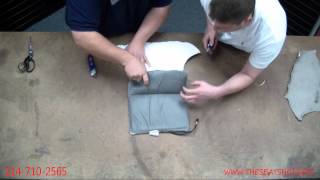
Outcome: Replaced the passenger seat back heating element (Dorman part) for $90. The owner removed the seat and upholstery themselves, restoring function.
Lesson: For GM trucks, the seat back heater element is the most common failure point. Always test element resistance before assuming the module is bad.
2011 Chevy Avalanche at 160K miles
Passenger heated seat was inoperative. The owner noticed a faint electrical burning smell inside the cabin.
What they tried:
- Inspected the wiring under the passenger seat based on the smell.
- Found the main connector on the silver heated seat module visibly scorched and melted.
Outcome: Purchased a replacement connector pigtail (ACDelco PT2385) for $40. Spliced the new connector in using butt connectors and heat shrink. Repair took 45 minutes.
Lesson: A burning smell points directly to a melted connector, posing a fire risk. This is a common, inexpensive DIY fix.
2015 Acura TLX V6
The driver's door lock switch would not lock the doors. The unlock function and key fob worked perfectly.
What they tried:
- Checked door lock fuses.
- Disconnected the battery to reset modules.
- Scanned for codes and found B2180 (driver's door lock switch signal error).
Outcome: Replaced the driver's side master window switch assembly (Part # 35750-T6N-A01) for $350 (parts and labor).
Lesson: On an Acura, B2180 is specific to the driver's door lock switch. If the fob works, the problem is isolated to the switch assembly itself.
2014 Kia Soul 2.0L at 85K miles
Check engine light illuminated, and the car intermittently stalled at low speeds. Scanner pulled B2180.
What they tried:
- Ignored the code initially, assuming it was a glitch.
- Took the car to a dealership after a second stalling incident.
Outcome: Dealership identified a fault in the main engine wiring harness and quoted over $3,000 for replacement. Owner traded the vehicle in.
Lesson: For 2014-2016 Kia Souls, B2180 is a major, expensive fault with the engine harness that causes dangerous stalling conditions.
How to Prevent This Code From Triggering
- Apply Dielectric Grease to Connectors (During any related repair) — Applying dielectric grease to the weather pack seal of connectors keeps moisture out, preventing the pin corrosion that leads to high resistance and melting.
- Be Gentle with Heated Seats (Daily habit) — Avoid placing heavy, sharp objects on the seats or kneeling on them. This minimizes stress on the brittle heating element wires, preventing open circuits.
- Secure and Inspect Wiring (Every 1-2 years) — Ensure harnesses under seats and in door jambs are secured with clips and not rubbing against sharp metal edges to prevent chafing and shorts.
Frequently Asked Questions
Is it safe to drive my car with a B2180 code?
For GM and Acura, yes, it only affects comfort features. For Ford, it is unsafe in rain due to wiper failure. For Kia, have it inspected immediately, as it points to an engine harness issue that causes stalling.
Why did my heated seat button light up and then turn off?
This is a built-in self-protection feature. The control module detected a fault (like an open or short circuit) and immediately shut the system down to prevent damage or a fire hazard.
What does the '04' mean in a B2180 04 code?
The '04' is a GM-specific sub-code meaning 'Circuit Open'. It tells a technician that the fault is a complete break in the wiring, most often a snapped wire inside the heating element itself.
My heated seat works, but the indicator lights on the switch don't. Is this a B2180 issue?
Yes, on some 2023-2024 GM trucks, TSB PIT6073A details a fault in the HVAC Control Interface where the seat heats normally, but the module fails to illuminate the switch lights.
Can I fix a burnt heated seat connector myself?
Yes, this is a common DIY repair. You can purchase a replacement connector 'pigtail', cut off the burnt connector, and splice the new one in wire by wire using butt connectors and heat shrink.
My car is an Acura. Does the heated seat information apply to me?
No. If you own an Acura, code B2180 signifies a problem with your driver's side power door lock switch. Disregard all heated seat information and focus on the door lock system.
My GM heated seat doesn't work, but there is no B2180 code. What could be the cause?
Check if your 2022-2023 vehicle was affected by the semiconductor shortage (RPO code 00G or 04O). Otherwise, the fault is likely a blown fuse or a failed physical switch on the door panel.
Is it more likely the problem is the heating element or the control module?
The heating element inside the seat or the module's connector fails most often. The control module itself is durable and rarely the root cause.
Key Takeaways
- Code B2180 is manufacturer-specific, meaning its definition changes entirely based on your vehicle's make, ranging from a $40 heated seat fix to a $3,000 engine harness replacement.
- On 2007-2014 GM trucks and SUVs, B2180 indicates a passenger heated seat failure, most commonly caused by a broken seat back heating element or a melted module connector.
- For Acura models, B2180 isolates a signal error directly to the driver's side master power door lock switch, requiring a $150-$350 replacement of the switch assembly.
- On 2014-2016 Kia Soul 2.0L models, B2180 warns of a critical main engine wiring harness failure that causes sudden stalling and requires a $2,500+ repair.
Helpful Videos
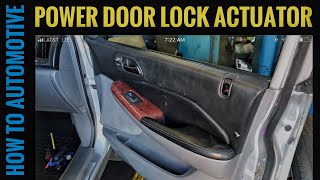
Shop the Parts Behind B2180
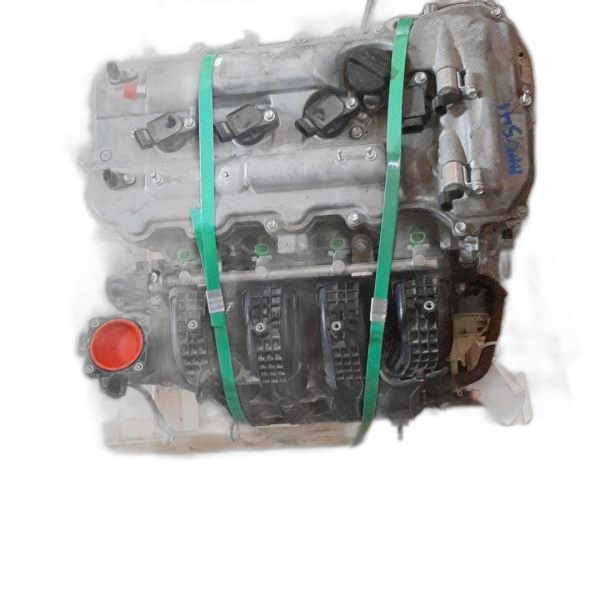
Below are the parts most often responsible for code B2180, ranked by how frequently each one is the actual culprit (per the diagnosis above). Tap any to see what we have for your vehicle.




The information in this article is provided for general reference and educational purposes only. Vehicle specifications, procedures, and part compatibility can vary by production date, trim level, and region. Always consult your vehicle's factory service manual and verify part numbers before purchasing or performing repairs. Safety-critical components such as airbags, seat belts, and braking systems should be installed by a qualified professional.
- 🧭 Diagnostic Flowchart
- 🎬 Helpful Videos
- 🛍️ Shop This Part
- What Does B2180 Mean?
- Can I Drive With B2180?
- Common Causes
- Symptoms
- Common Fixes & Costs
- Used vs. New Parts: Buying Guide
- What Happens If You Wait — Timeline
- Cost of Not Fixing It
- Diagnosis Steps
- When This Code Triggers (Freeze-Frame Conditions)
- Related Codes
- Climate & Environmental Factors
- How to Talk to a Mechanic About This Code
- Where to Take It: Dealer vs Independent vs Chain
- When to Walk Away From the Repair
- What Scan Tool You Need for This Code
- How to Clear the Code After You Fix It
- Will This Fail Emissions / State Inspection?
- Most Commonly Affected Vehicles
- Manufacturer-Specific Notes
- Real Owner Stories
- 2008 GMC Yukon Denali at 130K miles
- 2011 Chevy Avalanche at 160K miles
- 2015 Acura TLX V6
- 2014 Kia Soul 2.0L at 85K miles
- How to Prevent This Code From Triggering
- Frequently Asked Questions
- Is it safe to drive my car with a B2180 code?
- Why did my heated seat button light up and then turn off?
- What does the '04' mean in a B2180 04 code?
- My heated seat works, but the indicator lights on the switch don't. Is this a B2180 issue?
- Can I fix a burnt heated seat connector myself?
- My car is an Acura. Does the heated seat information apply to me?
- My GM heated seat doesn't work, but there is no B2180 code. What could be the cause?
- Is it more likely the problem is the heating element or the control module?
- Key Takeaways
- 🎟️ Get 5% Off