

B2190 on 2008-2015 Nissan Sentra: NATS Antenna Amp Fault Causes and Fixes
This code means the car's anti-theft system (NATS) can't read your key. Most often, it's caused by interference from other keys, a dead key fob battery, or using a non-registered key. If those simple checks don't work, the NATS antenna amplifier ring around the ignition is the likely failed part, costing around $150 for an OEM replacement. The code will not clear until the system successfully recognizes a valid key.
- B2190 means your Sentra's anti-theft system can't read the key, which will prevent the engine from starting.
- Before buying any parts, try your spare key and remove all other keys from your keychain to rule out simple interference.
- The most common failed part for this code is the NATS Antenna Amplifier, a ring around the ignition, which is a relatively inexpensive and accessible part.
- If the antenna is replaced, key reprogramming is sometimes necessary, which may require a trip to a dealer or a locksmith with advanced tools.
What's Unique About the 2008-2015 Nissan SENTRA
On the Sentra and other Nissans from this era, the NATS system is sensitive. As outlined in Nissan's own technical service bulletins, the B2190 code can be triggered simply by inserting something other than a valid Intelligent Key into the key slot or by interference from other electronic keys on the same keychain. Crucially, TSB NTB13-015B states that if the code is set due to a key issue, it will not erase or move to 'PAST' status until a known-good, registered key is successfully read by the system, which can confuse diagnostics.
Diagnostic Flowchart
Tap your situation to follow the diagnostic path that matches what you're seeing on this vehicle.
Generation note: The 2008-2015 range covers two Sentra generations: the B16 (2007-2012) and B17 (2013-2019). While both use the NATS system, the primary components like the BCM and key styles differ. However, the NATS antenna amplifier (part 28590-C9968) and the B2190 code's meaning and diagnostic principles are consistent across both generations in this range.
Symptoms You May Notice
- Engine cranks but will not start
- Solid or flashing red security indicator light (often a key symbol) on the dashboard when the key is in the 'ON' position
- For push-button start models, the ignition may not turn on at all, or may only go to ACC mode
- Intelligent Key not detected message on the instrument cluster
- Having to hold the key fob directly against the push-start button to start the car (indicates a weak antenna signal)
- Replacing the ECM (Engine Control Module). The ECM is part of the NATS chain, but B2190 specifically points to the antenna amplifier side of the system.
- Replacing the starter. The starter is disabled by the NATS system in some logic versions, but for this code, the typical symptom is a crank-no-start. 🎬 Watch: Troubleshooting a Nissan NATS key no-start condition. The starter itself is usually not the root cause.
Most Likely Causes
- Key-related Issue (Dead Fob Battery, Interference, Damaged/Wrong Key) 🔴 High Probability As per Nissan TSB NTB13-015A and NTB13-107G, the system is highly sensitive to interference from other transponders (like other car keys), RFID-blocking wallets, or even phone chargers near the key. A dead battery in the Intelligent Key is also a very common cause.
How to confirm: First, replace the battery in the Intelligent Key fob (typically a CR2032 or similar). If that fails, remove all other keys and electronic devices from the keychain. Try starting the vehicle with only the single Nissan key. If a spare key is available, try it. The code may not clear until a valid key is successfully read.
Typical fix: Replace the key fob battery. Use a known-good, registered key by itself. If the key is damaged, it will need to be replaced and programmed by a dealer or locksmith with Nissan capabilities.
Est. part cost: $5-$350 for battery or full key replacement and programming - Failed NATS Antenna Amplifier 🟡 Medium Probability → Shop Antenna This electronic component, located around the ignition cylinder, can fail over time due to age and thermal cycles, preventing it from powering and reading the key chip. This is a documented failure point on many Nissan models that use this system.
How to confirm: After ruling out all key issues, a technician would use a Nissan-specific scan tool (like CONSULT-III) to monitor NATS data. They may also test the power, ground, and signal wires at the antenna connector per the service manual. A simple test involves holding the key fob directly against the push-start button (for I-Key models) to see if the car starts; if it does, it points to a weak signal from the main antenna, making it the prime suspect.
Typical fix: Replacement of the NATS antenna amplifier. This part is typically located behind the steering column shrouds, encircling the ignition lock cylinder. 🎬 See how to diagnose and fix a Nissan immobilizer problem. It is often a simple plug-and-play replacement once the shrouds are removed.
Est. part cost: $120-$180 for an OEM part. - Wiring Issue Between Antenna and BCM ⚪ Low Probability
How to confirm: Visually inspect the wiring harness leading to the NATS antenna for any signs of damage, chafing, or loose connections at the antenna or BCM. A multimeter would be used to check for continuity and shorts in the power, ground, and communication lines between the antenna and the BCM, following the diagnostic procedure in the service manual.
Typical fix: Repair the damaged section of the wiring harness or clean and secure the connector.
Est. part cost: $5-$50 for wiring repair supplies
Rare But Worth Checking
- Faulty Body Control Module (BCM): → Shop Body Control Module While less common, the BCM is the control center for the NATS system. If it fails internally, it can no longer communicate with the antenna or ECM, setting this code. This is usually a last resort after all other components have been verified as good and often presents with other communication codes like U1000.
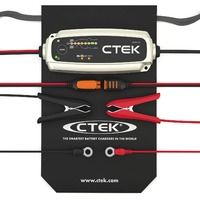
- Low Vehicle Battery Voltage: → Shop Vehicle Battery Extremely low battery voltage during cranking can sometimes cause communication errors between modules, including the NATS system. Before extensive diagnosis, ensure the vehicle's main battery is fully charged and healthy.
Diagnosis Steps
- Verify the complaint: Confirm the engine cranks but does not start and the security light is on.
- Check/Replace Intelligent Key Battery: This is the most common and cheapest fix. Replace the coin battery (e.g., CR2032) inside the fob.
- Isolate the key: Remove all other keys, fobs, and electronics from the keychain. Attempt to start the engine with just the Nissan key to rule out interference.
- Try a spare key: If available, try a different registered key for the vehicle.
- Scan for codes: Use an OBD-II scanner capable of reading B-codes (Body) to confirm B2190 is 'current'. Note any other NATS or communication codes.
- Perform DTC Confirmation Procedure: As per Nissan TSB NTB13-015B, insert a known-good key and turn the ignition ON. Check if the DTC clears or moves to 'PAST' status with a capable scanner. If it does not, proceed to hardware diagnostics.
- Inspect NATS Antenna Amplifier: Remove the steering column covers and visually inspect the antenna ring and its connector for damage or looseness.
- Test Antenna Circuit: Using a multimeter and the factory service manual's wiring diagram, check for proper power, ground, and signal at the NATS antenna connector.
- Replace NATS Antenna Amplifier: If the circuit tests good and all key-related issues have been ruled out, the antenna amplifier is the most likely failed component.
- Diagnose BCM: If the problem persists after replacing the antenna, the Body Control Module (BCM) may be at fault, which requires advanced diagnostics with a tool like CONSULT-III. 🎬 Watch: Why you should diagnose the BCM before replacing it.
Parts You'll Likely Need
- NATS Antenna Amplifier (Immobilizer)
(OEM #28590-C9968)— This is the reader for the key's transponder chip and is the component directly identified by the B2190 code. It is the most common hardware failure for this specific fault after key issues are eliminated. This part is shared across many Nissan and Infiniti models.
Trusted brands: Nissan (OEM), FridayParts, Various Aftermarket
OEM price range: $150-$220
Aftermarket price range: $40-$100 - Key Fob Battery
(OEM #CR2032 / CR2025 (varies by key))— A weak or dead battery in the Intelligent Key is a very common cause of this fault code and the 'Key Not Detected' symptom.
Trusted brands: Duracell, Energizer, Panasonic
OEM price range: $5-$10
Aftermarket price range: $2-$8
Related Codes That Often Appear With This One
- P1610 - P1615 — These are other NATS-related engine codes. For example, P1610 indicates 'Lock Mode' (too many failed start attempts), and P1614 indicates a 'CHAIN OF IMMU-KEY' communication issue. They often appear with B2190 as part of the same anti-theft event.
- U1000 — This is a generic CAN communication error code. It can appear alongside B2190 if the BCM or related wiring is faulty, causing broader network communication problems.
Technical Service Bulletins (TSBs) & Recalls
- NTB13-015A / NTB13-015B: The primary TSB for this code. It defines the causes and states that the code will not clear until a good key
Platform-Specific Known Issues
- Nissan Technical Service Bulletin NTB13-015B explicitly states that B2190 can be stored simply by inserting something other than an Intelligent Key into the key slot, or due to an issue with the key itself.
- The bulletin also notes that the code will not erase and will remain 'current' until a known-good, registered key is successfully read by the system. This is a critical diagnostic point, as a simple code clear may not work.
- TSB NTB13-107G addresses broader 'Key Not Detected' issues and highlights sensitivity to RF interference from phones, chargers, and even RFID-blocking materials in purses.
Mechanic-Grade Diagnostic Values
- Voltage between NATS Antenna Amplifier connector terminal 8 and ground — expected: Battery Voltage. Failure: No voltage indicates a problem with the power supply fuse or wiring.
- Voltage between NATS Antenna Amplifier connector terminal 7 and ground with ignition switch ON — expected: Battery Voltage. Failure: No voltage indicates a problem with the ignition switch 'ON' signal fuse or wiring.
Scan Tool Commands That Help
- Nissan CONSULT-II / CONSULT-III Plus: Self-diagnostic result in NATS or S/ENT system — This is the first step in the official Nissan diagnostic procedure to confirm if DTC B2190 is current. The tool is used after inserting a known-good key to see if the code status changes from 'CURRENT' to 'PAST', which confirms a key-related issue.
- Nissan CONSULT-II / CONSULT-III Plus: C/U INITIALIZATION — This function is required after replacing the BCM or IMMU (NATS module). It initializes the new control unit and requires a specific 4-digit PIN obtained from Nissan's ASIST system. This must be performed before new keys can be registered.
- Nissan CONSULT-II / CONSULT-III Plus: Key Registration — This procedure is used to register all keys to the NATS system after performing a C/U Initialization or when adding a new key. All existing keys must be re-registered during this process.
Wiring & Ground Locations
- BCM (Body Control Module) — On the B17 Sentra (2013-2015), the BCM is located on the driver's side, high up in the dash near the A-pillar, often behind the main fuse panel.. The BCM is the brain of the NATS system. It receives the signal from the NATS Antenna Amplifier and communicates with the ECM to allow the engine to start. All wiring from the antenna amplifier runs to the BCM.
- NATS Antenna Amplifier Connector — This connector plugs directly into the antenna ring that encircles the ignition lock cylinder, located under the plastic steering column shrouds.. This is the primary connector to test for power, ground, and signal when diagnosing a B2190 code after ruling out key issues. A poor connection here will directly cause the fault.
- Chassis Ground — There are multiple chassis ground points. A key one for the dash electronics is typically located under the driver's side dash, bolted to the metal frame. Another main ground runs from the engine block to the firewall.. A poor or corroded ground connection for the BCM or related components can cause a variety of electrical issues, including communication errors within the NATS system that could potentially trigger a B2190.
Real Owner Repair Stories
- Nissan QashQai Forums (Nissan Qashqai (uses similar NATS system)) — Intermittent NATS security light staying on during driving, which eventually escalated to an 'Incorrect Key ID' message and a no-start condition.
❌ Tried (didn't work) Multiple dealer visits where the problem could not be found., A second part replacement after the first one did not solve the issue long-term.
✅ What actually fixed it The dealer first replaced the NATS antenna in the dashboard. This initially seemed to work but the problem returned. After further diagnosis, a different, unspecified part was replaced, but the issue persisted even after that. The final resolution required a Nissan field technician to diagnose the complex issue, highlighting the difficulty of intermittent NATS problems. The initial fix pointed to the antenna.
OEM Part Supersession History
28590-C9968→N/A— This part number appears to be stable and is used across a very wide range of Nissan and Infiniti models from approximately 2003 to 2019.
Heads up: This part is for vehicles with a traditional turn-key ignition. It is NOT compatible with vehicles that have a push-button start / Intelligent Key system, even if the vehicle model is listed in the compatibility range. Always verify the part number on the original unit.
Model Year Variations Within This Range
- 2008-2012 (B16 Generation): The B16 Sentra was a carryover design from 2007. The NATS system and components are generally consistent with other Nissan models of that era.
- 2013-2015 (B17 Generation): The Sentra was fully redesigned for the 2013 model year. While it still uses the NATS system and the same antenna amplifier part number for key-start models, the BCM and its location are different from the previous B16 generation. The B17 platform is largely distinct from the B16, with very few mechanical or electrical parts being interchangeable.
Helpful Videos
We Have This Part in Stock


The information in this article is provided for general reference and educational purposes only. Vehicle specifications, procedures, and part compatibility can vary by production date, trim level, and region. Always consult your vehicle's factory service manual and verify part numbers before purchasing or performing repairs. Safety-critical components such as airbags, seat belts, and braking systems should be installed by a qualified professional.
- Nissan SENTRA:
- 🧭 Diagnostic Flowchart
- 🎬 Helpful Videos
- 🛍️ Shop This Part
- What's Unique About the 2008-2015 Nissan SENTRA
- Symptoms You May Notice
- Most Likely Causes
- Rare But Worth Checking
- Diagnosis Steps
- Parts You'll Likely Need
- Related Codes That Often Appear With This One
- Technical Service Bulletins (TSBs) & Recalls
- Platform-Specific Known Issues
- Mechanic-Grade Diagnostic Values
- Scan Tool Commands That Help
- Wiring & Ground Locations
- Real Owner Repair Stories
- OEM Part Supersession History
- Model Year Variations Within This Range
- 🎟️ Get 5% Off