

B2199 on 2014 Jeep Cherokee: Battery Voltage Above Threshold Causes and Fixes
On a 2014 Jeep Cherokee, code B2199-17 means the Body Control Module (BCM) has detected system voltage that is too high. This is often caused by a failing alternator. Less commonly, it can be a software issue in the BCM that requires an update from a Jeep dealer, particularly for vehicles built on or before July 11, 2014.
- B2199-17 on a 2014 Cherokee means the electrical system voltage is too high.
- The most likely cause is a failing alternator with a bad internal voltage regulator.
- Before replacing parts on vehicles built on or before July 11, 2014, check for BCM software updates, as two TSBs indicate this can be a software glitch.
- Diagnosis involves testing the charging system with a multimeter; a reading over 15V with the engine running points to the alternator.
- This code is often accompanied by other 'voltage high' codes in different modules, confirming a system-wide issue.
What's Unique About the 2014-2014 Jeep CHEROKEE
For the 2014 Jeep Cherokee (KL generation), this code is explicitly mentioned in manufacturer Technical Service Bulletins (TSBs) for vehicles built on or before July 11, 2014. The TSBs suggest that this code can appear alongside other communication and electrical faults, and that a BCM software update may be the required fix, rather than a hardware replacement. This indicates that the vehicle's electronics are particularly sensitive and that the BCM software may sometimes misinterpret voltage data, triggering a fault code when no physical part has failed. The TSB explicitly notes that if a primary charging system code like P0563 (System Voltage High) is also present, standard charging system diagnostics must be performed first.
Diagnostic Flowchart
Tap your situation to follow the diagnostic path that matches what you're seeing on this vehicle.
Symptoms You May Notice
- Check Engine Light or other warning lamps on the dashboard
- Daytime Running Lamps (DRL) may not function correctly, or only turn on above 2 MPH (per TSB 08-013-15).
- Flickering headlights or interior lights
- Intermittent issues with electrical accessories (radio, windows, etc.)
- Battery dying prematurely or needing frequent jump-starts.
- Puddle lamps not turning off when the engine is started (per TSB 08-013-15).
- A cluster message reading "Start/Stop Not Available" may appear (per TSB 08-013-15).
- Replacing the battery without testing the alternator. A new battery will soon be damaged by an overcharging alternator.
- Replacing the BCM without first checking for software updates. The issue could be a simple re-flash, especially on early 2014 models.
- Ignoring the alternator because the B2199 code is in the BCM. The BCM is reporting the problem; it is not necessarily the cause.
Most Likely Causes
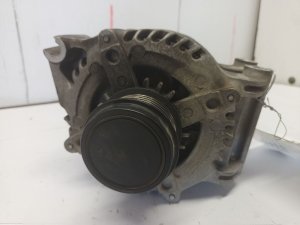
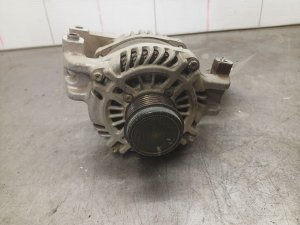
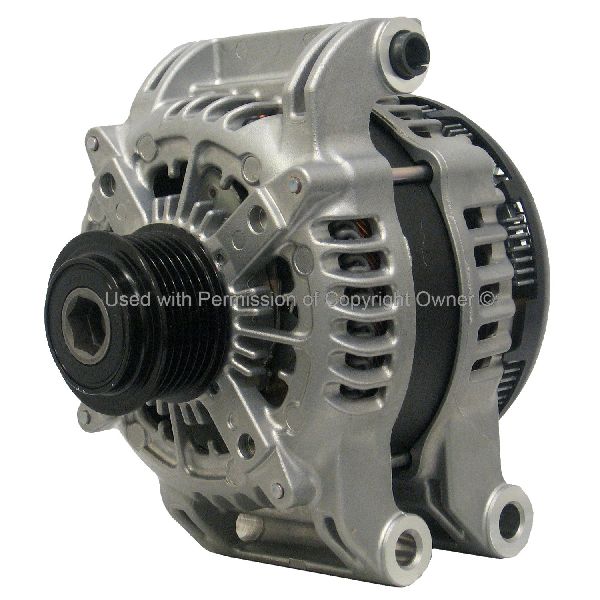
- Failing Alternator / Voltage Regulator 🔴 High Probability → Shop Alternator The voltage regulator is internal to the alternator. When it fails, it can no longer cap the charging voltage, leading to system-wide over-voltage. This is a common failure mode for alternators on most modern vehicles, including the Jeep Cherokee.
How to confirm: With the engine running, use a multimeter to test the voltage at the battery terminals. A reading consistently above 15.0 volts indicates an overcharging condition, pointing to a faulty alternator.
Typical fix: Replace the alternator assembly.
Est. part cost: $646-$900 - Body Control Module (BCM) Software Glitch 🟡 Medium Probability → Shop Body Control Module Manufacturer TSBs #08-013-15 and #08-111-14 specifically list B2199-17 as a code that can be resolved with a software update, indicating a known issue with the BCM's programming on this model year, specifically for vehicles built on or before July 11, 2014.
How to confirm: A Jeep dealership or a qualified independent shop with wiTECH software can check the current BCM software version against the latest available version. If the vehicle was built on or before July 11, 2014 and the software has not been updated, this is a likely cause.
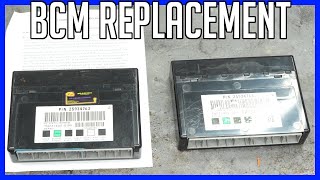
Typical fix: Reprogram the Body Control Module (BCM) with the latest manufacturer software using the wiTECH application. This must be done by a dealer or properly equipped shop.
Est. part cost: $0 (if under warranty) or 1-2 hours of labor cost
Rare But Worth Checking
- Poor Ground Connection: A loose or corroded main ground connection for the engine or chassis can cause fluctuating voltage readings across the electrical system, which a sensitive module like the BCM might interpret as an over-voltage or under-voltage event. This should be checked before replacing expensive components.
- Faulty Battery: → Shop Vehicle Battery While less common for an over-voltage code, a battery with an internal short or other defect can sometimes cause erratic behavior in the vehicle's charging system, leading to voltage spikes.
Diagnosis Steps
- Connect a professional scan tool (like wiTECH) to read the full trouble code, including the two-digit suffix (e.g., -17), and check for codes in ALL modules (BCM, PCM, ABS, EPS, etc.).
- With the engine off, measure the battery voltage using a multimeter. It should be between 12.4 and 12.6 volts.
- Start the engine and measure the battery voltage again. It should be between 13.5 and 14.8 volts. If it is consistently above 15.0 volts, the alternator's internal voltage regulator has failed, and the alternator must be replaced.
- If voltage is normal, inspect all major power and ground connections for tightness and corrosion, especially the battery terminals, alternator connections, and the main chassis ground.
- If physical checks are inconclusive, check the vehicle's build date. If it was built on or before July 11, 2014, contact a Jeep dealer or qualified shop to check for available BCM software updates per TSB 08-013-15.
- The TSB specifically states that if PCM codes P0562 (Voltage Low) or P0563 (Voltage High) are present, normal charging system diagnostics must be performed before considering a BCM flash.
- If the software is up-to-date and the alternator tests good, further diagnosis of the BCM and related wiring may be necessary, but this is rare.
Parts You'll Likely Need
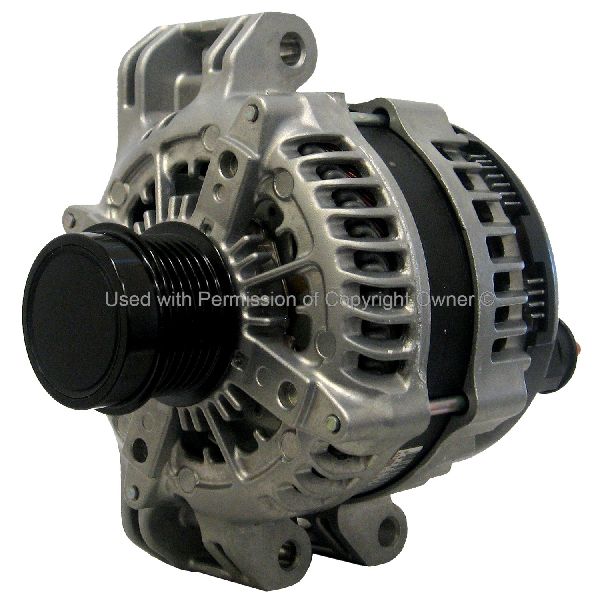
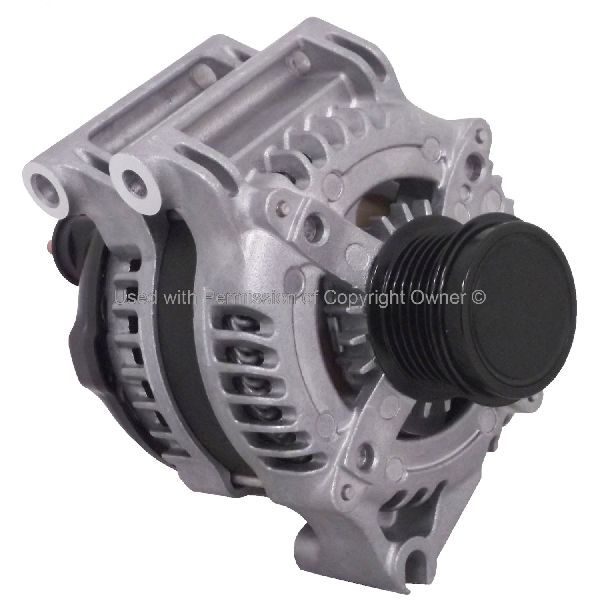
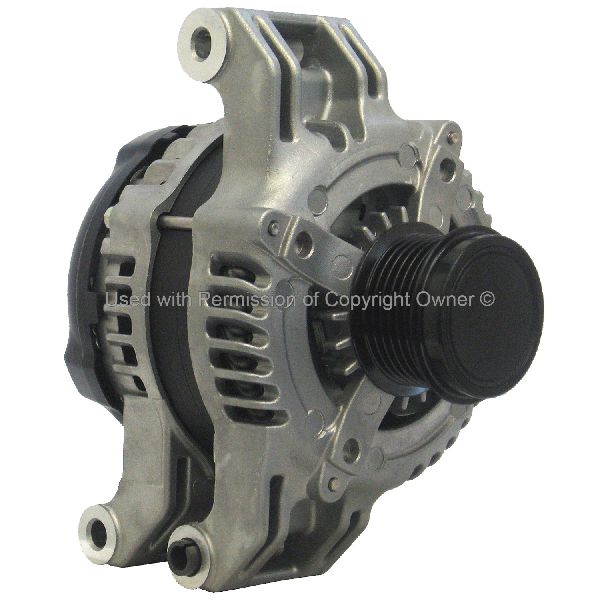
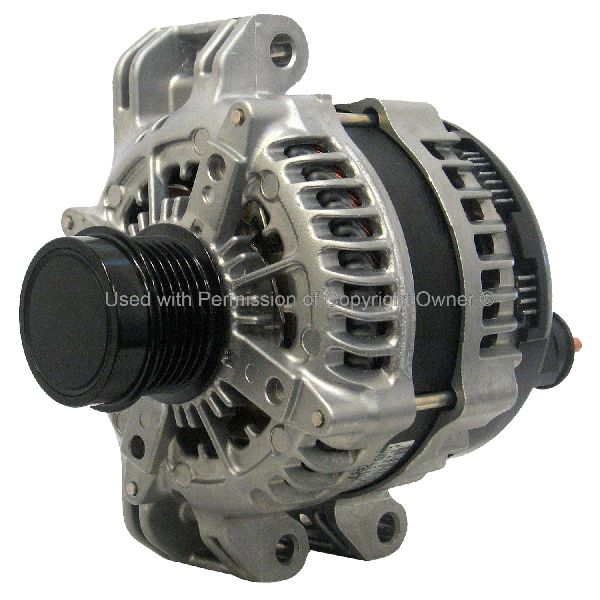
- Alternator
(OEM #56029740AA (for 3.2L V6 models, confirm with VIN))— The most common hardware failure to cause a B2199 over-voltage code is a faulty internal voltage regulator, which requires replacing the entire alternator unit.
Trusted brands: Mopar, Bosch, Denso
OEM price range: $744 (MSRP can be higher, core charge may apply).
Aftermarket price range: $400-$600
Related Codes That Often Appear With This One
- U1220-87 — This code for 'Lost Steering Lock Request Message' is listed in the same TSBs as B2199, suggesting they can be triggered by the same underlying BCM software issue.
- U1517-87 — This code for 'Body Controller Secret Code - Missing Message' is also listed alongside B2199 in the TSBs, pointing to a related BCM software problem.
- C2101-17 / C2129-17 / C212A-17 — These are 'Battery Voltage High' or 'System Voltage Above Threshold' codes set in other modules like the ABS and EPS (Electronic Power Steering). They indicate the over-voltage condition is system-wide, often corroborating a failing alternator. A Jeep Gladiator owner reported these exact codes alongside B2199-17.
Technical Service Bulletins (TSBs) & Recalls
- 08-013-15: Mentions B2199-17 as a code set in the BCM that can be related to a software issue also affecting Daytime Running Lamps. Applies to vehicles built on or before July 11, 2014.
- 08-111-14: Superseded by TSB 08-013-15, this earlier bulletin also listed B2199-17 as a BCM code related to a software condition.
Platform-Specific Known Issues
- Technical Service Bulletin #08-013-15 (which supersedes 08-111-14) indicates that for models built on or before July 11, 2014, a BCM software update can resolve this code, suggesting it's a known software anomaly.
Mechanic-Grade Diagnostic Values
- BCM Reprogramming Voltage — expected: Maintain stable voltage between 13.2 and 13.5 volts. Failure: Voltage dropping below 13.2V or climbing above 13.5V can cause the flash process to fail or corrupt the module.
- Intelligent Battery Sensor (IBS) Fuse — expected: Fuse #70 (a 5 Amp fuse) in the main engine fuse box should have continuity.. Failure: A blown fuse will cut power to the IBS, which can cause erratic voltage reporting and trigger various system warnings.
Hidden / Shadow Codes Worth Checking
- B2199-16: Battery Voltage - Circuit Voltage Below Threshold. This indicates the BCM has detected a system under-voltage condition, the opposite of B2199-17. (see via A professional scan tool capable of reading manufacturer-specific body codes, such as wiTECH.)
- B2199-14: Lost Communications with BCM - Circuit Short To Ground or Open. This indicates a wiring or communication fault rather than a voltage level fault. (see via A professional scan tool capable of reading manufacturer-specific body codes.)
Scan Tool Commands That Help
- wiTECH: Restore BCM Proxi Configuration — This routine must be performed after reprogramming (flashing) the BCM to ensure it communicates correctly with all other vehicle modules. It is found under the 'Vehicle Preparations' tab.
- wiTECH: Proxi Configuration Alignment — This is the second step, performed after the 'Restore BCM Proxi Configuration', to finalize the module alignment process after a BCM flash.
Wiring & Ground Locations
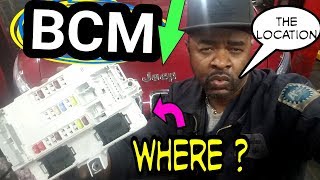
- Body Control Module (BCM) — Located in the passenger side kick panel area, behind the trim.. This is the module setting the code. Physical access is required for replacement, and its ground connections are critical for accurate voltage readings.
- BCM Connector C4 - Pin 19 — On the BCM at the passenger kick panel. Pin 19 is a Black wire (circuit Z420).. This is a primary ground for the BCM. A poor connection here could cause the module to misread system voltage and set false codes.
- BCM Connector C4 - Pin 23 — On the BCM at the passenger kick panel. Pin 23 is a Violet/Brown wire (circuit G931).. This is a dedicated sensor ground. A fault on this circuit could affect the accuracy of various sensor inputs to the BCM, potentially including voltage monitoring.
- Ground G906A — Located on the passenger side front frame rail.. This is a critical chassis ground point. Manufacturer communications indicate that corrosion at this specific ground can cause widespread electrical issues and faults related to the battery management system.
- Intelligent Battery Sensor (IBS) — A small module attached directly to the negative battery terminal post.. This sensor reports battery state of charge and health to the BCM. If the IBS fails or has a poor connection, it can send incorrect data, causing the BCM to set false voltage codes like B2199.
OEM Part Supersession History
56029740AA→56029740AA— No supersession found. This part number appears to be stable and is listed for 2015-2022 models as well.
Heads up: This part is specified for 3.2L V6 models with Engine Stop/Start (ESS). Always confirm fitment with a VIN.
Helpful Videos




Used OEM Parts in Stock
New Aftermarket Parts Available


The information in this article is provided for general reference and educational purposes only. Vehicle specifications, procedures, and part compatibility can vary by production date, trim level, and region. Always consult your vehicle's factory service manual and verify part numbers before purchasing or performing repairs. Safety-critical components such as airbags, seat belts, and braking systems should be installed by a qualified professional.
- Jeep CHEROKEE:
- 🧭 Diagnostic Flowchart
- 🎬 Helpful Videos
- 🛍️ Shop This Part
- What's Unique About the 2014-2014 Jeep CHEROKEE
- Symptoms You May Notice
- Most Likely Causes
- Rare But Worth Checking
- Diagnosis Steps
- Parts You'll Likely Need
- Related Codes That Often Appear With This One
- Technical Service Bulletins (TSBs) & Recalls
- Platform-Specific Known Issues
- Mechanic-Grade Diagnostic Values
- Hidden / Shadow Codes Worth Checking
- Scan Tool Commands That Help
- Wiring & Ground Locations
- OEM Part Supersession History
- 🎟️ Get 5% Off