

OBD-II Code B2225: Front Crash Sensor Mounting Fault
What B2225 means, why it triggers, and how to fix it
- Code B2225 disables your vehicle's airbag system, removing a safety feature that reduces frontal crash fatalities by 29%; do not drive until repaired.
- Verify your specific vehicle's definition for B2225 before buying parts, as it means a front crash sensor fault on Fords but a steering column failure on Dodge/Ram trucks.
- Start diagnosis by checking the front crash sensor's 10mm mounting bolt for white corrosion, which causes over 50% of these faults on Ford and GM vehicles.
- If you own a 2011-2024 Dodge, Ram, or Jeep, check for Stellantis safety recall 23V-799, as a B2225 code often indicates a free dealer replacement of the Steering Column Control Module is required.
What Does B2225 Mean?
B2225 indicates the Restraints Control Module (RCM) detects a loose, damaged, or poorly grounded front crash sensor. The computer disables the airbags and triggers the warning light because it cannot trust the sensor's impact data. Note: This code's meaning varies heavily by manufacturer and points to entirely different systems on Dodge/Ram or Toyota vehicles.
Technical definition: The SAE/OBD-II definition is "Front Crash Sensor Mount Fault". Stellantis (Dodge/Ram/Jeep) defines it as "Steering Column Module Internal". Toyota defines it as "Back Door Motor Clutch Malfunction".
Can I Drive With B2225?
No — Do Not Drive. The vehicle drives normally, but the airbag system is disabled. Do not drive. Frontal airbags reduce driver fatalities by 29%, and driving with this code means you have lost a critical, life-saving safety feature.
Common Causes
- Corrosion on the sensor mount or connector (Very Common) — Moisture and road salt build up on the radiator core support, creating electrical resistance between the sensor and its grounding point or corroding the connector pins.
- Loose or physically damaged front crash sensor (Very Common) — Vibrations, pothole impacts, or previous front-end collisions loosen the sensor's mounting bolt or crack its bracket.
- Faulty Steering Column Control Module (SCCM) (Common) — On Dodge, Ram, and Jeep vehicles, an internal clockspring or CAN bus connector failure triggers this specific code.
- Damaged wiring harness or electrical connector (Common) — Road debris or chafing breaks the wiring harness, or the connector's locking tab fails and pushes the pins out.
- Weak or dying vehicle battery (Common) — Low system voltage during engine cranking causes the SRS module to report false internal errors.
- Failed front crash sensor (Less Common) — The sensor fails internally due to age, heat, or a short circuit.
- Faulty Restraints Control Module (RCM) or Software Glitch (Rare) — The main airbag computer fails or requires a software update, incorrectly reporting a mounting fault.
Symptoms
- Turn signals not canceling or high beams malfunctioning — On Stellantis vehicles, this code indicates an internal SCCM fault that disrupts steering column electronics.
- Power liftgate inoperative — On Toyota and Lexus models, the liftgate stops mid-travel, beeps, or fails to operate automatically. 🎬 Watch: How to fix a Toyota rear tailgate malfunction.
- "Service Airbag System" message on dash — A text warning displays on the instrument cluster or infotainment screen.
- Airbag warning light illuminated and system disabled (also visible on scanner) — The primary symptom. A solid yellow or red airbag icon appears, and the computer disables the airbags and seatbelt pretensioners.
Diagnostic Flowchart
Tap your situation to follow the diagnostic path that matches what you're seeing on this code.
Common Fixes & Costs
- Cleaning Corrosion from Sensor Mount and Connector — Parts: $5-$15, Labor: $75-$150, ~0.8 hr book time (Intermediate)
- Tightening or Re-mounting the Sensor — Parts: $0, Labor: $50-$100, ~0.5 hr book time (DIY)
- Replacing the Front Crash Sensor — Parts: $60-$150, Labor: $50-$150, ~0.5 hr book time (Intermediate)
- Replacing the Steering Column Control Module (SCCM) — Parts: $300-$600, Labor: $200-$400, ~2.0 hr book time (Professional)
- Repairing Damaged Wiring Pigtail — Parts: $20-$50, Labor: $150-$300, ~1.5 hr book time (Advanced)
- Replacing Power Liftgate Motor Assembly (Toyota) — Parts: $300-$500, Labor: $200-$400, ~2.0 hr book time (Intermediate)
DIY vs Professional
- Tightening or Re-mounting the Sensor 🟢 Beginner
Tools: 10mm socket, flashlight. - Cleaning Corrosion 🟢 Beginner
Tools: Socket set, wire brush, electrical contact cleaner, dielectric grease. - Replacing the Front Crash Sensor 🟢 Beginner
Tools: Socket set, new sensor. - Replacing the SCCM (Dodge/Ram) 🟢 Beginner
Tools: Socket set, Torx bits, steering wheel puller, torque wrench. - Repairing Damaged Wiring 🟢 Beginner
Tools: Soldering iron, heat shrink tubing, wire strippers, multimeter.
Used vs. New Parts: Buying Guide
When a used part is worth it: Buying used SRS components is NOT recommended due to safety risks. It is only acceptable for non-safety systems, like a Toyota power liftgate motor from a low-mileage donor.
Donor-vehicle mileage cap: roughly under 60000 miles for the part to have meaningful remaining life.
Donor quality checklist:
- Verify the donor vehicle was not in an accident.
- Match the part number exactly; SRS components are VIN-coded.
- Avoid parts with physical damage, corrosion, or water intrusion.
Decision logic:
- If The part is a sensor, module, or clockspring for the SRS (airbag) system → Buy new OEM. The safety risk of a used part outweighs the cost savings.
- If The part is for a non-safety system (e.g., Toyota liftgate motor) → A tested, used part from a reputable recycler is an acceptable budget option.
- If The code points to the SCCM on a Dodge/Ram/Jeep → Buy a new OEM part. This is a known failure point and a used part likely has the same internal defect.
Warranty tradeoff: Used parts have a 30-90 day warranty. New OEM parts carry the manufacturer's 12-month warranty.
Worst-case if a used part fails: $300-$600 if a used SRS part fails after installation, requiring repeat labor and a new part.
What Happens If You Wait — Timeline
- Immediately: Code B2225 is set, the airbag warning light illuminates, and the Supplemental Restraint System (SRS) is disabled as a fail-safe. (MPG impact: 0%% · Added cost: $0 (Immediate safety risk))
- 1 week - 6 months: Corrosion spreads, making a simple cleaning job more difficult. On Stellantis vehicles, the faulty SCCM causes turn signal issues to become more frequent. (MPG impact: 0%% · Added cost: $50-$200 (Failed state safety inspection))
- 6+ months: Worsened corrosion damages the wiring harness itself, requiring a pigtail or harness replacement instead of a simple cleaning. (MPG impact: 0%% · Added cost: $200-$500 (Increased repair cost from secondary damage to wiring))
Cost of Not Fixing It
- Immediately: The airbag and seatbelt pretensioner systems are disabled. In a frontal collision, they will not deploy, drastically increasing the risk of serious injury or death. (Added cost: N/A (Safety Risk))
- 0-12 months: Failure of state safety inspection in many jurisdictions. Corrosion worsens, making a simple cleaning job require a full harness replacement. (Added cost: $50 - $200 (Failed inspection fees, potential fines))
- 12+ months: Continued operation without critical safety systems. On Stellantis vehicles, turn signal and high beam issues worsen. (Added cost: N/A (Safety Risk))
Diagnosis Steps
- Verify Code and Manufacturer Definition
Use an SRS-capable OBD-II scanner to confirm B2225. Check your specific make's definition (Ford = front sensor, Ram = steering column, Toyota = liftgate). Note any sub-codes, like '-92' on Stellantis vehicles.
Tools: SRS-capable OBD-II Scanner (Beginner) - Visually Inspect the Component
Locate the component. For front sensors, check the radiator core support for a loose 10mm bolt, cracked bracket, or heavy rust. For Toyota liftgates, inspect the motorized struts.
Tools: Flashlight, Basic socket set (Beginner) - Inspect Electrical Connections
Disconnect the sensor. Look for green/white corrosion on the pins or water inside the plug. Trace the wire harness for chafing or melting.
Tools: Flashlight, Pick tool (Beginner) - Perform a Tap and Wiggle Test
With the scanner viewing live data, tap the sensor with a screwdriver handle and wiggle the harness. If the code status changes to 'Stored', you found the loose connection.
Tools: SRS-capable OBD-II Scanner, Screwdriver (Intermediate) - Clean Mounting and Contacts
Scrub the sensor's metal mounting surface and bracket with a wire brush to bare metal. Spray connector pins with electrical contact cleaner and apply dielectric grease to the seal.
Tools: Wire brush, Electrical contact cleaner, Dielectric grease (Intermediate) - Check Reference Voltage and Ground
Using a multimeter, verify the unplugged connector receives 5 volts from the RCM and has less than 2.0 ohms of resistance to chassis ground. High resistance points to a wiring issue.
Tools: Digital Multimeter, Vehicle-specific wiring diagram (Advanced) - Execute Stellantis Diagnostic Routine
For Dodge/Ram/Jeep, run the 'SCCM Internal Short Circuit Diagnostic Check' using a bi-directional scanner. A 'FAIL' result setting B2225-92 requires SCCM replacement.
Tools: Bi-directional Scan Tool (Professional)
When This Code Triggers (Freeze-Frame Conditions)
- System Voltage: 11.5V - 12.5V (Key On, Engine Off (during self-test))
- Fault Status: Active / Current (Indicates the fault is present at the time of the scan)
- Ignition Cycle Counter: Varies (Shows how many times the car has been started since the code was first logged)
Related Codes
- B2226 — Means 'Front Crash Sensor Internal Fault'. While B2225 points to a physical mounting problem, B2226 indicates the sensor's internal electronics have failed.
- B2227 — Means 'Front Crash Sensor Communications Fault'. Points specifically to a wiring problem (open or short) between the sensor and the control module.
- B0091 — Means 'Frontal Crash Sensor 1 Circuit Malfunction'. A broader circuit code that requires checking the mount, the sensor, and the wiring harness.
Climate & Environmental Factors
- Road Salt and High Humidity: Salt and moisture accelerate corrosion on the sensor body, its mounting point, and the electrical connector pins. This disrupts the electrical signals and grounding, triggering the fault code.
- Cold Weather, Snow, and Ice: Heavy snow and ice physically block or build up on front-end sensors, putting stress on the mounting bracket or wiring. Extreme cold makes plastic connectors brittle and prone to cracking.
How to Talk to a Mechanic About This Code
Say this: "I have an airbag light on and my scanner shows code B2225. My vehicle is a [Make]. I understand this code has different meanings depending on the make. I'd like to schedule a diagnostic focusing on the [front sensor corrosion / steering column module / liftgate motor]."
This directs the shop to the most likely cause for your specific vehicle, saving diagnostic time and preventing misdiagnosis.
Avoid saying:
- 'My airbag light is on, can you fix it?' (Too vague, invites an expensive diagnostic process).
- 'Just replace the front crash sensor.' (Don't recommend a specific repair until the diagnosis is confirmed).
Questions to ask before authorizing the repair:
- For a Ford/GM: Did you find physical evidence of corrosion or a loose connection? Can you show me?
- For a Dodge/Ram: Did your scan tool show the B2225-92 sub-code confirming the SCCM has failed?
- Is the replacement part a new OEM component, and what is the warranty?
Where to Take It: Dealer vs Independent vs Chain
- Dealer:
Strongly recommended for Stellantis vehicles to ensure correct diagnosis of the SCCM.
Best for: Stellantis (Dodge, Ram, Jeep) vehicles requiring the proprietary wiTECH scanner for SCCM diagnosis and recall work., Vehicles under warranty.
Downsides: Highest labor rates., Defaults to module replacement when a simpler fix exists. (Typical cost: +50% vs. baseline) - Independent Shop:
Best fit for most non-Stellantis vehicles. Handles sensor cleaning and replacement at a lower cost than the dealer.
Best for: Ford, GM, and Toyota versions of B2225, which are straightforward mechanical or electrical repairs., Out-of-warranty vehicles.
Downsides: Diagnostic tool capability varies. Ensure they have a modern, SRS-capable scanner. (Typical cost: +0% vs. baseline) - Chain Shop:
AVOID for B2225 diagnosis. Airbag systems are too critical for non-specialized shops.
Best for: Simple maintenance like oil changes or tires.
Downsides: Technician skill for complex SRS diagnostics is inconsistent., Lacks specific scan tools for this code. (Typical cost: -10% vs. baseline)
When to Walk Away From the Repair
If the estimated repair cost exceeds 40-50% of the car's private-party value, consider selling or trading it in.
- Car worth $6000, fix is $250: Fix it. A $250 repair for a front sensor on a Ford is well below the threshold and restores a critical safety feature.
- Car worth $4000, fix is $1000: Borderline. A $1000 SCCM replacement on an older Dodge is 25% of the car's value. If the vehicle is otherwise reliable, the repair is worth it for safety.
- Car worth $2000, fix is $1000: Walk away. The repair cost is 50% of the car's value. It is not economically sensible to invest this much into an aging vehicle.
What Scan Tool You Need for This Code
Minimum: A scanner that reads and clears Supplemental Restraint System (SRS) / Airbag codes. A basic engine-only code reader will NOT work.
A standard $20 scanner only communicates with the engine control unit. B2225 is stored in the Restraints Control Module (RCM) or Body Control Module (BCM).
Budget: Autel AutoLink AL619 (~$90) — Reads and clears codes from the Engine, ABS, and SRS modules. Sufficient to read and clear B2225 on a Ford, GM, or Toyota.
Mid-range: BlueDriver Pro (~$120) — Offers enhanced diagnostics, live data streaming, and manufacturer-specific code details.
Professional: Autel MaxiCOM MK808 (~$450) — A bidirectional tool that sends commands to modules. Required to run the specific SCCM diagnostic routine on a Dodge/Ram.
Rent vs buy: Free scans at auto parts stores typically do not read SRS/airbag codes. You must buy a capable scanner or pay for a professional diagnosis.
How to Clear the Code After You Fix It
- Perform the physical repair (e.g., clean corrosion, replace sensor).
- Reconnect the battery.
- Use an SRS-capable OBD-II scan tool to access the SRS module.
- Select the option to 'Clear' or 'Erase' fault codes.
Drive cycle (~5 minutes): An extensive drive cycle is not required for SRS codes. Turn the ignition off, then start the engine. The airbag light performs its normal bulb check and stays off. If the light returns, the fault remains.
Readiness monitors affected: None for the SRS system.
Watch out for:
- Using a basic OBD-II scanner that only reads engine codes.
- Clearing the code without fixing the physical problem; the code returns immediately.
- Forgetting that disconnecting the battery resets emissions readiness monitors, requiring a drive cycle before a smog test.
Will This Fail Emissions / State Inspection?
No — by itself this code doesn't fail OBD inspection (but it can keep readiness monitors from setting, which causes a separate fail).
- California: An airbag light will NOT cause a failure on a smog check, as the inspection is for emissions systems only.
- New York: An illuminated airbag light is an ADVISORY item only. It is NOT a cause for inspection failure.
- Texas: An airbag light is NOT an inspected item and will not cause a vehicle to fail the state safety inspection.
- Massachusetts / Pennsylvania / Virginia: In states with comprehensive annual safety inspections, an illuminated airbag warning light is an automatic failure.
Most Commonly Affected Vehicles
- Dodge / Ram / Jeep Ram 1500/2500/3500, Durango, Grand Cherokee, Wrangler (2011-2024) — B2225 means 'Steering Column Control Module (SCCM) Internal Failure'. Check for safety recall 23V-799 (Stellantis B2A). A diagnostic scan showing B2225-92 confirms the SCCM requires replacement.
- Ford F-150, Explorer, Focus, Edge (2011-Present) — The code reliably points to the front crash sensor on the radiator support. It is highly vulnerable to corrosion and minor impacts. The sensor is typically yellow.
- Toyota Sienna, Highlander, RAV4 (2005-2016) — Defined as 'Back Door Motor Clutch Malfunction' and is completely unrelated to the airbag system. Diagnosis focuses on the power liftgate mechanism.
- Chevrolet / GMC Silverado, Sierra, Equinox (2007-2018) — Sets a B2225 for a standard front crash sensor mounting fault, often due to corrosion or wiring damage behind the front grille.
Manufacturer-Specific Notes
- Stellantis (Dodge, Ram, Jeep): B2225 defines an internal failure of the Steering Column Control Module (SCCM), resulting in safety recall 23V-799. The dealer diagnostic procedure requires a scan tool test; a 'FAIL' result with DTC B2225-92 confirms the SCCM must be replaced.
- Toyota / Lexus: Used for 'Back Door Motor Clutch Malfunction' on models with a power liftgate. It has nothing to do with the airbag system.
- Ford: Points directly to the front crash sensor on the radiator support. Failure due to corrosion on the mounting bolt is extremely common.
Real Owner Stories
2013 Ford F-150 at 110K miles
Airbag light came on intermittently, especially after heavy rain.
What they tried:
- Scanned the code, confirming B2225 'Front Crash Sensor Mounting Fault'.
- Visually inspected the yellow sensor on the radiator support and found heavy white corrosion on the mounting bolt.
Outcome: Owner disconnected the battery, removed the 10mm bolt, cleaned the sensor's metal mounting surface with a wire brush, and applied dielectric grease to the connector. Total cost was under $15. The light stayed off.
Lesson: On Ford trucks, B2225 is frequently a simple corrosion issue. Always clean the sensor mount and connector before replacing the sensor.
2018 Ram 1500 at 75K miles
Airbag light on, and turn signals occasionally failed to self-cancel.
What they tried:
- A general mechanic saw 'Front Crash Sensor' and replaced the sensor behind the grille for $250. The light returned immediately.
Outcome: Took the truck to a dealer. The wiTECH scan tool showed B2225-92, indicating an internal failure of the Steering Column Control Module (SCCM). The SCCM assembly was replaced for $900, fixing both issues.
Lesson: Misdiagnosis is costly. On a Dodge/Ram, B2225 almost never points to the front sensor. The '-92' suffix confirms an SCCM failure.
2014 Toyota Sienna at 120K miles
Power liftgate unlatched but would not lift automatically. No airbag light was on.
What they tried:
- Checked the 'PWR DOOR OFF' switch in the glove box.
- A shop scanned the Body Control Module and found code B2225 'Back Door Motor Clutch Malfunction'.
Outcome: The owner sourced a used liftgate motor from a 2016 model for $150 and replaced it themselves. The fix took 2 hours and resolved the problem.
Lesson: Verify the code's meaning for your specific manufacturer. On Toyotas, B2225 is completely unrelated to the airbag system.
How to Prevent This Code From Triggering
- Apply Dielectric Grease to At-Risk Connectors (Every 2-3 years) — Applying non-conductive dielectric grease to the rubber seals of connectors prevents moisture and road salt from corroding the metal pins.
- Regularly Wash the Vehicle's Undercarriage (Monthly during winter) — Washing away road salt prevents the buildup of corrosive materials on sensor mounting points and wiring harnesses.
Frequently Asked Questions
What is the biggest risk of driving with code B2225?
The airbag system shuts down as a fail-safe and will not deploy in a crash. This removes a critical safety feature that prevents thousands of fatalities annually. Do not drive the vehicle until repaired.
Can I fix B2225 myself just by clearing the code?
No. Clearing the code only turns the light off temporarily. The computer re-runs its safety check immediately, and the light returns if the physical problem remains.
My airbag light came on after I hit a large pothole. Could that cause a B2225?
Yes. A sharp jolt from a pothole or curb easily loosens the crash sensor's mounting bolt or electrical connector. This triggers the specific mounting fault code.
My Toyota has a B2225 but the airbag light isn't on. Why?
On many Toyota and Lexus vehicles, B2225 means 'Back Door Motor Clutch Malfunction' and relates to the power liftgate. It has nothing to do with the airbag system. Always verify the manufacturer-specific definition of the code.
What does the '-92' mean on a Dodge B2225 code?
The '-92' suffix means 'Performance or Incorrect Operation' on Stellantis vehicles. It confirms the Steering Column Control Module (SCCM) has an internal electronic fault. The entire SCCM assembly must be replaced.
Can a bad clockspring cause a B2225 code?
Yes. On Dodge, Jeep, and Ram vehicles, the clockspring is integrated into the Steering Column Control Module (SCCM). An internal clockspring failure causes the entire module to fail and sets the B2225 code.
What is a common misdiagnosis for this code?
Mechanics often replace the front crash sensor on a Dodge or Ram when the code actually points to the steering column module. Another mistake is replacing a Toyota liftgate motor when the dashboard switch is simply turned off.
Why must I disconnect the battery before working on the airbag system?
The airbag system uses explosive charges that can accidentally deploy if the system remains powered. Always disconnect the negative battery terminal and wait 30 minutes for the backup capacitors to discharge before servicing SRS components.
Key Takeaways
- Code B2225 disables your vehicle's airbag system, removing a safety feature that reduces frontal crash fatalities by 29%; do not drive until repaired.
- Verify your specific vehicle's definition for B2225 before buying parts, as it means a front crash sensor fault on Fords but a steering column failure on Dodge/Ram trucks.
- Start diagnosis by checking the front crash sensor's 10mm mounting bolt for white corrosion, which causes over 50% of these faults on Ford and GM vehicles.
- If you own a 2011-2024 Dodge, Ram, or Jeep, check for Stellantis safety recall 23V-799, as a B2225 code often indicates a free dealer replacement of the Steering Column Control Module is required.
Helpful Videos
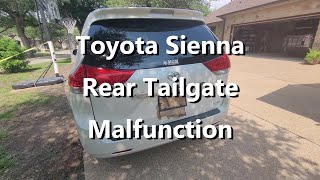
Shop the Parts Behind B2225
Below are the parts most often responsible for code B2225, ranked by how frequently each one is the actual culprit (per the diagnosis above). Tap any to see what we have for your vehicle.



The information in this article is provided for general reference and educational purposes only. Vehicle specifications, procedures, and part compatibility can vary by production date, trim level, and region. Always consult your vehicle's factory service manual and verify part numbers before purchasing or performing repairs. Safety-critical components such as airbags, seat belts, and braking systems should be installed by a qualified professional.
- 🧭 Diagnostic Flowchart
- 🎬 Helpful Videos
- 🛍️ Shop This Part
- What Does B2225 Mean?
- Can I Drive With B2225?
- Common Causes
- Symptoms
- Common Fixes & Costs
- DIY vs Professional
- Used vs. New Parts: Buying Guide
- What Happens If You Wait — Timeline
- Cost of Not Fixing It
- Diagnosis Steps
- When This Code Triggers (Freeze-Frame Conditions)
- Related Codes
- Climate & Environmental Factors
- How to Talk to a Mechanic About This Code
- Where to Take It: Dealer vs Independent vs Chain
- When to Walk Away From the Repair
- What Scan Tool You Need for This Code
- How to Clear the Code After You Fix It
- Will This Fail Emissions / State Inspection?
- Most Commonly Affected Vehicles
- Manufacturer-Specific Notes
- Real Owner Stories
- 2013 Ford F-150 at 110K miles
- 2018 Ram 1500 at 75K miles
- 2014 Toyota Sienna at 120K miles
- How to Prevent This Code From Triggering
- Frequently Asked Questions
- What is the biggest risk of driving with code B2225?
- Can I fix B2225 myself just by clearing the code?
- My airbag light came on after I hit a large pothole. Could that cause a B2225?
- My Toyota has a B2225 but the airbag light isn't on. Why?
- What does the '-92' mean on a Dodge B2225 code?
- Can a bad clockspring cause a B2225 code?
- What is a common misdiagnosis for this code?
- Why must I disconnect the battery before working on the airbag system?
- Key Takeaways
- 🎟️ Get 5% Off