

B2227 on 2015 Cadillac Escalade ESV: Service 4WD Light Causes and Fixes
This code points to a fault in the transfer case position sensor circuit, almost always setting a C0398 code and a 'Service 4WD' message. The most common fix is a software update for the Transfer Case Control Module (TCCM), not a part replacement. Have a dealer check for software updates, specifically 'Version 9.2' or newer mentioned in TSBs, before attempting any hardware repairs.
- B2227 on a 2015 Escalade points to a problem in the 4WD transfer case position sensor circuit, which will almost always set a C0398 code and a 'Service 4WD' light.
- DO NOT replace any parts until you have a dealer check for a Transfer Case Control Module (TCCM) software update. This is the most common and least expensive fix.
- If a software update doesn't fix it, the problem is likely a wiring issue or a failed transfer case actuator (encoder motor).
- Driving with the light on is possible but not recommended, as 4WD will be unavailable and it can cause drivetrain binding on dry roads.
What's Unique About the 2015-2015 Cadillac ESCALADE ESV
The 2015 Escalade (K2XX platform) is highly susceptible to software glitches in the Transfer Case Control Module (TCCM). GM has issued multiple Technical Service Bulletins (TSBs) acknowledging that conditions like very cold weather (below 10°F / -12°C) or long drives in 'Auto 4WD' mode can trigger false sensor readings and set a C0398 code. Unlike many other vehicles where a code points directly to a failed part, the first and most crucial step for this Escalade is checking for a TCCM software update at a dealership. TSB PIP5369B specifically mentions a 'Version 9.2' software calibration to fix sensor signal drift during long drives.
Diagnostic Flowchart
Tap your situation to follow the diagnostic path that matches what you're seeing on this vehicle.
Symptoms You May Notice
- "Service 4WD" message on the driver information center.
- Four-wheel-drive system is inoperative or stuck in one mode.
- Vehicle may be stuck in 2WD, 4HI, or Auto mode, most commonly 4HI.
- Drivetrain binding, tire squeal, or a feeling of lost power during tight turns on dry pavement.
- Inability to shift between 2WD, 4WD, and Auto modes using the selector switch.
- 4WD selector switch lights may be off or not indicating the correct position.
- Replacing the transfer case actuator/encoder motor before checking for a software update. Many TSBs note that replaced parts are often found to have no fault, with the issue being software-related.
Most Likely Causes
- Transfer Case Control Module (TCCM) Software Requires Update 🔴 High Probability → Shop Transfer Case Motor GM released multiple TSBs for the 2015 model year to correct overly sensitive software. TSB PIP5369B specifically calls out a 'Version 9.2' update to fix a bug where the position sensor signal 'drifts' on drives over an hour in Auto 4WD mode. Other TSBs like PIP5250D address false codes in cold weather.
How to confirm: A GM dealer or a shop with a subscription to GM's service information system (TIS2Web) must check the vehicle's VIN for open service bulletins (like #28770) and verify the TCCM's software version against the latest available calibration.
Typical fix: Reprogramming the TCCM with the latest software calibration. This is a 30-60 minute procedure at a dealership.
Est. part cost: $0 - Wiring or Connector Issue 🟡 Medium Probability TSB #PIP5220B and PIP5369B specifically direct technicians to inspect circuits 7477, 7478, and 7479 between the sensor and the TCCM for terminal tension, corrosion, or backed-out pins, indicating this is a known failure point.
How to confirm: Visually inspect the wiring harness and connector at the transfer case actuator for damage, corrosion, or loose pins. Perform a continuity and resistance test on the specified circuits (7477, 7478, 7479) if a wiring diagram is available. A professional scan tool can also monitor sensor voltage for erratic readings.
Typical fix: Repairing the damaged section of the wiring harness or cleaning/replacing the connector terminals.
Est. part cost: $10-$50 - Failed Transfer Case Actuator / Encoder Motor ⚪ Low Probability → Shop Transfer Case Motor The position sensor is integrated into this assembly. If the internal sensor fails, the entire unit must be replaced. This should only be considered after software and wiring have been ruled out. TSB PIP5250D notes that for persistent cold-weather issues, an updated actuator motor (P/N 23355888) was released.
How to confirm: After confirming the software is up-to-date and the wiring is intact, this becomes the most likely failed component. A high-end scan tool may be able to read live data from the sensor to spot erratic readings that don't correspond to commanded shifts.
Typical fix: Replacing the transfer case actuator assembly and performing the 'Range Actuator Relearn' procedure with a scan tool.
Est. part cost: $250-$450
Rare But Worth Checking
- Failed Transfer Case Control Module (TCCM): → Shop Transfer Case Motor While software failure is common, complete hardware failure of the module is rare. This should be the last resort after all other causes are eliminated. A replacement module must be programmed to the vehicle's VIN.
Diagnosis Steps
- Connect a professional-grade OBD-II scanner and confirm the presence of DTC C0398 in the Transfer Case Control Module (TCCM). Note any other DTCs present.
- CRITICAL: Contact a GM dealership or qualified independent shop to check your vehicle's VIN for any open TSBs related to the TCCM, such as PIP5220B, PIP5369B, or Service Update #28770.
- If a software update is available (specifically look for 'Version 9.2' or newer), have the TCCM reprogrammed. This is the most likely solution and should be performed before any parts are replaced. The cost for this service typically ranges from $100 to $250.
- If the software is already up-to-date, perform a thorough visual inspection of the wiring harness and connector going to the transfer case actuator (encoder motor). Look for any signs of chafing, corrosion, or damage.
- Following the guidance in TSB #PIP5220B, inspect the specific circuits (7477, 7478, 7479) for terminal integrity if you have access to a wiring diagram. Poor pin tension is a common cause of intermittent faults.
- If the TCCM software is current and the wiring is confirmed to be in good condition, the transfer case actuator/encoder motor assembly is the most likely failed part.
- After replacing the actuator, a 'Transfer Case Range Actuator Relearn' or 'High/Low Clutch Reset' must be performed using a bidirectional scan tool to finalize the repair.
Parts You'll Likely Need
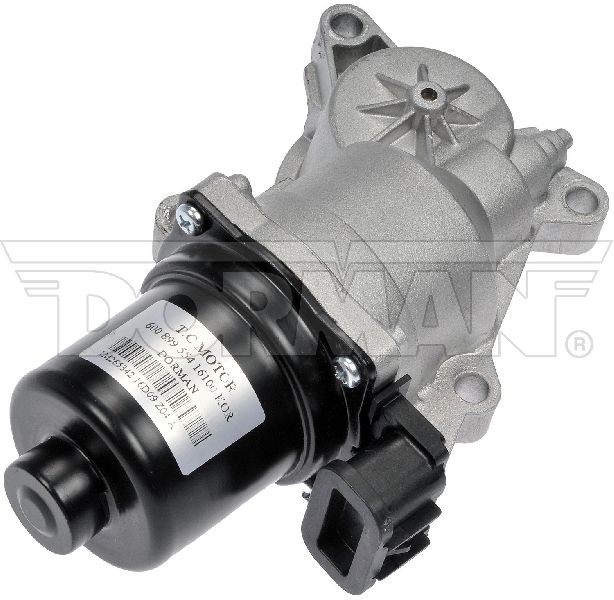
- Transfer Case Actuator / Encoder Motor
(OEM #84171328 (Supersedes 23314959), 23355888 (for specific cold weather TSB))— This part contains the internal position sensor that fails. It is the most common hardware replacement needed after software and wiring issues are ruled out. An updated part (23355888) was specified in TSBs for cold climate issues.
Trusted brands: ACDelco (OEM), Dorman
OEM price range: $350-$500
Aftermarket price range: $200-$350
Related Codes That Often Appear With This One
- C0398 — This is the primary code set for a 'Range Position Correlation Fault'. B2227 is the manufacturer's internal designator for the sensor circuit that helps set C0398.
- C038D — This code can also be stored with C0398 and relates to the transfer case clutch application, which can be commanded as a default action when a fault is detected. TSB PIP5220B mentions reprogramming the TCCM if this code is present.
- C0397 — Another related transfer case code that may appear alongside C0398 according to service bulletins.
- U0403 — Invalid Data Received From Transfer Case Control Module. This code is often set in other modules (like the ECM or BCM) as a result of the TCCM setting a fault like C0398.
Technical Service Bulletins (TSBs) & Recalls
- PIP5220B: Mentions inspecting circuits 7477, 7478, 7479 for the B2227 Gear Position Sensor when DTC C0398 is present. This is the core document linking the B-code to the transfer case system.
- Service Update #28770: A widespread service campaign addressing DTC C0398 and a locked 4HI condition, prescribing a TCCM reprogram as the fix for sensor 'drift' on long drives.
- PIP5369B/C: Provides specific detail on the TCCM software flaw, calling for the 'Version 9.2' calibration to fix C0398 caused by driving in 'Auto' mode for over an hour.
- PIP5250D/G: Details the diagnostic process, noting that C0398 can be triggered by cold weather (below 10°F) and recommends replacing the actuator with an updated part number (23355888) if the issue persists in cold climates.
- PIP5217B: Referenced by other TSBs, relates to issues after
Platform-Specific Known Issues
- TSB #PIP5220B and other related bulletins specifically address the 'Service 4WD' message and DTC C0398 on 2015 models, often recommending a TCCM software update as the primary fix before part replacement.
- Some bulletins note that this issue is more likely to occur in very cold ambient temperatures (below 10°F / -12°C) or after driving for extended periods (1-2 hours) with the 4WD system in 'Auto' mode. TSB PIP5369B specifically mentions a 'Version 9.2' software update to correct the long-drive 'Auto' mode issue.
- Service Update #28770 was a widespread campaign to reprogram the TCCM on 2015-2016 models to prevent the system from getting locked in 4HI after long drives.
Mechanic-Grade Diagnostic Values
- Scan Tool Live Data: Variation Between Transfer Case Range Position Sensor and Range Actuator Position Sensor — expected: < 5%. Failure: A value greater than 5% will set DTC C0398 5A.
- TCCM System Voltage — expected: 10.5 - 18.0 Volts. Failure: Voltage outside this range can cause erratic module behavior or prevent diagnostic tests from running.
- Transfer Case Encoder Motor Winding Resistance — expected: 0.3 - 40.0 Ohms. Failure: A reading outside this range indicates a faulty motor winding within the actuator assembly.
- Wiring Integrity Check on TCCM-to-Sensor Circuits 7477, 7478, 7479 — expected: No open circuits, shorts to ground, or high resistance. Good pin tension at connectors.. Failure: Any detected fault in the wiring or terminals. TSBs specifically call out checking for poor terminal tension, corrosion, and backed-out pins.
Hidden / Shadow Codes Worth Checking
- C0398 5A: The '5A' is a symptom byte indicating 'Incremental Sensor - Rotational Position Sensor Correlation Plausibility Failure'. It explicitly confirms the TCCM has detected a disagreement between the two position sensors, which is the root cause of the code. (see via A professional scan tool, such as the GM GDS2 (Global Diagnostic System 2) or a high-end aftermarket equivalent that can read manufacturer-specific symptom bytes.)
Scan Tool Commands That Help
- GM GDS2 / High-End Bidirectional Scanner: Range Actuator Relearn (or 'High/Low Clutch Reset') — This is a mandatory procedure after replacing the transfer case actuator/encoder motor or the TCCM. It calibrates the new part by cycling it through its positions to learn the end points. Failure to perform this will cause the code to return immediately.
- GM GDS2 / SPS (Service Programming System): Transfer Case Control Module Programming — This is the primary repair step for the common software glitch. It is used to update the TCCM with the latest calibration (e.g., 'Version 9.2') to fix issues like sensor drift on long drives or cold weather sensitivity.
- Professional Scan Tool: Clear DTCs — After any repair, C0398 must be cleared with a scan tool as it will not clear on its own with key cycles. Some service information suggests the command may need to be sent twice to fully erase the code from the TCCM's memory.
Wiring & Ground Locations
- Transfer Case Control Module (TCCM) — Located on the driver's side, behind the lower instrument panel, to the left of the steering column near the headlamp switch.. This is the brain of the 4WD system. All sensor circuits (7477, 7478, 7479) and actuator circuits (7473-7476) terminate here. Checking the connectors at the module is a key diagnostic step.
- Transfer Case Actuator Connector (X315) — The main electrical connector on the transfer case shift actuator/encoder motor assembly, located on the transfer case itself.. This connector is exposed to road debris and moisture, making it a common point of failure due to corrosion, water intrusion, or damaged pins. It is the direct interface for the position sensors and motor.
- Connectors X109 and X3 — X109 is a harness-to-harness connector under the vehicle; X3 is a connector at the TCCM.. TSB PIP5080B points to these specific connectors as known locations for poor terminal tension and corrosion that can cause C0398, especially on earlier platform models.
Real Owner Repair Stories
- Go-Parts.com research, citing forum user experience (2012-2016 GM SUV (platform-mate to Escalade)) — Service 4WD light, C0398 code.
❌ Tried (didn't work) Replaced the transfer case actuator (encoder motor)., Swapped in a known-good spare Transfer Case Control Module (TCCM)., Attempted 'Relearn' procedure with a scan tool, but it failed to complete.
✅ What actually fixed it The issue was the separate, secondary Rotational Position Sensor (RPS), not the main encoder motor assembly. Live data showed the encoder motor sensor at 360° while the RPS was at 205°, causing the correlation fault. Replacing the separate RPS resolved the code. - Go-Parts.com research, citing forum user experience (2012-2016 Silverado 2500 (platform-mate to Escalade)) — Service 4WD light, C0398 and other communication codes. Relearn procedure would not complete.
❌ Tried (didn't work) Repeatedly attempting the 'Range Actuator Relearn' procedure, which failed with a message that the unit was 'already in use'.
✅ What actually fixed it The root cause was a bad wire in the main connector at the transfer case. After repairing the wire, the final fix required a full system reset: disconnecting the vehicle battery, reconnecting it, then using the scan tool to start a new session, clearing all codes, and only then successfully running the 'Range Actuator Relearn' procedure.
When the Usual Fixes Don't Work
- While the most common fix is a software update, followed by replacing the transfer case actuator, there are documented cases where neither of these solved the problem. In one instance, the fault was a secondary, separate rotational position sensor that is not part of the main actuator assembly. In another case, an intermittent wiring fault at the transfer case connector prevented the mandatory 'relearn' procedure from completing; the fix required not only a wire repair but also a full battery disconnect to reset all modules before the relearn would succeed. These cases highlight that if the common fixes fail, a deeper dive into live sensor data and wiring integrity is necessary before condemning the TCCM itself.
OEM Part Supersession History
23314959→84171328— Standard part number update for the transfer case actuator/encoder motor.Standard Actuator (e.g., 84171328)→23355888— Special updated part released to address C0398 faults that occur specifically in extreme cold weather (below 10°F / -12°C).
Heads up: TSB PIP5250E advises technicians NOT to use P/N 23355888 in regions that do not experience these cold temperatures, as it is intended to solve a specific cold-climate issue and standard diagnostics should be followed otherwise.
Model Year Variations Within This Range
- 2015: The 2015 model year is specifically called out in multiple TSBs (PIP5369, PIP5250E, Service Update 15304) for software updates to correct C0398 caused by long drives in 'Auto' mode or by operation in very cold temperatures.
- 2015-2019: While the initial problem was identified heavily with 2015 models, TSB PIP5369C was later updated to include Escalade models up to 2019, indicating the software-related sensor drift issue can persist across this range.
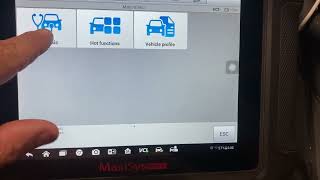
Helpful Videos
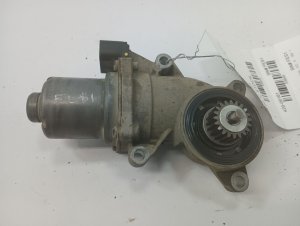
Used OEM Parts in Stock
New Aftermarket Parts Available


The information in this article is provided for general reference and educational purposes only. Vehicle specifications, procedures, and part compatibility can vary by production date, trim level, and region. Always consult your vehicle's factory service manual and verify part numbers before purchasing or performing repairs. Safety-critical components such as airbags, seat belts, and braking systems should be installed by a qualified professional.
- Cadillac ESCALADE ESV:
- 🧭 Diagnostic Flowchart
- 🎬 Helpful Videos
- 🛍️ Shop This Part
- What's Unique About the 2015-2015 Cadillac ESCALADE ESV
- Symptoms You May Notice
- Most Likely Causes
- Rare But Worth Checking
- Diagnosis Steps
- Parts You'll Likely Need
- Related Codes That Often Appear With This One
- Technical Service Bulletins (TSBs) & Recalls
- Platform-Specific Known Issues
- Mechanic-Grade Diagnostic Values
- Hidden / Shadow Codes Worth Checking
- Scan Tool Commands That Help
- Wiring & Ground Locations
- Real Owner Repair Stories
- When the Usual Fixes Don't Work
- OEM Part Supersession History
- Model Year Variations Within This Range
- 🎟️ Get 5% Off