

OBD-II Code B2321: Driver Door or Mirror Communication Failure
What B2321 means, why it triggers, and how to fix it
- Verify the B2321 definition for your specific vehicle first, as it means a failed window motor on Toyotas, a broken side mirror on Fords, or a critical oil level sensor fault on Nissans.
- Inspect the rubber door jamb boot for broken wires before buying parts, as constant flexing frequently causes the single LIN bus communication wire to snap.
- Test for a solid 12V power and less than 1 ohm of ground at the window motor connector to confirm the wiring is intact before replacing the $150+ motor assembly.
- Perform a 10-second window initialization sequence after replacing a Toyota or Lexus window motor by holding the switch in the 'up' position, or the auto-up feature will fail.
What Does B2321 Mean?

B2321 indicates the Body Control Module (BCM) lost communication with a driver's door module for over 10 seconds. On Toyota and Lexus, this usually means the driver's power window motor ECU failed or lost its Local Interconnect Network (LIN) connection. On Ford, GM, and Lincoln, it typically means the driver's side-view mirror horizontal position sensor circuit is open. Always verify the definition for your specific vehicle.
Technical definition: The standard SAE definition is 'Driver Side Door ECU Communication Stop,' indicating a 10-second communication loss on the LIN bus between the driver's door module and the main body ECU. On Ford and GM, the definition is 'Driver Side Mirror Horizontal Feedback Potentiometer Circuit Open,' pointing to a lost signal from the mirror's position sensor.
Can I Drive With B2321?
Yes. You can drive with this code, as it primarily affects convenience features. However, a stuck window is a security risk, and a non-adjustable mirror creates a significant blind spot. Crucially, on some Nissan models, B2321 indicates a low oil level sensor fault; ignoring this causes severe engine damage from oil starvation. Verify the code's meaning for your specific vehicle immediately.
Common Causes

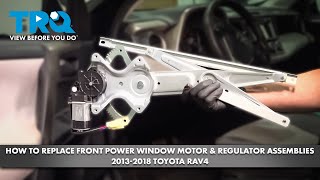
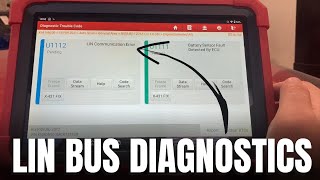
- Failed Driver's Window Motor (Very Common) — The integrated ECU within the driver's power window motor is the most frequent point of failure, especially on Toyota and Lexus models. This internal failure stops all communication on the LIN bus. 🎬 Watch: A professional guide to diagnosing LIN bus communication errors.
- Broken Wires in Door Jamb (Common) — The wiring harness running through the flexible rubber boot between the body and driver's door flexes constantly. Wires fatigue and break, cutting power, ground, or the LIN signal.
- Failed Driver's Side Mirror Assembly (Common) — On Ford and GM vehicles, the internal horizontal feedback potentiometer fails or its wiring breaks, preventing the BCM from knowing the mirror's position.
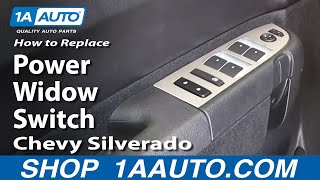
- Faulty Driver's Master Window Switch (Common) — Liquid spills, dirt, or internal wear damage the switch's circuit board, preventing it from sending commands or relaying communications. Water intrusion is a known fire hazard in some older GM vehicles.
- Corroded or Loose Connectors (Less Common) — Water intrusion into the door or mirror housing corrodes electrical connector pins. A loose connector also interrupts the signal.
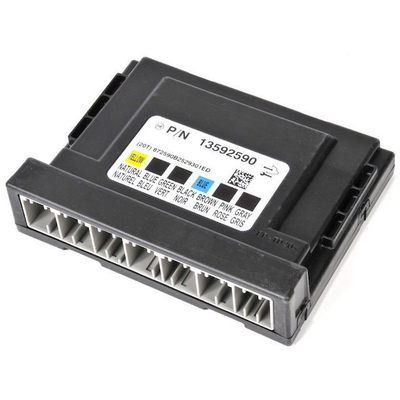
- Faulty Body Control Module (BCM) (Less Common) — The BCM itself fails due to a software glitch, corrupted firmware, or a failed internal driver. A software update sometimes resolves this.
- Blown Fuse (Rare) — A blown fuse for the power window circuit or driver door module cuts all power. This is usually a secondary symptom of a short circuit.
- Incorrect Code Definition (Nissan) (Rare) — On Nissan Juke and Qashqai models, B2321 indicates an 'Engine Oil Level Sensor Open Circuit.' Ignoring this causes severe engine damage.
Symptoms

- Driver's window won't go up or down — The driver's side power window is completely unresponsive to the switch.
- Driver's side-view mirror won't adjust horizontally — On makes like Ford or GM, the mirror is stuck and does not respond to left/right adjustments.
- Window or mirror works intermittently — The component works sporadically. This points to a broken wire in the door jamb that makes contact only when the door is in a certain position.
- Other driver's door controls not working — If door locks and other window controls also fail, it points toward the master switch or a main wiring issue.
- Auto up/down feature stops working — The one-touch automatic up/down function stops working, indicating a loss of initialization or a communication fault.
- 'Mirror Driver' warning light on dash — Some vehicles display a specific warning message on the instrument cluster when the mirror position feedback is lost.
Diagnostic Flowchart

Tap your situation to follow the diagnostic path that matches what you're seeing on this code.
Common Fixes & Costs
- Replace Driver's Window Motor — Parts: $50-$250, Labor: $120-$250, ~2.1 hr book time (Intermediate)
- Repair Broken Wires in Door Jamb — Parts: $10-$25, Labor: $150-$300, ~2.5 hr book time (Intermediate)
- Replace Driver's Side Mirror Assembly — Parts: $100-$400, Labor: $80-$150, ~1.5 hr book time (Intermediate)
- Replace Driver's Master Window Switch — Parts: $35-$250, Labor: $50-$150, ~0.8 hr book time (DIY)
- Replace Door Wiring Harness — Parts: $75-$180, Labor: $200-$400, ~3.5 hr book time (Professional)
- Replace Body Control Module (BCM) — Parts: $250-$500, Labor: $150-$300, ~2.5 hr book time (Professional)
Used vs. New Parts: Buying Guide
When a used part is worth it: For common fixes like window motors, master switches, and mirror assemblies, a used OEM part from a low-mileage vehicle is a cost-effective alternative to a new aftermarket part. It makes the most sense for older, high-mileage vehicles.
Donor-vehicle mileage cap: roughly under 80000 miles for the part to have meaningful remaining life.
Donor quality checklist:
- Verify the donor vehicle's mileage and that it wasn't scrapped for a related electrical failure.
- Match the part number exactly, including all options (e.g., for mirrors: heat, power fold, turn signal).
- For electronic parts, prefer donors from dry climates to reduce the risk of internal corrosion.
Decision logic:
- If Vehicle is < 5 years old OR part is < $100 new (aftermarket) → Buy new. The savings from a used part are minimal and not worth the risk or lack of warranty.
- If Vehicle is > 10 years old AND budget is the primary concern → A used OEM part is a reasonable choice, but inspect it carefully and buy from a reputable salvage yard with a return policy.
- If The part is a high-wear item (like a window motor or switch) → Favor a new aftermarket part with a good warranty over a high-mileage used part that fails soon.
Warranty tradeoff: Used parts from a salvage yard typically offer a 30-90 day warranty. New aftermarket parts often come with a 1-year to lifetime warranty. New OEM parts carry a 1-year warranty, but are the most expensive option.
Worst-case if a used part fails: $150-$300 if a used part fails after installation, primarily due to the repeated labor cost to remove and replace it.
What Happens If You Wait — Timeline
- 0-1 month: Code B2321 is set. The driver's window or mirror stops working, or works intermittently. For Ford/GM mirror faults, the mirror moves to an extreme position on startup. (MPG impact: 0%% · Added cost: $0)
- 1-6 months: If the window is stuck open, the interior is exposed to weather and theft. Rain soaks the carpet and seat, leading to mold growth and damage to other electronics in the door. (MPG impact: 0%% · Added cost: $250-$2200)
- 6-12 months: If the root cause is a broken wire in the door jamb, continued opening and closing of the door causes the broken wire to short against an adjacent wire. This sends incorrect voltage to sensitive modules. (MPG impact: 0%% · Added cost: $500-$1200)
- Immediate (Nissan Oil Sensor Variant): If the code is for the Nissan oil level sensor and is ignored, the driver receives no warning of a low oil condition. This leads to oil starvation, causing internal friction and heat that destroys bearings and seizes the engine. (MPG impact: N/A% · Added cost: $4000-$10000)
Cost of Not Fixing It
- Immediate: Inconvenience and potential safety hazard. A non-adjustable mirror creates a blind spot. A window stuck open is a security risk, while one stuck closed is a hazard in an emergency. (Added cost: 0)
- 1-6 months: Increased security risk and potential for interior damage. A window stuck down exposes the vehicle to theft and weather damage, leading to moldy carpets and damaged electronics. (Added cost: $500-$2000)
- 6+ months: Worsening electrical problems. If the cause is a broken wire in the door jamb, continued flexing causes it to short against other wires, potentially damaging the BCM. (Added cost: $500-$1500)
- Immediate (for Nissan oil sensor variant): Catastrophic engine failure. If the code is for the oil level sensor and it is ignored, the driver is not warned of a low oil level, leading to oil starvation and complete engine seizure. (Added cost: $4000-$10000)
Diagnosis Steps
- Verify the Code's Meaning for Your Vehicle
Before any diagnosis, use a factory-level scan tool or a professional service manual to confirm what B2321 means for your specific Year, Make, and Model. It is the window motor (Toyota), the side mirror (Ford), or the oil level sensor (Nissan). Misinterpreting the code is the most costly mistake.
Tools: Professional Scan Tool, Service Manual Subscription (Beginner) - Check Fuses
Consult your owner's manual to locate the fuse boxes. Inspect all related fuses, often labeled 'D DOOR', 'P/W', 'MIRROR', or 'MPX-B'. Pull each fuse and visually check if the internal metal strip is broken. Replace any blown fuse with a new one of the exact same amperage.
Tools: Fuse puller or small pliers (Beginner) - Inspect the Door Jamb Wiring
Open the driver's door fully and peel back the rubber boot between the door and the car's A-pillar. Carefully inspect the wires inside for signs of breakage, chafing, or cracked insulation. Gently wiggle the harness while operating the switch; if the component works intermittently, you found the problem area.
Tools: Flashlight (Intermediate) - Remove the Door Panel and Visually Inspect Connectors
Remove the interior door panel. This involves removing a few screws and using trim removal tools to release the clips. Visually inspect the electrical connectors on the window motor, mirror, and master switch for corrosion, moisture, or backed-out pins.
Tools: Screwdriver set, trim removal tools (Intermediate) - Check for Power and Ground at the Component
At the disconnected component connector, use a multimeter to verify power and ground. Check your vehicle's wiring diagram. You need a pin with constant battery voltage (approx. 12V) and a pin with good continuity to ground (less than 1 Ω). If either is missing, the problem is in the wiring.
Tools: Multimeter, Wiring Diagram (Intermediate) - Test the Motor Directly
If you suspect the window motor itself is bad, use a 12V power source to apply power directly to the motor's power and ground pins. If the motor doesn't move, it failed mechanically. This test bypasses the internal computer and does not identify a communication failure.
Tools: 12V power source, jumper wires (Advanced) - [PRO TIP] Check LIN Bus Wire Integrity
With the key off and component disconnected, check the resistance between the LIN wire terminal at the component connector and a good chassis ground. A healthy circuit has very high resistance. A reading of less than 10 kΩ indicates a short to ground in the wiring harness.
Tools: Multimeter, Service Manual for Pinout (Advanced) - [PRO TIP] Monitor Live Data with a Scan Tool
A bi-directional scan tool provides live data PIDs for the driver door module or mirror position. Monitor the 'Mirror Horizontal Position' PID or the communication status PID. A 'Not Communicating' status while wiggling the door harness points directly to a wiring issue.
Tools: Bi-directional Scan Tool (Advanced) - [PRO TIP] Test Mirror Potentiometer Resistance (Ford/GM)
Disconnect the mirror assembly. Identify the three pins for the horizontal potentiometer. Measure the resistance between the signal pin and ground pin. As you manually move the mirror glass left and right, the resistance sweeps smoothly from near 0 Ω to between 5 kΩ and 10 kΩ. An infinite reading confirms an open potentiometer.
Tools: Multimeter, Service Manual for Pinout (Advanced) - [PRO TIP] Test Mirror Potentiometer Voltage (Ford/GM)
With the mirror connected and key on, back-probe the mirror connector. Verify the 5V reference voltage (Vref) is present. Back-probe the signal wire. As you command the mirror to move horizontally, the voltage sweeps smoothly between 0.5V and 4.5V. A steady 0V or 5V indicates a short, while no voltage indicates an open circuit.
Tools: Multimeter, Back-probe kit, Service Manual for Pinout (Advanced)
When This Code Triggers (Freeze-Frame Conditions)
- System Voltage: 11.5-14.5V (Normal operating voltage; fault is triggered by low voltage.)
- Ignition Status: ON (The fault is typically detected when the ignition is on.)
- Component Action: Command Sent (Code sets after the BCM sends a command to the window/mirror and receives no reply for >10 seconds.)
- Vehicle State: Parked or Driving (Fault occurs any time the driver attempts to use the affected component.)
Related Codes
- U0199 — A generic 'U' (Network) code for 'Lost Communication With Driver Door Control Module.' It is functionally identical to B2321. Treat diagnosis the same.
- B1206 — Indicates a fault in the ECU communication bus itself. If you see B1206 alongside B2321, troubleshoot B1206 first. It points to a central system problem that is the root cause of the B2321 code.
- B2325 — Indicates a communication stop with the passenger side door ECU. If both B2321 and B2325 are present, it strongly suggests a wiring or BCM issue affecting the entire bus.
- B2320 — On vehicles where B2321 refers to the mirror, B2320 indicates a failure in the vertical feedback potentiometer circuit. Seeing them together points definitively to a problem within the driver's mirror assembly.
Climate & Environmental Factors
- Humidity and Water Ingress: Moisture entering the driver's door through a bad window seal seeps into the master window switch module. This causes corrosion on the internal circuit board, leading to short circuits, erratic operation, and in some GM models, a risk of fire.
- Cold Climates: In regions with freezing temperatures, the plastic insulation on wires becomes brittle. The constant flexing of the door jamb harness causes these hardened wires to crack and break, leading to open circuits for power, ground, or the LIN bus signal.
How to Talk to a Mechanic About This Code
Say this: "I have an OBD-II code B2321 and my driver's side window (or mirror) has stopped working. I know this code has different meanings depending on the car. I'd like to schedule a diagnostic to test the wiring and communication on the LIN bus before we assume any specific part failed."
This signals that you are an informed customer. You stated the code, the symptom, and your awareness of its complexity. It directs the technician toward a proper diagnostic process rather than just replacing the most common part, preventing misdiagnosis.
Avoid saying:
- 'My window is broken, can you fix it?'
- 'My check engine light is on, can you look at it?'
- 'Just do whatever you think is best.'
Questions to ask before authorizing the repair:
- Did you confirm the code's definition for my specific vehicle?
- Before recommending the module replacement, did you test for 12V power and good ground at the component's connector?
- Did you inspect the wiring inside the door jamb boot for any breaks or damage?
- Can you show me the broken wire or explain the test results that prove the module is bad?
Where to Take It: Dealer vs Independent vs Chain
- Dealer:
Recommended only if the vehicle is under warranty or requires BCM programming. For most out-of-warranty B2321 faults, a dealer is the most expensive option.
Best for: Vehicles under warranty, Complex BCM replacement and programming, Known manufacturer-specific quirks, like the Nissan oil sensor issue
Downsides: Highest labor rates, often 1.5-2x more than independent shops., More likely to replace an entire assembly rather than repair a single wire. (Typical cost: +50% vs. baseline) - Independent Shop:
Best fit for most B2321 repairs. A good independent shop with strong electrical diagnostic skills accurately pinpoints the fault and performs targeted, less expensive repairs.
Best for: Out-of-warranty vehicles where cost is a factor, Diagnosing and repairing common electrical faults like broken wires or failed motors., Getting a second opinion on a dealership's quote.
Downsides: Diagnostic skill and equipment vary greatly; look for shops that specialize in electrical systems., May lack access to the very latest manufacturer technical service bulletins. (Typical cost: +0% vs. baseline) - Chain Shop:
Acceptable for a straightforward master switch replacement, but AVOID for initial diagnosis. This code requires tracing wires and testing modules, which is beyond the scope of most chain shops.
Best for: Simple, by-the-book parts replacement like a master window switch if you already diagnosed it yourself.
Downsides: Technician skill varies dramatically., Often lack the advanced diagnostic tools and in-depth electrical knowledge for complex communication issues., Business model pressures technicians to upsell services. (Typical cost: -10% vs. baseline)
When to Walk Away From the Repair
If the estimated repair cost exceeds 40-50% of the car's private-party value, seriously consider selling or trading in the vehicle instead of repairing it.
- Car worth $3500, fix is $1800: Walk away. The repair cost is over 50% of the car's value. It is not a sound investment.
- Car worth $10000, fix is $800: Fix it. The repair cost is well below the threshold and restores a key function to the vehicle.
- Car worth $2000, fix is $300: Fix it. Even on a low-value car, this repair is inexpensive and makes the car much more usable and sellable.
What Scan Tool You Need for This Code
Minimum: A scanner that reads and clears codes from the Body Control Module (BCM). Basic engine-only code readers do not see 'B' codes like B2321.
A $20 code reader that only checks for engine codes won't see this fault at all. To diagnose B2321, you need a tool that communicates with the BCM. Without live data and bi-directional control, you are just guessing which part to replace.
Budget: BlueDriver Pro (~$100) — Reads and clears enhanced codes (like B-codes for the BCM) on most major brands. It displays live data from the door modules, helping you see if the switch is sending a signal. It is an excellent starting point for DIY diagnosis.
Mid-range: Foxwell NT510 Elite (~$150) — Offers bi-directional control, which is a game-changer for this code. You use the scanner to directly command the window motor or mirror to move, bypassing the switch. If the component moves with the scanner but not the switch, you isolated the problem to the switch circuit.
Professional: Autel MaxiCOM MK808 / MK808BT (~$400-500) — Provides full bi-directional control for all vehicle systems, allowing you to test and activate any component connected to the BCM. It offers OE-level diagnostics, graphs live data, and provides advanced service functions.
Rent vs buy: Most auto parts stores offer a free loaner tool program. However, their basic scanners typically only read engine codes. For a B2321 code, you likely need to purchase a more capable scanner that reads body codes. Buying a tool like the BlueDriver or Foxwell NT510 is a worthwhile investment.
How to Clear the Code After You Fix It
- Reconnect any disconnected components and the battery
- Use an OBD-II scan tool to clear the Diagnostic Trouble Code (DTC) from the Body Control Module.
- Operate the repaired component (window/mirror) to confirm functionality
- If applicable, perform the window initialization procedure.
Drive cycle (~5 minutes): A specific 'drive cycle' is not required for this body code. After clearing the code, turn the ignition on. The BCM re-scans the LIN bus. If the fault is fixed, the code does not return after 10-15 seconds.
Readiness monitors affected: None
Watch out for:
- Simply disconnecting the battery does not clear the code from the BCM's memory.
- The code returns immediately if the root cause is not properly fixed.
- Forgetting to initialize the window on Toyota/Lexus vehicles causes the code to return or the 'auto' function to fail.
Will This Fail Emissions / State Inspection?
No — by itself this code doesn't fail OBD inspection (but it can keep readiness monitors from setting, which causes a separate fail).
- California: This code will NOT cause a smog check failure. California's test focuses on 'P' (powertrain) codes and the status of the Malfunction Indicator Light (MIL), which B2321 does not illuminate.
- New York: This code will NOT cause an emissions inspection failure. The NY VIP inspection checks for MIL illumination and OBD-II system readiness for emissions-related monitors, neither of which are affected by B2321.
- Texas: This code will NOT cause an emissions test failure. In the 17 counties requiring emissions testing, the OBD-II scan looks for powertrain-related codes that command the MIL on. A 'B' code does not fail the inspection.
Most Commonly Affected Vehicles
- Toyota RAV4 (2006-2018) — Extremely common for B2321 due to failure of the power window regulator motor assembly, which contains the door ECU. Initialization is required after replacement.
- Lexus ES 350 / CT 200h (2007-2017) — Experiences communication loss between the main body ECU and the driver's door motor. Service manuals consistently advise troubleshooting code B1206 first if it is also present.
- Ford F-150 (2009-2014) — On these models, B2321 often refers to the side mirror potentiometer. Broken wires in the driver's door jamb are also a very common cause of electrical issues.
- Chevrolet Silverado / GMC Sierra (2007-2013) — These trucks frequently suffer from failed master window switches, which trigger this code. Aftermarket switches are readily available.
- Toyota Prius / Aqua (2010-2015) — The driver door motor is a known failure point. A faulty motor is easily misdiagnosed as a larger BCM or wiring issue if not tested properly.
- Nissan Juke / Qashqai (2011-2017) — Unique case where B2321 is defined as 'Oil Level Sensor Open Circuit.' This highlights the need to verify the code definition for the specific vehicle.
- Hyundai Accent / Elantra (2011-2017) — LIN bus communication errors trigger this code, often related to wiring issues or a faulty master switch. Diagnosis focuses on the integrity of the single LIN wire.
- Volkswagen Jetta / Golf (2011-2018) — These models utilize a LIN bus for door controls. Failures in the master switch or the door control module are common causes for B2321.
Manufacturer-Specific Notes

- Toyota/Lexus: After replacing the window motor, the new unit must be 'initialized' for the auto up/down and anti-pinch features to work. Roll the window down, then all the way up and hold the switch for 5-10 seconds.
- Nissan: On some models like the Juke and Qashqai, B2321 is defined as 'Oil Level Sensor Open Circuit.' This is completely unrelated to the door and is a critical distinction.
- Ford/GM/Lincoln: On many models, B2321 is defined as 'Driver Side Mirror Horizontal Feedback Potentiometer Circuit Open.' The diagnostic process must focus on the side-view mirror and its wiring.
- General Motors: GM issued multiple recalls for 2006-2007 SUVs where fluid enters the driver's master window switch, causing a short circuit and fire risk.
- Toyota/Lexus: When using a professional scan tool with the ignition off, communication fails. To force a connection, cycle a courtesy light switch on and off at 1.5-second intervals until the tool connects.
Real Owner Stories
2010 Toyota RAV4 - The Classic Fix
Driver's window suddenly stopped working completely. All other windows and door locks worked fine from the master switch. Code B2321 was present.
What they tried:
- Checked fuses related to power windows, all were intact.
- Removed the door panel to access the window motor and check for power.
Outcome: After confirming 12V power and good ground at the motor connector, the owner concluded the motor's internal ECU failed. Replaced the entire driver's side window motor and regulator assembly with an aftermarket part (~$75). Performed the window initialization procedure, which cleared the code and restored all functions.
Lesson: On many Toyotas, the window motor assembly contains the door's computer. If power and ground are good at the connector, the motor assembly itself is the definitive cause.
2011 Ford F-150 - A Tale of Misdiagnosis
Driver's side mirror randomly moved to its farthest right position upon starting the truck. Code B2321 was stored.
What they tried:
- Replaced the master window/mirror switch assembly (~$15), but the problem persisted.
- Researched the code specifically for Ford trucks and learned it pointed to the mirror's horizontal position sensor.
Outcome: The owner disassembled the mirror assembly and found the internal potentiometer was faulty. They replaced just the internal motor/sensor unit for around $70, which resolved the memory issue and cleared the code.
Lesson: Always verify the code's meaning for your specific vehicle. On Fords, B2321 is for the mirror, not the window. Replacing the switch was a wasted step.
2015 Toyota Camry - The Intermittent Wiring Gremlin
The driver's window and door lock worked intermittently. Codes B2321 and B1206 (Master Switch Communication Stop) were present.
What they tried:
- Replaced the master switch, but the problem continued intermittently.
- Replaced the driver's window motor, but the issue remained.
Outcome: A technician found the LIN bus wire in the door jamb harness was damaged during a previous accident repair. It had a poor connection, causing the intermittent communication loss. Repairing the single pink LIN wire fixed the issue and cleared both codes.
Lesson: Intermittent problems point to wiring. If multiple components in the door fail simultaneously, the issue is a shared power, ground, or communication wire in the door jamb harness.
How to Prevent This Code From Triggering
- Lubricate Window Tracks Annually (Once per year) — Dirt and grime in the window's rubber tracks cause friction, forcing the window motor to work harder. This excessive strain leads to premature motor burnout. Cleaning the tracks and applying a silicone spray lubricant reduces this strain.
- Inspect and Protect Door Jamb Boot (Every 2 years or 30,000 miles) — The door jamb harness is the #1 location for wire breaks. Periodically check that the rubber boot is securely seated and free of tears. Applying a rubber-safe conditioner keeps it flexible and prevents cracking.
- Use Dielectric Grease on Connectors (When performing any door-related repair) — When a door panel is off and connectors are exposed, applying a small amount of dielectric grease to the pins before reconnecting helps seal out moisture. This prevents the corrosion that leads to poor connections.
- Clean Spills on the Master Switch Immediately (As needed) — Liquid spills on the master window switch seep inside and corrode the circuit board, leading to failure. Promptly cleaning spills prevents costly replacement.
Frequently Asked Questions
Is B2321 always for the driver's window?
No. While it most commonly refers to the driver's power window motor on makes like Toyota, its meaning varies significantly. On many Ford, GM, and Lincoln vehicles, it points to the driver's side-view mirror, and on some Nissans, the oil level sensor. Always verify the code's definition with a service manual for your specific vehicle.
What is a LIN Bus and why does it fail?
LIN (Local Interconnect Network) is a simple, low-cost, single-wire communication network used for non-critical functions like windows and mirrors. It fails due to broken wires in the flexible door jamb, faulty control modules, shorts to ground, or connector corrosion.
How do I initialize a Toyota or Lexus power window?
After a battery or part replacement, roll the window all the way down. Then, roll it all the way up and continue holding the switch in the 'up' position for 5-10 seconds until you hear a faint click. This restores the auto up/down function.
Can a low battery cause code B2321?
Yes, low system voltage causes unpredictable behavior in electronic modules and communication networks like the LIN bus. If you have other electrical issues or a slow-cranking engine, test your battery and charging system before diving into complex diagnostics.
What are the most common misdiagnosis pitfalls for this code?
The biggest pitfall is replacing an expensive module before thoroughly checking the wiring, especially the flexible door jamb boot. The second major mistake is not verifying the code's meaning for your specific vehicle, leading to diagnosing the wrong component entirely.
My window is stuck down. How can I raise it before I can fix it?
After removing the interior door panel, unplug the window motor to release its hold on the regulator. You can then push the glass up by hand. Use strong tape or a rubber suction cup wedge to hold the window closed temporarily.
Do I need a special scan tool to diagnose this?
A basic OBD-II scanner reads the B2321 code, but a bi-directional scan tool is highly recommended. It communicates directly with the Body Control Module to command the window or mirror, read live switch status, and view LIN bus data. This quickly pinpoints the unresponsive component and saves hours of diagnostic time.
Key Takeaways
- Verify the B2321 definition for your specific vehicle first, as it means a failed window motor on Toyotas, a broken side mirror on Fords, or a critical oil level sensor fault on Nissans.
- Inspect the rubber door jamb boot for broken wires before buying parts, as constant flexing frequently causes the single LIN bus communication wire to snap.
- Test for a solid 12V power and less than 1 ohm of ground at the window motor connector to confirm the wiring is intact before replacing the $150+ motor assembly.
- Perform a 10-second window initialization sequence after replacing a Toyota or Lexus window motor by holding the switch in the 'up' position, or the auto-up feature will fail.
Helpful Videos

Shop the Parts Behind B2321
Below are the parts most often responsible for code B2321, ranked by how frequently each one is the actual culprit (per the diagnosis above). Tap any to see what we have for your vehicle.



The information in this article is provided for general reference and educational purposes only. Vehicle specifications, procedures, and part compatibility can vary by production date, trim level, and region. Always consult your vehicle's factory service manual and verify part numbers before purchasing or performing repairs. Safety-critical components such as airbags, seat belts, and braking systems should be installed by a qualified professional.
- 🧭 Diagnostic Flowchart
- 🎬 Helpful Videos
- 🛍️ Shop This Part
- What Does B2321 Mean?
- Can I Drive With B2321?
- Common Causes
- Symptoms
- Common Fixes & Costs
- Used vs. New Parts: Buying Guide
- What Happens If You Wait — Timeline
- Cost of Not Fixing It
- Diagnosis Steps
- When This Code Triggers (Freeze-Frame Conditions)
- Related Codes
- Climate & Environmental Factors
- How to Talk to a Mechanic About This Code
- Where to Take It: Dealer vs Independent vs Chain
- When to Walk Away From the Repair
- What Scan Tool You Need for This Code
- How to Clear the Code After You Fix It
- Will This Fail Emissions / State Inspection?
- Most Commonly Affected Vehicles
- Manufacturer-Specific Notes
- Real Owner Stories
- 2010 Toyota RAV4 - The Classic Fix
- 2011 Ford F-150 - A Tale of Misdiagnosis
- 2015 Toyota Camry - The Intermittent Wiring Gremlin
- How to Prevent This Code From Triggering
- Frequently Asked Questions
- Is B2321 always for the driver's window?
- What is a LIN Bus and why does it fail?
- How do I initialize a Toyota or Lexus power window?
- Can a low battery cause code B2321?
- What are the most common misdiagnosis pitfalls for this code?
- My window is stuck down. How can I raise it before I can fix it?
- Do I need a special scan tool to diagnose this?
- Key Takeaways
- 🎟️ Get 5% Off