

OBD-II Code B2455: Microphone Circuit Malfunction
The Ultimate Guide to B2455: What It Means, Why It Triggers, and How to Fix It for Good
- Code B2455 indicates an electrical fault in the hands-free microphone circuit, disabling outgoing Bluetooth and OnStar audio.
- On 2000-2014 General Motors vehicles, the root cause is almost always two uninsulated drain wires shorting together near the VCIM module (TSB PIC6140B).
- Fixing this code costs under $5 in electrical tape and takes about 30 minutes by separating the shorted wires behind the glovebox or trunk trim.
- Do not replace the $300+ Vehicle Communication Interface Module (VCIM) until you have physically inspected the X2 connector wiring harness for this known short.
What Does B2455 Mean?
B2455 means the vehicle's computer detected an electrical problem in the hands-free microphone circuit. This microphone is used for OnStar®, Bluetooth® calling, and voice commands. The Vehicle Communication Interface Module (VCIM) found a short, an open, or out-of-range voltage in the microphone wiring.
Technical definition: The official SAE/OBD-II definition is "Cellular Phone Microphone Circuit Malfunction." The Vehicle Communication Interface Module (VCIM) detects an open circuit, a short to ground, or a short to voltage in the microphone signal circuit or its low reference circuit. The condition must be present for at least 10 seconds before the code stores and the red OnStar light illuminates.
Can I Drive With B2455?
Yes. This code does not affect engine performance, braking, or primary safety systems. The vehicle is completely safe to drive, as the fault is limited to a convenience feature (the hands-free microphone).
Common Causes
- Shorted Drain Wires at VCIM Connector (Very Common) — On millions of General Motors vehicles, two uninsulated drain wires in the wiring harness near the communication module (VCIM) touch each other, causing a short circuit. This is a well-documented manufacturing oversight covered by GM Technical Service Bulletin (TSB) #PIC6140B and is the most frequent cause.
- Damaged or Chafed Wiring (Common) — Wiring for the microphone routes through the headliner and down the A-pillars. This wiring gets pinched, frayed, or damaged during other repairs (like windshield or aftermarket radio installations) or from vibration over time, causing an open or short circuit.
- Failed Microphone (Less Common) — The microphone itself is a small electronic component, usually located in the overhead console or rearview mirror, that fails from age, moisture, or physical damage.
- Loose or Corroded Connectors (Rare) — The electrical connectors at the microphone, behind the radio, or at the communication module corrode from moisture or vibrate loose, leading to a poor connection.
- Faulty Vehicle Communication Interface Module (VCIM) (Very Rare) — The control module that manages the OnStar and Bluetooth systems fails internally. This is an uncommon cause and should only be considered after ruling out all wiring and microphone issues. A failing VCIM often presents with other communication codes (U-codes).
Symptoms
- Red OnStar® light — The status light on the rearview mirror or overhead console, which is normally green, turns solid red.
- Hands-free calling and voice commands fail — When you make a Bluetooth call or use the OnStar system, the person on the other end cannot hear you, or the system displays an 'unavailable' message.
- Distorted or garbled outgoing audio — Instead of complete silence, the outgoing audio is extremely quiet, distorted, or filled with static.
- Service message on Driver Information Center (DIC) — Some vehicles illuminate a general service light or display a message like 'Service Emergency Calling' on the dash.
Diagnostic Flowchart
Tap your situation to follow the diagnostic path that matches what you're seeing on this code.
Common Fixes & Costs
- Separate and Insulate Shorted Wires (TSB PIC6140B) — Parts: $1-$5, Labor: $45-$250, ~0.5 hr book time (DIY)
- Replace In-Cabin Microphone — Parts: $20-$90, Labor: $50-$150, ~0.8 hr book time (DIY)
- Repair Damaged Wiring Harness — Parts: $10-$50, Labor: $150-$500, ~2.0 hr book time (Intermediate)
- Clean and Secure Connectors — Parts: $0-$10, Labor: $25-$100, ~0.5 hr book time (DIY)
- Replace Vehicle Communication Interface Module (VCIM) — Parts: $200-$450, Labor: $100-$250, ~1.5 hr book time (Professional)
Used vs. New Parts: Buying Guide
When a used part is worth it: The most common fix requires no parts. If the VCIM is confirmed faulty, a used module is a cost-effective option, as new ones are expensive and restricted. A used microphone is not recommended due to the low cost of a new one.
Donor-vehicle mileage cap: roughly under 100000 miles for the part to have meaningful remaining life.
Donor quality checklist:
- Purchase from a reputable auto recycler offering a warranty and return policy.
- Ensure the part number is an exact match, as variations are common.
- Visually inspect connector pins for corrosion or damage.
- Avoid modules from flood-damaged or fire-damaged vehicles.
Decision logic:
- If The fix is the TSB wiring short → buy no parts; use electrical tape.
- If The microphone has failed → buy new; the cost is low and ensures reliability.
- If The VCIM has failed AND budget is the primary concern → buy a used VCIM, but factor in the cost of professional programming.
- If The VCIM has failed AND reliability is the primary concern → purchase a new OEM module through a professional shop or dealer.
Warranty tradeoff: Used parts typically have a 30-90 day warranty. New aftermarket parts offer a 1-year or limited lifetime warranty. New OEM parts have a 12-month manufacturer's warranty.
Worst-case if a used part fails: 300-600. If a used VCIM is faulty or cannot be programmed, you pay for diagnostic and programming labor twice.
What Happens If You Wait — Timeline
- Immediate: The B2455 code sets, and the OnStar status light turns solid red. The hands-free microphone stops transmitting audio. Callers cannot hear you. (MPG impact: 0%% · Added cost: $0)
- Ongoing: The microphone remains non-functional. There is no further degradation or impact on other vehicle systems. The fault is stable and isolated. (MPG impact: 0%% · Added cost: $0)
- Long-Term (Months to Years): No cascading failure occurs. The vehicle operates normally, minus the hands-free microphone. The only impact is the ongoing inconvenience of not having hands-free calling. (MPG impact: 0%% · Added cost: $0)
- N/A: This fault does not progress to cause damage to other components. The cost of not fixing it remains zero in terms of mechanical or electrical repairs. (MPG impact: 0%% · Added cost: $0)
Cost of Not Fixing It
- Immediate and Ongoing: The hands-free microphone for OnStar and Bluetooth fails. Callers cannot hear you, and the OnStar status light remains red. (Added cost: 0)
- Long-Term: There is no risk of cascading damage to other components. The fault is isolated to a non-essential convenience system. (Added cost: 0)
- Safety Consideration: While vehicle operation is unaffected, the inability to use hands-free calling increases distracted driving risks. Automatic crash response cannot establish two-way voice communication. (Added cost: 0)
Diagnosis Steps
- Read the Code and Note Symptoms
Use an OBD-II scanner capable of reading Body ('B') codes to confirm B2455 is active. Note any other codes present. Confirm symptoms, such as the red OnStar light and dead microphone.
Tools: OBD-II Scanner (with B-code capability) (Beginner) - Inspect for the Common TSB Wiring Short (GM Vehicles)
Access the Vehicle Communication Interface Module (VCIM) behind the glove box, in the trunk, or in a rear cubby. Disconnect the 'X2' connector and carefully peel back the factory tape on the wiring harness for 2-3 inches. Look for two bare, uninsulated silver drain wires touching. If they are, separate and tape them.
Tools: Trim removal tools, Socket set, Flashlight, Electrical tape (Beginner) - Inspect the Microphone and Connectors
Locate the in-cabin microphone in the overhead console, A-pillar trim, or rearview mirror. Visually inspect it and its connector for damage, corrosion, or loose connections. Unplug and reseat the connectors at both the microphone and the VCIM.
Tools: Trim removal tools, Flashlight (Intermediate) - Pro Tip: Use a Scan Tool for Symptom Byte Analysis
A professional scan tool reads symptom bytes providing exact fault details. 'B2455 02' indicates a Short to Ground (points to the TSB issue or chafed wiring), 'B2455 04' indicates an Open Circuit (points to a broken wire or failed mic), and 'B2455 05/06' indicates a Short to Voltage.
Tools: Professional-grade scan tool (Advanced) - Pro Tip: Test Bias Voltage at the Microphone
With the ignition ON and the microphone unplugged, use a multimeter to measure voltage between the microphone signal circuit and the low reference circuit at the connector. A healthy VCIM provides 9.5-10.5V. No voltage (0V) suggests an open wire or bad VCIM; low voltage (<9.5V) suggests a short to ground.
Tools: Digital Multimeter, Vehicle-specific wiring diagram (Advanced) - Test the Microphone Circuit Wiring for Continuity
Using a multimeter set to Ohms (Ω), check for continuity on the microphone signal and low reference wires between the microphone connector and the VCIM connector. Resistance must be less than 1.0 Ohm. A reading of 'OL' indicates an open (broken) wire.
Tools: Digital Multimeter, Vehicle-specific wiring diagram (Advanced) - Test the Microphone Element
If the wiring is good, test the microphone's internal resistance with a multimeter. It should read between 1kΩ and 3kΩ. A reading near zero suggests a shorted microphone, while 'OL' indicates an open one. Substituting a known-good microphone is the most definitive test.
Tools: Digital Multimeter (Intermediate) - Diagnose the Control Module (VCIM)
If all wiring and the microphone test good with in-spec voltage and resistance readings, the VCIM is faulty. This requires an advanced scan tool to check internal module status. Replacement requires professional programming and dealer authorization.
Tools: Professional-grade scan tool (Professional)
When This Code Triggers (Freeze-Frame Conditions)
- Ignition Status: RUN or ACC (The key is in the run or accessory position, powering the module.)
- System Voltage: 9.5V - 15.5V (The vehicle's electrical system voltage is within the normal operating range.)
- Fault Duration: >10 seconds (The electrical fault (open circuit, short to ground, or short to voltage) is continuously detected for at least 10 seconds.)
- Engine State: N/A (This is a body electrical code; it does not depend on engine RPM, vehicle speed, or temperature.)
Related Codes
- B2455 02 — A specific subtype indicating the microphone signal circuit is shorted to ground. This strongly points to the TSB wiring issue or a chafed wire touching the chassis.
- B2455 04 — A specific subtype indicating the microphone circuit is open. This pinpoints the problem to a broken wire, a failed microphone, or a disconnected plug.
- B2455 05 / B2455 06 — These subtypes indicate a Short to Battery or Short to Voltage. The microphone signal wire is touching a live power wire, pointing to a significant wiring harness issue.
- U1500 — A LIN Bus communication fault with the VCIM. If U1500 appears with B2455, it suggests a serious problem with the VCIM's power, ground, or data connections. Diagnose the U-code first.
Climate & Environmental Factors
- Humidity: High humidity accelerates corrosion on electrical connectors, including the microphone and VCIM, contributing to poor connections that trigger the code.
- Service-Related Disturbance: Service campaigns (like the GM 'Canada Upgrade') or aftermarket radio installs physically disturb the wiring harness, causing the uninsulated drain wires to touch and short circuit.
How to Talk to a Mechanic About This Code
Say this: "I have a B2455 code on my GM vehicle and the red OnStar light is on. I want to schedule a diagnostic, but please ensure the technician specifically checks for the shorted drain wires at the VCIM X2 connector, as described in TSB PIC6140B, before quoting any part replacements."
This signals to the shop that you are an informed customer. It directs them to the most common, well-documented, and cheapest fix first, preventing them from immediately quoting an expensive VCIM module replacement.
Avoid saying:
- 'My Bluetooth isn't working.'
- 'The red light on my mirror is on, can you look at it?'
- 'Just fix whatever is wrong with the OnStar.'
Questions to ask before authorizing the repair:
- Did you find the two bare drain wires shorted together at the VCIM connector as per the TSB?
- If you recommend a new microphone or VCIM, can you show me the multimeter readings (bias voltage and continuity) proving the wiring is good?
- If the VCIM needs replacement, is the cost of programming included in your quote?
- What is the warranty on this specific repair?
Where to Take It: Dealer vs Independent vs Chain
- Dealer:
Recommended only if the TSB fix fails and module replacement is necessary, as they have the specific tools and access to restricted parts.
Best for: Vehicles still under factory or extended warranty., If the VCIM is confirmed faulty and requires replacement and programming.
Downsides: Higher labor rates., May recommend module replacement instead of the simple wiring fix if not specifically directed. (Typical cost: +50% vs. baseline) - Independent Shop:
Best fit. An experienced independent mechanic is familiar with this common GM issue or can follow the TSB. This is the most cost-effective option.
Best for: Out-of-warranty vehicles where the owner wants the TSB wiring fix performed., Diagnosing the wiring or microphone after the TSB has been checked.
Downsides: Shop must have good electrical diagnostic skills., May not be able to program a new VCIM if required. (Typical cost: +0% vs. baseline) - Chain Shop:
AVOID. The risk of misdiagnosis and being sold unnecessary parts is high for this specific, nuanced code.
Best for: Not recommended for this type of electrical diagnosis.
Downsides: Technicians are less likely to be aware of specific TSBs., High pressure to sell parts leads to recommendations for a new microphone or module without proper diagnosis. (Typical cost: -10% vs. baseline)
When to Walk Away From the Repair
Since this repair is non-essential and does not affect vehicle safety or drivability, the decision to fix is based on convenience vs. cost. There is no 'walk away from the car' threshold, only a 'walk away from the repair' threshold.
- Car worth $5000, fix is $150: Fix it. This is a reasonable cost to restore hands-free calling functionality.
- Car worth $5000, fix is $750: Walk away from the repair. The cost of replacing the VCIM exceeds the value of the convenience for an older vehicle.
What Scan Tool You Need for This Code
Minimum: An OBD-II reader that can read Body ('B') control module codes.
A standard $20 'P-code' reader for check engine lights cannot communicate with the Vehicle Communication Interface Module (VCIM) and will show 'No Codes Found'. You need a scanner that accesses non-powertrain modules to see B2455.
Budget: BlueDriver Pro Scan Tool (~$100) — Connects to a smartphone app and reads enhanced codes (including 'B' codes) for GM, Ford, Chrysler, Toyota and more. It confirms the B2455 code is present, allowing you to proceed with the TSB inspection.
Mid-range: Foxwell NT510 Elite for GM (~$180) — Provides manufacturer-specific diagnostics for GM. It reads the B2455 code and the critical symptom bytes (e.g., '02' for short-to-ground or '04' for open circuit) that pinpoint the exact electrical fault.
Professional: Autel MaxiCOM MK808 (~$500) — A full-featured diagnostic tablet offering comprehensive system scanning, live data graphing, and bidirectional controls. It easily reads B-codes and symptom bytes, and performs necessary programming if the VCIM needs replacing.
Rent vs buy: Most auto parts store loaner tools are basic code readers that cannot see 'B' codes, so renting is rarely an option. Buying a budget pick like the BlueDriver is a worthwhile investment for reading codes from all vehicle modules.
How to Clear the Code After You Fix It
- Perform the physical repair (e.g., separate and insulate shorted wires).
- Use an OBD-II scan tool capable of reading 'B' codes to clear the B2455 code from the VCIM.
- If a scanner is unavailable, disconnecting the vehicle's negative battery terminal for 10-15 minutes clears the code.
- Alternatively, the code clears itself from history after 50 consecutive malfunction-free ignition cycles.
Drive cycle: A specific drive cycle is not required. After the repair, start the vehicle. The VCIM re-checks the circuit immediately. If the fault is gone, the red OnStar light turns off.
Watch out for:
- Using a basic code reader that only clears 'P' (powertrain) codes will not clear this 'B' (body) code.
- The code returns immediately if the root electrical cause is not fixed.
- Disconnecting the battery resets other vehicle systems, such as radio presets and adaptive transmission learning.
Will This Fail Emissions / State Inspection?
No — by itself this code doesn't fail OBD inspection (but it can keep readiness monitors from setting, which causes a separate fail).
- California: A B2455 code will NOT cause a smog check failure. California's OBD inspection focuses on powertrain ('P') codes and emissions readiness monitors.
- New York: A B2455 code will NOT cause a failure in the NYVIP3 inspection. The test checks for faults commanding the Check Engine Light, which this code does not.
- Texas: A B2455 code will NOT cause an emissions inspection failure. This body control module code does not affect emissions tests.
Most Commonly Affected Vehicles
- Chevrolet Silverado, Tahoe, Suburban, Corvette, Cobalt, HHR, Malibu, Trailblazer, Monte Carlo (2002-2014) — Extremely common due to TSB PIC6140B. VCIM on GMT900 trucks (2007.5+) is behind the glove box. On C6 Corvette, it is in the rear cubby or passenger footwell.
- GMC Sierra, Yukon, Envoy, Canyon (2003-2014) — Shares the same platform and VCIM wiring design as Chevrolet models. Prone to the identical short-circuit issue.
- Cadillac Escalade, CTS, STS, SRX (2003-2011) — Affected by the same VCIM wiring harness fault. The VCIM is often located in the trunk on STS models or behind trim panels.
- Buick Rendezvous, LaCrosse, Lucerne, LeSabre, Allure, Rainier (2000-2011) — These models use the same OnStar and VCIM hardware, making them susceptible to the common B2455 wiring fault.
- Pontiac Grand Prix, G6, Solstice, Torrent, Vibe, G5, Bonneville, Montana (2000-2010) — Prone to the identical shorted drain wire issue at the VCIM connector. On the Solstice, the VCIM is behind the center 'waterfall' trim.
- Hummer H2, H3 (2003-2010) — Affected by the same TSB PIC6140B wiring short at the VCIM. On the H3, the module is located below the radio in the center dash.
- Saturn Aura, ION, Sky, Vue (2003-2010) — Included in TSB PIC6140B and known to suffer from the shorted drain wire fault at the VCIM.
- Toyota Various models with AFS (Prius, Sienna, Lexus RX) (2004-2015) — WARNING: On Toyota models, B2455 means 'Right Headlight ECU Variation Error.' This indicates an incorrect headlight control module is installed and is unrelated to the microphone.
- BMW Various with N47/N57 diesel engines (2007-2015) — WARNING: On BMW models, B2455 refers to 'Exhaust gas pressure sensor before turbocharger.' This is an engine-related fault unrelated to the microphone.
Manufacturer-Specific Notes
- General Motors (Chevrolet, GMC, Cadillac, Buick, Pontiac, Saturn, Hummer): For GM, this code almost exclusively points to a fault in the OnStar/Bluetooth microphone circuit. The most common cause is a manufacturing flaw where two drain wires short together, detailed in TSB PIC6140B.
- Toyota: On Toyota models, B2455 means 'Right Headlight ECU Variation Error,' indicating an incompatible headlight control module related to the Adaptive Front-lighting System (AFS). The Pontiac Vibe uses the GM definition.
- Ford (Europe): On certain European Ford Transit models, B2455 means 'Aux Heater Blower Faulted,' related to the vehicle's auxiliary heating system.
- BMW: For BMW models, B2455 is defined as 'Exhaust gas pressure sensor before turbocharger,' a critical engine management sensor fault entirely unrelated to in-cabin electronics.
- Honda: On Honda models, B2455 relates to a communication issue between the gauge control module and the headlight leveling control unit, often requiring continuity tests at the gauge module.
Real Owner Stories
2007.5-2013 GM Truck (GMT900) Owner
The OnStar light on the rearview mirror was solid red, and the microphone did not work for Bluetooth calls. People on the other end of the call could not hear the driver.
What they tried:
- Initial diagnosis from a shop suggested replacing the entire VCIM, an expensive repair.
Outcome: Owner followed TSB PIC6140B. They removed the glove box to access the VCIM, peeled back the tape on the X2 connector's wiring harness, and found two bare drain wires touching. After separating and insulating the wires with electrical tape, the code cleared and microphone function was restored.
Lesson: Always check for the simple, free fix described in TSB PIC6140B before agreeing to replace the expensive VCIM. This issue is the cause of B2455 in the vast majority of GM vehicles.
2005-2012 Chevrolet Corvette C6 Owner
Red OnStar light was on, and hands-free calling was impossible because the outgoing audio was dead. The owner was frustrated after several failed repair attempts.
What they tried:
- Replaced the in-cabin microphone assembly.
- Replaced the entire Vehicle Communication Interface Module (VCIM).
Outcome: Neither part replacement fixed the issue. The owner then found TSB PIC6140B, accessed the VCIM in the passenger footwell, unwrapped the harness tape, and found the two bare drain wires shorted together. Separating and taping them fixed the problem instantly.
Lesson: Do not waste money replacing parts. The most common misdiagnosis is a faulty microphone or VCIM. The actual cause is almost always the wiring short, even if it seems too simple to be true.
2004-2011 GMC Canyon / Chevy Colorado Owner
A B2455 code was present with a red OnStar light. The owner was an active member of the 355nation.net forums.
What they tried:
- The owner did not try any other fixes first.
Outcome: Based on advice from the forums regarding TSB PIC6140B, the owner located the VCIM behind the right side of the instrument panel. They found the two bare wires shorted together, separated them, and taped them up. The OnStar light immediately turned green, and the code was resolved.
Lesson: Vehicle-specific owner forums are an invaluable resource. For this code on GM trucks, community knowledge overwhelmingly points to the TSB wiring fix, saving members time and money.
How to Prevent This Code From Triggering
- Proactively insulate the VCIM drain wires. (Once, during any related dashboard service.) — If you are working near the VCIM (e.g., changing a cabin air filter), take 10 minutes to access the X2 connector, unwrap the harness, and tape the two bare drain wires. This prevents the short from ever happening.
- Secure wiring during aftermarket installations. (During any installation of a new radio or dash cam.) — When running new wires, ensure they do not chafe or pinch existing harnesses, especially the microphone wire in the A-pillar and headliner. Use split loom tubing to protect new wires.
- Check for and clear water drain blockages. (Annually.) — Clogged sunroof or A/C evaporator drains cause water to leak inside the vehicle, reaching the VCIM or its connectors and causing corrosion. Keeping drains clear protects interior electronics.
- Apply dielectric grease to connectors. (When a connector is disconnected for service.) — If you unplug the VCIM or microphone connector, applying a small amount of silicone dielectric grease to the pins before reconnecting seals out moisture and prevents future corrosion.
Frequently Asked Questions
What do 'VCIM' and 'TSB' mean?
'VCIM' stands for Vehicle Communication Interface Module, the GM computer controlling OnStar and Bluetooth. 'TSB' stands for Technical Service Bulletin, a manufacturer document detailing a known problem and specific repair. For B2455, TSB PIC6140B is the critical document outlining the wiring short fix.
What is the most common misdiagnosis for B2455?
The most common and costly mistake is replacing the Vehicle Communication Interface Module (VCIM) without checking for the shorted drain wires detailed in GM TSB PIC6140B. The wiring fix costs under $5, while a new module costs hundreds of dollars and requires dealer programming. Replacing the radio head unit is another frequent, incorrect guess.
What if the TSB wiring fix doesn't solve the problem?
If separating the drain wires fails, test the microphone and circuit wiring. Use a multimeter to check for continuity from the VCIM connector to the microphone connector (under 1.0 Ohm) and test the microphone's resistance (1kΩ-3kΩ). This isolates whether you have a broken wire or a failed microphone element.
I installed an aftermarket radio and now this code is on. Why?
Installing an aftermarket radio often disturbs the factory wiring harness behind the dash. The microphone wires were likely damaged, cut, or the harness near the VCIM was moved, triggering the common short-circuit. Additionally, the aftermarket radio adapter may not correctly support the factory microphone, leaving the circuit open.
Will fixing this code make my old OnStar system work again?
No, fixing the code only restores the local hardware functionality. On pre-2015 GM vehicles, the OnStar hardware used 2G or 3G cellular networks that are permanently shut down. Fixing B2455 restores Bluetooth hands-free calling, but subscription-based OnStar services remain non-functional.
My mechanic wants to replace the whole OnStar module. Should I let them?
Ask the mechanic if they specifically checked for the shorted wires described in GM TSB PIC6140B first. Replacing the module is expensive, requires programming, and rarely causes this specific code. The wiring short is a much more common and cheaper fix.
Why did this code appear after my car was serviced?
This code frequently appears after a software update or dashboard service. The GM TSB notes that a specific 'Canada Upgrade' triggered the fault because the wiring harness was physically disturbed, causing the bare wires to touch. Any service near the glovebox or radio can accidentally cause this short.
Key Takeaways
- Code B2455 indicates an electrical fault in the hands-free microphone circuit, disabling outgoing Bluetooth and OnStar audio.
- On 2000-2014 General Motors vehicles, the root cause is almost always two uninsulated drain wires shorting together near the VCIM module (TSB PIC6140B).
- Fixing this code costs under $5 in electrical tape and takes about 30 minutes by separating the shorted wires behind the glovebox or trunk trim.
- Do not replace the $300+ Vehicle Communication Interface Module (VCIM) until you have physically inspected the X2 connector wiring harness for this known short.
Shop the Parts Behind B2455
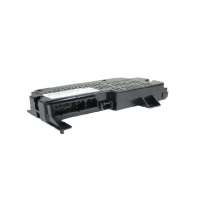
Below are the parts most often responsible for code B2455, ranked by how frequently each one is the actual culprit (per the diagnosis above). Tap any to see what we have for your vehicle.




The information in this article is provided for general reference and educational purposes only. Vehicle specifications, procedures, and part compatibility can vary by production date, trim level, and region. Always consult your vehicle's factory service manual and verify part numbers before purchasing or performing repairs. Safety-critical components such as airbags, seat belts, and braking systems should be installed by a qualified professional.
- 🧭 Diagnostic Flowchart
- 🛍️ Shop This Part
- What Does B2455 Mean?
- Can I Drive With B2455?
- Common Causes
- Symptoms
- Common Fixes & Costs
- Used vs. New Parts: Buying Guide
- What Happens If You Wait — Timeline
- Cost of Not Fixing It
- Diagnosis Steps
- When This Code Triggers (Freeze-Frame Conditions)
- Related Codes
- Climate & Environmental Factors
- How to Talk to a Mechanic About This Code
- Where to Take It: Dealer vs Independent vs Chain
- When to Walk Away From the Repair
- What Scan Tool You Need for This Code
- How to Clear the Code After You Fix It
- Will This Fail Emissions / State Inspection?
- Most Commonly Affected Vehicles
- Manufacturer-Specific Notes
- Real Owner Stories
- 2007.5-2013 GM Truck (GMT900) Owner
- 2005-2012 Chevrolet Corvette C6 Owner
- 2004-2011 GMC Canyon / Chevy Colorado Owner
- How to Prevent This Code From Triggering
- Frequently Asked Questions
- What do 'VCIM' and 'TSB' mean?
- What is the most common misdiagnosis for B2455?
- What if the TSB wiring fix doesn't solve the problem?
- I installed an aftermarket radio and now this code is on. Why?
- Will fixing this code make my old OnStar system work again?
- My mechanic wants to replace the whole OnStar module. Should I let them?
- Why did this code appear after my car was serviced?
- Key Takeaways
- 🎟️ Get 5% Off