

OBD-II Code B2530: Front Fog Lamp Circuit Malfunction
The Ultimate 2026 Guide to Meaning, Diagnosis, and Repair
- Code B2530 flags a front fog lamp circuit fault on most vehicles, but specifically indicates a left rear turn signal failure on 2011-2019 Ford and Opel models.
- Inspect the forward lamp wiring harness for chafing immediately if you own a 2015-2020 GM truck or SUV, as documented in TSB PIT5487F.
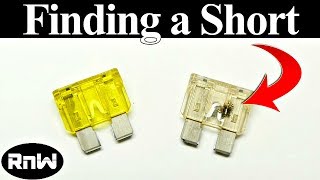
- Check for a blown fog lamp fuse first; if a replacement fuse blows instantly, you have a dead short to ground requiring a multimeter wire trace.
- Install a 6-ohm, 50W load resistor if code B2530 appeared immediately after upgrading to aftermarket LED fog light bulbs.
What Does B2530 Mean?
The B2530 code signifies that your vehicle's Body Control Module (BCM) detects an electrical fault within the front fog lamp control circuit. This fault is an open circuit (a broken wire), a short to ground, or a short to voltage, preventing the BCM from operating the fog lights. The computer logs this code when it commands the fog lights on or off but receives no expected electrical response.
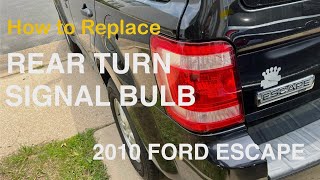
Technical definition: The official SAE/OBD-II definition for code B2530 is "Front Fog Lamp Control Circuit." A two-digit suffix specifies the exact fault type: '01' (Short to Battery), '02' (Short to Ground), or '05' (Open Circuit/Short to Voltage). Critically, on 2011-2019 Ford, Opel, and Vauxhall vehicles, this code indicates a "Left Rear Turn Lamp Circuit 🎬 See this walkthrough for replacing a Ford rear turn signal Short to Battery." On 2002-2010 Lexus SC430 models, it points to a convertible top locking mechanism fault.
Can I Drive With B2530?
Yes, But With Caution. Yes, your car is mechanically safe to drive. However, your fog lights are inoperative, reducing visibility in hazardous weather. Because a short circuit is the most common cause, ignoring this code drains the battery, damages the Body Control Module (BCM), or creates a fire risk. Diagnose the problem immediately if the fog lamp fuse blows repeatedly.
Common Causes
- Chafed, Damaged, or Shorted Wiring Harness (Very Common) — The wiring for the fog lamps is located in a vulnerable position at the front of the vehicle. Rubbing against the frame, bumper supports, or road debris wears away insulation, causing a short circuit. This is the most frequent cause, especially on GM vehicles documented in TSB PIT5487F.
- Faulty Fog Lamp Assembly (Common) — The fog lamp unit itself fails internally. On modern vehicles, this is often a sealed LED module. If the internal driver or LED element fails, the entire assembly must be replaced.
- Water Intrusion and Corrosion (Common) — Moisture from rain, snow, or car washes penetrates a damaged lamp housing or a poor connector seal. This leads to corrosion on the connector pins, bulb socket, or internal circuit board, causing high resistance or a short.
- Road Debris or Physical Impact (Common) — Due to their low mounting position, fog lamps and their wiring are highly susceptible to damage from road debris or striking parking curbs. This cracks the lamp housing, severs wires, or dislodges the electrical connector.
- Blown Fuse (Secondary Symptom) (Common) — A blown fuse is a symptom of an underlying short circuit. The fuse is a protective device designed to fail first to prevent damage to the BCM or wiring. If a replacement fuse blows immediately, a dead short is present.
- Improper Bulb Installation (Aftermarket LEDs) (Less Common) — Installing aftermarket LED bulbs not designed for a CAN bus system triggers B2530. The BCM expects the electrical resistance of a halogen bulb; if an LED's resistance is too low, the BCM interprets it as a fault.
- Bad or Corroded Ground Connection (Less Common) — The fog lamp circuit requires a solid ground connection to the vehicle's chassis. A loose, rusty, or corroded ground point creates high resistance, preventing the lamps from working and triggering the fault code.
- Faulty Fog Lamp Relay (Less Common) — A relay is an electro-mechanical switch that the BCM uses to control the high-current fog lamp circuit. A stuck or failed relay prevents the lights from turning on or causes them to remain stuck on.
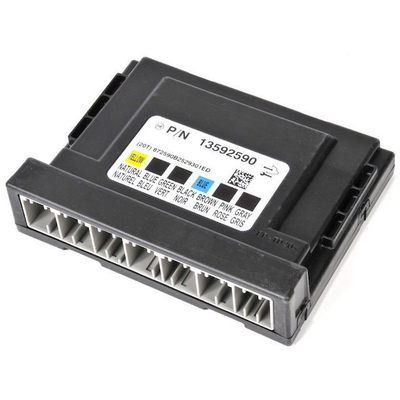
- Faulty Body Control Module (BCM) (Rare) — The BCM itself fails rarely. The internal driver circuit responsible for the fog lamps burns out only after prolonged exposure to an unfixed short circuit. Consider this only after exhaustively ruling out wiring and connections.
Symptoms
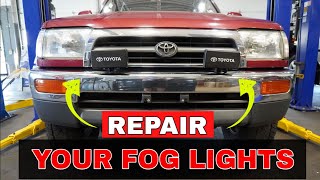
- Front fog lights do not work — The most common symptom is the complete failure of the front 🎬 Watch: How to diagnose and test fog lights not working fog lights to illuminate when the switch is activated.
- Front fog lights stay on all the time — The fog lights remain illuminated even when the switch is off, pointing to a short to voltage or a stuck relay.
- Fog lamp indicator on dashboard is faulty — The indicator light on the instrument cluster stays on permanently, flickers, or does not light up at all.
- Repeatedly blowing fuses — The fuse for the fog lamp circuit blows repeatedly as soon as it is replaced, indicating a persistent short circuit.
Diagnostic Flowchart
Tap your situation to follow the diagnostic path that matches what you're seeing on this code.
Common Fixes & Costs
- Repairing Damaged Wiring Harness — Parts: $15-$50, Labor: $150-$450, ~1.0-3.0 hr book time (Intermediate)
- Replacing Fog Lamp Assembly (Sealed LED Unit) — Parts: $150-$400, Labor: $50-$150, ~0.5-1.5 hr book time (DIY)
- Replacing Fog Lamp Connector Pigtail — Parts: $20-$50, Labor: $75-$150, ~0.5-1.0 hr book time (Intermediate)
- Replacing a Blown Fuse or Faulty Relay — Parts: $5-$35, Labor: $0-$50, ~0.1-0.3 hr book time (DIY)
- BCM Replacement and Programming — Parts: $300-$800, Labor: $150-$300, ~1.5-3.5 hr book time (Professional)
Used vs. New Parts: Buying Guide
When a used part is worth it: For a fog lamp assembly, buying used is a practical option for older, higher-mileage vehicles where saving money is a priority. It's also useful for sourcing an OEM part when a new one is discontinued.
Donor-vehicle mileage cap: roughly under 100000 miles for the part to have meaningful remaining life.
Donor quality checklist:
- Inspect the lens for hazing, deep scratches, or cracks.
- Check the housing for broken mounting tabs, which are a common failure point.
- Look for any signs of moisture or corrosion inside the unit or on the electrical connector pins.
- Match the part number exactly, especially for LED units, as different trim levels use incompatible parts.
Decision logic:
- If The fix is a simple halogen bulb replacement → Always buy new; the cost is minimal and ensures maximum lifespan.
- If Vehicle is less than 5 years old and the part is a sealed LED assembly → Favor a new OEM or high-quality aftermarket part for longevity and warranty.
- If Vehicle is over 10 years old and the assembly is expensive → A used assembly from a reputable salvage yard is a cost-effective choice.
Warranty tradeoff: Used parts from salvage yards typically offer a 30-90 day warranty covering only functionality. New aftermarket parts come with a 1-year to limited lifetime warranty. New OEM parts carry the manufacturer's warranty, typically 1-2 years.
Worst-case if a used part fails: $100-$250 if a used part is faulty or fails shortly after the warranty period, requiring repeat labor costs for replacement.
What Happens If You Wait — Timeline
- 0-1 month: Code B2530 is set. The fog lights fail to operate. A 'Service Vehicle' light appears. The vehicle is safe to drive, but visibility in fog/rain is reduced. (MPG impact: 0%% · Added cost: $0)
- 1-6 months: If the cause is a short to ground, a parasitic drain develops as wire insulation degrades further. The battery becomes noticeably weaker on cold mornings or after the car sits for a few days. (MPG impact: 0%% · Added cost: $150-$250 (Cost of a new battery if the parasitic drain completely kills the original).)
- 6-12 months: A persistent, unfixed short circuit generates heat. This melts the connector, damages the fog lamp housing, and causes corrosion to spread. The parasitic drain becomes consistent, leaving you stranded. (MPG impact: 0%% · Added cost: $350-$600 (Cost to replace a melted connector pigtail and the fog lamp assembly, in addition to fixing the original wiring short).)
- 12+ months: The constant cycling of the short, heat, and moisture damages the driver circuit inside the Body Control Module (BCM). The short affects adjacent wires in the harness, including CAN bus data lines, causing bizarre electrical behavior throughout the vehicle. (MPG impact: 0-5% (due to erratic BCM behavior or alternator strain)% · Added cost: $500-$1100 (Cost for BCM replacement and programming, or extensive harness replacement).)
Cost of Not Fixing It
- Immediate: Inoperative fog lights, reducing visibility in hazardous weather conditions. Potential failure of state safety inspection. (Added cost: $0)
- 1-3 months: If caused by a short circuit, it leads to a parasitic battery drain, resulting in a no-start condition. This stresses the battery and alternator. (Added cost: $150-$250 (for a new battery).)
- 3+ months: A persistent, unfused short circuit overheats wiring, damages the Body Control Module (BCM), or poses a fire risk. (Added cost: $500-$1100 (for BCM replacement or repair of widespread harness damage).)
Diagnosis Steps
- Verify Code Definition & Check for TSBs
Confirm the definition of B2530 for your exact make, model, and year. On many Ford or Opel vehicles, this code points to the rear turn signal, not the front fog lights. Concurrently, search for Technical Service Bulletins (TSBs). For example, GM TSB PIT5487F directly addresses this code for many 2015-2020 models.
Tools: OBD-II scanner, internet access (Beginner) - Visually Inspect Wiring and Connectors
Thoroughly inspect the entire wiring harness leading to both front fog lights. Look for obvious signs of damage like chafing, melting, cuts, or corrosion. Pay extra attention to where the harness is clipped to the frame or passes near the bumper support. Unplug the connectors at each fog lamp and inspect for green/white corrosion or melted plastic.
Tools: Flashlight (Beginner) - Check the Fuses
Consult your owner's manual to locate the fuse box and identify the fuse(s) for the fog light circuit. If a fuse is blown, replace it with one of the exact same amperage. If the new fuse blows instantly, you have a short to ground.
Tools: Fuse puller, new fuses (Beginner) - Test for Power and Ground at the Lamp
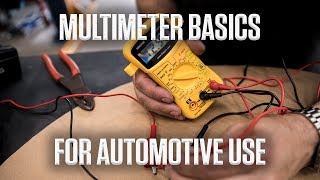
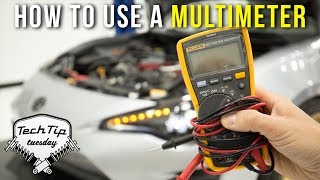
Turn the fog lights ON. At the fog light connector, use a multimeter to test for voltage. Place the red lead on the power pin and the black lead on the ground pin. You should read approximately battery voltage (12-12.6V). If you do, but the light is out, the fog lamp assembly is bad. If you don't, you are missing power or ground.
Tools: Multimeter (Intermediate) - Swap the Fog Lamp Relay
If your vehicle uses a relay in the fog light circuit, locate it in the fuse box. Swap the fog lamp relay with an identical known-good relay (like the horn or A/C). If the fog lights now work and the other system fails, you found a bad relay.
Tools: Relay puller pliers (optional) (Intermediate) - Utilize a Bidirectional Scan Tool
Connect a bidirectional scanner and navigate to the BCM functions. Command the fog lights ON and OFF directly. This test bypasses the physical switch and tells you if the BCM is capable of sending the signal. If the lights don't respond, the fault lies in the circuit or components; if they do, the problem is the dashboard switch.
Tools: Bidirectional OBD-II scan tool (Intermediate) - Perform Voltage Drop Test for High Resistance
With the circuit assembled and fog lights commanded ON, connect the red multimeter lead to the battery positive post and the black lead to the power pin at the fog light connector. A reading over 0.5 volts indicates excessive resistance in the positive side. Repeat for the ground side by connecting the red lead to the ground pin and the black lead to the battery negative post. A reading over 0.2 volts indicates a poor ground.
Tools: Multimeter with long leads (Advanced) - Trace the Faulty Circuit
If you confirmed you are missing power or ground, use a vehicle-specific wiring diagram to trace the affected wire from the fog lamp connector back towards the relay or BCM. Check for continuity and resistance along the wire to pinpoint the exact location of the break or short.
Tools: Multimeter, vehicle-specific wiring diagram (Advanced)
When This Code Triggers (Freeze-Frame Conditions)
- Battery Voltage: 9-16V (The BCM requires stable system voltage to run diagnostics.)
- Ignition Status: ON / RUN (The BCM is active and performing circuit checks.)
- Fog Lamp Command State: ON (The code is set the moment the driver activates the fog lamp switch or when commanded by a scan tool.)
- Fault Timer: > 5 seconds (The BCM must detect the fault for a continuous period before logging the code.)
Related Codes
- B2535 — On Ford and Opel/Vauxhall vehicles where B2530 refers to the left rear turn signal, B2535 appears for the corresponding 'Right Rear Turn Lamp Circuit Failure'. Seeing both codes suggests a common problem in the rear lighting harness.
- B2575 — This code is for 'Headlamp Control Circuit'. If B2575 appears with B2530 on a GM vehicle, it strongly reinforces the likelihood of a chafed forward lamp wiring harness, as both circuits run through it.
- B2699 — This code is for the 'Right Headlamp Control Circuit'. Seeing B2530 (Left Fog Lamp) and B2699 together points towards a larger electrical issue affecting both sides of the vehicle, such as a common power feed or ground.
- U-codes (e.g., U0073, U0140) — If U-codes appear alongside B2530, the wiring harness damage is severe enough to short out the CAN bus data lines. This elevates the repair priority, as CAN bus failures disable the entire vehicle.
Climate & Environmental Factors
- High Humidity / Heavy Rain: Moisture penetrates failing connector seals or damaged lamp housings, leading to corrosion on pins and sockets. This corrosion creates high resistance, triggering a B2530 code.
- Cold Climates / Road Salt: Salt brine is highly conductive and extremely corrosive to copper wiring, terminals, and ground connections. Road spray coats the forward lamp harness, accelerating decay and causing shorts.
- Extreme Temperature Cycles (Hot to Cold): Repeated expansion and contraction of wiring and plastic connectors causes insulation to become brittle and crack. This creates entry points for moisture and makes wires susceptible to breaking.
How to Talk to a Mechanic About This Code
Say this: "I have an OBD-II code B2530 for the front fog lamp circuit. On my [Your Make, e.g., GMC Sierra], I know this is often a wiring issue at the front harness. I'd like to schedule a diagnostic to confirm the location of the short or open before replacing any parts."
This signals you've done research, points the technician to the most likely cause, and frames the job as a diagnostic task. It prevents them from starting with expensive, unnecessary steps like replacing the BCM.
Avoid saying:
- 'My fog lights don't work, can you fix them?' (too vague, invites a parts-swapping approach)
- 'Just replace whatever is broken.' (gives away your authority to approve repairs)
- 'I think it's the computer.' (suggests an expensive and unlikely starting point)
Questions to ask before authorizing the repair:
- Did you find the exact point of failure in the wiring? Can you show me?
- Have you tested the fog lamp assembly and relay to confirm they are working?
- What is your diagnostic process if the wiring harness inspection doesn't reveal the fault?
- What is the warranty on this electrical repair?
Where to Take It: Dealer vs Independent vs Chain
- Dealer:
Recommended only if the issue is a known TSB on a newer vehicle or a very specific manufacturer quirk after an independent shop is unable to diagnose it.
Best for: Vehicles under warranty., Complex manufacturer-specific quirks (like the Lexus SC430 convertible top issue)., When a known TSB exists and you are seeking a goodwill repair.
Downsides: Higher labor rates, often 1.5-2x an independent shop., Dealers prefer to replace an entire harness rather than perform a spot repair. (Typical cost: +50% vs. baseline) - Independent Shop:
Best fit. An experienced independent technician traces and repairs wiring shorts for $150-$280 rather than replacing a $900 harness.
Best for: Out-of-warranty vehicles., Diagnosing and repairing common wiring faults like chafing or corrosion., Cost-effective repairs where experience is more valuable than brand-specific tools.
Downsides: Quality varies; look for shops with ASE-certified technicians specializing in electrical work., May not have access to the latest TSBs or manufacturer-specific diagnostic software. (Typical cost: +0% vs. baseline) - Chain Shop:
AVOID. This code requires diagnostic skill in electrical systems, which is not a strength of most chain shops. They are highly likely to misdiagnose the issue.
Best for: Simple, unrelated services like oil changes or tire rotations.
Downsides: Technicians are often not equipped or trained for in-depth electrical diagnostics., High pressure to sell parts leads to incorrect recommendations like replacing a good fog lamp assembly instead of finding a wiring short. (Typical cost: -10% vs. baseline)
When to Walk Away From the Repair
If the estimated repair cost for the B2530 fault exceeds 40% of your car's private-party value, reconsider the repair.
- Car worth $5000, fix is $280: Fix it. This is a minor cost relative to the car's value.
- Car worth $8000, fix is $1100: Borderline. This assumes the fix is a BCM replacement. Get a second opinion to confirm a wiring repair isn't possible first.
- Car worth $3000, fix is $1500: Walk away. The repair cost is too high for the vehicle's value, especially if it requires an expensive BCM.
What Scan Tool You Need for This Code
Minimum: A code reader that reads Body (B-codes) and Network (U-codes), not just Powertrain (P-codes). A basic $20 engine-only scanner will not see B2530.
A generic P-code reader cannot access the Body Control Module (BCM) where B2530 is stored. You need a tool that reads manufacturer-specific 'enhanced' codes to even know this fault exists.
Budget: BlueDriver Pro Scan Tool (~$100) — Reads and clears BCM codes like B2530, provides freeze-frame data, and offers repair reports. It's an excellent first step for confirming the code and its definition for your specific vehicle.
Mid-range: Foxwell NT510 Elite (~$160) — Includes critical bidirectional control. This allows you to command the fog lights on and off directly from the scanner, which is essential for testing the circuit, relay, and BCM output without needing to access the physical switch.
Professional: Autel MaxiCOM MK808S / Launch X431 CRP919XBT (~$450-600) — Offers full bidirectional control, advanced topology maps to visualize module communication, and potential ECU coding functions. These tools provide dealer-level diagnostics that quickly isolate whether the fault is in the wiring, the BCM driver, or a related module.
How to Clear the Code After You Fix It
- Fix the underlying electrical fault (e.g., repair wire, replace lamp).
- Use an OBD-II scan tool to issue a 'Clear DTCs' command.
- Cycle the ignition off, then on.
- Operate the fog lamps to verify the repair and ensure the code does not return.
Drive cycle (~5 minutes): A specific drive cycle is not required for this body code. After clearing the code, turn the ignition on and activate the fog lights. The BCM immediately tests the circuit. If the repair was successful, the code remains cleared.
Readiness monitors affected: None. Body codes like B2530 do not affect emissions-related readiness monitors.
Watch out for:
- Clearing the code without fixing the electrical problem results in the code returning instantly when the fog lights are next used.
- Simply disconnecting the battery does not clear the code from the BCM's history.
- Forgetting to check if the code has a different meaning on your specific vehicle (e.g., Ford, Lexus) before starting the repair.
Will This Fail Emissions / State Inspection?
No — by itself this code doesn't fail OBD inspection (but it can keep readiness monitors from setting, which causes a separate fail).
- California: A B-code like B2530 does not cause a failure of the OBD-II emissions test. Fog lights are not a required component for the smog check itself.
- New York: NYS requires an annual safety inspection that checks all required lighting. While front fog lights are not mandatory equipment, if they are present on the vehicle, they must be in proper working order. An inoperative fog light causes a failure.
- Texas: As of 2025, most personal vehicles are exempt from the safety inspection, only requiring an emissions test in 17 counties. Fog lamps are not a required item for inspection. A B2530 code will not cause an inspection failure in Texas.
Most Commonly Affected Vehicles
- Cadillac Escalade, Escalade ESV (2015-2020) — A well-known issue with the forward lamp wiring harness chafing against the frame is documented in GM TSB PIT5487F. This is a primary suspect for code B2530.
- Chevrolet Corvette (2006-2013) — Service manuals for the C6 Corvette provide detailed diagnostic procedures for B2530, focusing on testing the fog lamp relay control circuit for shorts to ground or open circuits.
- GMC Yukon, Yukon XL, Sierra (2015-2020) — Shares the same K2XX platform and wiring harness design as the Cadillac Escalade, making it equally susceptible to the chafing issue described in GM TSB PIT5487F.
- Chevrolet Tahoe, Suburban, Silverado (2015-2020) — Also part of the GM K2XX platform family, these trucks are prone to the same forward lamp wiring harness chafing that causes B2530.
- Ford Focus, Kuga (Escape), Mondeo (Fusion) (2011-2019) — CRITICAL: On many global Ford models, B2530 indicates a fault with the 'Left Rear Turn Signal' circuit, not the front fog lamps. Diagnosing the front of the vehicle wastes time and money.
- Opel / Vauxhall Astra, Mokka, Grandland (2012-2021) — Similar to Ford, these vehicles log B2530 for a fault in the rear lighting, specifically 'Left Rear Turn Indicator Circuit Short to Battery or Open'.
- Lexus SC430 (2002-2010) — On this specific convertible model, B2530 has nothing to do with lights. It indicates a malfunction with the 'Luggage Front Lock Switch (LH)' related to the retractable hardtop mechanism.
- Pontiac Various (2004-2009) — On some Pontiac models, a B2530-02 code indicates 'No Communication With Instrument Panel Cluster', a completely different type of communication fault.
Manufacturer-Specific Notes
- General Motors (GM): GM has a widely documented problem with the forward lamp wiring harness rubbing against the vehicle frame or A/C lines on its K2XX platform trucks and SUVs (2015-2020). This chafing causes shorts that trigger B2530. TSB PIT5487F is the primary reference for this issue.
- Ford / Opel / Vauxhall: On a large number of models from these brands, B2530 explicitly refers to a fault in the left rear turn signal circuit. This is the most critical diagnostic distinction to make to avoid troubleshooting the wrong system.
- Lexus: On the SC430 convertible (2002-2010), code B2530 points to a fault in the 'Luggage Front Lock Switch,' a component of the complex retractable hardtop mechanism.
- Saab: On certain Saab models like the 9-5, the lighting control module energizes the fog lamp relay by providing a ground path, whereas most other manufacturers provide a positive voltage. This is an important distinction when testing the control circuit.
Real Owner Stories
2016 GMC Sierra 1500 at 85K miles
Owner noticed the fog lights weren't working and a "Service Vehicle Soon" message appeared. A scan revealed code B2530-02 (Short to Ground).
What they tried:
- Checked the fuse, which was fine.
- Swapped the fog lamp relay with the horn relay; the horn still worked, so the relay was good.
- Visually inspected the wiring near the fog lights but saw no obvious damage.
Outcome: Took it to an independent shop. The mechanic immediately suspected the known GM wiring harness issue. They found the forward lamp harness had rubbed through on a metal bracket behind the front bumper. The shop performed a wire-to-wire repair on the chafed section, wrapped it in anti-abrasion tape (Tesa tape), and secured it with a zip tie to create clearance. Total cost was $280 for 1.5 hours of labor and materials.
Lesson: On 2015-2020 GM trucks and SUVs, B2530 is almost always caused by the wiring harness chafing issue covered in TSB PIT5487F. Inspect the harness route carefully before replacing any parts.
2015 Ford Focus at 110K miles
The left rear turn signal stopped working. The driver got a "fast flash" indicator on the dash. A friend scanned the car and found code B2530.
What they tried:
- Based on the code's common definition, the owner spent a weekend checking the front fog light fuse, relay, and wiring, finding nothing wrong.
- Replaced the front fog light bulbs with no change.
Outcome: Frustrated, they searched a Ford-specific forum and learned that on their car, B2530 means "Left Rear Turn Lamp Circuit Short to Battery". They checked the rear bulb and found the filament was broken and had shorted inside the bulb. A new $5 turn signal bulb fixed the problem instantly.
Lesson: This is the ultimate misdiagnosis story. Always verify the code definition for your exact vehicle make and model before starting any diagnosis. What means 'fog light' for GM means 'rear turn signal' for Ford.
2006 Lexus SC430 at 120K miles
The convertible hardtop stalled during operation, and the dash showed a warning light. The top sometimes worked after restarting the car several times.
What they tried:
- Checked all fuses related to the convertible top.
- Ensured the trunk partition was correctly in place, as this is a common cause for the top not operating.
Outcome: A local Toyota dealer pulled code B2530, which on this specific model means "Luggage Front Lock Switch (LH)" malfunction. The owner learned this was a common issue with a specific microswitch in the complex top mechanism. A Lexus specialist replaced the single faulty switch for $450, whereas the dealer quoted replacing the entire lock assembly for over $2,000.
Lesson: Some codes have wildly different meanings on specific, niche models. For the Lexus SC430, B2530 has nothing to do with lights. Specialized forums are invaluable for diagnosing these unique vehicle quirks.
2013 Toyota Avalon after minor accident
The front bumper was torn off in a minor incident, ripping the fog light wires. The owner taped up the wires. A month later, the battery was dead every morning.
What they tried:
- Replaced the 2-year-old battery, but the new one also died overnight.
Outcome: The exposed power wire for the fog light was intermittently touching the metal frame, creating a parasitic drain that killed the battery. The insurance company initially refused to pay for a new battery, but after the owner demonstrated the short circuit was a direct result of the accident damage, the cost was covered. The repair involved replacing the fog light connector pigtail and securing the wiring.
Lesson: A B2530 fault, especially a short, causes a parasitic battery drain. Even if the lights are off, a short to ground on the power wire creates a constant current draw.
How to Prevent This Code From Triggering
- Inspect and Secure Forward Lamp Harness (Every oil change) — On vulnerable vehicles (especially GM trucks), the harness rubs against the frame or other components. Periodically checking that it's secure and has clearance prevents chafing that leads to shorts. Use zip ties to gently pull the harness away from sharp edges.
- Apply Dielectric Grease to Connector Seals (When replacing a bulb or if connectors are disconnected) — Dielectric grease is a non-conductive, silicone-based sealant. Applying a small amount to the rubber weather seal of the connector prevents moisture, road salt, and dirt from getting in, stopping corrosion before it starts.
- Wrap Vulnerable Sections with Abrasion-Resistant Tape (During any front-end work or if harness is exposed) — OEM-style fabric friction tape (like Tesa Tape) provides a durable, sacrificial layer that is much tougher than standard vinyl electrical tape. Wrapping sections of the harness that pass near brackets prevents wear-through.
- Install Protective Film or Mesh on Fog Lamps (Once) — For vehicles in gravel-heavy environments, a clear protective film (like Lamin-X) prevents rocks from cracking the lamp lens. A cracked lens is a primary entry point for water, which destroys the bulb, socket, and internal electronics.
Frequently Asked Questions
What do the suffixes like -02 and -05 mean on a B2530 code?
The two-digit numbers are symptom bytes specifying the fault type. B2530-02 means 'Control Circuit Short to Ground,' while B2530-05 means 'Control Circuit Open or Short to Voltage.' Knowing the specific suffix speeds up diagnosis significantly.
Can a bad ground cause a B2530 code?
Yes. A poor or corroded ground connection increases circuit resistance. The BCM interprets this high resistance as an open circuit or fault, setting the code.
I installed LED fog lights and now I have a B2530 code. Why?
The BCM is calibrated for the specific electrical resistance of a standard halogen bulb. LEDs have much lower resistance, tricking the BCM into thinking the bulb is burned out or the circuit is shorted. Fix this by installing CAN bus-ready LEDs or wiring a 6-ohm load resistor in parallel.
What is the biggest mistake when diagnosing B2530?
The biggest mistake is failing to verify the code's meaning for your specific vehicle make and model. Technicians waste hours diagnosing fog lights on Ford or Lexus vehicles when the code actually refers to a rear turn signal or convertible top.
Will clearing the code fix the problem?
No. Clearing the code only erases the fault record from the module's memory. The BCM re-runs its self-test the next time you use the fog lights, and the code returns instantly if the fault remains.
My fog light bulbs are fine, so what else is it?
Code B2530 indicates a fault in the electrical circuit, not just the bulb. The most likely culprits are chafed wiring, a corroded connector, a faulty relay, or a bad ground connection.
How much does it cost to fix a B2530 code?
A DIY fuse or relay replacement costs under $35. A standard wiring repair at an independent shop ranges from $150 to $280. Replacing a damaged Body Control Module (BCM) exceeds $800 after parts and programming.
Key Takeaways
- Code B2530 flags a front fog lamp circuit fault on most vehicles, but specifically indicates a left rear turn signal failure on 2011-2019 Ford and Opel models.
- Inspect the forward lamp wiring harness for chafing immediately if you own a 2015-2020 GM truck or SUV, as documented in TSB PIT5487F.
- Check for a blown fog lamp fuse first; if a replacement fuse blows instantly, you have a dead short to ground requiring a multimeter wire trace.
- Install a 6-ohm, 50W load resistor if code B2530 appeared immediately after upgrading to aftermarket LED fog light bulbs.
Helpful Videos


Shop the Parts Behind B2530
Below are the parts most often responsible for code B2530, ranked by how frequently each one is the actual culprit (per the diagnosis above). Tap any to see what we have for your vehicle.



The information in this article is provided for general reference and educational purposes only. Vehicle specifications, procedures, and part compatibility can vary by production date, trim level, and region. Always consult your vehicle's factory service manual and verify part numbers before purchasing or performing repairs. Safety-critical components such as airbags, seat belts, and braking systems should be installed by a qualified professional.
- 🧭 Diagnostic Flowchart
- 🎬 Helpful Videos
- 🛍️ Shop This Part
- What Does B2530 Mean?
- Can I Drive With B2530?
- Common Causes
- Symptoms
- Common Fixes & Costs
- Used vs. New Parts: Buying Guide
- What Happens If You Wait — Timeline
- Cost of Not Fixing It
- Diagnosis Steps
- When This Code Triggers (Freeze-Frame Conditions)
- Related Codes
- Climate & Environmental Factors
- How to Talk to a Mechanic About This Code
- Where to Take It: Dealer vs Independent vs Chain
- When to Walk Away From the Repair
- What Scan Tool You Need for This Code
- How to Clear the Code After You Fix It
- Will This Fail Emissions / State Inspection?
- Most Commonly Affected Vehicles
- Manufacturer-Specific Notes
- Real Owner Stories
- 2016 GMC Sierra 1500 at 85K miles
- 2015 Ford Focus at 110K miles
- 2006 Lexus SC430 at 120K miles
- 2013 Toyota Avalon after minor accident
- How to Prevent This Code From Triggering
- Frequently Asked Questions
- What do the suffixes like -02 and -05 mean on a B2530 code?
- Can a bad ground cause a B2530 code?
- I installed LED fog lights and now I have a B2530 code. Why?
- What is the biggest mistake when diagnosing B2530?
- Will clearing the code fix the problem?
- My fog light bulbs are fine, so what else is it?
- How much does it cost to fix a B2530 code?
- Key Takeaways
- 🎟️ Get 5% Off