

OBD-II Code B2565: Right Tail Lamp / Underhood Lamp / Turbocharger Control Circuit Malfunction
What B2565 means, why it triggers, and how to fix it — The Definitive Guide
- Confirm your vehicle's specific B2565 definition first: it means a Right Tail Lamp fault on most cars, an Underhood Lamp failure on GM trucks, or a Turbocharger Actuator issue on Hyundai/Kia models.
- Fix lighting-related B2565 codes by replacing the $10 bulb or cleaning the corroded socket before assuming complex wiring or module failures.
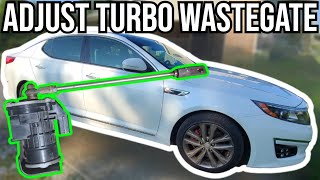
- Resolve Hyundai/Kia turbocharger B2565 codes by adjusting the electronic wastegate actuator rod to exactly 4.0V at rest, saving up to $2,000 over a full turbo replacement.
- Never replace a $500+ Body Control Module (BCM) or TIPM without first performing a voltage drop test on the ground circuit to rule out a simple 0.1V resistance issue.
What Does B2565 Mean?
OBD-II code B2565 is a Body Control Module (BCM) or Powertrain Control Module (PCM) code with three distinct meanings depending on your vehicle's manufacturer. For most vehicles, it indicates a problem with the right tail lamp's electrical circuit. For General Motors (GM) models, it points to a malfunction in the underhood lamp's control circuit. On Hyundai and Kia models with turbocharged engines, this code means 'Turbocharger Boost Control Position Sensor Circuit High', indicating an issue with the electronic wastegate actuator.
Technical definition: The formal SAE/OBD-II definition for B2565 varies by manufacturer. Common definitions include: 'Right Tail Lamp Circuit Failure', 'Underhood Lamp Control Circuit Malfunction', or 'Turbocharger Boost Control Position Sensor Circuit High'. The responsible control module (BCM for lighting, PCM for turbo) has detected a voltage or resistance reading in the specified control circuit outside its expected range (an open, short to ground, or short to voltage).
Can I Drive With B2565?
Yes, But With Caution. Driving with B2565 depends on the symptom. If it is a faulty underhood light, it is safe to drive. If the right tail light is out, avoid driving at night or in bad weather to prevent accidents and fines ranging from a $25 'fix-it' ticket to over $150. If the code is for a turbocharger issue on a Hyundai/Kia, you will experience significant power loss; continued driving causes severe engine or turbocharger damage.
Common Causes
- Burnt-Out Bulb (Very Common) — The most frequent cause for lighting circuit failures. The filament in a halogen bulb breaks, or an LED assembly fails, creating an open circuit detected by the BCM.
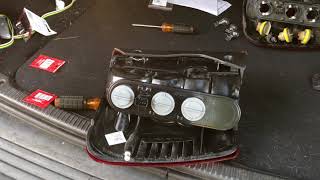
- Corroded or Damaged Bulb Socket (Common) — Moisture ingress into the light housing causes the metal socket to rust. This corrosion creates high resistance or an open circuit, preventing a solid electrical connection.
- Faulty Electronic Wastegate Actuator (Hyundai/Kia) (Common) — For turbocharged Hyundai/Kia models, the electronic wastegate actuator motor fails or its position sensor sends incorrect voltage readings to the PCM, causing a loss of boost control.
- Faulty Hood Latch/Tilt Switch (GM) (Common) — GM underhood lights use a mechanical tilt switch or a switch in the hood latch. If this switch fails, gets stuck, or has dirty contacts, the light circuit malfunctions.
- Damaged Wiring or Bad Ground Connection (Common) — Wires become frayed or pinched near trunk/hood hinges. A corroded, loose, or broken ground wire causes erratic behavior, mimicking a failed module.
- Incorrect Bulb Type Installed (e.g., LED upgrade) (Less Common) — Modern BCMs monitor circuit resistance. Installing a low-resistance LED bulb in a circuit designed for a higher-resistance halogen bulb without a load resistor triggers a fault.
- Blown Fuse (Less Common) — A blown fuse disables the circuit, but it usually indicates a more significant underlying problem, like a short circuit, that caused it to blow.
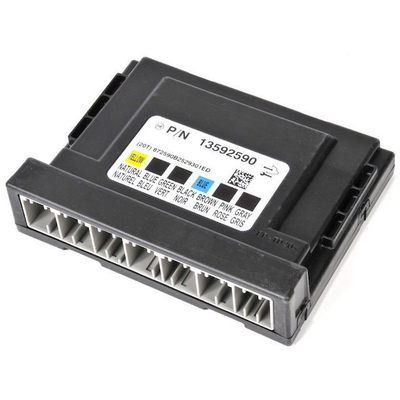
- Faulty Body Control Module (BCM) or TIPM (Rare) — The BCM (or TIPM in Chrysler products) controls the circuit. The internal driver powering the lamp fails in rare cases. This is a last-resort diagnosis.
Symptoms
- Right tail light does not work — The primary running light on the rear passenger side of the vehicle fails to illuminate when the headlights are on.
- Underhood light malfunctions (GM) — The engine bay light either fails to turn on when the hood opens, or stays on constantly when closed, leading to a dead battery. 🎬 See this quick fix for Chevy underhood light issues.
- Poor engine performance / lack of boost (Hyundai/Kia) — You experience a significant loss of power, hesitation during acceleration, and decreased fuel economy because the wastegate is uncontrolled.
- Check Engine Light or dashboard warning message — A 'Check Bulb' message appears, or the main Check Engine Light illuminates (specifically for the turbocharger-related fault on Hyundai/Kia models).
- Turn signal hyperflash — If the tail light and turn signal share a dual-filament bulb, a fault in the tail light portion causes the BCM to trigger a rapid-flashing turn signal.
Diagnostic Flowchart
Tap your situation to follow the diagnostic path that matches what you're seeing on this code.
Common Fixes & Costs
- Replace Burnt-Out Bulb — Parts: $5-$20, Labor: $0, ~0.2 hr book time (DIY)
- Clean or Replace Bulb Socket/Connector
— Parts: $15-$50, Labor: $60-$130, ~0.8 hr book time
(DIY)
Jeep Grand Cherokee (1999-2004): OEM Mopar 4676589 (Alt: Dorman 923-034) - Adjust or Replace Electronic Wastegate Actuator (Hyundai/Kia)
— Parts: $150-$350, Labor: $125-$250, ~1.5 hr book time
(Intermediate)
Hyundai Sonata/Santa Fe, Kia Optima/Sorento (Turbo): OEM Hyundai/Kia 39400-2GTA0 (Alt: Various direct replacements) - Replace Underhood Lamp Assembly (GM)
— Parts: $40-$70, Labor: $0-$60, ~0.3 hr book time
(DIY)
Chevrolet Silverado / GMC Sierra (1999-2018): OEM GM 15021518 (Alt: Dorman alternatives) - Repair Damaged Wiring or Ground Connection — Parts: $5-$20, Labor: $150-$300, ~1.5 hr book time (Intermediate)
- Replace Body Control Module (BCM) / TIPM
— Parts: $300-$800, Labor: $150-$400, ~2.5 hr book time
(Professional)
All: OEM Varies by VIN. Must be ordered from a dealer. (Alt: Remanufactured units require programming.)
Used vs. New Parts: Buying Guide
When a used part is worth it: For expensive electronic modules like a BCM/TIPM or a turbo actuator, a used part from a reputable salvage yard offers significant savings on older, high-mileage vehicles.
Donor-vehicle mileage cap: roughly under 100000 miles for the part to have meaningful remaining life.
Donor quality checklist:
- Verify the part number matches exactly. Electronic modules are rarely interchangeable between model years or trim levels.
- For BCM/TIPM, ensure the donor vehicle was not scrapped due to flood or fire damage.
- For a turbo actuator, source from a low-mileage, accident-damaged vehicle rather than one with known engine issues.
Decision logic:
- If The part is a BCM or TIPM → Factor in the mandatory professional programming cost ($100-$250) when comparing prices.
- If Vehicle is over 10 years old and budget is the primary concern → A used part with a 30-90 day warranty is a reasonable choice.
- If The part is a known high-failure item (like a TIPM) → Choose a remanufactured unit with a longer warranty over a standard used part, as it includes updated design fixes.
Warranty tradeoff: Used parts typically come with a 30-90 day warranty. New aftermarket parts offer 1-year to limited lifetime warranties. New OEM parts usually carry a 1-year warranty.
Worst-case if a used part fails: $300-$600 if a used electronic module fails after installation, requiring repeat labor and reprogramming.
What Happens If You Wait — Timeline
- Immediate (Lighting Fault): Right tail light or underhood light is inoperative. BCM sets code. Risk of a 'fix-it' ticket for the tail light. (MPG impact: 0%% · Added cost: $25-$150 in fines)
- 1-7 Days (Underhood Light Stuck On): A stuck-on tilt switch creates a parasitic drain. The battery's state of charge is slowly depleted each time the car is parked. (MPG impact: 0%% · Added cost: $0)
- 1-4 Weeks (Underhood Light Stuck On): The battery is repeatedly drained to the point where it can no longer start the car. Repeated deep discharging causes sulfation, permanently damaging the battery. (MPG impact: 0%% · Added cost: $150-$300 for a new battery)
- 0-3 Months (Hyundai/Kia Turbo Fault): Engine performance is noticeably reduced, and fuel economy drops as the PCM cannot control boost pressure effectively. The engine feels sluggish or hesitates. (MPG impact: 5-15%% · Added cost: $100-$400 in wasted fuel)
- 3+ Months (Hyundai/Kia Turbo Fault): Continued operation with an uncontrolled wastegate puts significant stress on the turbocharger. This leads to over-boosting, damaging engine internals, or under-boosting, causing catastrophic turbocharger failure. (MPG impact: 10-25%% · Added cost: $1500-$4000+ for turbocharger and/or engine repair)
Cost of Not Fixing It
- Immediate (Tail Light Fault): Safety hazard due to reduced visibility. High risk of receiving a traffic ticket. (Added cost: $25-$150+)
- Immediate (Underhood Light Stuck On): Parasitic battery drain, leading to a no-start condition. Requires a jump-start or a new battery if repeatedly drained. (Added cost: $150-$300)
- 1-6 Months (Hyundai/Kia Turbo Fault): Chronically poor engine performance, reduced fuel economy, and stress on turbocharger components due to over-boosting or under-boosting. (Added cost: $200-$500 in wasted fuel)
- 6+ Months (Hyundai/Kia Turbo Fault): Continued operation with an uncontrolled wastegate leads to catastrophic turbocharger failure or internal engine damage. (Added cost: $1500-$4000+)
Diagnosis Steps
- Identify the Affected System
Confirm the physical symptom first. Turn on your headlights and check the right tail light. Open the hood to check the underhood light. If you drive a turbocharged Hyundai/Kia and the check engine light is on, the issue is the turbocharger wastegate actuator.
Tools: None (Beginner) - Test or Replace the Bulb
Access the affected bulb and install a new, correct-spec replacement. If the new bulb works, the problem is solved. If not, the issue lies within the circuit.
Tools: Screwdriver or trim removal tool, New bulb (Beginner) - Visually Inspect the Socket and Connector
Examine the metal socket and the wiring connector for green/white corrosion, bent pins, or melted plastic. Corrosion creates high resistance that triggers the code.
Tools: Flashlight (Beginner) - PRO TIP: Check Wastegate Actuator Voltage (Hyundai/Kia)
For the turbo variant, back-probe the actuator's position sensor wire with the key on, engine off. The target voltage for a properly adjusted actuator at rest is 4.0V +/- 0.1V. If the voltage is high (e.g., 4.5V+), adjust the actuator rod or replace the actuator.
Tools: Multimeter, T-pins or back-probe kit, 10mm wrench (Advanced) - Test Hood Switch (GM)
For underhood lights, locate the switch (plunger, tilt, or latch-integrated) and test it for continuity with a multimeter to ensure it opens and closes correctly.
Tools: Multimeter (Intermediate) - Test Power and Ground at the Connector
Using a multimeter set to DC Volts, probe the light socket connector. With lights on, one pin must show ~12 volts. Next, perform a voltage drop test on the ground pin: connect the red lead to the ground pin and black to chassis ground. A reading above 0.1V indicates a bad ground.
Tools: Multimeter (Intermediate) - Check Fuses
Locate the fuse for the tail lights or courtesy/hood lights. Pull the fuse and visually inspect if the metal strip inside is broken. Replace if blown, but investigate for a short circuit if it blows again.
Tools: Fuse puller or needle-nose pliers (Beginner) - ADVANCED: Analyze Scan Tool Live Data
Use a professional scan tool to view module-specific data. For Hyundai/Kia, monitor the 'Wastegate Position Sensor A' voltage PID. For lighting faults, check the status of the 'Right Tail Lamp Driver' for 'Open Circuit' or 'Short to Ground' to pinpoint the issue.
Tools: Bi-directional Scan Tool (Advanced)
When This Code Triggers (Freeze-Frame Conditions)
- Fault Type: Lighting or Turbo Actuator (Lighting faults set on startup or when the light is activated. Turbo faults set during specific engine operating conditions.)
- Engine RPM (for Turbo Fault): 1500-3000 RPM (During acceleration or steady cruise when the PCM actively commands the wastegate.)
- Engine Load (for Turbo Fault): 30-70% (Moderate to heavy acceleration where boost is expected, but the sensor voltage is out of range.)
- Wastegate Sensor Voltage (for Turbo Fault): > 4.5 Volts (The PCM logs the fault when the sensor reports a voltage higher than the maximum expected value.)
Related Codes
- P2562 / P2563 — These codes are for 'Turbocharger Boost Control Position Sensor Circuit'. On a Hyundai/Kia, seeing these alongside B2565 confirms the problem is the electronic wastegate actuator circuit, not a lighting issue.
- B2575 — This code is for 'Headlamp Control Circuit Malfunction'. If seen with a lighting-related B2565, it strongly suggests a systemic problem with the BCM, its main power feed, or its ground connection.
- B1325 — A generic code for 'Device Power Circuit Malfunction'. On Ford/GM vehicles, this indicates a general BCM power supply issue. Diagnosing BCM power and grounds is the priority.
- U0140 — Means 'Lost Communication With Body Control Module'. B2565 is merely a secondary symptom. All lighting circuit diagnosis is irrelevant until communication with the BCM is restored.
Climate & Environmental Factors
- High Humidity & Road Salt: Vehicles in coastal areas or the 'Rust Belt' are highly susceptible to B2565 lighting faults. Salt spray creates a corrosive solution that attacks bulb sockets and ground points.
- Extreme Cold: In very cold temperatures, the mechanical tilt switch in older GM underhood lamps becomes stiff or stuck, causing the circuit to malfunction.
How to Talk to a Mechanic About This Code
Say this: "For a lighting issue: "I have a B2565 code and my right tail light is out. I've already tried a new bulb. Can you diagnose the electrical circuit for a wiring, socket, or ground issue?" For a Hyundai/Kia turbo: "I have a B2565 code and poor engine performance. I understand this is likely the electronic wastegate actuator. Can you please check the actuator's resting voltage before quoting a full turbo replacement?""
This signals you have done your research and directs the mechanic toward a specific, logical diagnostic path. It prevents them from charging you for simple steps you've already taken or jumping to the most expensive conclusion.
Avoid saying:
- 'Just fix whatever's wrong'
- 'My check engine light is on, can you look at it?' (This is too vague and invites unnecessary up-selling).
- 'I read online it's the BCM, just replace it' (Never demand a specific repair without a professional diagnosis).
Questions to ask before authorizing the repair:
- For a lighting issue: 'Did you perform a voltage drop test on the ground circuit before concluding the BCM is bad?'
- For a Hyundai/Kia turbo issue: 'What was the resting voltage you measured on the actuator's position sensor, and is it possible to adjust the actuator rod?'
- Can you show me the corroded socket/damaged wire/old part you are replacing?
- What is the warranty on the parts and labor for this repair?
Where to Take It: Dealer vs Independent vs Chain
- Dealer:
Best for: Vehicles under warranty., Known complex issues like a TIPM or BCM replacement requiring manufacturer-specific programming tools., The Hyundai/Kia turbocharger fault, as they are most familiar with the specific adjustment procedure and TSBs.
Downsides: Significantly higher labor rates (1.5-2x) and parts costs compared to independent shops., Quicker to replace an entire assembly rather than repair a specific component. (Typical cost: +50% vs. baseline) - Independent Shop:
Best fit for lighting faults. For the Hyundai/Kia turbo issue, choose a dealer or a proven import specialist.
Best for: Out-of-warranty vehicles, especially for the lighting-related versions of B2565., Diagnosing and repairing common electrical issues like bad wiring, corroded sockets, and faulty grounds.
Downsides: Quality and expertise vary greatly; look for ASE certifications and good reviews., A general shop may not be familiar with the specific Hyundai/Kia turbo actuator issue and could misdiagnose it. (Typical cost: +0% vs. baseline) - Chain Shop:
Acceptable for a simple bulb replacement only. AVOID for any further diagnosis of this code.
Best for: Simple, unambiguous fixes like replacing a burnt-out tail light bulb.
Downsides: Technician skill varies dramatically; they are rarely equipped for in-depth electrical or turbo-system diagnostics., High pressure to upsell services, and frequently misdiagnose complex issues. (Typical cost: -10% vs. baseline)
When to Walk Away From the Repair
If the estimated repair cost exceeds 40-50% of your car's private-party value, it is time to seriously consider selling or trading in the vehicle.
- Car worth $5000, fix is $600: Fix it. The repair cost is only 12% of the car's value, which is well below the threshold.
- Car worth $3000, fix is $1400: Borderline. At 47% of the car's value, get a second opinion. If the fix is confirmed, weigh this cost against the hassle and expense of finding a new vehicle.
- Car worth $2000, fix is $1500: Walk away. The repair cost is 75% of the vehicle's value. It is not a sound financial decision to proceed with the repair.
What Scan Tool You Need for This Code
Minimum: A scanner that reads manufacturer-specific Body Control Module (BCM) codes and displays live engine data. A basic $20 reader that only pulls generic 'P' codes is NOT sufficient for B2565.
A basic reader won't see 'B' (Body) codes, missing the lighting fault entirely. For the Hyundai/Kia issue, it cannot display the live wastegate sensor voltage essential for proper diagnosis and adjustment.
Budget: BlueDriver Pro Scan Tool (~$100) — This Bluetooth scanner pairs with your smartphone. It reads BCM codes to identify the lighting fault and graphs live PCM data, allowing you to monitor the wastegate actuator voltage on Hyundai/Kia models.
Mid-range: Foxwell NT510 Elite / Innova 5610 (~$150) — These handheld scanners offer manufacturer-specific diagnostics for deeper access into the BCM. Some offer bidirectional controls to command the light on/off from the tool, speeding up wiring diagnosis. They provide robust live data for the turbo actuator.
Professional: Autel MaxiCOM MK808 / Launch CRP919XBT (~$500-600) — Provides full bidirectional control, comprehensive live data from all modules, and potential coding/programming functions. This professional-level equipment diagnoses the fault with the highest degree of certainty, including confirming a bad BCM driver circuit.
Rent vs buy: For a one-time diagnosis, auto parts stores like AutoZone offer a loan-a-tool program. You pay a deposit for a capable scanner, fully refunded upon return. Buy a tool only if you plan to perform your own diagnostics regularly.
How to Clear the Code After You Fix It
- For lighting faults, the code clears itself after the repair is complete and the BCM re-checks the circuit (e.g., turning lights on/off).
- For turbo faults, use an OBD-II scan tool to clear the code from the PCM.
- Perform a complete drive cycle to allow the vehicle's readiness monitors to run and confirm the fix.
Drive cycle (~20 minutes): Cold start the engine and let it idle for 2-3 minutes. Drive in mixed city/highway conditions, including steady speeds of 55-60 mph for at least 5 minutes and some stop-and-go periods. Allow the vehicle to cool completely (8+ hours) for the EVAP monitor to run if needed.
Before emissions retest: drive at least 50 miles to fully set monitors.
Watch out for:
- Disconnecting the battery clears the code but resets all readiness monitors, causing an immediate emissions test failure.
- The code returns quickly if the underlying issue (e.g., bad wiring, faulty actuator) is not fully resolved.
Will This Fail Emissions / State Inspection?
Yes — this code typically fails an OBD-II emissions inspection.
- California: A B2565 code illuminating the Check Engine Light (turbocharger fault) causes an automatic Smog Check failure. A full drive cycle must be completed after repair.
- New York: An illuminated Check Engine Light results in an automatic NYS inspection failure. Lighting-only faults fail the separate safety inspection if the tail light is inoperative.
- Texas: An active B2565 code with an illuminated MIL causes an emissions failure. A non-functional tail light causes a safety inspection failure.
Most Commonly Affected Vehicles
- Chevrolet Silverado (1999-2018) — Commonly triggers B2565 for the underhood lamp circuit. The failure is often the gravity/tilt switch inside the lamp assembly (OEM Part 15021518), which gets dirty or corrodes.
- GMC Sierra (1999-2018) — Mechanically identical to the Silverado, it suffers from the same underhood lamp tilt switch failures.
- Hyundai Sonata (Turbo), Santa Fe (Turbo) (2011-2020) — B2565 means 'Turbocharger Boost Control Position Sensor Circuit High'. The fix is adjusting the electronic wastegate actuator rod to achieve a 4.0V reading at rest or replacing the actuator (39400-2GTA0).
- Kia Optima (Turbo), Sorento (Turbo), Sportage (Turbo) (2016-2021) — Shares the same turbocharged powertrain as Hyundai models, pointing to the identical electronic wastegate actuator issue.
- Jeep Grand Cherokee (2005-2013) — Typically points to a fault in the right tail lamp circuit. Failures are frequently traced to corrosion in the bulb socket or a fault within the Totally Integrated Power Module (TIPM).
- Chrysler/Dodge Town & Country, Grand Caravan, Ram 1500 (2008-2016) — Often related to the right tail lamp circuit. Diagnosis focuses on the wiring harness connector at the tail light assembly and the TIPM.
- Ford F-150, Explorer (2004-2014) — Triggered by issues in the tail lamp circuit, often related to a corroded or improperly wired aftermarket trailer tow harness.
- Chevrolet Corvette (1997-2004) — Uses mercury switches for the underhood lights which fail or stick over time, causing a no-light condition or parasitic battery drain.
- Cadillac CTS (2003-2004) — GM issued TSB 04-08-42-003 for this code, pointing to potential corrosion at ground G401 or connector C405 near the right tail lamp.
Manufacturer-Specific Notes
- General Motors (Chevrolet, GMC, Cadillac): GM assigns B2565 to either the 'Right Tail Lamp Circuit' or the 'Underhood Lamp Control Circuit'. Physically check which light is out before starting diagnosis. Disconnecting a BCM ground while the battery is connected causes internal module damage.
- Hyundai / Kia: For turbocharged engines, B2565 is 'Turbocharger Boost Control Position Sensor Circuit High' and is unrelated to lighting. The standard fix involves adjusting the electronic wastegate actuator rod to achieve a sensor voltage of 4.0V ± 0.1V with the key on, engine off.
- Chrysler / Dodge / Jeep: On vehicles equipped with a Totally Integrated Power Module (TIPM), lighting circuit codes like B2565 are an early symptom of TIPM failure. The TIPM contains internal, non-serviceable relays that fail frequently.
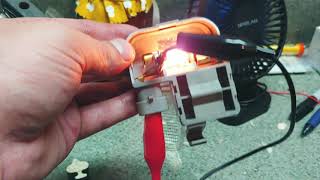
- General Motors (Trucks/SUVs): The underhood lamp assembly contains a self-contained gravity/tilt switch notorious for failing due to dirt. The assembly can often be carefully opened, cleaned with electrical contact cleaner, and reassembled to restore function.
Real Owner Stories
2007 Chevy Silverado with B2565
Owner noticed the underhood light was not working. The B2565 code was present.
What they tried:
- Initially thought the bulb was burnt out, but a replacement didn't fix it.
- Shaking the light assembly would sometimes make it flicker on.
Outcome: The owner disassembled the underhood light assembly and found the internal gravity/tilt switch contacts were dirty and corroded. After cleaning the contacts with sandpaper and reassembling, the light worked perfectly and the code cleared.
Lesson: On GM trucks, the underhood lamp assembly itself is the most common point of failure, not the wiring or BCM. The internal tilt switch can often be cleaned to avoid the cost of a new assembly.
2015 Hyundai Veloster Turbo at 85K miles
Check Engine Light came on, with code B2565 for 'Turbocharger Boost Control Position Sensor Circuit High'. The car had noticeable power loss and hesitation.
What they tried:
- A mechanic initially suggested the entire turbocharger might need replacement.
- Owner researched forums and found information about adjusting the electronic wastegate actuator.
Outcome: Using a multimeter, the owner found the actuator's resting voltage was 4.8V. They adjusted the actuator rod to bring the voltage down to the specified 4.0V. This cleared the code and restored engine power, saving thousands on an unnecessary turbo replacement.
Lesson: For Hyundai/Kia turbo models, B2565 is almost always an issue with the electronic wastegate actuator's adjustment or the actuator itself, not the turbocharger. A simple voltage check and adjustment solves the problem.
2002 Jeep Grand Cherokee with tail light issues
The right tail light would not work. When the brakes were applied, both tail lights would go out. The 'Rear Lamp Failure' message was on the dash.
What they tried:
- Replaced the bulb, which did not solve the problem.
- Checked the fuses, which were all good.
Outcome: The owner removed the tail light assembly and found that heat from the bulb had warped the plastic housing, causing the ground contact for the bulb socket to lose connection. By gently prying the metal ground tab up with a screwdriver, a solid connection was restored, and all lights began working correctly.
Lesson: On older Jeep Grand Cherokees, a common cause for tail light failure is the plastic housing warping from bulb heat. Before replacing sockets or wiring, inspect the metal contacts within the assembly and ensure they make firm contact with the bulb socket.
How to Prevent This Code From Triggering
- Apply Dielectric Grease to Bulb Sockets (Whenever a bulb is replaced) — Dielectric grease is a non-conductive, silicone-based grease that seals electrical connections from moisture and oxygen, preventing the corrosion that causes high resistance and open circuits.
- Inspect and Clean Tail Light Housing Seals (Annually or during car washes) — Cracked or brittle seals around the tail light assembly allow water to enter, leading to corroded sockets and connectors. Periodically checking for moisture inside the lens prevents this.
- Use High-Quality Fuel and Perform Regular Oil Changes (Turbo Models) (Every fill-up / per manufacturer schedule) — Using high-quality fuel and oil reduces carbon buildup throughout the engine and exhaust system. Excessive carbon causes the wastegate valve to stick, putting extra strain on the electronic actuator.
- Ensure Battery Terminals are Clean and Tight (Every oil change) — Corroded or loose battery terminals cause unstable voltage throughout the vehicle's electrical system, leading to erratic behavior and fault codes from sensitive electronic modules like the BCM and PCM.
- Avoid Long Periods of Idling (Turbo Models) (Daily habit) — Extended idling contributes to carbon accumulation on turbocharger components, including the wastegate. Ensuring the engine reaches full operating temperature helps burn off these deposits.
Frequently Asked Questions
Why does my car have code B2565 but the tail light works?
This happens for several reasons. The BCM monitors circuit resistance, so an incorrect or failing bulb triggers the code even if it illuminates. Alternatively, the fault is intermittent, or the code actually refers to the underhood light on GM vehicles.
What is the most common misdiagnosis for B2565?
For lighting faults, unnecessarily replacing the Body Control Module (BCM) is the most common and expensive mistake. Technicians often condemn the BCM without performing a voltage drop test on the ground circuit. For Hyundai/Kia turbo faults, replacing the entire turbocharger when only the electronic actuator needs adjustment is a costly error.
Can I get a ticket for a B2565 code?
You won't get a ticket for the code itself, but driving with a non-functional tail light is a citable offense in all states. Penalties range from a 'fix-it' ticket with a small dismissal fee to fines exceeding $150.
Is the Body Control Module (BCM) expensive to replace?
Yes, the BCM part itself typically costs between $300 and $800. Labor adds $150-$400 because the new module requires professional programming to your vehicle's specific VIN and options using specialized dealer tools.
My underhood light stays on and killed my battery. What's the immediate fix?
This indicates a stuck-on tilt or plunger switch. The immediate fix is to unplug the electrical connector to the underhood light assembly or remove the bulb. This prevents further battery drain until you properly repair or replace the faulty assembly.
What does 'Turbocharger Boost Control Position Sensor Circuit High' mean on my Hyundai?
This means the Powertrain Control Module (PCM) detects a voltage from the wastegate actuator's position sensor higher than the expected 4.5V maximum. This indicates the PCM has lost precise control over the wastegate, which regulates turbo boost. The cause is usually a misadjusted actuator rod or a failing actuator.
Can I replace a BCM myself?
Replacing the BCM is not a simple plug-and-play task. A new BCM is a blank computer requiring professional programming with manufacturer-specific software to learn your vehicle's VIN and features. Installing it without programming causes a no-start condition or major electrical malfunctions.
Key Takeaways
- Confirm your vehicle's specific B2565 definition first: it means a Right Tail Lamp fault on most cars, an Underhood Lamp failure on GM trucks, or a Turbocharger Actuator issue on Hyundai/Kia models.
- Fix lighting-related B2565 codes by replacing the $10 bulb or cleaning the corroded socket before assuming complex wiring or module failures.
- Resolve Hyundai/Kia turbocharger B2565 codes by adjusting the electronic wastegate actuator rod to exactly 4.0V at rest, saving up to $2,000 over a full turbo replacement.
- Never replace a $500+ Body Control Module (BCM) or TIPM without first performing a voltage drop test on the ground circuit to rule out a simple 0.1V resistance issue.
Helpful Videos

Shop the Parts Behind B2565
Below are the parts most often responsible for code B2565, ranked by how frequently each one is the actual culprit (per the diagnosis above). Tap any to see what we have for your vehicle.



The information in this article is provided for general reference and educational purposes only. Vehicle specifications, procedures, and part compatibility can vary by production date, trim level, and region. Always consult your vehicle's factory service manual and verify part numbers before purchasing or performing repairs. Safety-critical components such as airbags, seat belts, and braking systems should be installed by a qualified professional.
- 🧭 Diagnostic Flowchart
- 🎬 Helpful Videos
- 🛍️ Shop This Part
- What Does B2565 Mean?
- Can I Drive With B2565?
- Common Causes
- Symptoms
- Common Fixes & Costs
- Used vs. New Parts: Buying Guide
- What Happens If You Wait — Timeline
- Cost of Not Fixing It
- Diagnosis Steps
- When This Code Triggers (Freeze-Frame Conditions)
- Related Codes
- Climate & Environmental Factors
- How to Talk to a Mechanic About This Code
- Where to Take It: Dealer vs Independent vs Chain
- When to Walk Away From the Repair
- What Scan Tool You Need for This Code
- How to Clear the Code After You Fix It
- Will This Fail Emissions / State Inspection?
- Most Commonly Affected Vehicles
- Manufacturer-Specific Notes
- Real Owner Stories
- 2007 Chevy Silverado with B2565
- 2015 Hyundai Veloster Turbo at 85K miles
- 2002 Jeep Grand Cherokee with tail light issues
- How to Prevent This Code From Triggering
- Frequently Asked Questions
- Why does my car have code B2565 but the tail light works?
- What is the most common misdiagnosis for B2565?
- Can I get a ticket for a B2565 code?
- Is the Body Control Module (BCM) expensive to replace?
- My underhood light stays on and killed my battery. What's the immediate fix?
- What does 'Turbocharger Boost Control Position Sensor Circuit High' mean on my Hyundai?
- Can I replace a BCM myself?
- Key Takeaways
- 🎟️ Get 5% Off