

OBD-II Code B2566: Right Tail Lamp Circuit Short to Ground
What B2566 means, why it triggers, and how to fix it
- Code B2566 indicates a direct short to ground in the right tail light circuit, instantly blowing the 10A to 15A tail light fuse when activated.
- Inspect the right tail light bulb socket first; melted plastic or a corroded ground pin causes over 50% of these failures, especially on Hyundai and Kia models.
- Isolate the fault by unplugging the tail light assembly and inserting a new fuse; if the fuse still blows, the short is in the vehicle's wiring harness or aftermarket trailer wiring.
- Test the power wire with a multimeter set to Ohms; a reading under 5 ohms to chassis ground confirms a hard short, requiring a physical wire repair rather than an $800+ BCM replacement.
What Does B2566 Mean?
The B2566 code means the Body Control Module (BCM) detects a short circuit in the right-side tail lamp wiring. A short to ground is an unintended connection between the tail light power wire and the vehicle's metal frame. This abnormal electrical path causes excessive current flow, instantly blowing a fuse and deactivating the light.
Technical definition: The SAE/ISO definition for B2566 is "Right Tail Lamp Circuit Short to Ground". This indicates the Body Control Module (BCM) detects the voltage on the right tail lamp power circuit is connected directly to the chassis ground, resulting in a complete loss of current control.
Can I Drive With B2566?
Yes, But With Caution. Yes, but it is strongly advised against, especially at night or in poor weather. Driving without a functioning tail light is a significant safety hazard, dramatically increasing the risk of a rear-end collision. It is also a traffic violation resulting in fines of $100 to $200 and a failed safety inspection. There is no risk of mechanical damage to the engine, but the safety and legal risks are immediate.
Common Causes
- Faulty tail light bulb socket or connector (Very Common) — The bulb socket is a frequent failure point. Corrosion, bent pins, or a degraded internal ground connection allow power and ground contacts to touch. On Hyundai and Kia models, a weak ground pin causes intermittent high resistance before melting and shorting completely.
- Damaged or chafed wiring harness (Very Common) — Wiring running to the rear is exposed to road debris, moisture, and vibration. Insulation wears thin or cuts where it passes through the body, along the frame, or behind interior trunk panels, causing the power wire to touch the metal chassis.
- Faulty aftermarket or trailer wiring (Common) — Improperly tapped wires for trailer hitches, aftermarket lighting, or backup cameras are primary causes. Using non-weatherproof connectors (like T-taps or Scotch-Loks) cuts into factory wiring, guaranteeing future corrosion and shorts.
- Water intrusion in the tail light assembly (Common) — A cracked lens, missing bulb cover, or degraded seal allows water into the housing. Moisture bridges the electrical contacts in the bulb socket or main harness connector, creating a short circuit.
- Damaged tail light circuit board (on LED units) (Less Common) — On vehicles with factory LED tail lights, the assembly contains a printed circuit board (PCB). A cracked board or failed internal component (like a diode) creates a direct short to ground.
- Incorrect bulb installed (Less Common) — Forcing a single-filament bulb into a dual-filament socket physically bridges the tail light and brake light contacts, back-feeding electricity and blowing fuses.
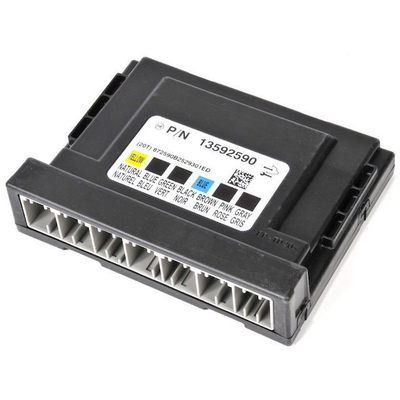
- Faulty Body Control Module (BCM) (Rare) — In rare instances, the internal driver circuit within the BCM fails and shorts to ground. Consider this expensive repair only after exhaustively ruling out all wiring and component possibilities with a multimeter.
Symptoms
- Repeatedly blown tail light fuse — A direct short to ground causes the tail light fuse to blow instantly when the lights are turned on. This is the definitive symptom of a hard short.
- Right tail light is not working — The right-side running light (the light that activates with the headlights) remains off.
- Burning plastic smell or visible smoke — The high current from a short circuit overheats the wiring or bulb socket, causing a noticeable burning smell or visible smoke from the tail light area.
- Other lights on the same circuit malfunction — License plate lights, side marker lights, or dashboard illumination sharing the same fuse become inoperative when the fuse blows.
- Fast-blinking turn signal (hyperflash) — If the tail light bulb shares a ground with the turn signal bulb, a circuit fault causes the turn signal to blink rapidly.
- Check Engine Light or warning lamp is on (also visible on scanner) — The BCM stores the B2566 fault and illuminates a dashboard warning light to alert the driver.
Diagnostic Flowchart
Tap your situation to follow the diagnostic path that matches what you're seeing on this code.
Common Fixes & Costs
- Replacing the tail light bulb socket and/or pigtail connector
— Parts: $20-$60, Labor: $75-$150, ~0.5 hr book time
(DIY)
Chevrolet Silverado (2014-2015): OEM GM 23141278, 22869169 (Alt: Dorman 645-125, Standard Motor Products S2331, ACDelco LS252)
Ford F-150 (2011-2014): OEM Ford BL3Z-13A409-B (Harness Assembly) (Alt: Dorman 85870, Curt C63CR (Universal Kit))
Hyundai Elantra (2016-2018): OEM Hyundai 92480-F2020 (White Connector), 92480-A5010 (Alt: Dorman 923-010 (Check fitment)) - Repairing a damaged section of the wiring harness — Parts: $10-$40 (for wire, solder, heat shrink, and loom), Labor: $150-$500 (1-3 hours, depending on location of short), ~2 hr book time (Intermediate)
- Removing and repairing faulty aftermarket wiring — Parts: $5-$20 (for connectors and tape), Labor: $100-$300 (diagnostic and repair time), ~1.5 hr book time (Intermediate)
- Replacing the tail light assembly
— Parts: $100-$500 (Aftermarket vs OEM, standard vs LED), Labor: $50-$150, ~0.8 hr book time
(DIY)
Ford F-150 (2009-2014): OEM Ford AL3Z-13404-A (Varies by trim) (Alt: TYC 11-6222-00-9, Anzo, Spyder (Many options available))
Hyundai Elantra (2016-2018): OEM Hyundai 92402-F2000 (Varies by build location/trim) (Alt: TYC, Depo, various online retailers) - Replacing the Body Control Module (BCM)
— Parts: $400-$900, Labor: $200-$400 (including required programming/relearning), ~2.5 hr book time
(Professional)
Chevrolet Silverado (2014-2018): OEM GM 23485900, 84443105 (Part numbers are frequently superseded, VIN confirmation is critical) (Alt: Not recommended; OEM and professional programming are required.)
DIY vs Professional
- Replacing the tail light bulb socket and/or pigtail connector 🟢 Beginner
Tools: Socket set or screwdriver, wire strippers, wire crimpers or soldering iron, heat shrink tubing. - Replacing the tail light assembly 🟢 Beginner
Tools: Socket set or screwdriver, trim removal tool. - Repairing a damaged section of the wiring harness 🟢 Beginner
Tools: Multimeter, wire strippers, soldering iron, quality solder, heat shrink tubing, electrical tape, wire loom. - Replacing the Body Control Module (BCM) 🟢 Beginner
Tools: Socket set, trim removal tools, dealership-level scan tool (e.g., GM MDI, Ford VCM) with an active software subscription.
Used vs. New Parts: Buying Guide
When a used part is worth it: For a simple tail light assembly on an older vehicle, a used OEM part from a salvage yard is cost-effective. Sockets and pigtails are acceptable used if they show zero corrosion or melting.
Donor-vehicle mileage cap: roughly under 100000 miles for the part to have meaningful remaining life.
Donor quality checklist:
- Inspect tail light assemblies for cracks, hazing, and intact mounting tabs.
- Check sockets/pigtails for corrosion, melted plastic, or brittle wires.
- Avoid parts from vehicles with visible rear-end collision damage.
- Match part numbers exactly, as trim levels dictate different wiring connectors.
Decision logic:
- If The part is a simple bulb socket or pigtail connector → New aftermarket is inexpensive and recommended for reliability.
- If The part is a complete tail light assembly for a vehicle < 8 years old → Favor new OEM or a high-quality aftermarket brand (like TYC) to ensure a proper moisture seal.
- If The vehicle is > 8 years old and budget is the primary concern → A used OEM assembly is often better quality than a cheap, new aftermarket part.
Warranty tradeoff: Used parts typically have a 30-90 day warranty. New aftermarket parts offer 1-year to limited lifetime warranties. New OEM parts carry a 12-month manufacturer's warranty.
Worst-case if a used part fails: $150-$300 if a used or cheap aftermarket assembly leaks, causing a new short circuit and requiring repeat labor.
What Happens If You Wait — Timeline
- Immediate: Code B2566 is set. The right tail light is inoperative. The corresponding fuse blows instantly. A warning light appears on the dash. (MPG impact: 0%% · Added cost: $2 (Cost of a new fuse that will also blow))
- 1-4 weeks (if an intermittent short): The short circuit creates repeated, high-current spikes. This overheats the weakest point in the circuit—often the ground pin inside the bulb socket or a chafed section of wire. (MPG impact: 0%% · Added cost: $20-$60 (The bulb socket degrades and melts, making a simple wire repair more complex.))
- 1-6 months: Sustained overheating from the intermittent short completely melts the bulb socket and potentially the wiring harness connector. The plastic chars, increasing fire risk. (MPG impact: 0%% · Added cost: $150-$500 (Requires replacing a melted harness connector or a section of the main body harness, significantly increasing labor time.))
- 6+ months: The persistent short circuit and voltage spikes back-feed to the Body Control Module (BCM), damaging the internal driver circuit. The BCM itself is now faulty. (MPG impact: 0%% · Added cost: $800-$1500+ (The original wiring issue must be fixed, AND the BCM must be replaced and reprogrammed.))
Cost of Not Fixing It
- Immediate: Traffic citation for an inoperative tail light, resulting in fines and a failed safety inspection. (Added cost: $100-$200)
- 0-3 months: Significantly increased risk of a rear-end collision during night driving or poor weather. (Added cost: $500-$20000+)
- 3+ months: A persistent short overheats and damages the driver circuit within the Body Control Module (BCM), turning a simple wiring repair into an expensive module replacement. (Added cost: $800-$1500)
Diagnosis Steps
- Confirm the Fault and Check the Fuse
Turn on the headlights and observe the right tail light. Locate the fuse box and find the tail light fuse (often labeled 'TAIL' or 'PARK'). If blown, replace it with a fuse of the exact same amperage. If the new fuse blows immediately, you have a hard short.
Tools: Fuse puller, replacement fuses (Beginner) - Isolate the Circuit
Disconnect the main electrical connector from the right tail light assembly. Insert a new fuse and turn on the lights. If the fuse holds, the short is inside the tail light assembly (bulb, socket, or circuit board). If the fuse blows instantly, the short is in the vehicle's wiring harness.
Tools: Replacement fuses (Intermediate) - Visually Inspect the Socket and Harness
Remove the right tail light assembly. Look for melted plastic, blackened pins, or heavy corrosion in the bulb socket. Trace the wiring harness from the tail light forward, looking for chafed, pinched, or melted insulation near trunk hinges or frame rails.
Tools: Screwdriver or basic socket set, flashlight (Beginner) - Test for Short-to-Ground with a Multimeter
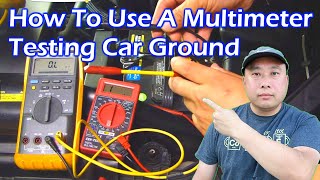
Disconnect the negative battery terminal. Set a multimeter to resistance (Ohms Ω). At the tail light harness connector (vehicle side), place one probe on the power wire terminal and the other on a clean metal chassis ground. A reading under 5 ohms confirms a short to ground.
Tools: Multimeter, vehicle-specific wiring diagram (Intermediate) - Locate the Short by Wiggling the Harness
With the multimeter connected as in Step 4, physically wiggle and flex the wiring harness starting from the rear connector and moving forward. Watch the multimeter reading. When the resistance jumps to 'OL' (open loop), you have pinpointed the physical location of the short.
Tools: Multimeter (Intermediate) - Use an Ammeter to Find Intermittent Shorts
For shorts that don't blow the fuse immediately, remove the tail light fuse and insert multimeter probes set to 10A DC Amps. Turn the lights on. Note the normal current draw (0.25 to 2.5 amps). Wiggle the harness. A sudden amperage spike reveals the moment the short occurs.
Tools: Multimeter with amp clamp or fuse adapter (Advanced) - Perform a Voltage Drop Test on the Ground Circuit
An intermittent short is sometimes caused by a poor ground connection. Reconnect the battery and tail light. Turn the lights on. Set the multimeter to DC Volts. Place the red probe on the ground wire terminal in the tail light connector and the black probe on the negative battery terminal. A reading above 0.2 volts indicates excessive resistance.
Tools: Multimeter (Advanced) - Scan Tool Live Data Analysis
Connect a professional scan tool to access BCM live data. Monitor PIDs related to 'Right Tail Lamp Circuit'. When the fault occurs, the status changes from 'OK' to 'Short to Ground'. Some BCMs display output current in milliamps (mA), showing abnormal current spikes.
Tools: Bi-directional scan tool (Advanced) - Test the BCM Driver (Advanced)
If no short is found in the wiring, test the BCM output pin for the right tail light using a high-impedance test light. With lights commanded on, you should see 12.6V. If there is no voltage at the pin, or if the pin shows continuity to ground with the BCM disconnected, the BCM driver has failed.
Tools: Test light, oscilloscope, wiring diagram (Professional)
When This Code Triggers (Freeze-Frame Conditions)
- BCM Voltage: 12.0-14.8V (Code sets when the ignition is on and the lighting circuit is commanded on.)
- Lighting Switch Status: On/Park (The fault is detected when the BCM attempts to send power to the tail light circuit.)
- Circuit Status: Short to Ground (The BCM's internal diagnostics flag the circuit with a 'Short to Ground' status, stored with the code.)
- Time Since Code Set: 0 seconds (For a hard short, the code sets the instant the circuit activates and the overcurrent condition is detected.)
Related Codes
- B2561 — The identical code for the Left Tail Lamp Circuit. Seeing both B2561 and B2566 simultaneously points to a common cause, like faulty trailer wiring or a failing BCM.
- B2565 — 'Right Tail Lamp Circuit Failure'. A general code indicating an open circuit (broken wire) or a short. B2566 specifically identifies the fault as a short to ground.
- B2534 — 'Right Rear Stop Lamp Circuit Short to Battery'. Indicates the brake light circuit is shorted to a power source, not ground. Diagnosis focuses on finding where the brake light wire touches a powered wire.
- B2550 — 'Lamp Dome Output Circuit Short to Ground'. If present with B2566, indicates a widespread wiring issue, as dome and tail lights run in harnesses routed near each other.
- U1014 — 'Control module incorrectly coded'. Appears with lighting faults if a module is replaced without proper coding or a software glitch occurs, leading to false short circuit positives.
Climate & Environmental Factors
- High Humidity & Rain: Moisture seeps into cracked tail light housings, compromised connector seals, or chafed wiring, providing a conductive path for electricity to short to ground.
- Road Salt (Winter Climates): Salt-water brine splashes onto the undercarriage and wiring harnesses, dramatically accelerating corrosion of connectors and causing shorts where wire insulation is compromised.
- Extreme Cold: Wire insulation becomes brittle and susceptible to cracking from vibration or movement, exposing the copper wire and creating a short circuit.
How to Talk to a Mechanic About This Code
Say this: "I have a B2566 code for a right tail lamp short to ground. The fuse blows, and I need a diagnostic to locate the short. Please start by inspecting the bulb socket and the wiring harness in the rear before assuming it's a BCM issue."
This signals you understand the most likely failure points. It directs the technician to perform a logical, cost-effective diagnosis instead of jumping to the most expensive conclusion (replacing the BCM).
Avoid saying:
- 'My tail light is out, can you fix it?' (Too vague, invites a high bill)
- 'I think I need a new BCM.' (Never diagnose the problem for the mechanic)
- 'Just do whatever it takes to fix it.' (Gives the shop a blank check)
Questions to ask before authorizing the repair:
- What was the result of the visual inspection of the socket and harness?
- Can you show me the damaged wire, corroded connector, or melted socket?
- If you are recommending a BCM replacement, what tests did you perform to rule out the wiring harness and tail light assembly?
- What is the warranty on the parts and labor for this repair?
Where to Take It: Dealer vs Independent vs Chain
- Dealer:
Recommended only if a BCM replacement is confirmed necessary or for specific TSB-related software updates.
Best for: Vehicles under warranty, Complex, manufacturer-specific software issues (e.g., Audi/VW BCM software updates), BCM replacement requiring proprietary programming
Downsides: Highest labor rates, Defaults to replacing an entire assembly or harness instead of performing a targeted wire or socket repair (Typical cost: +50% vs. baseline) - Independent Shop:
Best fit for most B2566 issues. An independent shop specializing in automotive electrical systems accurately traces a short circuit without excessive cost.
Best for: Out-of-warranty vehicles, Diagnosing and repairing wiring harness damage (chafing, corrosion), Replacing common failure items like bulb sockets and pigtails
Downsides: Quality and expertise in electrical diagnosis varies greatly; look for a shop with a strong electrical reputation, Lacks the tools to program a new BCM if needed (Typical cost: +0% vs. baseline) - Chain Shop:
AVOID for diagnosing a B2566 code. Tracing a short circuit is a skill-based task, not a simple parts replacement.
Best for: Simple, unrelated services like oil changes or tire rotations
Downsides: Technicians lack specialized training for complex electrical diagnostics, High pressure to sell parts leads to incorrect diagnosis (e.g., selling a new tail light assembly when only the socket is bad) (Typical cost: -10% vs. baseline)
When to Walk Away From the Repair
If the estimated repair cost exceeds 40-50% of the car's private-party value, seriously consider selling or trading in the vehicle instead of repairing it.
- Car worth $5000, fix is $350: Fix it. This is a common wiring or socket repair and is well below the threshold.
- Car worth $4000, fix is $1500: Walk away. The repair requires a BCM replacement, costing 38% of the car's value. This is a major red flag on an older vehicle.
- Car worth $15000, fix is $1500: Fix it. While a BCM replacement is expensive, it only represents 10% of this vehicle's value and is worth the investment.
What Scan Tool You Need for This Code
Minimum: A scanner that reads and clears codes from the Body Control Module (BCM). This is a 'B-code', inaccessible by basic engine-only code readers.
A standard $20 OBD-II reader only checks for engine codes (P-codes) and reports 'No Codes Found' even when B2566 is active. You need a tool that communicates with the BCM.
Budget: Ancel BD310 or similar Bluetooth scanner (~$60) — Confirms the presence of the B2566 code and allows you to clear it after the repair.
Mid-range: Foxwell NT510 Elite or Thinkcar THINKSCAN Plus S7 (~$150) — Reads and clears BCM codes and displays live data from the BCM, such as the status of the tail lamp circuit switch.
Professional: Autel MaxiCOM MK808BT Pro or XTOOL D7 (~$400) — Provides full bidirectional control. This allows you to command the right tail light on and off directly from the scanner, confirming if the wiring and bulb are good after a repair.
Rent vs buy: Free scanners at parts stores are typically basic engine code readers and fail to see BCM codes. Buying a mid-range scanner that accesses all vehicle modules is a worthwhile investment.
How to Clear the Code After You Fix It
- Repair the underlying short circuit
- Replace the blown fuse with one of the correct amperage
- Use an OBD-II scan tool to clear the B-series code from the Body Control Module
Drive cycle (~15 minutes): BCM codes do not require a complex drive cycle. Clear the code with a scan tool. Turn the headlights on and off several times to confirm the light works and the code does not return. A short 15-minute drive confirms the fix is stable.
Readiness monitors affected: None
Watch out for:
- Replacing the fuse without fixing the short causes the code to return instantly.
- Using a basic code reader that only communicates with the ECM fails to clear codes from the BCM.
- Disconnecting the battery clears the code but resets radio presets and memory functions.
Will This Fail Emissions / State Inspection?
Yes — this code typically fails an OBD-II emissions inspection.
- California: An illuminated warning light on the dash causes a failure during the OBD-II check portion of the smog test. The inoperative tail light fails the separate safety inspection.
- New York: New York requires an annual safety inspection checking the proper function of all required lights. An inoperative tail light is an automatic failure.
- Texas: The annual safety inspection includes checking all required lighting. Two functioning tail lamps are required on vehicles model year 1960 and newer; an inoperative light results in a failed inspection.
Most Commonly Affected Vehicles
- Chevrolet Silverado (2014-2020) — Wiring harnesses are susceptible to damage near the rear bumper and trailer hitch. TSB 20-NA-198 addresses trailer running lights shutting off due to excessive current draw, requiring a wiring and software update.
- GMC Sierra (2014-2020) — Shares the same platform and wiring vulnerabilities as the Silverado. Check the harness routing along the frame rails for chafing. TSB 20-NA-198 also applies.
- Ford F-150 (2009-2014) — Common issues include corrosion in tail light sockets and harness damage along the frame. Inspect wiring near the spare tire and rear bumper.
- Dodge Ram 1500 (2013-2018) — Failures of internal circuit boards on LED tail light assemblies cause shorts and erratic light behavior. Recall 22E-062 addresses damaged sub-components in aftermarket Mopar tail lamps.
- Hyundai Elantra (2011-2018) — A poor ground connection within the bulb socket leads to melting, intermittent operation, and eventual shorts. Replacing the socket pigtail is a highly effective repair.
- Kia Sorento (2011-2015) — Water intrusion through the liftgate wiring boot travels down the harness and causes shorts at the tail light connector.
- Subaru Outback (2015-2019) — Main brake lights are integrated LED units; if they fail, the entire assembly requires replacement. Aftermarket lighting modules are a frequent source of shorts.
- Audi A6/Q5 (2019-2020) — A known software fault in the Body Control Module (J519) falsely triggers short circuit codes for exterior lights. A dealership software update is the required fix.
Manufacturer-Specific Notes
- General Motors (Chevy/GMC): The BCM is sensitive to bulb resistance. Using cheap aftermarket LED bulbs without a load resistor tricks the BCM into setting a fault code. High-draw trailer lights also cause the trailer module to shut down the circuit.
- Audi/Volkswagen: A software glitch in the BCM (J519) causes false short-circuit codes. Before replacing hardware, check for Technical Service Bulletins (TSBs) related to software updates.
- Ford: The main harness connector for rear lights is located behind the rear bumper, low on the frame. This vulnerable location leads to water and salt intrusion, causing corrosion and shorts directly at the connector pins.
- Hyundai/Kia: The most common failure point is the ground terminal inside the plastic bulb socket. It overheats, loses tension, and creates high resistance, leading to melting and a direct short.
Real Owner Stories
2017 Hyundai Elantra with 75K miles
Right tail light stopped working, and the fuse for the 'TAIL LP RH' circuit blew instantly upon turning on the headlights. A faint smell of burnt plastic was noticeable near the tail light.
What they tried:
- Replaced the fuse multiple times; it always blew immediately.
- Visually inspected the bulb, which looked fine.
- Took it to a mechanic who diagnosed a melted tail light bulb socket.
Outcome: The mechanic replaced the tail light socket pigtail. The original socket's ground pin created high resistance, causing it to overheat and melt the plastic, leading to a direct short. The repair cost $150 for parts and labor.
Lesson: On many Hyundai/Kia models, a melted bulb socket is a very common cause for B2566. High resistance in the ground connection is the root cause, not just a bad bulb.
2015 Chevy Silverado 1500 at 110K miles
The B2566 code appeared intermittently, especially in wet weather. The right tail light sometimes worked and sometimes was out. The fuse never blew.
What they tried:
- Replaced the tail light bulb and assembly with no change.
- Suspected the BCM was failing due to the intermittent nature.
- An independent shop performed a wiggle test on the harness while monitoring for a short.
Outcome: The short was located in the wiring harness running along the frame rail near the spare tire. The harness's protective loom wore through, and a wire's insulation chafed, allowing it to touch the metal frame when wet. The shop repaired the damaged wire section for $350.
Lesson: Don't immediately condemn the BCM for intermittent electrical issues. A 'wiggle test' is a crucial diagnostic step to find chafed wiring, a common problem on trucks where harnesses are exposed.
2018 Ram 1500 with factory LED tail lights
Received a 'Right Rear Turn Signal Light Out' message on the dash, but the B2566 code was also stored. The light worked intermittently or appeared very dim.
What they tried:
- Checked all connections, which appeared clean and tight.
- Swapped the left and right tail light assemblies to see if the problem moved.
- When the known-good left assembly was plugged into the right side, it worked perfectly, confirming the issue was with the tail light unit itself.
Outcome: The internal circuit board of the factory LED tail light assembly failed. Since these are sealed units, the entire assembly required replacement. An OEM replacement part cost over $300.
Lesson: With modern LED lights, the 'bulb' is an integrated, non-serviceable part of the assembly. Swapping assemblies from side-to-side is a definitive way to determine if the fault is in the vehicle's wiring or the light unit itself.
How to Prevent This Code From Triggering
- Apply dielectric grease to bulb sockets and connectors. (Anytime a bulb is replaced or a connector is unplugged.) — Dielectric grease is non-conductive and seals out moisture and oxygen, preventing the corrosion that leads to high resistance, overheating, and shorts in sockets and harness connectors.
- Periodically inspect and clean trailer wiring connectors. (Annually, or before any long trip with a trailer.) — Trailer plugs live in a harsh environment. Cleaning the pins with a wire brush and contact cleaner, then applying dielectric grease, prevents corrosion and ensures a good ground.
- Inspect and secure wiring harnesses. (During oil changes or other under-vehicle service.) — Look for wiring harnesses hanging loose, rubbing against sharp metal edges, or near hot exhaust components. Use zip ties to secure them, preventing the chafing and melting that causes shorts.
- Seal leaking tail light assemblies. (As soon as moisture/condensation is noticed inside the lens.) — Water inside the housing inevitably causes corrosion and shorts in the bulb sockets. Find the leak and seal it with clear automotive silicone or 3M Window-Weld ribbon sealer.
Frequently Asked Questions
Can I just replace the fuse to fix code B2566?
No. A fuse is a safety device. If the B2566 code is active, a direct short circuit exists. A new fuse will blow immediately until the underlying wiring or component problem is repaired.
My tail light works sometimes. Could it still be a short?
Yes, this is an intermittent short. The damaged wire touches the metal frame only when you hit a bump, close the trunk, or drive in the rain. These are challenging to find but inevitably worsen over time.
What is the most common misdiagnosis for a B2566 code?
The most common and expensive mistake is replacing the Body Control Module (BCM) without proper diagnosis. The actual cause is far more likely a simple wiring issue, a corroded socket, or a fault in aftermarket trailer wiring. Always exhaust all physical wiring possibilities first.
I installed LED bulbs and now I have this code, but the light works. Why?
Modern BCMs monitor the expected electrical current of a standard halogen bulb (0.25 to 2.5 amps). An LED draws a fraction of that (around 0.17 amps), which the BCM misinterprets as a circuit fault. Install a 6-ohm, 50-watt load resistor in parallel with the LED bulb to simulate halogen current draw.
How much does it cost to fix a B2566 code?
A DIY socket replacement costs under $50. Professional wire repair ranges from $200 to $500 depending on diagnostic time. A BCM replacement is the worst-case scenario, costing $800 to $1500 including parts, labor, and programming.
I installed a trailer hitch and now I have this code. Are they related?
Almost certainly. An improperly spliced wire, a pinched wire during installation, or a fault within the trailer's own wiring directly causes a short to ground in the tail light circuit. Disconnect the trailer module to see if the code clears.
What's the difference between a 'short to ground' and an 'open circuit'?
A 'short to ground' means the power wire found an unintended path to the vehicle's metal frame, causing excessive current and a blown fuse. An 'open circuit' means a broken wire prevents current flow entirely. An open circuit stops the light from working but does not blow the fuse.
Why does my fuse blow only when I hit the brakes?
This happens with dual-filament bulbs where the tail light and brake light share a socket. A defective bulb or melted socket allows the higher 2.5-amp brake light current to cross over. This overloads the lower-amperage tail light circuit and blows the fuse.
Key Takeaways
- Code B2566 indicates a direct short to ground in the right tail light circuit, instantly blowing the 10A to 15A tail light fuse when activated.
- Inspect the right tail light bulb socket first; melted plastic or a corroded ground pin causes over 50% of these failures, especially on Hyundai and Kia models.
- Isolate the fault by unplugging the tail light assembly and inserting a new fuse; if the fuse still blows, the short is in the vehicle's wiring harness or aftermarket trailer wiring.
- Test the power wire with a multimeter set to Ohms; a reading under 5 ohms to chassis ground confirms a hard short, requiring a physical wire repair rather than an $800+ BCM replacement.
Helpful Videos
Shop the Parts Behind B2566
Below are the parts most often responsible for code B2566, ranked by how frequently each one is the actual culprit (per the diagnosis above). Tap any to see what we have for your vehicle.


The information in this article is provided for general reference and educational purposes only. Vehicle specifications, procedures, and part compatibility can vary by production date, trim level, and region. Always consult your vehicle's factory service manual and verify part numbers before purchasing or performing repairs. Safety-critical components such as airbags, seat belts, and braking systems should be installed by a qualified professional.
- 🧭 Diagnostic Flowchart
- 🎬 Helpful Videos
- 🛍️ Shop This Part
- What Does B2566 Mean?
- Can I Drive With B2566?
- Common Causes
- Symptoms
- Common Fixes & Costs
- DIY vs Professional
- Used vs. New Parts: Buying Guide
- What Happens If You Wait — Timeline
- Cost of Not Fixing It
- Diagnosis Steps
- When This Code Triggers (Freeze-Frame Conditions)
- Related Codes
- Climate & Environmental Factors
- How to Talk to a Mechanic About This Code
- Where to Take It: Dealer vs Independent vs Chain
- When to Walk Away From the Repair
- What Scan Tool You Need for This Code
- How to Clear the Code After You Fix It
- Will This Fail Emissions / State Inspection?
- Most Commonly Affected Vehicles
- Manufacturer-Specific Notes
- Real Owner Stories
- 2017 Hyundai Elantra with 75K miles
- 2015 Chevy Silverado 1500 at 110K miles
- 2018 Ram 1500 with factory LED tail lights
- How to Prevent This Code From Triggering
- Frequently Asked Questions
- Can I just replace the fuse to fix code B2566?
- My tail light works sometimes. Could it still be a short?
- What is the most common misdiagnosis for a B2566 code?
- I installed LED bulbs and now I have this code, but the light works. Why?
- How much does it cost to fix a B2566 code?
- I installed a trailer hitch and now I have this code. Are they related?
- What's the difference between a 'short to ground' and an 'open circuit'?
- Why does my fuse blow only when I hit the brakes?
- Key Takeaways
- 🎟️ Get 5% Off