

OBD-II Code B2930: HVAC Actuator, Security Module, or Security Circuit Fault
What B2930 means, why it triggers, and how to fix it
- Code B2930 indicates a climate control actuator failure on GM vehicles, or a security communication error causing a no-start on Ford and Chevrolet models.
- For GM HVAC faults, pull the HVAC/ECAS fuse for 60 seconds to force a system recalibration before spending $50+ on replacement parts.
- A clicking noise from the dashboard confirms a stripped HVAC actuator gear, requiring a $30-$100 replacement part.
- For Ford and Chevy security faults, test the wiring continuity between the Body Control Module and ignition switch before replacing the $400+ BCM.
What Does B2930 Mean?
Code B2930 is a manufacturer-specific Body Diagnostic Trouble Code (DTC) with three distinct meanings. On General Motors vehicles, it signals a climate control (HVAC) actuator circuit failure. On Ford models, it indicates a communication error with the security module causing a no-start. On Chevrolet models, it points to a disabled anti-theft system local circuit malfunction.
Technical definition: The SAE/ISO J2012 definition for B2930 varies by manufacturer. Common definitions include 'Air Temperature Door Actuator Circuit Malfunction' (GM), 'Transmit Data Line Open/Short' (Ford), and 'Security System Disable/Disarm Local Circuit Malfunction' (Chevrolet).
Can I Drive With B2930?
Yes, But With Caution. Driving with the HVAC version is possible but poses a severe safety risk if you cannot defrost your windshield. For the security version (Ford/Chevrolet), driving is not recommended. You risk a no-start stranding or a dangerous engine stall while driving.
Common Causes
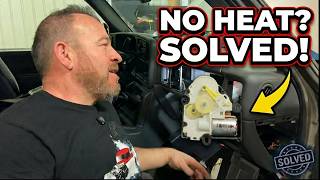
- Failed HVAC Blend/Mode Door Actuator (GM) (Very Common) — The small electric motor controlling temperature or airflow direction fails internally due to worn plastic gears or a burned-out motor.
- Damaged Wiring or Loose Connector (All) (Common) — A wiring harness leading to an HVAC actuator, Body Control Module, or security system component chafes, corrodes, or unplugs, causing an open or short circuit.
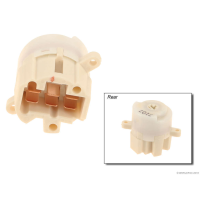
- Faulty TILA or Ignition Switch Connector (Ford) (Common) — The security module integrated with the ignition lock (TILA) fails or suffers from a corroded connector. This prevents it from sending the correct signal to the Body Electrics Module (BEM), causing a no-start.
- Failed Ignition Lock Cylinder / Passlock Sensor (GM) (Less Common) — The sensor within the ignition lock cylinder housing fails. This prevents the BCM from receiving the correct signal to enable starting, triggering security-related circuit codes.
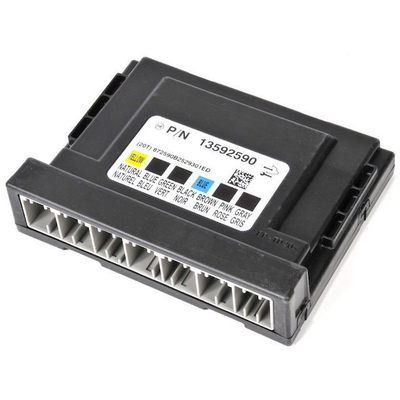
- Faulty Body Control Module (BCM) (Less Common) — The BCM fails internally, losing its ability to communicate with the anti-theft modules or properly command the HVAC actuators.
- Failed HVAC Control Module (GM) (Less Common) — The main climate control unit malfunctions, sending incorrect signals or no signal at all to the actuators.
- Low Battery Voltage (Rare) — Insufficient battery voltage during startup causes communication errors between electronic modules, triggering this code as a secondary fault.
- Aftermarket Accessories Interference (Rare) — Improperly installed remote starters or alarms interfere with the vehicle's security communication network.
Symptoms
- Clicking or Grinding Noise From Dashboard (HVAC) — A rapid clicking or ticking sound emits from behind the dash when starting the car or changing temperature settings, caused by a broken actuator gear.
- Engine Will Not Crank (Security) — The engine does not turn over when the key is turned. This symptom is specific to the security communication version of the code.
- Flashing Anti-Theft or Security Light (Security) — The security light on the dashboard blinks or stays on, indicating a problem with the vehicle's immobilizer system.
- Alarm or Door Lock Malfunctions (Security) — Power door locks fail to operate, or the factory alarm system refuses to arm or disarm correctly.
- Engine Stalls While Driving (Security) — The engine shuts down while the vehicle is in motion due to a critical security system failure.
- Incorrect Airflow, Temperature, or Defrost Failure (HVAC) (also visible on scanner) — The air blows only hot or cold, refuses to switch between vents, or fails to clear the windshield. This indicates a stuck blend or mode door actuator.
Diagnostic Flowchart
Tap your situation to follow the diagnostic path that matches what you're seeing on this code.
Common Fixes & Costs
- Recalibrate the HVAC System — Parts: $0, Labor: $0-$50, ~0.2 hr book time (DIY)
- Replace HVAC Blend or Mode Door Actuator — Parts: $30-$100, Labor: $150-$850, ~1.5 hr book time (Intermediate)
- Repair Damaged Wiring or Connector — Parts: $5-$25, Labor: $100-$300, ~1.5 hr book time (Intermediate)
- Replace Ignition Lock Cylinder/Housing (GM Security) — Parts: $110-$150, Labor: $110-$200, ~2 hr book time (Intermediate)
- Replace the Body Control Module (BCM/BEM) — Parts: $250-$600, Labor: $150-$400, ~2.5 hr book time (Professional)
Used vs. New Parts: Buying Guide
When a used part is worth it: Buy new HVAC actuators, as they are inexpensive and fail due to mechanical wear. A used BCM from a low-mileage donor is cost-effective only if you have a clear plan for professional reprogramming.
Donor-vehicle mileage cap: roughly under 60000 miles for the part to have meaningful remaining life.
Donor quality checklist:
- Match the BCM part number exactly.
- Verify the donor vehicle had identical factory options.
- Avoid parts from flood-damaged vehicles.
Decision logic:
- If The part is an HVAC actuator → Buy new. The low cost outweighs the risk of a used part failing soon.
- If The part is a BCM and you have access to professional programming tools → A used BCM from a reputable recycler saves money.
- If The part is a BCM and you cannot program it → Buy a new or remanufactured BCM from a source offering pre-programming services.
Warranty tradeoff: Used parts offer a 30-90 day warranty. New aftermarket parts carry a 1-year to limited lifetime warranty. A new OEM BCM installed by a dealer includes a 12-month/12,000-mile warranty.
Worst-case if a used part fails: $300-$1000 if a used BCM fails, requiring repeat labor and programming.
What Happens If You Wait — Timeline
- 0-2 weeks: HVAC Fault: Intermittent clicking from dash; temperature responds slowly. Security Fault: A single, unexplained no-start event resolves itself. (MPG impact: 0%% · Added cost: $0)
- 2 weeks - 3 months: HVAC Fault: Clicking becomes constant. Temperature or airflow gets stuck. Security Fault: No-start events become frequent, requiring 30-minute resets. (MPG impact: 0%% · Added cost: $100-$250 (Potential towing fee if stranded).)
- 3-6 months: HVAC Fault: Actuator runs when the car is off, causing a parasitic battery drain. Defroster fails. Security Fault: Vehicle fails to start 50% of the time. (MPG impact: 0%% · Added cost: $150-$300 (Towing fee plus cost of a new battery).)
- 6+ months: HVAC Fault: Permanent comfort and safety problem. Battery is repeatedly drained. Security Fault: Vehicle is completely unreliable and unusable. (MPG impact: 0%% · Added cost: The primary cost is the complete loss of vehicle reliability and safety.)
Cost of Not Fixing It
- Immediate: Loss of temperature control or a vehicle that refuses to start. Inoperative windshield defrosters create a critical safety hazard. (Added cost: $100-$250 (Towing fees if stranded))
- 1-6 months: A constantly clicking actuator drains the battery overnight. Security faults become more frequent, increasing the risk of being stranded. (Added cost: $150-$300 (Battery replacement and towing))
- 6+ months: The vehicle becomes completely unreliable. The failed component will not cause cascading mechanical damage to the engine or transmission. (Added cost: The primary cost is the complete loss of vehicle reliability and safety.)
Diagnosis Steps
- Identify Your Vehicle's Definition
Determine if your car uses this code for HVAC or Security. Climate issues point to HVAC (GM), while no-start or alarm problems point to security (Ford/Chevy).
Tools: Internet access (Beginner) - Attempt an HVAC System Recalibration (GM)
Pull the specific HVAC or ECAS fuse from the fuse box for 60 seconds, then reinstall it. Start the vehicle and wait 2 minutes without touching any climate controls to allow the system to self-calibrate.
Tools: Fuse puller (Beginner) - Listen for a Faulty Actuator (HVAC)
Have a helper change the temperature and vent settings while you listen under the dash. A distinct clicking or grinding noise pinpoints exactly which actuator has failed.
Tools: None (Beginner) - Monitor Live Data with a Scan Tool
Use a bidirectional scan tool to command each actuator to move while monitoring its position feedback PID. For security faults, check communication status with the BCM and immobilizer modules.
Tools: Advanced OBD-II Scan Tool (Advanced) - Inspect Wiring and Check Power/Ground
Visually inspect the wiring harness connected to the suspect part for damage or corrosion. Using a multimeter and wiring diagram, verify correct voltage and ground at the connector pins.
Tools: Flashlight, Multimeter, Vehicle-specific wiring diagram (Intermediate) - [PRO TIP] Test the GM 5-Wire Actuator Circuit
Unplug the suspect actuator and test the harness connector. The 5 wires should read: 5V Reference, Ground, Motor Power (12V), Motor Control, and Position Feedback. The Control wire's voltage must change when you adjust the HVAC controls. Missing reference voltage or ground means the problem is upstream.
Tools: Multimeter, Vehicle-specific wiring diagram (Advanced) - [PRO TIP] Test the Ford BEM-TILA Communication Circuit
Check for continuity on the transmit data line between pin 8 on the BEM's J1 connector and pin 9 on the TILA's J6 connector. An open circuit or short to ground here proves a wiring problem rather than a failed module.
Tools: Multimeter, Vehicle-specific wiring diagram (Advanced) - [PRO TIP] Test the GM Passlock II Sensor Resistance
Access the 3-wire harness from the ignition lock cylinder. With the key in 'RUN', measure resistance between the yellow and orange/black wires. A normal reading is between 400 and 13,700 Ohms. Infinite resistance indicates a failed Passlock sensor.
Tools: Multimeter, Trim removal tools (Advanced) - Test the Communication Network
Perform a network test to ping all modules. This confirms a communication breakdown or isolates a fault within a specific module.
Tools: Advanced OBD-II Scan Tool (Professional)
When This Code Triggers (Freeze-Frame Conditions)
- Ignition Status: Key On / Engine Running (For HVAC faults, this code sets when the driver adjusts climate controls after starting the vehicle.)
- Battery Voltage: 11.8V - 14.8V (Code sets with normal voltage, but appears as a communication glitch if voltage drops below 11.5V during startup.)
- Vehicle Speed: 0 mph (Security-related faults set during the pre-start or cranking sequence when the vehicle is stationary.)
- Engine RPM: 0 RPM (Associated with a no-start symptom, showing the engine failed to crank due to the security system fault.)
Related Codes
- U0140 — Means 'Lost Communication With Body Control Module'. U0140 indicates the entire BCM is offline, whereas B2930 indicates the BCM is online but lost communication with a specific peripheral.
- B0229 — A GM code for the recirculation actuator. If you cannot change air temperature, the issue is the blend door (B2930). If you cannot switch to recirculated air, the issue is the recirculation door (B0229).
- B2960 — Means 'Key Code Incorrect' on GM vehicles. B2960 points to the key's resistor pellet, while B2930 points to the wiring circuit. Both are caused by a failing Passlock sensor.
- B1000 — Indicates an internal ECU malfunction. When paired with B2930, it confirms an internal BCM failure rather than a wiring problem.
Climate & Environmental Factors
- High Humidity: Moisture in the air penetrates electrical connectors and modules, causing corrosion on metal contacts. This increases electrical resistance and triggers communication codes like B2930.
- Extreme Cold: Cold temperatures stiffen the lubricant inside HVAC actuators, increasing friction and straining the motor until it fails.
- Water Intrusion: Leaking windshield seals or clogged sunroof drains allow water to drip directly onto the BCM or fuse box, causing catastrophic electrical failure.
How to Talk to a Mechanic About This Code
Say this: "I have a B2930 code and my symptoms are [clicking from dash/no-start]. I'd like to book a diagnostic appointment. Based on my research, please start by testing the [HVAC actuator circuit/wiring between security modules] before recommending a full [dash removal/BCM replacement]."
This tells the shop you know B2930 has multiple meanings. It directs them to the cheapest root cause first, preventing them from jumping to an expensive BCM replacement.
Avoid saying:
- 'My car is making a weird noise.'
- 'My anti-theft light is on, can you just turn it off?'
- 'Just replace the blend door actuator.'
Questions to ask before authorizing the repair:
- Did you command the actuator with a scan tool to confirm it's unresponsive?
- Did you test the wiring continuity and check for voltage at the module connector before condemning the module?
- Is the quoted price including the necessary programming and relearn procedures?
- What is the warranty on both the part and your labor for this specific repair?
Where to Take It: Dealer vs Independent vs Chain
- Dealer:
Recommended for BCM replacement or complex security faults. Too expensive for a common GM HVAC actuator.
Best for: BCM replacement and programming., Complex security system faults., Vehicles under warranty.
Downsides: Highest labor rates., Defaults to expensive module replacement without checking wiring first. (Typical cost: +60% vs. baseline) - Independent Shop:
Best fit for most B2930 scenarios, especially the common GM HVAC actuator failure.
Best for: GM HVAC actuator replacement., Diagnosing and repairing wiring faults., Out-of-warranty vehicles.
Downsides: Must ensure they have modern scan tools and electrical diagnostic experience., Lacks tools to program a new BCM. (Typical cost: +0% vs. baseline) - Chain Shop:
AVOID. This code requires specific diagnostic procedures. A chain shop misdiagnoses the issue, costing you time and money.
Best for: Simple maintenance like oil changes or tires.
Downsides: Technicians lack diagnostic skills for complex body/security codes., High pressure to upsell parts without proper diagnosis. (Typical cost: -10% vs. baseline)
When to Walk Away From the Repair
If the estimated repair cost exceeds 50% of your car's private-party value, consider alternatives to fixing it.
- Car worth $6000, fix is $450: Fix it. This is a common repair cost for an accessible HVAC actuator and is well below the threshold.
- Car worth $5000, fix is $1800: Borderline. This repair is a significant percentage of the car's value. Get a second opinion before proceeding.
- Car worth $3500, fix is $2000: Walk away. The repair cost approaches the total value of the vehicle. It is not an economically sound repair.
What Scan Tool You Need for This Code
Minimum: A tool that reads manufacturer-specific Body Control Module (BCM) codes and displays live data.
A $20 scanner only reads generic 'P' (Powertrain) codes. B2930 is a 'B' (Body) code stored in the BCM. Without BCM capability, you are completely blind to the problem.
Budget: BlueDriver Pro (~$100) — Reads and clears BCM codes on GM and Ford. Displays live data to see actuator position, but cannot command the actuator to move.
Mid-range: Foxwell NT510/NT530 Elite (~$180) — Provides full bidirectional control. Commands each actuator to move, definitively confirming which one failed. Performs system relearns after part replacement.
Professional: Autel MaxiCOM MK808 (~$450-600) — Offers extensive bidirectional controls and advanced service functions. Required for BCM replacement, module programming, and security system initializations.
How to Clear the Code After You Fix It
- Use a professional OBD-II scan tool to clear the code from the Body Control Module.
- For HVAC repairs, perform the HVAC actuator recalibration procedure.
- For security repairs, perform the required security relearn procedure.
Drive cycle (~15 minutes): A specific emissions drive cycle is not required. After clearing the code, start the vehicle and operate the affected system through all functions. Cycle the temperature from full hot to full cold, or cycle the ignition key several times. Driving for 15 minutes confirms the fix.
Readiness monitors affected: None
Watch out for:
- Disconnecting the battery does not reliably clear this code from the BCM.
- The code returns immediately if a required calibration or relearn procedure is skipped.
Will This Fail Emissions / State Inspection?
No — by itself this code doesn't fail OBD inspection (but it can keep readiness monitors from setting, which causes a separate fail).
- California: This 'B' code does not cause an OBD-II emissions failure, but technicians note it during comprehensive safety checks.
- New York: The annual safety inspection requires a functional defroster. If the HVAC fault prevents defrosting, the vehicle fails the safety portion.
- Texas: Emissions testing looks for powertrain codes illuminating the Check Engine Light. B2930 does not trigger the CEL and passes emissions.
Most Commonly Affected Vehicles
- Chevrolet Silverado, Tahoe, Suburban (2003-2014) — Extremely prone to HVAC blend door actuator failures. The driver's side actuator fails most frequently.
- GMC Sierra, Yukon (2003-2014) — Shares the exact platform and HVAC components as Chevrolet trucks, leading to identical actuator failures.
- Ford Falcon (BA, BF) (2002-2008) — B2930 points exclusively to a communication failure between the Body Electrics Module (BEM) and the immobilizer (TILA), causing a no-start.
- Chevrolet Equinox (2017-2021) — Logs B2930 as a 'Security system disable/disarm local circuit malfunction', unrelated to HVAC.
- Buick LeSabre (2000-2005) — Known for HVAC electrical issues that trigger actuator circuit faults like B2930.
Manufacturer-Specific Notes
- General Motors: Always attempt a system recalibration by pulling the HVAC/ECAS fuse before replacing parts. This resolves software glitches that mimic a failed actuator.
- Chevrolet: On newer Equinox models and Express vans, this code means 'Security system disable/disarm circuit malfunction'. If you have no HVAC symptoms, the fault lies in the anti-theft wiring.
- Ford: On Australian Falcons, this code is exclusively a security communication issue between the BEM and TILA, resulting in a crank-no-start condition.
- General Motors (Passlock): Failure of the sensor in the ignition lock housing sets a B2930 circuit code instead of a specific Passlock code. Testing the Passlock sensor's resistance is mandatory for no-start diagnosis.
Real Owner Stories
2004 Chevrolet Silverado 1500 at 165K miles - The Classic Click
Owner heard a constant clicking from the driver's side dashboard. The A/C was stuck blowing lukewarm air regardless of the temperature setting.
What they tried:
- Tried an HVAC system reset by pulling the 'HVAC' fuse; the clicking returned immediately.
- Listened under the dash and confirmed the noise came from the driver's side blend door actuator.
- Ordered an ACDelco replacement part online for $45.
Outcome: Followed a tutorial to replace the actuator. The job took 1.5 hours. After replacing the part and performing the fuse-pull reset, the clicking vanished and temperature control was restored.
Lesson: For GM trucks, a clicking dash is almost certainly a blend door actuator. If the simple fuse reset fails, replacing the part is a manageable DIY repair for accessible actuators.
2005 Ford Falcon (BA) at 110K miles - The Stranding
Car intermittently refused to crank. The security light flashed, but there were no other symptoms. Eventually, it failed to start completely.
What they tried:
- Replaced the key fob battery with no change.
- A mechanic suspected a failed Body Electrics Module (BEM) and quoted over $800.
- Owner found forum posts describing B2930 as a communication loss between the BEM and the TILA module.
Outcome: The owner instructed the mechanic to check the wiring between the BEM and TILA. The mechanic found a corroded pin on the TILA connector. After cleaning it, the car started perfectly. Total cost was $150 instead of $800+.
Lesson: On a Ford Falcon, B2930 is a security communication fault. Always inspect the wiring and connectors between the BEM and TILA before replacing an expensive module.
2014 Chevrolet Silverado 1500 at 224K miles - A Misdiagnosis Story
The driver's side A/C blew warm while the passenger side was cold. The owner correctly suspected a blend door actuator issue.
What they tried:
- Purchased and installed a new AC Delco blend door actuator.
- The temperature issue was fixed, but air now only blew from the defrost and floor vents.
Outcome: Forum users pointed out he replaced the blend door actuator, but the new symptoms pointed to a mode door actuator problem. The system required a recalibration, or a second actuator had failed. The owner had to diagnose the mode door circuit separately.
Lesson: There are multiple actuators in the dash for different functions. Always perform a recalibration after replacing any actuator to prevent new faults.
2008 Chevrolet Impala at 150K miles - The Battery Drain
Owner found their car battery dead several mornings in a row. They noticed a clicking sound from the dash that continued after the car was turned off.
What they tried:
- Replaced the battery, but the problem persisted.
- Identified the noise as a faulty HVAC actuator that refused to shut off.
- Pulled the HVAC fuse overnight to prevent the drain.
Outcome: The owner replaced the faulty recirculation door actuator. The parasitic battery drain stopped. The constant cycling of the broken actuator drew enough power overnight to kill the battery.
Lesson: A clicking HVAC actuator causes a parasitic battery drain if it cycles after the ignition is off. Dead batteries and dash clicking are directly related.
How to Prevent This Code From Triggering
- Regularly clean cowl, sunroof, and A/C evaporator drains. (Once per year) — Clogged drains cause water to overflow onto the Body Control Module (BCM), causing catastrophic electrical failure.
- Periodically cycle HVAC controls through all settings. (Once per month) — Moving the blend and mode doors prevents the actuator gears and door pivots from seizing up due to lack of use.
- Maintain a healthy battery and clean terminals. (Ongoing) — Low battery voltage during startup causes communication glitches and sets false codes.
- Use dielectric grease on electrical connectors during repairs. (As needed during repairs) — Dielectric grease keeps moisture out, preventing pins from corroding and causing circuit faults.
- Operate HVAC controls gently. (Daily habit) — Forcefully changing temperature settings puts unnecessary stress on the plastic gears inside the actuators.
Frequently Asked Questions
I replaced the actuator/module and the B2930 code is still there. What now?
The new part requires calibration via a relearn procedure. Alternatively, the actual fault lies in the wiring harness, or you diagnosed the wrong system entirely.
How do I perform an HVAC actuator relearn or calibration?
Pull the 'HVAC' or 'ECAS' fuse for 60 seconds. Reinstall it, start the car, and wait 2 minutes without touching the climate controls. The system automatically cycles and finds door positions.
What's the difference between a blend door and a mode door actuator?
A blend door actuator controls temperature by mixing hot and cold air. A mode door actuator directs airflow to specific vents like the defrost, dash, or floor.
Can a bad key cause a B2930 code?
Yes, indirectly. If the security system fails to authenticate the key due to a faulty ignition lock cylinder or TILA module, it triggers communication circuit codes like B2930.
Why is the repair cost for an HVAC actuator so high if the part is cheap?
The cost is almost entirely labor. Actuators are often buried deep behind the dashboard. Technicians spend 5-8 hours removing the instrument panel to access a $50 part.
What is a Body Control Module (BCM)?
The Body Control Module is a computer controlling body-related electronics like power windows, security, and climate. It acts as a central communication hub for the vehicle.
Why can't I find information about B2930 for my Toyota, Honda, or Nissan?
Code B2930 is a manufacturer-specific 'B' (Body) code used almost exclusively by General Motors and Ford. It does not apply to vehicles from Toyota, Honda, or Nissan.
Key Takeaways
- Code B2930 indicates a climate control actuator failure on GM vehicles, or a security communication error causing a no-start on Ford and Chevrolet models.
- For GM HVAC faults, pull the HVAC/ECAS fuse for 60 seconds to force a system recalibration before spending $50+ on replacement parts.
- A clicking noise from the dashboard confirms a stripped HVAC actuator gear, requiring a $30-$100 replacement part.
- For Ford and Chevy security faults, test the wiring continuity between the Body Control Module and ignition switch before replacing the $400+ BCM.
Helpful Videos

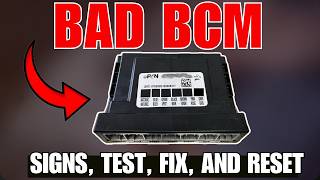
Shop the Parts Behind B2930
Below are the parts most often responsible for code B2930, ranked by how frequently each one is the actual culprit (per the diagnosis above). Tap any to see what we have for your vehicle.

The information in this article is provided for general reference and educational purposes only. Vehicle specifications, procedures, and part compatibility can vary by production date, trim level, and region. Always consult your vehicle's factory service manual and verify part numbers before purchasing or performing repairs. Safety-critical components such as airbags, seat belts, and braking systems should be installed by a qualified professional.
- 🧭 Diagnostic Flowchart
- 🎬 Helpful Videos
- 🛍️ Shop This Part
- What Does B2930 Mean?
- Can I Drive With B2930?
- Common Causes
- Symptoms
- Common Fixes & Costs
- Used vs. New Parts: Buying Guide
- What Happens If You Wait — Timeline
- Cost of Not Fixing It
- Diagnosis Steps
- When This Code Triggers (Freeze-Frame Conditions)
- Related Codes
- Climate & Environmental Factors
- How to Talk to a Mechanic About This Code
- Where to Take It: Dealer vs Independent vs Chain
- When to Walk Away From the Repair
- What Scan Tool You Need for This Code
- How to Clear the Code After You Fix It
- Will This Fail Emissions / State Inspection?
- Most Commonly Affected Vehicles
- Manufacturer-Specific Notes
- Real Owner Stories
- 2004 Chevrolet Silverado 1500 at 165K miles - The Classic Click
- 2005 Ford Falcon (BA) at 110K miles - The Stranding
- 2014 Chevrolet Silverado 1500 at 224K miles - A Misdiagnosis Story
- 2008 Chevrolet Impala at 150K miles - The Battery Drain
- How to Prevent This Code From Triggering
- Frequently Asked Questions
- I replaced the actuator/module and the B2930 code is still there. What now?
- How do I perform an HVAC actuator relearn or calibration?
- What's the difference between a blend door and a mode door actuator?
- Can a bad key cause a B2930 code?
- Why is the repair cost for an HVAC actuator so high if the part is cheap?
- What is a Body Control Module (BCM)?
- Why can't I find information about B2930 for my Toyota, Honda, or Nissan?
- Key Takeaways
- 🎟️ Get 5% Off