

B3055 on 2024-2025 Buick Enclave: Causes and Fixes for 'No Key Detected' & No-Start
Code B3055 on a 2024-2025 Buick Enclave means the anti-theft system can't read the key fob, causing a no-start or stalling condition. The most common causes are a dead key fob battery, radio frequency interference, or a faulty key fob. Before seeking service, try your spare key, replace the fob's battery (CR2032), and use the transmitter pocket in the center console.
- B3055 means your Enclave's anti-theft system has disabled the engine because it cannot detect a valid key.
- Before paying for a diagnosis, try these free steps: remove all phone chargers and extra fobs from the car, try your spare key, and try starting the car with the key in the backup pocket in the center console.
- The most common fixes are the simplest: removing interference or replacing the key fob's CR2032 battery.
- If a new key fob is needed, it must be professionally programmed to your vehicle by a dealer or automotive locksmith.
What's Unique About the 2024-2025 Buick ENCLAVE
The 2024-2025 model years span the end of the second generation (2024) and the beginning of the third (2025). While the underlying Pass-Key III+ security system is similar, parts and specific locations may differ. For these modern Enclaves with push-button start, the system is highly sensitive to radio frequency interference (RFI) from devices like smartphones, aftermarket chargers, or even other RFID cards on the same keychain. GM has issued service bulletin PIC5650M acknowledging that intermittent no-start conditions with code B3055 are a known issue across many of its vehicles, often traced back to RFI or other simple causes.
🎬 Learn how radio frequency interference can disrupt your vehicle's security.Diagnostic Flowchart
Tap your situation to follow the diagnostic path that matches what you're seeing on this vehicle.
Generation note: This range covers two generations: the 2024 model is the last of the second generation, while the 2025 model is the first of the third. The provided TSB #PIC5650M specifically mentions the 2024 model year and is relevant to a wide range of GM vehicles with similar security systems. While causes are similar, part numbers and the location of components like the key transmitter pocket may vary slightly between generations but is confirmed to be in the center console for 2018-2024 models.
Symptoms You May Notice
- Intermittent no-crank or no-start condition.
- Engine starts and then immediately stalls.
- Security indicator light is illuminated or flashing on the dashboard.
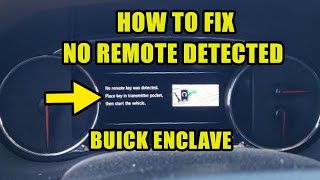
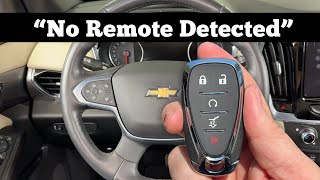
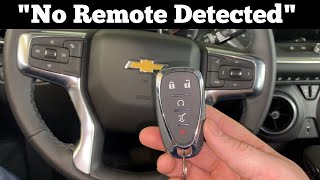
- "No Remote Detected" or "Place Transmitter in Pocket to Start" message appears on the driver information center (DIC).
- Replacing the vehicle's main 12V battery without testing it first. While low system voltage can cause various electronic faults, it's not typically the root cause of B3055 unless the battery is completely dead.
- Replacing the starter motor when the no-start is caused by the security system disabling the crank signal.
Most Likely Causes
- Radio Frequency Interference (RFI) 🔴 High Probability Modern vehicle electronics are sensitive to interference from aftermarket devices like phone chargers, dash cams, aftermarket LED lights, toll passes, or even other RFID cards on the same keychain. TSB PIC5650M explicitly lists these as primary suspects for intermittent B3055 issues.
How to confirm: Remove all aftermarket electronic devices, USB cables, and other key fobs from the vehicle. Try to start the car again. If it starts, RFI was the issue. A technician can use an RFI meter to detect stray signals operating in the 125 kHz range.
Typical fix: Isolate and remove the source of the interference. Keep key fobs for other vehicles and RFID-enabled cards separate from the Enclave's key.
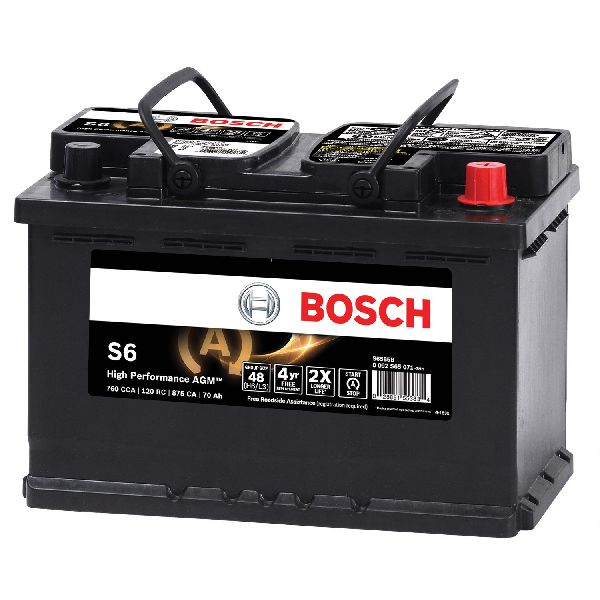
Est. part cost: $0 - Weak or Dead Key Fob Battery 🔴 High Probability → Shop Vehicle Battery
How to confirm: A 'No Remote Detected' message is a strong indicator. Try starting the vehicle by placing the key fob in the designated transmitter pocket, located inside the center console armrest. If the vehicle starts this way, the fob battery is almost certainly the cause.
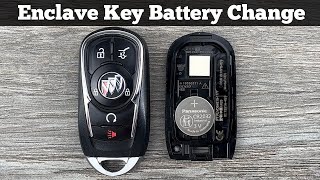
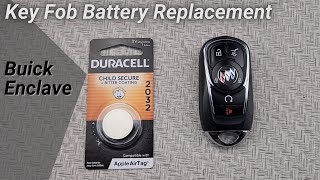
Typical fix: Replace the CR2032 battery inside the key fob.
Est. part cost: $1-$5 - Faulty Key Fob 🟡 Medium Probability → Shop Keyless Entry Transmitter The internal transponder chip or its circuitry can fail from being dropped or from normal wear and tear.
How to confirm: Attempt to start the vehicle with your spare key fob. If the spare key works reliably, the primary key fob is faulty.
Typical fix: The faulty key fob must be replaced and programmed to the vehicle by a dealership or a qualified automotive locksmith.
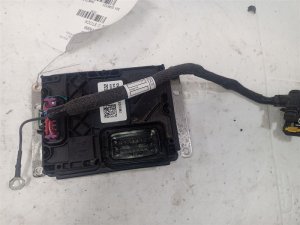
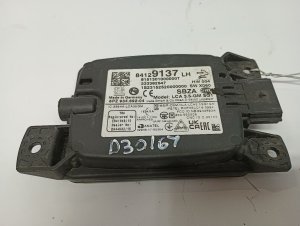
Est. part cost: $150-$400 - Immobilizer Antenna / Exciter Module Fault ⚪ Low Probability → Shop Antenna This component, often integrated into the start/stop button assembly or a separate module, reads the key fob's signal. Though not a frequent failure point, it can malfunction.
How to confirm: This requires professional diagnosis. A technician will use a scan tool to check for a signal from the key and test the antenna circuit for continuity and proper resistance.
Typical fix: Replace the faulty immobilizer antenna module (sometimes called an exciter module or reader coil) and program it if necessary.
Est. part cost: $75-$250
Rare But Worth Checking
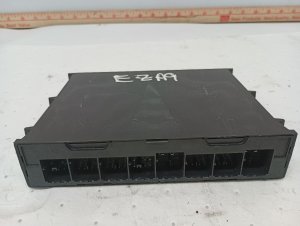
- Body Control Module (BCM) Fault: → Shop Body Control Module This is the 'brain' of the security system. It's an uncommon failure, but possible if all other components (key, antenna, wiring) check out. A failing BCM may also cause other strange electrical issues. A poor ground for the BCM can also cause this issue intermittently.
- Wiring Harness Issue: An open or short in the wiring between the immobilizer antenna and the BCM can trigger B3055. This is more likely after dash repairs or in cases of rodent damage. Technicians can test for continuity and shorts to ground or voltage.
Diagnosis Steps
- Check for a 'No Remote Detected' message on the dash.
- Remove all potential sources of Radio Frequency Interference (RFI) from the vehicle, such as phone chargers, other key fobs, toll passes, and garage door openers.
- Try starting the vehicle with your spare key fob. If it works, the issue is with your primary fob.
- If the spare key also fails, try placing the key fob in the designated transmitter pocket inside the center console and attempt to start the engine. This bypasses the need for a strong battery signal.
- If the vehicle starts using the pocket, replace the CR2032 battery in the key fob.
- If the vehicle still does not start, check the main vehicle battery voltage to ensure it is sufficient (above 12.4V).
- If all DIY steps fail, have it towed to a qualified technician.
- A technician will scan for all DTCs, inspect the wiring for the immobilizer system, and use a scan tool to monitor the communication between the key, immobilizer module, and BCM.
Parts You'll Likely Need
- Key Fob Battery
(OEM #CR2032)— This is the most common and cheapest fix when the vehicle displays a 'No Remote Detected' message but starts when the fob is in the backup pocket.
Trusted brands: Energizer, Duracell, Panasonic
OEM price range: $5-$10
Aftermarket price range: $1-$5 - Keyless Entry Remote Fob
(OEM #GM 13544724 (example, verify by VIN))— If the spare key works and the primary one doesn't (even with a new battery), the transponder chip in the primary key has likely failed.
Trusted brands: ACDelco, Standard Motor Products
OEM price range: $150-$300
Aftermarket price range: $70-$150 - Body Control Module (BCM) — A last resort replacement if all other components of the security system are confirmed to be working correctly. This part is expensive and requires professional programming.
Trusted brands: ACDelco
OEM price range: $400-$600
Aftermarket price range: $250-$450
Related Codes That Often Appear With This One
- B3060 — This code for 'Unspecified Key' or 'Unprogrammed Transponder Key' is often set with B3055 as it relates to the BCM's inability to properly identify the key transponder.
- B3935 — Indicates a 'Transponder Authentication Failed' error, meaning a signal was received but was incorrect. It's part of the same fault event as B3055.
- C0750, C0755, C0760, C0765, C0775 — These tire pressure monitor sensor codes were also noted in TSB #PIC5650M, suggesting a potential link or a broader electrical issue when seen with B3055, as they can also be affected by Radio Frequency Interference.
Technical Service Bulletins (TSBs) & Recalls
- PIC5650M: Addresses an intermittent no crank, no start, or start stall concern with the security light coming on, and lists B3055 as a primary diagnostic trouble code. It emphasizes diagnosing RFI from aftermarket devices before parts replacement.
- PIT5030E: While for older models with flip keys, it establishes a history of B3055 being set by improper key orientation or signal blockage, a principle that extends to modern keyless systems sensitive to interference.
Platform-Specific Known Issues
- A Technical Service Bulletin (TSB #PIC5650M) was issued for 2024 models that experience an intermittent no crank, no start, or start/stall with the security light on, specifically citing DTC B3055.
- The TSB strongly advises technicians to investigate and remove sources of Radio Frequency Interference (RFI) before replacing any parts. Common culprits include aftermarket LED lights, USB chargers, and even non-vehicle RFID cards on the keychain.
Mechanic-Grade Diagnostic Values
- Immobilizer Antenna Low Reference Circuit Resistance to BCM — expected: Less than 2 Ω. Failure: A reading of 2 Ω or greater indicates an open or high resistance in the ground-side wiring between the antenna and the BCM.
- Immobilizer Antenna Signal Circuit Voltage — expected: Less than 1 V. Failure: A reading of 1 V or greater indicates a short to voltage in the signal circuit.
- Scan Tool Live Data: BCM 'Environment Identification' Parameter — expected: Should display a valid key status.. Failure: Parameter reads 'No Key Detected' or similar when a known-good key is present, confirming the BCM is not seeing the transponder.
Hidden / Shadow Codes Worth Checking
- B3055 00: No Sub Type Information / No Transponder Modulation. This is the most common symptom byte, indicating the BCM received no signal at all from the key's transponder. It's a hard failure to detect a key. (see via GM GDS2 or other professional-grade scan tools that can read manufacturer-specific symptom bytes.)
- B3055 5A: Plausibility Failure. This indicates the BCM may have received a signal, but it was illogical, corrupt, or nonsensical. This can point towards Radio Frequency Interference (RFI) or an intermittent failure of the transponder chip itself. (see via GM GDS2 or other professional-grade scan tools.)
Scan Tool Commands That Help
- GDS2 / Techline Connect: Immobilizer Learn / Add or Replace Key Fobs — This function is required after replacing a key fob or the Body Control Module (BCM). It guides the technician through the security relearn procedure to program the new components to the vehicle.
- GDS2 / Techline Connect: BCM Programming/Setup — When a new BCM is installed, it must be programmed with the vehicle's specific VIN and RPO codes using GM's Service Programming System (SPS). This is the first step before any key learning can occur.
- GDS2 / Professional Scan Tool: Immobilizer Data / Theft Deterrent Data List — During diagnosis, a technician will monitor this live data list to see what the BCM is seeing (or not seeing) from the key and immobilizer system in real-time. This helps differentiate between a bad key, antenna, or module.
Wiring & Ground Locations
- G301 — Behind the left kick panel, near the driver's left foot.. This is a primary ground point for the Body Control Module (BCM) on related GM platforms. An intermittent or poor connection at this ground can cause a variety of BCM-related issues, including the security system faults that trigger B3055.
- BCM Connectors — The BCM is located under the driver's side of the dash, to the left of the steering column on related platforms.. The wiring from the immobilizer antenna/exciter coil terminates at one of the BCM's multi-pin connectors. A loose pin, corrosion, or harness damage at the BCM connector itself can cause a B3055 code even if the key and antenna are good.
- Passive Keyless Entry (PKE) Antennas — Multiple small antennas are located throughout the vehicle: inside door handles, bumpers, and the center console. The one inside the center console is critical for push-button starting.. While B3055 relates to the transponder signal for starting, the PKE antennas are part of the same system. A failure of the interior antenna can prevent the key from being detected for starting, leading to a 'No Remote Detected' message and potentially this code.
Real Owner Repair Stories
- YouTube video from Project Sullivan Auto (2013 Chevrolet Malibu (similar GM platform with Pass-Key III+)) — Intermittent no-crank, no-start, and stalling. Security light would come on. Code B3055-00 was present.
❌ Tried (didn't work) Checking battery voltage (was a healthy 12.8V)., Checking battery cable connections., Fiddling with the starter., Locking and unlocking the doors with the fob.
✅ What actually fixed it The final diagnosis pointed to RFI or a faulty key. In a similar documented repair on a 2013 Equinox, a technician resolved an intermittent B3055 by using a key tool to read the data from the failing key's transponder chip and clone it onto a new 'super chip', which was then placed in the original key fob. This suggests the internal chip was failing, not the fob battery or buttons.
Model Year Variations Within This Range
- 2024 vs 2025: The 2024 Enclave is the final year of the second generation, while the 2025 model marks the start of the third generation. While both use a similar Pass-Key III+ system, the physical locations of the BCM and keyless entry antennas may differ. The second generation (through 2024) has PKE antennas in the bumpers, center console, and door panels. The third generation's specific locations may be revised; always verify with a service manual for the specific year.
Helpful Videos
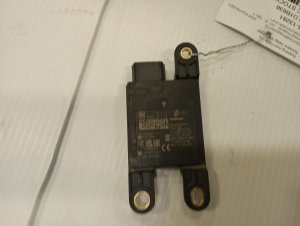
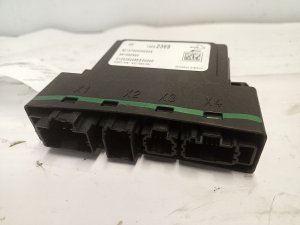
Used OEM Parts in Stock
New Aftermarket Parts Available

The information in this article is provided for general reference and educational purposes only. Vehicle specifications, procedures, and part compatibility can vary by production date, trim level, and region. Always consult your vehicle's factory service manual and verify part numbers before purchasing or performing repairs. Safety-critical components such as airbags, seat belts, and braking systems should be installed by a qualified professional.
- Buick ENCLAVE:
- 🧭 Diagnostic Flowchart
- 🎬 Helpful Videos
- 🛍️ Shop This Part
- What's Unique About the 2024-2025 Buick ENCLAVE
- Symptoms You May Notice
- Most Likely Causes
- Rare But Worth Checking
- Diagnosis Steps
- Parts You'll Likely Need
- Related Codes That Often Appear With This One
- Technical Service Bulletins (TSBs) & Recalls
- Platform-Specific Known Issues
- Mechanic-Grade Diagnostic Values
- Hidden / Shadow Codes Worth Checking
- Scan Tool Commands That Help
- Wiring & Ground Locations
- Real Owner Repair Stories
- Model Year Variations Within This Range
- 🎟️ Get 5% Off