

B3055 on 2007 Buick Rainier: No Start Causes and Fixes
On a 2007 Buick Rainier, code B3055 means the anti-theft system can't read the key, causing a no-start. This is almost always due to a faulty ignition switch or a damaged key. Replacing the ignition switch is the most common fix.
- B3055 on your Rainier means there's a security system failure, usually preventing the engine from starting.
- Before buying parts, try your spare key and remove all other fobs or access cards from your keychain to rule out a bad key or RF interference.
- The most common mechanical failure is the ignition lock cylinder/switch assembly.
- After replacing a key or ignition switch, a 30-minute security relearn procedure is required for the vehicle to recognize the new part.
What's Unique About the 2007-2007 Buick RAINIER
The 2007 Buick Rainier and its GMT360 platform siblings (like the Chevy Trailblazer and Saab 9-7X) use a Pass-Key III (PK3) transponder system. Unlike the older Passlock systems that used a magnet in the lock cylinder, this system relies on a small electronic chip in the key itself that is energized by an exciter coil in the ignition lock cylinder. The primary failure point is often the ignition switch assembly, which contains the exciter coil, or the key itself. Intermittent no-start conditions related to this system are common for this vehicle generation, often appearing without warning.
Diagnostic Flowchart
Tap your situation to follow the diagnostic path that matches what you're seeing on this vehicle.
Symptoms You May Notice
- Engine will not crank or start.
- Engine starts briefly and then immediately stalls.
- Security light is on solid or flashing on the instrument cluster.
- "Service Theft System" message may appear on the Driver Information Center (DIC).
- Key is difficult to turn or gets stuck in the ignition.
- Replacing the starter motor. A no-crank symptom can be mistaken for a bad starter, but if the security light is on, the theft system is the primary suspect.
- Replacing the battery. While a weak battery can cause a no-start and other electrical issues, it won't typically set a B3055 code on its own. However, a fully charged battery is required for the security relearn procedure to complete successfully.
Most Likely Causes
- Faulty Ignition Key 🔴 High Probability → Shop Ignition Switch The transponder chip embedded in the key head can be damaged from being dropped or from normal wear and tear, causing it to stop communicating. On models with a flip key, if the key is not fully extended and locked, it can also cause an intermittent B3055 code.
How to confirm: Try starting the vehicle with a known-good spare key. If the vehicle starts and runs normally with the spare, the original key is faulty. A scan tool may show the key as 'Not Present'.
Typical fix: Replace the faulty key. A new key must be cut and then programmed to the vehicle using a specific security relearn procedure. All existing keys will be erased from memory during this process.
Est. part cost: $50-$150 - Defective Ignition Lock Cylinder / Switch 🔴 High Probability → Shop Ignition Switch The ignition lock cylinder houses the exciter coil that powers the key's transponder. The coil or its wiring can fail over time, preventing communication with the key. The electronic ignition switch attached to the back of the lock cylinder is also a known failure point on GMT360 platform vehicles, causing a variety of electrical issues including a no-start.
How to confirm: If multiple known-good keys fail to start the vehicle, and RF interference is ruled out, the issue is likely in the column. A technician can test the signal from the exciter coil. Often, wiggling the key in the ignition may temporarily restore connection, pointing to a worn switch or cylinder.
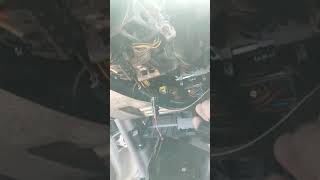
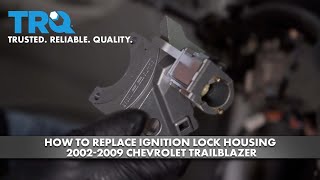
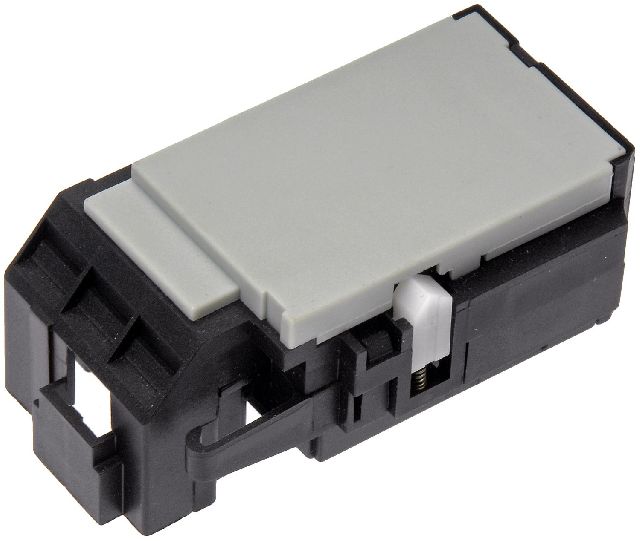
Typical fix: Replace the ignition lock cylinder and/or the electronic ignition switch (ACDelco D1462F is a common part number for the switch 🎬 Watch: A simple walkthrough for replacing the electronic ignition switch.). This repair requires performing a security relearn procedure.
Est. part cost: $100-$250 - Radio Frequency (RF) Interference 🟡 Medium Probability The Pass-Key system operates on a 125 kHz radio signal that can be disrupted by other electronic devices on the same keychain. GM has issued multiple service bulletins (PIC5650 series) about this exact problem.
How to confirm: Remove all other keys, key fobs, and RFID-enabled cards (like building access cards or gas station speed passes) from the keychain. Try starting the vehicle with only the single Buick key present. If it starts, RF interference was the cause.
Typical fix: Keep other RFID devices and keys separate from the ignition key when starting the vehicle. Do not use decorative metal rings around the ignition lock, as they can also interfere.
Est. part cost: $0
Rare But Worth Checking
- Failing Body Control Module (BCM): → Shop Body Control Module While less common, the BCM is the module that reads the key data. If the ignition components and keys are confirmed to be good, the BCM itself could be the source of the problem, as noted in TSB #PIC5650M. A user on GMTNation.com noted that swapping the BCM requires programming the VIN and VATS data.
- Damaged Wiring: The wiring between the ignition lock cylinder and the BCM can become chafed or damaged within the steering column, leading to an intermittent loss of communication. This can be difficult to diagnose as the issue may only appear when the steering wheel is in a certain position.
- Loose Fuse Block Connection: A user on the GMTNation forum with a platform-mate Saab 9-7X traced a persistent no-start issue to a loose injector fuse (#31) in the underhood fuse box. While not directly setting a B3055, related power delivery issues can cause similar symptoms.
Diagnosis Steps
- Check the security light on the dashboard. If it's on or flashing, this confirms a theft-deterrent system issue.
- Try starting the vehicle with a known-good spare key. If it starts, the primary key is defective.
- Remove all other keys and RFID devices from the key ring and try again to rule out radio frequency interference, as detailed in TSB PIC5650.
- If the vehicle still won't start, attempt the 30-minute security relearn procedure: 🎬 See a demonstration of the GM security relearn process. Turn the key to 'ON' (without starting) for 10-11 minutes until the security light stops flashing and turns off. Turn the key 'OFF' for 10 seconds. Repeat this process two more times for a total of three cycles (~30 minutes). On the fourth attempt, try to start the engine.
- If the relearn procedure fails, inspect the wiring at the ignition switch for any visible damage or looseness.
- If wiring is intact and multiple keys fail, the most likely culprit is the ignition lock cylinder/switch assembly. The electronic ignition switch (e.g., ACDelco D1462F) is a very common failure point and often replaced with the lock cylinder.
Parts You'll Likely Need
- Ignition Lock Cylinder
(OEM #25832354)— This component contains the exciter coil that reads the key's transponder. It is the most common hardware failure for this code on this vehicle, often due to wear of the internal coil or wiring.
Trusted brands: ACDelco, Dorman (924-719), Standard Motor Products
OEM price range: $150-$250
Aftermarket price range: $80-$150 - Ignition Switch
(OEM #ACDelco D1462F)— This electronic switch sits behind the mechanical lock cylinder and is a very frequent point of failure on the GMT360 platform, causing a no-start and setting a B3055. Many owners replace this along with the lock cylinder.
Trusted brands: ACDelco, Standard Motor Products
OEM price range: $40-$60
Aftermarket price range: $25-$45 - Transponder Key — The chip inside the key can fail, preventing it from sending the correct security code to the vehicle.
Trusted brands: ACDelco
OEM price range: $70-$120
Aftermarket price range: $40-$80
Related Codes That Often Appear With This One
- B3060 — This code often appears with B3055 and relates to a failure in the transponder key system, indicating a problem with the key itself or the reading mechanism. TSB #PIC5650M lists them together.
- B3935 — This code also relates to the transponder key system and is frequently cited alongside B3055 in technical service bulletins for no-start conditions.
Technical Service Bulletins (TSBs) & Recalls
- PIC5650M: Mentions intermittent no crank, no start, or start stall concerns with the security light on, and lists DTC B3055 as a potential code.
- PIC5650B/C/J/K: An evolving series of TSBs which discusses how Radio Frequency Identification Devices (RFID) on a keychain can interfere with the Passkey system, causing a B3055 code and a no-start condition.
- PIE0232: An engineering information bulletin requesting data on vehicles with no-crank conditions and DTC B3055, indicating it was a known issue being investigated by GM.
- PIT5030E: A diagnostic tip for other GM models that explains how a flip key not being fully extended can cause an intermittent no-crank and set a B3055.
Platform-Specific Known Issues
- The provided TSB #PIC5650M specifically links B3055 to intermittent no-crank/no-start conditions with the security light on for 2007 GM models, including the Rainier platform.
- A user on GMTNation.com with a Trailblazer (platform mate) described a classic no-crank scenario where all lights came on but the starter wouldn't engage. Another user recommended keeping a spare ignition switch (ACDelco D1462F) in the glove box because it's such a common failure.
- The issue is not related to the major GM ignition switch recall which affected different models (like the Cobalt and Ion) and involved a different failure mode where the key could be accidentally turned off while driving.
Hidden / Shadow Codes Worth Checking
- B3055 00: No Sub Type Information. This is a generic failure type indicating the BCM received no signal at all from the key's transponder chip. (see via GM GDS2 or other professional-grade scan tools that can read manufacturer-specific symptom bytes.)
- B3055 5A: Plausibility Failure. This indicates the BCM received a signal, but it was illogical, corrupt, or otherwise failed a credibility check. This can point towards radio frequency interference or an intermittent failure of the chip in the key. (see via GM GDS2 or other professional-grade scan tools.)
Scan Tool Commands That Help
- GM Tech 2 / GDS2: Immobilizer Data / Theft Deterrent Data Display — Use this to view live data parameters related to the Passkey system. A technician can see the status of the key (e.g., 'Present' or 'Not Present') and other system flags to determine if the BCM is recognizing the key's presence, even if it can't validate it.
- GM Tech 2 / GDS2: Immobilizer Learn / Programming Theft Deterrent System Components — This function is required after replacing the ignition lock cylinder or BCM. It guides the technician through the process of programming the new components to the vehicle so they are recognized by the security system.
- GM Tech 2: Quick Snapshot — For intermittent no-start conditions, a technician can use the snapshot feature to record all data parameters leading up to, during, and after a fault occurs. This can capture the exact moment the key signal is lost, helping to confirm the root cause.
Wiring & Ground Locations
- Body Control Module (BCM) — Beneath the left rear seat, integrated with the rear fuse block on the 2007 Buick Rainier.. The BCM is the control center for the Pass-Key III system. It receives and interprets the signal from the key's transponder via the ignition lock cylinder. All wiring from the theft-deterrent components terminates here.
- Ignition Switch Harness — At the ignition switch on the steering column.. This connector contains the essential power and signal wires for the ignition system. On a 2007 Trailblazer (platform mate), key wires include Pink (Ignition 1), White (Ignition 2), Orange (Accessory), and Brown (Accessory). Testing for correct voltages at these pins during key cycles is a critical diagnostic step.
- G107 / G108 — On the lower left side of the engine block.. These are primary engine ground points. A poor ground here can cause a variety of electrical issues, including problems with the PCM/ECM, which communicates with the BCM for the theft-deterrent fuel disable signal. A forum user traced a stalling issue on a GMT360 to a bad G107 ground.
- G302 — On the lower left "B" pillar.. This is a body ground point. The BCM, located under the rear seat, relies on clean body grounds to function correctly. A wiring diagram for the 2007 Rainier BCM specifically lists G302 as a ground point.
- BCM Class 2 Serial Data Wire — A Tan wire running to the BCM. On a Trailblazer, it's at pin B11 of a BCM connector.. This wire is the communication line between the BCM and other modules, including the PCM. A fault on this data line can prevent the BCM from sending the 'engine enable' password to the PCM, resulting in a no-start even if the key is read correctly.
Real Owner Repair Stories
- GMTNation Forum (2004 GMC Envoy (GMT360 Platform Mate)) — Vehicle would stall when the left turn signal was activated.
❌ Tried (didn't work) Checking battery, Checking alternator, Replacing bulbs, Checking all fuses, Cleaning 6 different ground points
✅ What actually fixed it The issue was traced to a faulty ground at location G107. The turn signal circuit, along with other critical circuits, shared this ground. Increased resistance at the faulty ground when the turn signal was activated caused a voltage drop that affected other systems, leading to a stall.
OEM Part Supersession History
12458191, 12533953, 15822350, 19168637→25832354— Part consolidation and design updates by GM over time.
Heads up: While part 25832354 is listed for many GM vehicles, fitment on the 2007 Rainier specifically should be confirmed with a VIN, as it is primarily associated with earlier Passlock systems. However, the Dorman 924-719 aftermarket equivalent is confirmed for the Rainier.
Helpful Videos


We Have This Part in Stock


The information in this article is provided for general reference and educational purposes only. Vehicle specifications, procedures, and part compatibility can vary by production date, trim level, and region. Always consult your vehicle's factory service manual and verify part numbers before purchasing or performing repairs. Safety-critical components such as airbags, seat belts, and braking systems should be installed by a qualified professional.
- Buick RAINIER:
- 🧭 Diagnostic Flowchart
- 🎬 Helpful Videos
- 🛍️ Shop This Part
- What's Unique About the 2007-2007 Buick RAINIER
- Symptoms You May Notice
- Most Likely Causes
- Rare But Worth Checking
- Diagnosis Steps
- Parts You'll Likely Need
- Related Codes That Often Appear With This One
- Technical Service Bulletins (TSBs) & Recalls
- Platform-Specific Known Issues
- Hidden / Shadow Codes Worth Checking
- Scan Tool Commands That Help
- Wiring & Ground Locations
- Real Owner Repair Stories
- OEM Part Supersession History
- 🎟️ Get 5% Off