

B3055 on 2020-2025 Cadillac CT5: Key Not Detected, No-Start Causes and Fixes
Code B3055 on a Cadillac CT5 means the car's security system can't detect your key fob, causing a no-start. The most common fix is replacing the CR2450 battery in the key fob or removing aftermarket phone chargers that cause radio interference. If those fail, try starting the car by placing the fob in the center console's front cup holder transmitter pocket.
- B3055 means your CT5 doesn't recognize its key fob, which disables the engine as a security measure.
- Before any expensive repairs, try the three easiest fixes: 1) Replace the CR2450 battery in your key fob. 2) Try your spare key. 3) Unplug all phone chargers and remove other fobs from your keychain.
- If the key fob battery is dead, you can still start the car by placing the fob in the emergency pocket located in the front cup holder.
What's Unique About the 2020-2025 Cadillac CT5
The Cadillac CT5 uses a modern keyless push-to-start system on the Alpha 2 platform. Unlike older GM vehicles where a faulty ignition cylinder was a common cause for this code, the CT5 is more susceptible to a weak key fob battery and Radio Frequency Interference (RFI) from modern electronics. A GM Technical Service Bulletin (TSB PIC5650M) specifically mentions intermittent no-start conditions with this code, suggesting that tracking down the source can sometimes be difficult for technicians and may not be a simple part failure.
Diagnostic Flowchart
Tap your situation to follow the diagnostic path that matches what you're seeing on this vehicle.
Symptoms You May Notice
- Engine will not crank or start
- Engine starts and immediately stalls
- Security indicator light is on or flashing on the dashboard
- "No Remote Detected" or similar message on the driver information center
- Vehicle will only start when the key fob is placed in the emergency transmitter pocket
- Replacing the starter motor. A starter failure will not cause a security light to illuminate or a 'No Remote Detected' message to appear.
- Replacing the main 12V vehicle battery without further diagnosis. While a weak car battery can cause a no-start, it typically won't set the B3055 code specifically unless system voltage is critically low, causing module communication failure. The primary symptom of B3055 is a security system warning.
Most Likely Causes
- Weak or Dead Key Fob Battery 🔴 High Probability → Shop Vehicle Battery Keyless entry systems constantly listen for the fob's signal, which causes the small CR2450 battery to deplete over 2-4 years.
How to confirm: Try starting the vehicle with the spare key fob. If the spare key works, the battery in the primary key is the likely culprit. You can also try placing the problematic fob in the transmitter pocket in the front cup holder, which often allows the car to start even with a very weak battery.
Typical fix: Replace the CR2450 battery inside the key fob.
Est. part cost: $5-$15 - Radio Frequency Interference (RFI) 🟡 Medium Probability As noted in GM TSB #PIC5650M, aftermarket devices like phone chargers, dash cams, toll passes, or even other key fobs on the same keychain can emit radio frequencies that block the signal from the car's key.
How to confirm: Remove all aftermarket electronics and chargers from the vehicle's power outlets. Take all other keys, fobs, and RFID cards off the keychain. If the car starts with these items removed, RFI was the cause.
Typical fix: Identify and remove the source of the interference. Use high-quality, well-shielded electronic accessories.
Est. part cost: $0 - Damaged or Faulty Key Fob ⚪ Low Probability → Shop Keyless Entry Transmitter Dropping the key fob can damage the internal transponder chip or its solder joints, leading to intermittent or total failure. A Reddit user described a scenario where a physically destroyed key caused a B3055 code and a no-start condition.
How to confirm: If a new battery doesn't fix the issue and the spare key works perfectly, the original key fob is likely faulty.
Typical fix: The key fob must be replaced and programmed to the vehicle by a dealer or a qualified automotive locksmith.
Est. part cost: $150-$450 - Faulty Control Module or Wiring ⚪ Low Probability The TSB #PIC5650M for intermittent no-start conditions suggests that underlying module or wiring issues can be a cause, though less common than simpler fixes. This could be an issue with the Remote Control Door Lock Receiver (RCDLR) or the Body Control Module (BCM).
How to confirm: This requires professional diagnosis with a GM-specific scan tool to monitor data from the BCM and RCDLR to see if the key's signal is being received and processed correctly.
Typical fix: Repairing a wiring harness or replacing and reprogramming the faulty module (RCDLR or BCM).
Est. part cost: $200-$900
Rare But Worth Checking
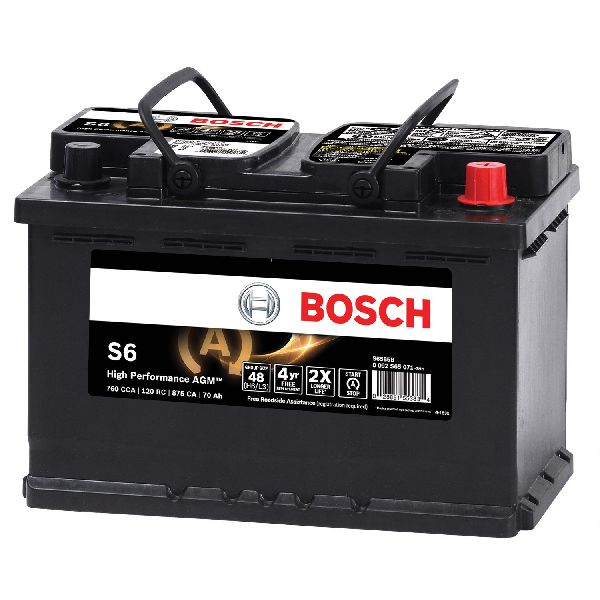
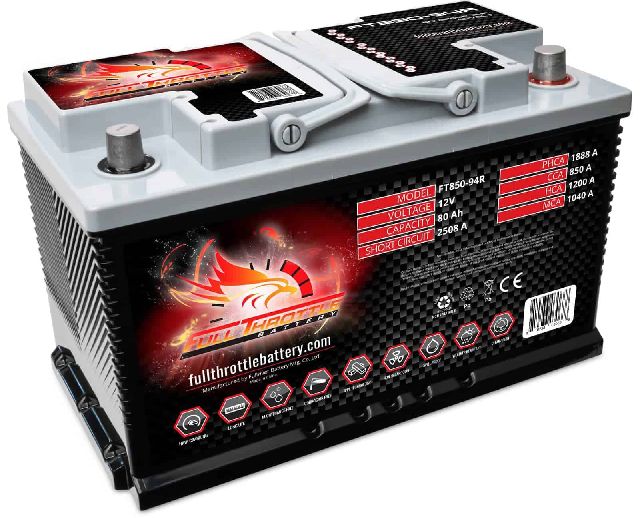
- Weak or Defective Main 12V Vehicle Battery: → Shop Vehicle Battery
Diagnosis Steps
- Verify the B3055 code is present using a scanner capable of reading Body (B) codes.
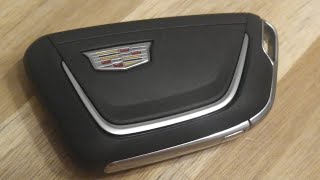
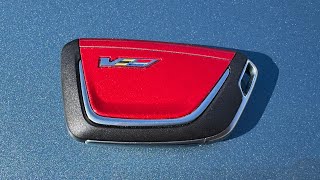
- Replace the battery (CR2450) in the key fob 🎬 See how to change the battery in your Blackwing fob. you are using.
- Attempt to start the car with a known-good spare key fob. If it starts, the first fob is faulty.
- Remove ALL aftermarket devices (phone chargers, dash cams, etc.) from the vehicle's power outlets. Remove all other keys, fobs, and access cards from the keychain and try again.
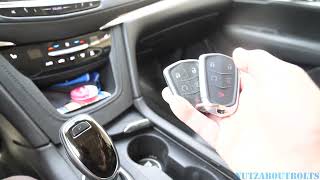
- If the car still won't start, try the emergency start procedure: remove the rubber insert from the front cup holder, place the key fob flat into the dedicated transmitter pocket with the buttons facing up, and then press the start button.
- If the vehicle starts using the pocket, it confirms a signal strength issue (weak fob battery or RFI). If it still fails, the problem is more likely the fob itself, the vehicle's receiver antenna, or a control module.
- Check the main 12V vehicle battery. Ensure it has a static charge of at least 12.4V. Low system voltage can cause communication faults between modules.
- If none of the above steps work, the vehicle requires professional diagnosis to test the Remote Control Door Lock Receiver (RCDLR) and Body Control Module (BCM).
Parts You'll Likely Need
- Key Fob Battery
(OEM #CR2450)— This is the most common and simplest fix for a weak transponder signal that causes code B3055.
Trusted brands: Energizer, Duracell, Panasonic
OEM price range: $8-$15
Aftermarket price range: $5-$10 - Keyless Entry Remote Fob
(OEM #13548127, 13538860, 85002118 (FCC ID: YG0G20TB1))— If the internal transponder chip is damaged, the entire key fob must be replaced and programmed to the vehicle.
Trusted brands: ACDelco (OEM)
OEM price range: $150-$450
Aftermarket price range: $70-$150
Related Codes That Often Appear With This One
- B3060 — This code relates to an incorrect but valid signal from the security system sensor and is often set during the same fault event as B3055, as noted in TSB PIC5650M.
- B3935 — This code indicates a transponder authentication failure and is also listed in TSB #PIC5650M as being related to the same no-start condition.
Technical Service Bulletins (TSBs) & Recalls
- PIC5650M: Addresses intermittent no crank, no start, or start stall with security light on, listing B3055 as a key DTC. It highlights the possibility of RFI from aftermarket devices as a cause.
Platform-Specific Known Issues
- A General Motors TSB (#PIC5650M) directly addresses an intermittent no crank, no start, or start/stall concern with the security light on, for which B3055 is a primary trouble code. It advises checking for Radio Frequency Interference from aftermarket devices before replacing parts.
- The emergency start transmitter pocket is located inside the front cup holder, underneath the removable rubber mat. An indentation for the key fob is visible on the bottom of the plastic holder.
Mechanic-Grade Diagnostic Values
- System Voltage at BCM — expected: Above 9.0 Volts. Failure: Below 9.0V, the BCM may not run the diagnostic check for B3055 correctly, potentially leading to false codes.
Hidden / Shadow Codes Worth Checking
- B3055 00: No Sub Type Information / No Transponder Modulation. This is the most common symptom byte, indicating the BCM received no signal at all from the key's transponder chip. (see via GM GDS2 or other professional-grade scan tools that can read manufacturer-specific symptom bytes.)
- B3055 5A: Plausibility Failure. This indicates the BCM received a signal, but it was illogical, corrupt, or inconsistent. This can point towards strong Radio Frequency Interference or an intermittent failure of the transponder chip inside the key. (see via GM GDS2 or other professional-grade scan tools.)
Scan Tool Commands That Help
- GDS2: Add or Replace Key Fobs — This function is used after a key fob has been replaced. It's found under 'Module Diagnostics' -> 'Remote Control Door Lock Receiver' -> 'Configure/Reset Functions' and is required to make the vehicle recognize the new key.
- GDS2 / Professional Scan Tool: Immobilizer Data / 'TDM Transponder Key' Parameter — During diagnosis, a technician can monitor this live data parameter to see if the BCM's status for the key is 'Present' or 'Not Present'. If it reads 'Not Present' with a key in the vehicle, it points to a fault with the key or the vehicle's receiver system, not an unprogrammed key.
Wiring & Ground Locations
- Body Control Module (BCM) — Typically located under the dashboard on the driver's side, sometimes integrated with or near the interior fuse panel.. The BCM is the central computer for the anti-theft system. A loose connector, pushed-out pin, or corrosion at the BCM can interrupt the signal from the key's receiver, causing code B3055.
- Remote Control Door Lock Receiver (RCDLR) — The RCDLR module receives the signal from the key fob. While its location varies, on some GM sedans it is found behind the rear seat side bolster panel. The CT5 also has multiple smaller antennas for passive entry.. This is the primary receiver for the key fob signal. A failure of this module or its wiring is a common cause for B3055 after the key fob itself has been ruled out.
- Keyless Entry Antennas — The CT5 uses multiple antennas. There is one in the rear compartment area, and others are located in the door handles for passive entry functions.. A failure or wiring issue (like corrosion from moisture) in one of these antennas can prevent the system from detecting the key, especially for passive entry/start functions. A fault in an antenna can sometimes prevent key programming from completing.
Real Owner Repair Stories
- Cadillac Forums user 'Garry' (2023 Cadillac XT5 (similar system)) — Trouble unlocking doors, intermittent 'No Remote Detected' message when trying to start the car.
❌ Tried (didn't work) Replacing the key fob battery twice.
✅ What actually fixed it The key fob itself had gone bad. The problem was resolved by getting a new key fob, which was covered under warranty. - Cadillac Forums user '[email protected]' (2020 Cadillac XT5 (similar system)) — Intermittent 'No Remote Detected' message.
❌ Tried (didn't work) Initial diagnosis was unclear.
✅ What actually fixed it The owner discovered that a plastic protective case on the key fob was blocking the signal. Removing the case completely solved the problem. - YouTube channel 'Global Commerce CA' (Chevy Malibu (similar GM keyless system)) — All keys lost, unable to program new keys, keyless entry antenna error code (B3123).
❌ Tried (didn't work) Attempting to program a new key with an Autel IM608 failed repeatedly.
✅ What actually fixed it The technician found heavy corrosion on the connector for the rear keyless entry antenna, causing a short to ground. Unplugging the faulty antenna allowed the key programming process to complete successfully. The final fix required replacing the corroded wiring harness and antenna.
When the Usual Fixes Don't Work
- While Pass 2 correctly identifies a faulty module as a potential cause, a real-world repair on a similar platform (2018 CT6) showed that after replacing the more common RCDLR module failed to fix the issue, the root cause was ultimately a bad Body Control Module (BCM). This provides a specific example of when the less-likely module is the one at fault. Additionally, a case on another GM vehicle highlights that severe corrosion on an antenna connector can prevent key programming from completing, a specific type of 'wiring issue' that has a unique diagnostic signature (unplugging the antenna allows programming to work).
OEM Part Supersession History
85002118→85541929— Part update or replacement by manufacturer.13548127→13560906— Part update or replacement by manufacturer.
Heads up: Part number 13548127 is also listed as being interchangeable with 13538860, 13536990, and 13541988, indicating a complex history of compatible parts for the same application.
Helpful Videos
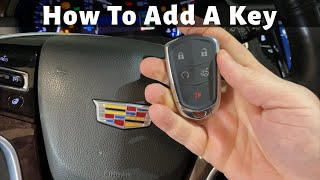
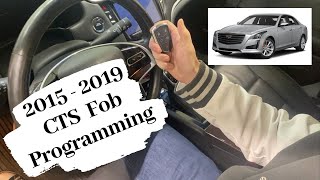
We Have This Part in Stock
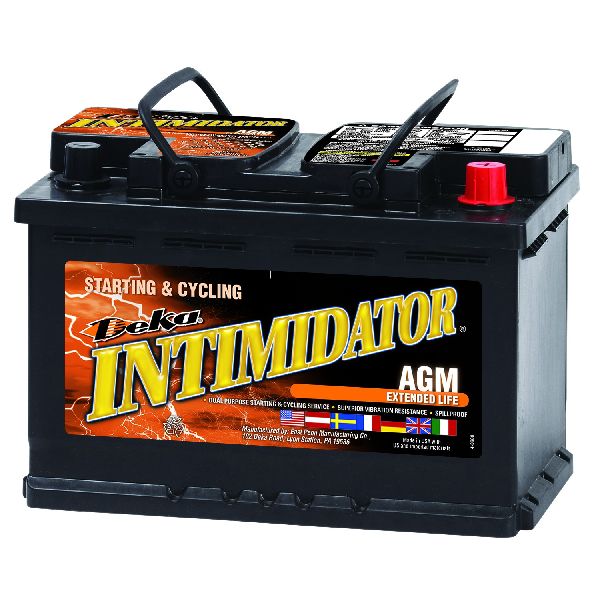
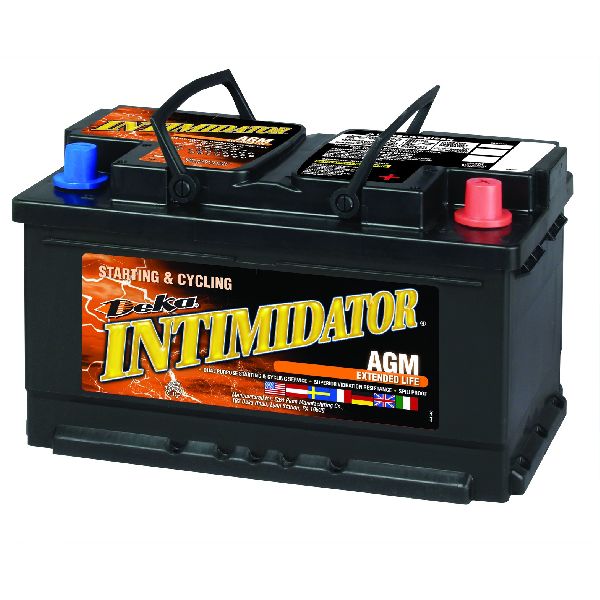


The information in this article is provided for general reference and educational purposes only. Vehicle specifications, procedures, and part compatibility can vary by production date, trim level, and region. Always consult your vehicle's factory service manual and verify part numbers before purchasing or performing repairs. Safety-critical components such as airbags, seat belts, and braking systems should be installed by a qualified professional.
- Cadillac CT5:
- 🧭 Diagnostic Flowchart
- 🎬 Helpful Videos
- 🛍️ Shop This Part
- What's Unique About the 2020-2025 Cadillac CT5
- Symptoms You May Notice
- Most Likely Causes
- Rare But Worth Checking
- Diagnosis Steps
- Parts You'll Likely Need
- Related Codes That Often Appear With This One
- Technical Service Bulletins (TSBs) & Recalls
- Platform-Specific Known Issues
- Mechanic-Grade Diagnostic Values
- Hidden / Shadow Codes Worth Checking
- Scan Tool Commands That Help
- Wiring & Ground Locations
- Real Owner Repair Stories
- When the Usual Fixes Don't Work
- OEM Part Supersession History
- 🎟️ Get 5% Off