

B3055 on 2017-2018 Cadillac CT6 PLUG-IN HYBRID: No Start Causes and Fixes
Code B3055 on a 2017-2018 Cadillac CT6 means the vehicle's security system can't detect the key fob, causing a no-start. The most likely causes are a dead key fob battery, radio frequency interference from aftermarket devices like phone chargers, or a faulty key fob. Before replacing parts, remove all aftermarket electronics and try the backup starting procedure.
- B3055 means your CT6 doesn't recognize your key and has activated the anti-theft system, preventing it from starting.
- Before calling a tow truck, remove all phone chargers and other electronics from the car and try starting it again.
- The next easiest step is to try your spare key fob or replace the CR2032 battery in your primary fob.
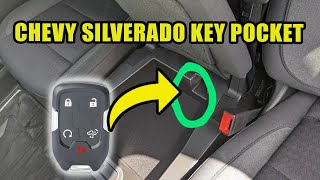
- If you have a dead fob battery, you can still start the car by placing the fob in the transmitter pocket located in the center console.
- If these simple fixes don't work, professional service is required, as replacing the key fob or Body Control Module needs special programming tools.
What's Unique About the 2017-2018 Cadillac CT6 PLUG-IN HYBRID
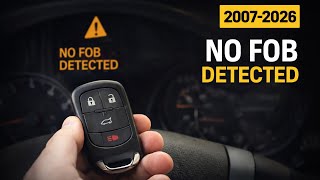
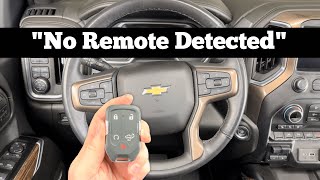
The Cadillac CT6, like many modern GM vehicles, has a highly sensitive keyless entry and start system. GM has issued multiple Technical Service Bulletins (TSBs) 🎬 Watch: This guide explains how to fix 'No Fob Detected' errors., such as PIC5650M, acknowledging that these systems are prone to radio frequency interference (RFI). This interference can come from common items like aftermarket phone chargers, dash cams, other vehicle keys, building access cards, toll passes, or even aftermarket LED interior lights. This can lead to an intermittent B3055 code and a frustrating "No Remote Detected" message, even when the key fob is inside the car. The CT6 Plug-In Hybrid was assembled in Shanghai for the North American market and featured a unique powertrain not shared with other GM hybrids like the Volt.
Diagnostic Flowchart
Tap your situation to follow the diagnostic path that matches what you're seeing on this vehicle.
Symptoms You May Notice
- Engine will not crank (no-start)
- Engine starts and immediately stalls
- "No Remote Detected" message on the Driver Information Center (DIC)
- Security indicator light is illuminated on the dashboard
- Keyless entry functions (lock/unlock) may not work
- Poor RKE (Remote Keyless Entry) range
- Replacing the starter motor. A no-crank condition might point to the starter, but B3055 indicates the issue is electronic and related to the anti-theft system, not the starter itself.
- Replacing the 12V vehicle battery unnecessarily. While a very low battery can cause issues, B3055 specifically points to a key recognition problem. Always test the battery before replacing it.
Most Likely Causes
- Radio Frequency Interference (RFI) 🔴 High Probability GM TSB PIC5650M specifically calls out that aftermarket electronics (phone chargers, LED lights, dash cams), other RFID cards (toll passes, office access cards), and even other vehicle key fobs can jam the low-frequency signal used by the keyless system.
How to confirm: Remove all aftermarket electronic devices from the vehicle's power outlets and move any other key fobs or access cards away from the vehicle's key. If the car starts, RFI was the issue. The issue is often not reproducible by the dealer because the owner may unknowingly remove the interfering item (e.g., an office access card on the keychain) before the service appointment.
Typical fix: Identify and remove the source of the interference. Use high-quality, well-shielded electronic accessories. Ferrite chokes can sometimes be used on the power cords of offending devices to suppress RFI.
Est. part cost: $0-$20 - Weak or Dead Key Fob Battery 🔴 High Probability → Shop Vehicle Battery Key fob batteries are a common failure item and are often the first component to fail in the keyless system. The battery is a standard CR2032 coin cell.
How to confirm: Try using the spare key fob. If the spare key works, the battery in the primary fob is likely dead. You can also try placing the non-working fob in the transmitter pocket, which is located in the face of the back of the center console. If the vehicle starts using this pocket, it confirms the fob's battery is too weak to transmit but the internal transponder is still good. 🎬 See how to start your vehicle with a dead fob battery.
Typical fix: Replace the CR2032 coin battery inside the key fob.
Est. part cost: $5-$10 - Faulty Key Fob 🟡 Medium Probability → Shop Keyless Entry Transmitter Internal components of the key fob, such as the transponder chip or circuit board, can fail from being dropped or from age.
How to confirm: If replacing the battery and eliminating RFI sources doesn't work, and the spare key works fine, the original key fob is likely faulty. A locksmith or dealer can also test the fob's signal output.
Typical fix: Replace the key fob and have it professionally programmed to the vehicle by a dealer or automotive locksmith. The OEM part has an FCC ID of HYQ2EB.
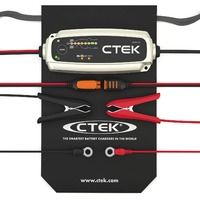
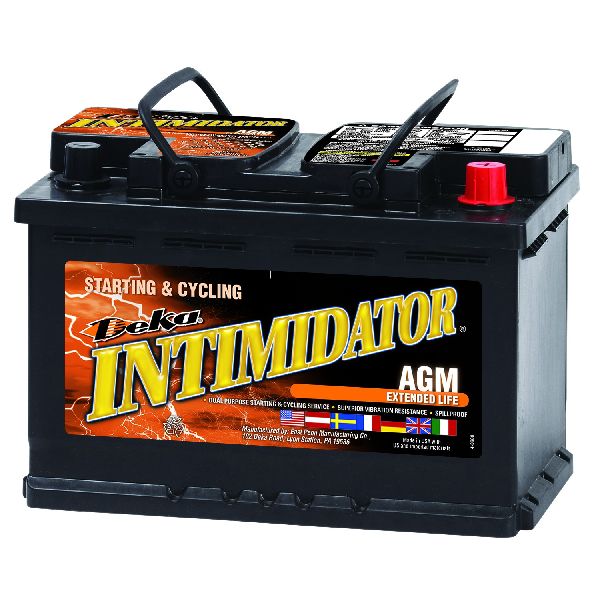
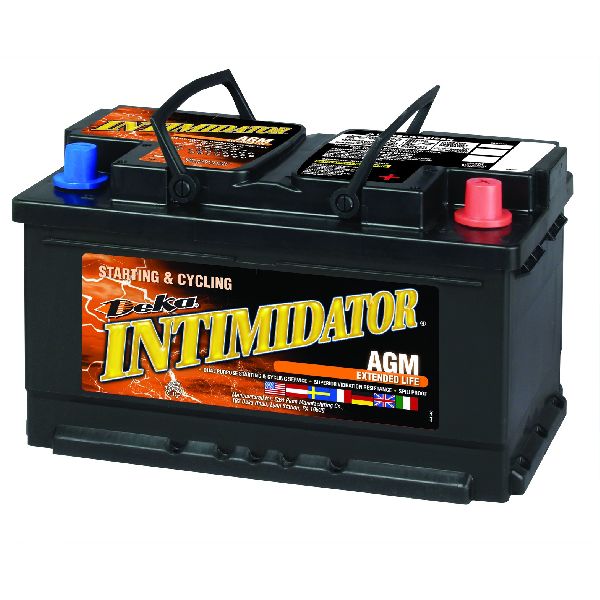
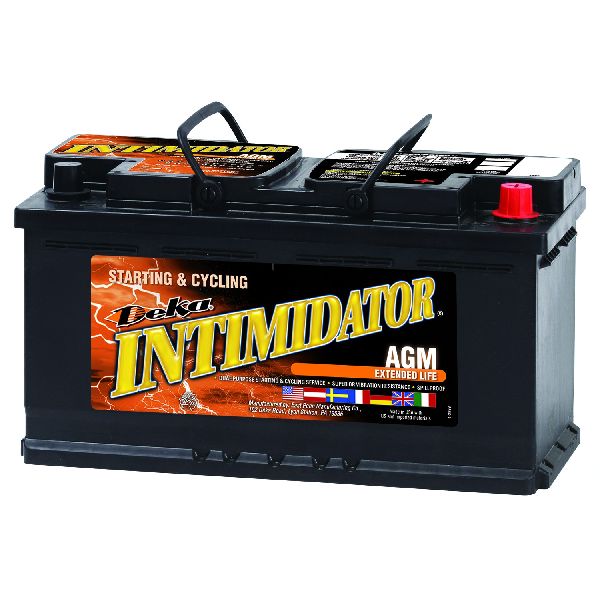
Est. part cost: $150-$400 - Weak 12V Vehicle Battery ⚪ Low Probability → Shop Vehicle Battery Low system voltage can cause communication errors between various electronic modules, including the BCM and the keyless entry system. A voltage below 12.4V can cause unpredictable electronic behavior. In one documented case on a different Cadillac model, a B3055 code was ultimately resolved by replacing a weak 12V battery and reprogramming the key.
How to confirm: Test the 12V battery with a multimeter or a battery tester. Voltage should be above 12.4V. A completely dead car will show no lights or sounds.
Typical fix: Charge or replace the 12V vehicle battery.
Est. part cost: $150-$350
Rare But Worth Checking
- Faulty Body Control Module (BCM): → Shop Body Control Module The BCM is the central computer for the security system. While possible, a BCM failure is rare for just this single code. It usually presents with multiple, seemingly unrelated electrical issues, such as erratic lights, door locks, wipers, or other communication (U-prefix) codes. However, there is a documented case of a 2018 CT6 where replacing and programming the BCM was the ultimate fix for a key recognition failure after other common causes were ruled out.
- Faulty Keyless Entry Antenna: → Shop Antenna The vehicle has several antennas to detect the key fob. If one of these antennas or its wiring is damaged, it can prevent the key from being detected. The OEM part number for a common antenna is 13546098. A failure of a single antenna may result in the key not being detected in one specific area (e.g., near the driver's door) but working elsewhere.
Diagnosis Steps
- Check for other DTCs. The presence of TPMS codes (C07xx series) strongly suggests an RFI issue.
- Remove all aftermarket devices (phone chargers, dash cams, USB adapters) from the vehicle.
- Remove any other keys, access cards, toll passes, and RFID-blocking wallets from the keychain and from inside the car.
- Attempt to start the vehicle. If it starts, one of the removed items was the source of interference.
- If the vehicle still does not start, try the spare key fob.
- If the spare key works, replace the battery (CR2032) in the non-working key fob.
- If a new battery doesn't fix the fob, try starting the car by placing the fob in the designated transmitter pocket. For the CT6, this is located inside the center console, in the face of the back of the console. 🎬 Watch: A quick look at how transmitter pockets work in GM vehicles. If it starts this way, it confirms a fob transmission issue (weak battery or faulty fob).
- If none of the above steps work, the vehicle will require professional diagnosis with a scan tool to check the Body Control Module, keyless entry antennas, and to program a new key if necessary.
Parts You'll Likely Need
- Key Fob Battery
(OEM #CR2032)— This is the most common and simplest fix. The key fob requires power to transmit its signal to the car.
Trusted brands: Energizer, Duracell, Panasonic
OEM price range: $5-$10
Aftermarket price range: $2-$8 - Smart Key Fob
(OEM #13598538, 13510255, 13544042, 13510236 (FCC ID: HYQ2EB))— If the internal transponder or circuitry fails, the entire key fob must be replaced and programmed.
Trusted brands: ACDelco, GM Genuine Parts
OEM price range: $200-$400
Aftermarket price range: $75-$150
Related Codes That Often Appear With This One
- B3060 — Often set with B3055, relating to a general transponder or immobilizer system fault.
- B3935 — Relates to a transponder authentication error, indicating a problem verifying the key's identity.
- C0750, C0755, C0760, C0765, C0775 — These codes are related to the Tire Pressure Monitoring System (TPMS), which also uses radio frequencies. Their presence alongside B3055 strongly suggests a significant source of Radio Frequency Interference (RFI) is affecting multiple vehicle systems, as noted in TSB PIC5650M.
Technical Service Bulletins (TSBs) & Recalls
- PIC5650M: This bulletin addresses intermittent no-start, 'No Fob Detected' messages, and poor remote range. It lists DTCs B3055, B3060, B3935, and TPMS codes. It explicitly warns that RFI from aftermarket devices (chargers, LEDs) and other RFID items (toll passes, other keys, access cards) can 'jam' the signal. It instructs technicians to investigate for these items before replacing parts and notes that the vehicle should still start if the fob is placed in the transmitter pocket.
Platform-Specific Known Issues
- GM Technical Service Bulletin PIC5650M directly addresses intermittent no-crank/no-start conditions with code B3055 on this and other GM vehicles. It highlights Radio Frequency Interference (RFI) from a wide range of aftermarket devices and RFID cards as a primary cause that technicians must investigate before replacing any parts.
Hidden / Shadow Codes Worth Checking
- B3055 with symptom byte: While not a separate code, GM's GDS2 software may show a symptom byte with B3055. This byte provides more specific information, such as '02' for 'Signal Erratic' or '04' for 'No Signal'. This helps a technician differentiate between interference, a weak signal, or a complete component failure. (see via GM GDS2 dealer-level scan tool.)
Scan Tool Commands That Help
- GDS2 (GM Dealer Tool): Module Diagnostics -> Remote Control Door Lock Receiver -> Configure/Reset Functions -> Add or Replace Key Fobs — This function is used to program new or additional key fobs to the vehicle after replacing a faulty fob or adding a spare.
- GDS2 (GM Dealer Tool): Immobilizer Learn — This procedure is required after replacing the Body Control Module (BCM) or other major theft-deterrent system components. It teaches the new module to recognize the vehicle's existing keys.
- GDS2 (GM Dealer Tool): Setup SDM Primary Key in BCM — This function may be required after BCM replacement to resolve a B1001 code in the Sensing and Diagnostic Module (airbag system), which can occur as a side effect of BCM replacement.
Wiring & Ground Locations
- Body Control Module (BCM) — Underneath the driver's side dashboard, to the far left, accessible after removing the upper kick panel/hush panel. It is held by two plastic clips.. The BCM is the central computer for the anti-theft system. All key recognition signals are processed here. A poor connection at one of its multi-pin connectors (e.g., X1-X7) or a faulty module can cause B3055.
- Keyless Entry Control Module (RCDLR) — The Remote Control Door Lock Receiver is typically located behind trim panels in the rear of the vehicle, often near the rear window or C-pillar, to provide good reception range.. This module directly receives the signal from the key fob. Its wiring and antenna connections are critical. A fault here or in its wiring harness is a direct cause of B3055.
- Keyless Entry Antennas — The CT6 uses multiple low-frequency antennas. Locations include the center console, instrument panel/dashboard area, and behind the rocker panel moldings.. These antennas are what detect the key fob's presence inside and near the vehicle. A fault in a specific antenna or its wiring (e.g., connector X225) can cause a 'No Remote Detected' message in a particular area of the car.
- Data Link Connector (DLC) — Under the driver's side dashboard, to the left of the steering column.. This is the OBD-II port used to connect a scan tool for diagnosis. Fuse F12 in the instrument panel fuse block protects this circuit.
Real Owner Repair Stories
- Go-Parts.com repair documentation (2018 Cadillac CT6) — Key recognition failure, likely presenting as a 'No Remote Detected' message and a no-start condition with code B3055.
❌ Tried (didn't work) Replacing the key fob battery, Checking for Radio Frequency Interference (RFI), Replacing the Remote Control Door Lock Receiver (RCDLR) module as suggested by TSBs
✅ What actually fixed it The ultimate cause was a faulty Body Control Module (BCM). The vehicle was fixed by replacing the BCM and programming the new module to the vehicle.
OEM Part Supersession History
13598538→13544042— Part revision or manufacturer change for the Smart Key Fob.
Heads up: The new part number (13544042) is the direct replacement for the original (13598538) and should be compatible.13592451→13546098— Part revision for the Low Frequency Keyless Entry Antenna.
Heads up: 13546098 is the direct replacement for 13592451 and is used across many GM models.
Model Year Variations Within This Range
- 2018: The 2018 CT6 Plug-In Hybrid received an updated Cadillac User Experience (CUE) infotainment system (version 2.6), which added the 'Collection' app store and 'Teen Driver' features. This was a software change and is unlikely to directly affect the B3055 code, but it represents a known electronic difference between the two model years.
Helpful Videos
We Have This Part in Stock


The information in this article is provided for general reference and educational purposes only. Vehicle specifications, procedures, and part compatibility can vary by production date, trim level, and region. Always consult your vehicle's factory service manual and verify part numbers before purchasing or performing repairs. Safety-critical components such as airbags, seat belts, and braking systems should be installed by a qualified professional.
- Cadillac CT6 PLUG-IN HYBRID:
- 🧭 Diagnostic Flowchart
- 🎬 Helpful Videos
- 🛍️ Shop This Part
- What's Unique About the 2017-2018 Cadillac CT6 PLUG-IN HYBRID
- Symptoms You May Notice
- Most Likely Causes
- Rare But Worth Checking
- Diagnosis Steps
- Parts You'll Likely Need
- Related Codes That Often Appear With This One
- Technical Service Bulletins (TSBs) & Recalls
- Platform-Specific Known Issues
- Hidden / Shadow Codes Worth Checking
- Scan Tool Commands That Help
- Wiring & Ground Locations
- Real Owner Repair Stories
- OEM Part Supersession History
- Model Year Variations Within This Range
- 🎟️ Get 5% Off