

B3055 on 2015-2019 Cadillac CTS: 'No Remote Detected' and No-Start Fixes
B3055 on a 2015-2019 Cadillac CTS typically means the car's security system can't detect the key fob, leading to a no-start condition. The most common and cheapest fix is replacing the CR2032 battery in the key fob, which costs less than $5. If the battery is dead, the car can still be started by placing the fob in a dedicated pocket inside the center console.
- B3055 means your Cadillac CTS cannot detect a valid key, which prevents it from starting.
- The first and most likely solution is to replace the CR2032 battery in your key fob.
- If the fob battery is dead, you can still start the car by placing the fob in the special pocket inside the center console.
- Do not immediately assume the starter or main car battery is bad; this code points specifically to the security system.
- Any fix beyond a simple fob battery replacement, such as programming a new key, will require a visit to a dealer or a qualified automotive locksmith.
What's Unique About the 2015-2019 Cadillac CTS
The third-generation Cadillac CTS (2014-2019) uses a Passive Entry Passive Start (PEPS) system. This code is a common indicator of a communication breakdown within this specific system. GM has issued multiple revisions of Technical Service Bulletin #PIC5650, which directly address intermittent no-crank or start-and-stall issues related to B3055 on these vehicles. The bulletin acknowledges a high sensitivity to radio frequency interference (RFI) from common aftermarket devices like phone chargers and even non-OEM LED interior lights.
Diagnostic Flowchart
Tap your situation to follow the diagnostic path that matches what you're seeing on this vehicle.
Symptoms You May Notice
- Vehicle will not crank or start.
- Engine starts and immediately stalls.
- Security indicator light on the dashboard is on or flashing.
- A 'No Remote Detected' message appears on the Driver Information Center (DIC).
- Remote functions like lock/unlock work intermittently or not at all.
- A 'Service Theft Deterrent System' message may appear on the DIC.
- Replacing the starter motor when the no-crank is caused by the security system.
- Replacing the vehicle's main battery without testing it first, when the actual problem is the small battery in the key fob.
- Replacing the BCM without first ruling out all other causes, especially RF interference and faulty fobs.
Most Likely Causes
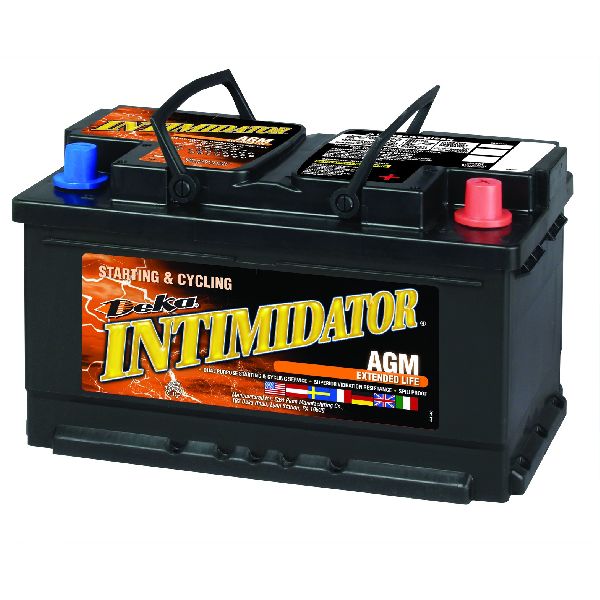
- Weak or Dead Key Fob Battery 🔴 High Probability → Shop Vehicle Battery The key fob's PEPS system requires constant communication, and its small CR2032 battery has a limited lifespan of 1-3 years. This is the most frequent cause of the 'No Remote Detected' message.
How to confirm: Try starting the car with your spare key fob. If it works, the issue is the primary fob. You can also place the non-working fob in the dedicated transmitter pocket inside the center console storage area (under the rubber mat); if the car starts, it confirms the fob's battery is too weak for wireless transmission but the internal transponder chip is still good.
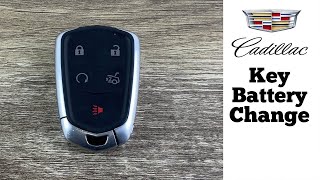
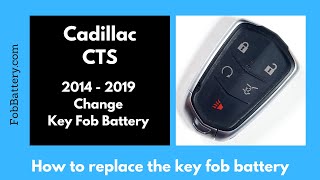
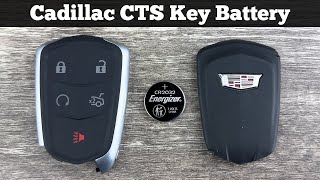
Typical fix: Replace the CR2032 battery in the key fob. Pry the case open at the seam where the emergency key was removed. 🎬 Watch: Step-by-step guide to opening your CTS key fob. The positive (+) side of the battery faces down.
Est. part cost: $1-$5 - Faulty Key Fob 🟡 Medium Probability → Shop Keyless Entry Transmitter Internal components of the key fob can fail from being dropped, water damage, or age. A broken transponder chip or damaged circuit board will prevent it from communicating with the car.
How to confirm: If a new battery doesn't fix the issue and the spare key works perfectly, the original key fob is likely defective. A technician can also test the fob's signal output with a specialized tool. In extreme cases, physical destruction of the fob is the obvious cause.
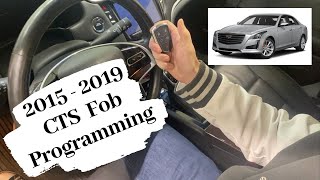
Typical fix: Replace the key fob and have it professionally programmed to the vehicle. 🎬 Watch: How to program a new smart key remote yourself.
Est. part cost: $100-$300 - Radio Frequency (RF) Interference ⚪ Low Probability GM TSB #PIC5650 specifically warns that the PEPS system is sensitive to RFI. Common sources include aftermarket phone chargers, USB power banks, non-OEM LED interior lights, and even other RFID cards on the same keychain.
How to confirm: Remove all other keys, fobs, and electronic devices from your keychain and from inside the car (especially anything plugged into the 12V outlets). Try starting the vehicle in a different location (e.g., away from large radio towers) to rule out external interference.
Typical fix: Identify and remove the source of interference from near the key or ignition system. GM advises dealers to use an RFI meter to locate stray signals if the source is not obvious.
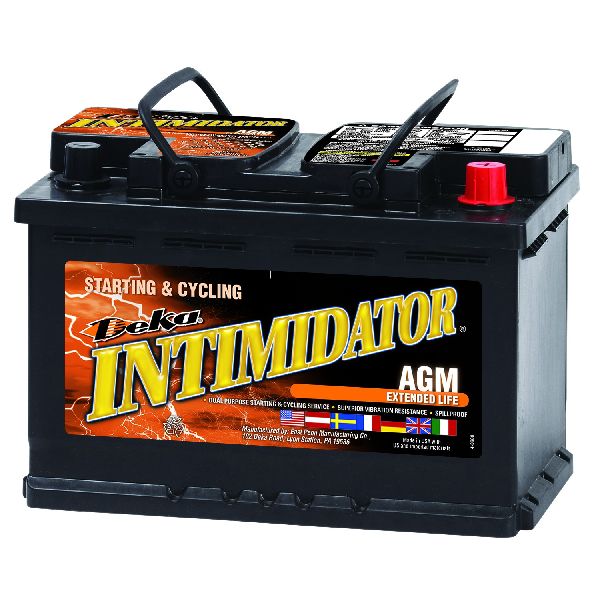
Est. part cost: $0 - Weak Main Vehicle Battery ⚪ Low Probability → Shop Vehicle Battery A weak 12V vehicle battery can cause a wide range of electronic issues, including insufficient power for the BCM or other modules to properly detect the key fob signal. A technician on Reddit noted a B3055 code was accompanied by a vehicle battery reading only 10.5V, and a new battery was required before a new key could be programmed.
How to confirm: Test the vehicle's main battery with a multimeter or battery tester. A reading below 12.4 volts at rest may indicate a problem. Check for corrosion on the battery terminals.
Typical fix: Charge or replace the vehicle's 12V battery.
Est. part cost: $150-$350
Rare But Worth Checking
- Faulty Keyless Entry Control Module / BCM: → Shop Keyless Entry Module If neither key fob works, even after battery replacement, and there is no interference, the module in the car that receives the signal may have failed. This requires professional diagnosis with a GM MDI or similar scan tool to check for internal BCM faults. In some cases, the BCM may need to be reset by disconnecting the battery for 30 seconds before it will clear the code.
- Damaged Keyless Entry Antenna: → Shop Antenna The vehicle has several antennas to detect the key's location: in the door handles, center console, and rear compartment. If one is damaged or its wiring is loose, detection can fail. A common part number for an antenna on this platform is 13580788. Diagnosis requires testing the resistance and signal at each antenna.
Diagnosis Steps
- Check the Driver Information Center (DIC) for a 'No Remote Detected' message.
- Replace the CR2032 battery in the key fob. This is the most common and cheapest first step.
- If a new battery doesn't work, try your spare key fob. If the spare works, the original fob is faulty.
- If you don't have a spare or it also fails, place the key fob in the transmitter pocket. For the 2015-2019 CTS, this is located inside the center console storage area, under a rubber mat. 🎬 See how to use the transmitter pocket to start your car. Place the fob in the pocket and try to start the car normally. This bypasses the need for a strong fob battery.
- Ensure no aftermarket electronic devices (phone chargers, USB power banks, dash cams) are plugged in or active inside the car. These are known sources of RF interference.
- Check the health of the main 12V vehicle battery; low voltage can cause various electronic faults, including this one.
- If the vehicle still won't start, a professional diagnosis with a scan tool is needed to check the Body Control Module (BCM), Theft Deterrent Module (TDM), and keyless entry antennas for faults. The technician will check for shorts or high resistance in the TDM circuits.
Parts You'll Likely Need
- Key Fob Battery
(OEM #CR2032)— This is the most common failure point leading to a 'No Remote Detected' message and code B3055.
Trusted brands: Energizer, Duracell, Sony
OEM price range: $3-$8
Aftermarket price range: $1-$5 - Keyless Entry Transmitter (Key Fob) — If the fob's internal electronics fail, it must be replaced and programmed. Ensure the replacement has the correct FCC ID (HYQ2AB for the 2014-2019 CTS).
Trusted brands: ACDelco (OEM), Dorman
OEM price range: $150-$250
Aftermarket price range: $50-$120
Related Codes That Often Appear With This One
- B3060 — Both codes are related to the key transponder and immobilizer system and are often set together, as noted in TSB #PIC5650M.
- B3935 — This code is also related to the transponder system and can appear alongside B3055 during a security system fault, as mentioned in TSB #PIC5650M.
- C0750, C0755, C0760, C0765, C0775 — These chassis codes relate to tire pressure monitor sensors but are listed in TSB #PIC5650M as potentially appearing with B3055, suggesting a broader electronic module communication issue or shared sensitivity to RFI.
Technical Service Bulletins (TSBs) & Recalls
- PIC5650M: Addresses intermittent no crank, no start, or start/stall concerns with the security light on, which may set DTC B3055, B3060, and others. Emphasizes checking for RF interference from aftermarket accessories.
- PIT5030E: While for different models with a flip-key, this TSB notes that incorrect key position can also set a B3055, showing the system's sensitivity to physical key orientation.
Platform-Specific Known Issues
- A GM Technical Service Bulletin (TSB #PIC5650, with multiple revisions like M) was issued for these vehicles regarding an intermittent no crank, no start, or start/stall condition with the security light on, where DTC B3055 may be found. This bulletin points towards potential RF interference from aftermarket devices like phone chargers or LED lights as a primary, hard-to-diagnose cause.
- The emergency start procedure is crucial for owners. The transmitter pocket is located inside the center console storage area, under a removable rubber mat. Placing the fob here allows the car to start even with a dead fob battery.
Mechanic-Grade Diagnostic Values
- BCM Ground Circuit Resistance — expected: < 10 ohms. Failure: A reading greater than 10 ohms indicates high resistance or an open in the ground circuit.
- BCM B+ Circuit Voltage — expected: B+ (Battery Positive Voltage). Failure: Voltage significantly lower than battery voltage indicates a problem in the power supply circuit.
- Keyless Entry Antenna Signal Circuit Voltage — expected: < 1 V (Ignition ON). Failure: A reading greater than 1 V indicates a short to voltage in the signal circuit.
- Keyless Entry Antenna Signal Circuit Resistance to Ground — expected: Infinite resistance (OL). Failure: Any reading less than infinite indicates a short to ground.
Hidden / Shadow Codes Worth Checking
- B3055 00: This is the most common variant, indicating 'No Transponder Modulation or No Transponder' without a more specific sub-fault. It is the default code when the TDM or BCM simply fails to detect a valid key transponder signal. (see via A GM-specific scan tool like a GDS2/Tech2 or a high-end professional scanner that can read manufacturer-specific symptom bytes.)
Scan Tool Commands That Help
- GDS2: Immobilizer Learn — This function is required after replacing a key fob, the Body Control Module (BCM), or the Theft Deterrent Module (TDM). It guides the technician through a timed security procedure to program the new components to the vehicle.
- GDS2: Add/Replace Key Fobs — Used to program additional key fobs or replace a lost/damaged one. It's found under the 'Remote Control Door Lock Receiver' module diagnostics and configuration/reset functions.
- GDS2: Immobilizer Data Display — Allows viewing of live data parameters such as 'Transponder Key' status (e.g., 'Present' or 'Not Present'), which is crucial for confirming if the module is seeing any key at all.
- GDS2: Prepare RCDLR for key fob programming — A specific function that may be needed on some models to enable the on-board programming mode, especially if the standard procedure fails. It involves a timed wait of around 10-12 minutes.
Wiring & Ground Locations
- Body Control Module (BCM) — Located under the driver's side dashboard, directly above the accelerator pedal. It has multiple large connectors, typically color-coded (green, white, blue, black, brown, pink, gray).. The BCM is the central module that processes the key fob signal from the antennas and communicates with the Theft Deterrent Module. Poor connections or corrosion at the BCM connectors can directly cause code B3055.
- BCM Ground — A primary ground point for the BCM is often located behind the left kick panel. Technicians must follow GM Service Bulletin 07-08-47-004D, which warns to ALWAYS disconnect the negative battery terminal before disconnecting any BCM ground to prevent internal module damage.. A poor ground connection to the BCM can cause a host of intermittent electronic issues, including the inability to correctly read the key fob transponder, leading to B3055.
- Keyless Entry Antennas — These vehicles have multiple low-frequency antennas: inside the center console (for the emergency start pocket), in the door handles, and in the rear compartment/package shelf area.. These antennas are what broadcast the challenge signal to the key fob and receive its response. A damaged antenna or a fault in its wiring is a less common but possible cause for B3055.
Real Owner Repair Stories
- CaddyInfo Forums (2008 Cadillac CTS (Similar Passkey III+ system)) — Intermittent no-start with 'Service Theft System' on the DIC. Codes B2955 and B3055 were present. Tapping on the dash around the ignition keyhole would sometimes allow the car to start.
❌ Tried (didn't work) Ignoring the problem.
✅ What actually fixed it The user theorized a loose connection on the transponder reader coil around the ignition cylinder. Another user confirmed that this symptom (tapping the dash to get it to start) indicates the wire to the reader is about to break and needs replacement before it fails completely, leaving the driver stranded. - BL Automotive YouTube Channel (2008 Cadillac CTS (Similar BCM architecture)) — Multiple 'U' communication codes, windows going down on their own, various electrical issues.
❌ Tried (didn't work) Initial scan showed widespread communication loss.
✅ What actually fixed it The technician traced the issue to a 20-pin connector behind the driver's kick panel that had severe water intrusion and corrosion. A specific pin supplying power to a section of the BCM was completely corroded and gone, causing the gateway and communication failures. The fix required repairing the corroded connector and pins.
OEM Part Supersession History
13580812→13594028, 13598511, 13510242— Standard part evolution and consolidation by the manufacturer.
Heads up: These part numbers are generally interchangeable for the 2015-2020 Cadillac Escalade, which uses the same HYQ2AB key fob as the CTS. Always verify the FCC ID (HYQ2AB) and button configuration before purchasing.
Helpful Videos

We Have This Part in Stock



The information in this article is provided for general reference and educational purposes only. Vehicle specifications, procedures, and part compatibility can vary by production date, trim level, and region. Always consult your vehicle's factory service manual and verify part numbers before purchasing or performing repairs. Safety-critical components such as airbags, seat belts, and braking systems should be installed by a qualified professional.
- Cadillac CTS:
- 🧭 Diagnostic Flowchart
- 🎬 Helpful Videos
- 🛍️ Shop This Part
- What's Unique About the 2015-2019 Cadillac CTS
- Symptoms You May Notice
- Most Likely Causes
- Rare But Worth Checking
- Diagnosis Steps
- Parts You'll Likely Need
- Related Codes That Often Appear With This One
- Technical Service Bulletins (TSBs) & Recalls
- Platform-Specific Known Issues
- Mechanic-Grade Diagnostic Values
- Hidden / Shadow Codes Worth Checking
- Scan Tool Commands That Help
- Wiring & Ground Locations
- Real Owner Repair Stories
- OEM Part Supersession History
- 🎟️ Get 5% Off