

B3055 on 2012-2016 Cadillac CTS-V: No Start, Security Light Causes and Fixes
Code B3055 on a 2012-2016 CTS-V means the anti-theft system can't read your key, causing a no-start. For 2012-2015 models, ensure the flip key is fully extended, a known issue cited in GM TSB PIT5030E. For 2016 models, the most common fix is replacing the CR2032 key fob battery. For all years, remove other fobs, chargers, and toll passes from the car to rule out Radio Frequency Interference (RFI) as noted in TSB PIC5650M.
- B3055 means your car's anti-theft system has disabled the engine because it cannot recognize the key.
- Before any repairs, perform the simple checks: remove all aftermarket electronics and other fobs (RFI), try your spare key, and ensure the key is used correctly (fully extended for flip-keys, or placed in the backup slot for push-to-start).
- Do not assume the starter or main battery is bad. This code points specifically to the security system.
- Any fix that involves a new key or control module will require professional programming.
What's Unique About the 2012-2016 Cadillac CTS-V
The 2012-2016 CTS-V spans two generations with different key systems, which is crucial for diagnosing B3055. The second-gen (2012-2015) uses a traditional flip-out key, and a common issue is the key not being fully extended, causing a read error as noted in GM TSB PIT5030E. The third-gen (2016) uses a push-to-start system where a weak fob battery is a more frequent culprit. Both systems are highly sensitive to Radio Frequency Interference (RFI) from aftermarket electronics like phone chargers, a problem GM has acknowledged across many models in the comprehensive TSB PIC5650 series.
Diagnostic Flowchart
Tap your situation to follow the diagnostic path that matches what you're seeing on this vehicle.
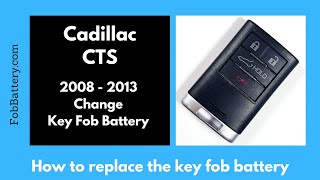
Generation note: This range covers the end of the second-generation CTS-V (2012-2015), which uses a switchblade-style ignition key (GM Passkey III+ system 🎬 Watch: How to change the battery in your switchblade key), and the first year of the third-generation (2016), which uses a keyless push-to-start system. The diagnostic approach differs slightly between them.
Symptoms You May Notice
- Engine will not crank or start.
- Engine starts and immediately stalls.
- Security indicator light is illuminated or flashing on the dashboard.
- "Service Theft System" or "No Remote Detected" message on the Driver Information Center (DIC).
- Replacing the starter motor. A starter failure does not typically illuminate the security light or set a B-series (Body) code like B3055.
- Replacing the fuel pump. While the engine may not get fuel, it's because the security system has disabled it, not because the pump has failed.
Most Likely Causes
- Radio Frequency Interference (RFI) 🔴 High Probability GM TSB PIC5650M specifically highlights that aftermarket electronics (phone chargers, dash cams), toll passes, or even other key fobs on the same keychain can disrupt the key's 125 kHz signal. The system is sensitive, and stray RF signals can easily 'jam' the communication between the key and the car.
How to confirm: Remove all other keys, fobs, and access cards from the Cadillac key ring. Unplug any aftermarket chargers or devices from the vehicle's power outlets and try to start the car again.
Typical fix: Isolate the Cadillac key from other RFID-enabled devices and remove interfering electronics. No parts are required.
Est. part cost: $0 - Key Not Fully Extended (2012-2015 models) 🔴 High Probability As documented in GM TSB PIT5030E, if the flip-out key is not fully locked in the straight position, the transponder chip may not align correctly with the reader coil in the ignition cylinder. This can happen if the release button is accidentally pressed while inserting the key.
How to confirm: Remove the key from the ignition, ensure it is fully extended and locked straight, then re-insert it and attempt to start the engine.
Typical fix: Develop the habit of ensuring the key is fully extended before use. No parts are required.
Est. part cost: $0 - Weak or Dead Key Fob Battery (2016 models) 🔴 High Probability → Shop Vehicle Battery The keyless system relies on the fob's battery to transmit its signal. A weak battery is the most common reason for a 'No Remote Detected' message and can lead to a B3055 code.
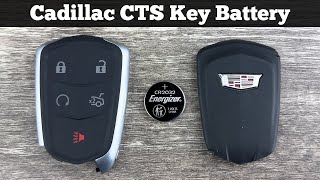
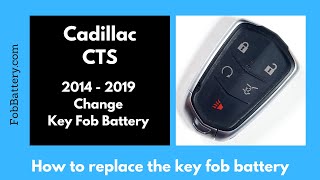
How to confirm: Try starting the car by placing the key fob in the dedicated transmitter pocket, which is located inside the center console storage area. 🎬 See this quick guide for replacing your 2016 key battery If the car starts, the fob battery is the problem.
Typical fix: Replace the CR2032 battery inside the key fob.
Est. part cost: $2-$8 - Defective or Damaged Key/Fob Transponder 🟡 Medium Probability → Shop Keyless Entry Transmitter The internal transponder chip can be damaged if the key is dropped or exposed to moisture, or it can simply fail with age. This is a common point of failure for the code.
How to confirm: Attempt to start the vehicle with a second, known-good spare key. If the spare key works consistently, the original key is faulty.
Typical fix: The faulty key must be replaced and programmed to the vehicle by a dealer or locksmith. OEM part numbers for the 2016 fob include 13580811, 13598507, and 13594024.
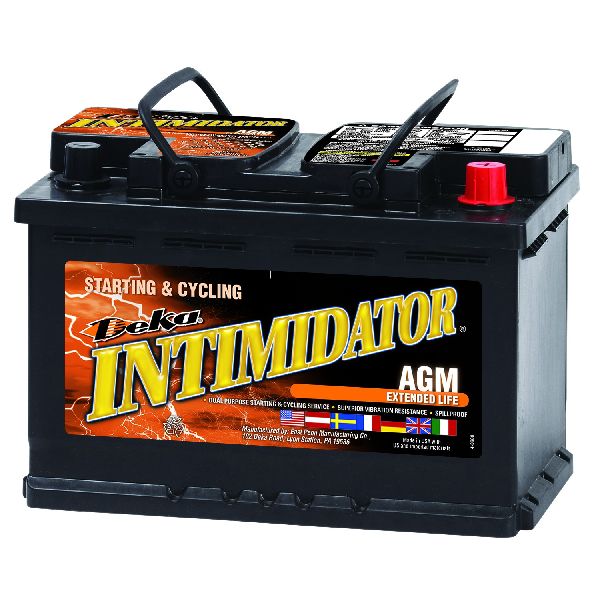
Est. part cost: $70-$250 - Weak or Dead 12V Vehicle Battery 🟡 Medium Probability → Shop Vehicle Battery Low system voltage can cause unpredictable behavior in electronic modules, including the BCM, which may incorrectly trigger a security fault like B3055. The security system check requires stable battery voltage to run correctly.
How to confirm: Test the main vehicle battery with a multimeter. A healthy battery should show approximately 12.6V at rest. A reading below 12.4V at rest or below 10V during cranking indicates a problem.
Typical fix: Charge or replace the 12V vehicle battery.
Est. part cost: $150-$350 - Faulty Ignition Lock Cylinder / Exciter Coil (2012-2015 models) ⚪ Low Probability → Shop Ignition Switch The exciter coil is a wire ring around the ignition cylinder that powers the key's transponder. This wire can break or its connection can become loose over time, especially on higher mileage vehicles.
How to confirm: If multiple known-good keys fail and RFI has been ruled out, this is the next likely suspect. A user on CaddyInfo forums reported that tapping the dashboard near the ignition key could temporarily restore the connection, confirming a wiring or coil issue.
Typical fix: Replace the ignition lock cylinder, which includes the exciter coil. An example OEM part number is 20869121. Aftermarket options like Dorman 924-718 are also available.
Est. part cost: $80-$300
Rare But Worth Checking
- Faulty Body Control Module (BCM) or Theft Deterrent Module (TDM): → Shop Anti-Theft Control Module While rare, the module itself can fail. This is usually a last resort after all other possibilities (keys, wiring, interference) have been eliminated. Diagnosis requires a professional scan tool to check for internal module faults and communication on the serial data bus.
Diagnosis Steps
- Check for a security light on the dash. If it's on, the problem is with the anti-theft system.
- Remove all other keys, fobs, toll passes, and aftermarket phone chargers from the vehicle and from the Cadillac keychain to eliminate Radio Frequency Interference (RFI).
- For 2012-2015 models (keyed ignition): Remove the key, ensure the switchblade is fully extended and locked straight, then re-insert and try again. This is a specific fix noted in TSB PIT5030E.
- For 2016 models (push-to-start): Try starting the car by placing the key fob in the designated transmitter pocket inside the center console. If it starts, replace the fob's CR2032 battery.
- Try starting the vehicle with a known-good spare key. If the spare works, the primary key is defective and needs replacement.
- Test the main 12V vehicle battery. Ensure voltage is above 12.4V. A low battery can cause numerous electronic faults, including false security codes.
- If the vehicle still won't start, a professional scan tool is needed to monitor the 'TDM Transponder Key' parameter. If it reads 'Not Present' for all keys, the issue is likely a faulty ignition lock cylinder/exciter coil (2012-2015), a bad keyless entry antenna (2016), or a control module.
- A 30-minute key relearn procedure (cycling the key to 'ON' for 10 minutes, three times) may work on some older GM vehicles but is less likely to resolve this issue on these models without professional tools.
Parts You'll Likely Need
- Key Fob Battery
(OEM #CR2032)— For 2016 push-to-start models, this is the most common and cheapest fix for a weak signal and a 'No Remote Detected' message.
Trusted brands: Energizer, Duracell, Panasonic
OEM price range: $5 - Transponder Ignition Key / Fob
(OEM #13580811, 13598507 (2016 Fob))— The transponder chip inside the key can fail. If a spare key works, the original key is bad.
Trusted brands: ACDelco (OEM), Strattec
OEM price range: $150-$250 - Ignition Lock Cylinder
(OEM #20869121)— For 2012-2015 models, the exciter coil that reads the key is part of this assembly and can fail, requiring replacement of the cylinder.
Trusted brands: ACDelco (OEM), Dorman (924-718), Standard Motor Products
OEM price range: $60-$90
Related Codes That Often Appear With This One
- B3060 — This code for 'Unprogrammed Key Transponder' or 'Security System Sensor Data Incorrect but Valid' can appear if the system sees a key but cannot validate its programming.
- B3935 — Means 'Transponder Authentication Failed' and can be set alongside B3055 during a communication fault between the key and the module.
- PIC5650M — This is a Technical Service Bulletin, not a DTC, but it directly links B3055, B3060, and B3935 to intermittent no-start conditions caused by RFI across a wide range of GM vehicles.
Technical Service Bulletins (TSBs) & Recalls
- PIC5650M / PIC5650K: Diagnostic tip for intermittent no-crank/no-start with B3055, B3060, B3935. The primary cause identified is Radio Frequency Interference (RFI) from a wide variety of aftermarket devices like phone chargers, LED lights, and even building access cards.
- PIT5030E: Diagnostic tip for intermittent no-crank on vehicles with a flip-out key (like the 2012-2015 CTS-V). States that if the key is not fully locked in the straight position, it can cause a B3055 code.
Platform-Specific Known Issues
- An intermittent no-crank or start-stall with the security light on is a known issue, as documented in TSB PIC5650M, often related to RFI.
- For models with a flip key (2012-2015), an intermittent no-crank can be caused by the key not being fully extended, as noted in TSB PIT5030E.
Mechanic-Grade Diagnostic Values
- Ignition Exciter Coil Circuit Resistance — expected: Less than 10 ohms. Failure: An open circuit or high resistance reading indicates a faulty exciter coil or wiring.
- Vehicle Battery Voltage (at rest) — expected: Approximately 12.6V. Failure: A reading below 12.4V indicates a potential battery issue that can cause various electronic faults, including B3055. A voltage of 10.5V was noted in one case where B3055 was present.
Scan Tool Commands That Help
- GM Tech 2 / GDS2: NEW BCM SETUP — When replacing the Body Control Module (BCM), this special function is required to program the new module with the vehicle's specific RPO configurations and security information.
- GM Tech 2 / GDS2: Passlock Learn Procedure — After replacing the BCM or a key, this procedure is necessary to synchronize the components with the vehicle's anti-theft system.
- GM Scan Tool: Monitor 'TDM Transponder Key' Parameter — During diagnosis, this live data parameter helps determine if the system is failing to see any key ('Not Present' for all keys, pointing to a vehicle-side issue like the exciter coil) or just one specific key ('Not Present' for one key, confirming a bad key).
Wiring & Ground Locations
- Body Control Module (BCM) — Located in the center of the dash for the 2012 CTS.. The BCM is a central module for the anti-theft system. All signals from the key and Theft Deterrent Module are processed here. A bad connection or faulty BCM can be a root cause of B3055.
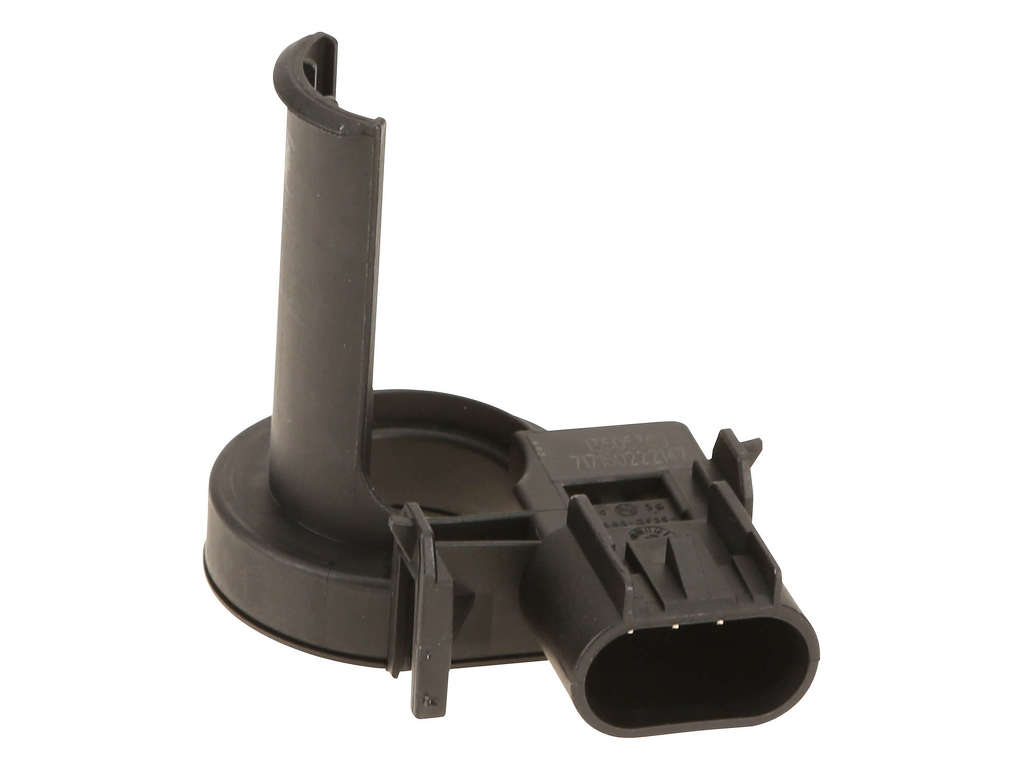
- Theft Deterrent Module (TDM) — For models without remote start, the TDM is located on the top of the steering column. It is often on the end of the ignition lock cylinder housing.. The TDM directly receives the signal from the key's transponder via the exciter coil. It is the primary module for reading the key.
- G200 — Located in the left kick panel area.. This is a major interior ground point. A loose or corroded G200 can cause intermittent issues with multiple modules that rely on it, including the anti-theft system.
- G201 — Located in the right kick panel area.. This is another primary interior ground point. A video for a similar model showed that inspecting ground G201 was a specific diagnostic step for BCM communication issues.
Real Owner Repair Stories
- CaddyInfo Forums (2008 Cadillac CTS (similar Passkey III+ system)) — Intermittent no-start with 'Service Theft System' on the DIC. Codes B2955 and B3055 were present.
❌ Tried (didn't work) Ignoring the problem, which became more frequent.
✅ What actually fixed it The user theorized a loose connection or failing wire on the transponder reader coil around the ignition cylinder. Tapping on the dash near the ignition keyhole would temporarily allow the car to start, confirming an intermittent physical connection issue with the coil or its wiring. - Reddit user in r/Justrolledintotheshop (GM vehicle with B3055 (model not specified)) — No-start condition, horn going off, and a 'Theft Attempted' message on the DIC.
❌ Tried (didn't work) Owner insisted the starter motor was the problem., Owner provided an incorrect, used, side-post battery as a replacement.
✅ What actually fixed it A technician diagnosed DTC B3055 and found the vehicle battery was only at 10.5V. The fix was to install a new, correct battery and program a new transponder key to the vehicle, which resolved the no-start condition.
OEM Part Supersession History
15282624, 15293892, 15785084, 15825311, 15872667, 15918809, 19207816, 22707216, 22721458, 25806988, 25848845, 25979925, 89024348, 89024362→20869121— Part consolidation and design updates over many model years.
Heads up: Part 20869121 is an uncoded ignition lock cylinder and requires professional programming and/or special setup procedures to work with the vehicle's existing keys and security system.13580811, 13594024→13598507— Part update for the 5-button key fob (2016+ models).
Heads up: These fobs are for the keyless push-to-start system and are not compatible with the 2012-2015 keyed ignition models. Programming by a dealer or locksmith is required.
Model Year Variations Within This Range
- 2012-2015: Uses a keyed ignition with a Theft Deterrent Module (TDM) located on the steering column. Diagnosis focuses on the physical key, the exciter coil in the ignition cylinder, and the TDM.
- 2016: Uses a keyless push-to-start system managed by the Body Control Module (BCM). Diagnosis focuses on the key fob battery, RFI, and keyless entry antennas, with the BCM being the central controller.
Helpful Videos
We Have This Part in Stock




The information in this article is provided for general reference and educational purposes only. Vehicle specifications, procedures, and part compatibility can vary by production date, trim level, and region. Always consult your vehicle's factory service manual and verify part numbers before purchasing or performing repairs. Safety-critical components such as airbags, seat belts, and braking systems should be installed by a qualified professional.
- Cadillac CTS-V:
- 🧭 Diagnostic Flowchart
- 🎬 Helpful Videos
- 🛍️ Shop This Part
- What's Unique About the 2012-2016 Cadillac CTS-V
- Symptoms You May Notice
- Most Likely Causes
- Rare But Worth Checking
- Diagnosis Steps
- Parts You'll Likely Need
- Related Codes That Often Appear With This One
- Technical Service Bulletins (TSBs) & Recalls
- Platform-Specific Known Issues
- Mechanic-Grade Diagnostic Values
- Scan Tool Commands That Help
- Wiring & Ground Locations
- Real Owner Repair Stories
- OEM Part Supersession History
- Model Year Variations Within This Range
- 🎟️ Get 5% Off