

B3055 on 2014-2016 Cadillac ELR: No Start Causes and Fixes
Code B3055 on a 2014-2016 Cadillac ELR means the car's security system cannot detect the key fob. This results in a no-start condition with the security light on. The most common causes are a weak key fob battery, radio frequency interference from aftermarket electronics, or a faulty key fob itself.
- B3055 means your ELR doesn't recognize your key fob, preventing it from starting.
- Before panicking, remove all phone chargers and other aftermarket electronics from your car and try again.
- The next easiest step is to try your spare key fob or replace the battery in your primary fob.
- If simple fixes don't work, professional service is needed as key and module replacement requires special programming.
- Do not immediately assume an expensive component like the starter or BCM has failed; interference and fob issues are far more common.
What's Unique About the 2014-2016 Cadillac ELR
The Cadillac ELR, being a sophisticated plug-in hybrid based on the Chevrolet Volt platform, has a complex electrical architecture. Its keyless entry and start system operates on 125 kHz, 315 MHz, and 433 MHz frequencies and is highly sensitive to radio frequency interference (RFI). General Motors has issued multiple versions of Technical Service Bulletin PIC5650, warning that common aftermarket devices like phone chargers, LED lights, and even certain metallic window tints can jam the signal between the key fob and the vehicle, leading to intermittent no-start conditions and setting code B3055.
🎬 See how code B3055 causes no-start issues in this video.Diagnostic Flowchart
Tap your situation to follow the diagnostic path that matches what you're seeing on this vehicle.
Symptoms You May Notice
- Intermittent no-crank or no-start condition. [⭐ MANUFACTURER TSB — highest authority] Bulletin #PIC5650M,
- Engine starts and immediately stalls. [⭐ MANUFACTURER TSB — highest authority] Bulletin #PIC5650M,
- Security light illuminated on the dashboard. [⭐ MANUFACTURER TSB — highest authority] Bulletin #PIC5650M,
- "No Fob Detected" message on the driver information center.
- Vehicle will only start when the key fob is placed in the dedicated fob pocket/transmitter slot.
- Poor or no response from Remote Keyless Entry (RKE) buttons.
- Replacing the 12V vehicle battery. While a very low vehicle battery can cause various electrical issues, a B3055 code specifically points to a key recognition problem, not general power loss.
- Replacing the starter motor. A no-crank condition might lead one to suspect the starter, but the presence of a security-related code like B3055 indicates the starting sequence is being electronically disabled before the starter is even engaged.
Most Likely Causes
- Radio Frequency Interference (RFI) from Aftermarket Devices 🔴 High Probability GM TSB PIC5650M specifically calls out this platform's sensitivity. Aftermarket devices, especially low-quality ones plugged into the 12V/USB ports, can emit RF noise that jams the 125 kHz signal the key fob uses for passive entry and starting.
How to confirm: Unplug and remove ALL aftermarket electronic devices from the vehicle. This includes USB chargers, dash cams, phone mounts with wireless charging, aftermarket LED bulbs, and toll passes. Attempt to start the vehicle. If the problem is resolved, reintroduce devices one by one to find the culprit.
Typical fix: Identify and permanently remove the interfering device. Replace with high-quality, shielded electronics if necessary. TSB PIC5650M provides an extensive list of potential sources, including non-obvious items like building access cards or even other car keys on the same keychain.
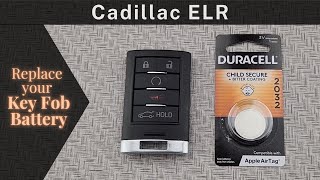
Est. part cost: $0 - Weak or Dead Key Fob Battery 🔴 High Probability → Shop Vehicle Battery The key fob's battery is required to transmit the security signal. As the CR2032 battery weakens, the signal range and strength decrease, making it harder for the car to detect, especially in an environment with existing RFI.
How to confirm: Try using the spare key fob. If the spare works reliably, the battery in the primary fob is the likely issue. Alternatively, place the non-working fob in the vehicle's transmitter pocket, located inside the center console storage area, and try to start the car. If the car starts, it confirms a weak signal from the fob.
Typical fix: Replace the CR2032 coin cell battery in the key fob.
Est. part cost: $5-$15 - Damaged or Faulty Key Fob 🟡 Medium Probability → Shop Keyless Entry Transmitter Key fobs can be damaged by being dropped or exposed to moisture, causing the internal transponder chip or circuitry to fail.
How to confirm: Test with a spare key fob. If the spare works and the primary does not (even with a new battery and after checking for RFI), the primary fob is likely faulty.
Typical fix: The faulty key fob must be replaced and programmed to the vehicle by a dealer or a qualified 🎬 Watch: How to program new fobs on this vehicle platform. automotive locksmith with GM-specific tools.
Est. part cost: $150-$400
Rare But Worth Checking
- Faulty Body Control Module (BCM): → Shop Body Control Module While less common, the BCM itself can fail, causing a wide range of electrical issues, including a no-start with B3055. This is usually suspected after all other possibilities (key fobs, batteries, interference) have been exhaustively ruled out. A failed BCM often throws communication codes (U-codes) along with other DTCs. This is an expensive repair that requires programming or cloning of the original module.
- Damaged Immobilizer Antenna/Exciter: → Shop Antenna The antenna (exciter coil) around the start button or in the key fob pocket energizes and reads the key transponder. Damage to this component or its wiring can prevent key detection. This is an uncommon failure point but can happen. Diagnosis involves checking the wiring and potentially the component itself.
- Incorrectly Folded 'Flip' Key (on other GM models): While the ELR uses a solid fob, it's worth noting that on other GM vehicles with a 'flip' key, TSB PIT5030E mentions that if the key is not fully extended and locked straight, it can cause an intermittent B3055. This highlights the sensitivity of the transponder's position relative to the exciter coil.
Diagnosis Steps
- Confirm the security light is on or flashing on the dashboard. This is a primary indicator of a theft-deterrent issue.
- Crucial First Step: Remove ALL aftermarket accessories from the vehicle. Unplug everything from the 12V and USB ports (chargers, dash cams, etc.) and remove any electronic toll passes or access cards from the cabin.
- Try starting the vehicle with the spare key fob. If it works, the problem lies with the primary fob or its battery.
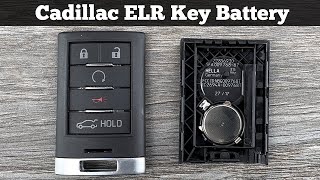
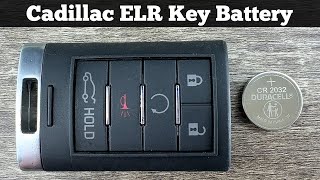
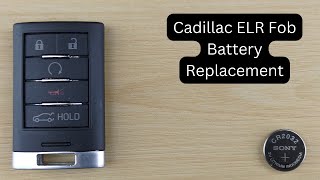
- If the primary fob is suspected, replace its CR2032 battery. 🎬 Watch: Step-by-step guide to replacing your ELR key fob battery. This is a cheap and easy step.
- If a new battery doesn't solve it, place the problematic fob in the dedicated transmitter pocket. For the ELR, this is a slot or indentation inside the center console storage compartment. Attempt to start the car. If it starts, this confirms a weak signal from the fob or persistent RFI.
- Inspect the key fobs for any physical damage, such as cracks or water ingress.
- Scan the Body Control Module (BCM) with a professional-grade scan tool capable of reading GM-specific body codes to confirm B3055 is current and check for other related codes like B3060, B3935, or U-codes.
- If no interference is found and both key fobs fail to work (even in the transmitter pocket), the vehicle requires professional diagnosis of the BCM, immobilizer antenna, and associated wiring. This may involve using an RFI meter to find hidden sources of interference.
Parts You'll Likely Need
- Key Fob Battery
(OEM #CR2032)— This is the most common and cheapest fix for a weak transponder signal.
Trusted brands: Energizer, Duracell, Panasonic
OEM price range: $5-$15
Aftermarket price range: $5-$10 - Keyless Entry Remote Fob
(OEM #GM 22856930)— If the fob itself is damaged or faulty, it will need to be replaced and programmed. Part numbers can vary, so confirming with a dealer using the VIN is recommended.
Trusted brands: ACDelco, GM Genuine Parts
OEM price range: $150-$300
Aftermarket price range: $70-$150 - Body Control Module (BCM)
(OEM #13580698 or 13593775)— In rare cases where the BCM has failed, it must be replaced. This is an expensive part that requires professional programming/cloning.
Trusted brands: GM Genuine Parts, ACDelco
OEM price range: $300-$500
Aftermarket price range: N/A (Programming is required)
Related Codes That Often Appear With This One
- B3060 — This code, "Unlearned Transponder Key," often appears with B3055, indicating a problem with the key's programming or the security system's ability to validate it. [⭐ MANUFACTURER TSB — highest authority] Bulletin #PIC5650M,
- B3935 — Relates to the transponder circuit. It can be set alongside B3055 when there's a communication breakdown between the key and the car. [⭐ MANUFACTURER TSB — highest authority] Bulletin #PIC5650M,
- U0140 — This code for 'Lost Communication With Body Control Module' can appear if the BCM itself is failing, which can be a root cause for the B3055 code. A poor ground at G218 is a known cause for this code.
Technical Service Bulletins (TSBs) & Recalls
- PIC5650M: Addresses intermittent no-crank, no-start, or security light concerns caused by Radio Frequency Interference (RFI) from aftermarket devices, listing B3055 as a common related DTC. This is the most critical document for this issue. [⭐ MANUFACTURER TSB — highest authority] Bulletin #PIC5650M,
- PIT5030E: While for other GM models with a flip-key, this TSB is relevant as it shows how sensitive the key's transponder position is, noting that a key not fully extended can cause B3055.
Platform-Specific Known Issues
- The 2014-2016 Cadillac ELR is highly susceptible to Radio Frequency Interference (RFI) from aftermarket electronics, which is a primary cause of intermittent B3055 codes as documented in multiple revisions of GM TSB PIC5650. [⭐ MANUFACTURER TSB — highest authority] Bulletin #PIC5650M,
- The transmitter pocket for emergency starting is located inside the center console storage bin. The fob should be placed in the indentation to allow the car to start if the fob battery is dead or RFI is present.
Mechanic-Grade Diagnostic Values
- Immobilizer Antenna (Exciter Coil) Resistance — expected: Approximately 7-10 Ω. (Note: A specific GM value is not published, but a value of ~8.5 Ω is a known good value for similar systems from other manufacturers).. Failure: An open circuit (infinite resistance) or a dead short (0 Ω) indicates a failed antenna coil.
- Immobilizer Signal Circuit Voltage — expected: Less than 1 V between the signal circuit terminal at the BCM and a known good ground.. Failure: A reading of 1 V or greater indicates a short to voltage in the wiring harness, which requires repair.
Hidden / Shadow Codes Worth Checking
- B3055 00: The '00' is a GM-specific symptom byte. For this DTC, it means 'No Sub Type Information', indicating that the primary code description 'No Transponder Modulation or No Transponder' contains all the available fault information from the module's perspective. (see via A professional GM-specific scan tool like the GDS2 or a high-end aftermarket scanner that can read GM symptom bytes.)
Scan Tool Commands That Help
- GDS2 (GM Diagnostic Software): Add/Replace Key Fobs — This function is used after a key fob has been replaced. The path is typically: Module Diagnostics -> Body Control Module (or Remote Control Door Lock Receiver) -> Configure/Reset Functions -> Add/Replace Key Fobs. This puts the system into learn mode to program the new fob.
- GDS2 (or equivalent): Immobilizer Data List — When diagnosing a B3055, view the live data from the BCM. Look for parameters like 'Environment Identification' or 'BCM Key Part Number'. If the status is 'No Key Detected' or the part number is blank when a known-good key is present, it points towards a fault in the antenna, wiring, or BCM receiver, rather than the key itself.
Wiring & Ground Locations
- Body Control Module (BCM) — On the 2014-2016 Cadillac ELR, the BCM is located on the passenger side of the vehicle, in the right-hand cowl/firewall area, typically accessible from under the dash or by removing the kick panel.. The BCM is the central module for the immobilizer system. All signals from the key fob and immobilizer antennas are processed here. All wiring checks for the immobilizer system will originate or terminate at the BCM connectors.
- Ground G218 — Located in the driver's side footwell, under the dash/kick panel area, attached to a metal body stud. It is often hidden behind a layer of foam insulation which can get trapped between the ground eyelet and the body, causing a poor connection.. G218 is a critical ground point for the Body Control Module on many GM platforms. A loose or corroded connection here can cause a loss of communication with the BCM (DTC U0140) and a host of other electrical issues, including a no-start and immobilizer faults like B3055.
- Immobilizer Antennas — The ELR has multiple low-frequency antennas. The primary one for starting is an exciter coil around the push-to-start button. A second antenna is located in the transmitter pocket inside the center console storage area, used for starting when the fob battery is dead.. These antennas energize the transponder in the key fob. Damage to the antenna or its wiring to the BCM will directly cause a B3055 code because the fob's signal cannot be read.
Real Owner Repair Stories
- YouTube user 'ADD AUTOMOBILE SERVICES' (2013 Chevrolet Equinox (similar GM immobilizer system)) — Intermittent no-start with security light on and DTC B3055 stored. The original key would sometimes fail to be recognized.
❌ Tried (didn't work) Starting with the original key would intermittently fail.
✅ What actually fixed it The internal transponder chip in the original key was failing intermittently. The technician used a VVDI key tool to read the data from the original key and 'clone' it onto a new super chip, which was then placed inside the original key housing. This resolved the intermittent no-start condition, proving the vehicle's immobilizer system was working correctly and the key's transponder was the point of failure.
Helpful Videos
Used OEM Parts in Stock
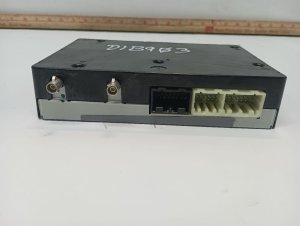
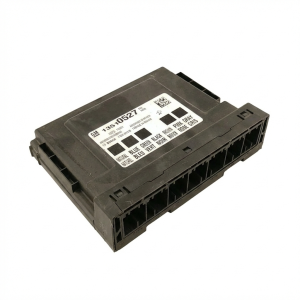
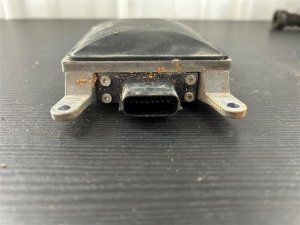
New Aftermarket Parts Available

The information in this article is provided for general reference and educational purposes only. Vehicle specifications, procedures, and part compatibility can vary by production date, trim level, and region. Always consult your vehicle's factory service manual and verify part numbers before purchasing or performing repairs. Safety-critical components such as airbags, seat belts, and braking systems should be installed by a qualified professional.
- Cadillac ELR:
- 🧭 Diagnostic Flowchart
- 🎬 Helpful Videos
- 🛍️ Shop This Part
- What's Unique About the 2014-2016 Cadillac ELR
- Symptoms You May Notice
- Most Likely Causes
- Rare But Worth Checking
- Diagnosis Steps
- Parts You'll Likely Need
- Related Codes That Often Appear With This One
- Technical Service Bulletins (TSBs) & Recalls
- Platform-Specific Known Issues
- Mechanic-Grade Diagnostic Values
- Hidden / Shadow Codes Worth Checking
- Scan Tool Commands That Help
- Wiring & Ground Locations
- Real Owner Repair Stories
- 🎟️ Get 5% Off