

B3055 on 2010-2016 Cadillac SRX: 'No Remote Detected' Causes and Fixes
Code B3055 on a 2010-2016 Cadillac SRX means the vehicle's security system cannot detect the key fob transponder. The most common fix is to replace the CR2032 battery in the key fob. If that fails, try starting the car by placing the fob in the dedicated transmitter pocket located at the bottom of the center console storage area.
- B3055 means your SRX doesn't recognize your key fob, which prevents it from starting.
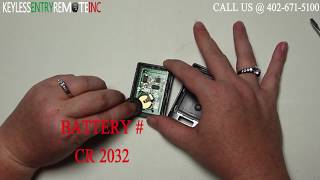
- First, try the simplest fixes: replace the key fob's CR2032 battery.
- If a new battery doesn't work, use the emergency slot in the center console to start the car.
- Remove any aftermarket phone chargers, toll passes, or other electronics, as they are a known cause of this issue on the SRX.
- If none of the above work, you will likely need a new key fob or further diagnosis from a professional locksmith or dealer.
What's Unique About the 2010-2016 Cadillac SRX

The 2010-2016 Cadillac SRX relies on a keyless push-to-start system that is sensitive to radio frequency interference (RFI). GM has issued multiple Technical Service Bulletins (TSBs), including PIC5650B, noting that intermittent no-start conditions with code B3055 can be caused by aftermarket electronic devices like phone chargers, toll passes, other vehicle keys, or building access cards. Before suspecting a faulty module, it's crucial to eliminate these external interference sources by removing them from the keychain and the vehicle's interior.
Diagnostic Flowchart

Tap your situation to follow the diagnostic path that matches what you're seeing on this vehicle.
Symptoms You May Notice

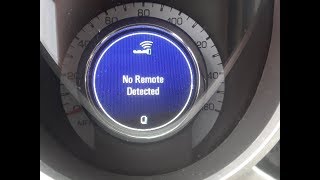
- "No Remote Detected" message on the Driver Information Center (DIC).
- Engine will not crank or start when the push-button ignition is pressed.
- Security indicator light is illuminated or flashing on the dashboard.
- Intermittent start-and-stall condition.
- Remote functions (lock/unlock/remote start) may work intermittently or not at all.
- Having to place the key fob in the center console pocket to start the vehicle.
- Replacing the starter motor. A starter failure typically presents with a single click or no sound, but it will not set a security-related code like B3055 or display a 'No Remote Detected' message.
- Replacing the vehicle's main battery. While a weak car battery can cause a no-start, it won't specifically trigger the B3055 code. The primary symptom of B3055 is a security message, not slow cranking.
Most Likely Causes

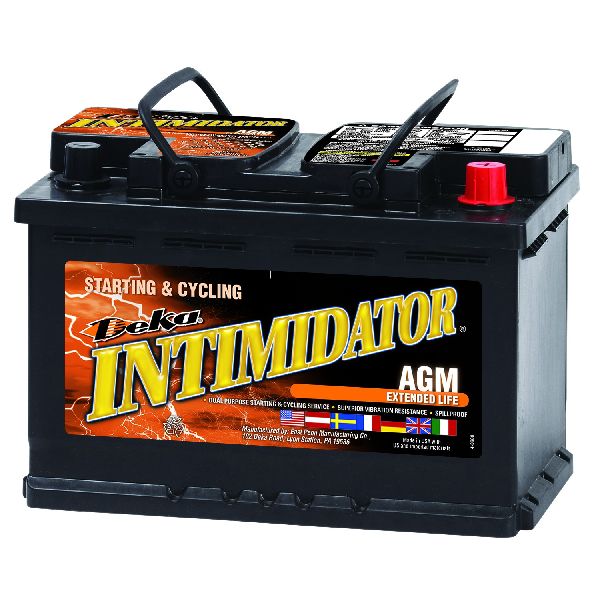
- Weak or Dead Key Fob Battery 🔴 High Probability → Shop Vehicle Battery The keyless system constantly communicates with the vehicle, leading to natural battery depletion over 1-2 years. This is the most frequent and simple cause.
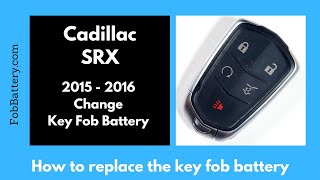
How to confirm: Try the vehicle's second key fob. If it works, the first fob's battery is the likely culprit. The DIC may also display a 'Replace Battery in Remote Key' message. A video guide shows how to replace the CR2032 battery. 🎬 Watch this quick DIY guide to replace your fob battery.
Typical fix: Replace the CR2032 battery inside the key fob.
Est. part cost: $2-$10 - Radio Frequency Interference (RFI) 🟡 Medium Probability As noted in GM TSB PIC5650B, the vehicle's security system is sensitive to interference from common devices. Specific sources mentioned include other vehicle keys, building access cards, fuel station speed passes, and aftermarket phone chargers.
How to confirm: Remove all other keys, access cards, toll passes, and aftermarket chargers from the vehicle and from the key ring. Attempt to start the vehicle again. If it starts, one of the removed items was causing interference. Owners on forums have noted issues with cheap LED lights and CANBUS signals from other devices.
Typical fix: Keep RFID-emitting devices and aftermarket electronics away from the key fob and vehicle interior.
Est. part cost: $0 - Using the Emergency Key Slot 🟡 Medium Probability This is a built-in feature to bypass a dead fob battery, but many owners are unaware of its location and function.
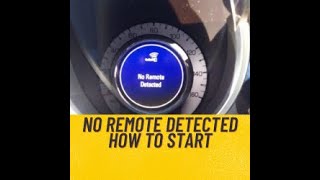
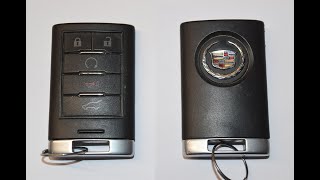
How to confirm: Place the key fob into the dedicated transmitter pocket located at the bottom of the center console storage compartment, sometimes under a removable tray. 🎬 See how to start your SRX using the transmitter pocket. If the vehicle starts, it confirms the issue is with the fob's ability to transmit over a distance (likely a weak battery or RFI).
Typical fix: This is a diagnostic step and temporary workaround. The root cause (usually the fob battery) still needs to be addressed.
Est. part cost: $0 - Faulty Key Fob ⚪ Low Probability → Shop Keyless Entry Transmitter
How to confirm: If a new battery and placing the fob in the console slot do not work, but the second key fob works perfectly, the first fob's internal transponder or transmitter has likely failed.
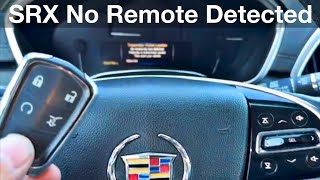
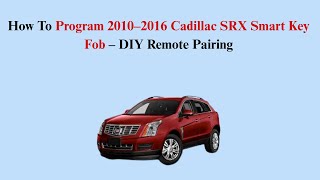
Typical fix: Replace and program a new key fob. This must be done by a dealer or automotive locksmith. A DIY programming procedure exists if all keys are lost, but it is complex and takes over 30 minutes. 🎬 Watch the step-by-step procedure for DIY smart key programming.
Est. part cost: $100-$300
Rare But Worth Checking
- Faulty Body Control Module (BCM): → Shop Body Control Module The BCM is the central computer for the security system. While not common, a failure here can cause B3055 and other electrical issues like non-working power windows, erratic cluster behavior, and HVAC problems. This is a last resort after all key fob and interference issues have been ruled out. Replacement can cost between $300 and $900.
- Damaged Underhood Fuse Block/Main Fuse: In some cases, a poor connection or internal break in the main 250-amp fuse on the positive battery terminal fuse block can cause intermittent no-start conditions and various electrical faults, mimicking a security issue. This may occur after a battery replacement if the terminal was stressed.
- Faulty Remote Control Door Lock Receiver (RCDLR): → Shop Keyless Entry Receiver This module receives the signal from the key fob. If it fails, the car won't detect the remote even with a good battery. If neither fob works remotely but both work in the console pocket, the RCDLR or its antenna could be the problem. Diagnosis requires a professional scan tool.
Diagnosis Steps
- Attempt to start the vehicle with your second key fob. If it works, the issue is with your primary fob.
- Replace the CR2032 battery in the non-working key fob.
- If a new battery doesn't work, place the key fob directly into the transmitter pocket and try to start the engine. The pocket is located inside the center console storage area, at the bottom. You may need to lift a small tray to access it.
- Remove all potential sources of Radio Frequency Interference (RFI) from the vehicle. This includes other key fobs, garage door openers, toll passes, building access cards, and aftermarket phone chargers. Try starting again.
- Inspect the main fuse block on the positive battery terminal for any signs of damage or loose connections, as this can cause similar intermittent no-start symptoms.
- If the vehicle still fails to start, scan for other trouble codes. Codes like B3060 or B3935 confirm a security system fault.
- If neither key works and the console pocket does not help, the issue may be with the vehicle's receiver (RCDLR) or BCM. This requires professional diagnosis with a scan tool capable of reading GM body codes.
Parts You'll Likely Need
- Key Fob Battery
(OEM #CR2032)— This is the most frequent cause for the 'No Remote Detected' message and B3055 code.
Trusted brands: Energizer, Duracell, Panasonic
OEM price range: $5-$10
Aftermarket price range: $2-$5 - Keyless Entry Transmitter (Key Fob)
(OEM #NBG009768T (FCC ID). OEM P/N can be 20984232 (3-button) or 22865375 (5-button).)— If the fob's internal electronics fail, it must be replaced. The vehicle will not start without a recognized fob.
Trusted brands: ACDelco (OEM), Dorman, Strattec
OEM price range: $150-$250
Aftermarket price range: $70-$120
Related Codes That Often Appear With This One
- B3060 — This code relates to an unprogrammed transponder key, often appearing with B3055 during key-related security faults, as cited in GM TSB PIC5650B.
- B3935 — This code indicates a transponder authentication failure, directly related to the BCM not being able to verify the key, also mentioned in TSB PIC5650B.
Technical Service Bulletins (TSBs) & Recalls
- PIC5650B: Addresses intermittent no crank, no start, or start stall with security light on and DTCs B3055, B3060, B3935. It highlights RFI from aftermarket devices and other RFID cards as a primary diagnostic path across a wide range of GM vehicles, including the SRX.
- PIT5030E: While for keyed ignitions, this TSB also notes that DTC B3055 can be set by issues with key transponder communication, reinforcing the sensitive nature of the Passkey system.
Platform-Specific Known Issues
- The official GM Technical Service Bulletin PIC5650B (and later revisions) directly addresses an intermittent no-crank or start-stall condition with DTC B3055. It points heavily towards RFI from sources like other keys, toll passes, and access cards as a hard-to-duplicate cause.
- The emergency start transmitter pocket is located deep inside the center console storage bin, often under a removable tray, which can make it difficult for owners to find without prior knowledge.
Mechanic-Grade Diagnostic Values
- Scan Tool 'TDM Transponder Key' Parameter — expected: Present. Failure: Parameter reads 'Not Present' when a known good key is used to start the car.
- Transponder Signal Circuit Resistance to Ground — expected: Infinite resistance (OL). Failure: Any reading less than infinite indicates a short to ground in the signal wire between the BCM and the ignition's exciter coil.
- Transponder Signal Circuit End-to-End Resistance — expected: Less than 2.0 ohms. Failure: A reading higher than 2.0 ohms indicates high resistance or an open in the signal wire.
Hidden / Shadow Codes Worth Checking
- B3055 00: This code with a '00' symptom byte can mean either 'No Transponder Modulation' (key issue) or 'Loss of Communications with RFA' (Remote Function Actuator module issue). Differentiating between these requires a high-end scan tool and points the technician toward either a key/transponder problem or a module/wiring problem. (see via GM GDS2 or equivalent professional scan tool that can read body module symptom bytes.)
Scan Tool Commands That Help
- GDS2 / Tech2: Immobilizer Data Display — Use this function to monitor the 'Transponder Key' status parameter in real-time. If it changes from 'Not Present' to 'Present' when using the backup key or placing the primary key in the transmitter pocket, it helps confirm the issue is with remote transmission (battery/RFI) rather than a module failure.
- GDS2 / Tech2: BCM Module Setup > Program Key Fobs — This function is required after replacing a key fob or the Body Control Module (BCM). It initiates the vehicle's relearn mode to accept the new component's security credentials.
- GDS2 / Tech2: Clear All DTCs — After a repair (like replacing a fob battery or removing an RFI source), a hard reset of the code is necessary. A history code can sometimes cause lingering issues until cleared with a scan tool.
Wiring & Ground Locations
- RCDLR (Remote Control Door Lock Receiver) — The RCDLR is typically located behind the trim in the rear quarter panel or headliner area to provide good reception. Its exact location may vary, but it is the primary receiver for the key fob signal.. If both key fobs fail to work remotely but DO work when placed in the console pocket, the RCDLR or its antenna/wiring is a primary suspect. The console pocket uses a low-frequency signal that doesn't rely on the main RCDLR antenna.
- K74 Human Machine Interface (HMI) Module Connectors — For 2013-2016 models with the CUE system, this module is located behind the center stack/instrument panel.. GM TSBs for other issues have identified poor terminal tension or bent pins at the HMI module connectors as a source of data communication problems. Since the security system relies on the same data bus, a physical inspection of these connectors is a valid diagnostic step for intermittent communication codes like B3055 on CUE-equipped models.
Real Owner Repair Stories
- YouTube channel 'Project Sullivan Auto' (2013 Chevrolet Malibu (similar GM platform)) — Intermittent no-crank, no-start condition. All dash lights come on, but engine does not turn over. Battery voltage confirmed good (12.8V).
❌ Tried (didn't work) Assuming it was a weak battery., Checking the starter motor., Locking and unlocking the doors with the fob., Using the remote start feature.
✅ What actually fixed it The diagnostic process in the video strongly pointed to Radio Frequency Interference (RFI) as the culprit. The scan tool suggested RFI could be interfering with the immobilizer system. The final advice was to remove all other keys and RF-emitting devices from the keychain and vehicle interior before suspecting a component failure, which aligns with GM TSB PIC5650.
Model Year Variations Within This Range
- 2013-2016: For the 2013 model year, the SRX received a major refresh that included the introduction of the Cadillac User Experience (CUE) infotainment system. This added the Human Machine Interface (HMI) module (K74) to the vehicle's data network. This module, and its wiring, represents an additional potential point of failure for communication-related DTCs like B3055 that does not exist on 2010-2012 models.
Helpful Videos
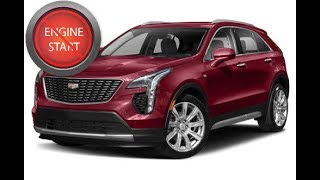

We Have This Part in Stock



The information in this article is provided for general reference and educational purposes only. Vehicle specifications, procedures, and part compatibility can vary by production date, trim level, and region. Always consult your vehicle's factory service manual and verify part numbers before purchasing or performing repairs. Safety-critical components such as airbags, seat belts, and braking systems should be installed by a qualified professional.
- Cadillac SRX:
- 🧭 Diagnostic Flowchart
- 🎬 Helpful Videos
- 🛍️ Shop This Part
- What's Unique About the 2010-2016 Cadillac SRX
- Symptoms You May Notice
- Most Likely Causes
- Rare But Worth Checking
- Diagnosis Steps
- Parts You'll Likely Need
- Related Codes That Often Appear With This One
- Technical Service Bulletins (TSBs) & Recalls
- Platform-Specific Known Issues
- Mechanic-Grade Diagnostic Values
- Hidden / Shadow Codes Worth Checking
- Scan Tool Commands That Help
- Wiring & Ground Locations
- Real Owner Repair Stories
- Model Year Variations Within This Range
- 🎟️ Get 5% Off