

B3055 on 2017-2024 Cadillac XT5: 'No Remote Detected' Causes and Fixes
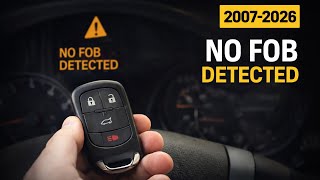
On a 2017-2024 Cadillac XT5, code B3055 usually means the vehicle cannot detect your key fob. The most likely fix is replacing the CR2032 battery in the fob. If a new battery doesn't work, place the fob in the transmitter pocket located in the center console cup holder to start the car and investigate further. This allows the car to start even with a weak fob signal and is a key diagnostic step.
- B3055 means your XT5 isn't recognizing your key fob, which will prevent it from starting.
- Before panicking, try the simplest fix: replace the CR2032 battery in your key fob.
- Use the emergency key fob pocket in the center console cup holder to start the car if the fob battery is dead or the signal is weak.
- Keep your key fob away from other keys and credit cards to prevent signal interference.
- If a new battery and your spare key don't solve the problem, you will likely need professional service for diagnosis and key programming.
What's Unique About the 2017-2024 Cadillac XT5

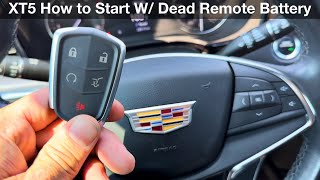
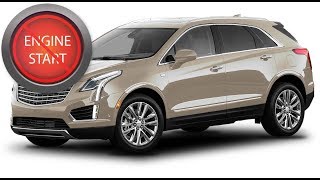
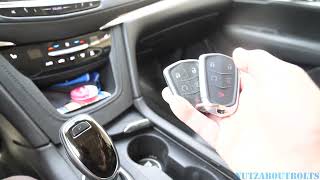
The Cadillac XT5 uses a keyless push-to-start ignition system. Unlike vehicles with a traditional metal key, the entire security handshake happens wirelessly. This makes the system susceptible to a dead fob battery or radio frequency interference. GM specifically designed an emergency start procedure for this platform: if you see a 'No Remote Detected' message, you can place the key fob into a special pocket located in the center console cup holder, which allows 🎬 Watch: How to start your XT5 with a dead remote. the car to start even with a very weak fob signal. This feature is crucial for both temporary relief and diagnosis.
Diagnostic Flowchart

Tap your situation to follow the diagnostic path that matches what you're seeing on this vehicle.
Symptoms You May Notice

- Vehicle will not crank or start
- "No Remote Detected" or "No Remote Key Was Detected" message on the driver information center.
- Security indicator light is illuminated or flashing.
- Vehicle may start and immediately stall (start-stall). [Bulletin #PIC5650M]
- Passive entry (keyless door unlocking) may not work.
- Remote Keyless Entry (RKE) functions like lock/unlock have poor range or are inoperative.
- A "Theft Attempted" message may appear on the DIC.
- Replacing the starter motor when the issue is a no-crank caused by the security system.
- Replacing the BCM when the actual problem is a simple dead key fob battery or RFI. [Bulletin #PIC5650M]
- Assuming the key fob is bad when the vehicle's 12V battery is weak and causing the electronic glitch.
Most Likely Causes

- Dead or Weak Key Fob Battery 🔴 High Probability → Shop Vehicle Battery Keyless systems constantly listen for the fob, and the battery (typically a CR2032) naturally depletes over 2-4 years.
How to confirm: Try starting the vehicle by placing the key fob in the transmitter pocket in the center console. If it starts, the fob battery is almost certainly the culprit. Another method is to use a second key fob; if it works, the first fob's battery is likely dead.
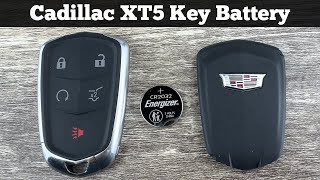
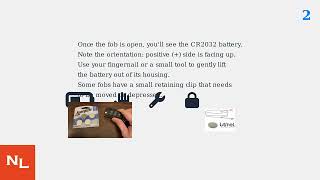
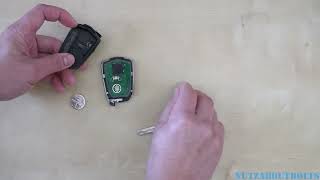
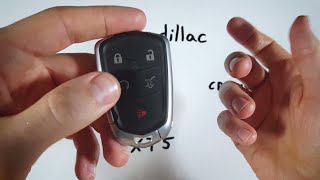
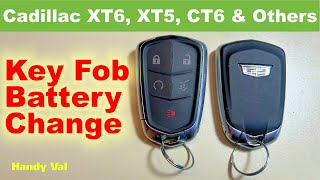
Typical fix: Replace the CR2032 coin battery inside the key fob. The positive side should face down during installation. 🎬 See this quick DIY guide to replacing your fob battery.
Est. part cost: $2-$10 - Radio Frequency Interference (RFI) 🟡 Medium Probability As noted in multiple GM technical bulletins (PIC5650 series), other RFID devices like toll passes, building access cards, aftermarket electronics (like LED lights), or even other car keys on the same ring can disrupt the 315/433 MHz signal. [19, Bulletin #PIC5650M]
How to confirm: Remove all other keys and cards from your keychain so only the XT5 fob is present. Move the vehicle to a different location to rule out environmental RFI. If the car starts, interference was the issue.
Typical fix: Keep the Cadillac key fob separate from other RFID-emitting devices. Turn off or remove any aftermarket electronic devices plugged into the vehicle's power outlets.
Est. part cost: $0 - Damaged or Faulty Key Fob 🟡 Medium Probability → Shop Keyless Entry Transmitter Dropping the key fob can damage the internal transponder chip or its connections. Physical damage, like broken buttons or a cracked case, is a strong indicator.
How to confirm: Attempt to start the vehicle with your second/spare key fob. If the spare key works perfectly, the primary fob is faulty. A visual inspection for damage is also recommended.
Typical fix: Replace the faulty key fob. A new fob must be programmed to the vehicle by a dealer or automotive locksmith with the proper tools.
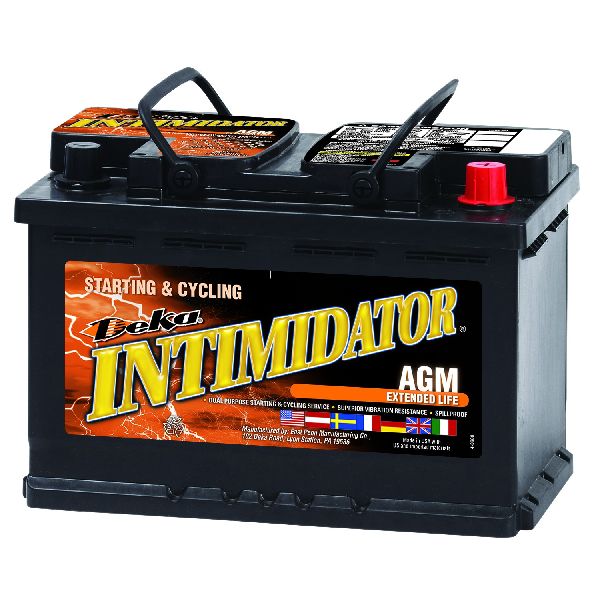
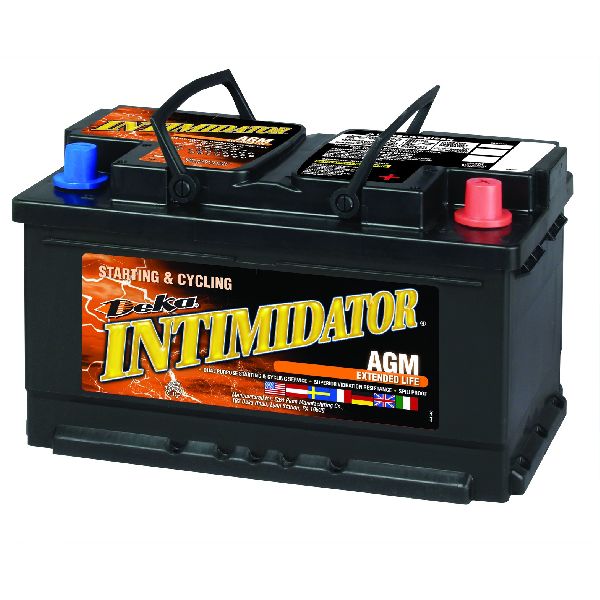
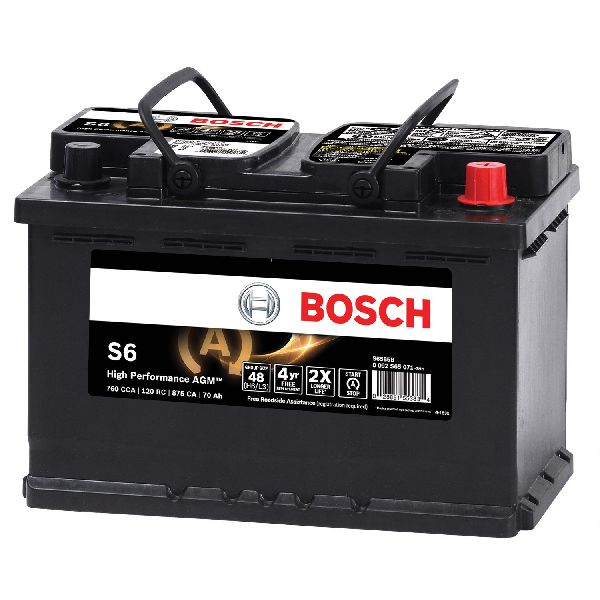
Est. part cost: $150-$400 - Weak Vehicle Battery ⚪ Low Probability → Shop Vehicle Battery Low system voltage can cause unpredictable behavior in various electronic modules, including the theft deterrent system. The XT5 has been noted by some owners to have random battery issues.
How to confirm: Test the 12V vehicle battery with a multimeter. A healthy battery should read approximately 12.6 volts with the engine off and over 13.5 volts with the engine running. A failed battery test is a clear indicator.
Typical fix: Recharge or replace the 12V vehicle battery.
Est. part cost: $150-$350
Rare But Worth Checking
- Faulty Remote Control Door Lock Receiver (RCDLR): → Shop Keyless Entry Receiver This module is the vehicle's 'ear' for the key fob and Tire Pressure Monitoring System (TPMS) signals. TSB 16-NA-396 notes that an internal issue with the RCDLR module can cause a 'No Fob Detected' message. Diagnosis requires a professional scan tool to check for communication errors with the module.
- Faulty Body Control Module (BCM): → Shop Body Control Module The BCM is the brain of the security system. This is a rare failure point and should only be considered after all other possibilities, including keys and the RCDLR, have been ruled out. In some cases, a faulty BCM can prevent the learning of new keys.
- Wiring Harness Issue: A loose connection or chafed wire between the RCDLR, its antenna, and the BCM can cause an intermittent loss of signal, leading to this code. TSB PIT5606D points to the IP harness chafing at the steering column I-shaft on 2017-2018 models as a specific failure point. This is often difficult to trace and diagnose.
Diagnosis Steps
- If the car won't start and shows a 'No Remote Detected' message, first place the key fob into the transmitter pocket located in the center console cup holder and try to start the engine.
- If the car starts from the pocket, the issue is with the wireless signal. Replace the CR2032 battery in the key fob, ensuring the positive side faces down.
- If a new battery doesn't solve the issue, remove all other keys, cards, and electronic devices (especially phone chargers and toll passes) from your keychain and vehicle to eliminate Radio Frequency Interference (RFI).
- Attempt to start the vehicle with the spare key fob. If the spare key works, the original fob is defective and needs replacement and programming.
- Check the vehicle's main 12V battery voltage to ensure it is above 12.4 volts. Low system voltage can cause electronic glitches.
- If none of the above steps resolve the issue, the problem likely lies with the vehicle's receiver (RCDLR), its antenna wiring, or the BCM. This requires professional diagnosis with a GM-compatible scan tool to check for communication faults and follow procedures outlined in TSBs like PIT5606D.
Parts You'll Likely Need
- Key Fob Battery
(OEM #CR2032)— This is the most frequent cause for the 'No Remote Detected' message and B3055 code.
Trusted brands: Energizer, Duracell, Panasonic
OEM price range: $5-$10
Aftermarket price range: $2-$5 - Keyless Entry Remote Fob
(OEM #13510245, 13598516, 13598527, 84100137, 23383585)— If the internal transponder of the key fob has failed, the entire unit must be replaced and programmed to the vehicle. It is critical to match the FCC ID (HYQ2EB) and part number.
Trusted brands: ACDelco (OEM), Standard Motor Products
OEM price range: $200-$400
Aftermarket price range: $75-$150 - Remote Control Door Lock Receiver (RCDLR) — A less common but significant cause, this module receives the key fob signal. If it fails, no key will be detected wirelessly. Often implicated if TPMS issues are also present.
Trusted brands: ACDelco (OEM)
OEM price range: $100-$250
Aftermarket price range: $70-$150
Related Codes That Often Appear With This One
- B3060 — This code relates to an unprogrammed transponder and often appears with B3055 when there is a key recognition issue. [Bulletin #PIC5650M]
- B3935 — This code indicates a transponder authentication failure, which is part of the same security handshake process that fails during a B3055 event. [Bulletin #PIC5650M]
- C0750, C0755, C0760, C0765 — These are TPMS (Tire Pressure Monitoring System) codes. The RCDLR module receives signals from both the key fobs and the tire pressure sensors. A fault in the RCDLR or its antenna can cause both key detection and TPMS issues simultaneously. [Bulletin #PIC5650M]
Technical Service Bulletins (TSBs) & Recalls
- PIC5650M: Addresses intermittent no crank, no start, or start stall concerns with the security light on, listing B3055 as a possible code.
- PIT5606D: Details potential wiring harness chafing at the steering column and water intrusion into the BCM on 2017-2018 models, which can cause a no-start condition.
- 16-NA-396: Addresses intermittent 'No Remote Detected' messages on 2017 models, suggesting an internal fault with the RCDLR module may be the cause.
Platform-Specific Known Issues
- A known issue across many GM vehicles, including the XT5 platform, is intermittent no-start conditions caused by this code, as documented in TSB PIC5650M. [Bulletin #PIC5650M]
- The vehicle is equipped with an emergency start slot in the center console cup holder specifically to overcome this issue temporarily. Knowing its location is critical for owners.
- TSB PIT5606D for 2017-2018 models points to the instrument panel wiring harness chafing against the steering I-shaft as a specific potential cause for no-start conditions and various electrical issues.
Mechanic-Grade Diagnostic Values
- Key Fob Signal Strength — expected: > 20%. Failure: A reading below 20% indicates a weak fob battery or faulty fob.
Hidden / Shadow Codes Worth Checking
- B3055 00: The '00' is a symptom byte used by GM. While a specific definition for this byte with B3055 isn't readily available, it provides technicians with more granular detail about the fault condition (e.g., signal missing, invalid signal). These are crucial for advanced diagnosis. (see via Dealer-level scan tools like GM GDS2 will display the full code with its symptom byte.)
Scan Tool Commands That Help
- GDS2: Data Display > Keyless Entry Data > Synchronization Counter — Use this to verify if the Body Control Module (BCM) is receiving any signal from the key fob. When you press a fob button, the counter should increase. If it does not, the signal is not reaching the BCM. If it does increase but functions don't work, the fob may be out of sync.
- GDS2: Module Diagnostics > Remote Control Door Lock Receiver > Configure/Reset Functions > Add/Replace Key Fobs — This is the function used by technicians to professionally program new or replacement key fobs to the vehicle.
- GDS2 or equivalent: Immobilizer Data List — To view the live status of the immobilizer system. A key parameter to watch is 'Key Status' or similar, which will display a value like 'No Key Detected' when the fault is active, confirming the nature of the problem.
Wiring & Ground Locations
- Body Control Module (BCM) — Inside the passenger cabin, typically located behind the driver-side lower dashboard panel, near the interior fuse block.. The BCM is the central computer for the keyless entry and immobilizer system. A poor connection, water damage from a clogged HVAC drain, or an internal fault in the BCM can cause B3055.
- IP Wiring Harness at I-Shaft — The Instrument Panel (IP) wiring harness where it passes the intermediate steering shaft (I-shaft) at the base of the steering column.. On 2017-2018 models, this harness is known to chafe against the rotating I-shaft, which can damage wires related to the immobilizer and other systems, causing an intermittent no-crank/no-start and setting B3055.
- Connectors X200, X201, X500, X600, X700, X800 — Various major body harness connectors in the vehicle.. TSB PIT5606D notes that water intrusion into these specific connectors can cause a range of electrical issues, including a no-start condition. Checking for corrosion here is a key step if water damage is suspected.
Real Owner Repair Stories
- Reddit user, r/Cadillac (2018 Cadillac XT5) — One of two key fobs did not work. Attempted the DIY 30-minute key relearn procedure from the owner's manual.
❌ Tried (didn't work) The 30-minute relearn procedure failed after learning the first key; it would not recognize the second key in the programming pocket., The dealership tried to program a brand new key, but it also failed to be recognized.
✅ What actually fixed it The dealership diagnosed and replaced a faulty Body Control Module (BCM). The BCM was unable to complete the key learning process. - Cadillac Society forum user (2023 XT5) — Intermittent trouble unlocking doors and 'remote not found' message when trying to start the car.
❌ Tried (didn't work) Changing the key fob battery twice in one year did not solve the problem.
✅ What actually fixed it The key fob itself was faulty and had to be replaced.
"I Checked Everything" — The Actual Cause
- A technician may find that both key fobs have good batteries and that the RCDLR module communicates with the scan tool, yet the B3055 code persists intermittently. The root cause could be a chafed wire in the instrument panel harness where it rubs against the steering I-shaft, a failure point identified in GM bulletin PIT5606D for 2017-2018 models.
- The DIY key programming procedure may fail unexpectedly. In one documented case, the procedure would learn one key but refuse to learn a second, even a brand-new one. Standard diagnostics pointed away from the key itself, ultimately revealing a faulty Body Control Module (BCM) that had to be replaced.
Model Year Variations Within This Range
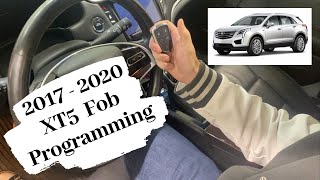
- 2017-2024 (Excluding Canada): A DIY key programming procedure exists that does not require a scan tool if no recognized transmitters are available. It involves turning the physical key in the driver's door lock 5 times, then waiting for three consecutive 10-minute intervals, pressing the START/STOP button after each. This 30-minute process erases all old keys and allows new ones to be learned. This procedure is not available in Canada.
Helpful Videos
We Have This Part in Stock


The information in this article is provided for general reference and educational purposes only. Vehicle specifications, procedures, and part compatibility can vary by production date, trim level, and region. Always consult your vehicle's factory service manual and verify part numbers before purchasing or performing repairs. Safety-critical components such as airbags, seat belts, and braking systems should be installed by a qualified professional.
- Cadillac XT5:
- 🧭 Diagnostic Flowchart
- 🎬 Helpful Videos
- 🛍️ Shop This Part
- What's Unique About the 2017-2024 Cadillac XT5
- Symptoms You May Notice
- Most Likely Causes
- Rare But Worth Checking
- Diagnosis Steps
- Parts You'll Likely Need
- Related Codes That Often Appear With This One
- Technical Service Bulletins (TSBs) & Recalls
- Platform-Specific Known Issues
- Mechanic-Grade Diagnostic Values
- Hidden / Shadow Codes Worth Checking
- Scan Tool Commands That Help
- Wiring & Ground Locations
- Real Owner Repair Stories
- "I Checked Everything" — The Actual Cause
- Model Year Variations Within This Range
- 🎟️ Get 5% Off