

B3055 on 2017-2021 Chevrolet Bolt EV: No Start, Security Light Causes & Fixes
On a 2017-2021 Bolt EV, code B3055 almost always means the car's security system can't detect your key fob, causing a no-start condition. The most common cause is radio frequency interference (RFI) from a phone charger or dash cam. Before any repairs, unplug all aftermarket electronics, try your spare key, and replace the key fob's CR2032 battery.
- B3055 on a Bolt EV means the car won't start because it can't detect the security chip in your key fob.
- The most likely cause is not a broken part, but radio interference from a phone charger or other gadget. Unplug everything first.
- Your first diagnostic steps should be to try your spare key and replace the battery in the key that isn't working.
- Do not replace the 12V battery or suspect a powertrain issue for this code until all security system possibilities have been exhausted.
- If a new key fob or Body Control Module is needed, the repair requires professional programming at a dealer or qualified shop.
What's Unique About the 2017-2021 Chevrolet BOLT EV
Unlike a gasoline car where this code would prevent an engine from cranking, on the all-electric Bolt EV, the B3055 code prevents the high-voltage contactors from closing, disabling the electric drive motor. The symptom is the same—the car won't 'start' or go into 'Ready' mode—but the underlying system being disabled is the electric powertrain, not a traditional starter motor. The Bolt EV's reliance on keyless-go makes it particularly susceptible to the radio frequency interference mentioned in GM service bulletins. This sensitivity may be related to a broader trend in GM vehicles of this era, with some owners reporting poor AM/FM radio reception, suggesting a general susceptibility to electrical noise.
Diagnostic Flowchart
Tap your situation to follow the diagnostic path that matches what you're seeing on this vehicle.
Symptoms You May Notice
- Vehicle will not start or enter 'Ready' mode.
- Intermittent no-start condition.
- "No Remote Key Was Detected" message on the Driver Information Center (DIC).
- "No remote detected use transmitter pocket to start" message on the DIC.
- Security indicator light on the dashboard is illuminated or flashing.
- Vehicle may start but then immediately stall (less common on push-to-start).
- Replacing the 12V accessory battery. While a low 12V battery can cause many strange electrical issues, B3055 specifically points to a key recognition problem, which is often independent of the main battery's state of charge. However, a technician on Reddit noted a case where a B3055 code was present alongside a failing 12V battery, so the battery should still be tested.
- Assuming the high-voltage drive unit or powertrain is faulty. The no-start condition is a security command from the BCM; it is not typically a hardware failure in the electric drive system.
Most Likely Causes
- Radio Frequency Interference (RFI) from Aftermarket Devices 🔴 High Probability As documented in GM TSB PIC5650M and its predecessors, the vehicle's low-power key detection system is easily disrupted by poorly shielded electronics. Specific culprits cited in the bulletins include phone chargers, dash cams, power inverters, USB power banks, aftermarket LED lighting, and even decorative trim rings around the ignition button.
How to confirm: Unplug ALL aftermarket devices from the 12V power outlets and USB ports. Remove any other RFID cards (office key cards, etc.) from the key ring. If the vehicle starts, RFI is the cause. A technician may use a specialized RFI meter to pinpoint the source of interference.
Typical fix: Remove or replace the offending electronic device with a higher-quality, better-shielded one.
Est. part cost: $0-$50 - Weak or Dead Key Fob Battery 🔴 High Probability → Shop Vehicle Battery
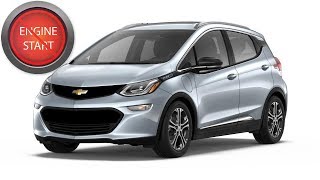
How to confirm: Try starting the vehicle with your spare key fob. If the spare works reliably, the primary fob's battery is the likely culprit. You can also try placing the non-working fob in the designated transmitter pocket, which is located inside the center console storage bin, underneath the removable tray. 🎬 Watch: How to start your Bolt with a dead fob This can often start the car even with a dead battery, though some owners on forums have reported it may not work if the battery is completely dead.
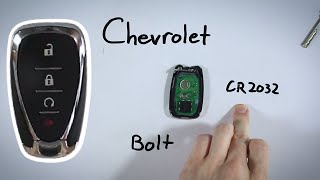
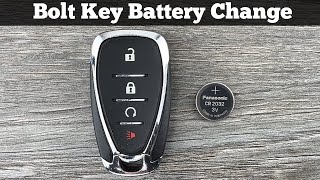
Typical fix: Replace the CR2032 coin battery inside the key fob. 🎬 See this quick walkthrough for replacing your key fob battery
Est. part cost: $1-$10 - Defective or Damaged Key Fob 🟡 Medium Probability → Shop Keyless Entry Transmitter Key fobs can be damaged by being dropped or exposed to water, causing the internal transponder chip to fail. A Reddit user shared a story of a B3055 code caused by a physically broken key with a damaged circuit board.
How to confirm: If a new battery doesn't fix the issue and the spare key works perfectly, the original key fob has likely failed. A professional scan tool can also confirm if a specific key is not being recognized.
Typical fix: Replace the faulty key fob. A new fob must be programmed to the vehicle by a dealer or a qualified automotive locksmith. 🎬 Watch: Step-by-step instructions for programming a new key fob
Est. part cost: $75-$350 - Faulty Body Control Module (BCM) ⚪ Low Probability → Shop Body Control Module
How to confirm: This is diagnosed by exclusion. If RFI has been ruled out and multiple known-good, correctly programmed keys fail to start the vehicle, the BCM itself is suspect. A technician will use a scan tool to check for communication with the BCM and test the circuits.
Typical fix: Replace the Body Control Module. A new BCM must be programmed with the vehicle's specific information and security credentials, which requires a dealer or specialized shop.
Est. part cost: $400-$700
Rare But Worth Checking
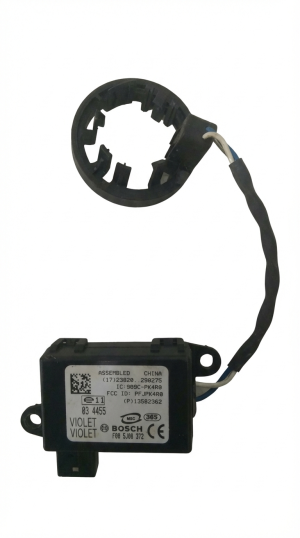
- Wiring Harness Damage: A break or short in the wiring between the keyless entry antenna(s) and the BCM can cause a loss of signal, leading to a B3055 code. This is rare but possible if the vehicle has had prior repairs or rodent damage. Some owners have reported rodent damage to antenna cables that run through the headliner.
Diagnosis Steps
- Verify the complaint. Confirm the vehicle does not start and check if the security light is on.
- Remove all sources of Radio Frequency Interference (RFI). Unplug all devices from 12V and USB ports (phone chargers, dash cams, etc.). Remove other keys and RFID cards from the keychain.
- Attempt to start the vehicle with a spare key fob. If the spare key works, the issue is with the primary key fob.
- Replace the battery (CR2032) in the non-working key fob and re-test.
- If the key fob still doesn't work, place it in the vehicle's transmitter pocket and attempt to start the car. The pocket is located in the center console storage area, under the removable liner. This provides a direct, stronger connection that bypasses the normal antennas.
- If no keys work and RFI is ruled out, scan the Body Control Module (BCM) with a professional-grade scan tool for B3055 and any other related codes.
- Using the scan tool, monitor the immobilizer data PIDs to see if the BCM is detecting a key presence at all. A 'No Key Detected' status points directly to a communication failure.
- For advanced diagnosis, a technician may use an RF signal meter (like the J-43241 or EL-52545 mentioned in GM bulletins) to scan the vehicle for stray RFI signals that could be jamming the key fob communication.
- If no key is ever detected, inspect the wiring and connectors for the keyless entry antennas and the BCM. Check fuses F04, F06, F07, F08, F09, F12, F17, and F18 in the instrument panel fuse box.
- If all keys and wiring are confirmed good, the Body Control Module (BCM) is the most likely point of failure and may require replacement and programming.
Parts You'll Likely Need
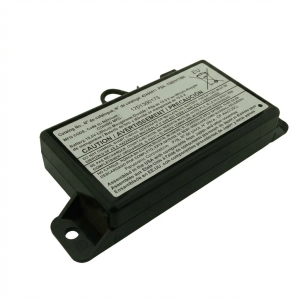
- Key Fob Battery
(OEM #19333112 (GM Part for CR2032))— This is the most common and cheapest fix for a key fob that is not transmitting a strong enough signal.
Trusted brands: Energizer, Duracell, Panasonic
OEM price range: $5-$10
Aftermarket price range: $1-$5 - Keyless Entry Remote Fob
(OEM #13529664, 13585722, 13508767 (FCC ID: HYQ4AA))— If the internal transponder chip fails, the entire fob must be replaced and programmed to the vehicle.
Trusted brands: ACDelco
OEM price range: $150-$250
Aftermarket price range: $50-$120 - Body Control Module (BCM)
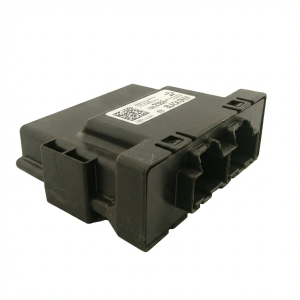
(OEM #13534187 (2017-2018))— In rare cases, the module that reads the key and controls the security system fails and must be replaced. This part requires professional programming.
Trusted brands: ACDelco
OEM price range: $400-$700
Related Codes That Often Appear With This One
- B3060 — This code, "Unprogrammed Transponder Immobilizer Key," often appears with B3055, indicating a general failure in the key learning and recognition process. It is listed in TSB #PIC5650M.
- B3935 — This code relates to the transponder circuit. It is also listed as a related code in TSB #PIC5650M, suggesting a deeper electrical fault in the immobilizer system.
- C0750, C0755, C0760, C0765, C0775 — These are tire pressure monitor sensor codes. Their inclusion in TSB #PIC5650M suggests they can be set concurrently due to broader BCM or communication network issues that also trigger B3055, as they operate on similar RF principles.
Technical Service Bulletins (TSBs) & Recalls
- PIC5650M: Addresses intermittent no crank, no start, or start stall concern with the security light coming on, listing B3055 as a potential DTC.
- PIC5650K: An updated version that provides an extensive list of potential RFI sources, including USB power banks, aftermarket LED lights, and even decorative trim rings.
Platform-Specific Known Issues
- GM Technical Service Bulletin #PIC5650M directly addresses an intermittent no crank, no start, or start/stall concern with the security light on for the Bolt EV, specifically citing DTC B3055 among others.
- Multiple versions of TSB PIC5650 (B, C, K, M) have been released over the years, all emphasizing the need to investigate RFI from aftermarket devices like chargers, LED lights, and toll passes before replacing any parts.
Hidden / Shadow Codes Worth Checking
- B3055 00: The '00' is a standard GM symptom byte for 'No Sub Type Information'. It indicates that the primary DTC (B3055) contains all the available fault information and no further detail is provided by the module. A technician seeing this knows not to look for more specific failure codes. (see via Dealer-level scan tools like GM GDS2 or advanced aftermarket scanners.)
Scan Tool Commands That Help
- GM GDS2 (Global Diagnostic System 2): Immobilizer Learn / Programming Theft Deterrent System Components — This function is required after replacing the Body Control Module (BCM) or when all keys are lost. It performs a 10-minute security relearn procedure to sync the module with the vehicle and program new keys.
- GM GDS2 (Global Diagnostic System 2): Add or Replace Key Fobs — Used under the 'Remote Control Door Lock Receiver' module diagnostics to add a new key when at least one functional key is already available. This is the standard procedure for making a spare key.
- ACDelco TDS (Technical Delivery System): Vehicle Programming Software — This is the web-based portal used with a GDS2-compatible adapter that allows independent shops and advanced DIYers to purchase a subscription ($40 per VIN for 2 years) to program modules and apply official GM software updates, including to the BCM.
Wiring & Ground Locations
- Body Control Module (BCM) — Located on the passenger side of the vehicle, on the floor, underneath the dashboard near the center console. The carpeting must be pulled back for access.. The BCM is the central computer for the immobilizer system. All key recognition signals and security decisions are processed here. A bad connection, failed ground, or internal fault in this module is a root cause of B3055.
- BCM & PEPS Fuses — In the instrument panel fuse box, located behind a cover on the left side of the dashboard.. Fuse F04 is for 'Passive entry, passive start'. Fuses F06, F07, F08, F09, F12, F17, and F18 are all designated for the Body Control Module. A blown fuse on any of these circuits will cause a loss of function and can set DTCs.
- Chassis Ground Stud — A 10mm bolt located behind the driver's side kick panel, to the left of the brake pedal, provides a reliable chassis ground point.. The BCM and its related antennas require a clean, solid ground connection to function. A poor ground can introduce electrical noise or cause intermittent failures of the immobilizer system, potentially leading to a B3055 code.
Real Owner Repair Stories
- Reddit user in r/BoltEV (Chevrolet Bolt EV, year not specified) — After attempting to program a second, aftermarket (non-OEM) key fob, the vehicle would no longer recognize any keys, including the original known-good fob. The 'Service Anti Theft System' message was displayed.
❌ Tried (didn't work) Using the original, previously working key fob.
✅ What actually fixed it The user did not post a final repair, but was facing either a costly dealer visit to have the entire system reset and reprogrammed or a complex DIY procedure involving turning the physical key in the door lock 5 times in 10 seconds, waiting 10 minutes for a DIC message, and then following further programming steps. The key takeaway and warning to others was to ONLY purchase genuine OEM key fobs from an official GM parts source, as faulty aftermarket fobs can corrupt the vehicle's security memory and lock out all keys.
OEM Part Supersession History
13508767, 13585722→13529664— Standard part consolidation and revision by the manufacturer.
Heads up: These part numbers are for the Keyless Entry Remote Fob (FCC ID: HYQ4AA) and are considered interchangeable for the 2017-2021 Bolt EV. The latest number is 13529664.13594614→13534187— Part revision for the Body Control Module (BCM).
Heads up: When replacing a BCM, it must be programmed to the vehicle's VIN and a security/immobilizer learn procedure must be performed with a tool like GDS2. Some services can clone the data from the original module to the replacement.
Model Year Variations Within This Range
- 2017-2021: While the core immobilizer hardware (BCM, key fobs) remained consistent across this range, GM issued several software updates for various modules, including the BCM. An intermittent B3055 issue could potentially be resolved by a software update. A technician with GDS2 can check if the vehicle's BCM has the latest available calibration.
Helpful Videos

Used OEM Parts in Stock
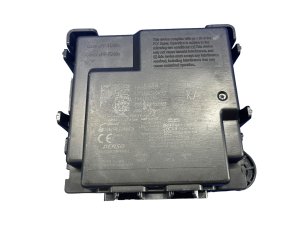
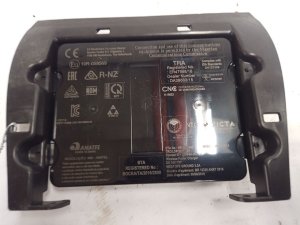
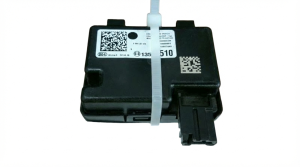
New Aftermarket Parts Available


The information in this article is provided for general reference and educational purposes only. Vehicle specifications, procedures, and part compatibility can vary by production date, trim level, and region. Always consult your vehicle's factory service manual and verify part numbers before purchasing or performing repairs. Safety-critical components such as airbags, seat belts, and braking systems should be installed by a qualified professional.
- Chevrolet BOLT EV:
- 🧭 Diagnostic Flowchart
- 🎬 Helpful Videos
- 🛍️ Shop This Part
- What's Unique About the 2017-2021 Chevrolet BOLT EV
- Symptoms You May Notice
- Most Likely Causes
- Rare But Worth Checking
- Diagnosis Steps
- Parts You'll Likely Need
- Related Codes That Often Appear With This One
- Technical Service Bulletins (TSBs) & Recalls
- Platform-Specific Known Issues
- Hidden / Shadow Codes Worth Checking
- Scan Tool Commands That Help
- Wiring & Ground Locations
- Real Owner Repair Stories
- OEM Part Supersession History
- Model Year Variations Within This Range
- 🎟️ Get 5% Off