

B3055 on 2011-2018 Chevrolet Camaro: Understanding the No-Start Problem
Code B3055 on a 2011-2018 Camaro means the car's anti-theft system isn't recognizing the key, causing a no-start. The most common cause is a faulty flip key that isn't fully extended, but it can also be a bad key transponder, a faulty Body Control Module (BCM), or radio frequency interference from aftermarket electronics.
- B3055 means your Camaro's anti-theft system has disabled the engine because it can't read your key.
- If you have a 2011-2015 model with a flip key, the first thing to check is that the key is fully locked straight before trying to start the car.
- Trying a spare key is the easiest way to determine if the problem is with your primary key or the car itself.
- Fixing this code often requires programming new keys or modules, which is best left to a professional with the right equipment.
- On 2016+ models, check for dampness in the trunk, as water leaks are a known cause of electrical issues.
What's Unique About the 2011-2018 Chevrolet CAMARO
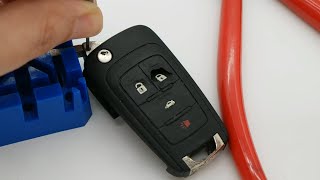
The 5th generation Camaro (2010-2015) uses a flip-style key that is a very common source of this code. A GM technical service bulletin (PIT5030E) points out that if the key blade is not fully extended and locked straight, the transponder chip in the key fob head may be too far from the reader coil in the ignition cylinder, causing an intermittent no-start and setting code B3055. While the 6th generation (2016+) moved to a push-button start system, the underlying logic of the anti-theft system remains similar. TSB PIC5650M, which covers models up to 2018, notes that B3055 can be caused by radio frequency interference (RFI) from aftermarket devices like LED lights, phone chargers, or even building access cards kept near the key fob.
Diagnostic Flowchart
Tap your situation to follow the diagnostic path that matches what you're seeing on this vehicle.
Generation note: This issue primarily affects the 5th Generation Camaro (2011-2015) due to its specific flip-key design. However, the code is still relevant for the 6th Generation (2016-2018), where causes may shift more towards a faulty key fob, push-button start system components, radio frequency interference, or the Body Control Module (BCM). A significant issue for 2016-2019 models is water intrusion in the trunk, as detailed in TSB 18-NA-375, which can damage the rear fuse block and BCM, leading to a no-start and various other electrical problems. The 6th Gen Camaro is built on the lighter Alpha platform, featuring completely different electronics, including a standard Passive Entry Passive Start (PEPS) system.
Symptoms You May Notice
- Engine will not crank or start.
- Engine starts briefly and then stalls.
- "Service Theft Deterrent System" message on the driver information center.
- Security light is on or flashing on the dashboard.
- Horn sounds and DIC shows "Theft Attempted" message when trying to start.
- Replacing the battery without checking the charging system or for parasitic draws, which could be caused by a faulty BCM.
- Replacing the starter motor without confirming it is receiving a start signal from the BCM/ECM. The theft system will prevent this signal if the key is not recognized.
Most Likely Causes
- Improperly Extended Flip Key 🔴 High Probability The design of the 5th Gen (2010-2015) flip key can cause the key blade to not lock fully extended. This positions the transponder chip in the fob too far from the ignition cylinder's reader coil, preventing a successful read.
How to confirm: Remove the key, ensure the blade is fully extended and locked straight, then re-insert it and try to start the vehicle. If it starts, this was the issue. TSB PIT5030E specifically illustrates this common user error. 🎬 Watch: How to fix a loose or broken flip key
Typical fix: Educate the driver on proper key usage. If the key is worn and won't stay locked, it may need replacement. A user on a Camaro5 forum confirmed this fixed their issue after getting the B3055 code.
Est. part cost: $0 - $150 - Defective Ignition Key Transponder 🟡 Medium Probability → Shop Ignition Switch The transponder chip inside the key can fail from being dropped, age, or internal damage. A user on the Camaro5 forum reported their B3055 was resolved by using their spare key, indicating the primary key's transponder had failed. Another owner experienced this after welding their broken key back together, which likely damaged the chip.
How to confirm: Try starting the vehicle with a spare key. If the spare key works without issue, the original key is faulty. A locksmith or dealer can also use a tool to check if the key is emitting a signal.
Typical fix: Replace the defective key and have the new key programmed to the vehicle by a dealer or locksmith with the proper tools. This often involves a 10-minute relearn procedure. 🎬 See how to program a new key without a working original
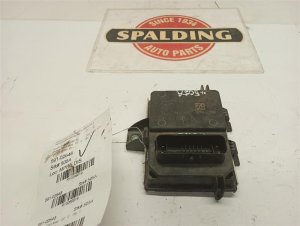
Est. part cost: $75 - $250 - Faulty Body Control Module (BCM) ⚪ Low Probability → Shop Body Control Module On 6th Gen models (2016-2019), water intrusion into the rear compartment can damage electrical components, including the rear fuse block which can affect BCM operation. Forum users have reported this exact scenario leading to thousands in repairs. On all models, the BCM can simply fail internally due to age or electrical stress, causing a host of erratic issues including a no-start.
How to confirm: This requires advanced diagnostics with a scan tool to check BCM communication (look for U-codes), power/ground circuits, and rule out all other possibilities (key, wiring, reader) before condemning the BCM.
Typical fix: Replace the Body Control Module and program the new module to the vehicle's specific configuration and keys. This programming is critical and requires dealer-level tools.
Est. part cost: $300 - $700 - Faulty Ignition Lock Cylinder/Reader ⚪ Low Probability → Shop Ignition Switch The exciter coil (transponder reader) that energizes the key's transponder is located around the ignition lock cylinder. This component or its wiring can fail, preventing the key signal from ever being read by the BCM.
How to confirm: A technician would use a scan tool to monitor key data and test the wiring and resistance of the reader coil circuit between the ignition cylinder and the BCM/TDM. This involves checking for proper voltage and ground at the module connector.
Typical fix: Replace the ignition lock cylinder assembly, which contains the reader coil. The new cylinder may need to be coded to the existing keys.
Est. part cost: $150 - $400
Rare But Worth Checking
- Radio Frequency Interference (RFI):
- Low Vehicle Voltage:
Diagnosis Steps
- Verify the complaint. Note if the security light is on and if the engine cranks or not.
- Scan the Body Control Module (BCM) for DTCs. Confirm B3055 is present and note if it is current or history. Note any other codes, especially communication codes (U-codes).
- For 5th Gen models, remove the flip key, ensure the blade is fully extended and locked straight, then re-test starting. This is the fix outlined in TSB PIT5030E.
- Remove any aftermarket electronics from the vehicle and items from the keychain (phone chargers, access cards, etc.) to eliminate Radio Frequency Interference (RFI) as per TSB PIC5650M.
- Attempt to start the vehicle with a known-good spare key. If it starts, the primary key is faulty.
- If all keys fail, inspect the key for visible damage. A cracked or damaged key head can indicate a compromised transponder chip.
- Check vehicle battery voltage. Ensure it is above 12.4V and that connections are clean and tight. A low battery can cause myriad electronic faults.
- Inspect the wiring and connectors at the ignition switch/reader and the BCM for any signs of damage, corrosion, or pushed-out pins.
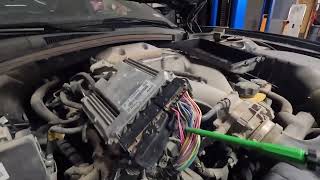
- For 6th Gen models, inspect the trunk area, specifically around the rear fuse block, for any signs of water intrusion 🎬 Watch: A simple fix for 6th Gen Camaro no-start issues or corrosion as per TSB 18-NA-375.
- If all keys fail and wiring appears intact, the issue is likely with the ignition reader coil or the BCM itself. This requires professional diagnosis with specialized tools to test circuit integrity.
Parts You'll Likely Need
- Ignition Key
(OEM #ACDelco 23366893 (2010-2015 Flip Key Service Kit), GM 13504200 (2010-2016 Flip Key))— The transponder chip in the key is a common failure point, either through malfunction or improper positioning in flip keys.
Trusted brands: ACDelco, Strattec
OEM price range: $100-$200
Aftermarket price range: $50-$100 - Body Control Module (BCM)
(OEM #13534186 (2016 Model Year, supersedes 13594587))— The BCM is the brain of the anti-theft system. If it fails, it cannot read the key and will prevent the car from starting. Failure can be internal or caused by external factors like water damage.
Trusted brands: ACDelco (GM Genuine Parts)
OEM price range: $300-$600
Aftermarket price range: $200-$450 (Often requires programming service) - Ignition Lock Cylinder
(OEM #ACDelco D1464G (2010-2015))— The reader coil that communicates with the key's transponder is part of this assembly. If the coil or its wiring fails, the key cannot be read.
Trusted brands: ACDelco, Standard Motor Products (SMP)
OEM price range: $60-$120
Aftermarket price range: $30-$70
Related Codes That Often Appear With This One
- B3060 — Related to the transponder key system, indicating an unprogrammed key or a general sensor failure. TSB PIC5650M lists it alongside B3055.
- B3935 — Another code indicating a transponder key problem, also mentioned in TSB PIC5650M.
- U0140 — Indicates 'Lost Communication with Body Control Module'. If this code is present with B3055, it points more strongly towards a failing BCM or a wiring/network issue.
Technical Service Bulletins (TSBs) & Recalls
- PIC5650M: Intermittent no crank, no start, or start stall concern with the security light coming on. Points to RFI from aftermarket devices.
- PIT5030E: Diagnostic Tip - Intermittent No Crank When Ignition Key Is Turned To The Crank Position due to improper flip key extension on 2010-2014 models.
- 18-NA-375: Information on Diagnosis of No Start, Radio Click Noise or Inoperative, Malfunction Indicator Lamp (MIL) Illuminated, and/or Various Electrical Issues due to water intrusion in the rear compartment on 2016-2019+ models.
Platform-Specific Known Issues
- TSB PIT5030E notes that for 2010-2014 models, an intermittent no-crank can be caused by the flip key not being fully extended, which sets code B3055.
- TSB PIC5650M mentions B3055 in connection with intermittent no-crank, no-start, or stall conditions on models up to 2018, and points to Radio Frequency Interference (RFI) from aftermarket devices as a possible cause.
- TSB 18-NA-375 (updated Nov 2023) indicates that 2016-2019 models can suffer from water leaks in the trunk, leading to various electrical problems including no-starts, by damaging the rear fuse block and associated wiring. Forum threads on Camaro6.com and Reddit confirm owners experiencing this, with some facing over $1,700 in damages to the amplifier and fuse box.
Hidden / Shadow Codes Worth Checking
- B3055 00: The '00' is a symptom byte indicating 'No Transponder Modulation or No Transponder'. This is the most common variant and points directly to the BCM not receiving any signal from the key's transponder chip. (see via A professional scan tool like the GM GDS2 (Global Diagnostic System 2) is required to view symptom bytes.)
Scan Tool Commands That Help
- GDS2/SPS (Service Programming System): Immobilizer Learn / Program Keys — This function is required after replacing a key or the Body Control Module (BCM). It guides the technician through the process of adding new keys to the vehicle's immobilizer system.
- GDS2: Theft Deterrent System Data Display — Before replacing parts, a technician can use this to view live data, such as 'Immobilizer Key Status'. A value of 'No Key Detected' when a key is present points directly to a communication failure between the key and the reader.
- Manual Procedure (No Scan Tool): 30-Minute Relearn Procedure — When adding a new key without access to dealer tools, a 30-minute relearn procedure can be performed. This involves cycling the ignition on for 10 minutes, off for a short period, and repeating this three times to teach the car the new key's transponder value.
Wiring & Ground Locations
- G201 / G202 / G203 / G204 — For the 2011-2015 Camaro, multiple key ground points are located in the passenger cabin. G201 is at the left kick panel, G202 and G203 are under the center console, and G204 is at the right kick panel.. The Body Control Module (BCM) relies on these grounds to function correctly. A loose or corroded ground at any of these locations can cause intermittent communication issues, potentially leading to the BCM failing to read the ignition key and setting a B3055 code.
- BCM Connectors (X1-X7) — The BCM is located behind the dashboard, typically on the passenger side. It has multiple large connectors, labeled X1 through X7 on wiring diagrams.. The wiring for the ignition lock cylinder's exciter coil runs from the steering column to specific pins on these BCM connectors. A technician would need to reference a pinout chart to test for continuity and proper voltage on the transponder signal and power circuits at these connectors to rule out a wiring fault.
- Rear Compartment Fuse Block — On 2016-2018 Camaros, the rear fuse block is located on the right side of the trunk, under the floor cover.. This fuse block houses multiple fuses that supply power to the Body Control Module (BCM). Water intrusion in the trunk, a known issue, can corrode this fuse block and its connections, starving the BCM of power and causing a B3055 code among other electrical failures.
Real Owner Repair Stories
- Reddit user in r/Justrolledintotheshop (Unknown year GM vehicle, likely 2011-2015 based on key type) — No-start, horn sounding, and a "Theft Attempted" message on the DIC.
❌ Tried (didn't work) Customer believed the starter had failed., Customer attempted to use a broken key with the blade separated from the fob.
✅ What actually fixed it The technician diagnosed a B3055 code and a dead battery (10.5V). The final fix was replacing the faulty battery and programming a new, undamaged key to the vehicle. The starter was not the issue.
OEM Part Supersession History
13583451→13586278— Standard part revision and update by the manufacturer.
Heads up: For a 2011 Camaro, part number 13586278 is a common replacement BCM. These modules are not plug-and-play; they must be programmed to the vehicle's VIN and existing keys using GM's Service Programming System (SPS).13509958→N/A (current as of search)— This is a common BCM part number for the 6th generation (2016-2018) Camaro.
Heads up: This BCM is for the Alpha platform and is not compatible with 5th generation models. Like its predecessor, it requires online programming via GDS2/SPS upon installation.
Model Year Variations Within This Range
- 2011-2015: These models use the Zeta platform with a traditional flip-style ignition key. The most common cause of B3055 is the key blade not being fully extended, as noted in TSB PIT5030E.
- 2016-2018: These models use the newer Alpha platform and come standard with Passive Entry Passive Start (PEPS), meaning a push-button start and a key fob that only needs to be inside the vehicle. For these years, B3055 is more likely related to a weak fob battery, RFI, or issues with the BCM itself, rather than the physical key position. The key relearn procedure is also different, involving the key lock cylinder in the door handle.
Helpful Videos
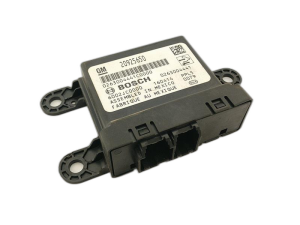
We Have This Part in Stock

The information in this article is provided for general reference and educational purposes only. Vehicle specifications, procedures, and part compatibility can vary by production date, trim level, and region. Always consult your vehicle's factory service manual and verify part numbers before purchasing or performing repairs. Safety-critical components such as airbags, seat belts, and braking systems should be installed by a qualified professional.
- Chevrolet CAMARO:
- 🧭 Diagnostic Flowchart
- 🎬 Helpful Videos
- 🛍️ Shop This Part
- What's Unique About the 2011-2018 Chevrolet CAMARO
- Symptoms You May Notice
- Most Likely Causes
- Rare But Worth Checking
- Diagnosis Steps
- Parts You'll Likely Need
- Related Codes That Often Appear With This One
- Technical Service Bulletins (TSBs) & Recalls
- Platform-Specific Known Issues
- Hidden / Shadow Codes Worth Checking
- Scan Tool Commands That Help
- Wiring & Ground Locations
- Real Owner Repair Stories
- OEM Part Supersession History
- Model Year Variations Within This Range
- 🎟️ Get 5% Off