

B3055 on 2016-2018 Chevrolet Caprice: No-Start & Security Light Causes
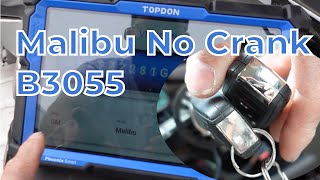
On a 2016-2018 Chevrolet Caprice, code B3055 typically indicates the anti-theft system cannot detect the key, causing a no-start and an illuminated security light. The most common causes are a faulty key fob, radio frequency interference (RFI) from aftermarket electronics (especially police equipment), or a failing Body Control Module (BCM).
- B3055 means your Caprice's anti-theft system can't see the key, which disables the engine.
- Before any repairs, remove all phone chargers and USB devices from the car and try a spare key to rule out the two most common and cheapest problems: interference and a bad key.
- Do not immediately replace the starter or battery; this code points specifically to a security system communication failure.
- Fixing this code often requires programming new keys or modules, which usually necessitates a visit to a dealer or a well-equipped independent shop.
What's Unique About the 2016-2018 Chevrolet CAPRICE
The 2016-2018 Caprice was a purpose-built police pursuit vehicle (PPV) based on the Australian Holden Caprice (WN series) Zeta platform. Its electrical architecture and heavy-duty usage, combined with extensive aftermarket police equipment (radios, lights, computers), make it uniquely susceptible to Radio Frequency Interference (RFI), a primary cause of B3055. The provided TSB #PIC5650M specifically links B3055 to intermittent no-start conditions on this platform, highlighting a known issue. Diagnosis can be complicated by non-standard wiring and equipment specific to its law enforcement role.
Diagnostic Flowchart
Tap your situation to follow the diagnostic path that matches what you're seeing on this vehicle.
Symptoms You May Notice
- Intermittent no-crank or no-start condition.
- Engine starts and then immediately stalls.
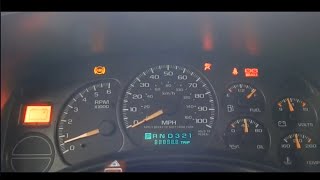
- Security indicator light is illuminated or flashing on the instrument cluster.
- "Service Theft Deterrent System" message on the driver information ce 🎬 Watch: How to perform a GM security lockout reset procedure.nter.
- "No Fob Detected" message on driver information center.
- Replacing the starter motor. A no-crank symptom caused by the anti-theft system is often mistaken for a failed starter. However, code B3055 confirms the issue is with security, not the starter itself. A user on newcaprice.com documented a starter replacement that did not fix the intermittent no-start.
- Replacing the vehicle battery without proper testing. While low voltage can be a factor, a healthy battery will not fix a faulty key, RFI, or BCM issue.
Most Likely Causes
- Radio Frequency Interference (RFI) 🔴 High Probability As a police vehicle, the Caprice PPV is often equipped with numerous aftermarket electronics. GM TSB PIC5650M explicitly warns that phone chargers, LED lights, police radios, toll passes, or even other key fobs can jam the 125 kHz signal the car uses to read the key.
How to confirm: Remove all aftermarket devices, chargers, and other keys/fobs from the vehicle and keychain. Disconnect any non-factory equipment. Try starting the vehicle again. If it starts consistently, one of the removed items was the source of interference.
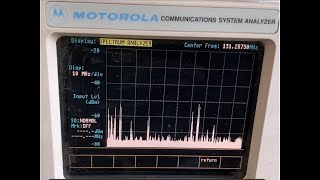
Typical fix: Identify and remove or relocate the source of the RFI. 🎬 See how to troubleshoot and fix mobile radio interference. Ensure aftermarket equipment is properly shielded and grounded.
Est. part cost: $0 - Defective or Damaged Key Fob 🟡 Medium Probability → Shop Keyless Entry Transmitter The internal transponder chip in the key can fail from being dropped, or the key's battery may be too weak to power the chip. On flip-style keys, if the key is not fully extended and locked straight, it can cause a misalignment with the reader coil, triggering B3055.
How to confirm: Try starting the vehicle with a known-good spare key. If the spare key works reliably, the primary key is faulty. You can also try placing the problematic key in the designated transmitter pocket (in the center console) which can sometimes allow the car to start if the key's battery is low.
Typical fix: Replace the faulty key fob and have the new one programmed to the vehicle by a dealer or qualified locksmith with a tool like the GM GDS2.
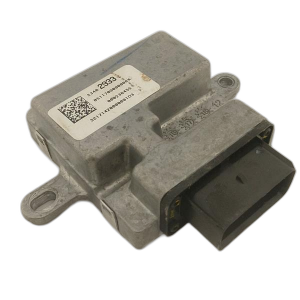
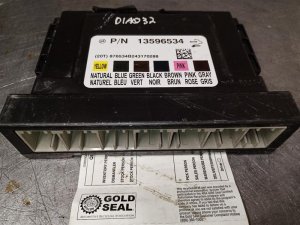
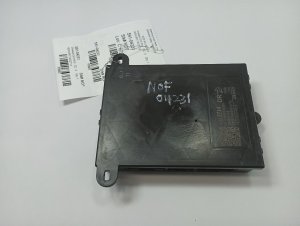
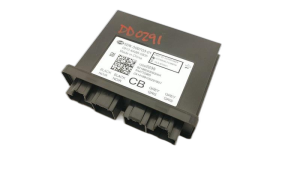
Est. part cost: $75-$400 - Faulty Body Control Module (BCM) ⚪ Low Probability → Shop Body Control Module While less common, the BCM itself can fail. In a Caprice PPV, electrical stress from added police equipment, improper upfitting, or a short circuit could damage the module. Water intrusion can also be a cause.
How to confirm: This requires professional diagnosis with a GM-specific scan tool to check for internal BCM faults (U-codes) and to rule out all other possibilities (key, wiring, antennas). A technician would verify power, ground, and data signals at the BCM connectors.
Typical fix: Replace the Body Control Module and program the new unit to the vehicle, which requires dealer-level tools and software.
Est. part cost: $300-$700 - Wiring Harness or Connector Issue ⚪ Low Probability A loose connection or damaged wire between the keyless entry control module, its antennas, and the BCM can interrupt the key signal. A user on newcaprice.com found an intermittent no-start was caused by a single loose positive lead screw in the trunk's power distribution block.
How to confirm: Visually inspect connectors at the BCM and keyless entry module. Check main power and ground connections in the trunk near the battery. A technician would perform continuity and resistance checks on the relevant circuits as per the factory service manual.
Typical fix: Repair the damaged wiring or reseat/tighten the loose connector.
Est. part cost: $5-$150
Rare But Worth Checking
- Low Vehicle Battery Voltage: → Shop Vehicle Battery A weak main vehicle battery can cause various electronic modules, including the BCM, to malfunction and set security codes. The Caprice PPV uses a large AGM battery in the trunk; ensure it is fully charged (above 12.4V) and in good health before diagnosing other components.
- Faulty Immobilizer Exciter Coil (Antenna): This is the ring around the ignition lock cylinder that energizes the key's transponder. Though not a high-failure part on this platform, a break in its internal wiring can cause a total failure to read the key, setting B3055. Diagnosis involves checking for a signal with a specialized tool or testing resistance across the coil's circuit.
Diagnosis Steps
- Verify the complaint and scan for all DTCs in the Body Control Module (BCM). Note all codes present, especially B3055, B3060, and B3935.
- Question the driver about any aftermarket electronics (phone chargers, dash cams, LED lights, police equipment) and remove/disconnect them from the vehicle.
- Remove all other keys, fobs, and access cards from the keychain to eliminate RFI.
- If the vehicle has a flip key, ensure it is fully extended and locked straight before inserting it into the ignition.
- Attempt to start the vehicle with a known-good spare key. If it starts, the primary key is the issue.
- If the vehicle is keyless, try placing the fob in the designated transmitter pocket inside the console and attempt to start. If this works, the fob battery is likely weak or there is RFI present.
- Inspect the main vehicle battery (located in the trunk) to ensure it is fully charged and the terminals are clean and tight. Check the nearby power distribution block for any loose connections.
- Inspect wiring and connectors at the BCM for any visible damage or looseness. The BCM is located in the cabin, typically behind the glove box or in the center console area.
- If all else fails, professional diagnosis with a scan tool (GM GDS2) is required to monitor the 'Immobilizer Data' list, test the receiver antennas, and check for internal BCM faults.
Parts You'll Likely Need
- Key Fob / Transmitter
(OEM #13585687 (Master, Uncut Key), 92237318)— The internal transponder chip fails or the battery dies, preventing communication with the vehicle's security system. This is a very common failure point.
Trusted brands: ACDelco, GM Genuine
OEM price range: $120-$400
Aftermarket price range: $45-$200 - Body Control Module (BCM)
(OEM #13594769 (supersedes 13594692, 13580690, and others))— The BCM is the computer that manages the anti-theft system. It can fail internally due to electrical stress or component failure, though this is less common than a key or interference issue.
Trusted brands: ACDelco, GM Genuine
OEM price range: $400-$700
Aftermarket price range: $300-$500
Related Codes That Often Appear With This One
- B3060 — Also related to the transponder key system, often indicating a problem with the key's security data or an unprogrammed key.
- B3935 — Indicates a transponder authentication failure, commonly seen with B3055 when the key is detected but its code is incorrect.
- C0750, C0755, C0760, C0765, C0775 — These are tire pressure monitor sensor codes. GM TSB PIC5650M notes they can appear alongside B3055, likely because both the TPMS and immobilizer systems operate on radio frequencies and can be affected by the same RFI source.
Technical Service Bulletins (TSBs) & Recalls
- PIC5650M: Acknowledges an intermittent no crank, no start, or start stall concern with security light on and DTC B3055 set, pointing to RFI as a likely cause.
Platform-Specific Known Issues
- A General Motors Technical Service Bulletin (TSB #PIC5650M) directly addresses an intermittent no-crank, no-start, or start-and-stall condition with the security light on for the 2016-2018 Caprice. The bulletin lists B3055 as a primary code for this concern and subsequent versions of the TSB strongly point towards radio frequency interference (RFI) from aftermarket devices as a root cause.
- A user on the newcaprice.com forums spent 18 months and over $2,000 chasing an intermittent no-start issue that turned out to be a single loose screw on the positive 12V power distribution block in the trunk, which prevented the BCM from powering up correctly.
Hidden / Shadow Codes Worth Checking
- B3055 00: Indicates 'No Sub Type Information'. This means the base DTC provides the complete description of the failure, and no further detail is available from a symptom byte. It confirms the BCM has not received a transponder signal. (see via Dealer-level scan tools like the GM GDS2 or some advanced aftermarket scanners will display the two-digit symptom byte after the main code.)
Scan Tool Commands That Help
- GM GDS2 / Advanced Aftermarket: View Immobilizer Data List — This is the primary diagnostic step to see what the BCM is seeing. A technician can monitor parameters like 'Environment Identification', 'Transponder Key State', and the number of learned keys to determine if the key is being detected at all.
- GM GDS2 / Techline Connect: BCM Programming/Setup — This function is required after replacing the Body Control Module. It configures the new module to the vehicle's specific options and learns it to the other modules on the data network.
- GM GDS2 / Techline Connect: Add/Replace Keys — This guided function is used to program new keys to the vehicle. It erases all previously learned keys (in the case of 'Replace') and requires all customer keys to be present for programming.
Wiring & Ground Locations
- Body Control Module (BCM) — Under the driver's side dashboard, located vertically behind the radio and HVAC controls, often accessible by looking up from the driver's footwell.. This is the module that sets code B3055. All related wiring for the immobilizer system terminates here, making its connectors a key inspection point.
- G218 — Inside the cabin, on the driver's side, behind the dash trim near the A-pillar and speaker.. This is a critical ground point for the BCM. A loose or corroded connection at G218 is a known cause of numerous electrical issues on related GM platforms, including no-start, module communication loss, and setting various BCM codes. TSB PIT5405C for other GM vehicles specifically highlights checking for a loose nut or trapped insulation at this ground stud.
- Keyless Entry Control Module (K61 / RCDLR) — On many similar GM sedans, this module is located on or under the rear package shelf, between the rear speakers, accessible from inside the trunk.. This module receives the signal from the key fob for remote functions and works in conjunction with the BCM for the overall security system. While the ignition transponder is read at the column, issues with this module or its wiring can sometimes be related.
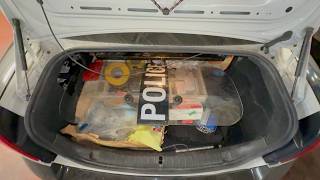
- Trunk Power Distribution Block — In the trunk, near the main vehicle battery.. This block distributes main battery power to various modules. A loose positive lead screw on this block was the confirmed cause of an intermittent no-start and B3055 on a Caprice PPV, as it starved the BCM of consistent power.
Real Owner Repair Stories
- YouTube channel 'ADD AUTOMOBILE SERVICES' (2013 Chevrolet Equinox (similar GM Pass-Key III+ system)) — Intermittent no-start, security light on, DTC B3055 stored.
❌ Tried (didn't work) The original key would work sometimes and fail at other times, making diagnosis difficult.
✅ What actually fixed it A technician used a VVDI Key Tool to read and clone the data from the intermittently failing transponder chip onto a new 'super chip'. This new chip was then installed inside the original key fob, providing a reliable signal and resolving the intermittent no-start. - YouTube channel 'RetroCarGuy530' (2014 Chevrolet Caprice PPV) — Key fob buttons did not work (lock/unlock/etc.), though the transponder chip in the key would still start the car.
❌ Tried (didn't work) Replacing the fob battery., Repairing a visible break in the rear window antenna grid with a defroster repair kit.
✅ What actually fixed it The owner used a scan tool to discover 8 fobs were programmed to the BCM, but the one he possessed was not one of them. The final fix was obtaining a new key fob that was known to be paired with a 2017 Caprice and programming it to his vehicle. This highlights that even if the transponder works, the remote functions are separately programmed and can be a source of issues.
"I Checked Everything" — The Actual Cause
- A common scenario for B3055 is when all modules and wiring appear to be functioning correctly, yet the code persists intermittently. The root cause in these cases is often Radio Frequency Interference (RFI). A technician can spend hours checking wires, voltages, and grounds, only to find that a cheap USB phone charger plugged into a 12V outlet was emitting enough radio noise to jam the 125 kHz signal between the key and the immobilizer antenna. This aligns with GM TSB PIC5650M, where the first diagnostic step is to remove all aftermarket electronic devices.
When the Usual Fixes Don't Work
- While replacing a faulty key is a common fix for B3055, there are well-documented cases where this did not solve the problem. In one instance on a Caprice PPV, after 18 months of troubleshooting that included starter and battery replacement, the actual cause was a single loose 12V screw on the power distribution block in the trunk. This intermittent connection prevented the BCM from powering up reliably, mimicking a key or module failure. This proves that checking the entire power supply circuit back to the battery is a critical, though often overlooked, step.
OEM Part Supersession History
13585404→13585687— Standard part number update and consolidation.
Heads up: A user reported ordering part number 1358-5687 and receiving a fob with 1358-5404 printed on the case inside the sealed bag. This indicates the parts are interchangeable, but could cause confusion during ordering or verification.
Helpful Videos
We Have This Part in Stock

The information in this article is provided for general reference and educational purposes only. Vehicle specifications, procedures, and part compatibility can vary by production date, trim level, and region. Always consult your vehicle's factory service manual and verify part numbers before purchasing or performing repairs. Safety-critical components such as airbags, seat belts, and braking systems should be installed by a qualified professional.
- Chevrolet CAPRICE:
- 🧭 Diagnostic Flowchart
- 🎬 Helpful Videos
- 🛍️ Shop This Part
- What's Unique About the 2016-2018 Chevrolet CAPRICE
- Symptoms You May Notice
- Most Likely Causes
- Rare But Worth Checking
- Diagnosis Steps
- Parts You'll Likely Need
- Related Codes That Often Appear With This One
- Technical Service Bulletins (TSBs) & Recalls
- Platform-Specific Known Issues
- Hidden / Shadow Codes Worth Checking
- Scan Tool Commands That Help
- Wiring & Ground Locations
- Real Owner Repair Stories
- "I Checked Everything" — The Actual Cause
- When the Usual Fixes Don't Work
- OEM Part Supersession History
- 🎟️ Get 5% Off