

B3055 on 2007-2014 Chevrolet Express 1500: No-Start and Security Light Causes
B3055 on a Chevy Express means the anti-theft system can't read your key, causing a no-start or start-and-stall condition with the security light on. The most likely cause is a faulty ignition key or a failed ignition lock cylinder housing. Trying a spare key is the first step in diagnosis. Also, check for interference from aftermarket electronics like phone chargers or LED lights.
- B3055 means your van won't start because the anti-theft system doesn't recognize the key.
- Always try your spare key first; it's the simplest and cheapest diagnostic step.
- Do not immediately replace the starter or battery; the security light is the key indicator of an immobilizer problem.
- If a spare key doesn't work, the next most common failure is the ignition lock cylinder housing, which contains the key reader.
- Any replacement key or BCM will require professional programming to work with your vehicle.
What's Unique About the 2007-2014 Chevrolet EXPRESS 1500
The Chevrolet Express of this era uses GM's Passkey III+ (PK3+) immobilizer system. Unlike older systems that measured resistance, this one requires clear radio-frequency communication between the key's transponder and a reader coil in the ignition lock cylinder housing. This specific communication handshake is what fails and triggers the B3055 code, with the key's internal chip and the reader coil being the most common points of failure. The system is also notoriously sensitive to Radio Frequency Interference (RFI) from aftermarket devices, a common issue in work vans.
Diagnostic Flowchart
Tap your situation to follow the diagnostic path that matches what you're seeing on this vehicle.
Symptoms You May Notice
- Engine will not crank (no-crank, no-start)
- Engine starts briefly and then immediately stalls
- Security light is illuminated or flashing on the dashboard
- Message on the driver information center like 'Service Theft Deterrent System'
- Starter Motor: A no-crank symptom is often blamed on the starter, but with B3055, the BCM is intentionally preventing the starter from engaging.
- Battery: While a very low battery can cause various electronic issues, a B3055 will persist even with a fully charged battery if the key or reader has failed.
Most Likely Causes
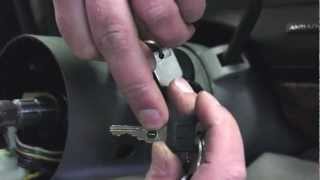
- Defective or Damaged Ignition Key 🔴 High Probability → Shop Ignition Switch The transponder chip embedded in the key can fail from being dropped, age, or internal damage. Since it's the most frequently handled part of the system, it sees the most wear. For flip-style keys, not having the key fully extended and locked can also cause a misread.
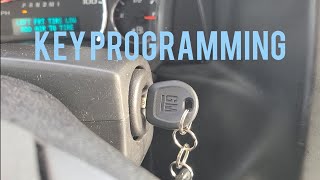
How to confirm: The easiest test is to try starting the vehicle with a spare key. 🎬 See how a faulty key triggers the B3055 code. If the spare key works, the primary key is faulty. A locksmith or dealer can also test the key's transponder signal directly.
Typical fix: Replace the faulty key. A new key must be cut and programmed to the vehicle by a dealership or an automotive locksmith with the proper equipment.
Est. part cost: $70-$150 - Faulty Ignition Lock Cylinder Housing (Exciter Coil) 🟡 Medium Probability → Shop Ignition Switch The housing contains the antenna ring (exciter coil) that powers and reads the key's transponder. This coil or its wiring can fail over time due to heat cycles and wear, preventing it from communicating with the key. This is often the culprit if no keys work.
How to confirm: If all known good keys fail to start the vehicle, and there is no radio interference, the lock cylinder housing is the next most likely suspect. Using a scan tool that can read BCM data, check the 'Transponder Key State'. If it reads 'Not Present' for all keys, the exciter coil is almost certainly bad.
Typical fix: Replace the ignition lock cylinder housing. The part often includes the exciter coil. 🎬 Watch this walkthrough on replacing the ignition lock cylinder housing. After replacement, a security relearn procedure is required.
Est. part cost: $100-$250 - Radio Frequency Interference (RFI) ⚪ Low Probability The 125 kHz signal used by the immobilizer is low power and can be disrupted by other electronic devices. TSBs PIC5650C and PIC5650K specifically call out aftermarket phone chargers, LED lights, toll passes, and even other keys on the same ring as potential sources of interference.
How to confirm: Remove all other keys, key fobs, and RFID cards from the keychain. Unplug any aftermarket devices like phone chargers, dash cams, or power inverters. Try starting the vehicle with only the single ignition key present. If it starts, one of the removed items was the cause.
Typical fix: Isolate the ignition key from other electronic devices. No parts are required.
Est. part cost: $0 - Wiring Harness or Connector Issue ⚪ Low Probability The wiring between the ignition lock cylinder and the BCM can become chafed, broken, or have a loose connection at the connector, especially in a work van where the dashboard area may be subject to more vibration or prior repairs. The connector at the lock cylinder itself can become loose.
How to confirm: Visually inspect the wiring harness running down the steering column. Check for a secure connection at the BCM and at the ignition lock cylinder housing. A YouTube video for GM trucks shows that wiggling the connector at the ignition cylinder while trying to start can sometimes reveal a loose connection.
Typical fix: Repair the damaged wire or re-secure the connector. Some owners have used a zip tie to ensure the connector at the ignition cylinder stays firmly seated.
Est. part cost: $5-$50
Rare But Worth Checking
- Faulty Body Control Module (BCM): → Shop Body Control Module This is the least likely cause and should only be considered after all other possibilities (key, lock cylinder, wiring) have been definitively ruled out. Replacing a BCM is expensive and requires dealer-level programming. A diagnostic procedure suggests replacing the TDM (part of the BCM) if all available keys read as 'Not Present', but this often misdiagnoses a bad exciter coil.
Diagnosis Steps
- Scan the Body Control Module (BCM) for codes. Confirm B3055 is present and active.
- Remove all other keys, fobs, and electronic devices from the keychain to eliminate Radio Frequency Interference (RFI) as detailed in TSB PIC5650.
- Unplug any aftermarket accessories like phone chargers or LED lights.
- Try starting the vehicle with a known-good spare key. If it starts, the original key is the problem.
- If no keys work, attempt the 30-minute security relearn procedure: Turn the key to 'ON' (not start) for 10 minutes, or until the security light goes out. Turn key 'OFF' for 10 seconds. Repeat this for a total of three cycles. If the vehicle starts, the issue may have been a temporary glitch.
- If the relearn fails, inspect the wiring and connector at the ignition lock cylinder housing for any visible damage or looseness.
- Using a capable scan tool, monitor the BCM/TDM data for the 'Transponder Key State' parameter. If it remains 'Not Present' or 'Invalid' with a known-good key, the ignition lock cylinder housing (exciter coil) has failed.
- If the problem persists after replacing the lock cylinder and performing the relearn, the Body Control Module (BCM) may be at fault, which requires professional diagnosis and programming.
Parts You'll Likely Need
- Ignition Key with Transponder — The transponder chip inside the key is a common failure point, causing the BCM to be unable to read it.
Trusted brands: ACDelco, Strattec
OEM price range: $70-$150
Aftermarket price range: $40-$90 - Ignition Lock Cylinder Housing
(OEM #ACDelco 25832354 (supersedes 15822350), Dorman 924-719)— This housing contains the exciter coil (antenna) that reads the key. The coil can fail, preventing communication with the key's transponder chip. This is a very common failure point when multiple keys won't work.
Trusted brands: ACDelco, Dorman, Standard Motor Products
OEM price range: $150-$250
Aftermarket price range: $80-$150
Related Codes That Often Appear With This One
- B3060 — This code for 'Unprogrammed Transponder' often appears with B3055, indicating the system sees a key but cannot authenticate it, which can happen during a communication failure.
- B3935 — Meaning 'Transponder Authentication Failed', this code is another part of the same security handshake process and points directly to the key validation failing.
Technical Service Bulletins (TSBs) & Recalls
- PIC5650M: Addresses an intermittent no crank, no start, or start stall concern with the security light coming on, specifically listing B3055 as a related DTC.
- PIC5650C / PIC5650K: Superseding versions of the original TSB that provide an extensive list of aftermarket devices (phone chargers, LED lights, toll passes) that can cause Radio Frequency Interference (RFI) and trigger this code.
- PIE0232: An earlier engineering information bulletin asking technicians to gather data on low-mileage vehicle
Platform-Specific Known Issues
- As noted in GM Technical Service Bulletin #PIC5650M and its successors, these vehicles can experience an intermittent no crank, no start, or start/stall with the security light on, which is directly associated with code B3055. The TSB strongly points towards RFI from aftermarket devices as a primary cause to investigate.
- Owners on forums have reported success after discovering the small electrical connector on the ignition lock cylinder housing was loose. After ensuring it was securely clipped in, sometimes with the help of a zip tie for added security, the B3055 code was resolved.
Mechanic-Grade Diagnostic Values
- Scan Tool TDM/BCM Live Data: 'Transponder Key' parameter — expected: 'Present' when a valid key is in the ignition and turned to ON.. Failure: Parameter reads 'Not Present' or 'Invalid Key'. If 'Not Present' with all known-good keys, it strongly suggests a faulty exciter coil or its wiring.
- Immobilizer System Operating Frequency — expected: 125 kHz. Failure: This is a reference value. The system can fail if external devices operating near 125 kHz (or its multiples) cause radio frequency interference.
- Resistance of TDM ground circuit — expected: Less than 10 ohms. Failure: A value greater than 10 ohms indicates an open or high resistance in the ground circuit for the module.
- Voltage at TDM B+ circuit — expected: B+ (Battery Positive Voltage). Failure: Voltage significantly less than battery voltage indicates a problem with the power supply to the module or its circuit.
Hidden / Shadow Codes Worth Checking
- B3055 00: The '00' is a symptom byte meaning 'No Sub Type Information'. It indicates that the main DTC provides all available failure details and there is no more specific sub-fault identified. (see via Dealer-level scan tools like the GM Tech2 or GDS2, and some high-end aftermarket scanners.)
Scan Tool Commands That Help
- Tech2 / GDS2: Immobilizer Data / TDM Data Stream — Use this to monitor the 'TDM Transponder Key' parameter in real-time. Watching this while inserting and turning the key can reveal if the module is electronically detecting the key's presence, which is a crucial first diagnostic step.
- Tech2 / GDS2 (using SPS): Programming Theft Deterrent System Components / Add Key — This function is mandatory after replacing the ignition lock cylinder, BCM, or adding new keys. It guides the user through the security relearn process to authorize the new components.
Wiring & Ground Locations
- Body Control Module (BCM) — Behind the lower right side of the dashboard, on the passenger side.. The BCM is the control center for the Passkey III+ system. The wiring from the ignition lock cylinder's reader coil terminates here, making its connectors a key inspection point.
- Theft Deterrent Module (TDM) — Located in the steering column, near or physically integrated with the ignition key cylinder housing.. This module contains the exciter coil (antenna) that reads the key. The wiring harness connecting this module to the BCM is a common point of failure due to chafing or loose connections from steering column adjustments.
- G302 — Behind the left kick panel.. This is a major ground point for various instrument panel components. A loose or corroded ground here can cause erratic behavior in multiple electronic systems, including the BCM and theft deterrent system.
Real Owner Repair Stories
- iATN (International Automotive Technicians Network) Forum (2008 Chevrolet Express 1500 5.3L) — No start, no crank condition with 'service deterrent system' message on the instrument cluster and DTC B3055 stored.
❌ Tried (didn't work) A 30-minute security relearn procedure did not resolve the issue.
✅ What actually fixed it The technician observed on a scan tool that the 'Transponder Key' data parameter would intermittently switch between 'Present' and 'Not Present'. This indicated an intermittent hardware connection issue, not a key programming or module logic failure. The diagnosis pointed towards a fault in the wiring between the key reader and the module, or the reader coil itself, rather than requiring module replacement.
When the Usual Fixes Don't Work
- While the standard procedure often leads to replacing the ignition lock cylinder if a relearn fails, professional technicians note that this can be a misdiagnosis. In a documented case for a 2008 Express, a failed relearn was followed by observing the 'Transponder Key' status intermittently changing on a scan tool. This proved the fault was not a 'hard' failure of the cylinder or a programming glitch that a relearn could fix, but rather an unstable connection. This reinforces the 'common cause' of a loose connector or chafed wire at the steering column, which should be thoroughly investigated before ordering an expensive BCM or even a lock cylinder.
OEM Part Supersession History
15845229, 25861815, 25992280→22738087— These are part numbers for the Theft Deterrent Module Assembly, which have been superseded over time by GM to a final replacement part.Varies by year (e.g., 10367689 for ~2007, 25910474 for ~2008-2012)→Varies, often requires VIN-specific programming— Body Control Modules (BCMs) are frequently updated. Modern replacements often require pre-programming to the vehicle's VIN before installation to ensure functionality and avoid a trip to the dealer.
Heads up: Installing a used BCM from another vehicle without reprogramming will not work and will result in a no-start condition. After installing a new programmed BCM, an 'SDM Key Relearn' procedure is often required with a scan tool to sync the BCM with the airbag module.
Model Year Variations Within This Range
- 2007 vs 2008-2014: The Body Control Module (BCM) part numbers differ. For example, a BCM for a 2007 model may be a 10367689, while a 2008-2012 model may use a 25910474 or 15093910. While the diagnostic principle for B3055 is the same, the correct replacement BCM is year- and VIN-specific.
Helpful Videos


The information in this article is provided for general reference and educational purposes only. Vehicle specifications, procedures, and part compatibility can vary by production date, trim level, and region. Always consult your vehicle's factory service manual and verify part numbers before purchasing or performing repairs. Safety-critical components such as airbags, seat belts, and braking systems should be installed by a qualified professional.
- Chevrolet EXPRESS 1500:
- 🧭 Diagnostic Flowchart
- 🎬 Helpful Videos
- What's Unique About the 2007-2014 Chevrolet EXPRESS 1500
- Symptoms You May Notice
- Most Likely Causes
- Rare But Worth Checking
- Diagnosis Steps
- Parts You'll Likely Need
- Related Codes That Often Appear With This One
- Technical Service Bulletins (TSBs) & Recalls
- Platform-Specific Known Issues
- Mechanic-Grade Diagnostic Values
- Hidden / Shadow Codes Worth Checking
- Scan Tool Commands That Help
- Wiring & Ground Locations
- Real Owner Repair Stories
- When the Usual Fixes Don't Work
- OEM Part Supersession History
- Model Year Variations Within This Range
- 🎟️ Get 5% Off