

GMC Acadia B3055 Code (2015-2022): No Start, Causes, and Fixes
Code B3055 on a 2015-2022 GMC Acadia typically means the vehicle's security system cannot detect the key, leading to a no-start or intermittent start-stall condition. The most common causes are a weak key fob battery, a faulty key fob, or radio frequency interference. Start by replacing the key fob battery and trying the spare key. If that fails, place the fob in the emergency transmitter pocket to start the vehicle.
- B3055 means your Acadia doesn't recognize your key, preventing it from starting.
- Always start with the simplest fixes: try your spare key, replace the key fob battery, and remove other electronic devices from your keychain.
- If you have a flip key, make sure it's fully locked in the straight position before putting it in the ignition.
- Do not replace the starter motor if the security light is on; the issue is with the anti-theft system, not the starter itself.
- If simple fixes don't work, professional service is needed to program a new key or diagnose the vehicle's control modules.
What's Unique About the 2015-2022 Gmc ACADIA
The 2015-2022 Acadia range covers two distinct generations (the first ending in 2016, the second starting in 2017), both of which utilize sophisticated keyless and immobilizer systems. A key issue highlighted in GM Technical Service Bulletins is the system's sensitivity to radio frequency (RF) interference. Everyday items like other vehicle key fobs, building access cards, toll passes, or even certain aftermarket phone chargers on the same keychain can block the Acadia's ability to read its own key, triggering a B3055 code. This intermittent, hard-to-duplicate issue is a common source of frustration for owners of these vehicles and their platform mates (Chevrolet Traverse, Buick Enclave).
Diagnostic Flowchart
Tap your situation to follow the diagnostic path that matches what you're seeing on this vehicle.
Generation note: This year range includes two generations of the GMC Acadia: the first generation (2007-2016, on the Lambda platform) and the second generation (2017-2023, on the C1XX platform). While both can experience this code, the key fob styles and locations for the key pocket (for emergency starting) differ. First-generation models often have a traditional ignition cylinder with a flip key, while second-generation models predominantly use a push-button start. The emergency start pocket for 2017-2019 models is a vertical slot inside the center console. For 2020-2023 models, it's a fob-shaped depression under the liner at the bottom of the center console. The BCM is located under the driver's dash on Gen 1 models, and behind the passenger side dash panel on Gen 2 models.
Symptoms You May Notice
- Intermittent no-crank, no-start condition.
- Engine starts and immediately stalls.
- Security light is illuminated on the instrument cluster.
- "No Remote/Fob Detected" or "Theft Attempted" message on the Driver Information Center (DIC).
- Keyless entry functions (like door unlocking) may be inoperative.
- Replacing the starter motor. A no-crank condition caused by the security system is often mistaken for a failed starter. However, if the security light is on, the BCM is intentionally preventing the starter from engaging.
Most Likely Causes
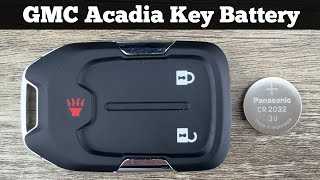
- Weak or Dead Key Fob Battery 🔴 High Probability → Shop Vehicle Battery Key fobs for modern keyless systems transmit signals continuously and batteries typically only last 2-3 years. The required battery for both generations is a CR2032.
How to confirm: Try using the spare key fob. If the spare key works reliably, the battery in the primary fob is the likely culprit. You can also try starting the vehicle by placing the key fob in the designated transmitter pocket (check owner's manual for location), which uses a short-range antenna to bypass the need for a strong battery signal.
Typical fix: Replace the CR2032 coin-style battery inside the key fob. This is a simple DIY task.
Est. part cost: $2-$10 - Radio Frequency (RF) Interference 🟡 Medium Probability As noted in TSB PIC5650B, PIC5650C, and PIC5650M, the GM theft deterrent system is sensitive to other RFID devices. This includes other car keys, building access cards, toll passes, and even some aftermarket phone chargers or LED lights. Even the technician's diagnostic laptop can cause interference during programming.
How to confirm: Remove all other keys, fobs, and access cards from the keychain. Try starting the vehicle with the Acadia key fob isolated from all other electronic devices. If the car starts reliably, RF interference was the cause.
Typical fix: Keep the Acadia key fob on a separate ring from other RFID-emitting devices. Advise the customer of the sensitivity as per GM's recommendation.
Est. part cost: $0 - Faulty Key Fob (Transponder Failure) 🟡 Medium Probability → Shop Keyless Entry Transmitter The internal electronics of the key fob, including the transponder chip, can fail from being dropped, getting wet, or from age. This can cause an intermittent or total failure to communicate.
How to confirm: If a new battery doesn't solve the issue and the spare key works perfectly, the original key fob has likely failed. A diagnostic tool can also show that the key is not being detected by the BCM/TDM.
Typical fix: Replace the key fob and have it professionally programmed to the vehicle by a dealer or automotive locksmith.
Est. part cost: $75-$250 - Improper Key Usage (Flip Keys) ⚪ Low Probability For first-generation models (up to 2016) with a flip-style key, if the key is not fully extended and locked into position when inserted into the ignition, the angle can prevent the transponder from being read correctly. This is documented in TSB PIT5030E.
How to confirm: If you have a flip key and a no-start occurs, remove the key, ensure it is fully extended and straight, and re-insert it firmly into the ignition.
Typical fix: Ensure the key is fully extended before use. This is a user-error issue, not a part failure.
Est. part cost: $0
Rare But Worth Checking
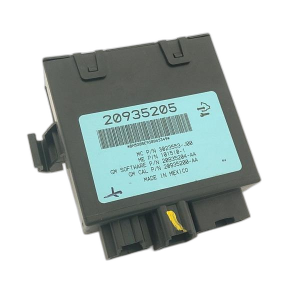
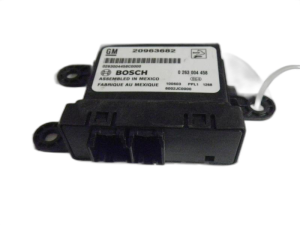
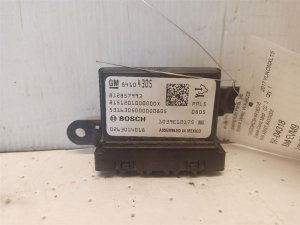
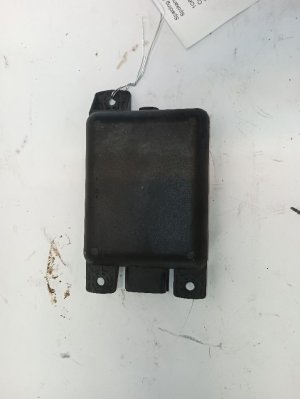
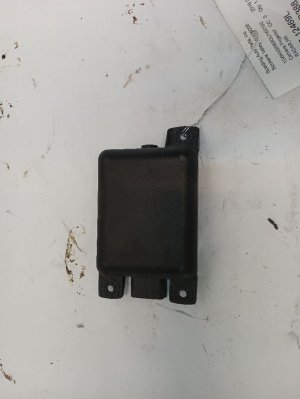
- Faulty Body Control Module (BCM) or Keyless Entry Control Module (KECM): → Shop Keyless Entry Module While less common, the module responsible for reading the key signal can fail. This is often indicated if neither the primary nor the spare key will work, and RF interference has been ruled out. TSB PIC5650M points to this as a potential cause for intermittent issues. Replacement requires a new module programmed to the vehicle's VIN.
- Damaged Immobilizer Antenna/Exciter Ring: → Shop Antenna The antenna ring around the ignition cylinder (on keyed models) or within the cabin (on push-start models) energizes and reads the key transponder. Damage to this component or its wiring can prevent key detection. A diagnostic scan tool can be used to check the signal from the antenna.
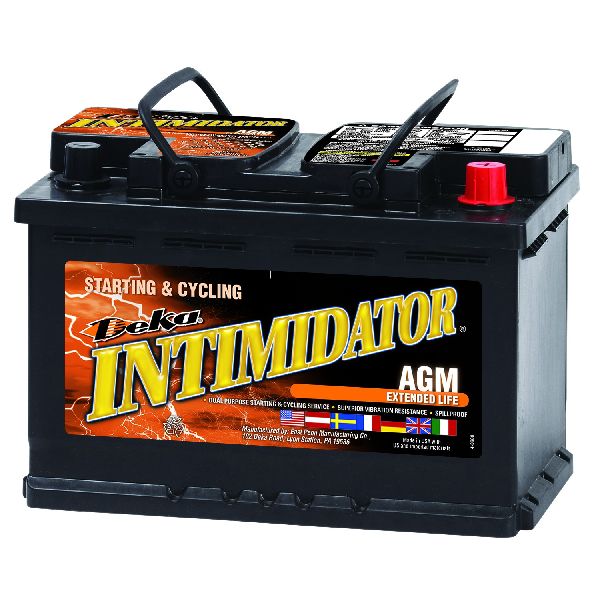
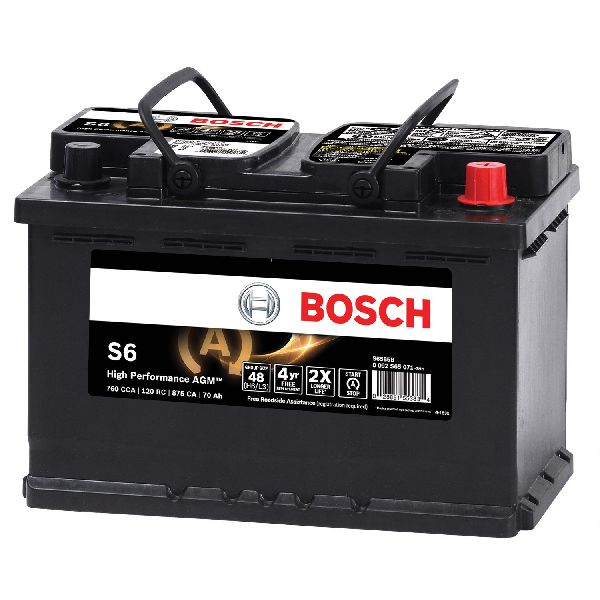
- Low Vehicle Battery Voltage: → Shop Vehicle Battery A weak main vehicle battery can cause various electronic modules, including the BCM and theft deterrent system, to malfunction and set false codes. Before diagnosing complex modules, always ensure the main vehicle battery has a full charge and passes a load test.
Diagnosis Steps
- Verify the complaint. Confirm the no-start/start-stall condition and check for a security light or message on the dash.
- Try the spare key. This is the fastest way to determine if the issue is with a single key or the vehicle itself.
- Replace the battery in the non-working key fob (CR2032).
- Isolate the key. Remove all other keys, fobs, and RFID cards from the keychain and re-test. Check for aftermarket chargers or lights that could cause RFI.
- For keyed ignitions (Gen 1), ensure the flip key is fully extended and locked straight before inserting it.
- For push-button start models (Gen 2), try placing the key fob in the transmitter pocket and attempt to start the vehicle. For 2017-2019, this is a slot in the center console bin. For 2020+, it's under the liner in the bottom of the console bin.
- Scan the BCM and other modules for codes. Note all codes present, especially B3055, B3060, and B3935.
- If all keys fail and interference is ruled out, the vehicle requires professional diagnosis with a scan tool to test the BCM/KECM and immobilizer antenna circuits.
Parts You'll Likely Need
- Key Fob Battery
(OEM #CR2032)— This is the most frequent cause of a 'no key detected' issue and the easiest and cheapest fix.
Trusted brands: Energizer, Duracell, Panasonic
OEM price range: $5-$10
Aftermarket price range: $2-$8 - Keyless Entry Transmitter (Key Fob)
(OEM #Gen 1 (2015-2016): 20952475, 22936099 (FCC: OUC60270/OUC60221). Gen 2 (2017-2020): 13508275, 13523305 (FCC: HYQ1EA).)— If the internal transponder fails, the entire key fob must be replaced and programmed.
Trusted brands: ACDelco, Standard Motor Products
OEM price range: $150-$250
Aftermarket price range: $50-$120 - Body Control Module (BCM) — In rare cases, the module itself fails, requiring replacement and VIN-specific programming. This is a last resort after all other causes are eliminated.
Trusted brands: ACDelco (OEM), Dorman
OEM price range: $300-$500
Aftermarket price range: $200-$400
Related Codes That Often Appear With This One
- B3060 — This code, 'Unlearned Key,' often appears with B3055 as part of the same immobilizer system fault.
- B3935 — Relates to 'Transponder Authentication Failed,' indicating the system received a signal but could not validate it, which is a common companion code.
- C0750, C0755, C0760, C0765, C0775 — These codes are related to Tire Pressure Monitoring (TPM), which also uses RF signals. A fault in the Remote Function Actuator (RFA) or BCM can sometimes affect both the immobilizer and TPM systems simultaneously, often due to widespread RF interference.
Technical Service Bulletins (TSBs) & Recalls
- PIC5650M / PIC5650C / PIC5650B: Details intermittent no-start, B3055 code, and points to RF interference from other keys, toll passes, and aftermarket electronics as a primary cause.
- PIT5030E: Specifically addresses first-generation models with flip keys, noting that a no-start/B3055 can occur if the key is not fully extended and locked straight when inserted into the ignition.
Platform-Specific Known Issues
- Emergency Start Pocket Location Confusion: Owners of 2020 and newer Acadia models frequently report being unable to find the transmitter pocket. Unlike the 2017-2019 models which have a visible slot, the 2020+ location is hidden beneath the removable liner at the bottom of the center console storage bin, leading to frustration when the fob battery dies.
- Flip Key User Error (Gen 1): A notable issue for 2015-2016 models with a keyed ignition is the B3055 code being triggered by user error. If the flip key is not fully locked in the straight position, the angle prevents the immobilizer ring from reading the transponder chip, as documented in TSB PIT5030E.
Mechanic-Grade Diagnostic Values
- Scan Tool BCM/TDM Data Parameter — expected: 'TDM Transponder Key' should read 'Present' when a valid key is in the ignition or near the start button.. Failure: Parameter reads 'Not Present' or 'Invalid Key'.
Scan Tool Commands That Help
- GDS2 (GM Dealer Software): Vehicle Theft Deterrent Learn — Used for programming keys after replacing the BCM or adding new keys. This function requires an online connection to GM's Service Programming System (SPS) and takes approximately 10-13 minutes to complete per session.
- GDS2 (GM Dealer Software): Module Diagnostics > Remote Control Door Lock Receiver > Configure/Reset Functions > Add or Replace Key Fobs — This is the specific path within the GDS2 software to access the key fob programming menu for adding or replacing key fobs for the remote functions.
- Manual Procedure (No Scan Tool): 30-Minute Key Relearn Procedure — After replacing a BCM, this procedure may be required to sync the new module with the vehicle's existing keys. It involves three 10-minute cycles of turning the ignition ON and waiting for the security light to turn off.
Wiring & Ground Locations
- G103 / G102 (Gen 1) — Located on the left side of the engine compartment, on the left inner fender panel.. A poor engine bay ground can introduce electrical noise and voltage drops, affecting various modules including the BCM and its ability to read the key transponder.
- G300 / G305 (Gen 1) — G300 is located behind the right kick panel. G305 is near the battery.. These are primary interior ground points. The BCM is located under the driver's dash on Gen 1 models and relies on clean grounds for proper operation. A fault at these points can directly impact the theft deterrent system.
- BCM (K9) Ground (Gen 2) — The BCM on 2017+ models is behind the passenger side dash/kick panel. It relies on a clean chassis ground in that vicinity.. The second-generation Acadia's BCM integrates many functions. A poor ground connection at the module itself is a primary cause of intermittent electronic issues, including failure to detect the key fob.
- BCM Rear Antenna Pins (Gen 2) — On some keyless entry systems, the rear antennas connect to the BCM. The Left Rear Antenna connects to Pins 30 (ANT+) and 32 (ANT-). The Right Rear Antenna connects to Pins 15 (ANT+) and 16 (ANT-).. The vehicle uses multiple antennas to locate the key fob. A wiring fault between the BCM and one of these antennas can prevent the key from being detected, triggering B3055, especially if the key is in a specific location within the vehicle.
Real Owner Repair Stories
- YouTube channel 'ADD AUTOMOBILE SERVICES' (2013 Chevrolet Equinox (similar platform and system)) — Intermittent no-start with security light on and DTC B3055. Sometimes the key would be recognized, other times not.
❌ Tried (didn't work) Starting the vehicle normally often failed.
✅ What actually fixed it The technician used a VVDI Key Tool to read the intermittently failing transponder chip. He then cloned this chip's data onto a new 'super chip' and placed this new chip inside the original key fob. This provided a strong, consistent signal, resolving the intermittent no-start issue.
Model Year Variations Within This Range
- 2015-2016 (Gen 1): The Body Control Module (BCM) is located under the driver's side dash. These models may use a flip-style key which can cause B3055 if not fully extended straight when inserted into the ignition cylinder, as per TSB PIT5030E.
- 2017-2022 (Gen 2): The Body Control Module (BCM), designated K9, is located behind the passenger side dash panel. These models use a push-button start system, so the flip-key issue does not apply.
Helpful Videos

Used OEM Parts in Stock
New Aftermarket Parts Available

The information in this article is provided for general reference and educational purposes only. Vehicle specifications, procedures, and part compatibility can vary by production date, trim level, and region. Always consult your vehicle's factory service manual and verify part numbers before purchasing or performing repairs. Safety-critical components such as airbags, seat belts, and braking systems should be installed by a qualified professional.
- Gmc ACADIA:
- 🧭 Diagnostic Flowchart
- 🎬 Helpful Videos
- 🛍️ Shop This Part
- What's Unique About the 2015-2022 Gmc ACADIA
- Symptoms You May Notice
- Most Likely Causes
- Rare But Worth Checking
- Diagnosis Steps
- Parts You'll Likely Need
- Related Codes That Often Appear With This One
- Technical Service Bulletins (TSBs) & Recalls
- Platform-Specific Known Issues
- Mechanic-Grade Diagnostic Values
- Scan Tool Commands That Help
- Wiring & Ground Locations
- Real Owner Repair Stories
- Model Year Variations Within This Range
- 🎟️ Get 5% Off