

B3055 on 2015-2022 GMC Canyon: Key Not Detected, No-Start Causes and Fixes
This code means your truck's security system doesn't recognize your key, causing a no-start. The most common fixes are trying your spare key, ensuring your flip key is fully extended, or removing other RFID cards from your keychain. If that fails, a new key and programming may be needed.
- Before panicking, try your spare key. This is the fastest way to determine if the problem is your primary key.
- Declutter your keychain. Remove all other fobs and access cards to eliminate potential RF interference.
- If you have a flip key, make sure it's fully locked in the straight position before you put it in the ignition.
- Do not immediately assume a major component like the starter or BCM has failed. The cause is often simple.
- Any fix involving a new key or module will require professional programming.
What's Unique About the 2015-2022 Gmc CANYON
On this generation of GMC Canyon and its sister vehicle, the Chevrolet Colorado, the B3055 code is frequently linked to intermittent issues that can be hard to duplicate. GM has issued several service bulletins addressing non-obvious causes, such as interference from other radio-frequency (RFID) devices on the owner's keychain and even the physical angle of the flip-key blade when inserted into the ignition. These user-related issues are common and should be checked before suspecting a failed part. The issue is so prevalent that GM has multiple revisions of the same TSBs (PIC5650 and PIT5030) spanning many model years and vehicles.
Diagnostic Flowchart
Tap your situation to follow the diagnostic path that matches what you're seeing on this vehicle.
Symptoms You May Notice
- Engine does not crank (no-crank)
- Engine starts briefly and then immediately stalls
- Security indicator light (often a car with a lock symbol) is illuminated or flashing on the dashboard 🎬 Watch: What to do when the theft light stays on.
- "Theft Attempted" message may appear on the Driver Information Center (DIC).
- Key may become stuck in the ignition; some owners report needing to disconnect the battery to release it.
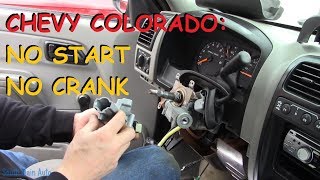
- Replacing the starter motor when the engine won't crank. A Reddit thread details a technician dealing with a customer who was convinced the starter was bad, but the actual issue was a broken key causing code B3055. 🎬 Watch: A real-world diagnosis of a Colorado no-crank condition.
- Replacing the vehicle's main 12V battery without first checking for security-related trouble codes. While a weak battery can cause this code, it's often a symptom or contributing factor, not the root cause.
Most Likely Causes
- Radio Frequency (RF) Interference 🔴 High Probability As noted in GM Technical Service Bulletin PIC5650M, RFID devices like other vehicle key fobs, building access cards, or fuel station passes on the same keychain can disrupt the signal between the key and the vehicle. TSB PIC5650F further expands this list to include aftermarket LED lighting, cell phone chargers, and USB power banks.
How to confirm: Remove all other keys, fobs, and cards from the ignition key ring. Try starting the vehicle with the ignition key isolated from all other devices. Turn off or unplug any aftermarket chargers or lights.
Typical fix: Keep the ignition key on a separate ring or remove it from the main keychain before starting the vehicle. Remove problematic aftermarket electronics.
Est. part cost: $0 - Improper Key Insertion (Flip Key) 🔴 High Probability GM TSB PIT5030E specifically calls out that if the flip-style key is not fully extended and locked straight, it can misalign with the immobilizer antenna, causing a no-start and setting code B3055. The bulletin includes pictures showing the incorrect angled insertion versus the correct straight insertion.
How to confirm: If the truck won't crank, remove the key. Ensure it is fully clicked into the straight, open position. Re-insert the key and attempt to start again.
Typical fix: Educating the driver to always ensure the key is fully extended before use.
Est. part cost: $0 - Damaged or Faulty Ignition Key 🟡 Medium Probability → Shop Ignition Switch The transponder chip inside the key head is small and can be damaged if the key is dropped, exposed to water, or physically broken. A technician on Reddit shared a story of a vehicle towed in for a no-start with B3055; the key was physically broken and held together with tape, and replacing and programming a new key resolved the issue entirely.
How to confirm: Try starting the vehicle with your spare key. If the spare key works reliably, the primary key is the issue. A diagnostic scan may show 'no key detected' or 'no transponder modulation'.
Typical fix: The faulty key must be replaced. A new key needs to be cut and electronically programmed to the vehicle by a dealer or automotive locksmith.
Est. part cost: $75-$250 - Weak or Dead Key Fob Battery ⚪ Low Probability → Shop Vehicle Battery While the transponder chip is typically passive (powered by the car's antenna), a very weak fob battery can sometimes contribute to communication issues on push-to-start models or cause related errors. A weak main vehicle battery (12V) can also cause the BCM to behave erratically and set this code.
How to confirm: Replace the battery in the key fob (usually a CR2032 coin cell). On push-to-start models, try placing the fob in the designated transmitter pocket, as described in the owner's manual. Ensure the main vehicle battery has a stable voltage above 12V.
Typical fix: Replace the key fob battery or the main vehicle battery if it fails a load test.
Est. part cost: $5-$200 - Faulty Immobilizer Antenna (Exciter Ring) ⚪ Low Probability → Shop Antenna The antenna coil that surrounds the ignition lock cylinder can fail, preventing it from energizing the key's transponder chip. This part is often integrated into the ignition lock cylinder housing assembly.
How to confirm: This requires professional diagnosis using a scan tool to monitor data from the Theft Deterrent Module while testing with a known-good key. The technician may also test the circuit for continuity and resistance. A simple pass/fail test can be done with a tool like the TDB006 which lights up when it detects a signal from the antenna.
Typical fix: Replacement of the immobilizer antenna module/ignition lock housing, which is located behind the steering column shrouds. Your existing lock cylinder is typically transferred to the new housing.
Est. part cost: $50-$150
Rare But Worth Checking
- Faulty Body Control Module (BCM) or Theft Deterrent Module (TDM): → Shop Anti-Theft Control Module This is the least likely cause and should only be considered after all other possibilities (key, interference, antenna, wiring) have been definitively ruled out by a professional. Replacing a BCM requires programming that is specific to the vehicle's VIN and options.
Diagnosis Steps
- Check for the security light on the dash. If it's on or flashing, a security issue is likely.
- Try to start the vehicle with your spare key. If it works, the original key is faulty.
- Remove ALL other fobs, cards, and electronic devices from the keychain and try again.
- If you have a flip key, ensure it is fully extended and locked straight before inserting it into the ignition.
- Unplug any aftermarket devices like phone chargers, dash cams, or LED lights.
- Replace the battery in the key fob as a low-cost preventative measure.
- Visually inspect the key for any physical damage, like cracks in the plastic head.
- If the issue persists, have a professional technician scan the Theft Deterrent Module for current and history codes.
- A technician will then follow diagnostic procedures to test the immobilizer antenna circuit and BCM/TDM function.
Parts You'll Likely Need
- Ignition Key — The transponder chip in the original key may have failed or been damaged. This is a common fix when the spare key works.
Trusted brands: ACDelco
OEM price range: $100-$200
Aftermarket price range: $50-$120 - Key Fob Battery
(OEM #CR2032)— A simple and inexpensive first step, though less likely to be the direct cause for a transponder read error.
Trusted brands: Duracell, Energizer
OEM price range: $5-$15
Aftermarket price range: $5-$10 - Immobilizer Antenna / Exciter Ring
(OEM #84714720 (Ignition Lock Housing Assembly))— If multiple known-good keys fail to work, the antenna that reads them may be faulty. This part number is for the entire ignition lock housing which typically includes the antenna.
Trusted brands: ACDelco
OEM price range: $70-$150
Aftermarket price range: $40-$90
Related Codes That Often Appear With This One
- B3060 — This code is also related to the transponder key system and often appears with B3055, as noted in TSB PIC5650M.
- B3935 — Another transponder-related code that can be set alongside B3055 during a security system fault.
- B2955 — This code for 'Security Sensor Data Circuit Malfunction' can appear with B3055, indicating a problem in the circuit between the immobilizer antenna and the control module.
Technical Service Bulletins (TSBs) & Recalls
- PIC5650M: Addresses intermittent no crank, no start, or start stall with security light on, potentially caused by DTCs including B3055. This is the latest version of a long-running bulletin.
- PIC5650F: An earlier version of the bulletin that provides an extensive list of aftermarket devices that can cause Radio Frequency Interference (RFI), such as other key fobs, access cards, LED lights, and even USB chargers.
- PIT5030E: Explains that an improperly extended flip-key can cause a no-crank and set code B3055.
Platform-Specific Known Issues
- An intermittent no-crank or start-stall condition with the security light on may be caused by B3055, as documented in TSB PIC5650M.
- Radio Frequency Interference from devices on the keychain is a known cause of this code.
- Using a flip key that is not fully extended can cause a no-crank condition and set DTC B3055.
Mechanic-Grade Diagnostic Values
- Immobilizer System Live Data PID: 'Environment Identification' — expected: Should display 'Valid Key' or a similar positive confirmation when a known-good key is in the ignition.. Failure: Displays 'No Key Detected' or 'Invalid Key'. This confirms the BCM is not receiving a valid signal.
- Immobilizer System Live Data PID: 'Immobilizer Key Status' — expected: Should change state to 'OK' or 'Learned' when a programmed key is used.. Failure: Remains 'Not Learned' or 'Not OK', indicating the key's transponder value is not recognized by the BCM/TDM.
Hidden / Shadow Codes Worth Checking
- B3055 00: The '00' is a symptom byte that may be displayed on some advanced scan tools. For this DTC, it typically means 'No Sub Type Information', indicating the main code's definition is sufficient. (see via GM GDS2 or equivalent professional-level scan tool.)
Scan Tool Commands That Help
- GDS2 (GM Global Diagnostic System 2): Immobilizer Learn / Key Programming — This function is required after replacing a key, the BCM, or the TDM. It guides the technician through a 10-minute procedure to teach the vehicle the new component's security information.
- GDS2 (GM Global Diagnostic System 2): Module Diagnostics > BCM > Data Display > Immobilizer Data — Used to monitor live data PIDs like 'Environment Identification' and 'Immobilizer Key Status' to see exactly what the BCM is detecting from the key in real-time. This is a primary step in diagnosing if the fault is with the key, antenna, or module.
- Tech2 / Tech2Win: Module Setup > BCM > Program Key Fobs — On older models covered by the Tech2, this path is used. For the 2015+ Canyon, GDS2 is the correct tool, but this command shows the diagnostic lineage. The process involves putting the BCM into a learn mode to accept new keys/fobs.
Wiring & Ground Locations
- SP105 (Splice Pack) — Under the hood on the driver's side, near the battery and underhood fuse block.. This is a major ground splice pack for numerous components, including the Run/Crank relay and the EBCM. While not directly tied to the BCM's immobilizer circuit, a poor ground here can cause low system voltage and erratic behavior in multiple modules, potentially triggering a B3055 code as a secondary fault.
- SP106 (Splice Pack) — Under the hood on the passenger side, behind the engine airbox.. This ground splice pack serves the HVAC control module and the Data Link Connector (DLC). A fault here is less likely to directly cause B3055, but it highlights the platform's reliance on splice packs which are known points of failure due to corrosion, leading to widespread, hard-to-diagnose electrical issues.
- BCM Connectors (X1-X7) — Located in the passenger side kick panel area.. The immobilizer antenna (exciter coil) wires run from the ignition lock cylinder directly to specific pins on one of the BCM connectors. A visual inspection and pin-drag test of these connectors is a critical step if the key and antenna have been ruled out. A loose or corroded pin here will interrupt the signal from the key.
- OBD-II Port — On the driver's side, under the dashboard to the left of the steering column, near the hood release.. This is the connection point for the diagnostic scan tool (GDS2) required for all advanced diagnostics and key programming procedures.
Real Owner Repair Stories
- ColoradoFans.com Forum User (2016 Chevrolet Colorado (sister vehicle)) — Intermittent no-start condition, security light would come on. Sometimes would start after sitting for 10-15 minutes. Dealer could not replicate the issue.
❌ Tried (didn't work) Replacing the key fob battery, Using the spare key, Ensuring the flip key was fully extended, Removing all other items from the keychain
✅ What actually fixed it After multiple visits, the dealership was finally able to experience the failure. They diagnosed and replaced a faulty Body Control Module (BCM). The problem did not return after the BCM replacement and programming.
OEM Part Supersession History
23142102, 84188578→84714720— Part number consolidation and potential minor revisions to the Ignition Lock Housing Assembly, which includes the immobilizer antenna.
Heads up: These parts are generally interchangeable for the specified application (auto trans, without push-button start), but it is always recommended to use the latest part number (84714720) for repairs.
Model Year Variations Within This Range
- 2015-2022: While the core immobilizer system (Pass-Key III+) remained consistent, the diagnostic software evolved. Earlier models could potentially be accessed with a Tech2/Tech2Win, but all vehicles in this range are officially supported and best diagnosed using GM's GDS2 software platform.
Helpful Videos
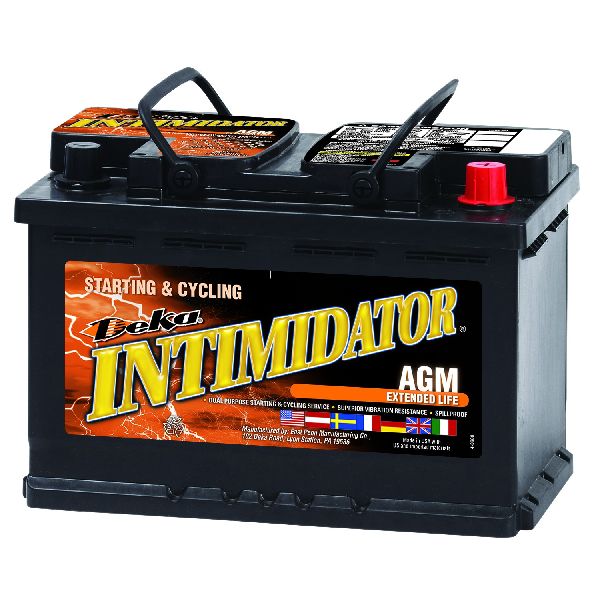
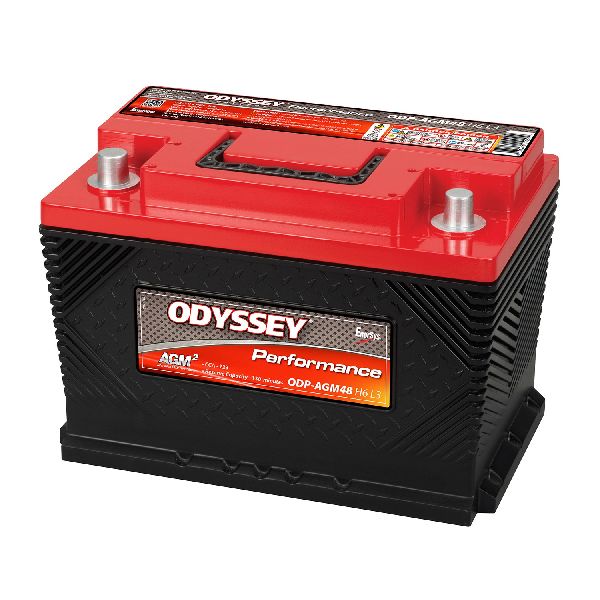
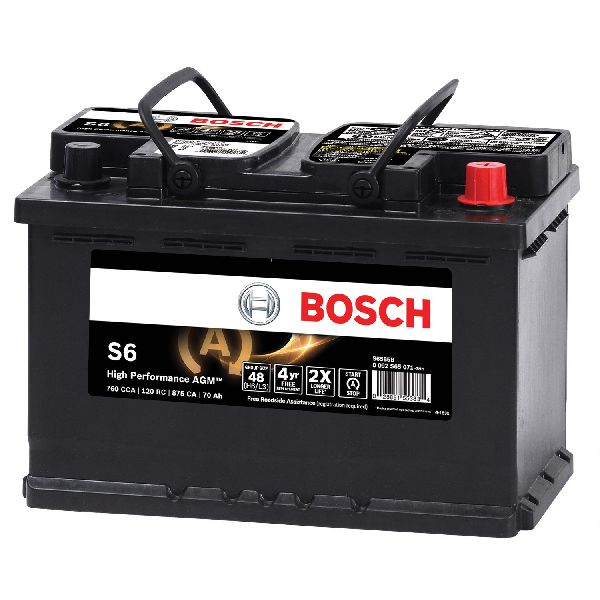
We Have This Part in Stock


The information in this article is provided for general reference and educational purposes only. Vehicle specifications, procedures, and part compatibility can vary by production date, trim level, and region. Always consult your vehicle's factory service manual and verify part numbers before purchasing or performing repairs. Safety-critical components such as airbags, seat belts, and braking systems should be installed by a qualified professional.
- Gmc CANYON:
- 🧭 Diagnostic Flowchart
- 🎬 Helpful Videos
- 🛍️ Shop This Part
- What's Unique About the 2015-2022 Gmc CANYON
- Symptoms You May Notice
- Most Likely Causes
- Rare But Worth Checking
- Diagnosis Steps
- Parts You'll Likely Need
- Related Codes That Often Appear With This One
- Technical Service Bulletins (TSBs) & Recalls
- Platform-Specific Known Issues
- Mechanic-Grade Diagnostic Values
- Hidden / Shadow Codes Worth Checking
- Scan Tool Commands That Help
- Wiring & Ground Locations
- Real Owner Repair Stories
- OEM Part Supersession History
- Model Year Variations Within This Range
- 🎟️ Get 5% Off