

B3055 on 2017-2019 GMC Yukon Denali: Causes and Fixes for No-Start Condition
Code B3055 on a 2017-2019 GMC Yukon Denali means the anti-theft system can't detect the key, causing a no-start. The most common causes are radio frequency interference from aftermarket chargers, a faulty key fob, or a weak key fob battery. Trying your spare key and removing all electronics is the first step.
- B3055 means your Yukon's anti-theft system has been triggered and is preventing the engine from starting.
- Before spending any money, the first steps are to remove all phone chargers/USB devices, try your spare key, and/or replace the key fob battery.
- Do not immediately replace the starter or main vehicle battery; the B3055 code specifically points to a security system fault.
- If a new key is needed, it must be professionally programmed to the vehicle by a dealer or automotive locksmith.
What's Unique About the 2017-2019 Gmc YUKON DENALI
The K2XX platform, which includes the 2017-2019 Yukon, is notoriously sensitive to Radio Frequency Interference (RFI). Multiple GM Technical Service Bulletins, including the comprehensive PIC5650M, highlight that intermittent no-start issues with code B3055 are frequently caused by aftermarket devices like phone chargers, dash cams, aftermarket LED lighting, or even toll passes that disrupt the key fob's 125 kHz signal. This is a more common cause on these modern SUVs than outright failure of a mechanical part. Another potential issue on the K2XX platform is a poor G218 ground connection under the driver's side dash, which can cause intermittent BCM operation and mimic a component failure.
Diagnostic Flowchart
Tap your situation to follow the diagnostic path that matches what you're seeing on this vehicle.
Symptoms You May Notice
- Engine will not crank (no-start condition).
- Engine starts and then immediately stalls.
- Security light is illuminated or flashing on the dashboard.
- "Service Theft Deterrent System" message on the driver information center.
- "No Remote Detected" or "No Key Detected" message on the driver information center.
- Remote Keyless Entry (RKE) functions (lock/unlock) may work, but the vehicle still won't start.
- Replacing the starter motor. The no-crank symptom is caused by the security system disabling the starter relay, not a faulty starter.
- Replacing the main 12V vehicle battery. While a weak battery can cause various electrical issues, the presence of code B3055 specifically points to the anti-theft system's inability to read the key.
Most Likely Causes
- Radio Frequency Interference (RFI) 🔴 High Probability This platform is highly sensitive to RFI, as documented in GM TSB PIC5650M. Aftermarket phone chargers, USB adapters, dash cams, and even non-factory LED lights are common culprits that can jam the 125 kHz signal.
How to confirm: Unplug all aftermarket electronic devices from the 12V and USB ports. Remove any other key fobs, access cards, or electronics from the keychain. If the vehicle starts, RFI was the cause.
Typical fix: Remove the interfering device. If a charger is needed, use a high-quality, well-shielded one, preferably a GM-approved accessory.
Est. part cost: $0-$50 - Faulty Key Fob 🟡 Medium Probability → Shop Keyless Entry Transmitter The internal transponder chip can fail from being dropped or from age. The battery contacts can also become weak. While less common, the transponder chip itself can fail, as documented by technicians on similar GM models.
How to confirm: Try starting the vehicle with your spare key fob. If the spare key works consistently, the primary key is faulty.
Typical fix: The faulty key fob must be replaced and programmed to the vehicle by a dealership or a qualified automotive locksmith using tools like an Auto Propad or GM's SPS2 software.
Est. part cost: $150-$400 - Weak or Dead Key Fob Battery 🟡 Medium Probability → Shop Vehicle Battery
How to confirm: For push-to-start models, a 'No Key Detected' message may appear. Try placing the key fob in the transmitter pocket (located in the front of the center console storage area, under the lid) as described in the owner's manual. If the vehicle starts from this pocket, the fob battery is the likely cause.
Typical fix: Replace the CR2032 coin cell battery inside the key fob.
Est. part cost: $5-$10 - Faulty Keyless Entry Antenna ⚪ Low Probability → Shop Antenna
How to confirm: This requires professional diagnosis. A technician would use a scan tool to monitor the signal strength from the various keyless entry antennas located in the vehicle (e.g., center console, dashboard, rear bumper). A qualitative test can be done by probing the antenna wires with an oscilloscope to check for a 125kHz signal burst when the start button is pressed.
Typical fix: Replace the faulty antenna. These antennas are located in various places, including the center console (Part No. 13580788), rear body/bumper area (Part No. 13545328), and others.
Est. part cost: $40-$90
Rare But Worth Checking
- Body Control Module (BCM) Failure or Software Glitch: → Shop Body Control Module This is a last-resort diagnosis. A failing BCM often causes multiple, unrelated electrical problems. TSBs warn against replacing the BCM before ruling out RFI and checking for software updates. In some cases, a poor G218 ground connection under the driver's dash can cause intermittent BCM issues and should be checked first.
- Poor Ground Connection (G218): On the K2XX platform, the G218 ground under the driver's side dash is a known weak point. Sound-deadening insulation can get trapped under the ground nut, causing a poor connection for the BCM and other modules, leading to intermittent no-starts and code B3055.
Diagnosis Steps
- Check for a 'Service Theft Deterrent System' or 'No Key Detected' message on the dash.
- Unplug ALL aftermarket devices (phone chargers, dash cams, USB adapters, aftermarket LED lights) from the vehicle's power ports.
- Remove all other keys, fobs, and RFID cards (toll passes, access cards) from the keychain and from inside the vehicle.
- Try starting the vehicle with your spare key. If it starts, the original key is the problem.
- If you have a push-to-start model, try placing the non-working key fob in the designated transmitter pocket (inside the center console storage area) and attempt to start the engine. If it starts, replace the key fob battery (CR2032).
- Inspect the main vehicle battery terminals for corrosion and ensure they are tight. Test the battery voltage to ensure it is above 12.4V.
- If the problem persists, the vehicle needs professional diagnosis with a scan tool (like GM GDS2) to check for communication with the keyless entry antennas and the Body Control Module (BCM).
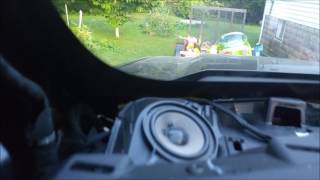
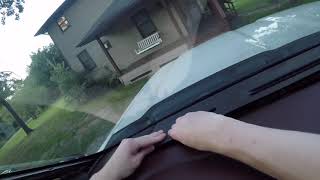
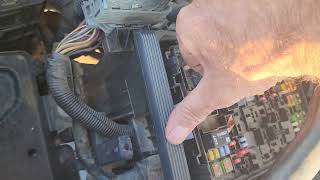
- Have a technician inspect the G218 ground connection under the driver's side dashboard for tightness and to ensure no insulation is trapped under the contact. 🎬 Watch: How to find and fix the G218 ground connection.
Parts You'll Likely Need
- Key Fob — The internal transponder chip can fail, or the fob can be damaged, preventing communication with the vehicle.
Trusted brands: ACDelco
OEM price range: $150-$400
Aftermarket price range: $70-$150 - Key Fob Battery
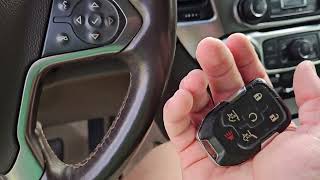
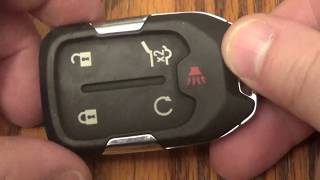
(OEM #CR2032)— A weak or dead battery is a common cause for the vehicle being unable to detect the key fob. This is the first and cheapest part to replace. 🎬 See this quick walkthrough for replacing your key fob battery.
Trusted brands: Duracell, Energizer
OEM price range: $5-$10
Aftermarket price range: $5-$10 - Keyless Entry Antenna (Center Console)
(OEM #13580788)— If the antenna that receives the key fob's signal fails, the BCM will not be able to authenticate the key. This part number corresponds to the antenna located in the center console area.
Trusted brands: ACDelco, Denso
OEM price range: $40-$80
Aftermarket price range: $25-$50 - Keyless Entry Antenna (Rear)
(OEM #13545328)— The vehicle uses multiple antennas for the keyless entry system. This part number often corresponds to an antenna located in the rear body or bumper area.
Trusted brands: ACDelco
OEM price range: $45-$90
Aftermarket price range: $30-$60
Related Codes That Often Appear With This One
- B3060 — This code relates to the key transponder antenna circuit and is often set alongside B3055 during a security fault, as noted in TSB PIC5650M.
- B3935 — This code means 'Transponder Authentication Failed' and is part of the same security handshake process. It is frequently set with B3055, as mentioned in TSB PIC5650M.
Technical Service Bulletins (TSBs) & Recalls
- PIC5650M: Addresses intermittent no crank, no start, or start/stall concerns with the security light on, caused by Radio Frequency Interference. It lists B3055, B3060, and B3935 as primary codes and advises removing all aftermarket electronics before replacing parts.
- PIT5405C: While not directly for B3055, this TSB addresses issues with the G218 ground on K2XX platforms, a known cause for intermittent BCM problems that can trigger security faults like B3055.
Platform-Specific Known Issues
- Per TSB PIC5650M, these vehicles can experience an intermittent no crank, no start, or start/stall with the security light on due to Radio Frequency Interference (RFI), which sets DTC B3055. This is the most common and frustrating cause for owners.
- A user on TahoeYukonForum.com with a 2017 Yukon reported a recurring no-start where all electronics would power on but the engine would not engage, suspecting the theft deterrent system after a previous fix involving a loose ground wire.
Mechanic-Grade Diagnostic Values
- Immobilizer Control Module Low Reference Circuit to BCM Resistance — expected: Less than 2.0 Ω. Failure: A reading of 2.0 Ω or greater indicates high resistance or an open in the ground reference circuit between the immobilizer module and the BCM.
- Keyless Entry Antenna Signal Output — expected: A 125 kHz oscillating signal burst visible on an oscilloscope when the start button is pressed.. Failure: Absence of a signal burst indicates a faulty antenna or no power/command from the BCM.
Hidden / Shadow Codes Worth Checking
- B3055 00: No Transponder Modulation or No Transponder with no additional subtype information. This is the most general version of the fault. (see via A professional scan tool like the GM GDS2 or a high-end aftermarket scanner capable of reading manufacturer-specific symptom bytes.)
- B3055 5A: No Transponder Modulation or No Transponder - Signal Plausibility Failure. This indicates the BCM received a signal that was not within the expected range or pattern, often pointing to RFI or a failing component sending a corrupt signal. (see via A professional scan tool like the GM GDS2 or a high-end aftermarket scanner capable of reading manufacturer-specific symptom bytes.)
Scan Tool Commands That Help
- GM GDS2: Immobilizer Learn / Key Learn — This function is required after replacing a key, the Body Control Module (BCM), or the Keyless Entry Control Module to program the new component's security information into the vehicle's memory.
- GM GDS2: BCM Data Display > Immobilizer Key Status — To monitor the live data status of the key being presented to the vehicle. A technician can see if the system reports 'Accepted', 'Invalid Key', or 'Not Present' to determine if the BCM is seeing the key at all.
- GM GDS2: BCM Programming and Setup — When a new BCM is installed, this function must be performed first to configure the module with the vehicle's specific options (RPOs) and VIN before any key learning can take place.
- EL-52545 TPMS and RF Tool: Signal Detect > Fob/Key I.D. — To verify that the VIN programmed into the key fob matches the vehicle's VIN. A mismatched fob cannot be relearned and is a crucial diagnostic step before replacing expensive modules under warranty or during diagnosis.
Wiring & Ground Locations
- G218 — Under the driver's side of the dashboard, typically behind the kick panel or lower dash trim, fastened to a metal body stud.. This is a primary ground point for the Body Control Module (BCM). Per TSB PIT5405C, sound-deadening insulation often gets trapped between the ground terminal and the body, causing high resistance. This can lead to intermittent BCM malfunction, triggering a variety of codes, including B3055.
- BCM (Body Control Module) — Located on the lower left side of the dashboard, accessible after removing the driver's side knee bolster panel.. The BCM is the central computer for the immobilizer system. All antenna signals, key data, and security logic are processed here. Its connectors (labeled X1-X7) are the primary points for testing signal integrity from the antennas if a wiring issue is suspected.
- G201 — An instrument panel ground located in the upper left corner of the dash, near the A-pillar.. Serves as another ground point for various instrument panel modules. While G218 is the more commonly cited culprit, a poor connection at G201 could also cause related electrical issues.
OEM Part Supersession History
13595583→13528945— Standard part revision or manufacturer change.
Heads up: The new part number (13528945) is the correct service replacement for the original. Both require professional programming (BCM Setup and Immobilizer Learn) with GM GDS2 upon installation.
Helpful Videos

We Have This Part in Stock



The information in this article is provided for general reference and educational purposes only. Vehicle specifications, procedures, and part compatibility can vary by production date, trim level, and region. Always consult your vehicle's factory service manual and verify part numbers before purchasing or performing repairs. Safety-critical components such as airbags, seat belts, and braking systems should be installed by a qualified professional.
- Gmc YUKON DENALI:
- 🧭 Diagnostic Flowchart
- 🎬 Helpful Videos
- 🛍️ Shop This Part
- What's Unique About the 2017-2019 Gmc YUKON DENALI
- Symptoms You May Notice
- Most Likely Causes
- Rare But Worth Checking
- Diagnosis Steps
- Parts You'll Likely Need
- Related Codes That Often Appear With This One
- Technical Service Bulletins (TSBs) & Recalls
- Platform-Specific Known Issues
- Mechanic-Grade Diagnostic Values
- Hidden / Shadow Codes Worth Checking
- Scan Tool Commands That Help
- Wiring & Ground Locations
- OEM Part Supersession History
- 🎟️ Get 5% Off