

B3055 on 2007-2014 GMC Yukon XL: No-Start, Security Light Causes and Fixes
On a 2007-2014 GMC Yukon XL, code B3055 almost always points to a problem with the Passkey III+ vehicle immobilizer system, causing a no-start and an illuminated security light. The most common fixes are replacing a worn or damaged ignition key, replacing the ignition lock cylinder which contains the reader coil, or removing sources of radio frequency interference (RFI) from inside the vehicle.
- B3055 means your Yukon XL's security system doesn't recognize your key, preventing the engine from starting.
- Before any expensive repairs, try your spare key and remove all aftermarket electronics/other keys from your keychain to rule out the simplest causes.
- The most common hardware failures are a bad key or a faulty ignition lock cylinder, not the computer modules.
- This is a known issue on this platform, with multiple GM service bulletins published to help technicians diagnose the intermittent no-start condition.
- Due to the need for special programming tools for keys and modules, professional service is often required for the final repair.
What's Unique About the 2007-2014 Gmc YUKON XL
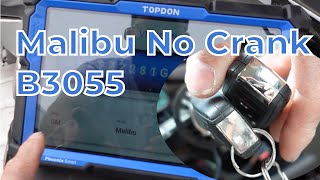
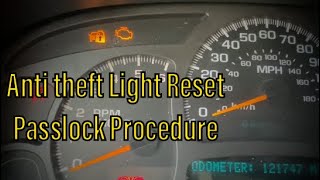
The GMT900 platform, which includes the Yukon XL, Chevrolet Tahoe/Suburban, and Cadillac Escalade, uses the Passkey III+ (PK3+) immobilizer system. This system is known for intermittent no-crank or start-and-stall issues, often accompanied by the security light. 🎬 See how to reset the anti-theft light on your dash. GM has issued multiple Technical Service Bulletins (TSBs) acknowledging these symptoms and linking them to code B3055. 🎬 Watch: Professional diagnostic walkthrough for the B3055 security code. The issues are frequently traced back to worn keys, radio frequency interference from aftermarket devices like phone chargers, or components within the steering column, rather than just a simple bad key.
Diagnostic Flowchart
Tap your situation to follow the diagnostic path that matches what you're seeing on this vehicle.
Symptoms You May Notice
- Intermittent no-crank, no-start condition.
- Engine starts and then immediately stalls.
- Security light is illuminated or flashing on the instrument cluster.
- "Service Theft Deterrent System" message on the Driver Information Center (DIC).
- Replacing the battery without checking the security system first. While a weak battery can cause various electrical issues, it won't typically set a B3055 code on its own.
- Replacing the starter. A no-crank condition can be caused by the starter, but if the security light is on and code B3055 is present, the immobilizer is the primary suspect.
- Replacing the fuel pump. A start-and-stall symptom can point to a fuel issue, but this is a secondary effect of the security system cutting off the engine, not the root cause.
Most Likely Causes
- Damaged or Worn Ignition Key 🔴 High Probability → Shop Ignition Switch The transponder chip in the key head can be damaged from drops or wear. Flip-style keys can fail to fully extend, misaligning the transponder with the reader coil. Over time, the internal components of the key simply fail.
How to confirm: Try starting the vehicle with a spare key. If the spare key works reliably, the original key is faulty. Inspect the key for visible damage or a loose fit in the ignition. A scan tool may show 'No Key Detected' with the bad key and 'Key Detected' with the good one.
Typical fix: Replace the faulty key. A new key must be cut and programmed to the vehicle. This can be done by a locksmith or dealer, or sometimes via a 30-minute 'relearn' procedure performed by the owner.
Est. part cost: $50-$150 - Radio Frequency Interference (RFI) 🟡 Medium Probability Aftermarket electronics like phone chargers (especially USB types), LED lights, toll passes, or even other car keys on the same keychain can emit signals that interfere with the 125 kHz frequency used by the immobilizer system. GM TSB PIC5650 specifically calls out this issue.
How to confirm: Remove all other keys, fobs, and aftermarket electronic devices from the keychain and from inside the vehicle. Unplug any phone chargers or dash cams. Try starting the vehicle with just the single Yukon key. If it starts consistently, RFI was the cause.
Typical fix: Keep other electronic devices and keys away from the ignition key when starting the vehicle. Relocate or replace low-quality aftermarket chargers.
Est. part cost: $0 - Faulty Ignition Lock Cylinder / Exciter Coil 🟡 Medium Probability → Shop Ignition Switch The exciter coil that energizes the key's transponder is part of the ignition lock cylinder assembly. Over time, the wiring for this coil can break or the coil itself can fail, preventing it from reading the key. Physical wear can also cause a poor connection.
How to confirm: A scan tool may show no key detected even with a known-good key. Wiggling the key in the ignition may temporarily restore connection and allow the vehicle to start, indicating a wiring or component issue in the column. This is a strong indicator of a failing lock cylinder assembly.
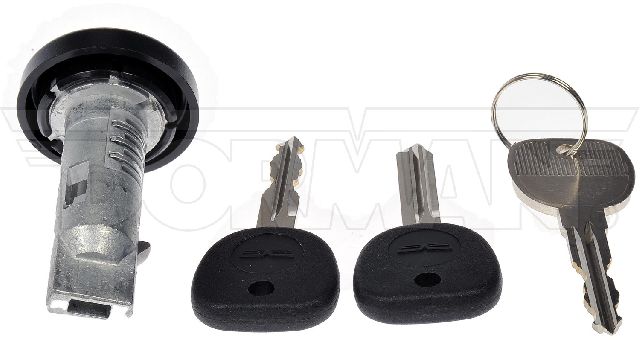
Typical fix: Replacement of the ignition lock cylinder and performing a key relearn procedure. The ACDelco D1462G is a common OEM replacement part.
Est. part cost: $100-$250 - Failing Ignition Switch ⚪ Low Probability → Shop Ignition Switch The electrical part of the ignition switch can wear out, causing intermittent power loss to various modules, including the Theft Deterrent Module, which can trigger security faults. This is less common than key or lock cylinder failure for this specific code.
How to confirm: This is more difficult to diagnose and often presents with other electrical issues (like radio or cluster flickering). A technician would test the switch's circuits for proper voltage and continuity in different key positions according to the service manual.
Typical fix: Replace the ignition switch and perform any necessary relearn procedures.
Est. part cost: $40-$120
Rare But Worth Checking
- Faulty Theft Deterrent Module (TDM) or Body Control Module (BCM): → Shop Anti-Theft Control Module This is rare and should only be considered after all other possibilities (key, RFI, ignition cylinder/switch, and wiring) have been thoroughly ruled out. Module replacement is expensive and requires programming by a dealer or a well-equipped independent shop.
Diagnosis Steps
- Verify B3055 is the active code using an OBD-II scanner capable of reading Body Control Module (BCM) codes.
- Inspect the ignition key for any physical damage. If you have a flip-key, ensure it is fully extended and locked, as an incomplete extension can cause this code per TSB PIT5030E.
- Attempt to start the vehicle with a second, known-good key. If it starts, the first key is the problem.
- Remove all other keys, fobs, and aftermarket electronics (especially USB chargers) from the vehicle and keychain to eliminate Radio Frequency Interference (RFI) as outlined in TSB PIC5650.
- Observe the security light on the dashboard. Note if it's solid or flashing, and its behavior when trying to start with different keys.
- If the problem is intermittent, try wiggling the key in the ignition. If this allows the vehicle to start, suspect a worn ignition lock cylinder or its wiring.
- Using a capable scan tool, monitor the live data from the Theft Deterrent Module (TDM). Look for a parameter like 'Immobilizer Key Status' and see if it changes from 'Not Present' to 'Present' when a good key is inserted.
- If all keys fail and RFI is ruled out, test the circuits for the ignition lock cylinder's exciter coil and the ignition switch for correct resistance and voltage according to the service manual.
- If a new key is required, perform the 30-minute key relearn procedure. Turn the key to 'ON' for 10 minutes until the security light goes out. Turn off for 5 seconds. Repeat two more times for a total of three 10-minute cycles.
- If all wiring and components test good, the final step is to suspect a faulty TDM or BCM.
Parts You'll Likely Need
- Ignition Key
(OEM #Strattec 5924133 (or equivalent PK3+ blank))— The transponder chip inside the key is often the point of failure due to damage or wear. This is the most common fix.
Trusted brands: ACDelco, Strattec
OEM price range: $70-$150
Aftermarket price range: $40-$80 - Ignition Lock Cylinder
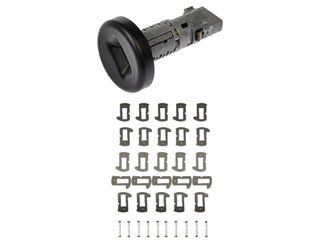
(OEM #ACDelco D1462G)— This component houses the exciter coil that reads the key's transponder. The coil or its wiring can fail, preventing the key from being recognized.
Trusted brands: ACDelco, Dorman (e.g., 924-796)
OEM price range: $150-$250
Aftermarket price range: $80-$150
Related Codes That Often Appear With This One
- B3060 — This code, "Unprogrammed Transponder," often appears with B3055, indicating a general failure in the key-reading process.
- B3935 — Relates to "Transponder Authentication Error," another code pointing directly to the communication breakdown between the key and the vehicle's security module.
Technical Service Bulletins (TSBs) & Recalls
- PIC5650M: Provides information on intermittent no-crank, no-start, or start-stall concerns with the security light on, listing B3055 as a potential DTC. It strongly suggests investigating RFI from aftermarket electronics.
- PIE0232: An engineering information request to gather data on low-mileage 2013 Yukon and Sierra models with no-start conditions and DTC B3055.
- PIT5030E: A diagnostic tip explaining how an improperly extended flip-key can cause a no-crank and set code B3055.
Platform-Specific Known Issues
- GM Technical Service Bulletin PIC5650M directly addresses an intermittent no-crank, no-start, or start-stall concern with the security light on, specifically listing B3055 as a related trouble code and heavily pointing towards Radio Frequency Interference (RFI) from aftermarket devices like phone chargers and LED lights.
- GM Preliminary Information bulletin PIE0232 was issued for 2013 models to investigate the root cause of no-crank/no-start conditions with B3055 on low-mileage vehicles, indicating it was a known issue from the factory.
- Bulletin PIT5030E notes that on vehicles with flip-keys, if the key is not fully extended and locked in the straight position, it can cause a no-crank condition and set a B3055 in history.
- Owners on forums frequently report success by either replacing a worn key or performing the 30-minute key relearn procedure. The ignition lock cylinder is the next most common culprit when keys and RFI are ruled out.
Mechanic-Grade Diagnostic Values
- Theft Deterrent Module (TDM) Ground Circuit Resistance — expected: Less than 10 ohms. Failure: A value greater than 10 ohms indicates an open or high resistance in the ground circuit.
- Theft Deterrent Module (TDM) B+ Circuit Voltage — expected: Battery Positive Voltage (B+). Failure: Voltage significantly less than battery voltage indicates a problem with the power supply circuit to the module.
- Theft Deterrent Module (TDM) Signal Circuit Resistance to Ground — expected: Infinite resistance (OL). Failure: Any reading less than infinite indicates a short to ground in the signal circuit.
Hidden / Shadow Codes Worth Checking
- B3055 00: The '00' is a standard symptom byte indicating 'No Sub Type Information'. This is the typical format seen on a GM Tech2 or GDS2 scanner when this fault is present and current. (see via GM Tech2, GDS2, or other professional-grade scan tool capable of reading manufacturer-specific body codes and symptom bytes.)
Scan Tool Commands That Help
- Tech2/GDS2: Live Data: 'Immobilizer Key Status' or 'TDM Transponder Key' — This is the primary data parameter to monitor when diagnosing B3055. With a suspect key in the ignition, it will read 'Not Present' or 'Invalid'. With a known-good key, it should read 'Present' or 'Valid', immediately confirming if the key or the reader is the issue.
- Tech2/GDS2: Special Function: 'Setup SDM Primary Key in BCM' — This function is required if the BCM or SDM (Airbag Module) is replaced. A communication mismatch between these modules can sometimes cause other seemingly unrelated DTCs or warning lights, so this handshake is critical after module replacement.
Wiring & Ground Locations
- BCM (Body Control Module) — Inside the cabin, located under the driver's side of the dashboard, to the left of the steering column.. The BCM is the central module that receives and interprets the signal from the ignition key's transponder via the exciter coil. All related wiring terminates here.
- G218 — A primary ground point for the BCM, typically located on the A-pillar behind the driver or passenger side kick panel, bolted to the chassis.. A poor connection at G218 can cause a multitude of electrical issues, including no-start conditions and setting various BCM codes. A common failure is the thick dash insulator mat getting trapped between the ground eyelet and the body, preventing a solid connection. This can cause intermittent and hard-to-diagnose problems.
- Underhood Fuse Block — On the driver's side of the engine bay.. Contains fuse #35 (2A), which is often labeled for the alarm or theft system and provides power to related components.
Real Owner Repair Stories
- Reddit user in r/Justrolledintotheshop (GM Vehicle (specific model not stated, but behavior is identical to Yukon)) — Towed in for a no-start. Customer believed the starter had failed. When the key was inserted, the horn would sound and the DIC displayed a 'Theft Attempted' message.
❌ Tried (didn't work) Customer's insistence that the starter was the problem and the key was not the issue.
✅ What actually fixed it The technician scanned the vehicle and found DTC B3055. The key was physically broken and held together with tape. After replacing a weak battery, the technician programmed a new, physically intact key to the vehicle, which resolved the code and the no-start condition completely. The starter was not faulty. - YouTube video by ADD AUTOMOBILE SERVICES (2013 Chevrolet Equinox (uses similar Passkey III+ system)) — Intermittent no-start where the security light would sometimes stay on. Code B3055 was present.
❌ Tried (didn't work) Simply trying to start the car repeatedly.
✅ What actually fixed it The technician diagnosed an intermittent failure of the transponder chip inside the original key. Using a key cloning tool (VVDI Key Tool), he read the data from the intermittent original key and wrote it to a new 'super chip'. He then placed this newly cloned chip inside the original key's housing alongside the faulty one. This provided a reliable signal, permanently fixing the intermittent no-start.
OEM Part Supersession History
88964357, 15216929, 19149940→GM 15795321 / ACDelco D1462G— Standard part consolidation and revision over the production lifespan.
Heads up: These part numbers refer to the Ignition Lock Cylinder housing which contains the transponder exciter coil. While they have been superseded, they are functionally equivalent for the specified vehicle range. The latest number is GM 15795321, which is sold by ACDelco as D1462G.
Model Year Variations Within This Range
- 2007-2014: This generation uses the Passkey III+ (PK3+) system, which is distinct from older GM systems. PK3+ uses a rolling code algorithm for enhanced security, making it more complex than the fixed-code Passkey III or the resistor-based VATS/PASSKey I/II systems. Diagnostic and bypass procedures for older systems will not work on these vehicles.
Helpful Videos

We Have This Part in Stock

The information in this article is provided for general reference and educational purposes only. Vehicle specifications, procedures, and part compatibility can vary by production date, trim level, and region. Always consult your vehicle's factory service manual and verify part numbers before purchasing or performing repairs. Safety-critical components such as airbags, seat belts, and braking systems should be installed by a qualified professional.
- Gmc YUKON XL:
- 🧭 Diagnostic Flowchart
- 🎬 Helpful Videos
- 🛍️ Shop This Part
- What's Unique About the 2007-2014 Gmc YUKON XL
- Symptoms You May Notice
- Most Likely Causes
- Rare But Worth Checking
- Diagnosis Steps
- Parts You'll Likely Need
- Related Codes That Often Appear With This One
- Technical Service Bulletins (TSBs) & Recalls
- Platform-Specific Known Issues
- Mechanic-Grade Diagnostic Values
- Hidden / Shadow Codes Worth Checking
- Scan Tool Commands That Help
- Wiring & Ground Locations
- Real Owner Repair Stories
- OEM Part Supersession History
- Model Year Variations Within This Range
- 🎟️ Get 5% Off